


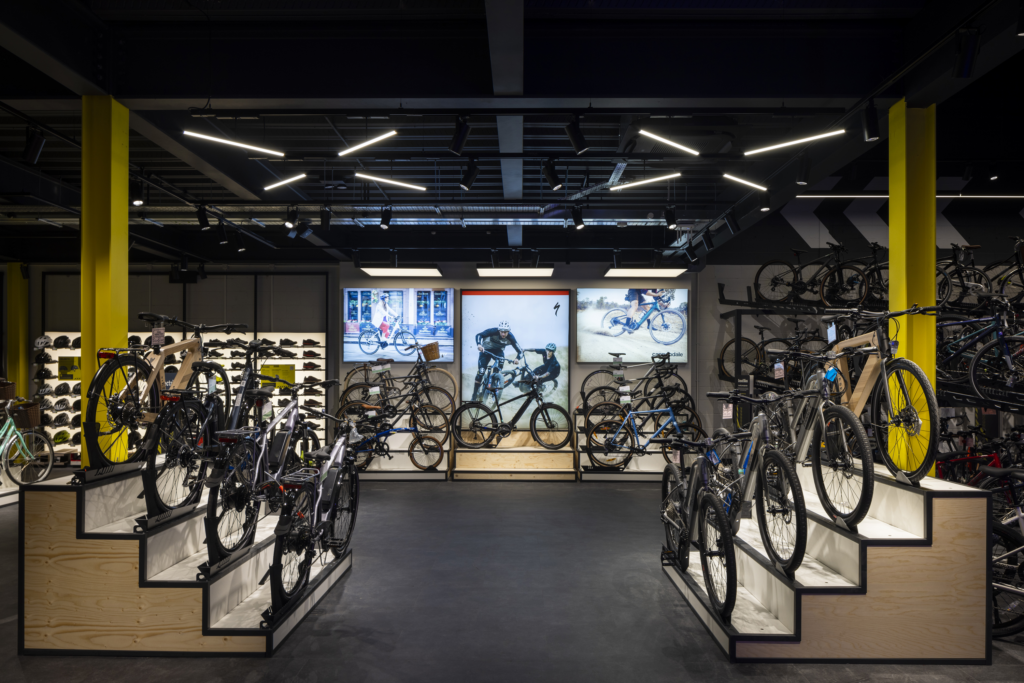

Evans Cycles has reduced its annual losses to £3.3 million in the year ending 28 April 2024, down from £22.8 million the previous year, as the UK’s largest high street cycling retailer seeks to recover from the bike industry’s prolonged supply chain crisis that sent financial results tumbling across the sector in 2022 and 2023.
The figures, published on Companies House, show that Evans’ revenue fell from £45.8 million in 2023 to £40.1 million over the latest accounting period. But thanks to what the company described as “operational efficiencies and tightening of costs”, the underlying pre-tax loss dropped sharply to £3.3 million, compared with £21.3 million a year earlier.
The Frasers Group-owned company attributed the revenue decline to a drop in the number of stores, with its retail footprint shrinking from 57 to 51 locations. Evans said its overall performance remained strong in light of the previous period’s figures being “skewed due to the well-publicised supply chain issues with bicycles, which the company has started to recover from”.
The company’s directors said they continue to monitor revenue, gross profit margins and underlying earnings as key performance indicators, and also cited store count as a non-financial metric. Its total retail space was reported at 249,000 sq ft, down from 272,000 sq ft the previous year.
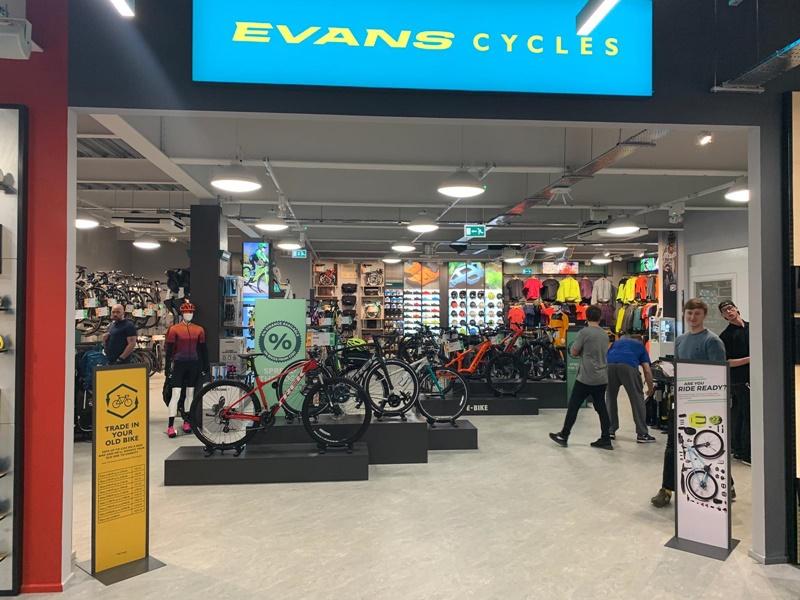
Looking ahead, the company added that it would continue with its “elevation strategy”. It said: “During FY24, we have continued to see the progress of the elevation strategy. The elevation of our multi-channel retail proposition remains a key strategic objective. To this end, we are improving the customer experience at every step of the journey. We aim to deliver an unrivalled range, availability and quality of products – both third-party brands and Group-branded products.
“The elevation strategy continues to enhance and improve our stores and all our digital operations, our product offering and our marketing channels. This is vital to strengthen our relationships with our key third-party brand partners, to deliver benefits for consumers and to drive the Company’s long-term profitability.”
The auditors said they found no material uncertainties that would cast significant doubt on Evans Cycles’ ability to continue operating for the next 12 months.
Frasers Group also noted in the accounts that it continues to support the Task Force on Climate-Related Financial Disclosures (TCFD) and is integrating climate-related risks and opportunities into its strategy across departments and corporate oversight bodies.
In August, the company announced that it would open two new stores, in Bristol and Sheffield. The 3,300 sq ft Bristol store opened as a relocation from an older site, while the Sheffield shop was planned as part of a wider Sports Direct and Frasers department store complex.
At the time, the company said these developments were part of an effort to “further its presence as the go-to destination for cycling”.
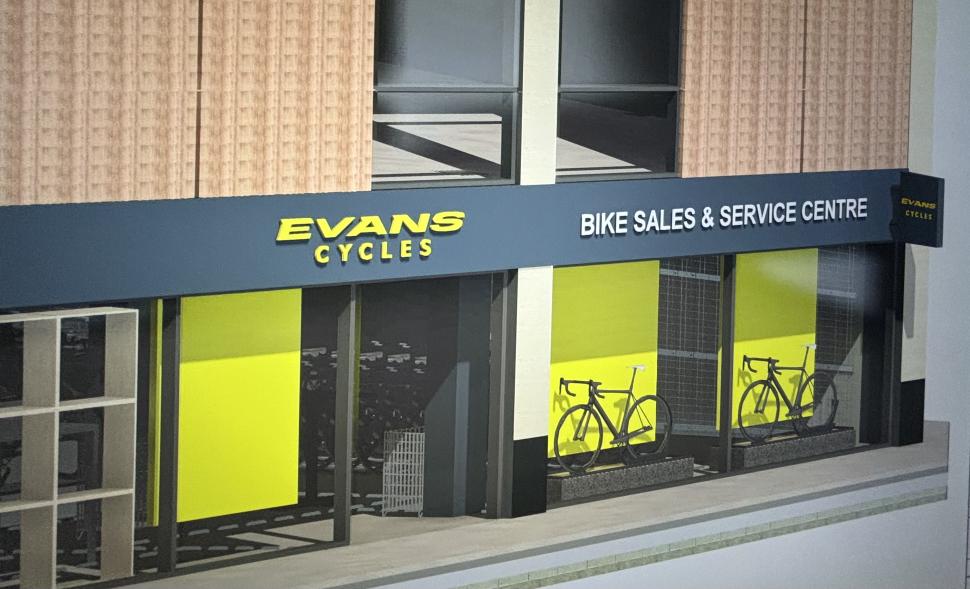
Frasers Wheels division managing director Russel Merry said then: “We remain big believers in bricks and mortar retail for cycling. Bikes are a considered purchase and customers value the guidance of a knowledgeable team member as well as being able to see and touch the bike in front of them, before making a choice.”
A few weeks earlier, Evans had blamed its £22.8 million loss for the 2023 financial year on supply chain issues and industry-wide shortages, with the company pointing to the disruption in sourcing bike components and stock following the global pandemic and its knock-on effect on manufacturing and logistics.
These issues were not unique to Evans. Across the sector, companies large and small reported long delays in acquiring key components throughout 2022 and early 2023, stemming from a combination of pandemic shutdowns, unprecedented global demand, rising shipping costs, and in some cases, post-Brexit import complications. Some manufacturers were forced to pause production or restructure operations altogether.
Heavy discounting to clear overstocked inventory followed in many cases. In May 2024, Evans was still selling Wiggle Chain Reaction outlet products at up to 70 per cent off, with entire floors of stores dedicated to clearance sales. The move came after Frasers Group bought the beleaguered brand for just £3 million earlier that year following the retailer’s collapse.








4 thoughts on “Evans Cycles slashes annual losses from £22.8m to £3.3m as company starts recovery from bike industry’s “well publicised supply chain issues””
The challenge with looking at
The challenge with looking at the figures of a single retail chain, in isolation from the group figures, is that there is no context. For example Fraser Group may own the leases/buildings that Evans trade from and may (for corporate tax reasons) choose to charge excessive/high rents (to show Evan operating at a loss) while transferring the “profits” via rent to a more attractive tax vehicle/haven and claiming tax relief on the losses. So without a detailed explanation by a knowledgable accountant, commentry is fairly meaningless.
Commentary on the issue is
Commentary on the issue is not entirely meaningless, but does require significant caveats.
Such as, it is not unreasonable to assume that any business deal involving Mr Ashley or his Fraser Group is legal to the letter of the law, but should be investigated for exploitative loopholes which contravene the spirit of legality for business practices.
Stopped doing business with
Stopped doing business with them years ago after the worst customer service I’ve ever experienced and THREE bikes badly set up. And it got worse after Frasers bought them.
They were once very good.
They were once very good. Even forgave them losing a middleburn bullet valve cap. But recently only purchased from them when I had too. Got my kryptonite fagadabadit 1510 chain, in store pickup, now costs of course, needed to check if it would fit through the spokes of my Rohloffed wheel, most expensive part on the bike. Only just. And they were the only one I could get my Shimano saint pedals from.