



A long time ago, on a [Dawes] Galaxy far, far away, solace-seeking British cyclists would roam free on the traffic-free lanes and byways of this once mighty land. From the Yorkshire Dales, over unpronounceable high passes of Wales, through the bothies of the Highlands and the banks of the Lakes they would venture.
All along their wheezy way they were backed faithfully by doorstep-sized cheese butties, sweetened by Kendal Mint Cake and washed down from tartan flasks filled to the brim with slow-stewing builder’s tea. All this was stashed in huge saddlebags and raggedly wrapped in bright yellow oilskin rain ponchos, stitched together and patched with dreams of escape and adventure.
These were the journeymen and women of the analogue Galaxy, regular folk who were often shunned by the fashion-conscious young sporting cyclists of the era, and figures who laid the very wheel tracks to a future far, far ahead. They were perhaps great woolly ancestors of bikepacking and gravel riding, the adventure cyclists of old… of course I’m talking about good old fashioned bike touring, and a large proportion of them would look no further than the classic Dawes Galaxy touring bike when choosing the ideal steed for their adventures.
Revolving Dawes
It was way back in 1906 when Mr Humphries and Mr Dawes entered a partnership in the business of making motorcycles, and to a much lesser extent bicycles, as did many other British marques of the day.
Some 20 years on the duo parted ways, with Charles Dawes going head on into producing bicycles in Tyseley, West Midlands, sold under his family name; and so, Dawes Cycles was born.
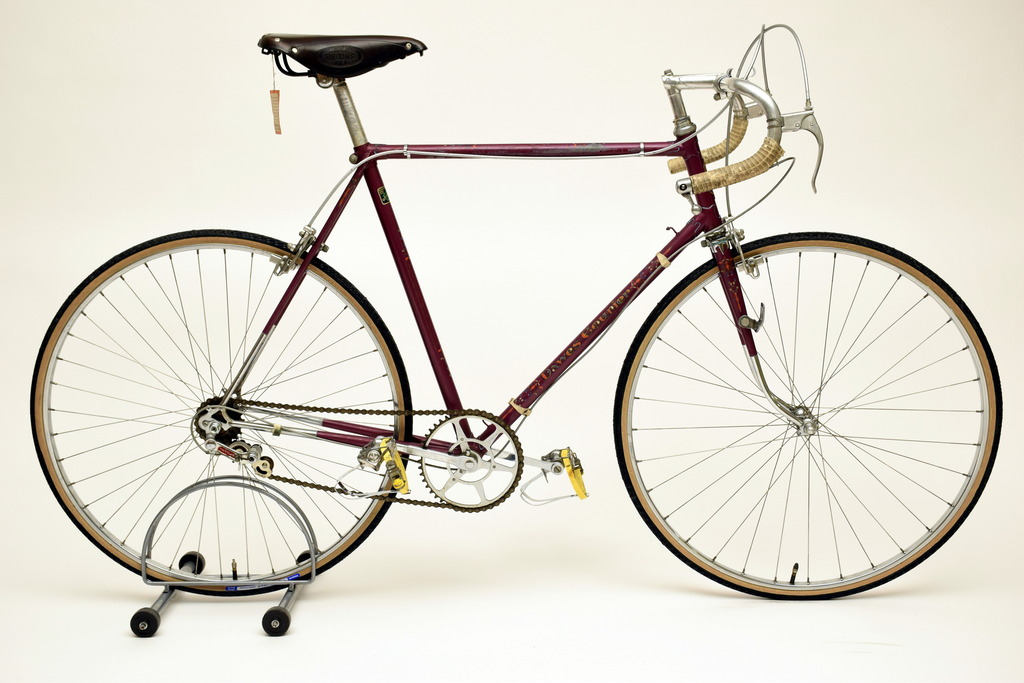
From the outset Dawes made a name for themselves, producing quality family and leisure-orientated bikes that were affordable and good quality. In 1951 they launched the Courier, a bike aimed at the growing long-haul touring market, and soon after that they added the Windrush to their evolving touring bike range. These two models could well be considered as the parents of their future star model, which was not born until 1971.
The Galaxy touring bike, along with the many variations that followed on, was to put Dawes well and truly on the map when it came to quality bike manufacturing in the UK, and during a time when many of the major rivals were facing financial strife and takeover uncertainty.
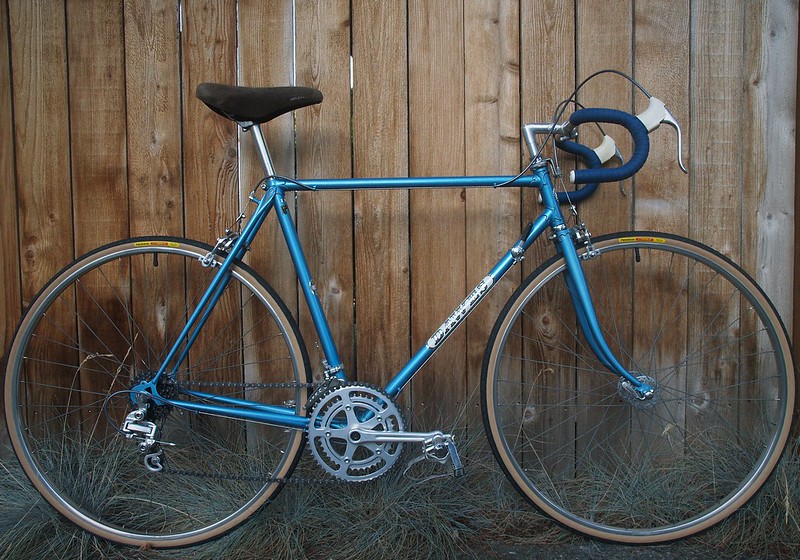
For any cyclist who lived through the 1970s and right up until the 90s, the Dawes Galaxy was at the top of the list if you asked them to name a touring bike. Indeed, it would be fair to say that anyone with a passing interest in cycling during that era knew that the Galaxy was the bee’s knees when it came to quality touring bikes, and it was virtually a household name.
During the mid-70s Dawes were producing around 1000 bikes a week, which was impressive by anyone’s standards. All through the previous generations Dawes had remained a family business, right up until 1978, and they somehow evaded the takeovers that engulfed its near neighbours Brooks, Sturmey-Archer and Reynolds during that era.
Trading places
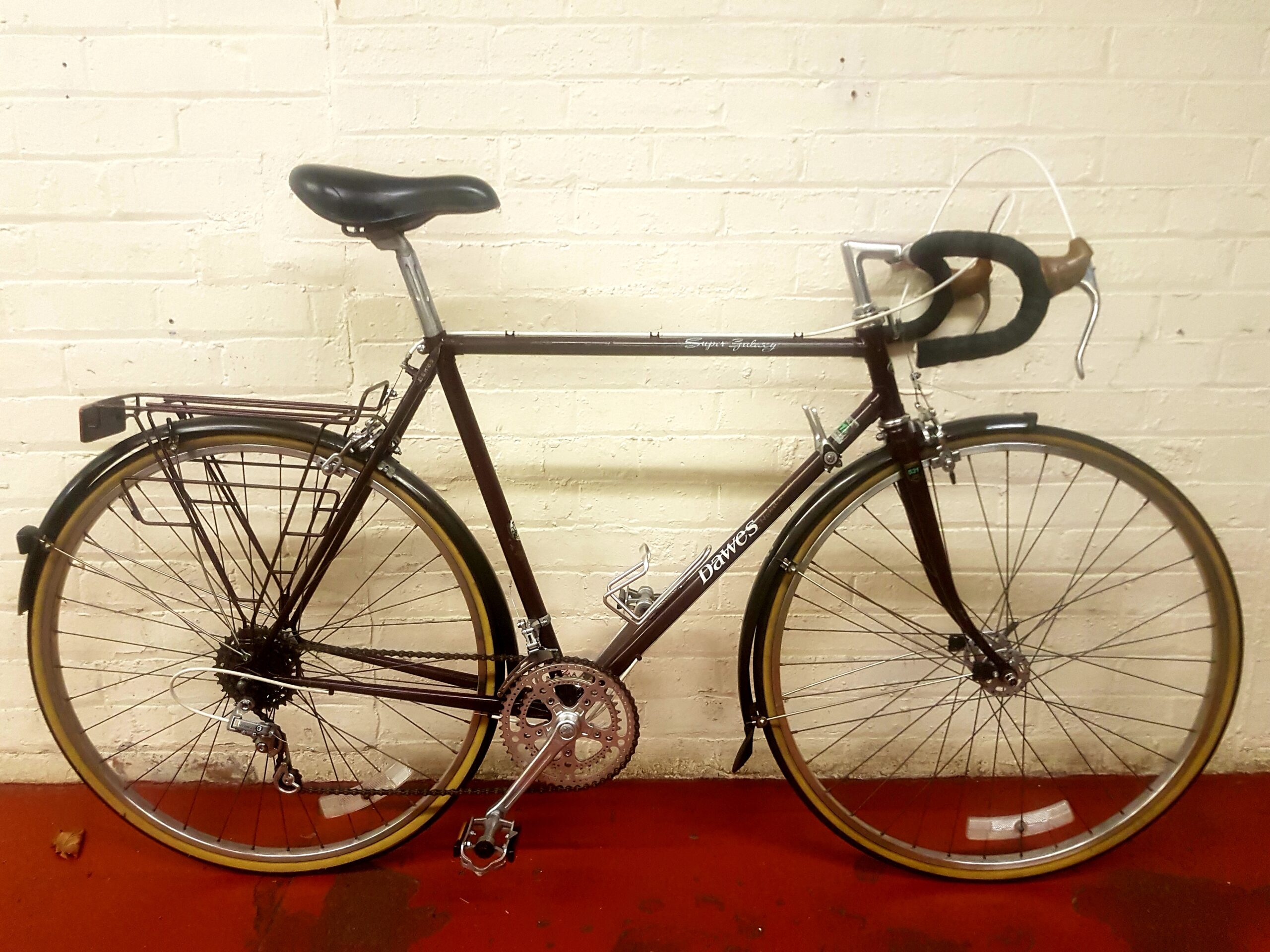
However, their reign as a family entity manufacturing in the UK was to follow the sad and well-trodden trail of most other classic brands of old… that being into an infernal cycle of takeovers by conglomerates, which naturally meant a drastic scaling down and outsourcing of manufacturing for Dawes.
Even so, with a core of long-standing staff the brand still had a good reputation through the early years of mountain biking, with bike such as the Edge and the Double Edge tandem holding steady. They sat alongside classic later iterations of the Galaxy, as well as Milk Race and Team GB budget racing bikes among others.
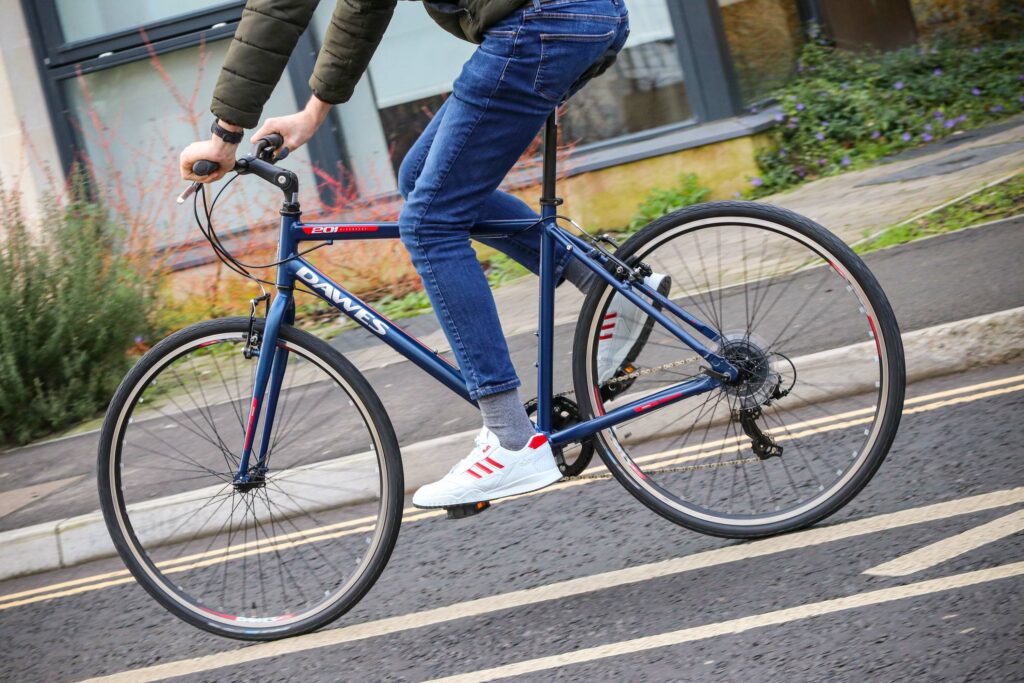
The Dawes brand was acquired by the Tandem Group back in 2001, and now stands alongside their many other classic British brand names. It’s arguably all but a name on a range of medium to low-end family and commuter-orientated bikes, although the Galaxy remaining as a nostalgic star of past right up until 2020, when it was sadly discontinued after 49 years of continuous production.
The demise of the Galaxy was something of a travesty, falling victim to market trend in an era when, ironically, bikepacking and long-haul riding is more prominent and fashionable than ever before.

Although Dawes were best known for their touring bikes, they did also make good racing bikes, sponsoring various pro teams and riders over the years. Many top British racers of the past used Dawes branded bikes, from Phil Bayton, Keith Lambert and Sid Barras through to Chris Walker, Jon Clay and Darryl Webster among others. They rode with teams such as Watertech and PMS-Dawes, and in 2012 the brand pulled off something of a huge marketing coup when Dawes bikes were supplied for the opening ceremony of the London Olympics.
Tales from Dave’s Galaxy
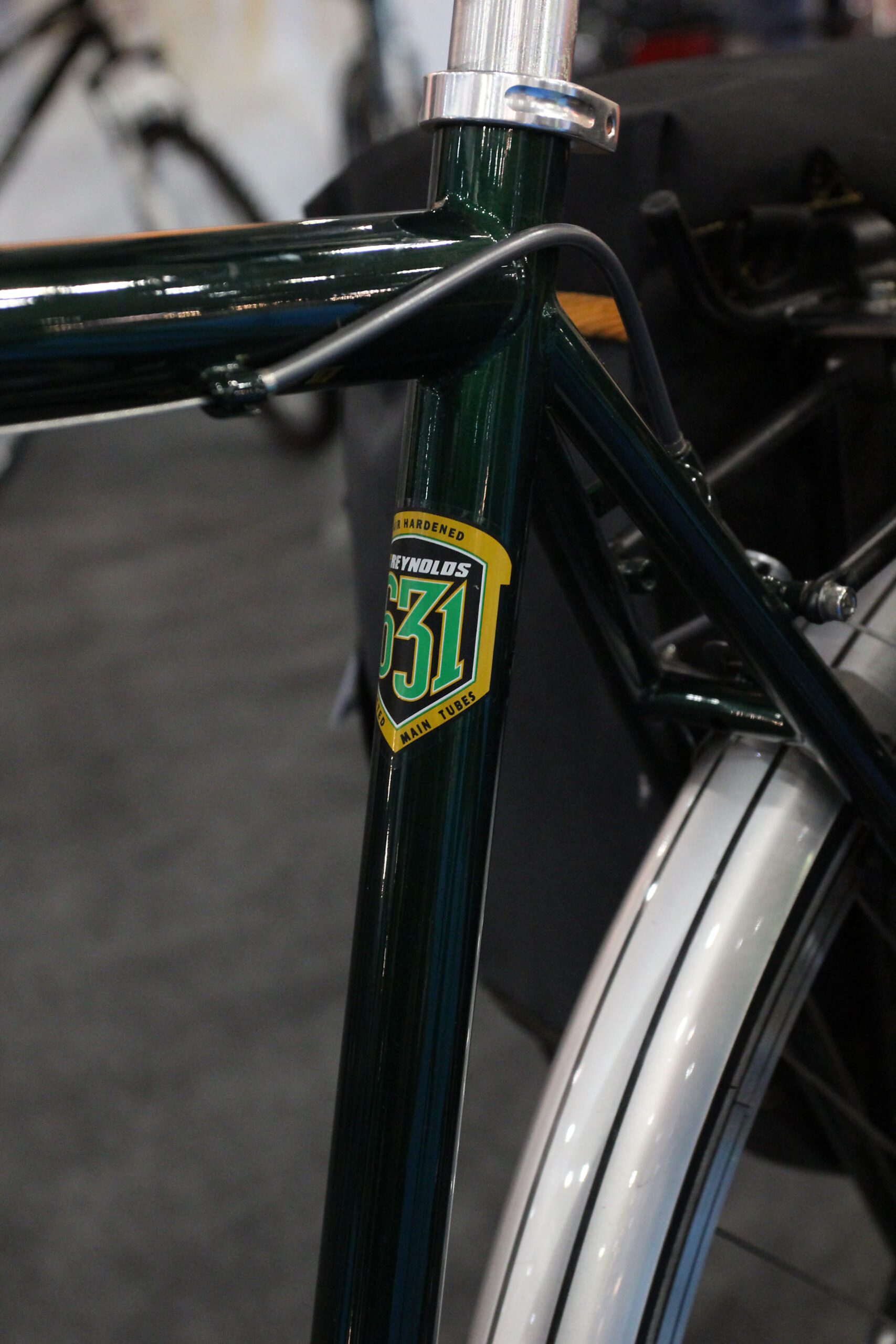
If you’re of a certain classic steel vintage age, then you most likely knew at least one local character who owned – or who had owned – a Dawes Galaxy. No doubt they had a saddlebag jam-packed with tall tales of adventures on their wonderful machines.
In my own case, during the late 70s and 80s that Galaxy rider was ‘Dave’*, a portly middle-aged, working class and semi-retired salt of the earth character who was graced with a distinctly local twang; one that was so thickly laid that anyone outside of his immediate local galaxy would need an interpreter to make sense of him!
Whenever you pulled up at the local bike shop and saw that gleaming British racing green and chrome Galaxy propped up outside, then you knew you were not going to be getting away in a hurry. Much like Yoda with a flat cap, Dave was always perched on the much prized and rickety old three-legged wooden milking stool in the corner of the dusky labyrinth, otherwise called the workshop. Dave had most probably been there for hours already, and would remain so till closing time, entertaining all with his witticisms and slow-paced tales of adventures on his Galaxy. He was a man who would give and take the proverbial as much as anyone, and lord knows we all gave him enough of that.
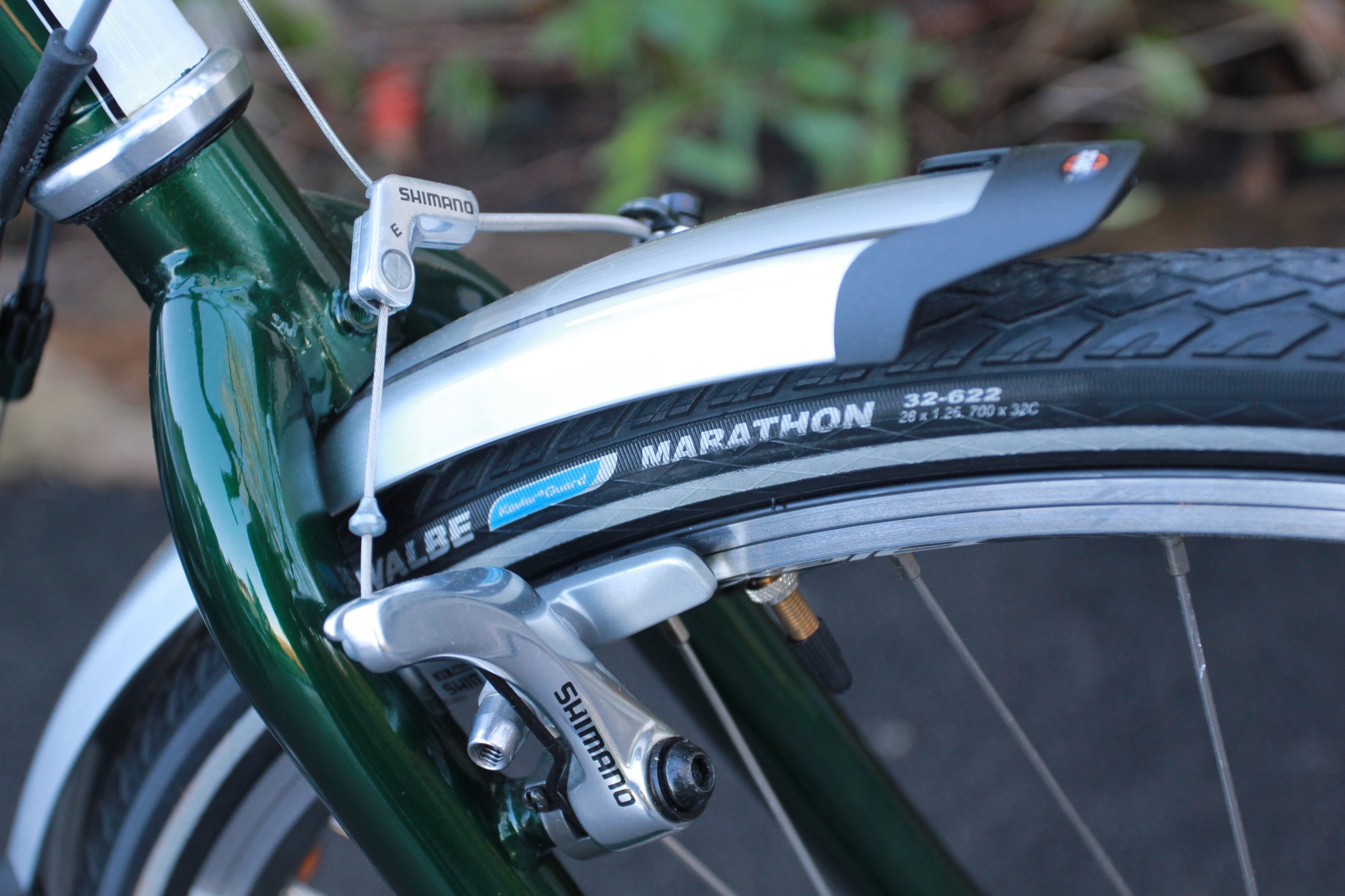
Dave’s Galaxy stretched way beyond the Andromeda, and at least as far as distant rides to places like Hay Bluff, Barmouth and even beyond, distances that were hard to fathom as a young racer from the West Midlands. Eyes would cross paths and roll across the workshop like slow marbles, and we all loved Dave and his tall and slow tales of the road.
Looking at Dave, you’d just figure that he was a regular middle-aged fella… until the day when I was out on a long solo winter training ride in the middle of nowhere. After grappling up towards the top of a steep climb, I caught sight of this vision on the horizon, coming over the top in the opposite direction all weaving and panting through the chilled winter mist, and sure enough it was Dave on his Galaxy, and suddenly those tales began to make much more sense.
> Britain’s toughest hill climbs
All too often, while out riding we’d pass by a cafe or country ale house, and Dave’s Galaxy would be leant up outside. No doubt he’d be inside spinning tales and creating more memories of the open road.
Looking back, I guess these days we would say that Dave was indeed living the dream. We just didn’t know it at the time.
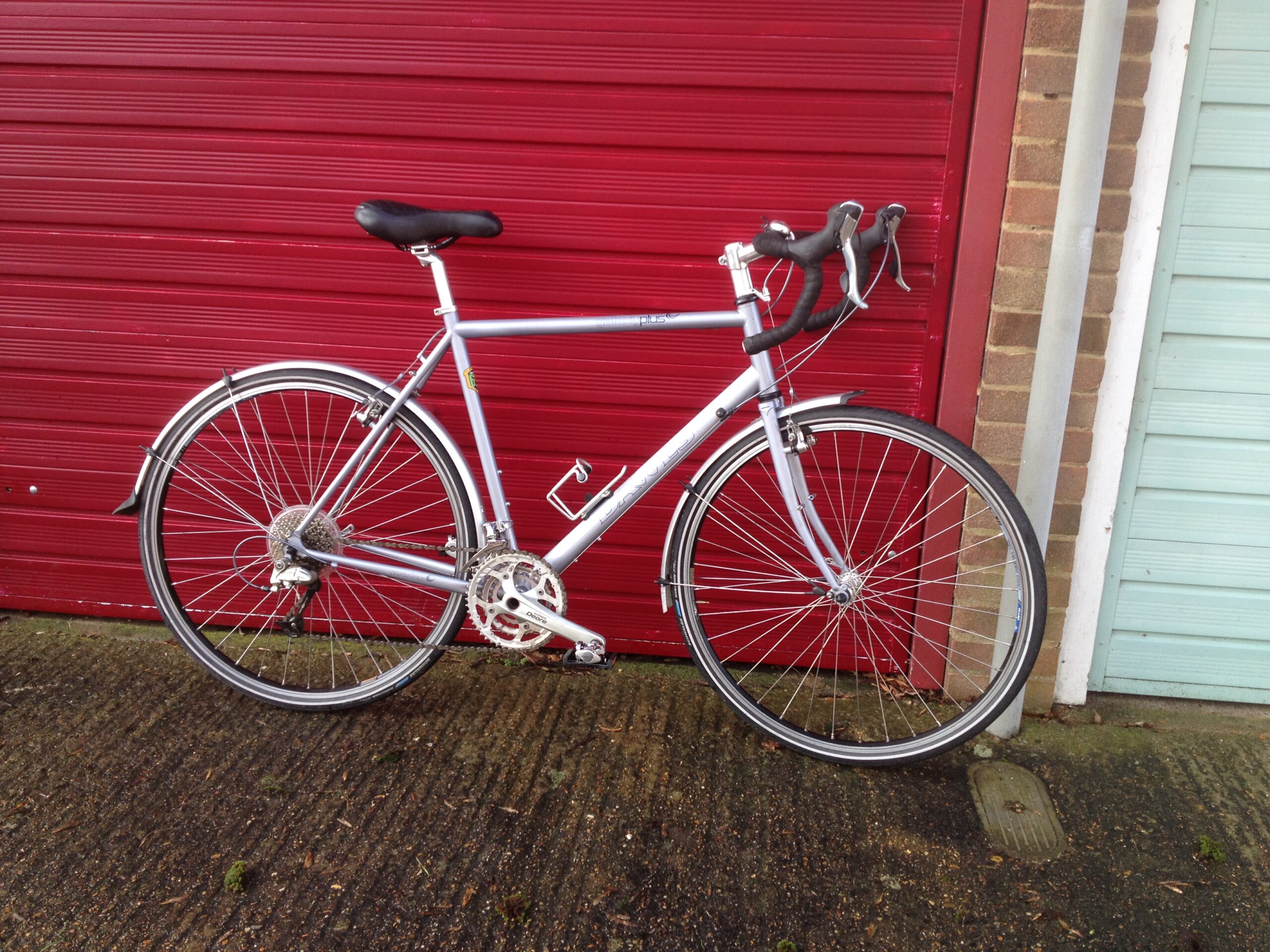
As I tap this tale out, I have an all new and revitalised take on Dave and those Galaxy riders, pioneers of the since rebranded and artisan embossed art of bikepacking. I do wonder just what Dave would make of the way things have gone, and indeed if he would be considered a gnarly old pioneering icon these days…
* Dave’s name was not actually Dave, but has been changed for this story to add to his mystique!



















34 thoughts on “A brief history of Dawes, the classic British brand behind the legendary Galaxy touring bike”
Brilliant. I wanted a galaxy,
Brilliant. I wanted a galaxy, couldn’t even afford a horizon.
A few friends at the
A few friends at the comprehensive had green galaxies, I went for the Peugeot racers.
My first road bike was the
My first road bike was the Milk Race.
Rich kids! Way out of my
Rich kids! Way out of my budget in 1970s. Got Raleigh Flyer 5-speed at uni in Nottingham, crashed it after giving blood, bent frame, replaced with Falcon Eddy Merckx 10-speed for Sutton Bonington, Nottingham, Loughborough A to B as fast as possible. Used that for my only Youth Hostel holiday with a bunch of mates – far better than the wallowing tourers in the group
I didn’t know the company has
I didn’t know the company has gone south, a sad story.
It’s not often that a bike model has its own Wikipedia entry: https://en.m.wikipedia.org/wiki/Dawes_Galaxy
Now there’s Ridgeback who still do off the shelf sensible bike’s, and that’s it I suppose.
I suppose Surly as well,
I suppose Surly as well, although I loathe them (no idea why). Then there’s the likes of Spa, Thorn, and other niche makers. Gravel bikes have taken over the tourer market, such as it was.
SecretSam wrote:
Could it be the subliminal messaging in the brand name?
Hmmmm. Dawes were always
Hmmmm. Dawes were always propped up in the ’80s by their association with the CTC (now Cycling UK), who promoted the Galaxy as the tourer of choice. There were, however, much better bikes that were much better value.
Still, sad to see them go, but ‘touring’ as opposed to ‘bikepacking’ (I know, same thing) is a bit of a niche market now. No doubt it will come around again, as young people think they’ve invented something new…
True. I tried one. Felt like
True. I tried one. Felt like riding a camel
I mean we’re pretty much at
I mean we’re pretty much at full circle. ‘bikepacking’ panniers are a thing now ?
“‘touring’ as opposed to
“‘touring’ as opposed to ‘bikepacking’ (I know, same thing)”
Not really, touring, i.e. with racks and panniers, was actually a 1930s improvement on baggage being strapped to the frame. So bikepacking is a step back historically speaking (well not totally, it has its uses on narrow paths and trails, but a lot of people do it because it’s da hype, when they’d actually be far better off with racks and panniers).
Saw one turn up Conington
Saw one turn up Conington Road, Lewisham, just last week. Immaculate, gleaming condition. Straight out of showroom in 1970s. Didn’t know the Galaxy started as recent as 1971. I did try one belonging to colleague around ’78 but it felt like a Kawasaki Z1 – a camel – not for me. My sports were cricket, rugby, football, hockey with cycling as fast as possible from digs to uni and between Nottingham and Loughborough. One reason for so many British family businesses folding was death duties, tax, probate that made it difficult to keep a company in the family, even if next generation wanted to. Massive difference between UK and Germany and designed to make it easy for City finance holding companies to take over little people
Sure – there were and are
Sure – there were and are better in this or that way. And it doesn’t feel svelte as you mount it and set off. And when going for a ride I now tend towards my other bikes (my finances have improved over the years)…
But … the (nth hand, free to me) Galaxy is the one I’ve covered the furthest distance on, by far. And despite the rust, the rear frame now being warped and the drop-outs polished beyond grip it’s still there, still occasionally carrying really heavy stuff when needed. Yes it’s now a bike I will leave almost anywhere as after over a decade of all-purpose use it truly owes me nothing. But even if I’d paid full price it would have been an outstanding deal. A very good all-round design (quality apparently varies depending on your vintage).
‘unpronounceable high passes
‘unpronounceable high passes of Wales’? Thought better of you road.cc
Dogless wrote:
I don’t have a problem with that.
It’s better than mocking another language because you don’t understand it (as too many English are happy to do, even ones who live in Wales and think it’s fine to disrespect the local culture).
Dawes seem to have enjoyed a healthy reputation for a long time, with the Galaxy being their brightest star. I wouldn’t be surprised if their bikes were chosen many of the intrepid members of the Rough Stuff Fellowship among many others. But in a crowded market they no longer have a USP. Trek have discontinued their 520 steel tourer too.
I’d say this was mocking
I’d say this was mocking Welsh. Would they say the same about unpronounceable Swiss/French/German/Scottish passes I wonder?
Dogless wrote:
Perhaps so. I too would hesitate to tackle Dutch/German consonants while reading any Gaelic out loud would be beyond me.
I don’t think it was intended to mock (and I have seen and heard enough of that over the years!).
Yes. We talk about German
I think we caricature other languages, including English (especially Yank English).
We talk about German words with 18 syllables and no vowels, don’t we?
I’m currently trying to educate a Youtuber from Yorkshire called The Bowler Hat Man, who does good detailed 95% correct coverage of Reform UK local govt cockups, to start saying “Derby” as “Darby”, rather than “Durby” (as if it was a pair of his Y-Fronts).
mattw wrote:
If we’re talking stereotypes then I doubt he’s from Yorkshire – he’d be T’Bowler ‘at Man if he were, no?
I really cannot undestand why
I really cannot understand why touring geometries aren’t the most prominent on the roads for commuters. You can be very comfortable on your drop bars, have good control of your bike and see the road. I really like them.
Carbon frames, disk brakes, 12 speed cassettes, through axles are all good, but it is a shame for the bike industry that there are relatively few options for cheap touring bicycles.
To me also it seems a big loss to discontinue the Galaxy when you have such a strong brand name. Keep it even at low numbers, a good text in your site will upgrade your brand
Because people think they
Because people think they need a more ‘racy’ bike/ geometry………
Seeing the road, and hazards is pretty important on a bike…..being more upright helps this.
These are the true do it all
These are the true do it all bikes. Only thing better yet is the French version, the randonneur bike with front loading and low trail geometry; on these you can have a really thin wall frame.
Absolutely!! I really want
Absolutely!! I really want one of those bikes….steel frame, that geometry, 650b wheels…they look so purposeful.
Nearest I can find is https:/
Nearest I can find is https://www.cinellibicycles.co.uk/shop/bikes/hobootleg/
brooksby wrote:
I would argue that possibly the nearest “brand’ name to the Galaxy is probably something from Thorn – thats without getting into the realms of the UK custom build scene.
https://www.thorncycles.co.uk/bikes
Secret_squirrel wrote:
If I had the money, I think I’d probably go and talk to Spa Cycles.
My first ‘proper’ bike – I
My first ‘proper’ bike – I asked for a Galaxy frameset for christmas/birthday, and spent the next year or so building it up, with Simano Deore gears, a Suntour oval crankset, a Brooks B17 saddle, Blackburn front and rear racks and Karrimore panniers and handlebar bag (no saddlebag though). My parents were sick of me asking for this piece or that everytime i was due a present. The frame was in gunmetal grey, so it was badged up as a Super Galaxy. My pinnacle achievement was getting my Mavic MA40 wheels built by Jack Lauterwasser, who had been a Olympian but was then well into his 80s. Did a few rides with him (he on a Moulton) and he kept up with us teenagers well until the uphills kicked in and he needed a bit more time to get up them.
The Galaxy did many many miles and European tours until it finally met its end following a hit and run which creased the down tube. I couldn’t bear to get rid of it, until my wife got sick of it getting in the way, so it now adorns a garden wall with climbing flowers through its frame and spokes, and cascading from its cut down water bottles. Wheels are still true though…
Happy memories of my 32y old
Happy memories of my 32y old Super Galaxy. Carried me across Europe twice…slowly.
Still ride it occasionally but without the huge panniers.
Oh, and I am Dave!
I own an 87 Dawes Galaxy that
I own an 87 Dawes Galaxy that has Reynolds 531st, but these older touring bikes, while extremely well made, but didn’t have bosses on their forks so we could put panniers on them like more modern touring bikes have, so they were more for light touring though back in those days camping gear weighed a bit more than they do today.
Trigger (of Broom fame) here,
Trigger (of Broom fame) here, to explain why I’m chill about them ceasing production of Dawes Galaxy bikes. Thing is, in a stable population you only need a finite number of Galaxy’s at any one time – they last more than a lifetime with a bit of TLC. If you want a Galaxy, there’s always a dozen to chose from on EBay, and another will be along in a minute.
Quote:
Easier to pronounce than Cholmondley, Mousehole, Happisburgh, Leicester, Worcester or Bicester, but we won’t allow a cheap put down spoil an otherwise mildy amusing article.
I was thinking about the Galaxy a couple of days ago as it being the bike I had always wanted. It seemed to be the pefect “do it all” bike of the time.
Indeed – I believe the Celtic
Indeed – I believe the Celtic languages have more phonemic orthographies. (It seems hard to do worse than English in that regard). But being an ignoramus (Scottish) Gaelic always seems to have far too many vowels and “h”s for how the word sounds (albeit in Scotticised pronuciation – locals will say it correctly). Welsh seems to go the other way with consonants (doubling some and sneakily counting “w” as a vowel) – Bwlchgwyn, Ynysybwl.
I’ve an old Dawes Galaxy via unknown numbers of former owners. It’s not “thrilling”, it’s “heavy” compared with more modern frames but has done thousands of miles of everything I’ve needed in comfort (general hack, light exporing inc. off-road, heavy touring, “cargo bike” carrying way too much and pulling heavy trailers). My setup is simple to maintain and (components excepted) has coped with sometimes indifferent maintenance.
The frame is now battered (indeed bent) and rusted the frame but refuses to die.
It would be nice if it had a fork that would fit longer canti brake pads – well, actually a fork that had more clearance full stop. And perhaps a sloped top tube (think some Ultra Galaxies had this).
Quote:
🥷
Very nice review of the Dawes
Very nice review of the Dawes history. I’d like to claim credit as the former owner of the 1950 Dawes Courier that you’ve included in this article as a 1951 Courier. The photo is one I took of it not long after I acquired it. That photo and many others can be viewed here: https://photos.app.goo.gl/kAsKZxBryBjjjBsCA
I’m including a pic of me with the bike in 2016 during a tweed ride in Lansing, MI USA near where I reside.
Here’s more info. about my Courier and its history:
https://dawescycles.wordpress.com/2017/01/19/dawes-courier-the-festival-of-britain/