



If you’re fortunate enough to enjoy the great British winter, or live in climates that are prone to an awful lot of rain, you’ll know exactly what it’s like riding in the mud. Although it can still be a lot of fun, it creates an awful lot of faff, it’s not quite as easy, and it’s pretty hard to gather the motivation to head out and roll about in the filth. But what if I told you that you can still smash in some bike time without having to deal with the muddy aftermath?
- The best mountain bikes you can buy for under £1,500 – full sus and hardtails
- Five things that weren’t cool – until enduro happened
- Buyer’s guide to mountain bike pedals – what’s best, flats or clips?
I’m a big advocate for riding in muddy conditions, a pig in… if you would. But I may be one of the fortunate few who find a child-like sense of liberation in getting home, slathered in mud. If you’re not like me, fret not, because there are multiple ways of getting out (or in) on the bike, without having to face the filthy consequences. Some mean trying new things, others mean not leaving the house at all, both of which can do wonders for your fitness and overall motivation. Let’s get stuck in
Head to the pump track
When our riding usually means that we’re headed to the local woods, pump tracks quickly become overlooked. However, they’re a fountain of skills and fitness just sitting there, ripe for the riding. If you’re not sure what a pump track is, they’re generally tarmaced or gravel tracks built into more urban areas filled with rollers and berms. The whole idea of them is to get around them without pedalling, by pumping.
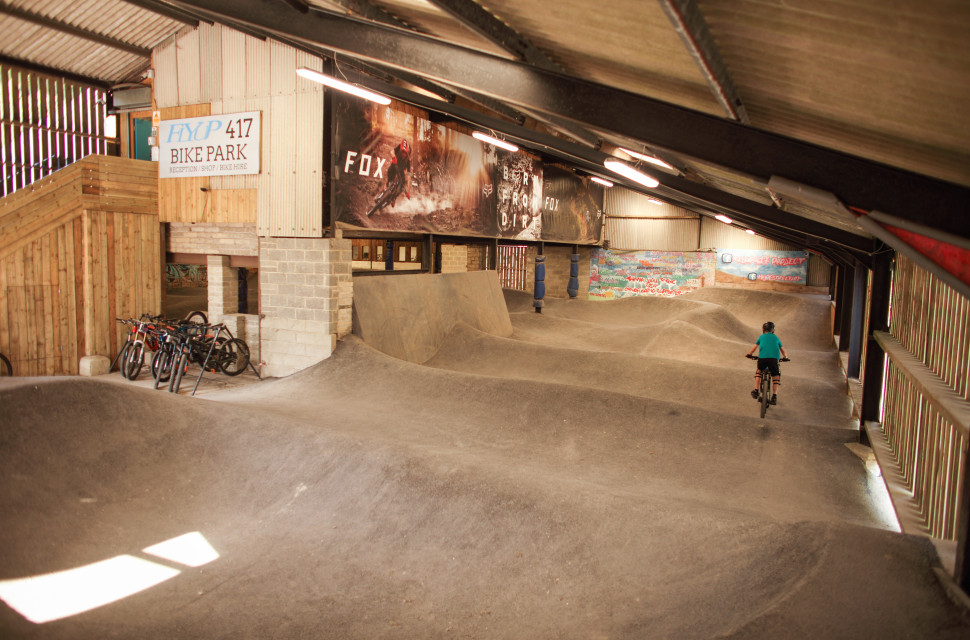
Pumping in its own right is an incredibly important skillset to practice, and none of us practices the simple technique more than enough, as it directly translates into free speed and momentum on the trail. As well as pumping, pump tracks can also teach you about jumping and cornering, all while bolstering that all-important fitness because even a few laps is a serious full-body workout. But the best thing is, if you’re not having to dodge rampaging scooter kids, they’re generally pretty clean to ride, even in the wet, meaning that you’ll come home without a serious washing-up list on your hands. You’ll likely end up proper sweaty, though, so bear that in mind.
Give in to indoor training
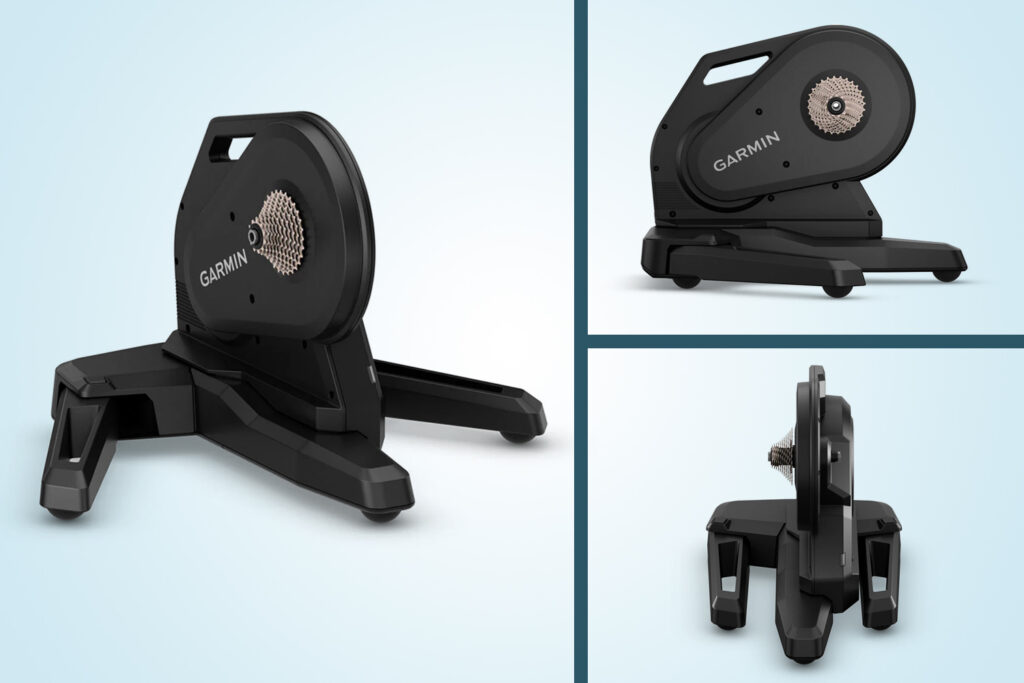
Although a solid Zwift sesh may not be all too crazy for any gravel riders, jumping on the turbo may be a foreign entity to any weekend warriors out there. It does require a bit of investment as you’ll need a turbo trainer and some kind of app to ride with, be it Zwift, Rouvy or similar, but it’s incredibly surprising what a few hours a week of indoor training can do.
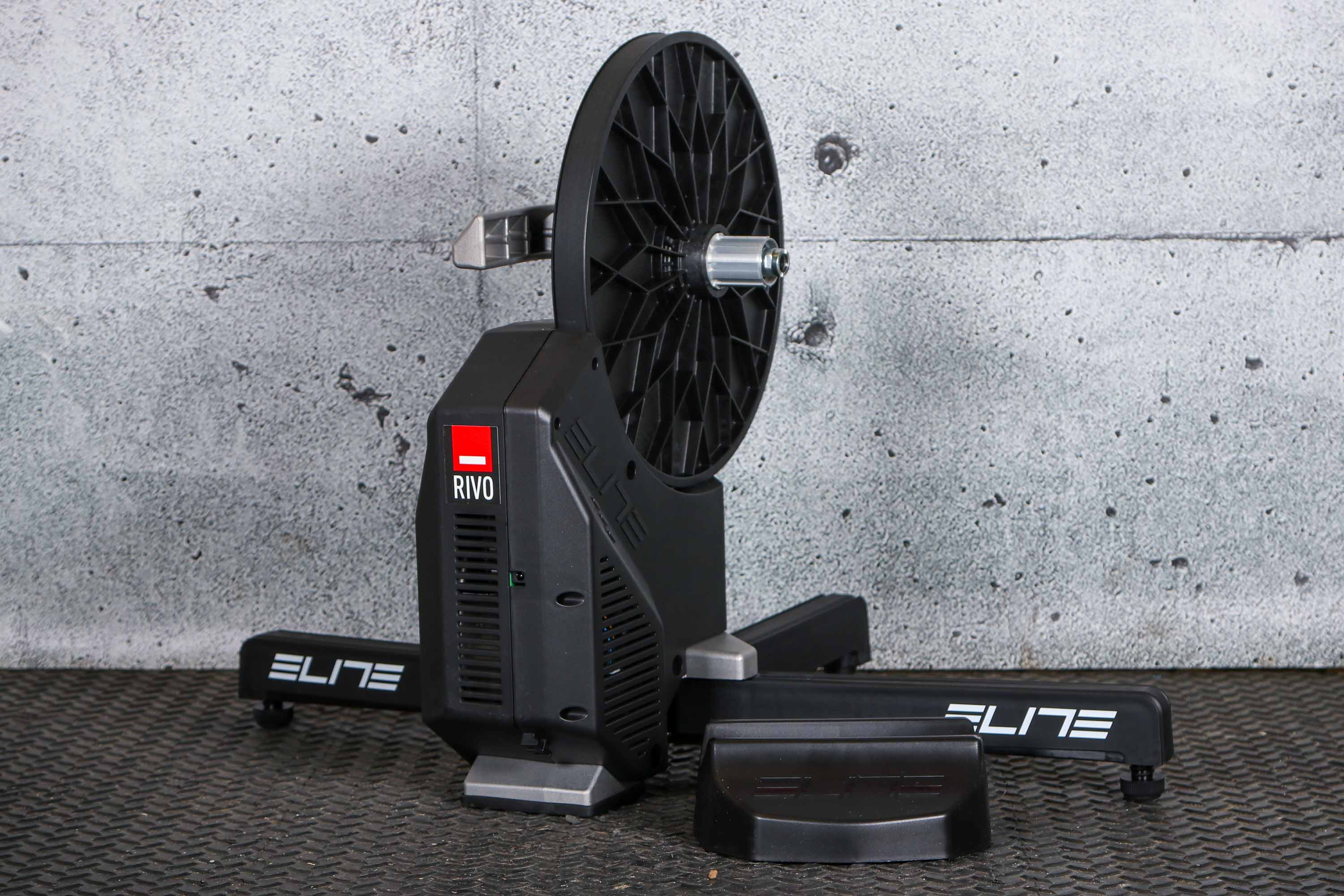
Yes, it can be dull, and yes, you’ll get incredibly sweaty (even with a good fan), but the beauty of indoor training is that you can do it at home. You can simply chuck on some bibs, whack something interesting on the telly and spin the legs for a bit. After a few weeks of this, you’ll really notice the difference once the outdoors gets less nasty.
Sack off the UK, go on holiday and avoid the mud altogether
Call it a training holiday, or just an excuse to soak up some summer sun in winter. This will probably cost a little more than the above options, but it results in some real bike time, riding in a new place. There’s plenty to choose from, too. Many European destinations have solid riding spots and plenty of guides as well as bike rental services to get you riding dust, rather than mud.
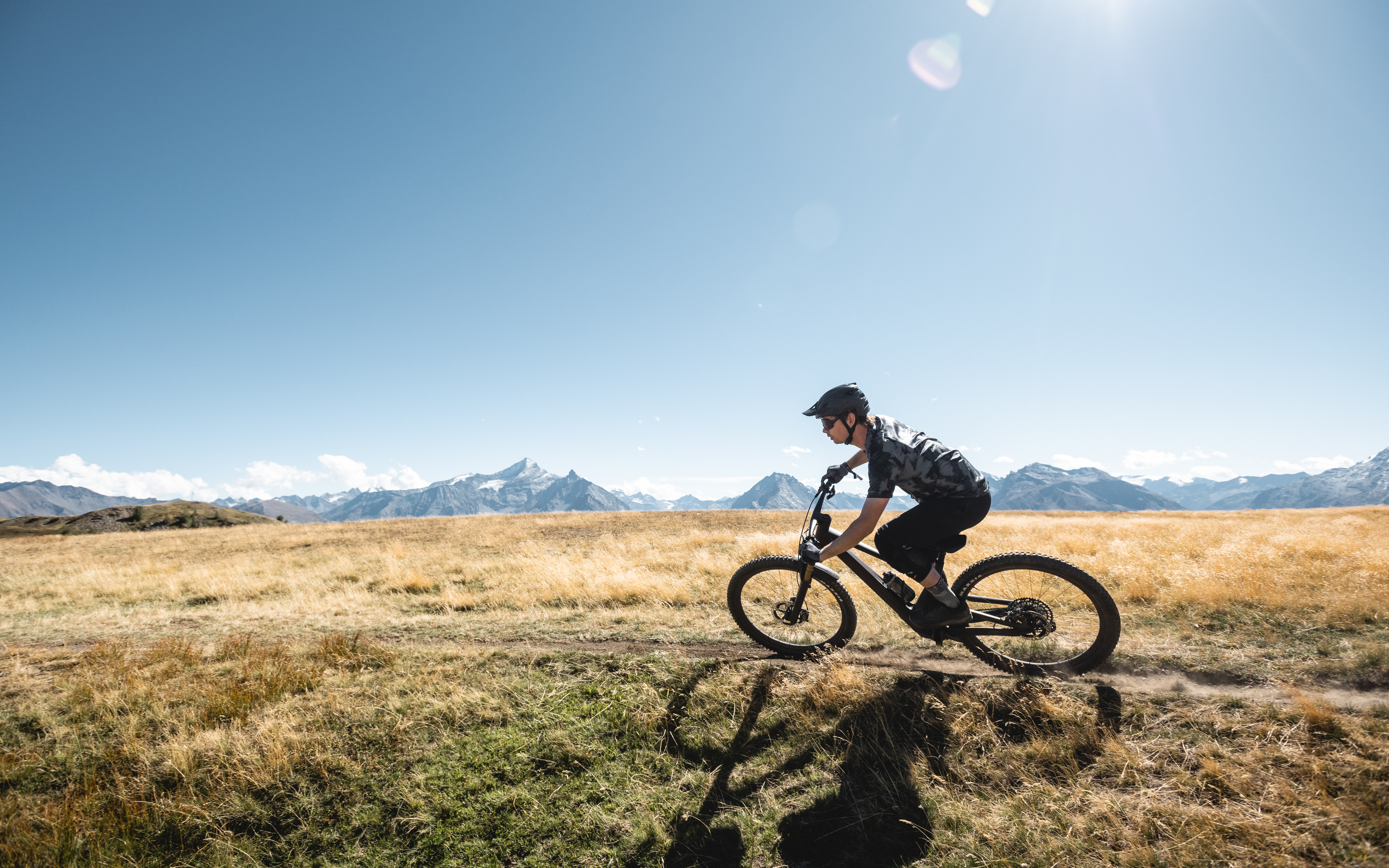
Gather some mates, hop on a plane (or the Eurostar), and get somewhere warm for uninterrupted, mud-free riding time.
Do something else…
I don’t mean ditching the bike completely, but cross-training… kind of. Cycling is very good at keeping you fit, but there are a range of sports that can complement that fitness through the winter months. You might even find yourself with a new hobby. Rock climbing, swimming, skateboarding, or even riding indoor skateparks are all excellent ways of keeping out of the horrible weather while remaining active.

Plus, it’s always good to take your mind away from bikes once in a while. It refreshes your brain, ready to be even more excited by knobbly tyres and steep descents. Then, there’s the cross-training aspect. Employing different muscle groups, and even the same ones that cycling requires, to do different things will generally make you a stronger and fitter rider, and there’s definitely no harm in that.
Deck out the wardrobe with some quality wet-riding clobber
If you’re hell-bent on riding throughout the winter, you can go out in jeans and a t-shirt, but that’s going to get very uncomfortable, very quickly. And if my years of testing bike stuff have taught me anything, it’s that good riding clothing is actually well worth spending money on, even moreso when it comes to winter garbs. Now, I’m not saying that you need to run out and drop £400 on a waterproof head-to-toe monosuit immediately, although that’s by no means a bad shout, I mean, you can spend wisely and buy waterproof kit you’ll actually need for the riding you’re planning on doing.
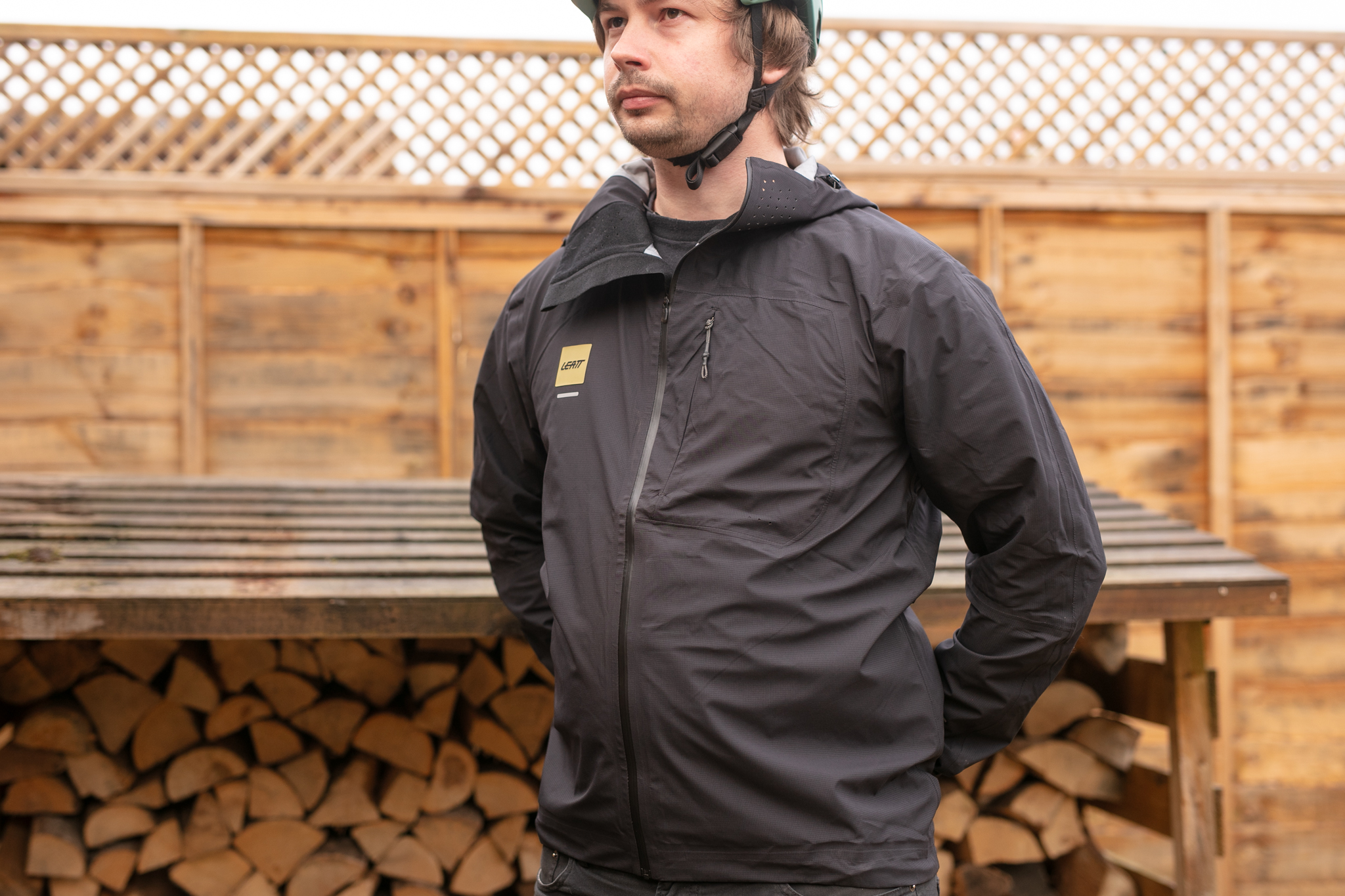
If you are intending on riding through the next named storm (please don’t), yes, a monosuit will be very useful. But if you just want to keep the mud off you and remain comfortable when it’s wet, but maybe not raining much, investing in some good waterproof shoes and trousers keeps the bulk of the filth at bay. If you’re likely to ride through showers, a light jacket will keep the mild wet out, while heavier-duty jackets will remain waterproof for longer. Just bear in mind the waterproof/breathability rating, often touted as 10k/10k, for example. The lower the number, the less of that thing the waterproof will be; the higher the number, the opposite.
Waterproof socks might be all you need, or just a DWR-coated gilet, but as usual, it’s all a case of buying for what you ride in, so shop mindfully.
If anything, get mudguards
The first line of defence against airborne mud is a mudguard. Hell, even suck up the fashion faux pas and get a duo of mudguards for the front and rear. I probably don’t need to explain the benefits quite this much, but mudguards are literally barriers that catch mud before it lands on your face and up your back. They bring loads of benefits, though, and generally, in the UK, most riders keep them on year-round.
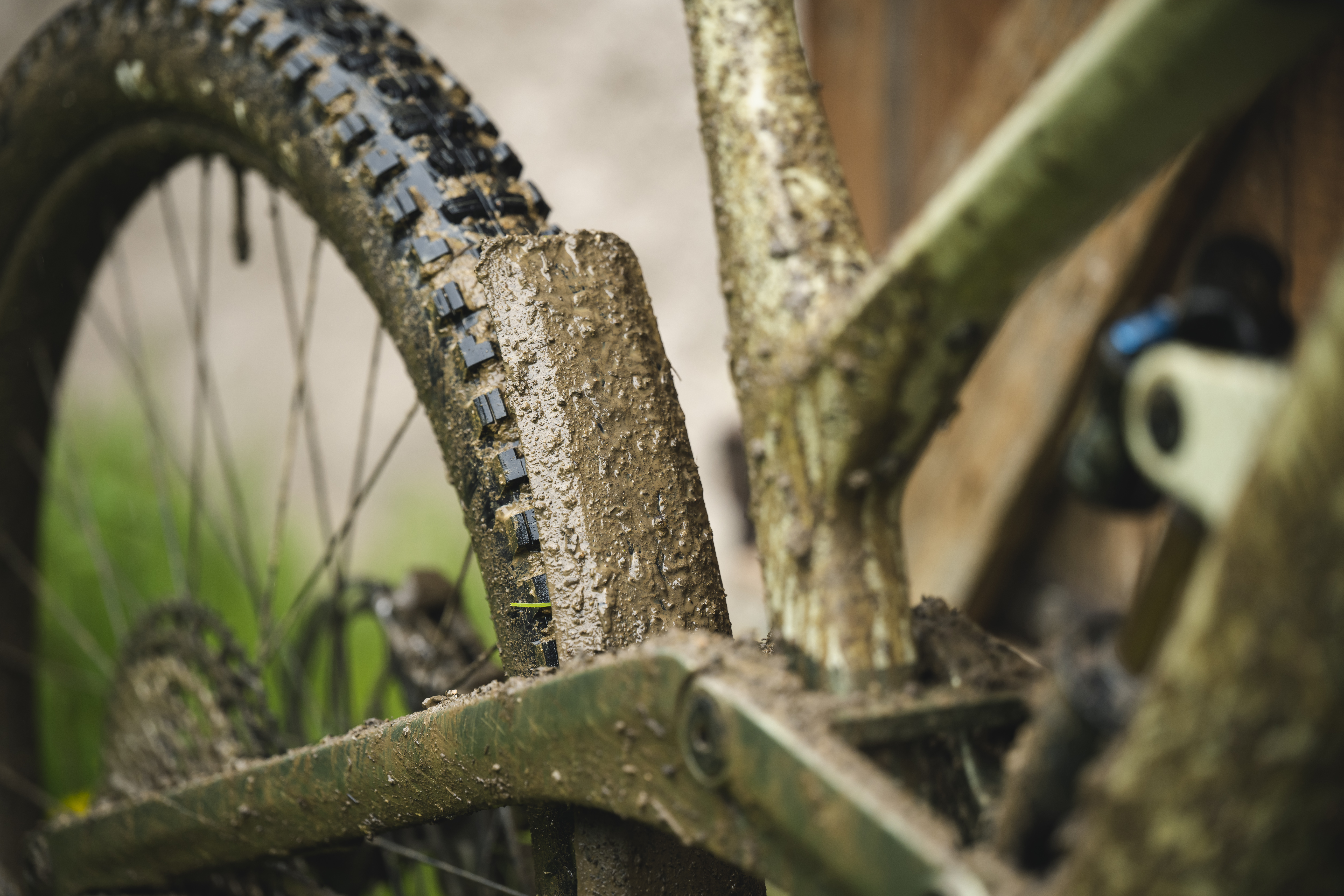
The first benefit is that they do keep you cleaner – we’ve also seen those videos of folk in sciencey paper bag suits. But importantly, a front mudguard should keep your vision clear as you’re riding. That means you’ll likely spend less time falling off your bike, and rolling about in the mud.











4 thoughts on “Six ways to survive winter riding if you hate mud”
Why has this also been published on ROAD CC? Please stop and instead publish ROAD cycling stories.
Your obsession has led you to make rather a chump of yourself here, go and have a look at the logo at the top of this page.
Not to mention that, in my experience at least, wanting to avoid the mud applies almost as much to riding British roads in winter as it does to off-road riding.
All of these points also apply to road cyclists.