


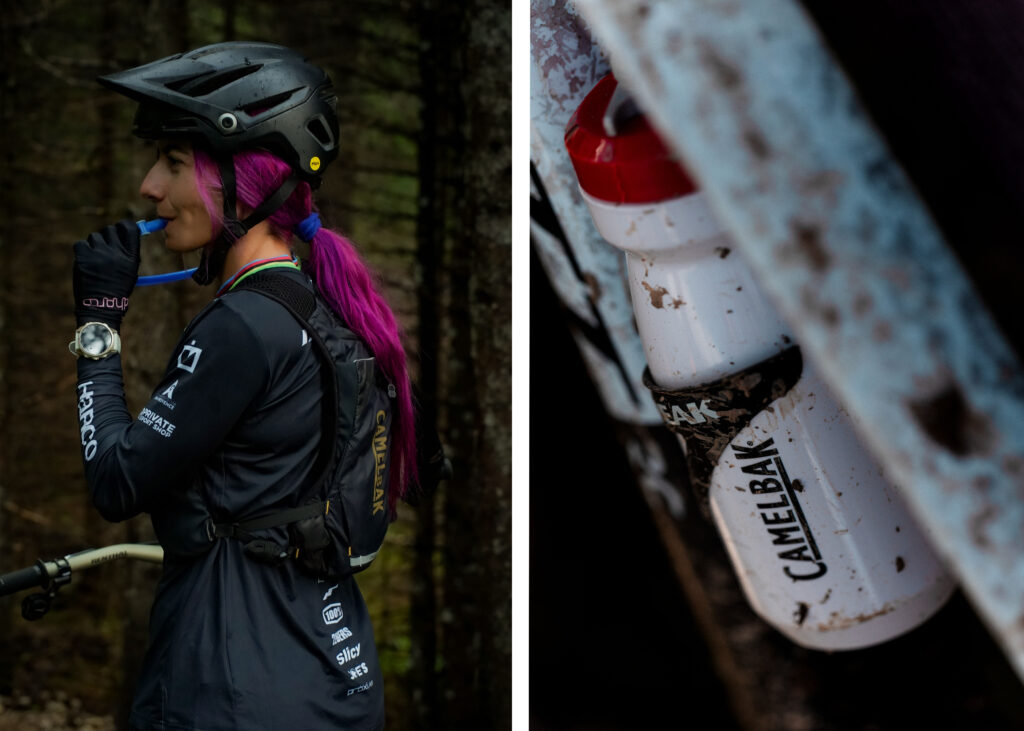


Becoming dehydrated is a sure-fire way to put an end to even the best mountain or gravel bike rides. When you sweat, you lose vital fluids, which can lead to brain fog and, in warmer climates, could even contribute to heat exhaustion… trust us, that’s no fun at all! With help from our friends at CamelBak, here’s how to stay hydrated on any off-road ride.
Hydration starts before your ride
It’s really easy to fill up a bottle or bladder just before heading out for a ride and think you’re all good. However, proper hydration requires a little more than that alone because as soon as you start sweating, you’re losing fluids and becoming dehydrated.
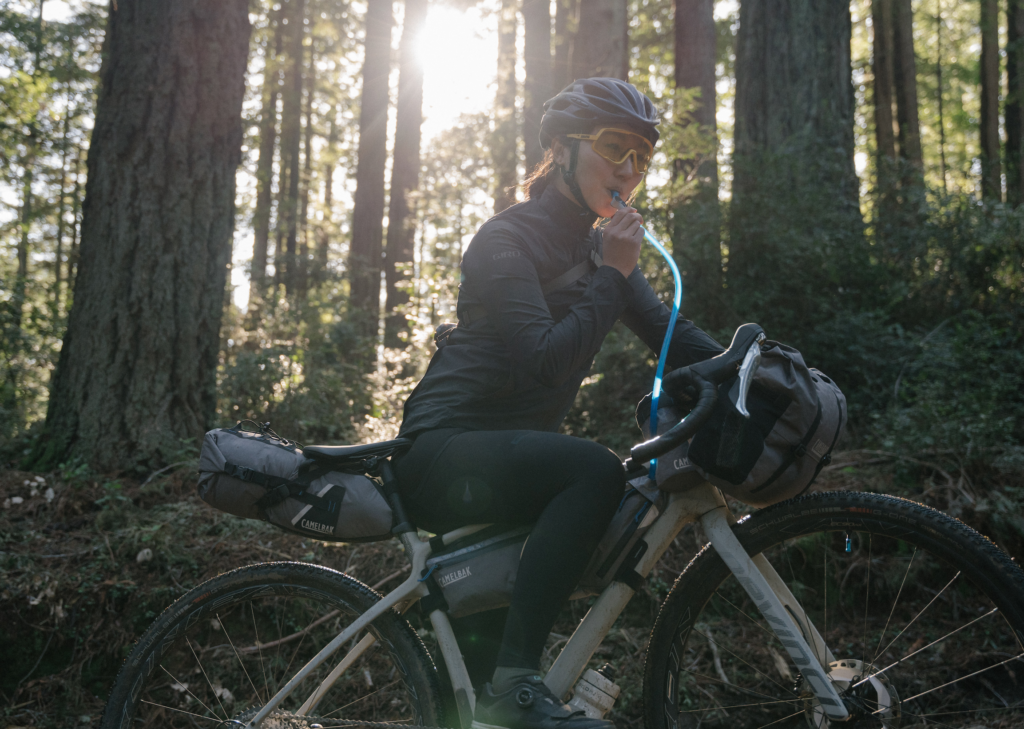
As even a small level of dehydration can affect mental performance as you exercise, it’s important to put yourself in the best place possible well before you get your kit ready for a spin.
Unless you’re aiming for peak performance at the highest levels of racing, pre-hydration doesn’t need to be anything particularly complicated. Just get a good amount of water in you well before your ride so the effects of dehydration don’t kick in as early. I’m talking perhaps a 500ml bottle before bed, and another a few hours before you ride.
Sip the right stuff, regularly
Of course, water is the bare minimum that you should be taking with you on every ride, but water alone cannot replace all of the useful minerals that you lose through sweat, like sodium.
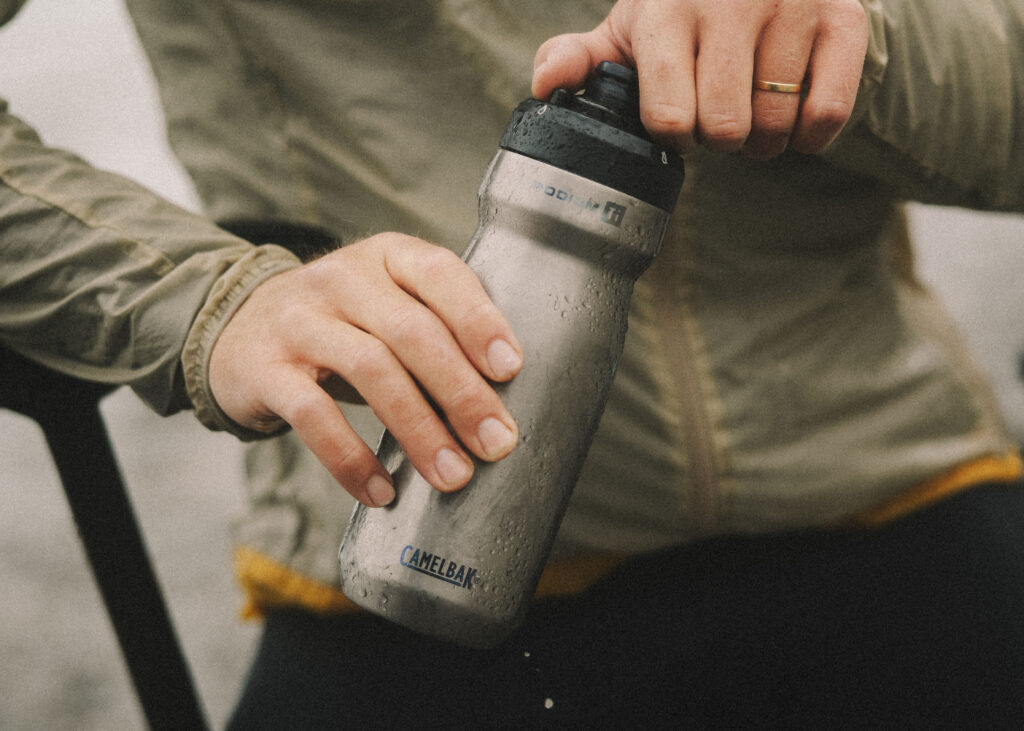
That’s where electrolyte tablets come in. These are packed with those essentials, so dropping one into your bottle or bladder before a ride will prime you with a drink that’ll replace the nutrients you’ll lose through sweat.
But just like proper fuelling, don’t wait until you’re thirsty to start taking some sips. If you’re thirsty, it’s likely that you’re already pretty dehydrated, and some of the negative effects will start to take their toll. So pre-hydrate and sip whatever fluids you’ve brought regularly to stave off the effects of dehydration. This’ll keep you riding for longer, while keeping you mentally sharp.
Bottles take the weight off your body
There are two methods of carrying fluids while you ride, and the most obvious is the bottle. The best thing about bottles like CamelBak’s Podium bottle is that they take the weight of the fluids off of your body and place it onto your bike.
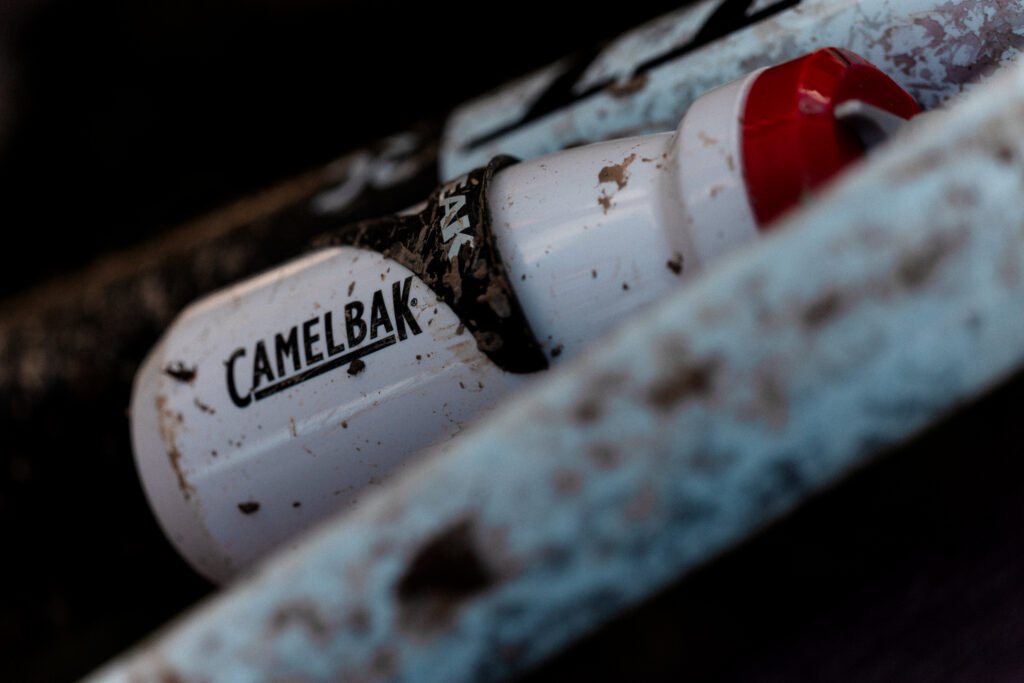
This allows for more freedom of movement, and some riders may find it a much more natural way of riding a bike. It’s also cooler, as there’s not a backpack close on the back to get all sweaty under.
There are some downsides to relying on bottles, however. Often, they’re right in the firing line of mud and water flung from the bike’s front wheel. So unless you’ve got a bottle similar to CamelBak’s Dirt Series, that has covers for when their mouthpieces aren’t in use, you’re going to get a filthy bottle.
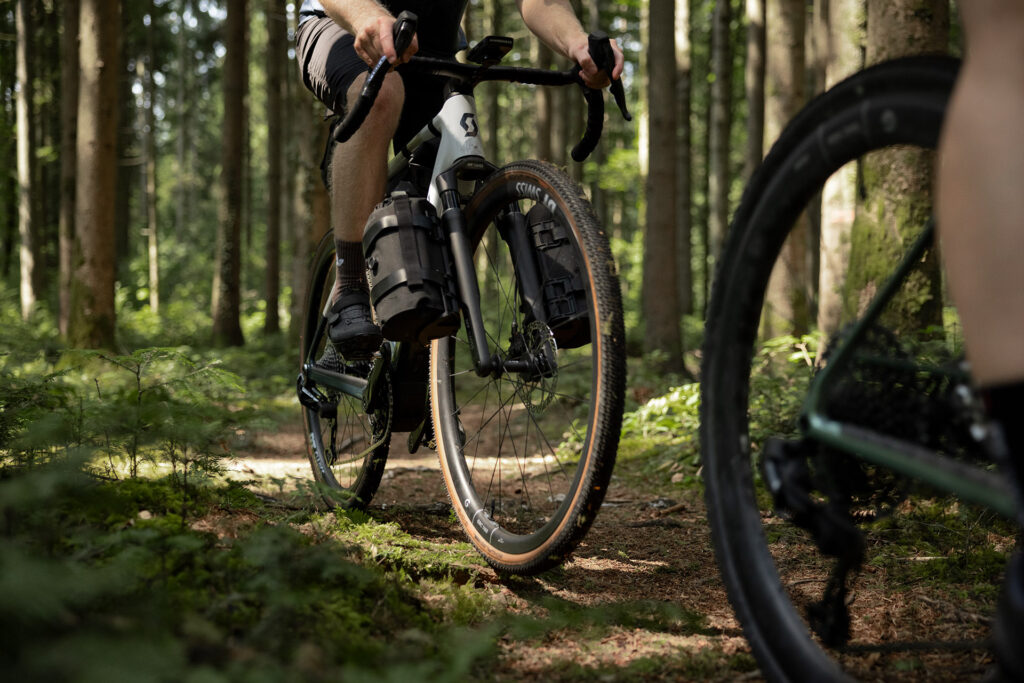
Additionally, the amount of water, or bottles you can carry, is limited to the number of mounts on your bike. Most mountain and gravel bikes come with at least one, while some up that number quite considerably. There’s then the subject of space in a bike’s front triangle, where some full suspension mountain bikes may have limited room, so users might struggle to fit larger bottles.
Of course, you’ll need at least one bottle cage, too. While that may seem like a downside, there are a few on the market that boast built-in multi-tools and the like, so they can be extra functional.
“I love long training rides on my mountain bike. That’s when the issue of staying properly hydrated always comes up. That’s why I never go without my CamelBak Chase Vest paired with the CamelBak Podium bottles. They are a must!” says Scott/SRAM rider Bjorn Riley.
Hydration packs take the weight off your bike
If you’re looking to take on bigger rides or longer races, that’s where a hydration pack is invaluable. Hydration packs come in all shapes and sizes, much like CamelBak’s rather small Chase Vest, which takes the form of a secure vest, while others like the CamelBak H.A.W.G. bring a serious heft of carrying capacity.
Hydration packs do things a little differently, as they use a hydration bladder to carry fluids. These are usually much larger than most bottles you’ll store on your bike, with the smallest bladders being able to carry one to 1.5L, whereas larger ones can carry up to three litres and more.
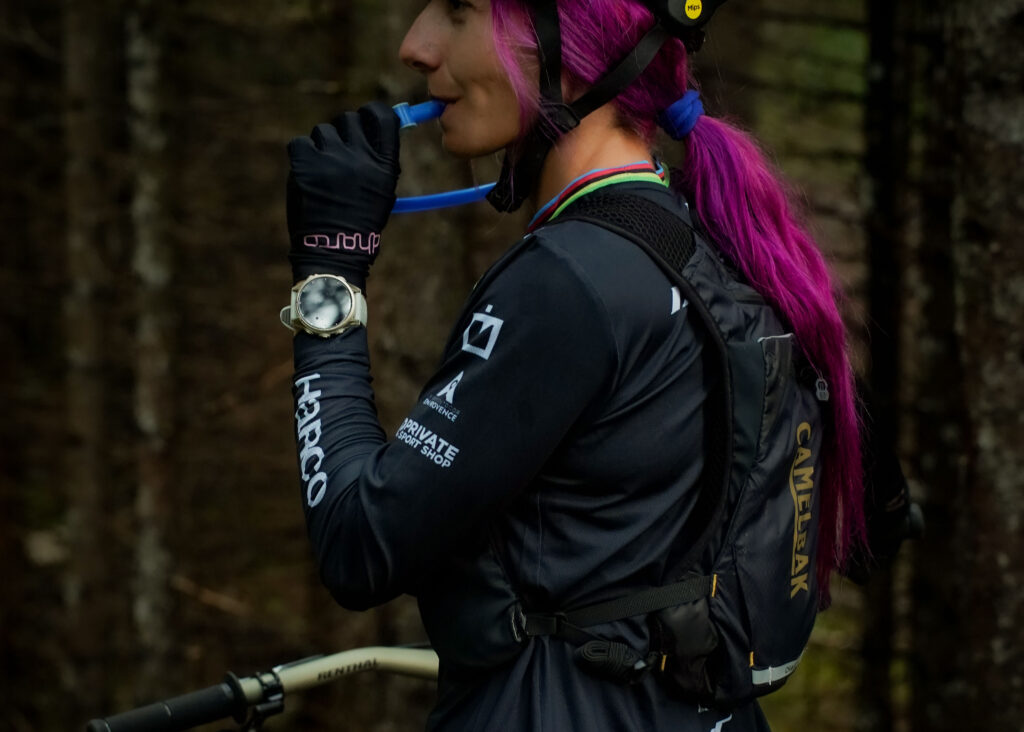
The benefit that hydration packs offer is sheer capacity. Not only can they carry more water, but they can carry more spares, extra clothing, and some even come equipped with helmet carriers.
Of course, that means that you’ll be carrying more weight on your body, and although some brands include neat technologies to encourage air circulation around the back, they can still get a little sweaty.
Thomas Frischknekt comments, “The Chase Vest is also the solution for staying properly hydrated during longer training sessions. Especially since, on most mountain bikes, you’re limited to carrying just one bottle.”
To find out more about CamelBak’s range, head over to the CamelBak website now


3 thoughts on “From bottles to backpacks and water to electrolytes: How to stay hydrated on your mountain bike or gravel rides”
Please remove this from Road CC’s webiste, which, as its name confirms, is for ROAD cycling, not gravel riding or MTB.
@Surreyrider you’re going to be outraged at the lack of river / ancient female warrior content on Amazon…
Sigma Sports have repeatedly ignored my demands to stop clogging up their site with cycling-related rubbish so that I can find the baryons I want to buy.