


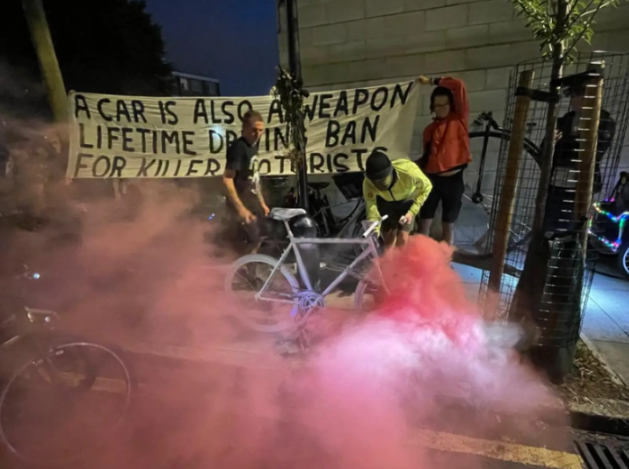

1,500 cyclists attended a protest calling for mandatory lifetime driving bans for “killer motorists”, after a driver was charged with murder following a shocking hit-and-run collision which killed a cyclist in Stepney Green last month.
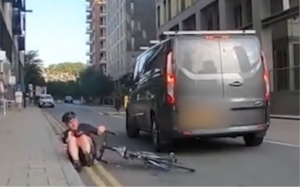
Chris Powell was cycling on Aylward Street in Stepney Green, east London, at around 11pm on Thursday 6 August when he was struck from behind at speed by a motorist. The 51-year-old was taken to hospital, where he died from his injuries three days later.
Parvez Ahmed Rahman was later arrested by officers and charged with attempted murder and failing to stop after a road traffic collision. However, following consultation with the Crown Prosecution Service in the wake of the cyclist’s death, the charge was amended to one count of murder.
Rahman, a 33-year-old from Bethnal Green, was remanded in custody and will next appear at the Old Bailey on 28 October.
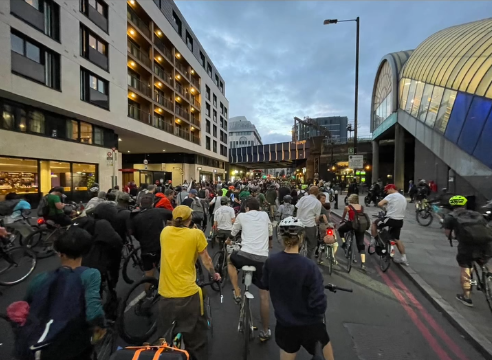
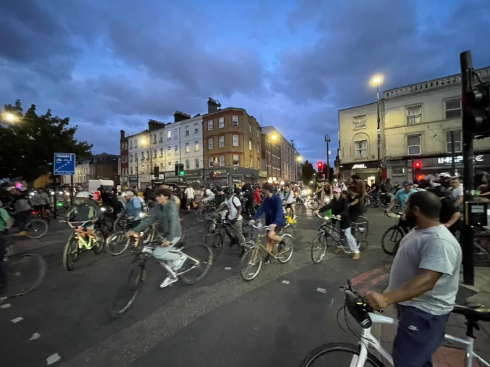
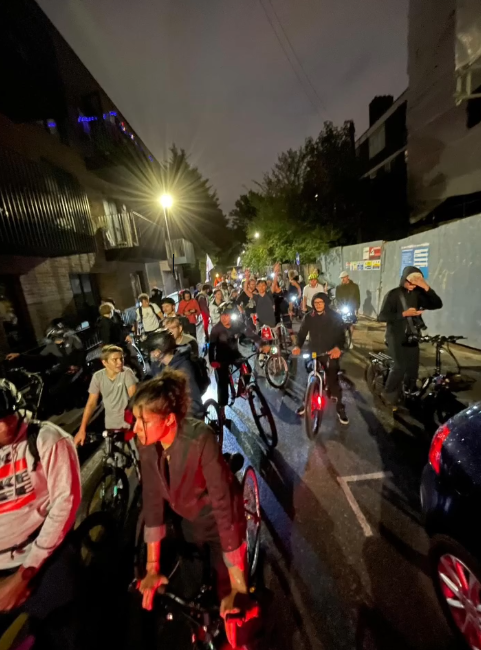
On Friday evening, London’s monthly ‘Critical Mass’ protest ride took place on Aylward Street, as over 1,500 cyclists, residents, and road safety campaigners joined forces to call for tougher penalties for dangerous drivers, along with more protection for vulnerable road users, in response to the horrific incident, CCTV footage of which was shared online.
The ride, which takes place every month in different locations in London, forms part of the wider global movement of Critical Mass events aiming to reclaim the streets from motor traffic and highlight the need for safe active travel routes.
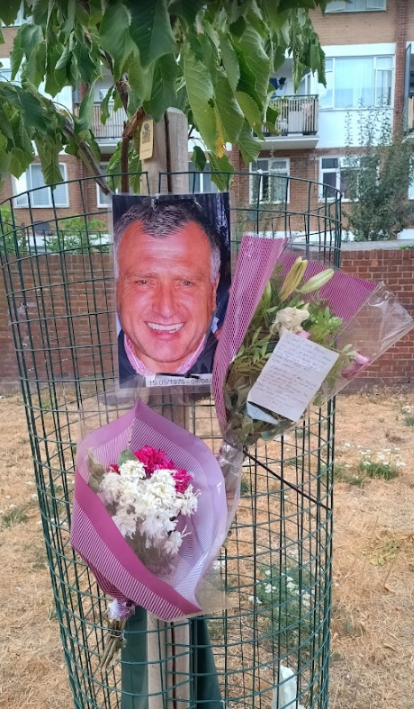
The protesters rode through London’s east end before holding a vigil at the site of the fatal collision. A memorial ghost bike was painted and flowers were attached to a nearby lamppost, while smoke flares were set off at the junction of Aylward St and Dunelm St, eliciting applause from residents.
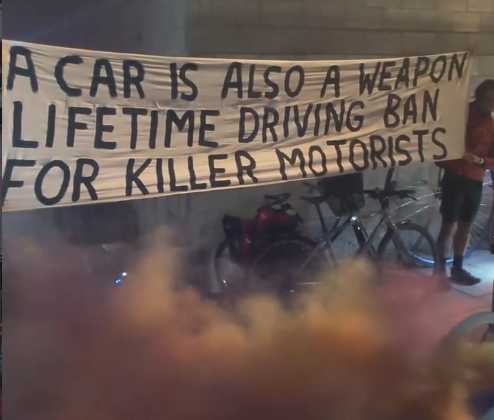
A large banner, emblazoned with the message, ‘A car is also a weapon, lifetime driving ban for killer motorists’, was also unveiled by the ride’s participants.
“We are here because this death shouldn’t have happened,” one Critical Mass participant said during the protest.
“People who cycle should not have to fear for their lives every time they use the roads. The allegations and the CCTV footage in this incident have shocked the entire cycling community.”
Meanwhile, Caroline, a local resident, pointed out to the Critical Mass organisers that the streets around Stepney Green and Whitechapel are “notorious for aggressive drivers using residential areas as mini racetracks”.
She also claimed that many young men in the area often post online videos of themselves driving after inhaling balloons filled with nitrous oxide (more commonly known as laughing gas).
“This is a huge problem for the safety of pedestrians and cyclists at night in Tower Hamlets and the council doesn’t seem to care about it at all,” she said.
This latest call for lifetime driving bans for dangerous motorists comes just under a year after a major report was published by MPs urging the government to make greater use of that particular punishment in order to address a justice system they claimed is currently “failing families of those killed in road crashes”.
The report was published last October by the All-Party Parliamentary Group on Cycling and Walking (APPGCW) and the All-Party Parliamentary Group for Transport Safety (APPGTS), and also called for stricter laws concerning the use of mobile phones at the wheel.
The full report — titled ‘Behind the Headlines: Sentencing After Fatal Crashes’ and supported by RoadPeace and Leigh Day law firm — examined 200 cases across England and Wales and found that sentencing guidelines are generally followed but “potential inconsistencies” in charging decisions and court practices “mean that some dangerous drivers are not being held properly to account for their actions”.
Specifically, the report suggests the Crown Prosecution Service (CPS) is at times failing to bring the most appropriate charge. It also suggests delays in cases, with some taking years to reach court, are “compounding the trauma” for bereaved families and undermining public trust.
The MPs recommended greater use of lifetime driving bans, noting they currently remain “extremely rare”, even for repeat offenders who pose an ongoing threat to the public.
Fabian Hamilton, an MP and the Chair of the APPGCW suggested that “if someone has taken a life through dangerous driving, we have to ask: why should they ever be allowed to drive again?”
“Too many repeat offenders show open contempt for the punishments handed down by our courts and yet we still hand the keys back,” he said.
“It’s time we treated driving as the privilege it is, not a right without consequence. Lifetime bans and electronic tagging should be on the table to protect the public and make sure those who have already proved they can’t be trusted behind the wheel play by the rules.”
Comments are closed on this story.

















Comments are closed.