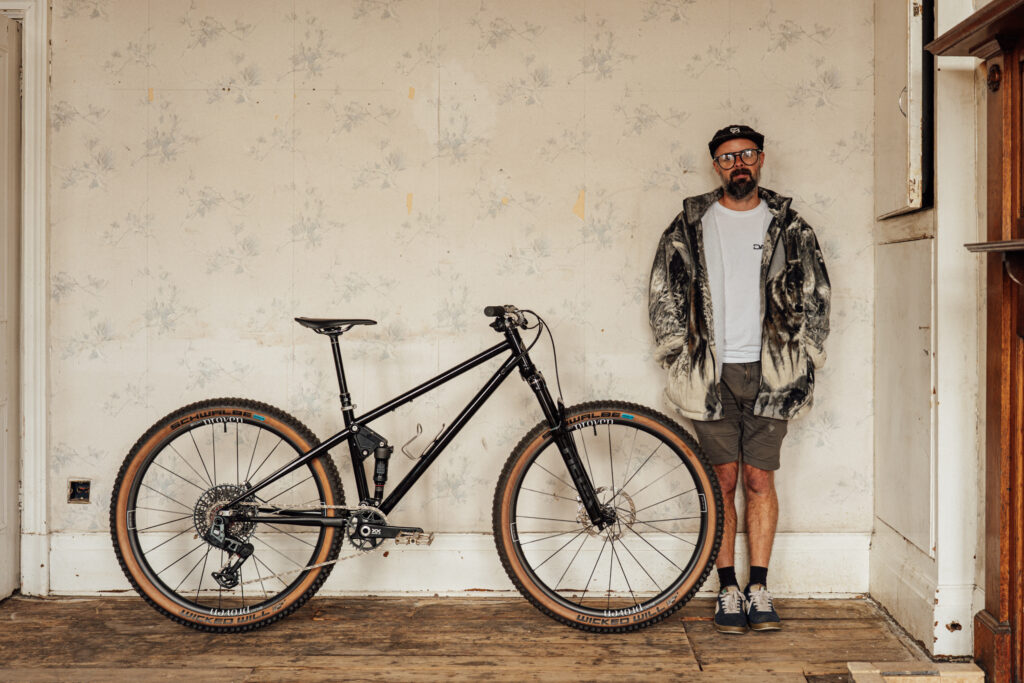

For years now, we at off.road.cc and the wider cycling industry have been harping on about the post-COVID difficulties that everyone in all corners of the industry has, and still are facing. Brands from little to astronomical are closing; some are rising from the ashes, but throughout all this turmoil, what’s going on with the very small independent brands? To answer that question, I flung an email to Dawley Bikes to get some insight on how a micro brand manages in 2026.
There are a few reasons why I asked Dawley Bikes some questions. Firstly, it’s a one-man band run by Thom Dawley, and it offers just two bikes, the T16 and the Eponym (although orders for 2026 have closed). But when Thom’s not brazing tubes together, he’s tinkering with designs and finding ways to push his product further, as proven by his Instagram posts.
I’m also just a fan of his bikes, even though I’ve not had the opportunity to ride one yet.
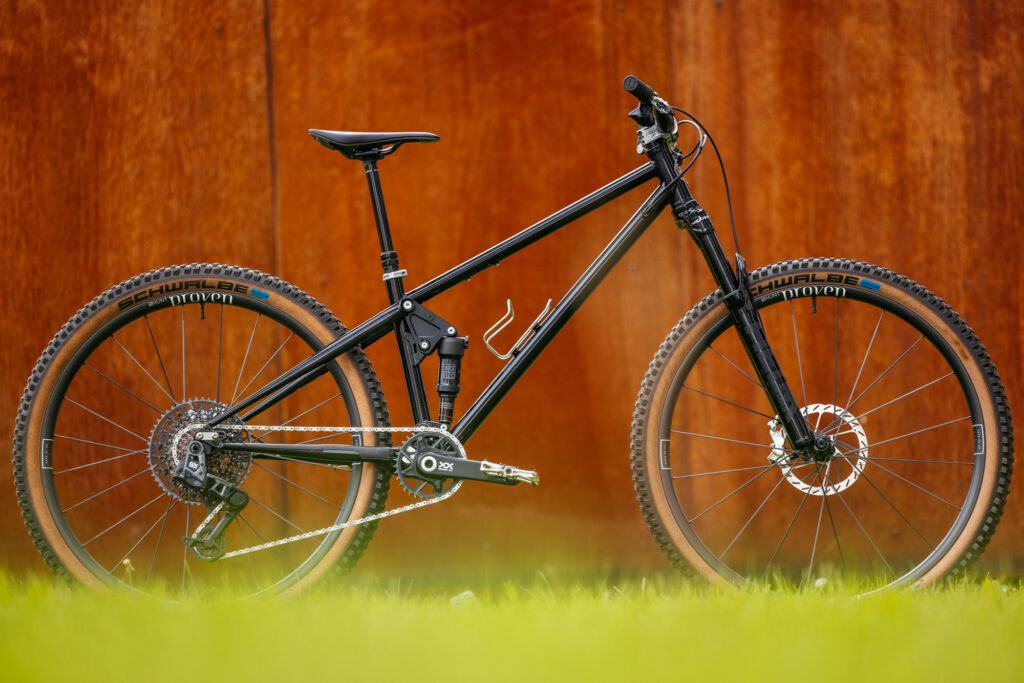
Despite spinning all of the business plates himself, Thom’s bikes are nothing short of modern as he keeps well on top of standards, while producing beautifully built frames that look primed to suit a wide range of riding styles.
Anyway, I wanted to get in touch with one of the smallest of small brands to find out how it manages to keep chugging away, even through such uncertain times in the whole bike industry. Here’s what Thom Dawley had to say.
off.road.cc: How did Dawley begin? What was the driving idea behind building your own brand?
Thom Dawley: I grew up riding bikes through an era where we didn’t really have bikes that were built for what we wanted to do with them. Dirt jumping, street riding, trials, etc. All the fun stuff like that was kinda done on small XC bikes. I really enjoyed that period because half the fun was modifying bikes.
I drifted into trials riding where geometry was key and developed a strong sense of what I felt worked and what didn’t. Later I took that geometry nerdery into my trail bikes, still modifying other people’s bikes until I eventually took the plunge and built a frame the way I thought it should be done.
Mates had my frames, mates of mates had them. People seemed to like them, so I decided to make a go of it and start a business.
ORCC: What’s your background? What was Dawley before Dawley was a thing?
TD: I’m not a trained engineer nor fabricator. I wish I’d realised how much I’d love this when I was in school! I’m self-taught.
I left school to be a snowboard instructor; I travelled around chasing winter. And then when my partner and I got our first house, I started a small landscaping business and started to dabble with frame building in my free time. I was gardening and landscaping until the COVID lockdown, and like for a lot of people, that seemed a good time to make the jump with the bikes.
ORCC: What do you aim to achieve with Dawley?
TD: I’d like my workshop to be known as the place to come for a custom trail bike. Rad bikes, made to fit and made by hand.
ORCC: Do you see being a small brand as a benefit? Do you find flexibility in that, or is it limiting?
TD: It can be both. I have a lot of freedom and flexibility in what I do and make. That’s where a lot of the fun is; I’m always looking for ways to improve my frames, and I can do that because I’m not locked into a design by mass production.
But there’s no finance. Everything I want to do next relies on the previous sale. That can feel limiting, and some processes and manufacturing methods are out of reach at my scale.
ORCC: Bicycle standards change quite a lot, with things like UDH quickly becoming a must-have for riders looking for a new bike. Is keeping up with the ever-shifting standards something you see as doable from your perspective? And a positive thing?
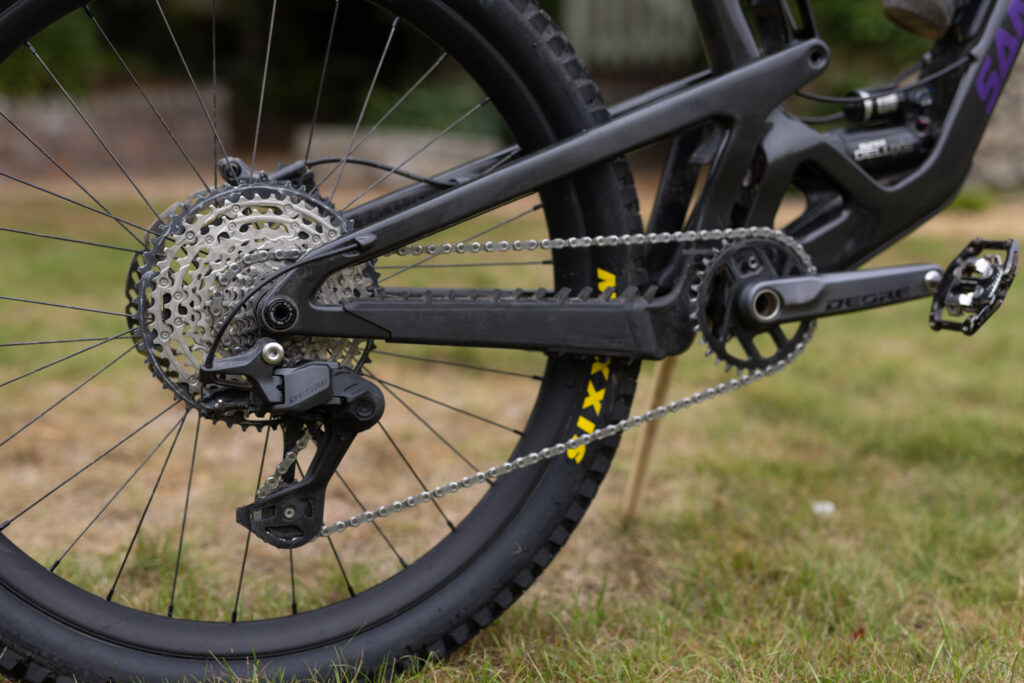
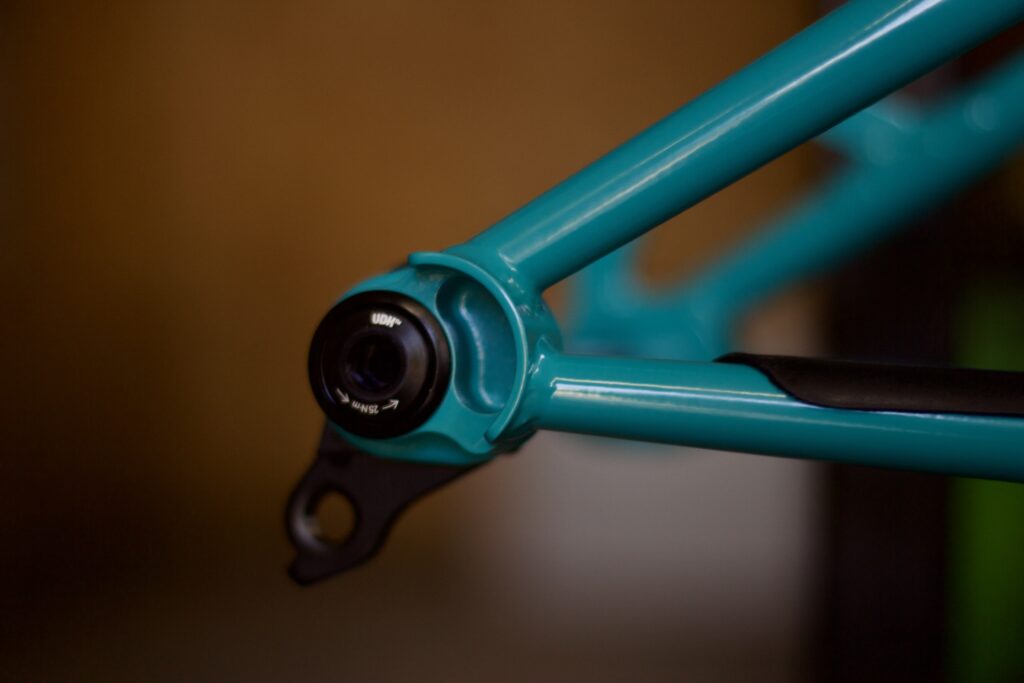
TD: I’ve never really struggled with that myself. All of the most recent changes to standards that we’ve seen have been beneficial to both riding and manufacturing mountain bikes. I was on board with UDH right away; I think I was among the first small builders to implement it.
We have wider chain lines, so we now have space for a proper tyre and chainring without compromising the frame. These are things I was crying out for, so when the broader industry adopts them, and parts become available, I’ve only ever been stoked for it. And I think small makers can adapt pretty easily when we want to.
ORCC: Does an unexpected change in standards throw a serious spanner in the works for a small brand like yourself? And what might that impact look like?
TD: No, I don’t think so. We’re probably the best positioned to adapt to changes. We don’t have a shipping container full of ‘out of date’ bikes that we have to try and shift. In fact, a lot of changes we see as consumers/riders started out in a small builders’ workshop; we’re often the ones experimenting.
If it’s a good enough idea, then it will catch on. As a small brand, we’re agile and flexible.
ORCC: Do you think that some of these standards actually bring benefits to modern bikes?
TD: I fully understand the cynicism about changing standards. It can be frustrating. BMX has stuck with the same standards for decades, and I often wish MTB were similar. But yes, generally I think when changes happen it’s because they’re making our bikes and experience riding them better.
ORCC: Frame building takes an awful lot of skill and knowledge to achieve a sellable product that works well. Is this something that you developed before transferring those skills to bikes, or was it always about building frames for you? And how much time have you spent developing those skills?
TD: I was always pretty handy (or at least naïve enough to try… come to think of it, that’s probably more accurate). My dad was a proper mechanic; he ran his own garage until he retired recently, and he handed a little bit of what he knows on to me.
But most of what I know about fabrication and engineering was learned by doing the thing; building frames for myself at first and even now that the learning curve is tapering off I’m still trying to improve a little bit every time I pick up the torch or file.
ORCC: Prices of bikes are astronomical, with other brands charging upwards of £10k for single bikes. Is there a difficulty behind choosing your price and rewarding yourself for your time while aiming to balance value?
TD: Yeah, 100%. Most makers and small businesses wouldn’t be able to afford our own services, so there’s always this strange relationship with pricing. I’m not a fan of ever-increasing prices – I couldn’t afford to get into mountain biking if I started today.
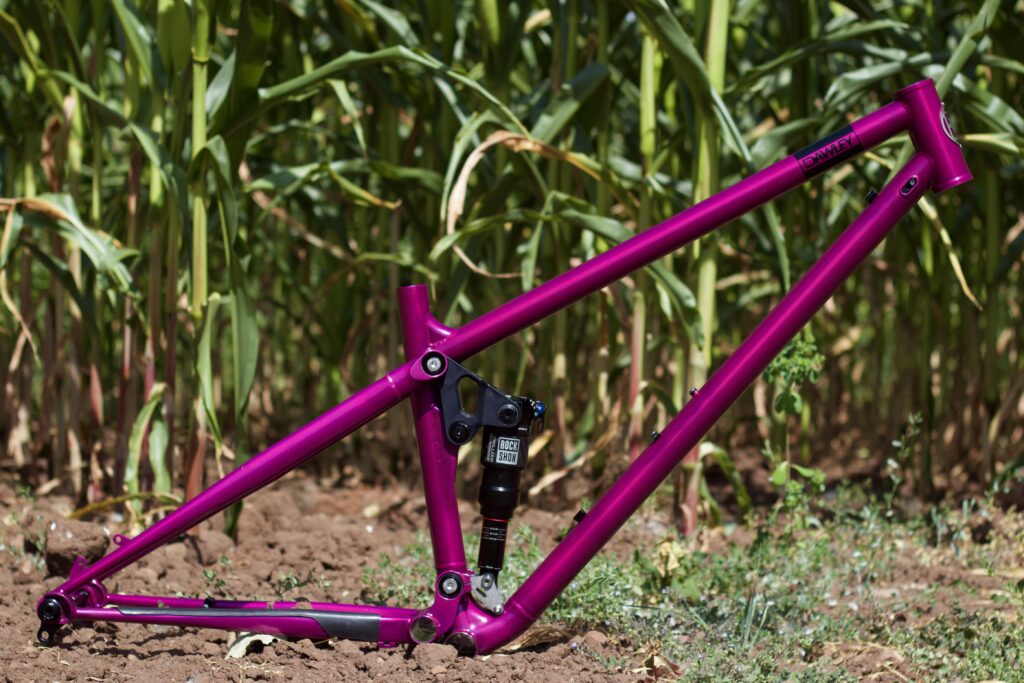
I have to pay myself properly, and custom mountain bike frames do command a premium, but I add value wherever I can, first by making a great bike that pays for itself every ride and by making them last longer and remain serviceable for longer, and I’ll always explore every option before simply increasing my prices.
The way I see it, rewarding myself is tied to how hard I’m willing to work – make more frames, make more money.
ORCC: As a one-man band with a website, socials and bike manufacturing to look after, how’s that time split?
TD: Not very smartly. It’s 99% making bikes, occasionally pulling out my phone, shooting some mediocre photos and sticking them on Instagram.
The website is constantly in need of an update somewhere or other. I enjoy making bikes, not website or business admin. But when it comes to chatting with other riders about their new frame, that’s different. It can be a struggle at times to keep up, but I’m excited to make somebody’s dream frame, and I’m excited that folks trust me to do it. I make time for that.
ORCC: Do you see social media as a key method of marketing? What other ways do you market the brand, and where do you see the best impact?
TD: Social media has definitely been key for Dawley. The reach we can achieve just can’t be compared. For small businesses especially, I think it’s important to use those platforms. But I’m also really keen to meet riders out in the real world, and I try to get outside to races and events whenever I can. I also have a few talented ambassadors aboard my frames who are out there putting in great performances at the races.
The races and shows allow me to connect directly with future customers, and I love that, but it takes a lot of resources and time out of the workshop to make those events and race bikes happen. So yeah, the socials are a big thing for me.
ORCC: Dawley currently offers one model, the T16. Although other models have been available, what’s the reasoning behind offering just one?
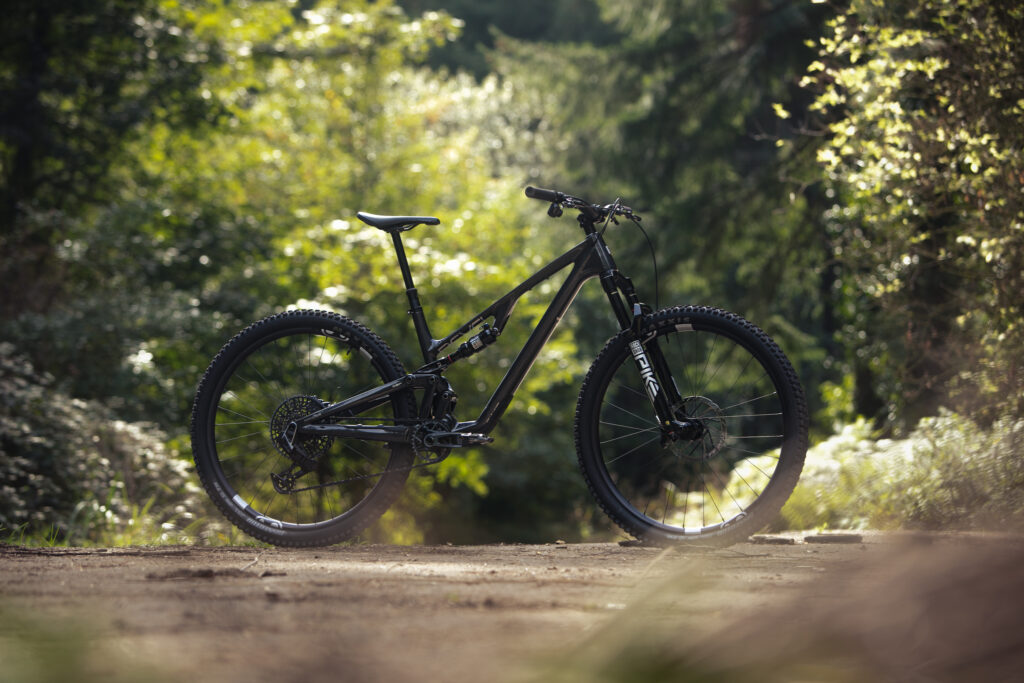
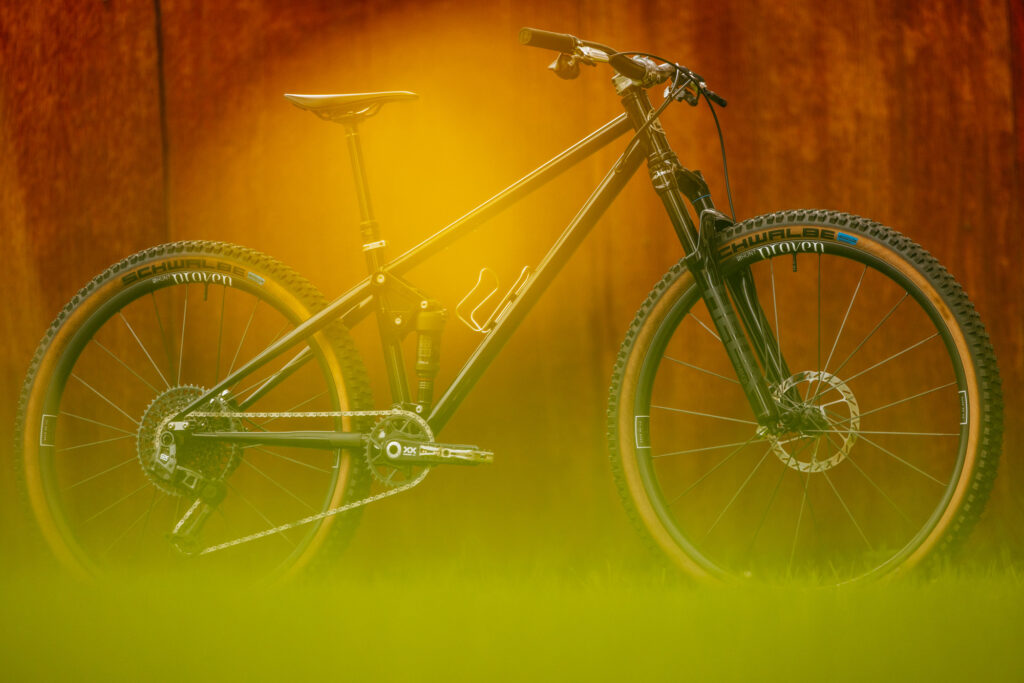
It’s sort of a representation of the way that I ride – one bike to rule them all. Gravel to dirt jumps to downhill, I’m taking the T16. It doesn’t feel right making things that I’m not 110% into. I also have the Eponym hardtail (orders now closed for 2026), but the T16 is just an evolution of the Eponym with a shock squeezed in; they’re kind of one and the same.
The T16 is the absolute best way that I could make a steel full suspension bike. Any other model that I offered would be inferior, at least in my mind. So the One Bike gets my full attention.
ORCC: For a small brand to float in the sea of brands of all sizes, something different and unique needs to be offered to stand out. What’s Dawley’s unique selling point, and do you see that changing as trends develop and fade?
TD: I haven’t thought about it much; perhaps I should. Things just happened. I admired small-scale frame builders long before I started to make frames myself – people at the core of the sport. I want my bikes to enhance the experience of their riders. A frame builder that I have a lot of respect for likened what we do to surfers and their local shaper; I think that’s accurate. My knowledge of geometry, the way bikes work, and the custom options I can offer are my USP.
It’s exhausting trying to be or pretending to be something that you’re not. I hope that Dawley is a case of ‘what you see is what you get ’-no gimmicks, no bullshit. I just really love doing this, and my passion drives me to be better every day. I don’t see that changing.
ORCC: Do you have a plan to scale the business? And what does the future for Dawley look like?
TD: I have plans to allow me to make more frames and keep my prices attainable, but I’m not looking to grow for the sake of growth. I’d like to make enough frames to allow me to build a new workshop, just a little bit bigger than where I’m at now.
I’d like for riders to be able to come visit, see frames being made, maybe watch Earthed or the latest Semenuk clip, have a coffee or a beer, even pick up a welding torch and get stuck in. If that could have a set of three nice jumps right outside the front door, I’d want for little else than my family to be content and peace in the world.
ORCC: With the industry in general experiencing its own turmoil, has that affected Dawley at all?
TD: It feels like things are crashing down around me and somehow I’m still cruising along. But recently we’ve seen businesses adjacent to frame building close their doors, which is both worrying and heartbreaking. It’s hard to know whether that’s linked to the industry downturn or pressures from 3D printing, broader global markets, etc. Perhaps it’s both.
So far nothing has directly affected what I do here. If I have a bad month, it’s just that; no corporate bros are trying to shut me down because my profits dipped. I just make less money.
ORCC: Do you have any advice for budding frame builders who are looking to make a living from selling their frames?
TD: It’s a bad way to make money. I often feel like the skills I’ve acquired would be put to better use in other fields of fabrication. But it can be incredibly rewarding; the emails I get after the first ride mean everything. That’s a feeling you can’t put a price on.
Sadly, passion alone won’t guarantee success. You have to be really clever about exactly how you’re making frames, especially in 2026. Approach it professionally, do your product design, budget, sweat everything, and sweat it again.