


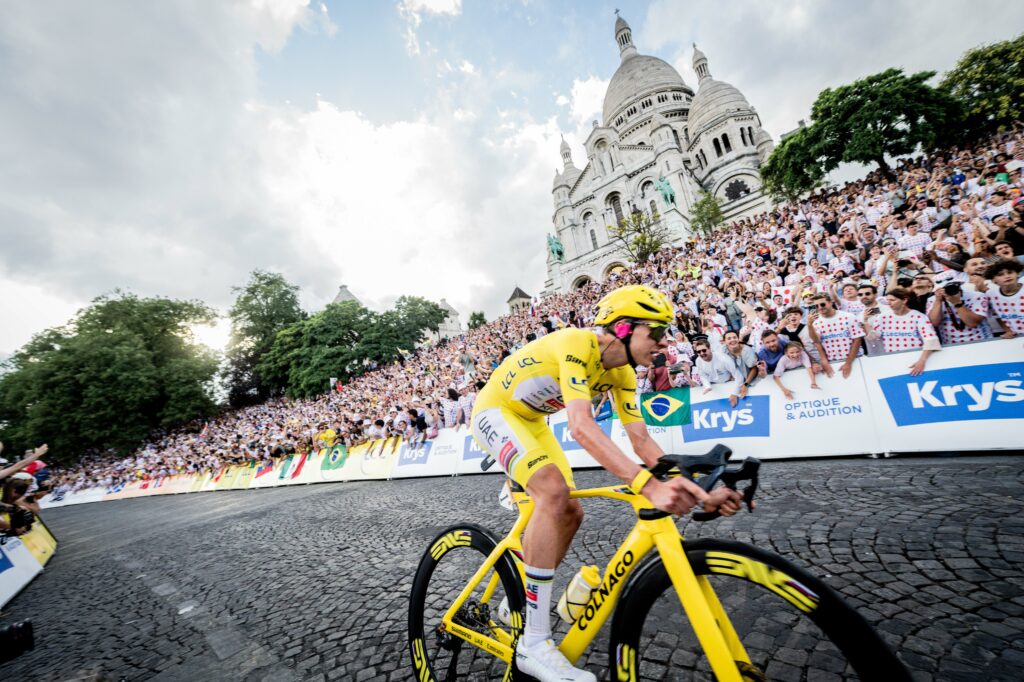

On Friday afternoon, amid the deafening roar of 600,000 fans packed on a sinuous mountain road, Tadej Pogačar broke one of professional cycling’s most renowned, notorious records: Marco Pantani’s Alpe d’Huez climbing time.
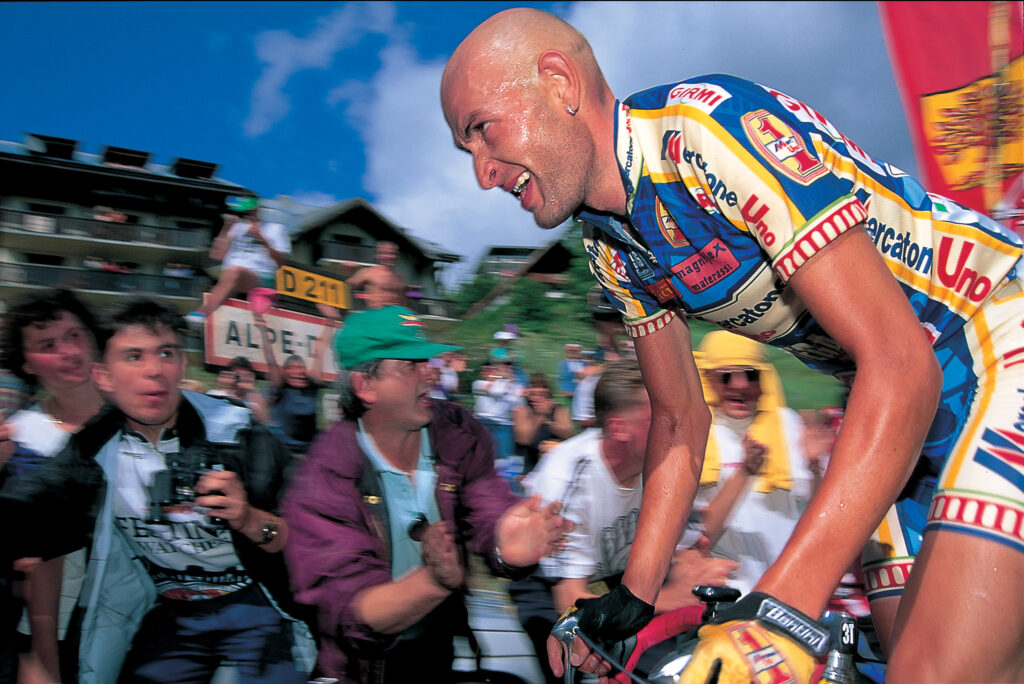
And not only did the Slovenian eclipse Pantani’s Alpe record – set in 1995, at the height of the EPO era, and by one of that generation’s poster boys – he shattered it, covering those iconic 13.8km in 35 minutes and 27 seconds, 1.05 quicker than Il Pirata’s scorching ascent 31 years ago.
Not that Pogačar was overly focused on making history when he attacked 12km from the summit of Alpe d’Huez on Friday. Or at least that’s what he wants us to believe.
“I actually don’t know what Pantani’s time was, to be honest,” he said during his post-stage press conference on the Alpe.
“I’m staying off the internet the last few weeks and I don’t think too much into it. But I heard I broke the record and I’m happy with that. I just wanted to do a good race and win today. But breaking a record that’s 30-years-old is good for us.”
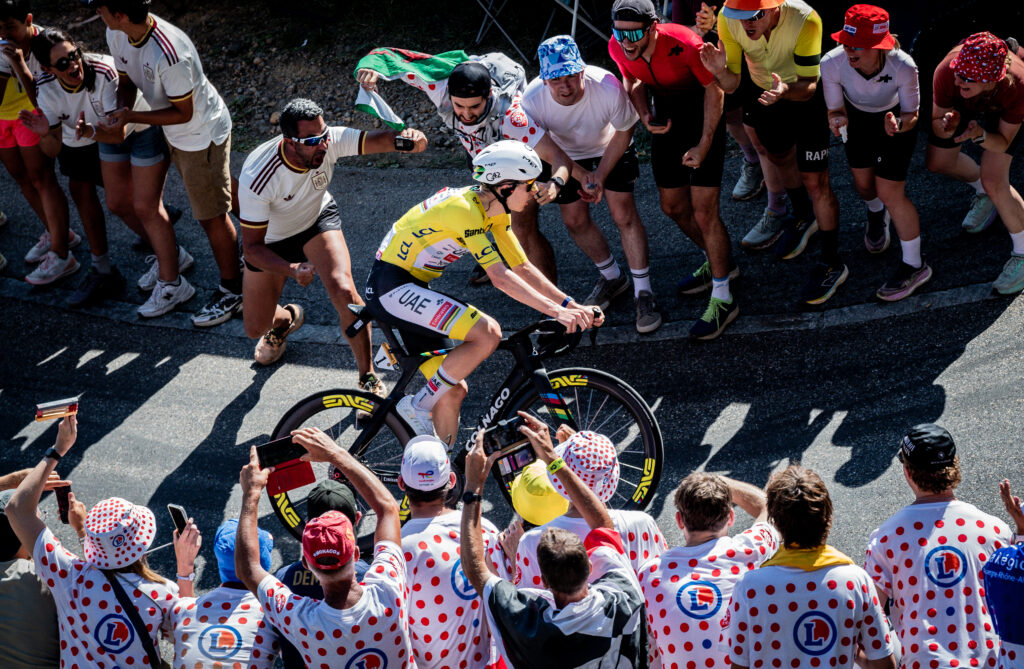
“In the team, we never think about this record or this time. After the stage, one hundred per cent. But we never think before that this is the record or this is the time, it’s all about trying to win,” the yellow jersey’s UAE Team Emirates sports director Matxin Fernández told road.cc on Saturday.
“The records aren’t in your palmares. Your palmares is your victory. Record or no record, it’s not important. It’s important afterwards for the magnitude of the ride. But it’s not in his palmares that he’s broken Pantani’s record. It’s maybe important for you as journalists, but in the bus, it never entered our heads to make the record.”
Whether that nonchalance was a deliberate ploy or not, it’s fair to say Pogačar has got used to breaking speed records at the Tour de France.
Two weeks beforehand, he set a new record for the Col du Tourmalet, another of the Tour’s legendary climbs, riding up the Pyrenean brute in 43.12, beating the previous record, also set by the Slovenian in 2023, alongside Jonas Vingegaard, by over two minutes.
On the Alpe, he averaged an astonishing 7w/kg, with some estimates suggesting his power output was between 7.1 and 7.3w/kg during the opening few kilometres of his attack.
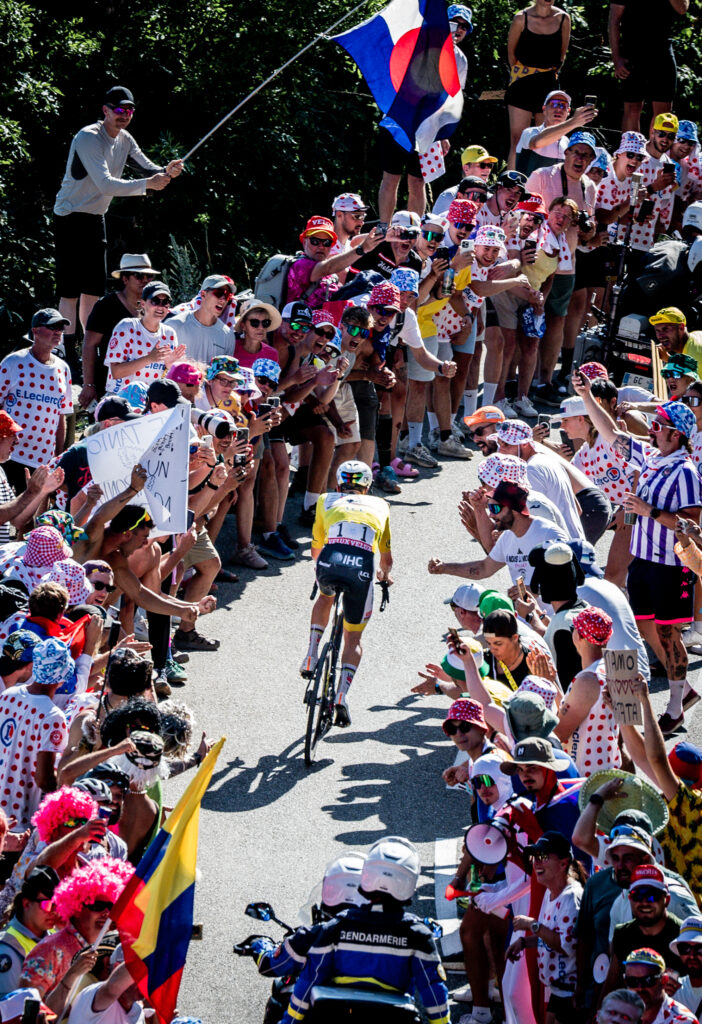
For comparison, four-time Tour winner Chris Froome’s best performance on Alpe d’Huez, set during his first yellow jersey win in 2013, saw the British rider average 5.86w/kg on his way to a time of 40.41. That disparity in power output prompted the recently retired Froome to admit this week that he would have struggled competing for yellow in the Pogačar era.
Of course, context is important when analysing climbing records at the Tour. Pogačar’s Alpe record was achieved at the end of a relatively benign Tour mountain stage, its 3,500m of elevation 2,000m fewer than the stage at which Pantani’s record was set. However, the Italian’s 1995 marker was set on that year’s tenth stage, which means he was arguably fresher overall.
Interestingly, Pogačar’s record is also two minutes and nine seconds faster than the time Lance Armstrong – whose redacted name is the only one sitting above the Slovenian on the all-time winner’s list now – set at the 2004 Tour, a time trial from the bottom to the top of the climb, the American’s best effort on the Alpe.
But Pogačar isn’t the only rider setting speed records at this year’s Tour. On stage 11 into Nevers, Uno-X’s Søren Wærenskjold set a new record for the fastest Tour road stage ever, averaging 50.91kph for the 161.3km, beating another benchmark set during the EPO era in 1999. At 49.999kph, stage 13 from Dole to Belfort is also the fourth fastest Tour stage ever.
The world champion was also joined in the top 15 of the all-time best ascents of Alpe d’Huez by four of his rivals in the 2026 peloton, Remco Evenepoel, UAE Team Emirates teammate Isaac del Toro, Paul Seixas, and Matthias Skjelmose. Every other time in the top 15 was set between 1994 and 2004.
Overall, this year’s Tour de France is the fastest in the race’s history, averaging 43.326kph over its 3,321km, eclipsing the previous fastest average, set just last year, by 0.5kph.
Why is the Tour de France faster than ever?
So, how can we explain this rapid surge in speeds by the peloton in recent years? And can we believe that even the greatest rider of all time – an accolade Pogačar is increasingly laying claim to with every victory – is capable of eclipsing the turbo-charged times of cycling’s darkest period?
“After 31 years, cycling is different,” Fernández explained to me.
“The bicycle is different, the tarmac is different, the equipment is different. For example, then you had 19mm tubulars with 12 bar. Now it’s 30 with three bar. It’s a completely different material.”
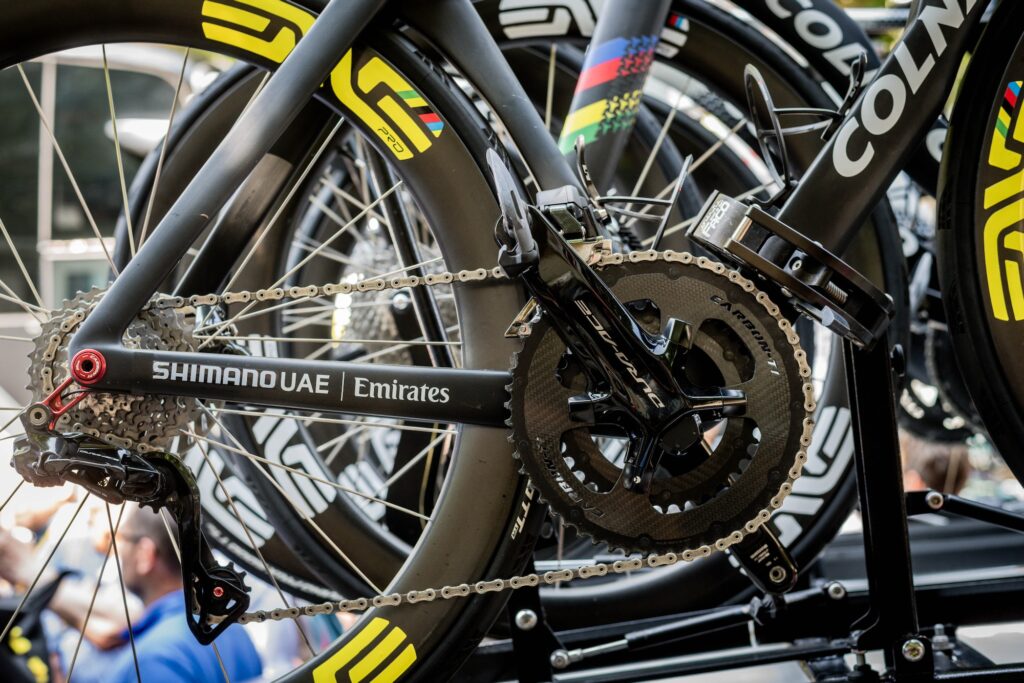
That focus on improved bike tech – a factor frequently cited to explain increased speeds in the past five years – was echoed by UAE team principal Mauro Gianetti.
“Especially in the last four or five years, the bicycle and all the components of the bicycle have changed so much. If you take the bicycle of 15 years ago, and compare it to one five, six years ago, there was progression, but normal progression, Gianetti told road.cc earlier this week.
“But in the last five years, we have seen an immense increase in quality and the relationship between the tyres, the pressure of the tyres, the helmet, the position of the helmet, the fabric on the kit, the wheels, the frame.”
> Tadej Pogačar’s so fast that even Colnago is battling to keep up with him
However, the claim that bike tech has exploded in quality in recent years raises a chicken and egg-style scenario. During the Tour’s second week, the lead engineer at UAE’s bike sponsor Colnago, Filippo Galli, told me that the increasing speeds of the peloton are pushing the bike brand to make their machines faster, not the other way around.
And in 2024, an in-depth comparison by Cyclesetforme of Pogačar’s bike and the used by Marco Pantani during their respective record-breaking ascents of Plateau de Beille, 27 years apart, found that the modern Colnago gave the Slovenian a decent wattage advantage, but not one big enough to explain how much he eclipsed the Italian, especially at the lower speeds of a long Pyrenean ascent.
“If you can maintain a speed of 20-25kph on many mountain passes, stacking the latest aerodynamic advancements (helmet, suit, frame) combined with the best tyres and lubricant will allow you to shave seconds off your time (but never minutes) depending on the length of the timed section,” the website concluded.
“Again, it’s primarily the watts gained in training that will make the difference.”
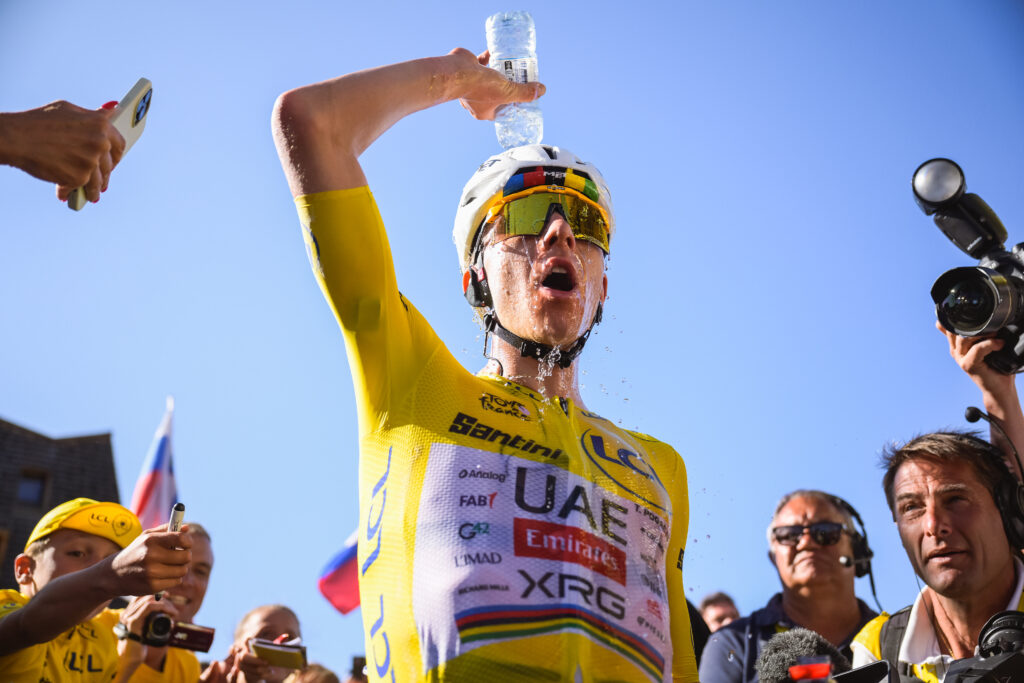
And it’s in those areas of training and fuelling which Gianetti claims other great leaps have been made recently, coupled with the all-out attacking style favoured by the modern peloton.
“Nutrition has changed and the riders progress more because the system of training is better now, because in the past riders were not eating enough,” he says.
“And together with a new generation, the level is so high. If you look at the Tourmalet, at least 10 riders beat the best time of Vingegaard from two years ago, not 20.
“The level in the peloton is just amazing. The stages on Wednesday to Voiron was just absurd, everybody at full gas from the first kilometre to the finish. Everyone is so good, everyone wants something, and the level is very, very high.
“It’s complex. There’s more engineering, big investment from sponsors, and that helps to progress a lot, with aerodynamics, training systems, nutrition. The two main points for me are the material – the bicycle – and the nutrition.”
Staff members at other teams appear to be on the same hymn sheet when it comes to hailing the combined effects of improved technology, advanced understanding of nutrition, and racing style in upping speeds.
“It’s a bit of a strange question,” a bemused Steven de Jongh, sports director at Lidl-Trek, whose riders Matthias Skjelmose and Juan Ayuso finished sixth and seventh at this year’s Tour, said when I asked him why speeds had increased.
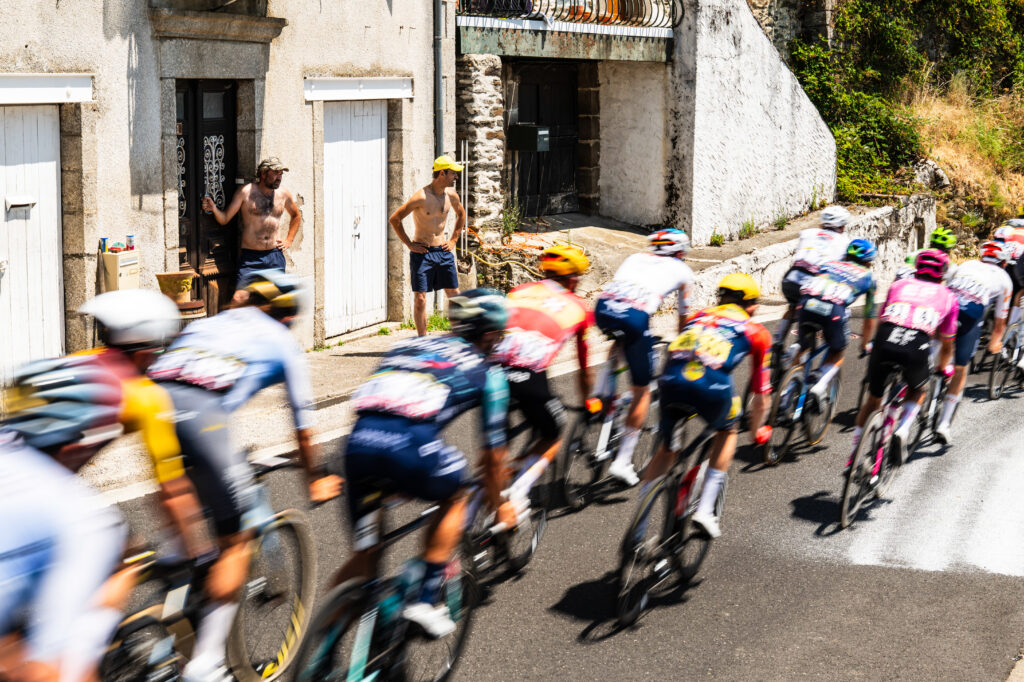
“It’s normal, the speeds go up and up, but also the racing style has changed. It takes ages for the breakaway to go, which is why the speeds stay up for a long time. They’re all racing each other, and if a few teams are taking it all, then other teams are unhappy so they try to close the break down again. It’s a matter of circumstances.
“But also all the material has got faster, the clothing’s got faster, so that helps. Plus, the whole form of the bunch, it’s a Tour de France peloton, you have the best of the best riders, so that brings up the speed as well. It’s all the things together, the fuelling, the cooling down, the material, the racing style, all these things together make it so fast.
“If you have good riders, they always want to improve, and you help them by analysing where they can improve. I think every team is doing that. You have to pick the right moments, and if you’re still not there, you try to optimise for next season. The whole process is challenging, you have to raise the bar every time.”
Meanwhile, 2018 Tour winner Geraint Thomas, who as a rider and grand tour contender straddled the Froome and Pogačar eras, reckons that the standard has increased throughout the peloton.
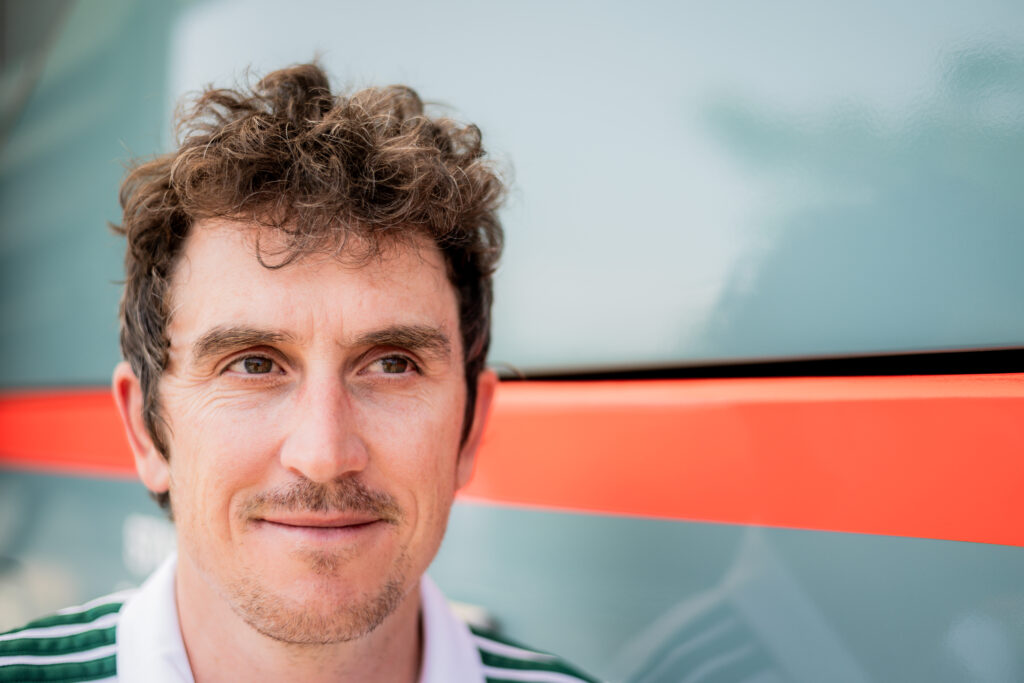
Thomas won atop Alpe d’Huez on the way to the yellow jersey in 2018, ascending the climb in 41.15, almost six minutes slower than Pogačar, who the Welshman finished one spot behind on the podium of the 2022 Tour, won by Jonas Vingegaard.
“Speeds are definitely quicker, but there’s a lot of things that go into that, the aero stuff, jerseys, bikes, tyres, the motorbikes get pretty close, which I think affects the race. And the whole peloton is training better, eating better. Everything evolves, and moves on, and keeps going,” Thomas, now a director of racing at Netcompany Ineos, the original marginal gains team but winless at this year’s race, told road.cc.
“For sure it’s fast now, and I think the depth in the peloton is better than what it was before. It’s always been hard and everyone’s always trained pretty well. But I think the standard of the whole 180 guys is better.
“Year on year, it slowly gets more and more. It’s not a huge difference, we were still riding pretty quick then, but each year everyone continues to improve. Even in my career, I was improving all the time, that’s how it is.”
Asked if bridging the gap on UAE Team Emirates was daunting, Thomas said: “I wouldn’t say it’s daunting, it’s a big challenge and it’s something we want to achieve. You could sit back and give up, but that’s not the attitude that got me anywhere when I was racing. So it spurs you on and makes you not want to be in this situation again.
“There are heaps of small things we can do, it’s not one big thing. It’s looking at every domain, from coaching to nutrition, to everything. All that’s going on in the background and we’ll get after it.”
Are rising speeds increasing danger?
While most sports directors view the rising speeds as a direct, expected consequence of the sport’s marginal gains approach, Tudor Pro Cycling’s Michael Storer, seventh at this year’s Giro d’Italia, admits he was been taken by surprise by the fast pace of this year’s Tour.
“I think there’s a general trend of the peloton getting stronger and stronger in general, and you just need to try and keep up,” the Australian told road.cc.
“I’ve definitely felt the speeds go up. Here at the Tour, I’ve never seen us go so fast so far. Even on four or five per cent gradients, the pace is quicker than I would have expected.”
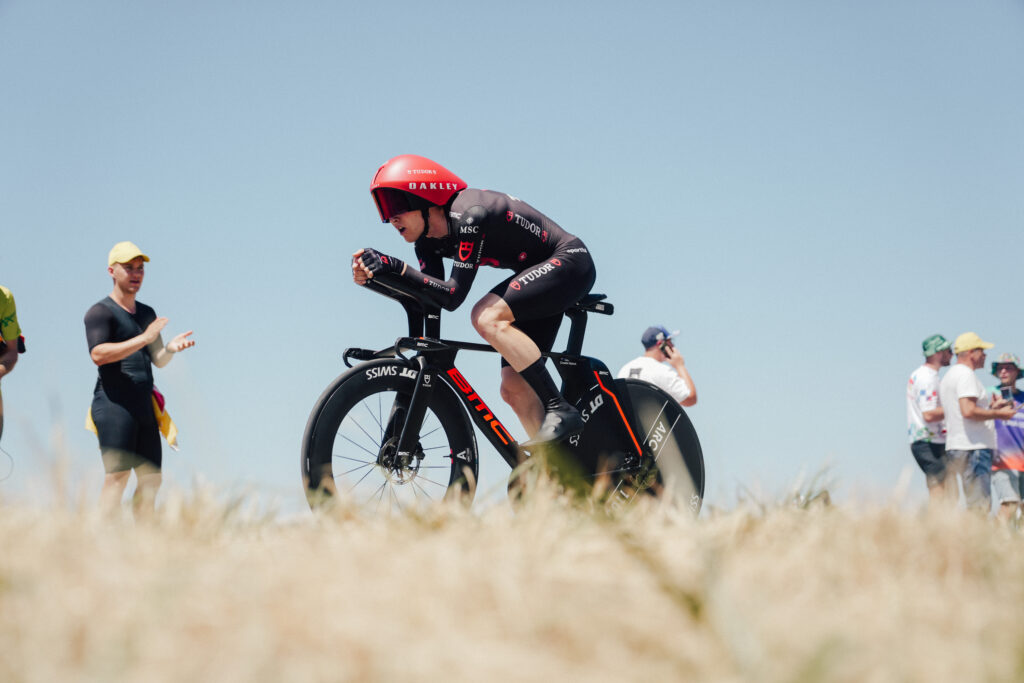
Storer believes that this shift within the peloton first occurred during the Covid-induced racing break of 2020, which enabled teams to reset and recalibrate their approach.
“I would say that the post-Covid thing was real with the speed increases,” he says.
“I think because teams had that period to not just go from race to race, but within their structures, reflect on how to do things better, have some time to have meetings over performance and whatnot.
“And I think that’s probably the reason why. Because if you’re just keeping up with the daily tasks, which is the race programme, organising going to races and whatnot, you don’t have the time and resources to focus on other aspects.
“And I think this opened the door for a bit of review of where to improve. Not every team did it, but generally it happened, and then it just moves in that direction.”
Storer also pointed out that the increased speeds, and focus on aerodynamic gains, have led to more dangerous racing.
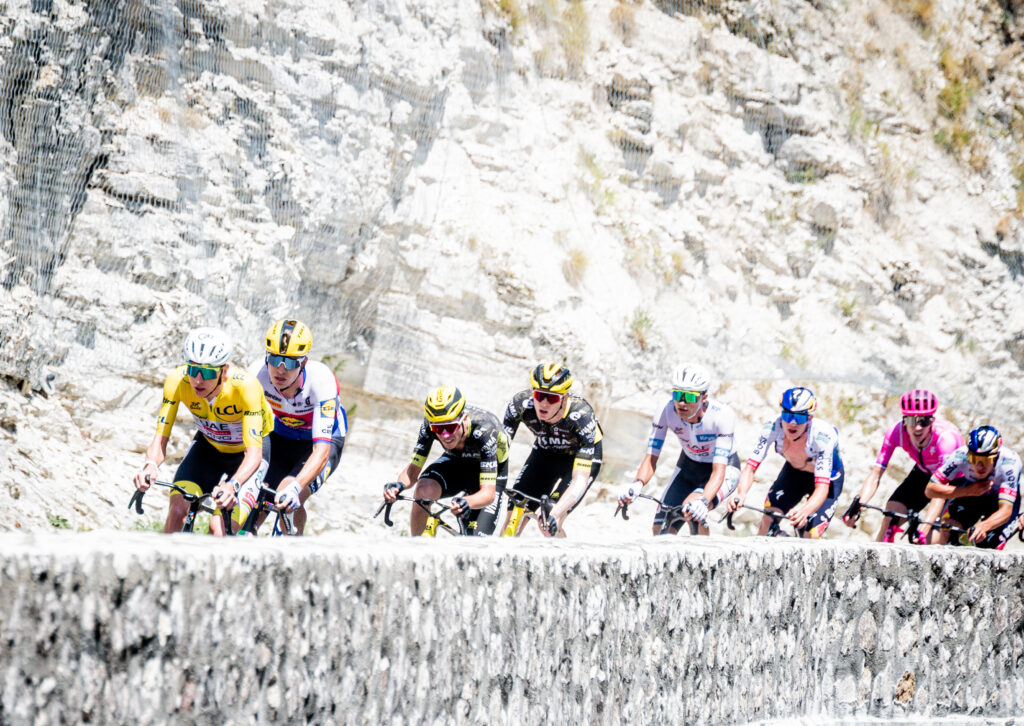
“One obvious one that people have been talking about recently is the material always getting faster and faster,” he continues.
“I think that makes a big difference as well. And it’s another thing where at some point we also need to draw the line, like how fast should we be going on a bike, for safety reasons as well.
“It’s not just the bike, but the whole system of rider and bike together is getting a bit too fast for racing on normal roads and normal conditions.
“They’ve already drawn the line on bike weights, where the bike can’t weigh less than 6.8 kilos. So I don’t see the problem in also drawing the line on certain other components, though it’s more complicated than just throwing in a rule and saying, ‘this is it now’.
“You can’t tell us to train worse to slow down. But you can control other things and I don’t think it would ruin the spectacle of the sport either. If our average speeds drop by even 2kph an hour, I think it would make a big difference. And I don’t think anyone would really notice as well, from the sidelines.”
Testing the waters
Of course, the fastest ever Tour has been raced against the backdrop of a doping-related controversy, after it was revealed that riders from at least five teams, including Pogačar and Jonas Vingegaard, were tested by anti-doping officials outside the ‘normal’ hours of 6am to 11pm.
Though some, including the Tour leader, attributed the early morning tests to Vingegaard’s race-ending crash the following day, the UCI defended the International Testing Agency’s methods, describing them as essential in the fight against doping, and that they are reserved for “limited and justified circumstances”.
In his race winner’s press conference in Paris, Pogačar criticised the “weird” out-of-hours controls, as well as instances when he’s been tested minutes before the stage start, but says he treats them like a visit to the shop.
“We get the normal controls in the morning, it was early, but it’s part of the rules and we follow the rules. They’re doing their job and we have to follow the rules,” Gianetti said, when asked whether the team were being targeted as the race’s dominant force.
A rider during the EPO-charged 1990s, in an interview with L’Équipe this week Gianetti denied ever using the blood-boosting drug, and claimed he was a “victim” of his riders’ doping when he managed Saunier Duval, where Leonardo Piepoli, Riccardo Ricco, and Juan José Cobo were all caught up in doping scandals in the late 2000s.
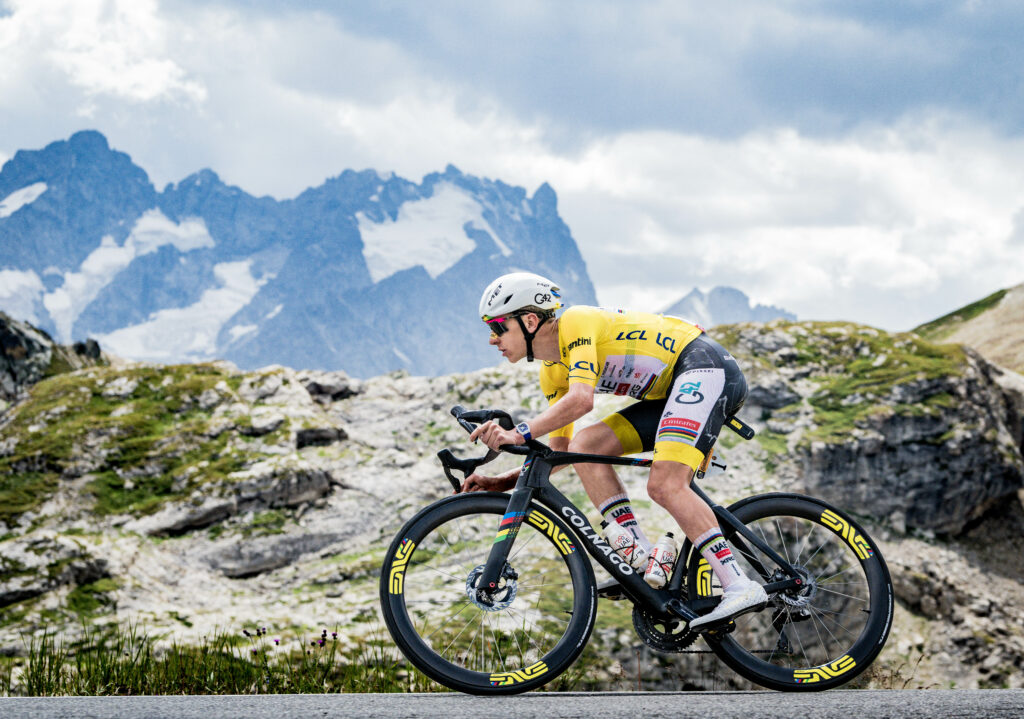
According to the anti-doping group, the Movement for Credible Cycling (MPCC), the ITA’s nighttime tests are proof that the sport’s authorities are implementing targeting testing, in a bid to help determine the current state of professional cycling.
The MPCC, a voluntary body which enforces even stricter anti-doping rules for its members, beyond the UCI and WADA’s parameters, currently has seven WorldTour teams as members, three of which, Decathlon, Uno-X, and EF Education-EasyPost, won stages at this year’s Tour.
“I think definitely the speed has massively increased over the years. We’re seeing some insane new records over the last few Tours de France and grand tours,” Emily Brammeier, the head of communications at Picnic-PostNL and the MPCC’s president, told road.cc on Saturday.
“There’s a lot which can account for that. Obviously our tech is a lot better than it was 10 years ago, nutrition and training, it all pulls into one.
“But obviously we’ve had an interesting couple of weeks from an anti-doping perspective. We’re really in support of what measures need to be taken and the thing we need to focus on is how can we strengthen the anti-doping system that we’ve got in place? How can we close the loopholes, which clearly are there?
“We’ve spoken in the past about the grey area, the grey zone, which is not governed, but also what is it? It’s quite mysterious, nobody knows, is this okay, is that not okay? Even some of the stakeholders take many, many years to tell us if it’s okay and then they give us a non-answer at the end of it.
“Because once all of that is clarified and cleared up, then we’ll know what it is, right? Then we’ll be able to dial in on the actual answer.
“Is it something suspicious or is it just the fact that we’ve all got a hell of a lot cleverer over the last few years and that now transfers onto the bike?”
Brammeier continued: “I mean, how much the world does change in 10 years in general? We do get incredibly cleverer every single year, and we started off with one or two teams with marginal gains doing smaller things to be better and now everybody is looking for that.
“But it’s a difficult one to answer and I think, to come back to what I said before, unless we can really have full belief and full credibility in the anti-doping system, which is supposed to protect us, then it’s an impossible one until that moment.
“It’s difficult to say whether the testing is directly related to the speeds. I think one thing that the ITA always is really trying to do and taking different measures to be able to do is really target their testing.
“That’s why we’ve also got like the power data project ongoing, for example. That’s to target who should they be testing, where should they be testing.
“So I’d like to think that there’s a little bit more to it than that, they’re trying to spend the money, which, £10 million sounds like a lot, but I think they should have doubled that, to be honest, spend the money that they have got in the best way.”
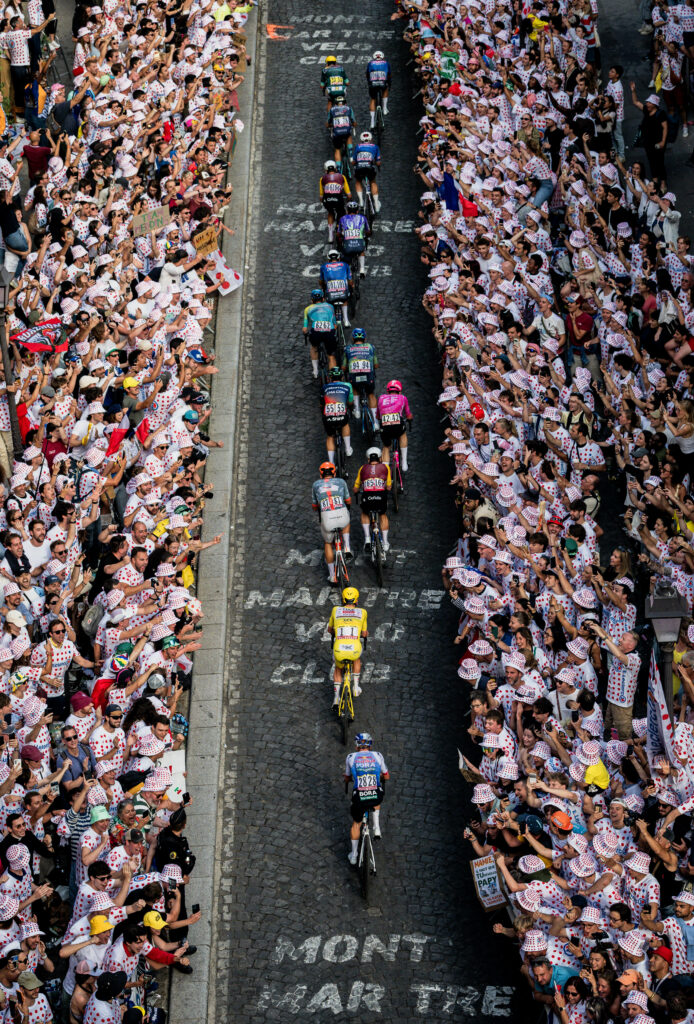
Asked if fans can believe in cycling in 2026, Brammeier said: “I also don’t want to say cycling is not credible. And you can’t say for certain that is credible. Do you know what? It’s never going to be, because that’s human nature. It’s human nature to cheat.
“There are always going to be people that try to cheat the system, and that’s totally normal, whether it’s going into a supermarket and trying to steal something off the shelf. It sounds silly, but it’s true.
“It’s human nature to do that, to push the boundaries. The head of USADA, Travis Tygart, the one who brought down Armstrong, he said publicly recently that there are loopholes in the system which need to be closed.
“And if someone like him is saying that we need to do something about it. And maybe what’s happened over the last couple of weeks is a step forward to that.
“But until, until that situation is resolved and we’ve got full trust in it, we’re going to be asking these questions, aren’t we?”
For UAE sports director Fernández, when it comes to his star rider’s record-breaking Tour, the answer is simple.
“Tadej, for everyone who likes cycling, they can say in the future, I saw Tadej Pogačar race and win. In my opinion, he’s a historical guy, what he’s doing is historical,” he said.
“Attacking from the bottom of Alpe d’Huez to win, attacking 81km from the finish in Strade Bianche, 100km in world championships. This is a historical rider and he’s doing mythical things.”





10 thoughts on “Is the Tour de France becoming too fast?”
The significantly improved equipment in recent years claim is easily testable…
@Aluminium can The kit really is a minor influence compared to the influence of massive blocks of altitude training (more or less legally mimicking the effect of blood doping/EPO) and scientific advances in nutrition. Riders can now absorb 120g of carbs per hour when previously most could only manage 60g, doubling the amount of fuel on board, no wonder they can go harder and faster for longer. It was also revealed on commentary that a lab in Australia has found a way of encapsulating lactose (which dramatically reduces the effects of lactic acid buildup) so that riders can take 5g per hour when before they could only absorb 0.5g, with any excess causing severe gastric problems. All perfectly legal but currently in very limited supply, apparently one team has purchased the whole of the initial production run; no official confirmation but no prizes for guessing which team that might be.
The nutrition seems like the biggest thing that has shifted. An extra 2-3000 calories a day is the difference between needing to stay Z2 most of the time with limited bursts of high-intensity targeting specific goals versus being able to burn matches every day if you have the strength, which they all now have.
A lot of factors in combination could explain the speed increase. Better equipment, better nutrition, better training (including more gym work), newly surfaced smooth roads, more strength in depth in the peleton, shorter stages and this year there seemed to be a lot of wind assisted stages.
Seems a little unlikely – did he fall into a wormhole?
Matches the trend seen in other sports as well (particularly marathon running) where the drop off/wall isn’t there any more. Nutrition would be the legal explanation for it, and it does seem to have ‘flattened’ the risk profile for going for it in endurance sports, people don’t blow up like they used to.
The tour is also gradually getting shorter. Pre 2011 it was usually over 3500km in total, and pre 1985 sometimes over 4000km, whereas there’s only been 3 since 2011 over 3500km. (This year was the shortest tour since 1905).
So you’ve got athletes better prepared, better fuelled and with less risk of failure from riding hard all day, racing over shorter distances on better bikes (again like how marathon runners now have modern super shoes).
When you put it like that it’s not surprising they’re going a lot faster!
The big thing that the technical analysis missed out is positioning on the bike. Modern riders do aero work on their road bike and have much better discipline on holding position than even riders 10 years ago.
I think Dan Bingham summed it up, his team rode with an old POC helmet with a massive peak whereas Sky had a little stub tail Cask helmet the idea being that it was less sensitive to head position. Bingham said that the long tail helmet was about 15W faster. “How hard would you train to get 15w more power, is it harder than training yourself to live with that helmet?”
Pantani is standing up on the pedals, bare head, shirt open, rocking and rolling everywhere with his position, vs someone who is sat on the seat in a quasi time trial position.
The 90’s riders were rank amateurs compared with those today, so it’s not a massive surprise that 30 years of progress can beat EPO.
As I have commented a number of times on the frankly pointless but constant “discussion” around doping, its not “sure, sure, they’re just eating better, wink wink, nudge nudge” that the brightest and best who claim they are all doped up to the gills like to rely on for their argument.
Everything has improved since the dark days of doping. Literally everything. Faster bikes, more comfortable bikes (less fatigue), more aero kit, better training, better nutrition, better recovery, eating up to 150g/hr of carbs (and potentially even more in future) vs 60g/hr, no long training break, everything being optimised from a much younger age.
Its frankly a testament to the powers of doping that we are only just seeing these records being beaten. The idea that all the top guys are doped up to the gills along with all these improvements to every single area of cycling performance and are only just beating these old records occasionally is absurd.
Its the worst part of the TdF. That you have to deal with the wall of “yeah, but they’re all doping” whenever anything is talked about.
I remember a conversation with a team manager and coach in the XCO World Cup around 2012. He told me back then that, in professional road cycling as of 2012, there were only two university‑educated, full‑time coaches. Everyone else was either self‑taught or a former racer.
What an odd clickbait title – considering that 99.9% focus of all cycling media, product development and marketing is about increasing speed. 🙄 …and the best part – 99.9% of us will never ride anywhere near that fast! 😂 …so it’s a mute point. It’s all for nowt.