


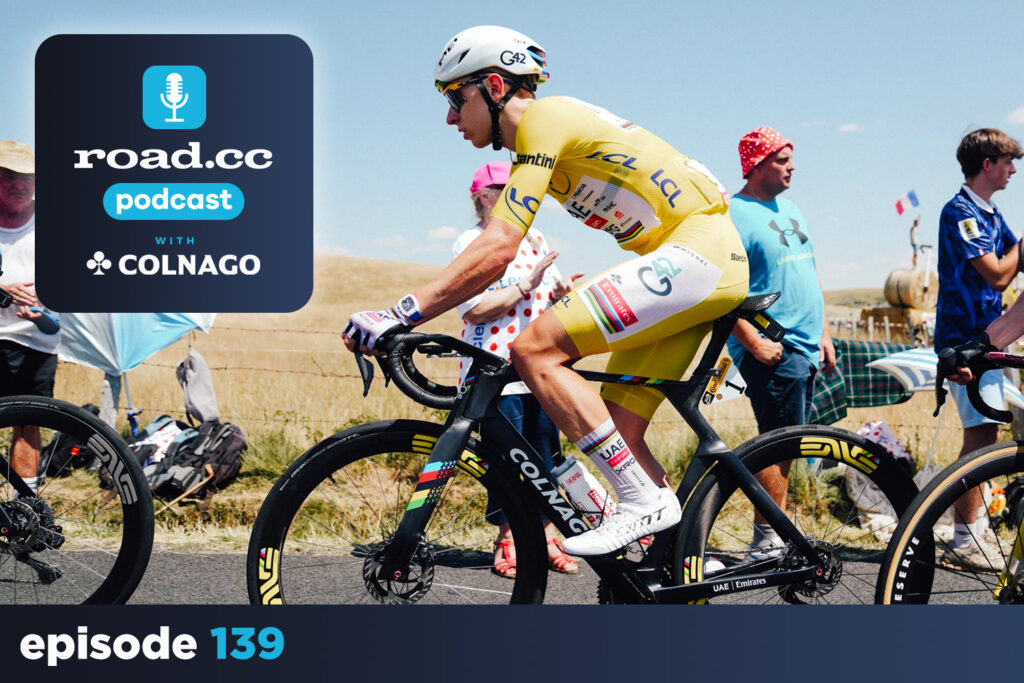


Once upon a time, bike manufacturers were the driving force behind seismic shifts in the cycling world. Cast your mind back to the Hour Record wars of the 1990s, a period when technological advancement and aerodynamic trickery overshadowed the riders’ physical prowess to such an extent that the UCI intervened and sent everyone back to the ‘70s, drop bars, round tubes, and all.
Now, however, things have changed. The 2026 Tour de France has been a race marked by astonishingly scorching speeds, played out in equally scorching temperatures.
Listen to the road.cc Podcast on Apple Podcasts
Listen to the road.cc Podcast on Spotify
Listen to the road.cc Podcast on Amazon Music
During the race’s first big mountain day last week, Tadej Pogačar – hammering the first nail into the coffin of his fifth Tour victory – shattered the record for the southern side of the Col du Tourmalet, climbing the 17km brute two minutes and 23 seconds faster than the previous fastest time (also set by Pogačar, alongside Jonas Vingegaard, in 2023).
Stage 11 from Vichy to Nevers was the fastest road stage in the Tour’s 123-year history, winner Søren Wærenskjold clocking an average speed of 50.91kph, almost 0.6kph faster than Mario Cipollini’s 1999 benchmark.
Friday’s 205.8km stage to Belfort – a day that included an actual mountain, the Ballon d’Alsace – was tackled at an average speed of 49.99kph, placing it fourth on the all-time list. Racing is getting faster and faster, and more relentless. There’s no down time at the modern Tour de France.
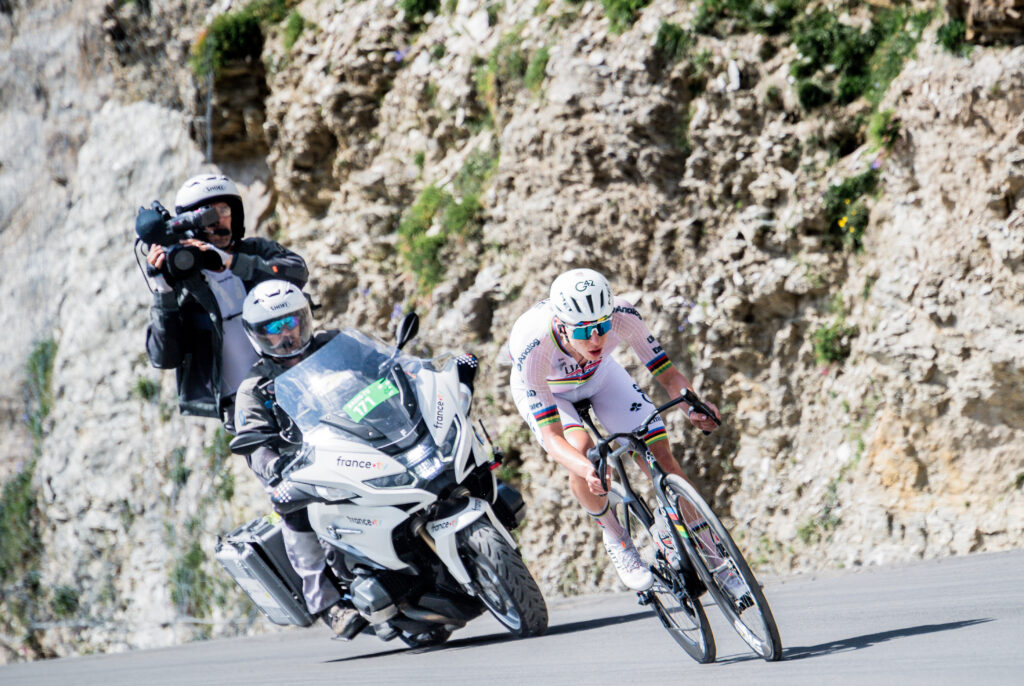
And where bike brands were once the instigators of change, manufacturers now find themselves striving to keep up with the peloton’s seemingly ever-increasing speed, and the non-stop attacking tactics of Pogačar, Van der Poel, and the rest.
Because, according to Filippo Galli, the lead engineer at Colnago, Pogačar and UAE Team Emirates’ long-term bike supplier, the modern peloton is pushing its equipment “to the limit”.
“In the last few years, we’ve been growing a lot and cooperating more and more with the team, because the races are evolving,” Galli tells the latest episode of the road.cc Podcast.
“The speeds are higher, there is more attention on performance. The riders, the team, the performance manager all require higher performance they really push the material to the limit.
“There are always requests, testing in a bid to improve performance. You cannot, nowadays, if you want to stay at the top level, at WorldTour level, you cannot neglect the collaboration with the team.”
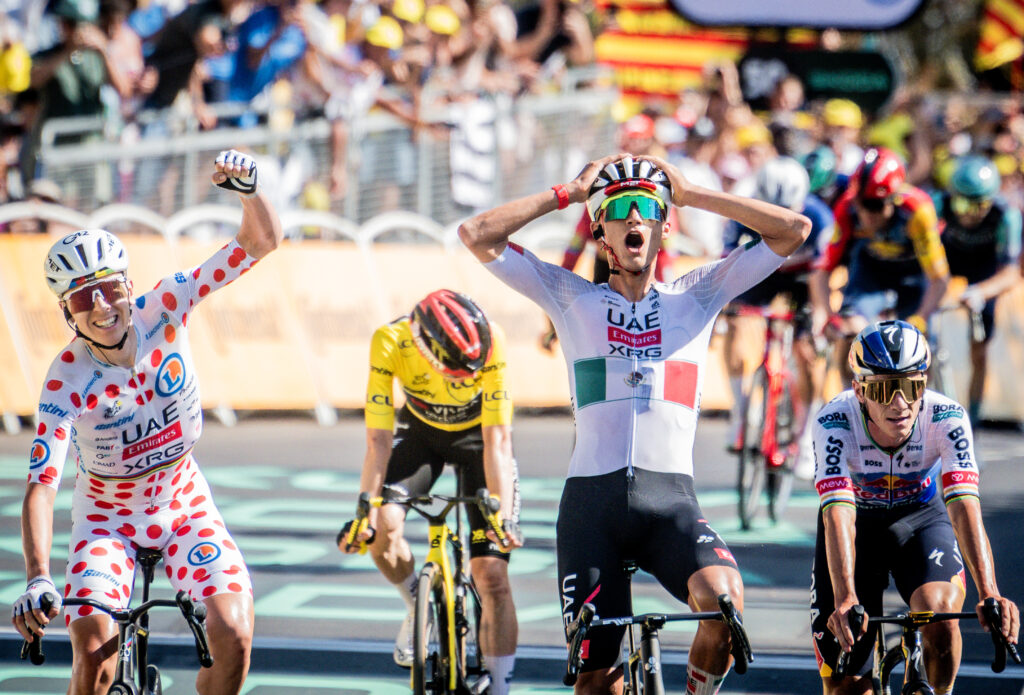
He continued: “Everything in cycling is evolving extremely, extremely quickly. So the attention to details, the attention to performance, you cannot just deliver a platform to the team and, even if they’re happy, say we’re okay for a few years. That is not sustainable, anymore.
“We always have to keep on working because both the competitors are growing very, very fast and proposing new solutions, and the speeds are getting very faster and faster.
“And we always know that if the speeds are increasing, there is more and more attention to performance. I’m thinking about aerodynamics, which is getting more important.
“But then you cannot focus on performance only because the speeds are higher. You need to make sure that the product is extremely safe and safety is the priority, because higher speeds mean higher stresses. It’s constant work.”
> Where have all the exciting bikes gone?
One consequence of the peloton’s ever-rising speeds is an increased focus on aerodynamics. Even in the mountains, where aero gains were traditionally deemed secondary to weight considerations, sleek air-cutting machines are being favoured as speeds continue to ramp up on the climbs.
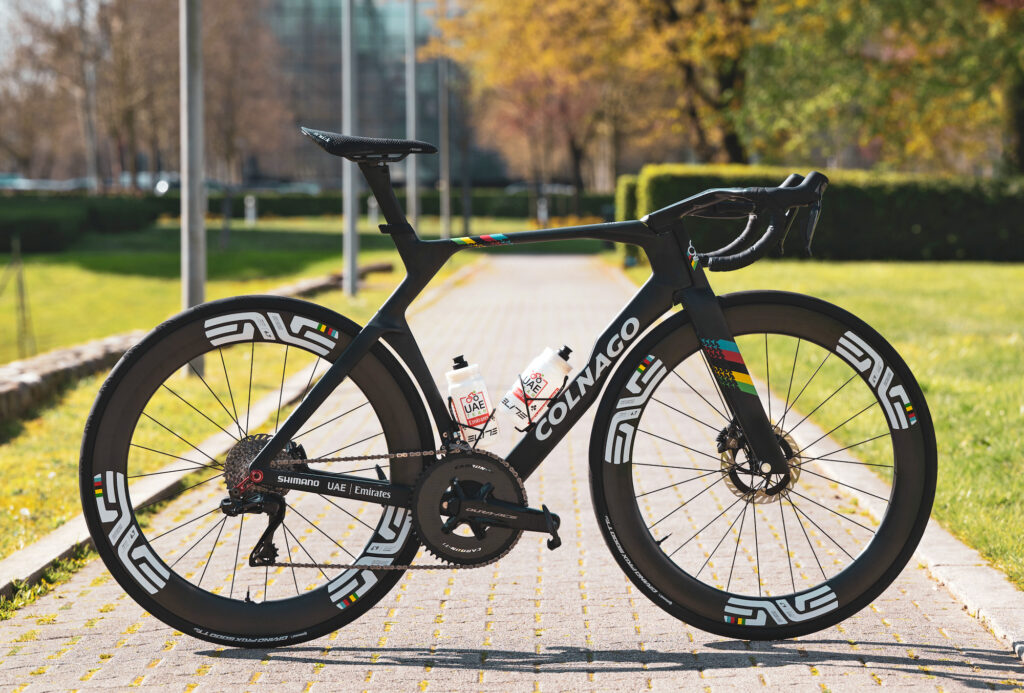
Pogačar, for example, has almost exclusively used Colnago’s Y1Rs, the Italian brand’s flagship aero model launched at the 2025 Tour, in road stages at this year’s race.
“Last year, he made a decision on which bike he’d ride day by day,” Boštjan Kavčnik, Pogačar’s long-time mechanic, told the road.cc Podcast outside UAE Team Emirates’ bus at the Tour.
“But now, in the end, he wants the aero bike in all stages, because he tells me: ‘We go fast on the climb, so we need a fast bike on the climb’. And sometimes, other teams put pressure on the downhills, so the bike needs to go fast on the downhill.”
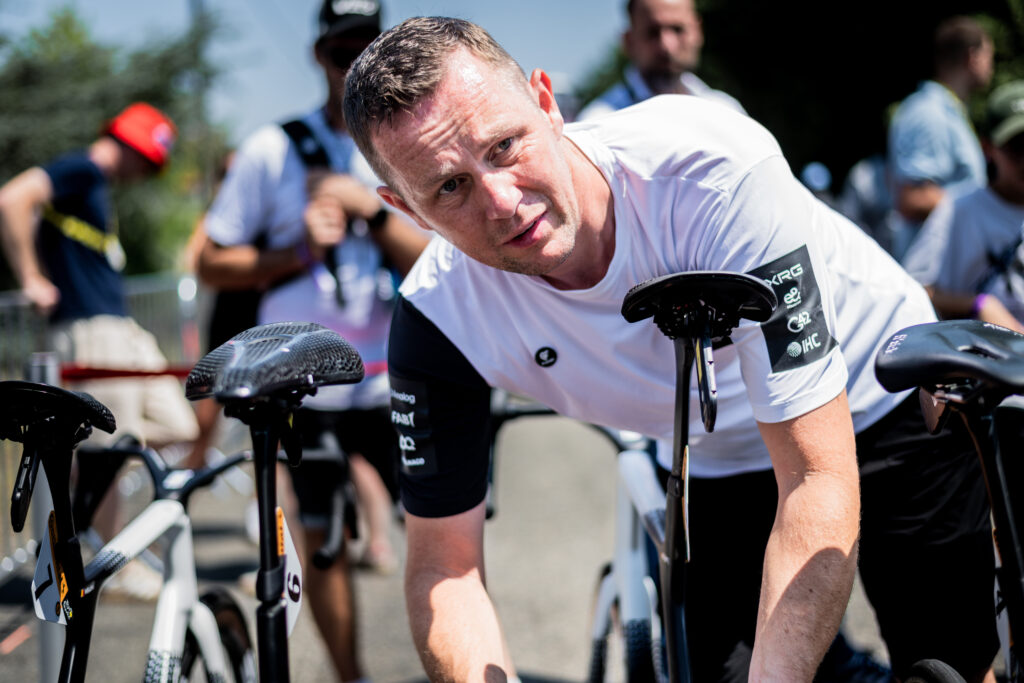
Galli agrees that aero-focused bikes are now the machines of choice on almost every terrain for the modern peloton.
“Nowadays aerodynamic bikes are being used almost everywhere,” he says. “And what in the past was called ‘extreme’ aerodynamics now have a very competitive weight compared to the all-rounder bike, thanks to new materials, thanks to new components, thanks to the improvement in carbon.
“We can now get very close to the UCI weight limit [of 6.8kg], so even aero bikes can be used on extremely steep climbs. Last year, João Almeida won the Angliru stage [at the Vuelta] with the Y1Rs. A few years ago, that would have been kind of crazy. But nowadays, it’s the reality.
“Even these mountain stages have an extremely high average speed and aerodynamics is now very important even in the mountains. So, the majority of our riders still prefer the aerodynamic bike, that can get quite close to the UCI limit.”
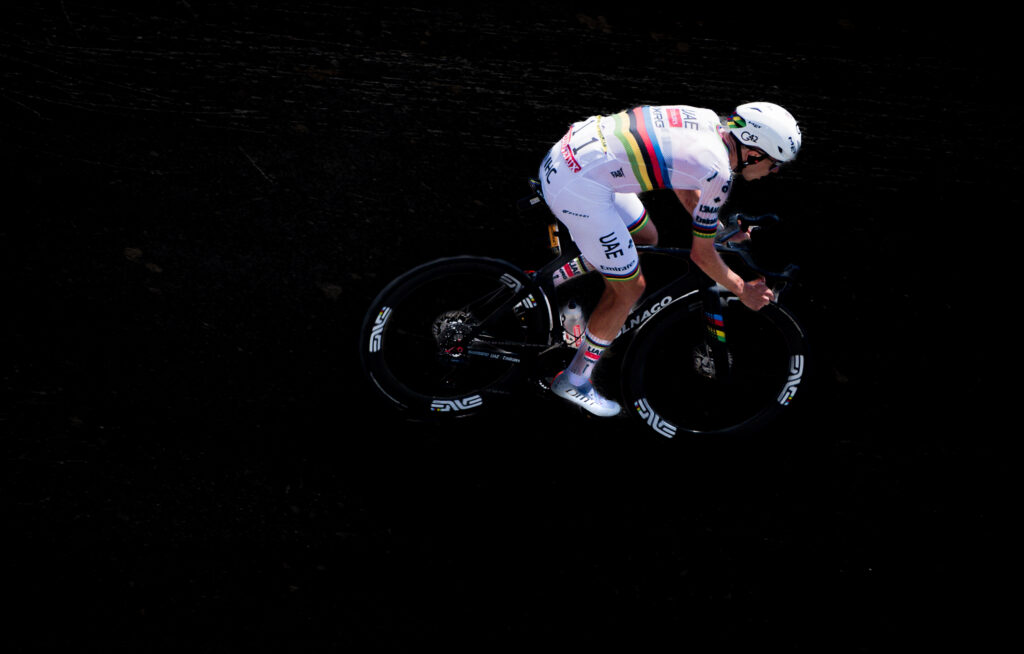
Does that mean we’re witnessing the death of the climbing or even all-rounder bike?
“I cannot see the end of climbing bike really, but I would say that the race is faster and faster,” Galli notes.
“The UCI limit is 6.8kg, so improving the material, improving the components, improving the weight of everything, even with an extremely aero bike, you can get very close, if not at 6.8 sharp, you can get very close to the weight limit.
“Obviously, we have to consider the traditional consumer, but at WorldTour level, I think the pure aerodynamic bicycle will become more and more popular in the future, definitely.”
With the peloton and Pogačar showing no signs of slowing down, it looks like cycling’s obsession with all things aero could be set to reach new heights – and the big bike brands will be kept on their toes.
The road.cc Podcast is available on Apple Podcasts, Spotify, and Amazon Music, and if you have an Alexa you can tell it to play the road.cc Podcast. It’s also embedded above, so you can just press play.











4 thoughts on “Tadej Pogačar’s so fast that even Colnago is battling to keep up with him”
A vacuous Colnago advertorial if I’ve ever seen one.
Have to wonder when, like Motorsport and F1 , the connection of pro bike and consumer bike will finally be complelety broken, top bikes already super expensive but expect to see carbon frames being rider specific one offs soon. 3d printing and custom fit will bring that closer as seen on TT bars.
@Global Nomad UCI rules state that a bike must be commercially available, and unless the rules change, one-off custom frames are not an option under the current regulations.
On the other hand, we’ve seen cases of track bikes which officially were indeed on offer, but practically their price was absolutely ludicrous which made them impossible to buy.
Hard to say where the line is exactly.
BTW an advert is not a feature. Please be honest. Just because you call a cat a dog you won’t make it bark.
It does now have the ‘paid promotion’ banner – clearly someone had an attack of weekend-itis and forgot to add it when the item went live last night.