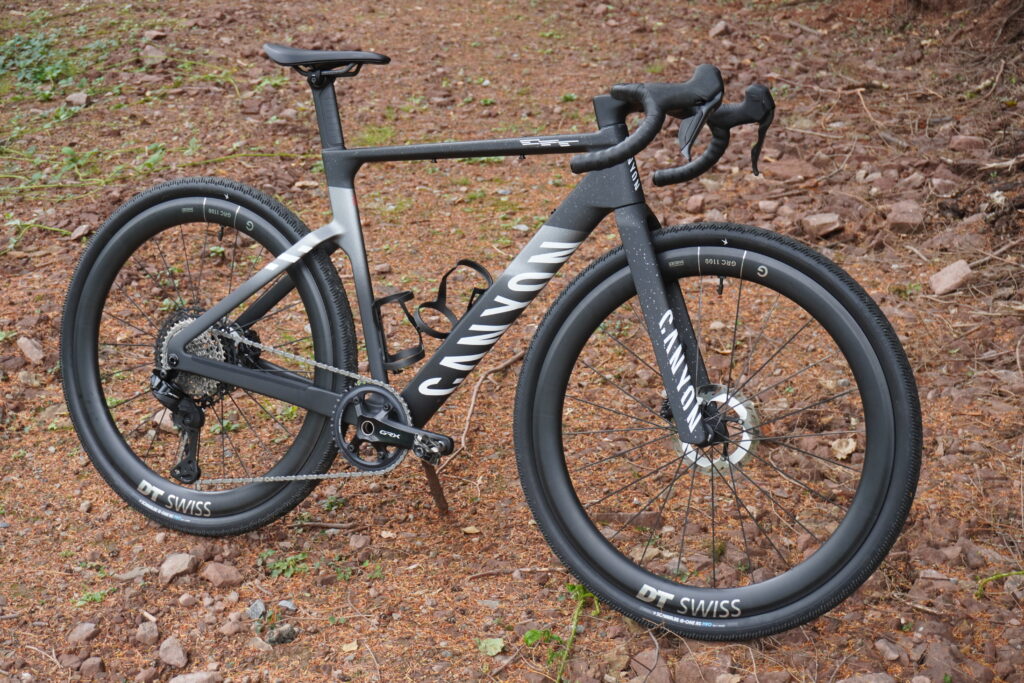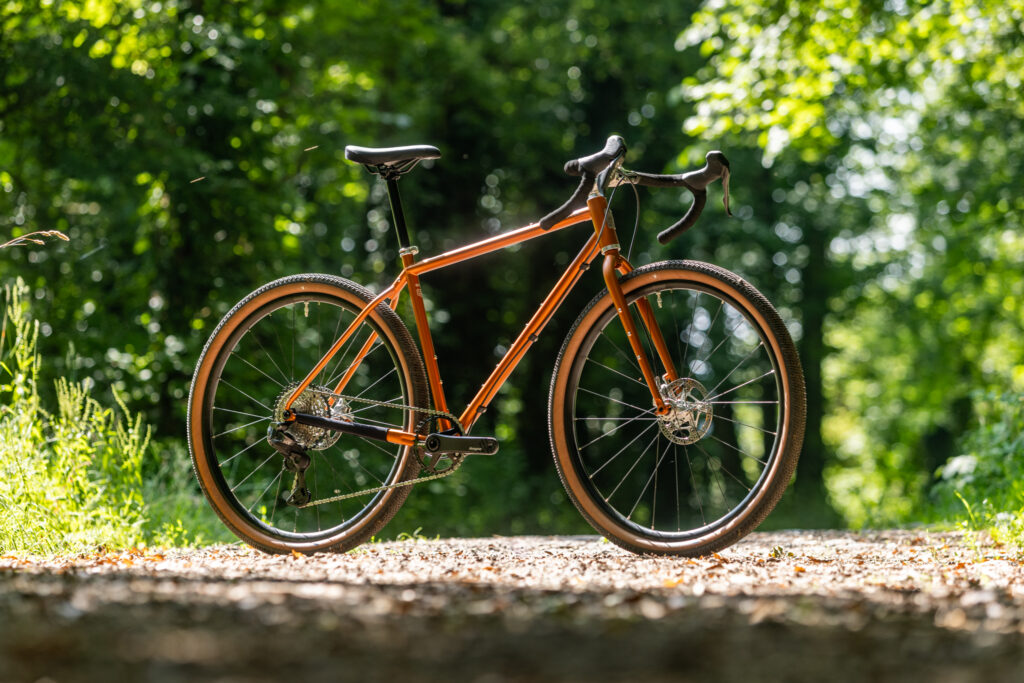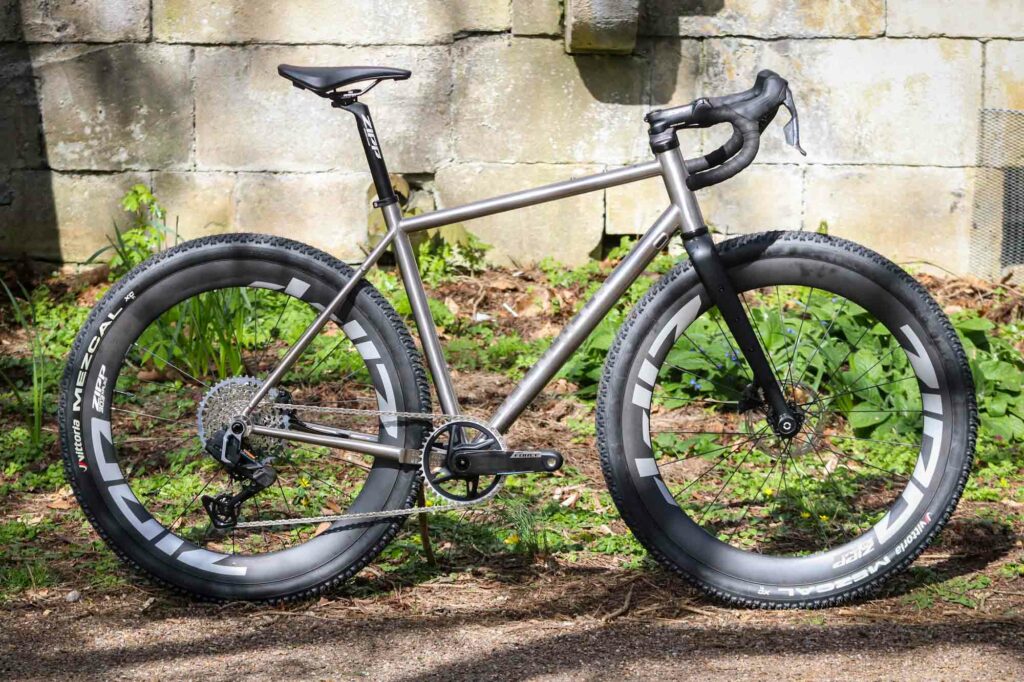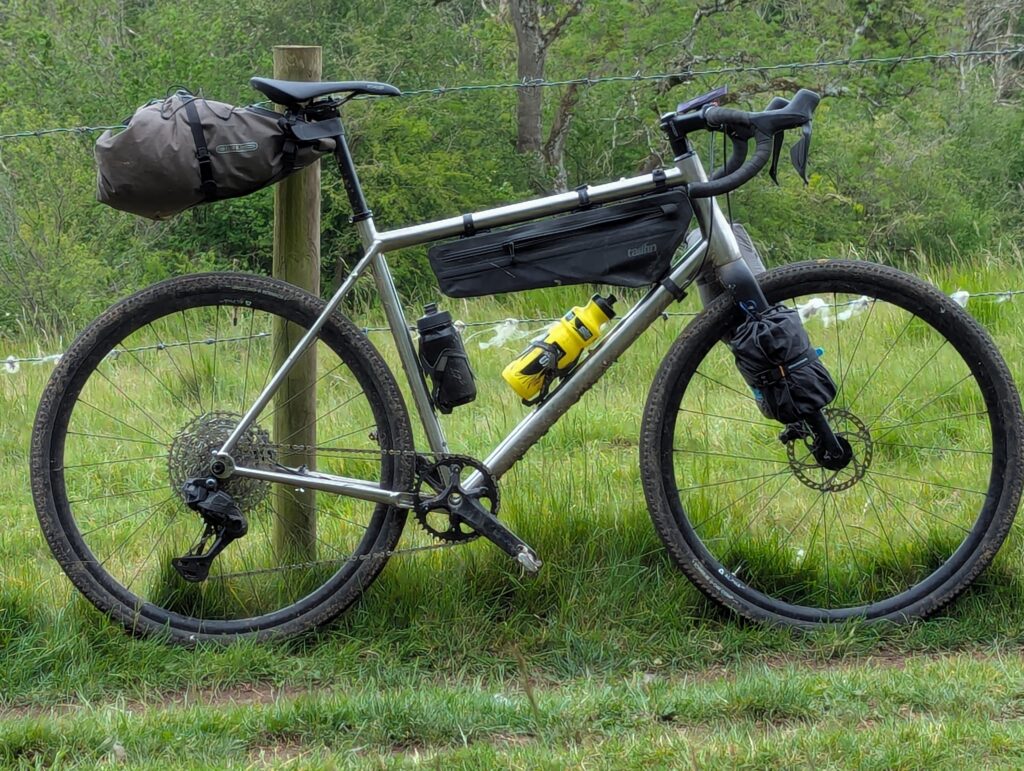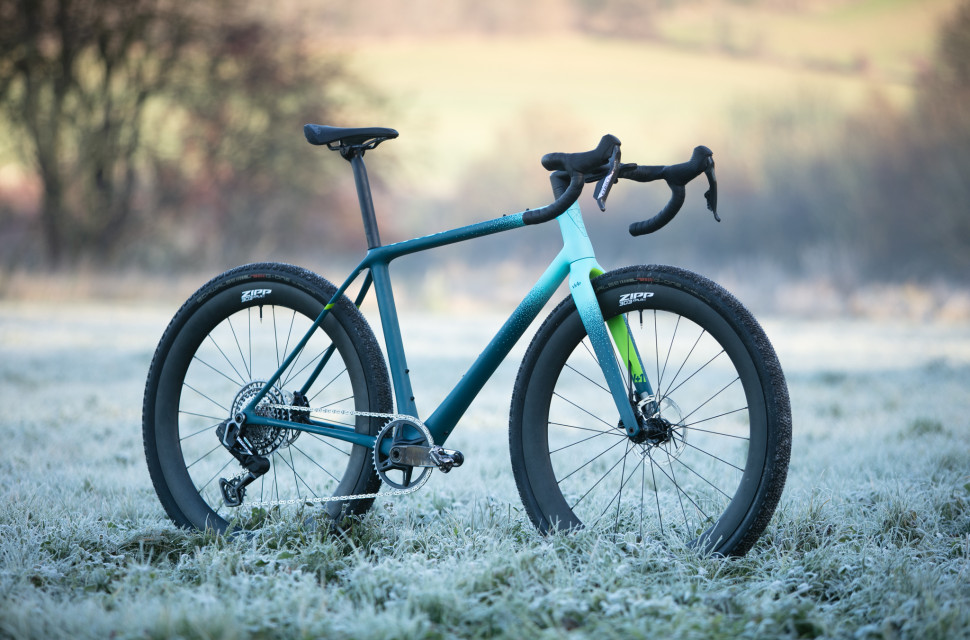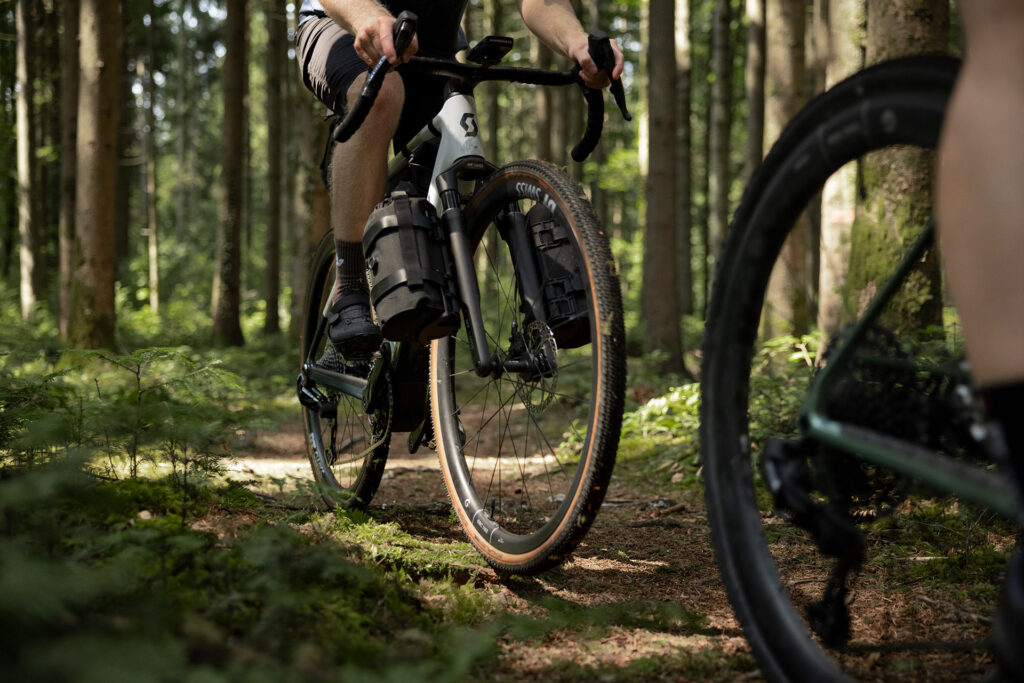

Gravel is one of cycling’s fastest-growing genres, with bikes available for all types of gravel. Whether you’re looking for aero gains in pursuit of absolute speed, more comfort, or mounting points for big adventures, here’s our pick of the very best gravel bikes we’ve ridden for all budgets.
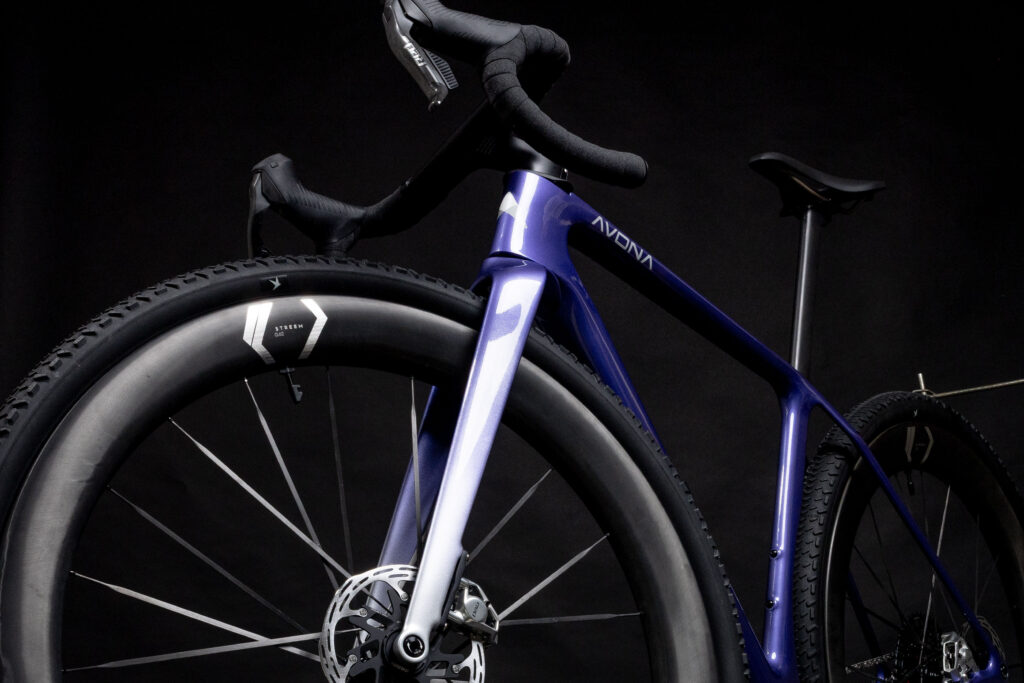
As gravel is becoming incredibly broad, finding and choosing the right bike for you is increasingly tricky. On one end of the gravel spectrum, you’ve got race thoroughbreds, designed for nothing but chasing podiums with aero features, carbon fibre everything, deep rims and agile geometries. At the other end of the very same spectrum bikes get more relaxed, featuring aluminium, steel and titanium frames while coming with plenty of mounting points for gear and bags.
Although gravel bikes look an awful lot like road bikes, there’s a lot that sets them apart. Gravel bikes often feature fatter tyres with more aggressive tread patterns, that help them glide over uneven terrain while providing traction and comfort in equal measure. A gravel bike’s geometry will usually be a little bit slacker and longer to provide stability over that terrain, although we’re seeing some of the more race-focused machines hark back to their roadie roots. While some gravel bikes are very lightweight, mostly, they’re not quite as light as their road-going brethren because their componentry needs to be burlier to keep everything working as they rattle over technical tracks.
Most gravel bikes on the market rolls on 700c wheels, but there are alternatives out there. 650b wheels cater to smaller riders or those who prefer a more spritely ride, while 32-inch wheels are making inroads in gravel, promising better traction, faster rolling, and a calmer ride. However, it’s still early days for 32-inch hoops, so such bikes are rather pricey. As the technology is adopted on a greater scale, though, I expect prices for bikes with big wheels to get a little friendlier with time.
Speaking of costs, gravel bike pricing spans a super-wide range of price points. Bikes can cost as little as £500, where you’ll see less sophisticated componentry like cable-operated brakes, more budget-friendly drivetrains and alloy frames. Look further up that price range and hydraulic brakes, one-by drivetrains, and fancier frame materials come into play, like steel and titanium. At the very top of the price range, you’ll be certain to find carbon fibre frames, wireless gears and aerodynamic features such as tube shapes and wheels.
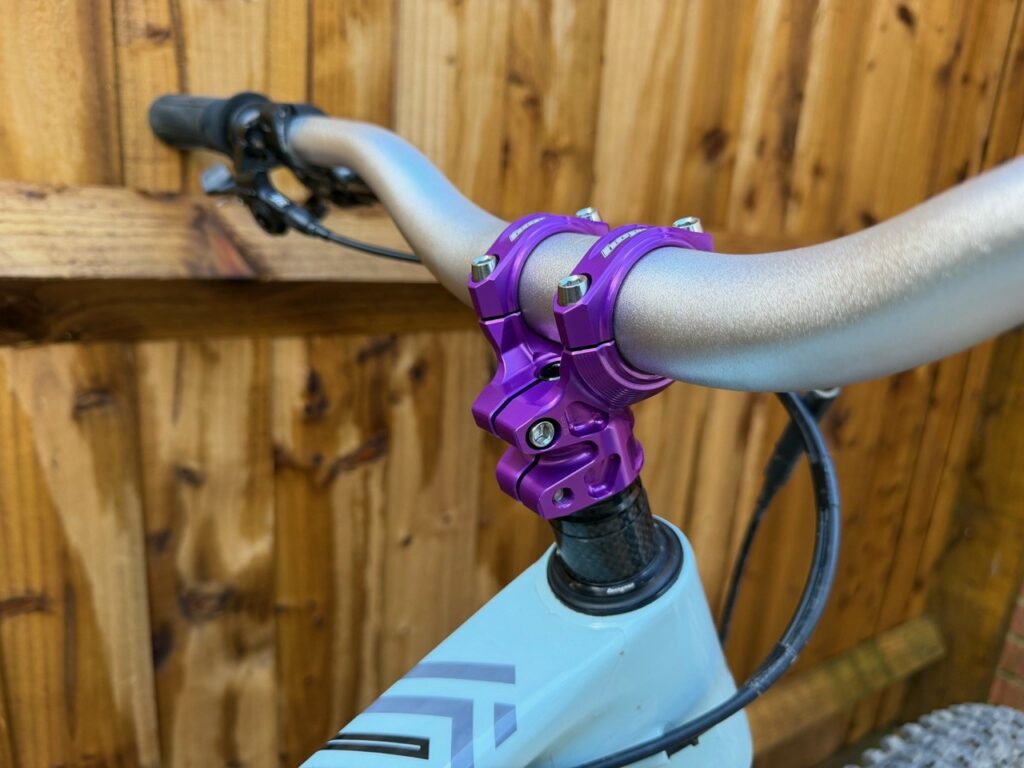
But the best bit about gravel is that it’s exactly what you want it to be. While drop handlebars are the most commonly associated with gravel, don’t be surprised to see flat handlebars on some models. Some gravel bikes might even look more like full-on mountain bikes, but they’re pared down to shed grams and perform better in terrain where a mountain bike may be sluggish. Suspension is also a growing trend in gravel. Some bikes don suspension forks with comparatively little travel to iron out trail imperfections, and dropper posts can be spotted on some bikes. These allow riders to get the saddle out of the way and have more room to move over the bike, all while lowering the riders’ centre of gravity.