


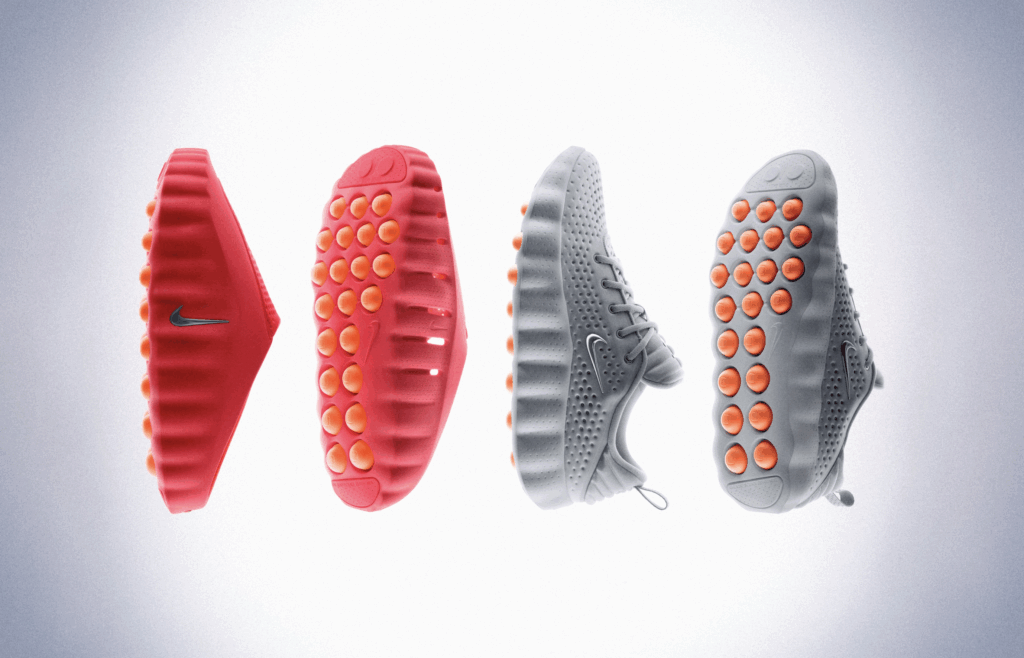

Cycling has long chased marginal gains in aerodynamics, power, and recovery, but one of the biggest performance gains is often overlooked: the mind. Nike’s Mind concept is a sensory footwear platform designed to “reawaken the foot, the body, and the mind”, hinting at the untapped potential of mental performance in sport. Could this technology make its way into cycling?
The focus on the mental side of performance is growing, with many top cyclists speaking out about the crucial role of sports psychology. A recent example came at Il Lombardia, where Remco Evenepoel showed both physical and psychological recovery in order to descend at record speeds after his life-threatening crash at the same race in 2020.
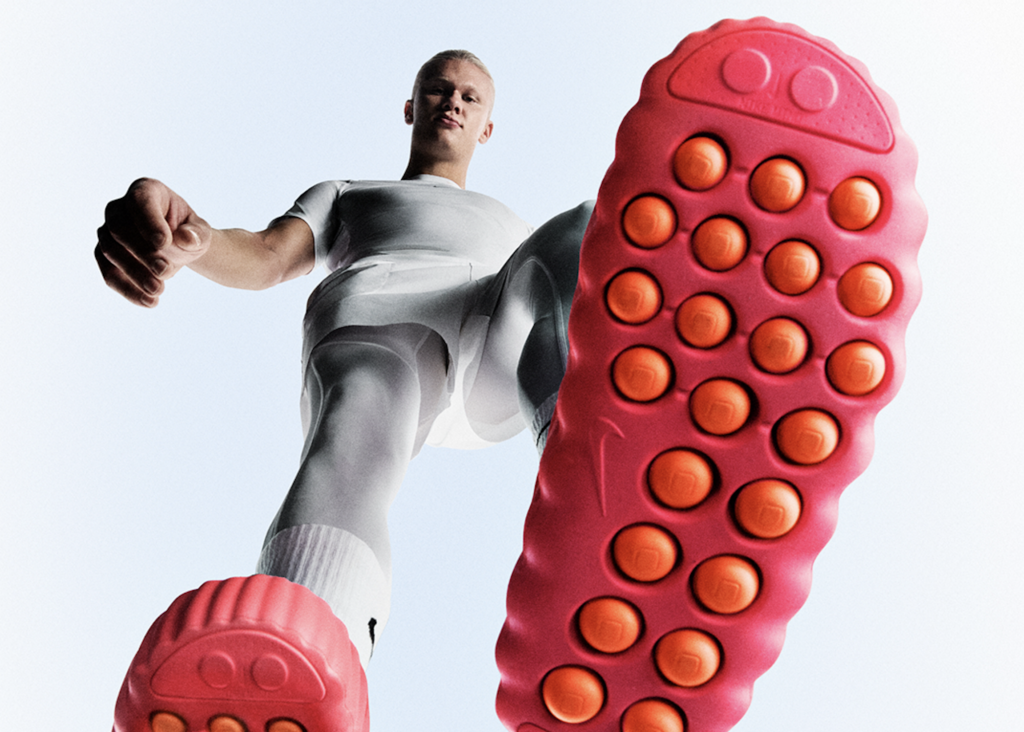
Matthew Nurse, Nike’s Chief Science Officer recently said: “If the body’s the engine, the mind is the driver, and we really focused on the engine for the first 40 years. How do we make the driver sharper, cleaner, more effective?” This shows how big brands like Nike, are now turning their attention to the previously overlooked mental side of performance, aiming to optimise not just the body, but the mind that controls it.
In doing so, Nike has collaborated with neuroscientists, using data from brain scans at its Mind Science Department to develop footwear designed to prime athletes for activity and aid recovery after intense exertion.
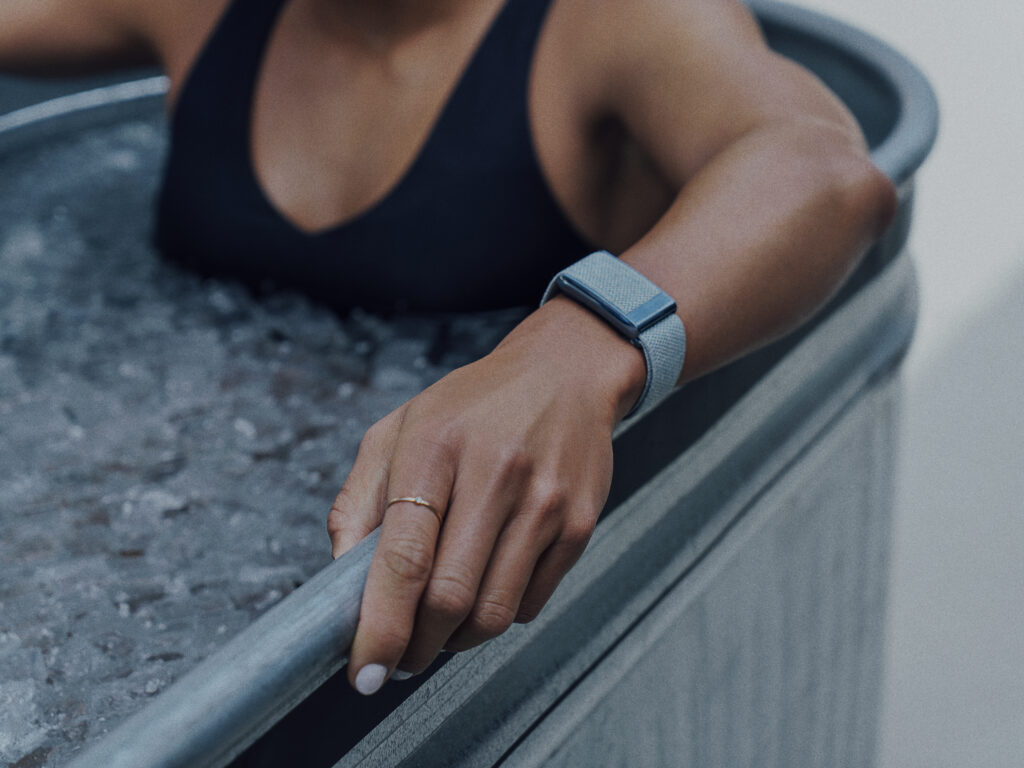
Many cyclists will already be familiar with tools aimed at enhancing physical readiness and recovery – wearable tech like Whoop and Oura Ring, compression gear, and nutrition strategies like cherry juice to reduce inflammation. But Nike Mind goes a step further, targeting the brain and the body.
“Mental preparation has become just as important as physical and we’re only scratching the surface on what’s possible”, says Nurse.
How does it work?
Nike says the footwear connects the body and mind by engaging the sensory areas of your brain via thousands of mechanoreceptors underfoot – something traditional shoes tend to block.
While Nike Mind uses neuroscience to influence performance through sensory footwear, the underlying principles echo core concepts of sport psychology. “Nike Mind can help you get out of your head, connect with your surroundings, and stay more present in the moment” – skills that sport psychologists emphasise as critical for optimal performance.
Although the current Mind 001 and Mind 002 models are designed as slider-style or trainer-style shoes for everyday use, the same framework could theoretically be applied to sport-specific footwear, including cycling shoes. This proposed sensory feedback could help cyclists sharpen focus, enhance awareness, and optimise performance on the bike. Could we see “mind altering” cycling shoes in the next decade?
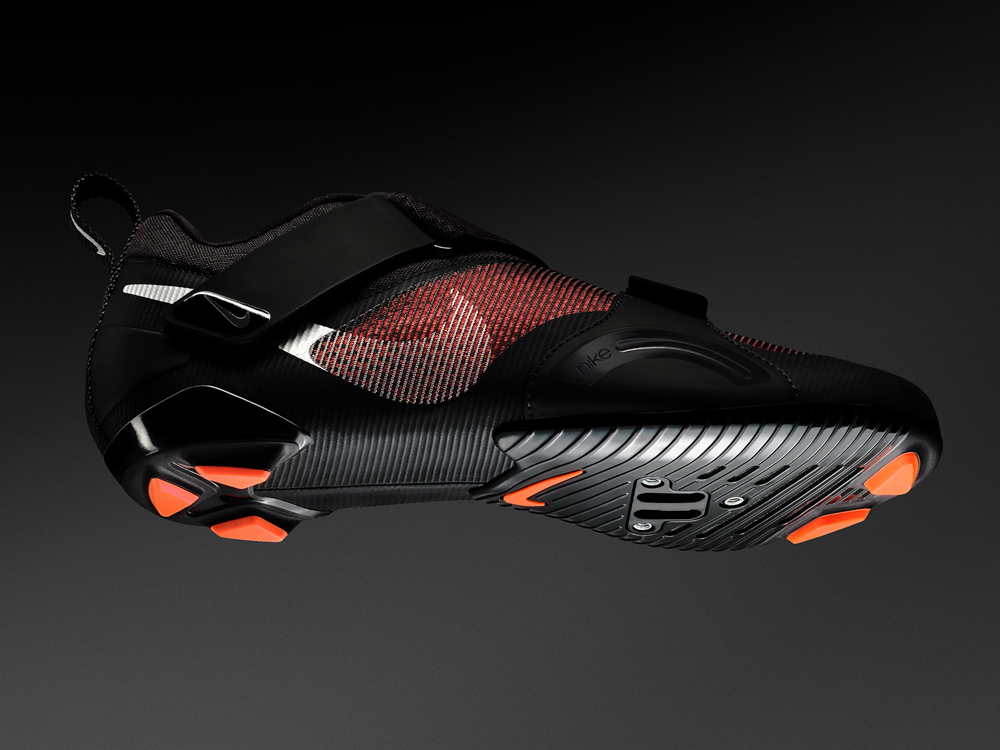
It wouldn’t be the first time Nike has ventured into cycling. The brand had a prominent presence during the Lance Armstrong era, though that relationship ended abruptly. Since then, Nike has mostly stayed out of the sport, sponsoring a handful of riders across disciplines, including Mark Cavendish, Adam Blythe and Dani Rowe. The products were largely custom, and Nike’s consumer cycling offerings remain limited.
Nike is currently back in the sport as a sponsor with Demi Vollering, however, she doesn’t wear the brand’s cycling shoes in competition.
What’s next for Nike Mind?
The idea of sensory footwear has been around for a decade, but Nike says the challenge was scaling it, turning what was once an “arts-and-crafts” concept into something that could be mass-produced.
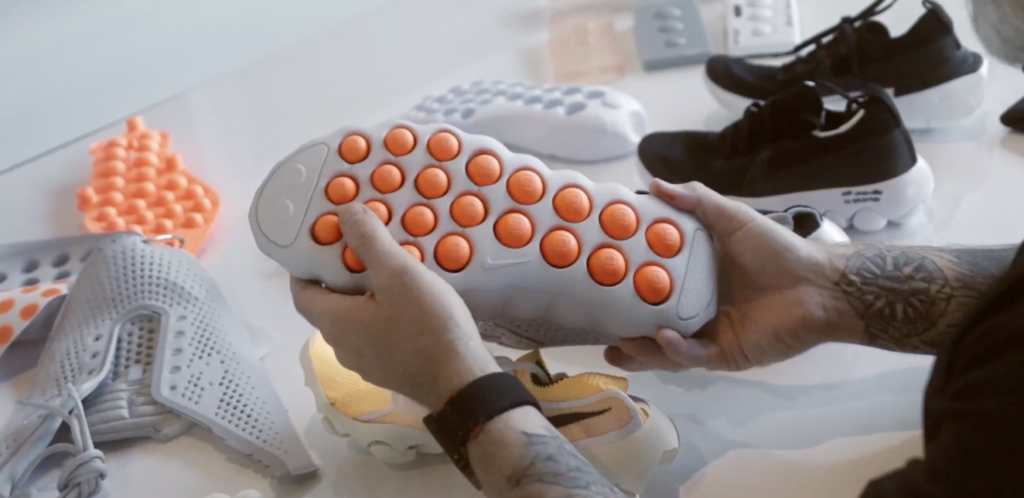
“For the first 45 years, Nike’s research focused on the body from the neck down. The next forty-five will include the brain,” says Trevor Barss, PhD, Lead Researcher at the Mind Science Department. “We’ve focused on the body for decades. Now, as we look at the mind alongside it, the opportunities for athletes are limitless,” adds Nurse.
Nurse expects the technology, and the science behind it, to be integrated into future Nike products. And while it’s too early to tell whether these neuroscience shoes will deliver measurable gains, the bigger point is clear – major brands are finally exploring ways to enhance performance beyond the physical.
The Mind 001 and 002 shoes are due for release in January, with pricing yet to be confirmed. More details are available on Nike’s website.
Could we see this tech coming to cycling? Let us know in the comments section below.








12 thoughts on “Are “mind-altering” shoes the next big performance gain in cycling? Why Nike thinks its curious new footwear concept could be the next “frontier of performance””
For later models, Nike plan
For later models, Nike plan to infuse the footbed with homeopathic air which will channel an athlete’s belief in absolutely anything.
Very interesting. But would
Very interesting. But would It have limited effect in cycling, where contact with the pedal is by a relatively small area of the foot?
The cost will be interesting!
The sliders are priced at £80
The sliders are priced at £80 and seem to be aimed at the pre-ride period.
Surprised Nike doesn’t have a
Surprised Nike doesn’t have a cycling shoe..bizarre even ?
I too have experimented with
I too have experimented with acupuncture and podiatric pressure points in sports footwear. My conclusions were that performance is greatest when you shake out the bits of gravel from your shoes
I’m surprised that it’s
I’m surprised that it’s possible to photograph the emperor’s new shoes.
I can see a cease and desist
I can see a cease and desist letter coming your way.
I’m not sure emporers bother
I’m not sure emporers bother with legal niceties like that…
Yeah, but corporate goddesses
Yeah, but corporate goddesses of victory…
Isn’t this similar to the
Isn’t this similar to the principle behind arch support in cycling shoes, that they don’t just hold up the foot, but they stimulate the nerves and the sensations to the brain to improve the connection?
Surely walking around bare foot would have a similar effect to these sliders?
It sounds as though the shoes
It sounds as though the shoes cause nerve stimulation which in turn leads to generation of more alpha brain activity. This means that the athlete is minimally distracted from the present focus. Sports psychology tries to achieve this exact state.
A good example is a footballer taking a penalty kick. They need to be in the moment, working pretty much on instinct and muscle memory, with no thoughts like “I missed a penalty last week” or “If we don’t get a win bonus today, I can’t buy a new car.
In my running days, I accidentally experienced some races, where I didn’t worry that the pace was too fast and would I pay for it later, I just thought “Woopee, this feels great. Bring it on.” Sadly this didn’t happen often enough!
Whether that is always good for a cyclist maybe depends. In a time trial or pursuit it would be good to pedal at your required watts, feeling all is OK without worrying whether you may blow up today. In a road race, some degree of forward planning is required eg a huge climb towards the end of the stage – but maybe it is good not to think too much about it and just get on with it!
(No subject)