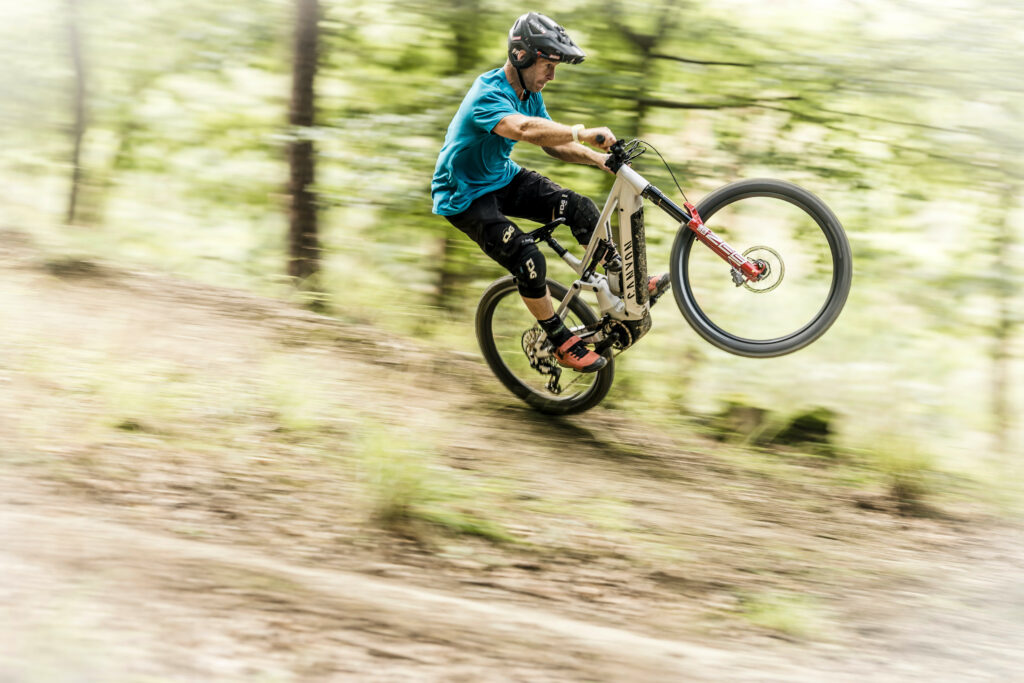

Over the past 20 years, the world has changed dramatically, and there’s no getting away from the fact that the immediacy and mass accessibility of social media platforms, YouTube, and other short-form content mediums – which most of us consume massively and passively – have impacted mountain biking on every level.
- “YouTube alone is getting harder to make a career of”: The reality of being a cycling YouTuber
- The Fabio Wibmer interview – living life on, and over the edge
- Bike check: Sam Pilgrim’s Canyon Torque:ON CF 9
Whereas it was once predominantly athletic ability and performance, garnished with a certain level of image and persona, that was prime jersey real estate for sponsors, these days that balance has very much unbalanced itself. Nowadays, being an “influencer” is essential to the whole process, and being an influencer in one form or another has become real sponsorship currency in the sport in its own right.
To learn more about this, we spoke to a bunch of industry figures and insiders from varying realms to learn their thoughts on this.
Oli Paton, Malverns Classic Festival Director
ORCC: You have several influencers at the Malverns – what exactly do they bring to the event in terms of return, exposure, and do these returns manifest for you over time?
Oli Paton: At the Cannondale Malverns Classic, we are super fortunate to have a great mix of influencers at the festival. Their reach helps us spread the word and tie everything back to the core idea, having fun on bikes and a party with all the family.
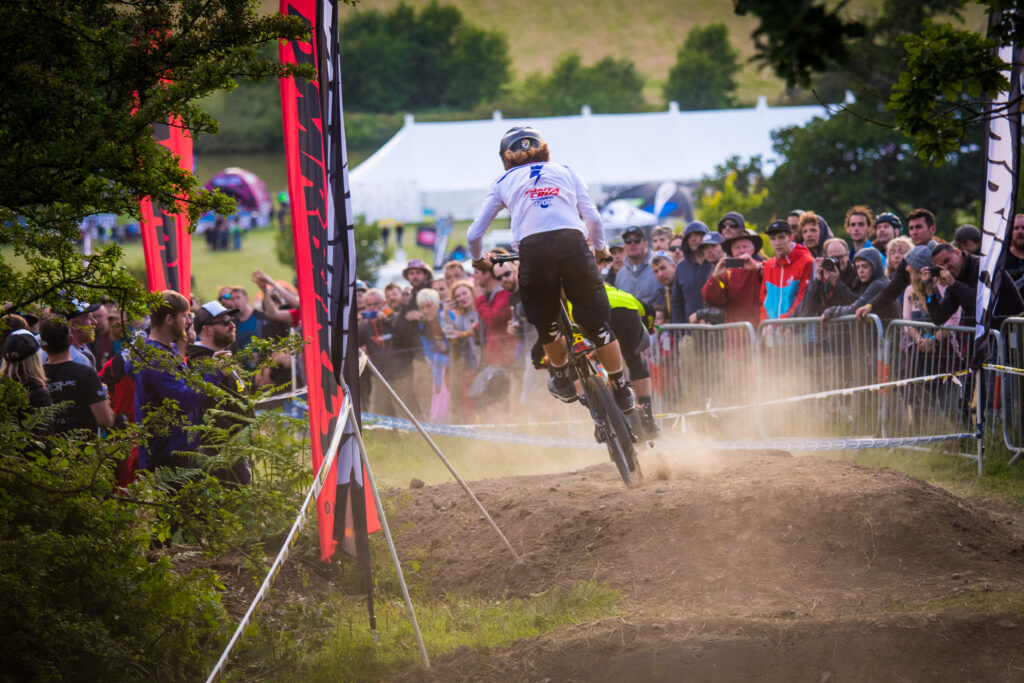
The event is also a great content playground. We’ve intentionally curated moments that make it easy for creators to share experiences in an engaging way with their audiences.
At first, I thought getting a big-name rider would mean instant ticket sales, but it’s more about broad exposure. Influencers definitely help boost visibility and add credibility, especially in the festival’s infancy.
ORCC: Comparing social media and YouTube influencers with traditional print and online media – what differences are there for you in terms of return, the longevity of the value, and exposure?
OP: It is difficult to track sales from this kind of marketing, so there’s some faith involved. Unlike traditional print media adverts, influencer content is personal, which brings out sides of the festival we might miss ourselves. I enjoy looking back over the weekend’s content to see everyone’s personal experiences.
ORCC: The various platforms, especially YouTube, compared to TikTok and short-form immediate platforms – what different kinds of return/benefits do they bring, and how do you track and assess which are most beneficial to the event?
OP: Longer videos from riders like Ben Deakin or PinnedTV give real insight into what the event feels like. In recent years, however, we have seen more quick Reels and TikToks help us reach way more people, like Duncan Shaw’s Evans Cycles Lakeride clip that hit 66 million views. Even non-bikers I meet have seen it. Does that video instantly sell us 100 tickets? Probably not, but it increases awareness and perhaps opens up a relationship more quickly with these viewers when they see our ads.
Short, punchy content is key for reach now, but longer-form still has its place for telling the full story.
Thomas Frischknecht, Scott-SRAM MTB team manager
ORCC: How important is the influencer side to you as a team manager when dealing with sponsors?
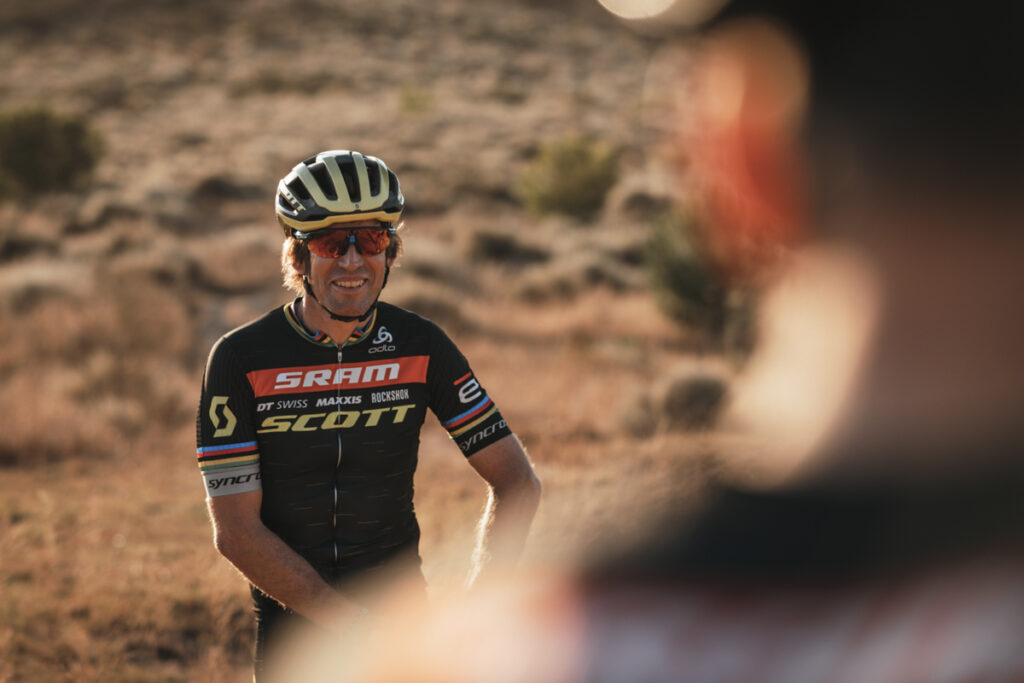
Thomas Frischknecht: Tremendously important! Today, it’s not so much about promoting a sponsor’s logo as it was in the past. It’s about showing association with a brand or product by delivering emotions through social media.
[Image by Scott-SRAM MTB]
The impact an influencer has on brands and products is much more tailored and therefore has a more organic impact on the consumer (compared to advertising).
In today’s sports business, social media is part of every contract with sponsors. We invest a lot of work in creating attractive content to allow the athletes to become important influencers.
However, let’s not forget that in mountain bike racing, what counts first is performance. Athletes with great results and a good social media profile are prized. Those who don’t succeed in sport but try to make their way only by social media don’t last long. One exception is on the women’s side; there are quite a few who have never stepped on a podium, but thanks to their look, they are still successful as influencers.
Hans Rey, mountain biking royalty
ORCC: How important and valuable is social media to you?
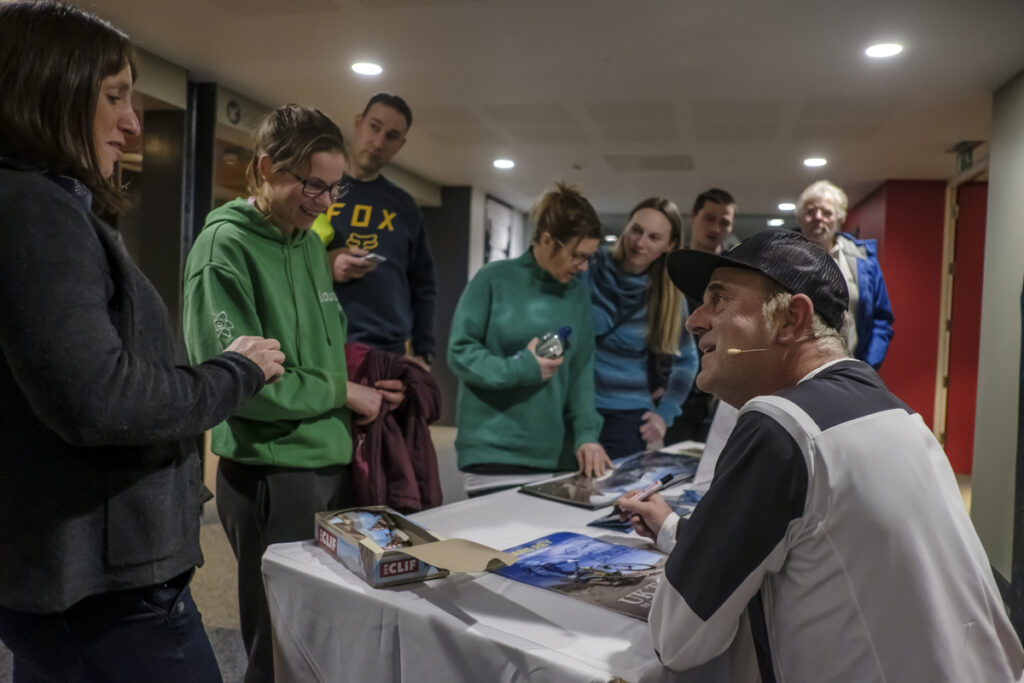
Hans Rey: I think it is valuable and great, but it is also overrated. Social media has become hard to get the finger on the pulse. “Social doping” (buying followers, etc) is less of an issue today than a few years ago. It just seems like an overcrowded space, very short-lived, with too many self-proclaimed experts.
[Image by Steve Thomas]
It is a good service for athletes to communicate with fans and to endorse sponsors. I enjoy the personal messages and comments that people leave, telling me stories of how I have influenced their lives. It’s nice to get this feedback, especially considering that these are ‘real’ impressions, often made one, two, or even three decades ago through traditional media.
Ben Hillsdon, Global Communications manager, Canyon Bicycles
ORCC: With being a direct-to-consumer brand from the start, has this helped Canyon in early embracing and understanding of the various social media/influencer platforms, and has a direct-to-customer approach made it more important to you than to brands with a showroom retail presence?
Ben Hillsdon: From day one, we’ve believed in inspiring people through the power of sports and the Canyon community. For a long time, we didn’t have traditional touch points (i.e., stores) to connect with consumers, so we’ve had to build our own. Social is just one of the ways we can have direct relationships and engagement with our customers, but it isn´t the only channel we rely on.

ORCC: Social media platforms and YouTube evolve and change rapidly. When considering sponsorship or support of athletes and influencers, has this fast-changing environment changed how you approach and value returns/presence, and has this changed you way you look at long-term sponsorship?
BH: Some athletes we work with because they’re proven winners who can showcase Canyon from the top step of the box. Some athletes we work with because they’re fan favourites who have an authentic connection with legions of fans. And some athletes are simply inspiring by what they have achieved. We value working with athletes who can give back and inspire, it’s more than simply about winning.
Most importantly, the person behind the athlete being considered (for sponsorship) needs to match our core values.
ORCC: With your elite MTB athletes and teams, how much of a social media presence is important for individuals from your side, and are there specific agendas/criteria they need to stick to on this?
BH: Social media is an easy way to see the reach and the engagement of elite MTB athletes and teams, but it’s not the only way. A rider can also do the same by winning races and/or generating a lot of column inches. Or they can do a ton of work in the community. Obviously, on social channels, there are things we want our teams to talk about and topics we’d rather they didn’t wade into, but that’s fairly normal. But above all, we want our athletes to have a presence, to be relevant, and to be authentic, and I think that’s resonated with the fans of our brand.
ORCC: You support a lot of very different athletes, influencers, and public figures – how do you assess value on investment returns, and has this changed a lot in recent years?
BH: Athletes and ambassadors are key to what the business stands for, and this goes back to the beginning of our roots. These days, we can use software to calculate ROI and ensure we’re comparing apples to apples, taking out a lot of the guesswork. But numbers are only one way of assessing value. There´s much more that needs to be considered beyond advertising value, as we integrate the athletes in nearly everything we do (e.g., feedback and involvement in our products, LTD bikes, etc.)