Although the wheel size is still in its infancy, Starling Cycles has jumped right onto the hype train with its new Big Bird, claiming a world’s first all while doing so. While the Big Bird carries the typical steel charm found within the tubes of any Starling bike, and makes a perfect exhibit of the 32-inch wheel’s unique ride character, it’s proof that there’s still some work to do to reach the wheel’s peak performance. Though that’s no fault of Starling’s.
- Starling Cycles moves manufacturing from the UK in a bid to cut lead times
- Industry Insider – MTB Career insights with Joe McEwan of Starling Cycles
- Starling Cycles Mini-Murmur first-ride review – big fun in a small-travel package
We’ve already got a fully fledged article that outlines the Big Bird’s tech specs in some depth, so I’ll glance over the important bits quickly. The Big Bird is built to bring a similar character to Starling’s famed Murmur platform, but it brings a host of tweaks to both fit and work well with its 32-inch front wheel.
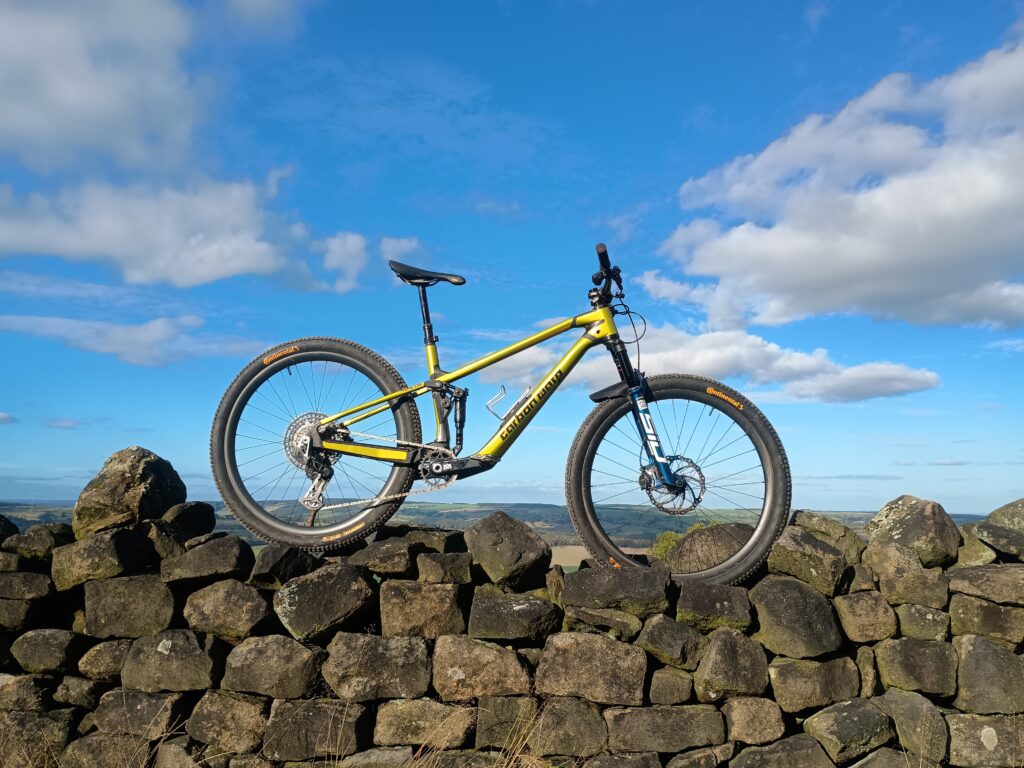
Yes, this is a new form of mullet bike, with a 32in hoop up front with a 29in wheel at the rear. This has been done for a couple of reasons; first and foremost, the Starling team prefers mixed wheels, and choosing the slightly smaller rear wheel has meant that the brand hasn’t had to build an all-new rear triangle to fit a bigger wheel.

Although the Big Bird borrows a lot from the Murmur, Starling has made a bunch of changes to account for the 32-inch wheel. The brand says that it raises the front end by 40mm, so the Big Bird gets a bottom bracket height to suit, and Starling has graced the bike with a 470mm reach, rather than the 485mm measurement found on a large Murmur.
As for other geometry measurements, the Big Bird is very much a trail bike. There’s a 64-degree head tube angle, a 445mm chainstay and a 78-degree effective seat tube angle.

Another key difference is that the Big Bird runs 120mm of suspension travel at both ends. Of course, it’s a steel frame with a single pivot suspension platform. There’s easy-to-service external cable routing, and it’s all delightfully simple.
With that big wheel, there are only two sizes on offer, large and extra large, and all Big Birds are built through Starling’s Bristol-based RARE program with a 12-week lead time. You’ll only have until the 31st of March to put in an order, too, so be quick.
Starling Cycles Big Bird – Componentry
A big challenge that comes with building a 32” wheeled bike at the moment is the availability of compatible components. However, Starling has you covered for the important bits, if you’re happy to shell out the cash for them.

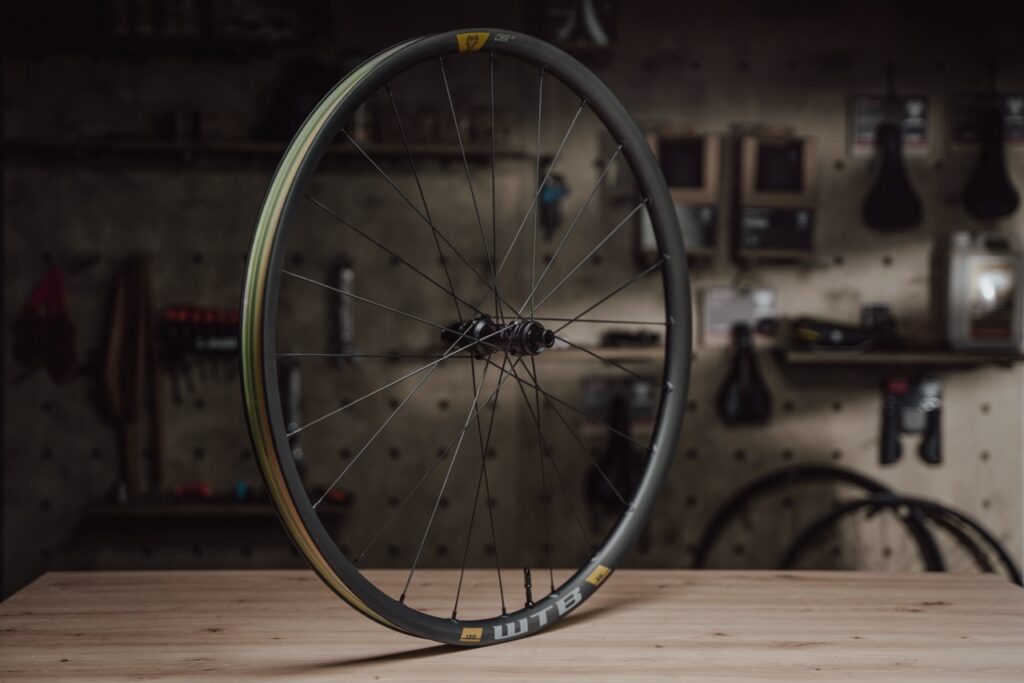
The Big Bird can be picked up as a frame only (for £2,456), leaving you up to your own devices when choosing componentry. However, Starling can source an IntendBC Samurai fork, IntendBC’s Hover shock, a pair of Maxxis Aspen EXO tyres in the MaxxSpeed compound, and a pair of carbon Nextie rims on Hope Pro 5 hubs, built especially for the bike.
This does come at quite the cost, totalling £4,055, and you’ll then have to sort out the finishing kit, brakes, and drivetrain yourself. But alas, 32” hoops are still very much in their infancy, so expect a cost to come with that.
Starling Cycles Big Bird – Ride impressions
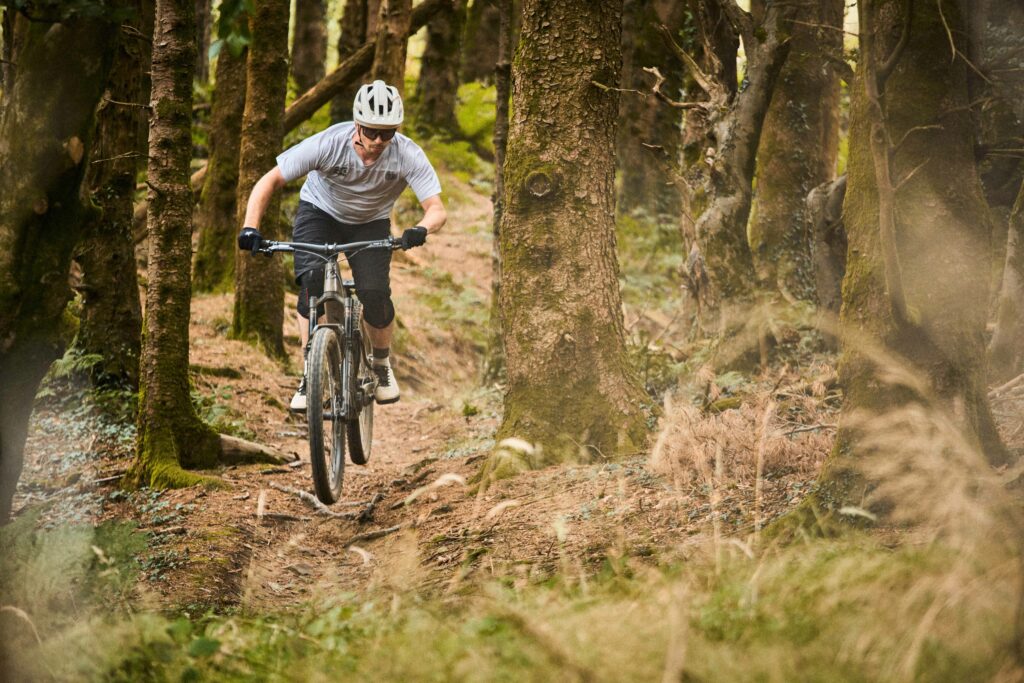
The main takeaway I’ve had when riding the Big Bird is that if it’s anything to go by, we’ve well and truly recovered from the geometry hangover of early 29ers. That’s because the Big Bird feels, well… normal. Not that I recommend that you do, but if you swing a leg over the bike with your eyes closed and put in a pedal stroke, you wouldn’t know that there’s a big old wheel at the front.
With that comes a remarkably familiar general dynamic. Yeah, the bar might be a little taller than some may be used to for a bike of this travel, but I’m a fan of a taller bar, and quick carpark spins don’t feel anything out of the ordinary. In fact, Starling has pretty much nailed its geometry in that the seat angle places weight in a good and balanced place, making for a pretty keen climber and effective descender.

Pointed up a hill, the Big Bird is nothing short of planted. The big wheel rolls over chunky sections with ease, which the super low-profile tyres make for ridiculously easy pedalling. I even beat a PR on a reasonably drawn-out climb by three minutes.
When pedalling, Starling’s rear end is very much ‘Starling’. The single pivot layout may not be the most efficient, but the tyres certainly make up for that. That said, it rustles up a very surprising level of traction (considering the minimally-treaded rear tyre), only breaking loose on particularly slippery roots and deeper mud.
As for the descents, the Big Bird’s reach figure makes a lot of sense. Where the big front wheel forces a lot of stability, pulling the wheel closer to the rider adds a more direct feel to the steering, with plenty of leverage.

Despite coming with a comparatively meagre 120mm of bounce, the Big Bird is nothing but composed. The 32in wheel’s ability to roll over and through chunky sections compensates for the lack of travel very well, keeping the bike super calm while holding tonnes of speed. And although the rear suspension is certainly more on the linear side of things, I reckon it’s a solid move for the bike as it frees up more millimetres to absorb trail imperfections. That said, there’s good bottom-out resistance, so even when charging particularly hard, harsh bottom outs were few and far between.
Though it’s not the most agile of bikes, it shouldn’t be expected to be. That is to the point where the bike can understeer on occasion. This was my first experience with a 32-inch wheel, so I’m sure a little more time with the wheel size will solve that problem.
As the Big Bird doesn’t stray too far from Starling’s known frame silhouette, it rides as you would expect any Starling bike to. There’s a real level of compliance and vibration reduction through the frame, which, when combined with the 32in wheel, makes for a very manageable bit of kit, even when the going gets particularly rowdy.
But on the subject of compliance, the Big Bird is something of a victim of 32-inch wheels being so fresh, and the fact that there aren’t many components around to fit the wheel. I say that because let’s face it, the Maxxis Aspen tyres aren’t particularly ‘trail’, although I found great traction for them over the wet hardpack I tested the bike over. They won’t be enough for more serious trail riding, however. But importantly, the fork is pretty compliant, to put it in the nicest of ways.

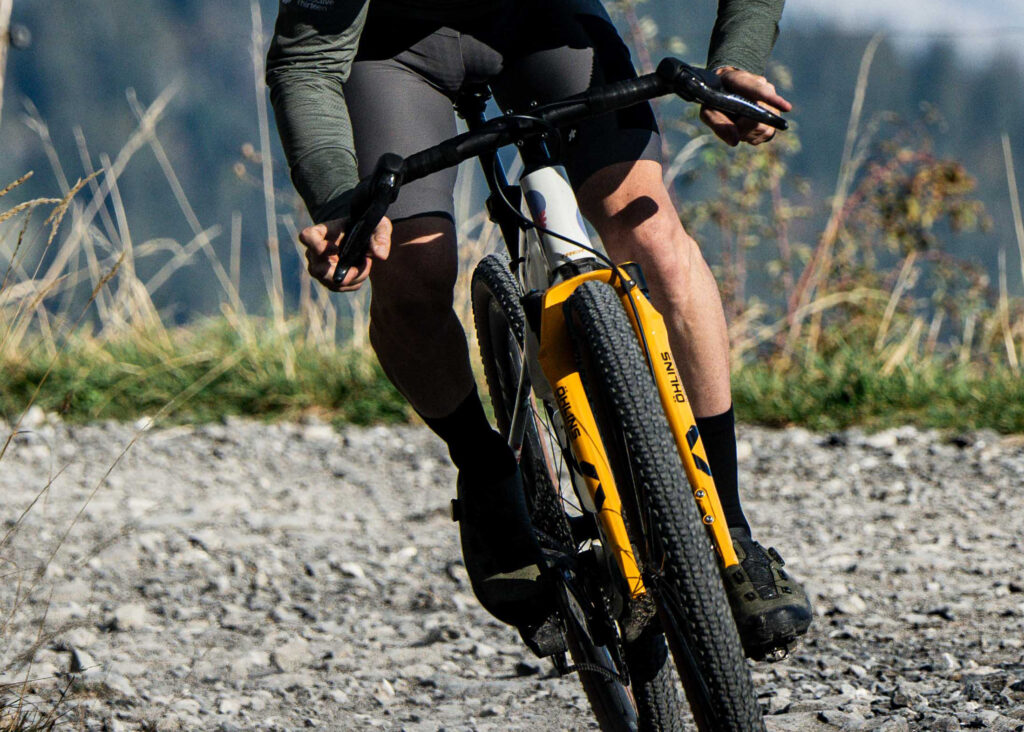
Even doing small, relatively unweighted turns, the front wheel tends to tilt out of alignment between the fork’s legs, with the brake rotor rubbing against each brake pad with every change in direction. When riding in anger, this translates to a very interesting sensation where the fork flexes into a corner and twangs back to its original shape upon exit. There is a lot of leverage at play here, both from the front wheel and the extended legs of the fork. If you’re into tonnes of compliance, this setup will be for you, but a stiffer fork would add a more familiar, direct and manageable character to the bike… but I guess that’s a waiting game at the moment.
It must be said, though, that the flex in the fork is no fault of Starlings, but rather the lack of availability of 32-inch-compatible parts. Maybe Starling has been a bit quick on having a play with the wheel size.
Starling Cycles Big Bird – Early verdict
Although the 32-inch wheel is a defining factor of how the Big Bird rides, I’ve poorly attempted to separate myself from that because, at the end of the day, a bike is much more than the wheels it rolls on. However, if you would like to know more about how I found the big wheel to ride, I’ll have a column coming very shortly.
But back onto the Big Bird, and it’s mighty consistent with Starling’s ethos. It’s simple, but it provides a remarkably solid ride that’ll please those who are into stability over agility, composure over whippability, and an easy-going charm up a hill. It’s a bit of a do-it-all machine, too, being equally as happy over flatter, drawn-out adventures as it is tearing up trail centre tracks. However, with 32-inch wheels still being rather new, and compatible componentry being like hen’s teeth, maybe the brand has jumped the gun a bit.