
Gentrification is a term that we’ve heard a lot of in the past years, initially applied to the situation whereby a less affluent urban area becoming populated with wealthier residents, thus pricing out the original locals and changing the area’s character. The term is widely applied to all sorts of things these days, including in mountain biking, as we’ve read recently.
- Mountain biking in the rain: Master riding in the mud
- Bike Speed – the most extreme mountain bike race in history
- Inside preparations for Scotland’s first multi-day enduro
I’ll start by clarifying that I consider myself a working-class person, who started racing bikes in the ’70s or ’80s. I’ve been riding mountain bikes and involved myself in the sport since its inception, so I’ll likely see things very differently to someone from an upper-middle class background who started mountain biking 10-15 years ago, has a £5,000 bike, and drives to a gravity bike park each weekend.
This is not about road cycling – which was considered a working-class sport in the UK and Europe for a long time, and I’d say became ‘gentrified’ in the early 2000s. This was when very expensive ‘designer’ premium kit first came around, and was marketed along with a lifestyle/image to an upmarket clientele. Then came the British success at the Olympics, which really took off after the 2012 Tour de France and Bradley Wiggins. Cycling became an accepted, mainstream, and more upmarket sport in every way.
Has this happened with mountain biking? I guess we have to note that mountain biking only really came around here in the mid-to-late ’80s, and was very much a rebel genre in cycling terms. Many of the original and early mountain bikers didn’t come from a traditional cycling background, so they didn’t carry that pre-defined concept of what a ‘cyclist’ should be. Most were indeed there for the fun, the freedom, the lack of rules, and came from very different societal backgrounds – so I’d say it started off on a very different footing.
That was in a pre-digital era, and life was very different in every way back then. As with everything else in the world, things have moved on. They call it progress, which, when applied to anything, could be considered as a debate ender. Something you just have to accept (which we usually do), but which isn’t necessarily always for the best for everyone.
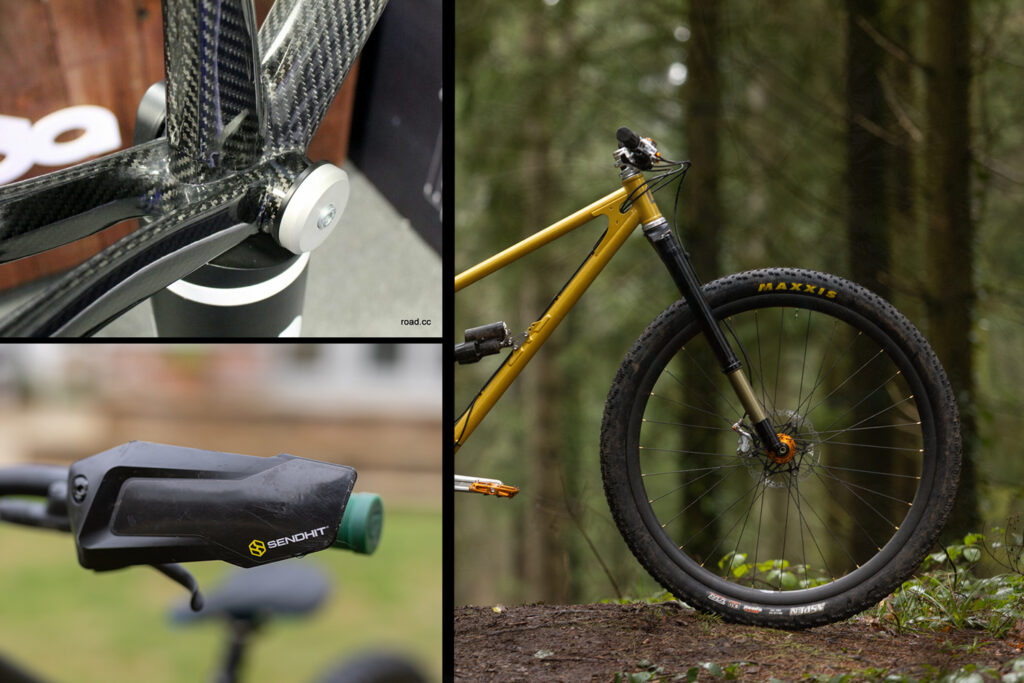
There’s little doubt that the demographic of mountain biking and mountain bikers has changed over the years, which was perhaps inevitable. In my opinion, it has become a far more expensive sport in almost every way over the last 20 years – as have many things in life. Yes, bikes and kit have got much better over time in terms of their performance – though when you balance that potential benefit and cost out with the simplicity and versatility of bikes years ago, do we, the regular riders (90% of us) really need that? Or do we simply ‘want’ it?
That’s one I cannot answer for anyone else. Yes, many brands do offer more affordable bikes and kit too (thankfully), and you can indeed build a bike out of a skip if you’re really determined. But this is about the overall trajectory of the sport over a longer period of time.
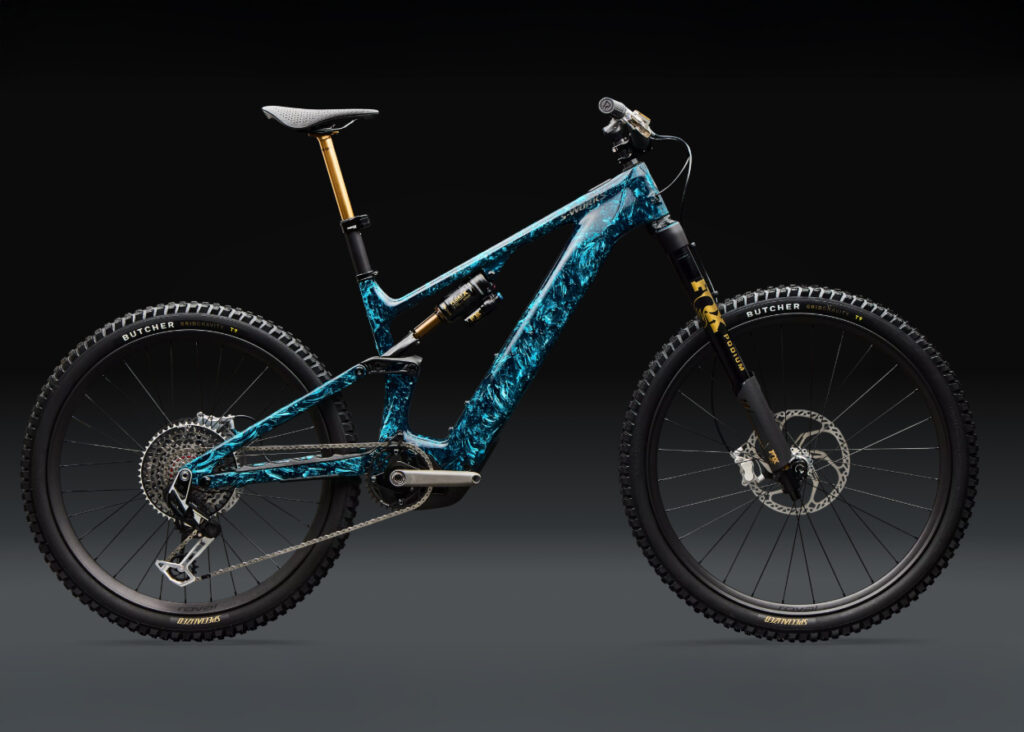
Is there gear-shaming or gloating out there? You bet! Some deny it, but personal experience says very much so to me. Does the constant pop-up advertising, influencer hype, and media bombardment of flashy and expensive new kit and bikes enhance that image and its required buy-in? I’d say so. Though again, there are commercial and consumer demand reasons behind that.
When all you see is shiny people on very shiny and expensive kit, and are led to believe that’s what’s needed, could this deter or prevent those from lower income groups from getting into and progressing in the sport? I’d say yes in many cases, though some would argue the toss on that. Gentrification? Maybe, or at least the image it purveys.
Commercialisation/consumerism? Absolutely, as with most other things in life.
There’s little doubt that the bike industry has grown beyond recognition over the past 30 years, as have many industries out there. It is far bigger, far more commercially structured, though it’s certainly not alone in that. Some bike shops of old have, in many cases, become designer showrooms and coffee shops. Gentrification? Umm, in some cases maybe, in others it’s a commercial necessity.
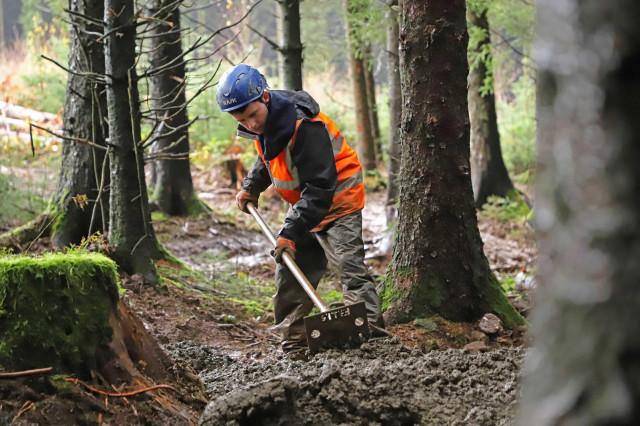
As to whether the development of rural areas into drive-in, pay-to-ride bike parks and trail centres is considered as gentrification or as rural development, that’s a knife-edge on which I would imagine is very case-specific. There has been talk on both sides of that coin, with many citing its financial benefits to a region, and others noting in some cases it’s driven up prices and forced locals out.
To sum up my own thoughts, to an extent, mountain biking has experienced some levels of ‘gentrification’, though much of it is simply commercialisation and business, which is indeed how the world works – more so than ever, and I don’t see that changing. Progress? I guess. We are indeed living in a material world, more so for some than others…