
Cycling may have started as a simple meld of steel tubes, wheels and a chain but the technological pace race has transformed the humble past time into one of the fastest developing and lucrative businesses in the world. Like the latest smartphone, road, gravel and mountain bikes are coming laden with an increasing number of technologies ranging from state-of-the-art materials and electronically controlled gears and suspension. One thing’s for sure, however – the cycling marketplace is saturated with kit and components that promise to make your life on the bike better. This raises one question: does cycling’s reliance on technology improve or hinder the simple act of riding a bike?
- Wait… How much is the new SRAM T-Type kit?
- Are gravel bikes old-school mountain bikes?
- 7 trailside fixes every cyclist should know
New technologies are responsible for progression
Let’s go back to the late ‘70s when Tom Ritchey, Gary Fisher and Charlie Kelly began to build mountain bike frames. Those frames comprised welded steel tubes and closely resembled their road-going counterparts. Dropper posts, hydraulic disc brakes and suspension components were still a couple of decades out and the riding was vastly different. Some may even say the riding back then is what we now refer to as modern-day gravel.
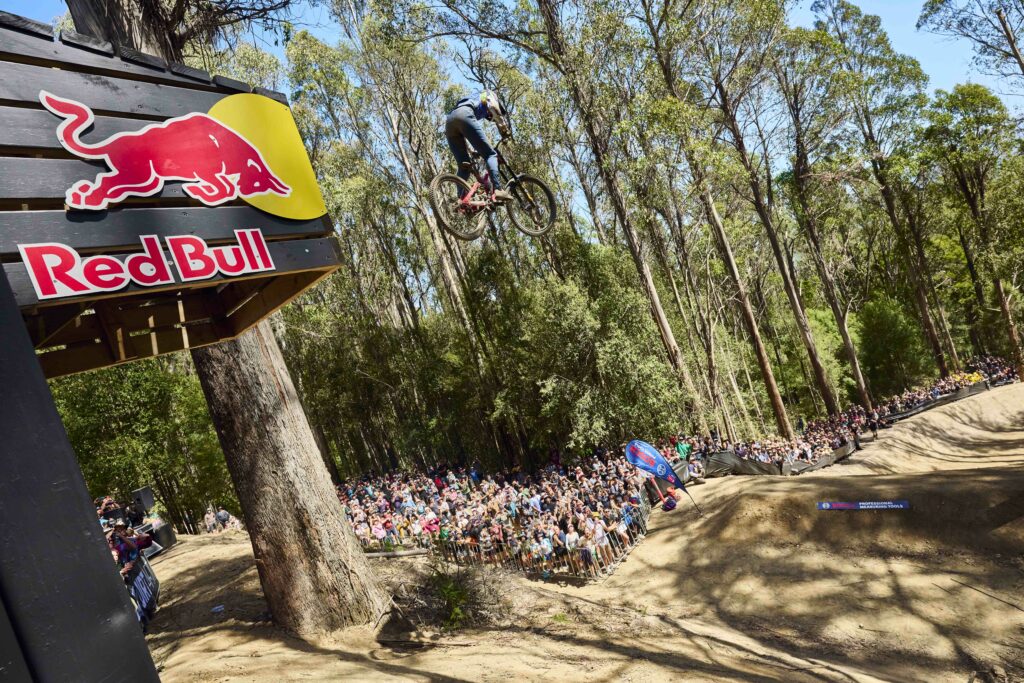
And it’s only through the advancements in technologies and new products, like dropper posts, disc brakes and suspension components that allowed riders to challenge themselves further. Take the progression of downhill racing for example, where in the ‘90s it was going down a grass hill as fast as possible to describe it crudely, whereas now we have insane events such as Red Bull Hardline. Even Tomac would have a hard time descending the recent Tasmania course on what he had back in the day.
Electronics are taking over
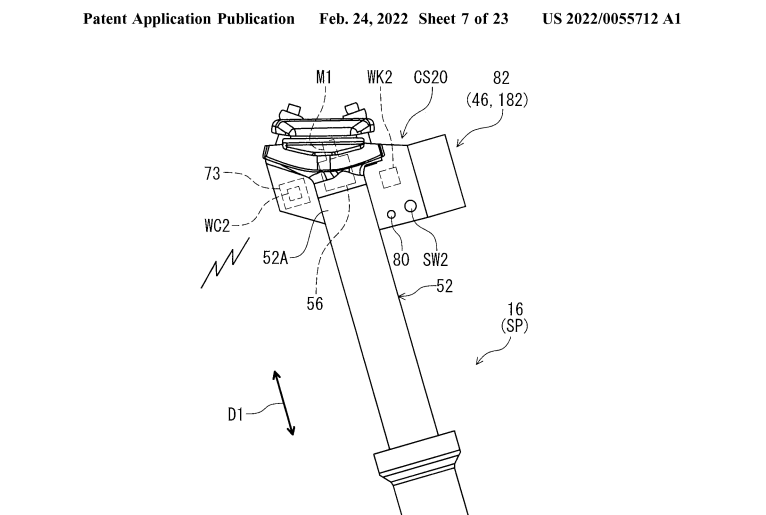
When we talk about modern bicycle technology, it’s simply impossible to ignore the effect of ever-shrinking batteries and Bluetooth. Now, SRAM’s AXS tech is well established, ushering in wireless actuation of dropper posts, the shifting of drivetrains and now the adjustment of suspension. Plus, there are a handful of other brands kitting dropper posts with batteries and wireless goodness. And then there’s e-MTBs which is another kettle of fish altogether but once distilled it’s essentially the same thing – batteries on bikes.
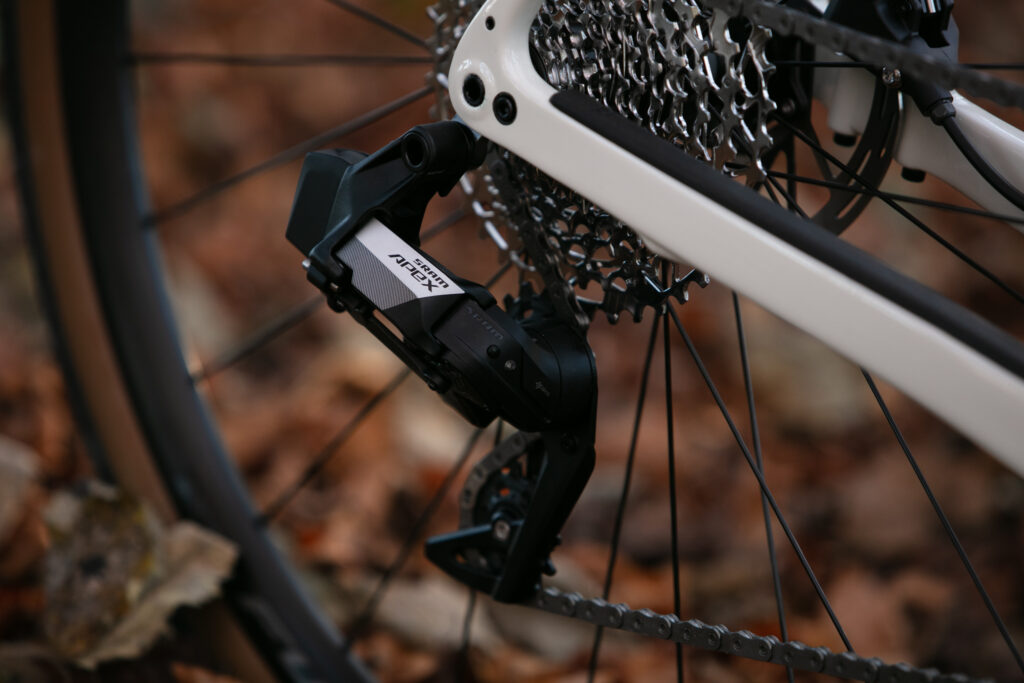
There’s still a large contingent of folk who shun this form of tech but one thing is for sure; it improves the quality of life both in terms of the riding experience and longevity of the components. Employing batteries and Bluetooth connections means that traditionally cable-operated components no longer rely on cables to work and this is a good thing for several reasons. First off, cables stretch over time, can snap and they cost money to replace. Of course, ditching cables and their housings shave off a few grams of weight, so wireless groupsets and components pose less maintenance and should save a little bit of cash in the very, very, very long run.
I could go on, discussing the benefits of all that wireless kit offers but there’s one massive elephant in the room: battery life. Range anxiety isn’t only reserved for e-bikers as any battery will eventually run out of juice but, while that can be very easily compared to a cable snapping, I doubt you’ll ever leave your derailleur cable on charge only to find you haven’t put it back in place after rolling the bike out of the van.
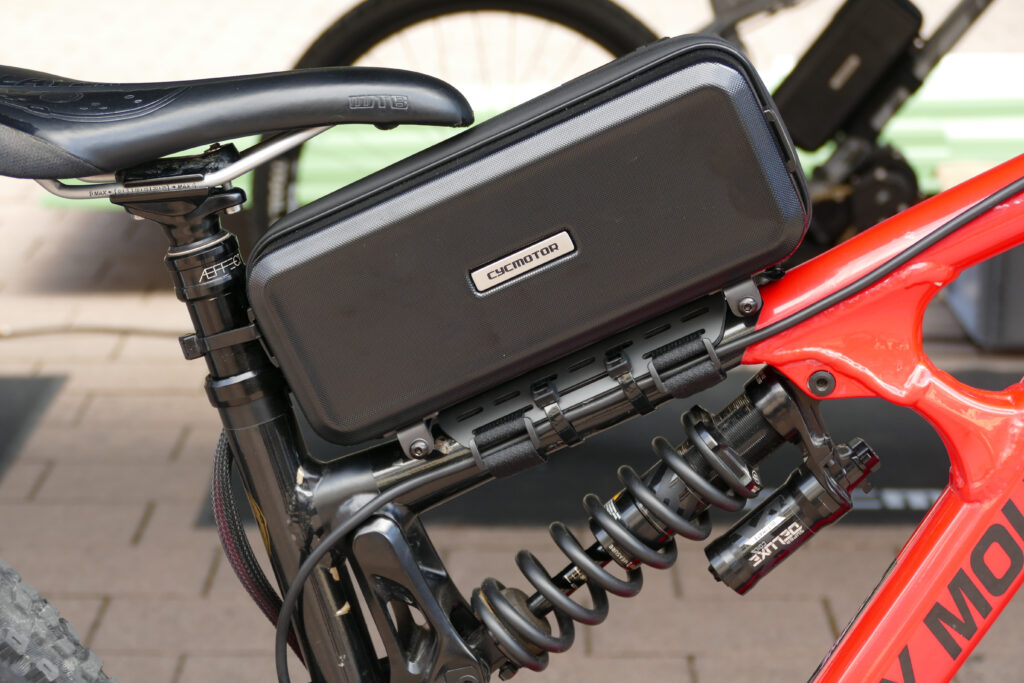
Batteries add another level of admin to any cycling life and since running SRAM GX Transmission, making sure I’ve got a charged battery and then one spare is part of my daily protocol. Add a motor’s battery and a battery for the dropper, too, and I’d be a slave to the battery gods in no time.
A real issue that electronics raise is that it’s not as straightforward as fiddling with a cable. As much as an impact as AXS, Di2 and other very cool things have made to the cycling landscape, they require a level of literacy to make the most of it. Granted, digital illiteracy is something that’s quickly fading… The fact that there’s an app for everything is another thing to worry about. Some of these wireless components work best combined with the app on your phone and, as a sport that’s all about moving away from screen time, is this the best way of going about it?
Technology gives the consumer so much more to consider when buying something
As I’ve said before, cycling revolves around technology, borrowing tech from other sports such as F1. While all of this tech has resulted in the modern bike that we know and very much love, it’s also resulted in proprietary technologies and tonnes of questions from the consumer before making a purchase.
For brands, this is a great thing as they can educate and hook in potential buyers through clever marketing of their cool new underside idler shifter that’ll ‘make you faster’. But, realistically, brands are trying to build the best bikes they can while trying to offer the consumer something different and attractive. If that means adding a component that’s proprietary to that bike, so be it.
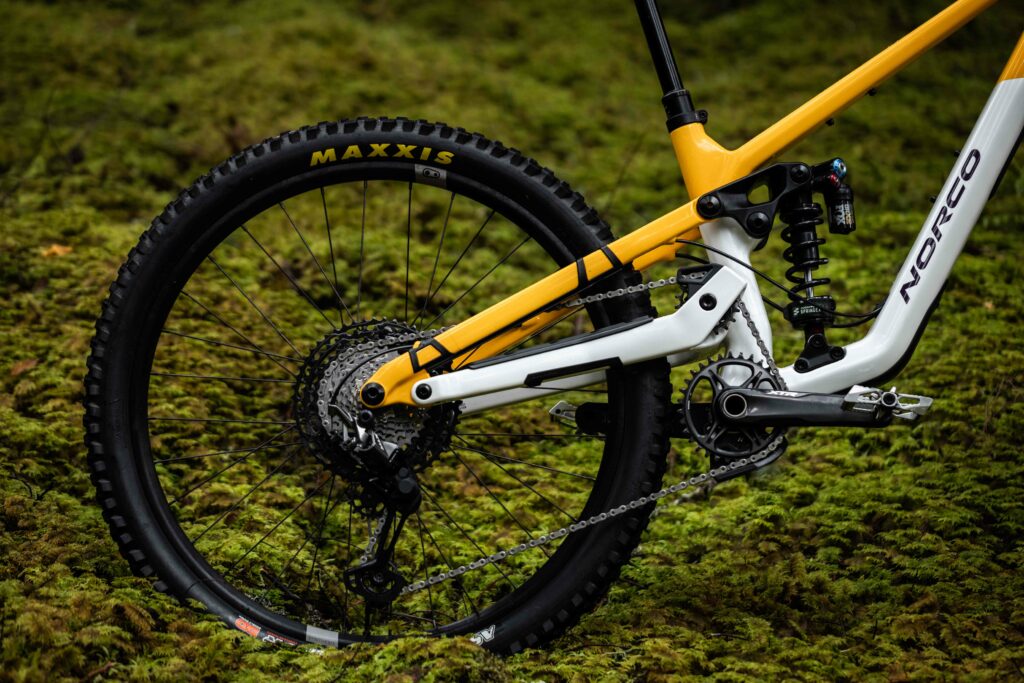
But, for the average customer, this adds to quite a large problem in the marketplace. It’s saturated and, with so many bike brands fighting for the same space, adding all of this wonderful stuff to their bikes takes away the simplicity of merely finding a bike and buying it. There’s just so much to consider. Do you want a bike with an idler pulley? Or a Yeti with its Switch Inifnity unit? How about a VPP linkage that does this or a Horst link that does that?
There’s just so much education and research that now needs to happen before a potential customer starts to think about dropping the cash. And brands are combatting that through demo days and the like. There’s so much personal taste involved. That’s without even touching on which frame material is the best, tyre rubber compounds, apparel, protectives and so much more.
So, is less tech better or is the pace race good for the future of cycling?
Again, the progression of cycling technology is directly responsible for the riding we can get up to these days, and safely, too. I’m sure we can somewhat happily take a full rigid bike and have a good time with it, even Sam Pilgrim likes to send a bed headboard down a hill.
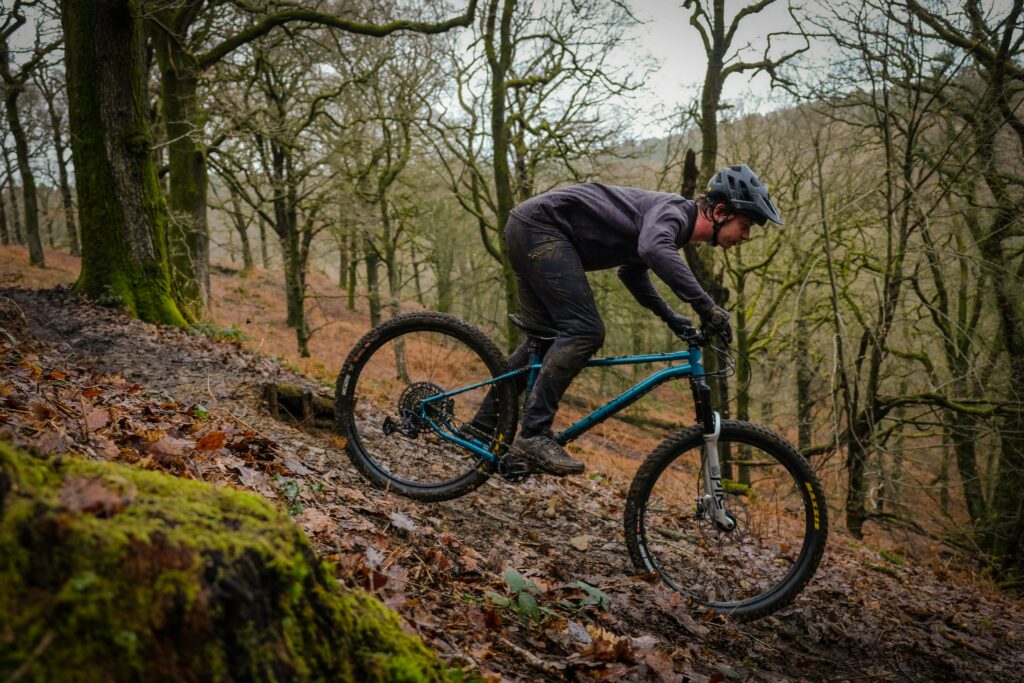
There’s a reason why suspension forks, hydraulic disc brakes and dropper posts are now an expectation on modern mountain bikes and even some gravel bikes. That’s because they’re good and they improve the time that can be had on a bike. You can even go ahead and ask the most old-school of riders what they would prefer: V-brakes or hydraulic disc brakes? I’m not old school by any means but I like stopping, so hydraulic brakes are a godsend.
But the less you depend on the most modern of tech, the more simple your riding life will become and you’ll have more cash left in your wallet. Even the most ride-enhancing suspension, drivetrains and whatever, require regular maintenance – and a full service on a fork can cost upwards of £100 (and that should be done annually). That’s ignoring dropper post services, brake bleeds and so on. And I won’t even touch on the angst I have when it comes to batteries.
It’s worth reminding ourselves why we ride bikes. Are we trying to get away from the constant go of modern-day life and technology that comes with it or are we embracing it? Are you happy to make sure batteries are charged before every ride so you can be confident that you’ll hear the buzz of your mech guiding the chain to the next gear or would you prefer the holistic approach of a mechanical bike that you can grip and rip?
A eulogy to technology. Is there a way to ride with less tech?
Of course, there is and many riders do and with good reason. You could go full rigid by binning front and rear suspension. You could buy an easily repairable steel frame and go single-speed. Those who like to travel long distances and value all-out reliability do exactly that.
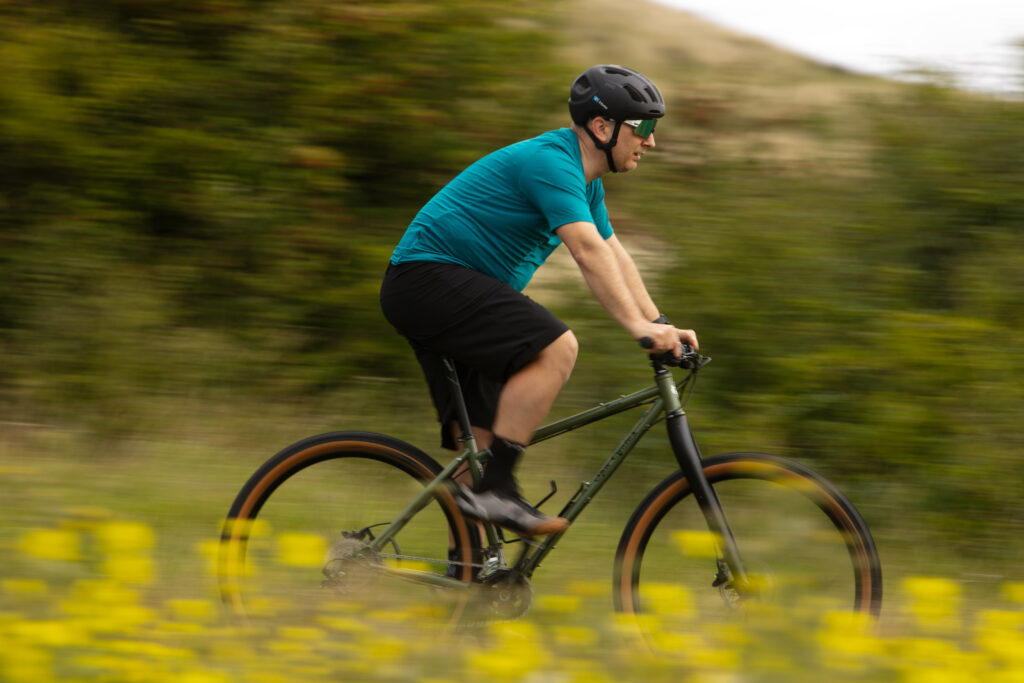
Even the seriously handy Remy Morton has ditched some items he deems as unnecessary tech – the chain. He’s been quoted that this decision has been made due to the fact he’s got “some personal trauma from riding too fast at things.” This forces him to concentrate on retaining momentum.
I’m not saying that you should go out and ride without a chain but, perhaps, freeing yourself from some of cycling’s most common technology will help to improve your own riding and your overall time with your bike. Of course, less tech means less maintenance.
Does cycling depend too much on technology?
To conclude, it depends on what you call ‘too much’ as, thankfully, the cycling market allows all kinds of riders to do pretty much whatever they want with their kit. If you don’t like to think much before heading to the trails, there’s a bike build that allows for that. If you want to benefit from the consistency of performance of a wireless system, there are plenty of bikes for that, too. Unfortunately, some kind of maintenance will always be a thing in modern cycling and that’s a cost everyone has to accept.
For someone new to the sport, there’s a lot to take in and all this technology and jargon can potentially drive new riders away. But what’s great to see is that bike brands acknowledge this and offer those demo days or other ways of getting potential customers to try their equipment in a bid to educate and entice them. With all that said, in a sport where technology reigns supreme, it’s all about doing your research and sticking to what you love and enjoy.
Facts are facts – bikes, parts and equipment are getting consistently better and it’s now rare to find a bad product. Because almost everything is so good and well-planned and manufactured, you’ll rarely land a bike that will make you miserable. You’re more likely to add another to your collection shortly after your first purchase and that’s because technology has helped shape the superb offerings we have available today.