


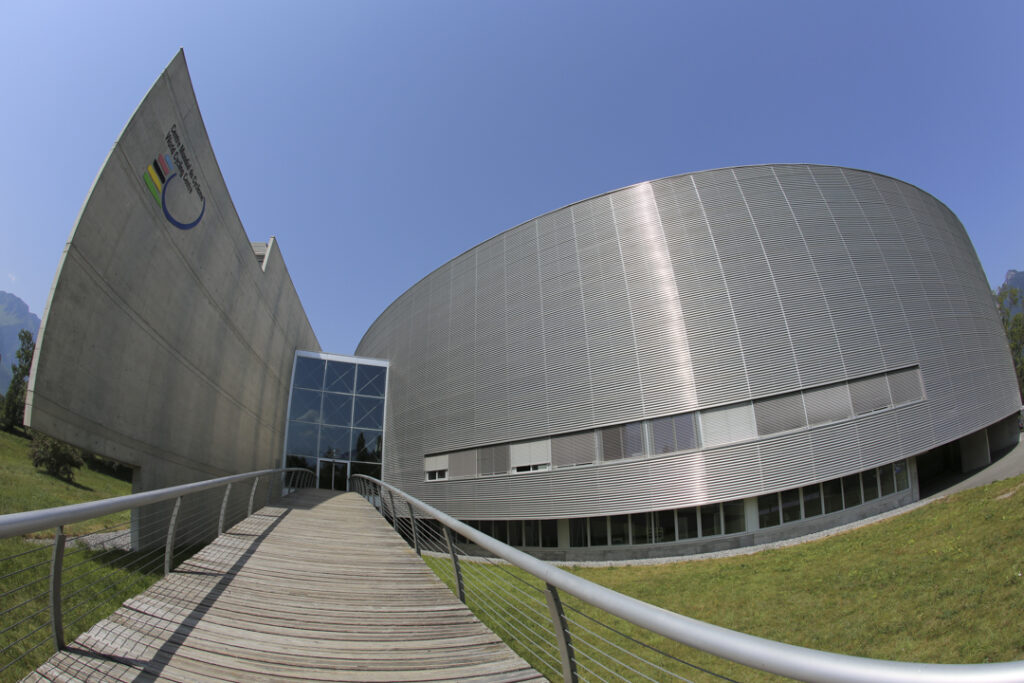

At times, it can seem like a never-ending and ever-changing bombardment of rules and regulations in cycling, usually carried out under the UCI (Union Cycliste Internationale) banner, or locally by its cohort, British Cycling. Do they really have any powers or influence over us – or should we just take them with a pinch of “out of zone traffic warden” salt?
- Life Time’s drop bar MTB ban doesn’t actually solve anything
- When does a gravel bike become a mountain bike?
- New Pivot Shuttle LT has ‘world first’ adjustable seat tube
If you follow the cycling media to any extent, you’ll likely be all too familiar with the confusing, often seemingly ridiculous, over-reaching, party-spoiling paragraphs, sub paragraphs and “articles” we’re swamped with from the likes of the UCI and BC, and yes – the media do like to honour even the slightest clipping of handlebar flare and tyre width skim with endless headlines – and people get all fired up about it too, job done.
Will the real lawmakers please stand up
So who are these officious lawmakers that we’re led to believe control our cycling lives, and dictate what we can and can’t ride? The UCI is deemed by the IOC (International Olympic Committee) as a recognised global governing body for cycle sport, and British Cycling is its affiliated governing body for the same in the UK, as is the case in most countries.
Now then, there’s a big clue in that labelling, one that gets all too overlooked, possibly to the benefit of these powers that be; that being that they are not actually governing bodies for cycling, per se, be that regular mountain biking, unicycling, or anything else for that matter.
They are the official governing bodies for cycle sport, otherwise translated as competitive bike racing. Anything outside of that, including non-UCI affiliated races (of which there are many in the off-road sphere) are not auto-bound by UCI rules, although many have their own rules and regulations, which are often guided by the UCI’s “ideals”.
Outside of racing, historically the “feds” showed little interest in regular cycling, although they are catching on some of these days, and due credit on that. Unfortunately, with the off-road side of the sport, in many cases it still feels like the old school elements within these organisations don’t quite get it, or take it too seriously – IMO, as is everything written here.
If you look at the sheer numbers of bikes sold, very few of them will ever see a race start line, and the vast majority of regular riders – be they mountain, gravel, or even road riders – don’t race either. This effectively means that the ”feds” really have little to no impact on our riding, what we ride, or how we go about our cycling lives – unless we want to race seriously, that’s when things change.
Where’s their power wired?
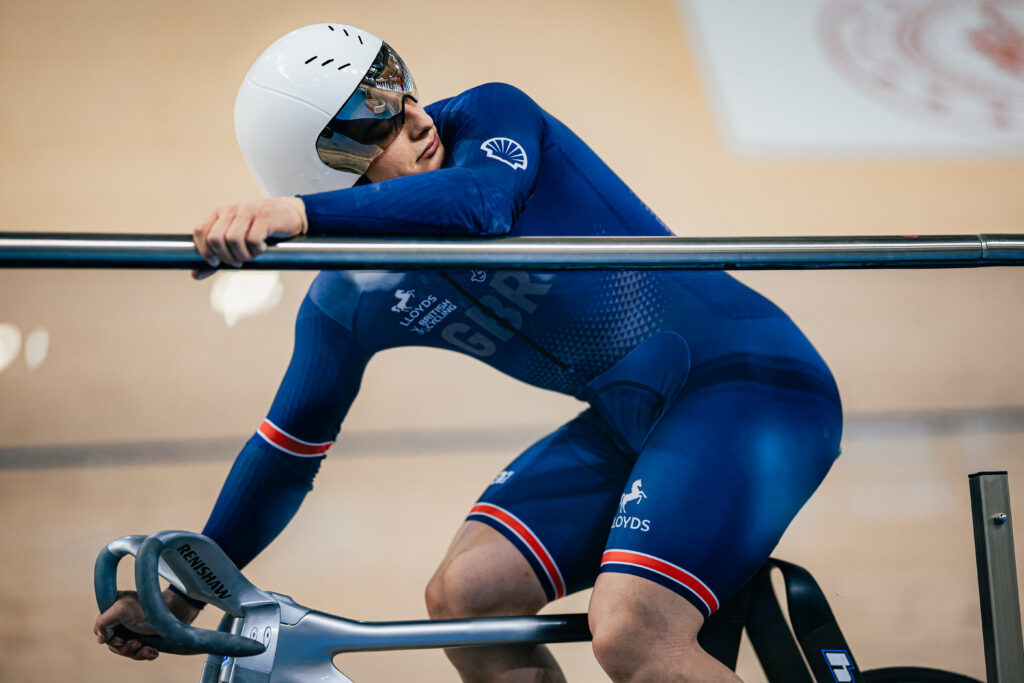
Their main area of power, and most of the regulations we hear about, are based on and implemented in road and track racing, especially at the pro-elite level. Here, the tape measures and callipers are banded about like free sweets at a five-year-old’s birthday party, only they’re laced with a party-killing bitterness for some. Them’s the rules, I guess, and someone has to make them, such is life – and to be fair, having a competitive rulebook is more or less essential for anything beyond a trail jam with mates.
In mountain biking, equipment rules and regs are nothing like as strict as with road racing, and even if you do venture out to ride a local race, they’re not often stringent or strictly enforced in non-elite categories, apart from at national series and bigger races, which is fair enough. On gravel, there are certain UCI parameters to be adhered to with the likes of The Gralloch, though even then, they’re not as stringent with road bikes and racing.
As for those “UCI approved” stickers banded about by manufacturers? That’s a long one; basically, they have very little relevance to regular riders, or even casual racers, for that matter.
Self-baptism of the “fed” kind?
Many of us off-road shredders are rebels by nature – but should we sign up and join the feds if we don’t race? Will we need to trim our handlebars, skinny our tyres, have mandatory haircuts and dress sensibly?
Obviously, the second part is a no. But, joining them may not be a bad idea, or rather joining a national organisation, which doesn’t necessarily have to be BC. Annual membership for non-racers with BC costs around £50 a year, which gives you liability insurance. This is invaluable in so many unthinkable ways.
Also well worth considering is Cycling UK, whose annual membership costs about the same and also covers you for non-competitive liability. These guys also do one heck of a lot of good with lobbying and cyclist rights, which makes joining them a worthwhile and worthy move. Both also have other benefits to membership, which could be worth a look at.
Rough riding rebel or not, the sensible old inner me says that joining them for the insurance alone is a sound move. For me and most regular riders, our riding and their rule books are basically of little relevance.



















1 thought on “Rule makers vs rule breakers – does the UCI have any power over regular riders?”
“This is invaluable in so many unthinkable ways.”
I can think of several ways in which insurance might be useful. How do you know “so many of the ways” are ‘invaluable’? — if you can’t think them, you can’t count them.