
It’s the most wonderful time of the year… to complain about cycling infrastructure, it seems. This festive season (we know, it’s still early), it’s the turn of Spalding – where a group of business owners recently tried, and failed, to ban people on bikes from the town centre – to take centre stage in the latest Christmas row between retailers and cyclists.
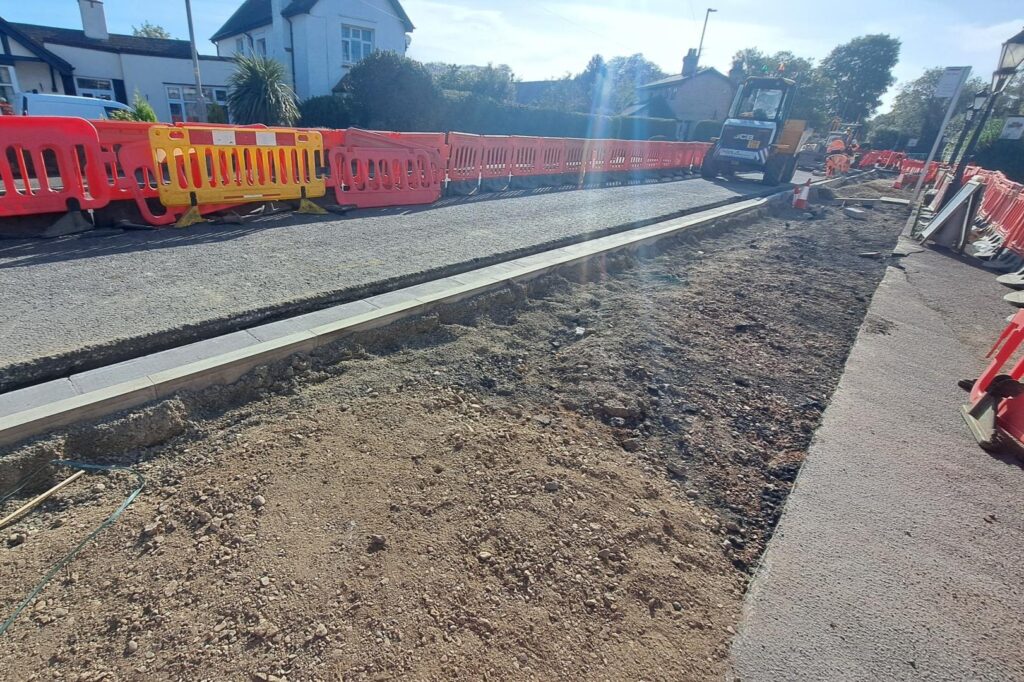
Work is currently underway in the Lincolnshire market town on a £1.8m active travel improvement scheme, which the county council says will “make walking, wheeling and cycling safer and more accessible” while improving connections between Spalding and the nearby village of Pinchbeck.
The scheme aims to improve the route between Kings Road and Enterprise Way by installing a combination of new shared and segregated footways and cycleways, widening and resurfacing the existing footpaths in the process, along with upgrades to the carriageway, traffic signals, street lighting, and pedestrian crossing facilities.
The construction work began in June and, Lincolnshire County Council says, is being completed in phases in an attempt to keep disruption to residents, businesses, and motorists “as manageable as possible”.
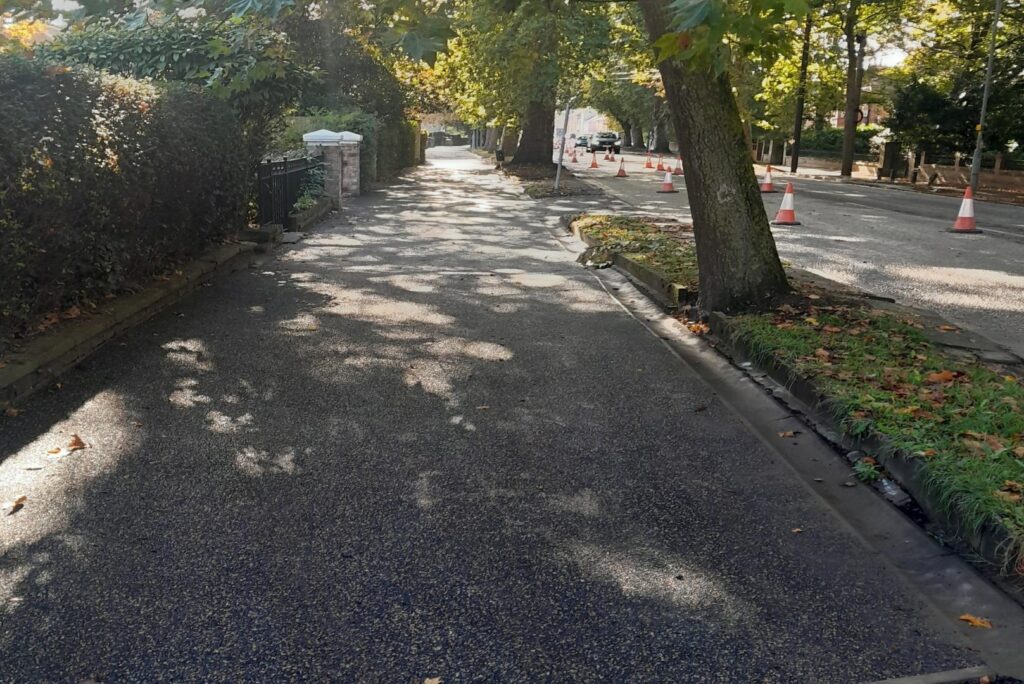
However, earlier this month, the Reform UK-controlled authority announced that the project will not be completed before Christmas as originally planned, and will instead be delayed by a further two months, due to the discovery of tree roots being “closer to the surface than expected” and the need for additional drainage gullies.
Lincolnshire County Council said it is now working towards completing the cycle lanes and footways in early February, with the carriageway set to be finished later that month, subject to weather conditions.
This delay has angered both members of the Conservative-controlled South Holland District Council and the Spalding Business Improvement District group, who claim the works could put off people shopping in the town in the lead-up to Christmas.
“Whilst Spalding BID recognises that we need to accept that infrastructure improvements are necessary to help with long-term plans and sustainability, ongoing concerns are that the current roadworks have particularly impacted many of our businesses and what effect this will have in the longer term,” Sarah Fletcher, the BID’s manger, told LincsOnline.
“Coming into the Christmas period, we all believed there would be some relief for businesses, shoppers, and visitors with the proposed end date due to be in December. However, with the works now continuing into the new year, there is concern whether this will deter people coming into town.
“An important message needs to be that there are now good access routes into Spalding along Pinchbeck Road, High Street, London Road and Bourne Road, and shoppers and visitors should be encouraged to enjoy the planned Christmas Festivities starting this weekend.”
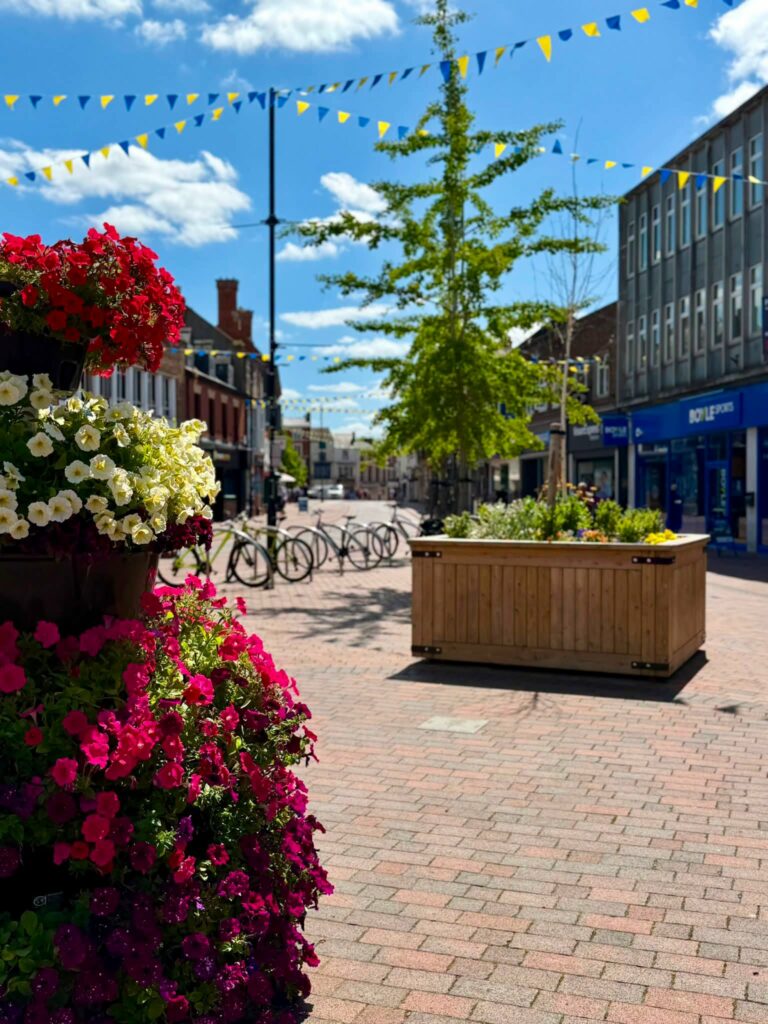
Earlier this month, Spalding Business Improvement District failed in its bid to introduce a cycling ban in the town centre, after the local council concluded that there wasn’t enough evidence of “verified incidents, collisions, or near misses”.
That decision came after the BID asked locals to submit their own “personal stories of fear” involving cyclists in the Lincolnshire town, which they forwarded on to the local authority and police.
While the local authority responded to this attempt by stating that a cycling ban is not the “most proportionate or effective standalone response”, it did compromise by agreeing to recommend additional town centre signage encouraging cyclists to dismount, more police patrols at school finishing times, and the promotion of “safe cycling routes”.
Meanwhile, in response to the active travel scheme’s two-month delay, district council leader Nick Worth said he was “horrified”, describing the entire project as a “fiasco” and claiming it will hurt local businesses.
“This has been badly managed from day one and has caused serious issues for retail traders in the town, affecting their trade, along with people just trying to get to work or school or just to get home, even on a bus,” he said.
“Now they are going to affect the night-time economy as well. Many people are now avoiding Spalding altogether – people have the right to be angry.”
Worth also criticised the Reform-controlled county council’s advice to residents to avoid travelling at peak times, saying: “If they had done the job properly and had better scheduling in the first place, we wouldn’t be in this mess. I am horrified to hear this is now going to be February at the earliest before it is complete.
“I am very supportive of the active travel scheme, but even that is now being delayed, a complete fiasco. I am not the Reform-led county council, so I have no influence over their decisions, unfortunately.”
Worth’s fellow Conservative councillor Gary Taylor also told the council meeting that the “disruption and misery has been going on for long enough”, while Jan Whitbourn, the local authority’s chair, described the scheme as a “nightmare” in a social media post.
“People have had to drive several miles to try to get somewhere (including me), trying to get to people in my ward who are tired of it all,” she said.
“It would normally take minutes to reach your destination, but now I can be sat in traffic for an hour each way. We need action now!”
In a statement addressing the delays, Reform county councillor Ingrid Sheard said: “I appreciate that the ongoing works have affected journeys for local residents and businesses, so I want to thank you everyone for bearing with us while these improvements are carried out.
“The project team is working hard to move through each stage as efficiently as possible, while making sure the work is completed safely.
“Once finished, the scheme will provide better facilities for walking and cycling between Spalding and Pinchbeck, making it easier to reach local schools, shops, workplaces and services without relying on the car for every journey. These improvements will support healthier travel choices and better connections between our communities.”
These latest complaints concerning Spalding’s delayed active travel project come just a week after councillors – including a few Reform representatives – criticised the behaviour of some cyclists in the town following the BID’s failed bid to introduce a bike ban, claiming they were also deterring potential shoppers.
“There are a lot of issues within cycling. Every school time, morning and evening, there are kids riding backwards, upwards, no hands, no lights – you name it,” said Independent Mark Le Sage.
“That’s one of the reasons why a lot of people don’t like coming into town because there’s been so many near misses. The problem is, it’s not all reported. That’s the difficulty we’ve got.
“So, we need to ensure that the public realise that they’ve got to actually put these complaints in as well rather than just not going into town.”
Reform’s Rob Gibson also argued that pedestrians, especially the elderly, were nearly being “wiped out” while walking through the town centre.
“I’m on board with pleasant signs and education, but I do think we’re getting to a stage where we do need to take action,” he said.
Earlier this year, Spalding Academy announced that it will sanction students found to be flouting road safety rules, after locals complained that young people on bikes are “running into pedestrians” and causing motorists to “brake sharply” in the town centre.
According to the Spalding and South Holland Voice, the behaviour of young cyclists in the town centre has proved an issue in recent years, and has been raised in council meetings.
In March, an anonymous member of the public contacted the local newspaper to claim that they had witnessed young people in Spalding Academy uniform “running red lights, running into pedestrians, and causing cars to brake sharply”.
“Before long, someone is going to be seriously hurt, whether accidentally or intentionally as disgruntled road users take matters into their own hands,” the anonymous local said.
However, cycling campaigners in Spalding responded to the claims by urging parents to set a better example when driving to school, criticising the “angry, intolerant” nature of the UK’s roads.