


Cycling in London has reached record levels, with new data revealing that 1.66 million bike journeys have been made on average every day in the capital in 2026, up 10 per cent on last year’s numbers and almost 60 per cent higher than 2019.
Those figures mean that London’s cycling levels have already surpassed the target of 1.6 million daily cycle journeys, set out in Transport for London’s Cycling Action Plan 2, four years ahead of schedule.
According to mayor Sadiq Khan, this unexpectedly rapid growth in people riding bikes in the capital is evidence that London is “now a truly world-class cycling city” contrary, he says, “to what the naysayers would have you believe”.
Published on Wednesday, TfL’s latest Transport for London report revealed that the number of daily journey stages made by bike increased by 10.1 per cent in 2026, from 1.5 million a day last year to 1.66 million. The average number of cycle journey stages is now 57.5 per cent higher than in 2019.
Things are also looking up when it comes to overall cycle trips, with daily bike trips increasing to 1.55 million in 2026, up from 1.41 million in 2025.
With their 2023 target already surpassed, Khan and Transport for London announced today a new target of 2.4 million daily cycle journey stages, which they hope to reach by 2035.
The new report also noted that TfL’s Strategic Cycle Network reached 451km in September, aided by the introduction of 15 new Cycleway routes in 2025 and 2026, with 30 per cent of Londoners now living within 400 metres of the network (still somewhat shy, however, of Khan’s 40 per cent target for 2030).
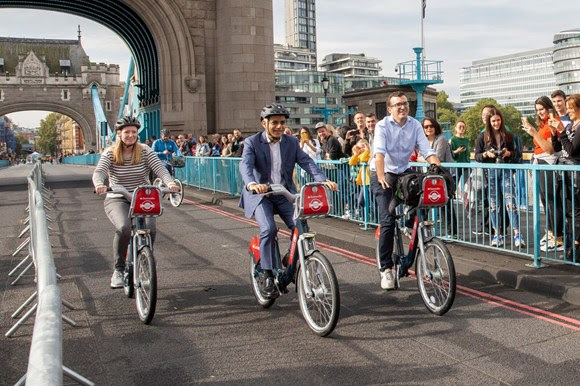
“London is now a truly world-class cycling city, and I’m proud that we have reached our stretching target of 1.6 million daily cycle journeys a whole four years ahead of schedule,” Labour mayor Khan said in a statement today.
“Having delivered a fivefold increase in Cycleways, record numbers of people are now choosing to cycle, with daily journeys increasing by nearly 60 per cent.
“Contrary to what the naysayers would have you believe, this growth shows that if you build high-quality cycling infrastructure people will use it, and the silent majority will be supportive.
“These figures reflect the collective efforts of TfL, boroughs and campaigners across the capital. But we are determined to go even further. We’ll continue investing in more world-class walking and cycling routes as we build a greener, safer, healthier London for everyone.”
The news was welcomed by cycling campaigners in the capital, with the London Cycling Campaign’s chief executive Tom Fyans viewing the figures as proof that “London really does love cycling”.
“Our city accounts for half the cycling in all of England daily and more than half of all tube journeys,” he said. “TfL’s expanding safe cycle network means more people and a wider range of people than ever before are riding to work, schools, shops, and out for leisure too.”
However, Fyans also noted that more needs to be done to ensure that TfL’s ambitious 2035 targets are met.
“To get to 2.4 million cycle journeys daily by 2035, or beat that new target, the safe and direct Cycleway network will need to continue to expand rapidly to every corner of London, making cycling in London safe everywhere and fun for everyone,” the campaigner said.

That sentiment was echoed on social media, where some cyclists argued that the growing number of bikes in London makes the case for an increase in safe, protected infrastructure even more imperative.
“Can we have some more separated cycle lanes then please, not just paint?” Bob From Accounts asked on BlueSky.
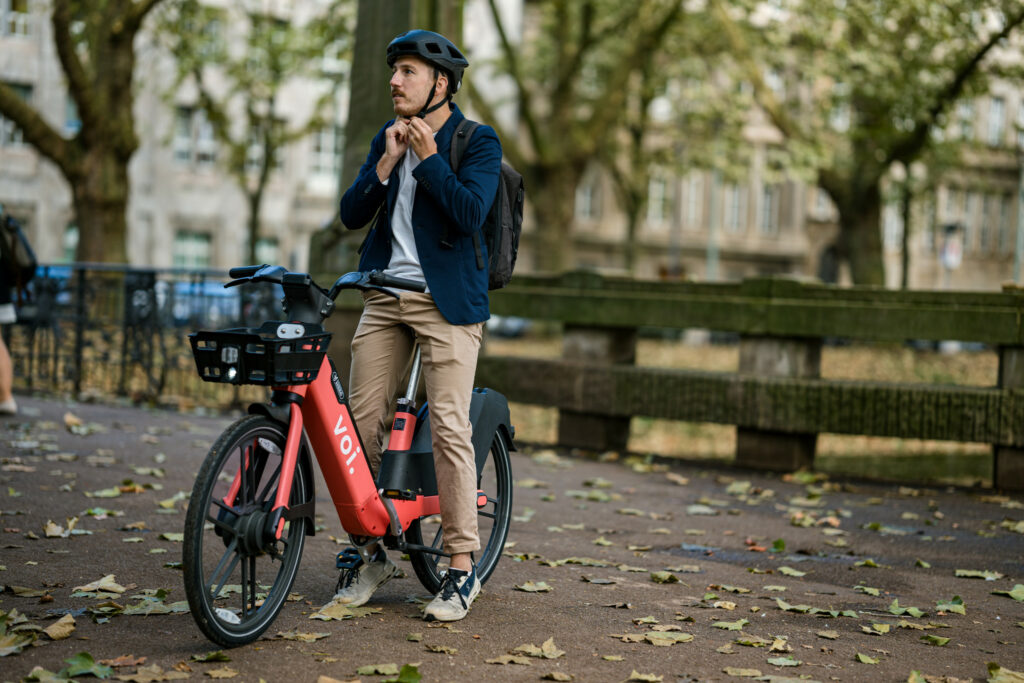
Meanwhile, the founder and CEO of hire bike company Forest argued, rather unsurprisingly, that shared e-bikes hold the key to growing cycling in London even further.
“London’s love affair with the bike is here to stay, and we’re proud to have played our part. Nearly three million rides a month are taken on Forest bikes, and eight in ten happen at rush hour. This is Londoners making cycling part of their everyday lives,” Forest boss Agustin Guilisasti said today.
“Hitting the 2030 target four years early shows what this city can do. Let’s keep that momentum going by getting shared e-bikes right for everyone, whether they ride or not – and the government’s consultation on national standards is the chance to do it.
“At Forest, we’re all in on 2.4 million daily journeys. Let’s make London the best city in the world to ride.”
This week’s announcement that London has hit record-breaking levels of bike use comes just days after Transport for London and Sadiq Khan were criticised for publishing a report which warned that the number of car journeys in London is set to increase faster than the number of journeys on foot or by bike if policies to encourage active travel aren’t implemented in the next 10 years.
TfL’s ‘Strategic Transport Modelling’ report examined how the capital’s transport network is set to function over the next decade in light of expected population growth and a rise in the number of jobs through to 2036.
Anticipating a population growth of 940,000 people, as well as an additional 490,000 jobs, the report said that highway trips are expected to grow by 10 per cent, compared to only a six per cent growth for active travel, suggesting that car use would overtake journeys made on foot or by bike.
Those figures headlined a Guardian story on the report and were considered “disappointing” and “a U-turn” by Ralph Smyth, an adviser to the Transport Action Network.
Writing on Bluesky, Smyth saidL “With population growth, keeping the share of car trips fixed means more traffic.
“The mayor of London’s U-turn isn’t just disappointing for Londoners. It now seriously calls into question the Government’s plan to give wide-ranging powers to mayors across England, without corresponding responsibilities to cut carbon, crashes and pollution.”
Smyth also told the Guardian that Lord Khan “seems to want to turn back the clock and increase cars across the capital”.