
Sigma Sports has returned to profit for the first time in four years, the major cycling retailer posting a pre-tax profit of £171,268 after what it described as a “positive year”, despite the ongoing challenges facing the wider economy.
After a combined profit of £14m in 2020 and 2021, during the height of the Covid-induced cycling boom, Sigma Sports endured three years in the red, posting losses of £4m, £3m, and almost £1m in 2022, 2023, and 2024 respectively.
However, last year Sigma Sports’ director Oliver Paul Lawson also described the retailer’s £925,000 post-tax loss in 2024 (half the previous year’s losses) as a “positive” outcome, praising the company’s resilience as the bike sales across the industry hit their lowest level this century amid the cost-of-living crisis, rising inflation, and inventory woes.
Things were even more positive for 2025, with the retailer’s latest accounts, published last week on Companies House and first reported by Cycling Weekly, showing a long-awaited return to profit.

For the year ending 31 December 2025, Sigma Sports posted a pre-tax profit of £171,268, compared to the previous year’s £1,056,874 loss. Turnover increased by over £6m to £52.9m, while sales grew by 14.2 per cent compared to 2024. The number of full-time staff employed by the company also rose from 106 to 128.
“2025 was a positive year for Sigma Sports, with the business maintaining its position as the leading premium retailer in the sector,” Lawson said in the accounts. “Growth was driven by both online and physical retail channels, reinforcing the importance of an omnichannel approach.”
Lawson added that the retailer’s new store in Letchworth Garden City, which opened in April 2025, “exceeded expectations”, giving the company the confidence to open its fourth shop in Wilmslow earlier this year.
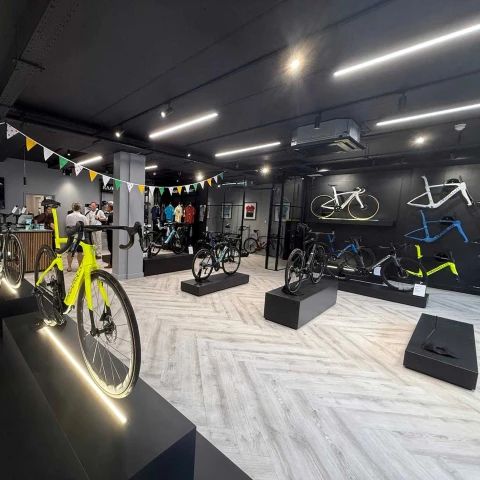
“Opening our fourth store, in Cheshire, is a significant milestone for the business,” CEO James McEwen said at the time of the opening of the 2,500sq ft Wilmslow store, which boats a workshop and bike fitting studio, opening in February.
“It reflects both the strength of the brand and our commitment to making expert-led, premium cycling retail more accessible across the UK.
“We are also very focused on the triathlon market and offer a complete solution for athletes. We’re proud to expand into such an important region and look forward to becoming part of the local community.”
Lawson also noted the company’s “significant strategic transformation” during the course of 2025, which saw it develop a marketplace model to expand its product range, enabling select third-party vendors to sell directly to Sigma Sports customers.
The marketplace, launching this year, “will expand Sigma Sports’ offering across our core disciplines of cycling, running, and swimming”, Lawson said. “This initiative complements, rather than replaces, Sigma Sports’ first-party inventory model, where the business remains committed to stock investment.”
Nevertheless, Lawson noted that despite this positive outlook, the “backdrop of the UK’s economy” will “remain challenging” for the company headed into 2026.
While many brands and retailers within the cycling industry continue to struggle, Sigma Sports’ cheerier set of accounts for 2025 tallies with the broader picture outlined by the Bicycle Association earlier this year.
In its annual report, published in March, the national trade association for the UK cycle industry indicated that the market finally appears to be returning to growth and stabilising after years of post-Covid turbulence.
The report collected retail sales data covering around 70 per cent of the cycling market in the UK, exploring performance across a range of sectors, including e-bikes, parts and accessories, and services, as well as wider participation trends and economic factors shaping the industry.
After a few doom-laded reports in recent years, the BA found that the UK cycling market returned to growth last year, with the total market value increasing by five per cent compared to 2024. That marks the first annual growth recorded by the cycling industry in the UK since the lockdown-related boom of 2020.
> Bikes driving Halfords’ renewed “momentum” as retail giant’s cycling sales jump by over 6%
Sales volumes also increased across what the BA deems the sector’s four “core categories”, with sales of mechanical bikes rising by six per cent, e-bikes up by two per cent, parts, accessories, and components seeing a small rise of one per cent, and services surging by eight per cent.
According to the report, growth was driven in part by a “revival in mainstream recreational and family cycling”, ushered in by the favourable spring and summer weather we experienced in 2025.
Overall, the total UK cycling market is estimated to have reached just under £1.9 billion in 2025, returning close to levels last seen in 2022.
The BA also noted that while overall sales remain below the peak levels seen at the start of the 2020s, areas of the market are showing “signs of resilience” with green shoots emerging.