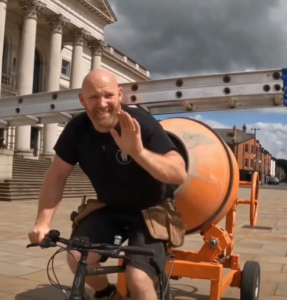

Ed Clancy is a bigger man than me. I’m willing to bet he’s slightly taller, though we didn’t stand back-to-back.
Listen to the road.cc Podcast on Apple Podcasts
Listen to the road.cc Podcast on Spotify
Listen to the road.cc Podcast on Amazon Music
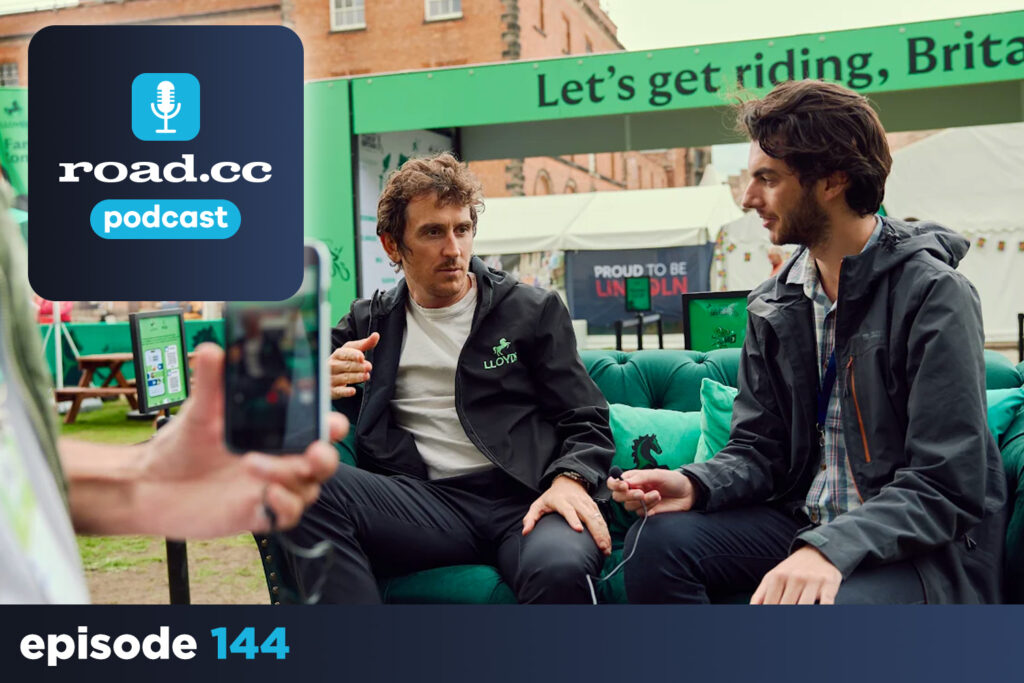
The reason I’m in the presence of South Yorkshire’s Active Travel Commissioner and trying to guess his height is because I’ve been invited to a hospitality experience on the opening stage of the Tour of Britain, on the pretext that I would report on British Cycling’s Sofa to Saddle scheme. Like Couch to 5k but pedalling. A 10-minute interview with Geraint Thomas was also agreed, which you’ll also be able to hear in full on this week’s episode of the road.cc podcast, but a Clancy sighting near the tea and coffee changed things.
I liked Clancy before meeting him, the ever-dependable member of the team pursuit when I fell in love with the sport more than a decade ago, the guy who got lost riding Liege-Bastogne-Liege. But his commission is what made me approach him a couple of weeks ago, making a brief introduction between hordes of poshly-spoken bankers in their Lloyds-embroidered polo shirts.
I noticed he turned down the warm pastries on offer in favour of an eminently more sensible yoghurt and muesli pot. Clancy sort of feels out of place here in the VIP corners of the Tour of Britain, and that’s not just down to his lunch selection.
Because, despite becoming a three-time Olympic gold medallist in track cycling, the 41-year-old has now, he says, found his true calling in the world of active travel, of cycle lanes and infrastructure projects. A political appointee spreading the non-partisan message that exercise is good, and should be promoted and encouraged wherever possible into everyone’s lives.
Here is someone working the hard yards of convincing people to cycle who associate the practice with Lycra-clad gentlemen engaging in middle-class folly. The people who would still be playing tennis if pickleball hadn’t taken over. It’s a tough task, but his energy is evident, three years into the role he admitted feeling initially undeserving of.
His passion for cycling at all levels extended a couple of years ago to answering British Cycling’s clarion call. SweetSpot, owners and organisers of the Tour of Britain and Women’s Tour had entered liquidation, hampered first by the coronavirus pandemic, then scuppered by the death of the Queen.
Clancy was asked to chair an Elite Road Racing taskforce, aiming to establish all the shortcomings and challenges facing the British scene.
“The idea of that taskforce was to go away with people better than I who had a good lens on commercial backgrounds: race organisers, volunteers, promoters.” Clancy told me.
“We came up with a list and the job was to go away and put together a pragmatic list and hand it over to British Cycling. Then it’s up to them to decide when and whether they implement them.”
Among the report‘s recommendations was centralising procurement or event infrastructure to lower costs, providing better branding and marketing of domestic racing to attract new audiences, and relaxing criterium regulations to encourage weekend racing and a larger, more diverse demographic of attendees. Progress towards implementing those recommendations had been mixed before preparations for the Grand Depart of the men’s and women’s Tour de France ramped up last year.
In the meantime this year’s Tour of Britain Men saw the fewest number of British riders on the start list since the race reformed in 2004. A big part of that decline is the collapse of British Continental teams. In 2015, there were six, a decade later there are none.
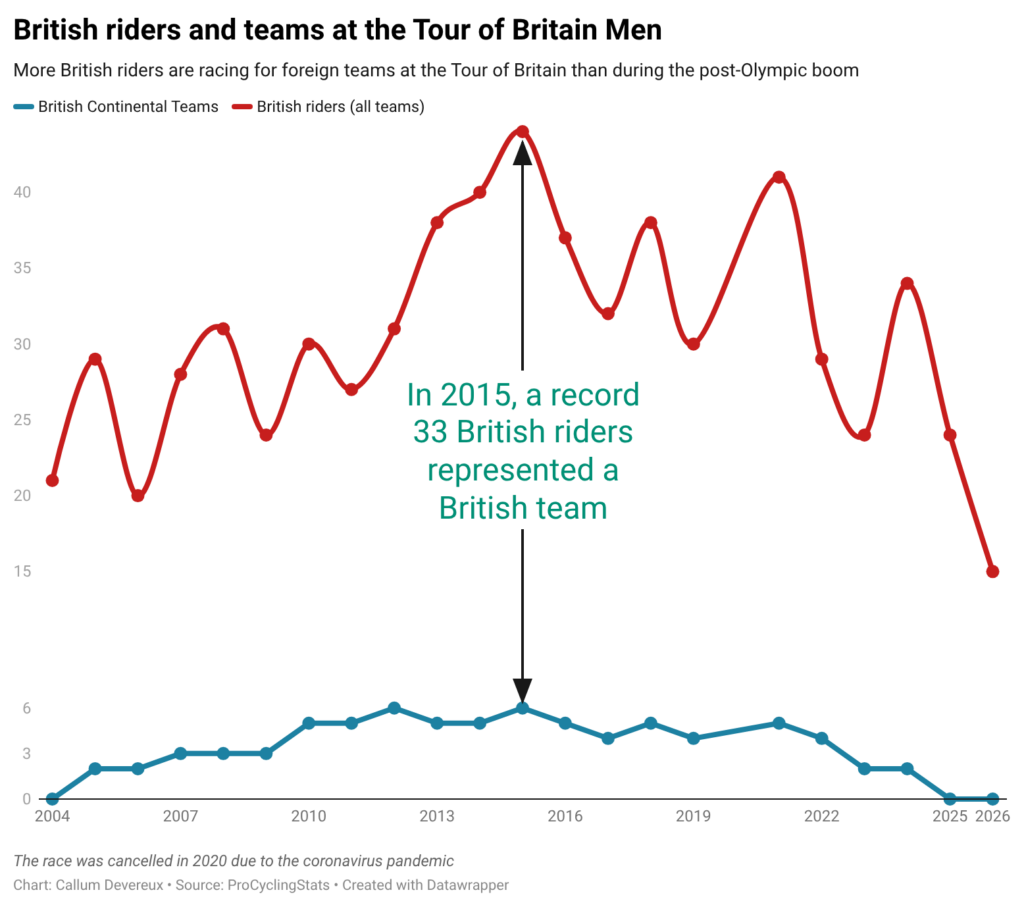
The Continental teams offered a structure for British riders outside the track cycling set-up to entertain the life of a ‘jobbing professional’. Though some riders were paid full-time salaries, and comfortable ones at that, others were paid in expenses and a bike.
Riders could race abroad, against some of the strongest in the continent. The continental model also offered a window for riders to prove their worth to interested World and Pro Continental Teams with spots to fill on their roster. That pathway no longer exists.
Yet there continues to be an impressive production line of British cycling talent. This year’s Vuelta a España, held at the same time as the Tour of Britain, saw a joint-record 13 Brits line-up at the start of a Grand Tour, a figure higher than Team Sky-mania and a far cry from the days when British interest extended to spotting Charly Wegelius pull on the front of the peloton.
Geraint Thomas, for his part, told me he is encouraged by these figures.
“I think the sport’s changed so much since 2004, that’s a fact. I haven’t been around the grassroots set-up so much or in the junior ranks, but I know there used to be a lot more teams in the 2010s, but then again there are more British pros than ever before,” he says.
“You see guys like Matty Brennan come through, winning stages at the Vuelta. I think from the professional side the future is still bright, there are still kids enjoying cycling, and the pathways are there, they’re just different to when I was around.”
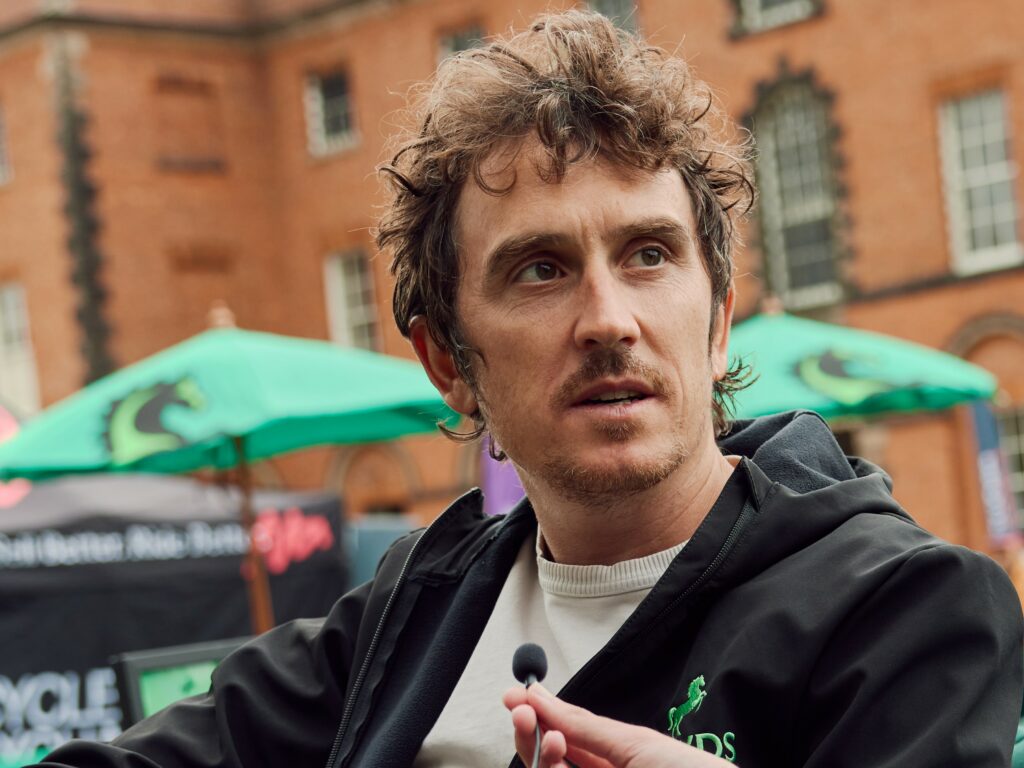
As Netcompany-Ineos’s Director of Racing, Thomas’ team now has a development team, nurturing young talent in the hope they can make the leap into the pro ranks. Where once Continental teams offered a window to the World Tour, the development teams and junior scouting networks now scour for prodigies, spooked into action by the discovery of the likes of Pogacar and Seixas.
What remains of the British domestic racing scene, through events like the National Series, now focuses its energies towards encouraging promising junior riders to attract the attention of those development teams. At an older level, the opportunities have been hollowed out.
Last week, the British Continental reported that two clubs, BCC and MyPad are to merge from next year, with aspirations that the pooled resources will enable their riders to compete in both the National Road Series and abroad in UCI junior and .2 (fourth-tier) races. For the sake of everyone involved, fingers are crossed it works.
Clancy however is aware of the gap between what the taskforce set out, and British Cycling’s finite bandwidth to focus on these issues, acknowledging: “It’s no secret the domestic road racing and grassroots scene has struggled.
“Diagnosing the problem is relatively easy: the cost of policing, the politics around closing roads is getting more difficult, the cost-of-living crisis, just the amount of organisers, there aren’t many young people who are willing to go out and try hard and put races on in their spare time and rally support from sponsors and councils to do it.

“From a rider’s point of view there are other things competing with other interests, people are quite happy to spend a weekend doing a gravel event for instance rather than spending a chunk of the weekend driving to do a short road event and then just go home.
“I’ve spoken to a few people who want to see more support [from British Cycling] and I am understanding that British Cycling has a lot on. The membership side, the commercial side, the men’s and women’s Tour of Britain, the Tour de France coming which is fantastic, but that’s taken a lot of operational resource.
“I don’t know what the future holds, but British Cycling has to decide what it wants to support, whether it’s participation or the social impact side, or domestic road racing or the international races, and that’s not for me to say.”
Also on the road.cc podcast, Clancy discusses what his day-to-day role as Active Travel Commissioner entails, Geraint Thomas reveals how often he actually rides his bike, and Ryan and I discuss the neutralisation of the final stage of the Vuelta a España and whether the leverage riders have on issues of safety is being misused. Ryan also tries to talk more about Enric Mas whilst I get once again distracted by Primož Roglič.
The road.cc Podcast is available on Apple Podcasts, Spotify, and Amazon Music, and if you have an Alexa you can tell it to play the road.cc Podcast. It’s also embedded above, so you can just press play.