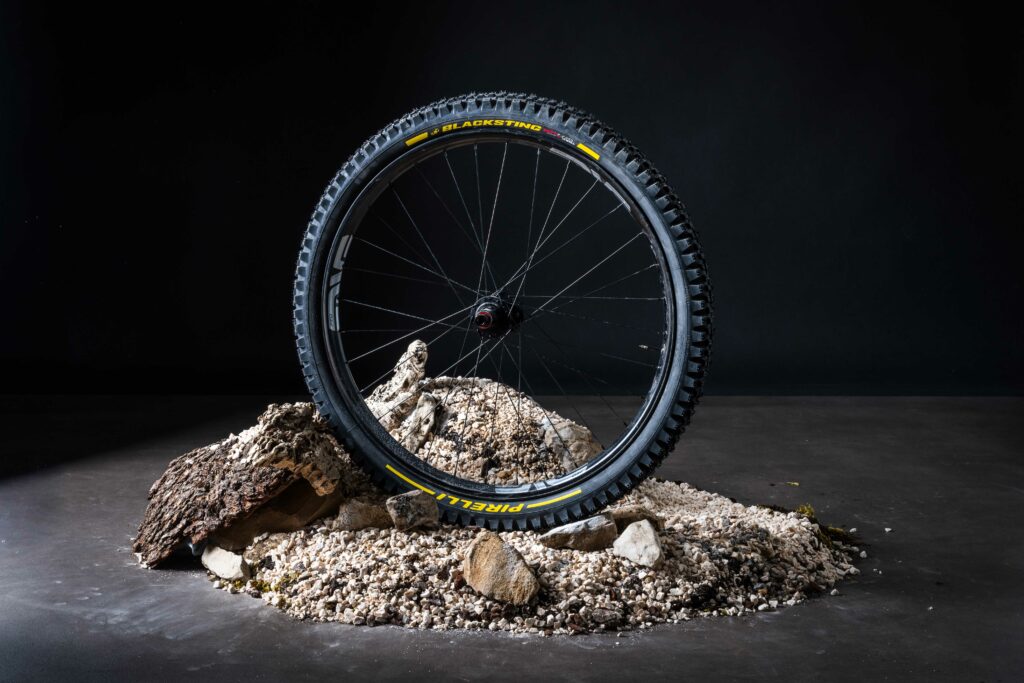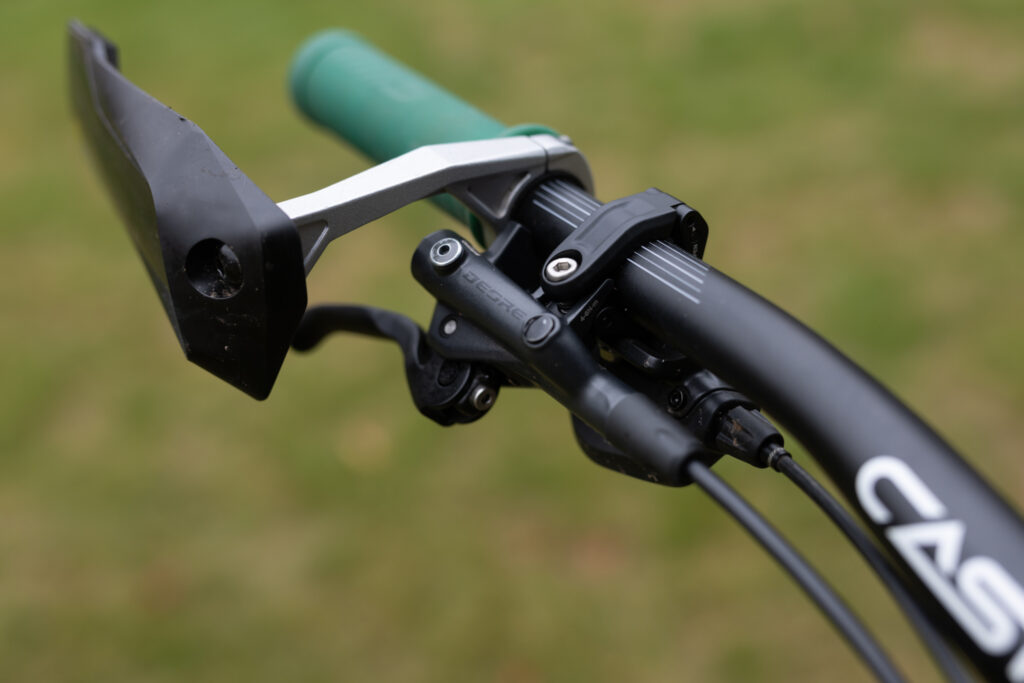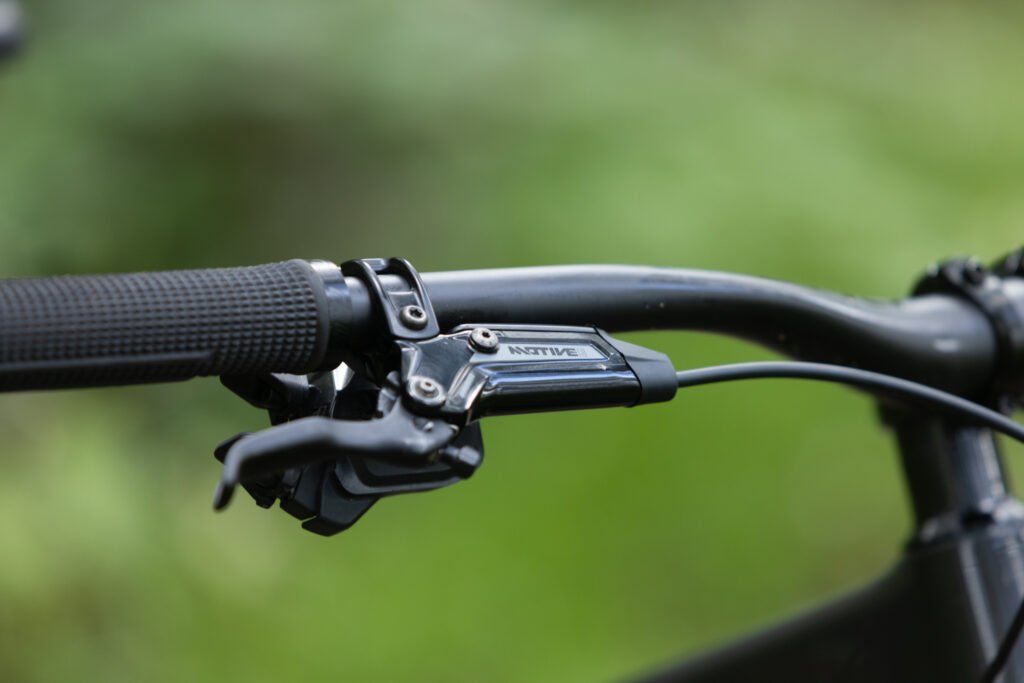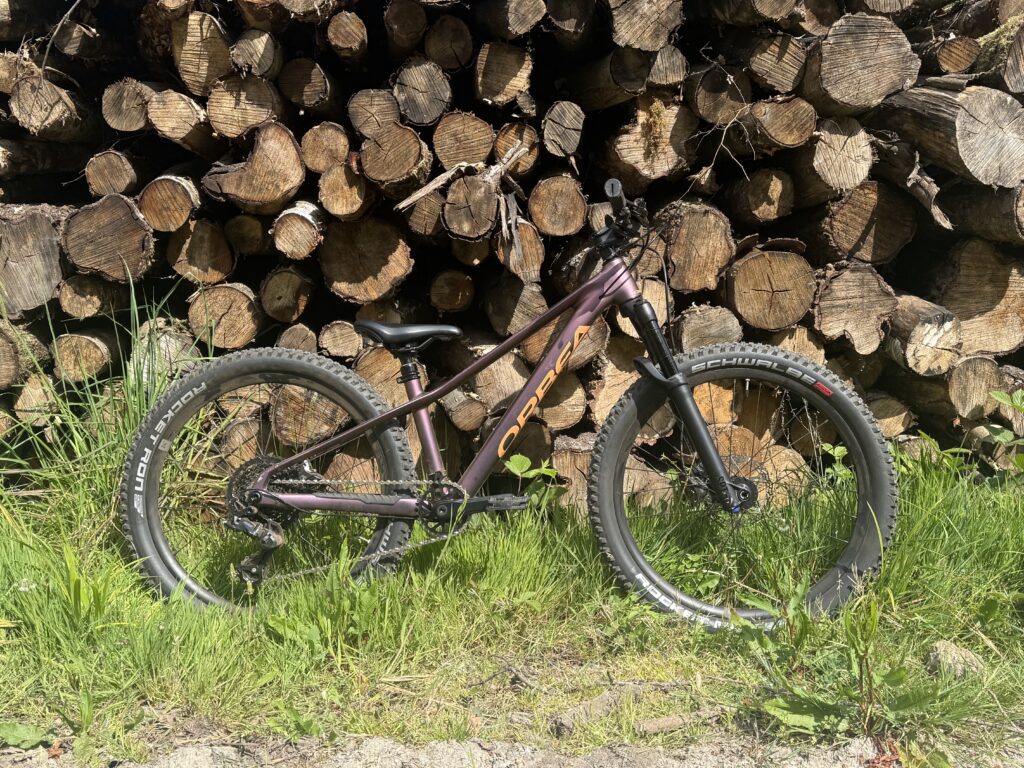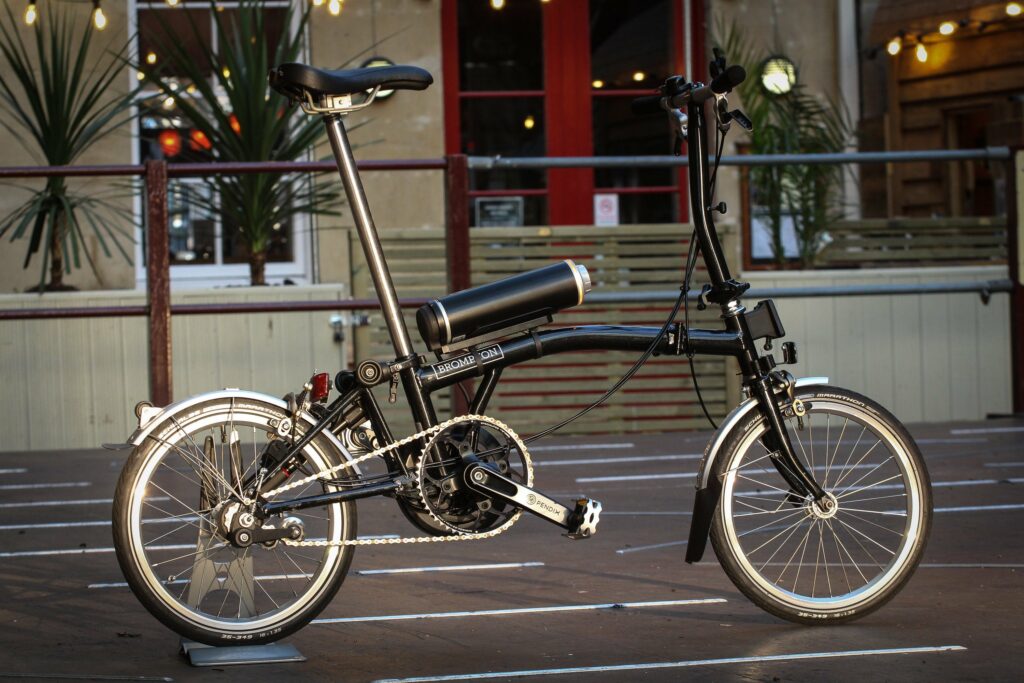

If you’ve got a bike you’s like to add some assistance to – especially if it’s one that’s difficult to fit a standard kit to – then the Pendix motor might be the answer to your problems. It’s a crank-based motor and a bottle battery, and the kit is beautifully made and very simple to fit. We’ve just taken delivery of a Brompton fitted with the system and we’re going to give it a test; here’s a quick video showing the system.
- News

Video just in: Pendix system

Help us to bring you the best cycling content
If you’ve enjoyed this article, then please consider subscribing to road.cc from as little as £1.99. Our mission is to bring you all the news that’s relevant to you as a cyclist, independent reviews, impartial buying advice and more. Your subscription will help us to do more.
No Comments
Read more...
Read more...
Read more...
Latest Comments
@Mr Anderson Agreed. Perfect example is this parent doing an, approximately, 700 METRE school run. I worked t out by finding where the vehicle was parked on the residential road when I first encountered it. Whilst I can't be 100% sure, I am certain the children had no physical disability that would prevent them walking. https://youtu.be/R-dp-G6W8Jk
"Old Man Mountain kit is built tough, and comes with a lifetime warranty – which really matters, when it may well be subject to being battered over many tens of thousands of miles of awful terrain, carrying the equivalent weight of a small-ish child." Obviously it depends how the manufacturer applies its warranty, and OMM might be great - but worth noting that "lifetime warranty" is often less generous than it initially sounds - it's the reasonable lifetime of the product, and only warrants against manufacturing defects. So being battered over tens of thousands of miles is not necessarily going to be covered.
0.8m of cycleway does seem an extremely selective focus. Do we know which side of the junction those 80cm fall on?
I'd like to see some reviews of the IGPSport cycle computers & smart lights which are available on Amazon in the UK. They appear to be well equipped with GPS models in the £150 - £200 price bracket offering great features and very good value for money. If they are good enough to be supporting the Groupama-FDJ United World TourCycling team, we should be looking at them as a contender. It would be interesting how these compare to the Garmin and Wahoo models that are considered the industry standard.
Happens on a regular basis - seems to be one of the many exciting new 'features' of the new platform.
@Rendel Harris Thanks for that - every day's a school day. I had actually put 'Pedant mode off' under my comment but it didn't post and then as we all know, and are frustrated with, we can't edit posts any more. I will not correct anyone again - however, -ize still looks too American English for me. Cheers
We also have a greater volume of traffic, including on residential roads which were once quiet. Spending billions on infrastructure such as protected cycle tracks and modal filters is the only thing that will lead to mass cycling. Look at London. Why is there mass cycling there? Infrastructure. The Netherlands? The same reason. And often the only way to achieve meaningful change is reallocating some space and priority from motor vehicles, which is why the government's 'don't scare the horses' attitude is concerning.
You think there might be a clue to that in the name "City Light Set"? Marking it down because it's no good for fast riding on unlit roads seems somewhat akin to buying a micro-hatchback and then complaining that it's rubbish at pulling a plough.
This is like something from a kids' activity book. "The editor has a bit of a hangover this morning. Can you help him match the headline to the correct story?"
@kinderje Are you aware that -ise endings are actually the newer form, having supplanted -ize (as used by Shakespeare, the King James Bible and Jane Austen, amongst many others) in the mid 19th century? Etymologically there is a far better argument for -ize endings for words with Greek and Latin roots than the -ise ending which arose from Victorian publishers imitating French verb endings. Both endings are now regarded as acceptable in British English, although the Oxford style guide recommends -ize. It is most certainly not incorrect.