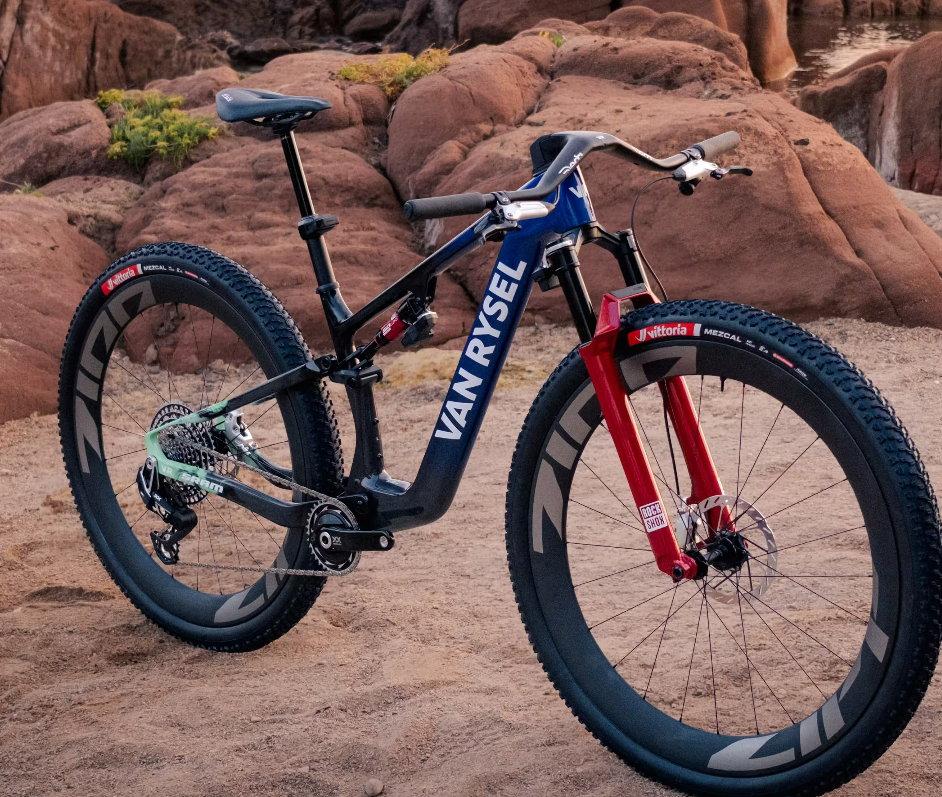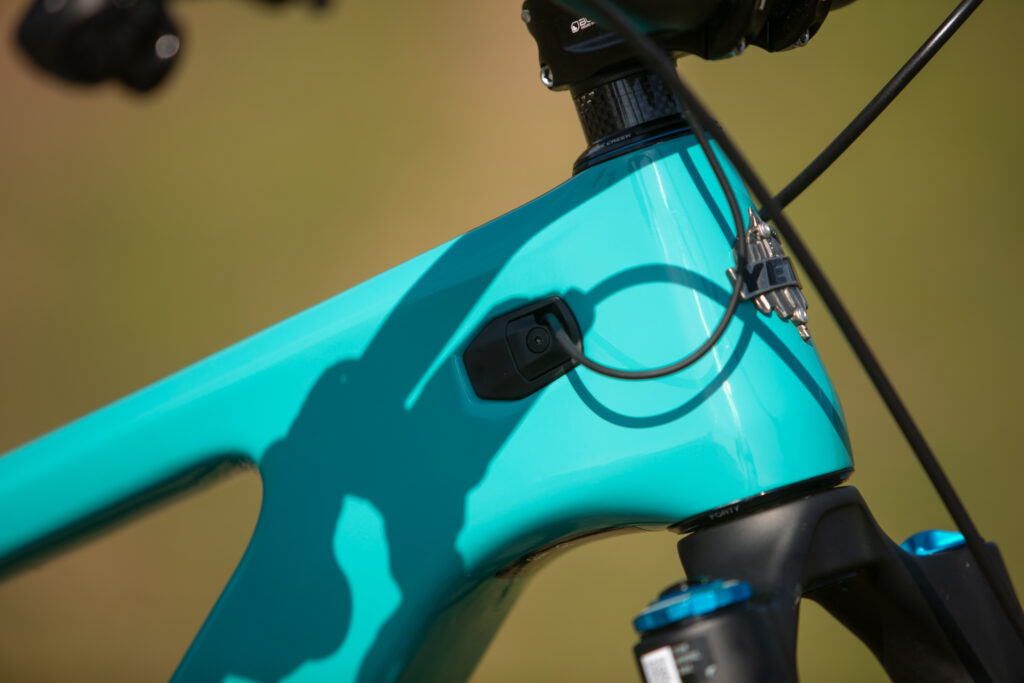

Internal cable routing, what can I say? Few cycling innovations have achieved what internal cable routing has. Tidy, clean-looking bikes, exceptional-looking cockpits, and well-protected cables. What’s not to love?
- What’s behind Isla Short’s best season yet?
- Athletes or Influencers? Power and influence in MTB
- Why are people riding drop handlebars on MTBs?
Internal cable routing has revolutionised bike design. Since cables started to be threaded through frames, bikes have never looked better. No longer are they cluttered with cable ties and weird mounting points under the bottom bracket. And since moving to internally routed hoses and cables, I’ve never had to repair anything caused by a rock strike or nasty mishap, as the sensitive bits are wrapped with aluminium or carbon.
But the best thing about internal cable routing is the extra time it gives me with my bike, because that’s what we’re all here for, right?
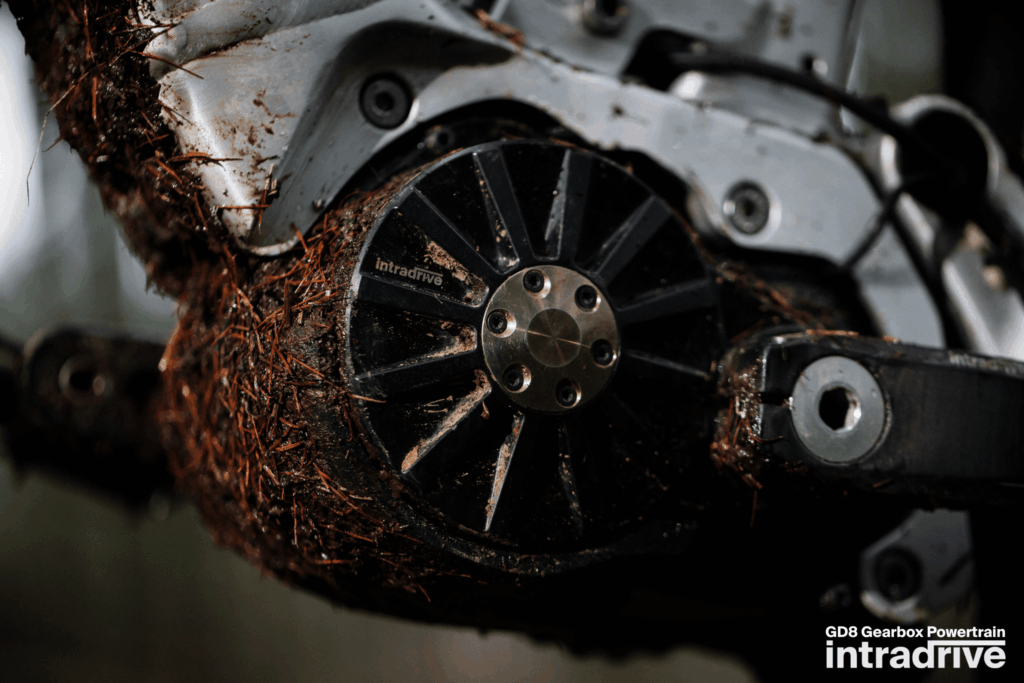
I love how a quick brake change transforms into a nearly full bike disassembly, because when else am I going to remove my mountain bike’s shock, crank, bottom bracket, and main pivot bolt? A simple brake hose change is a blessing in disguise, because it allows me to check all of my bike’s bearings and bushings for play and wear, which is especially useful before heading into the wetter months.
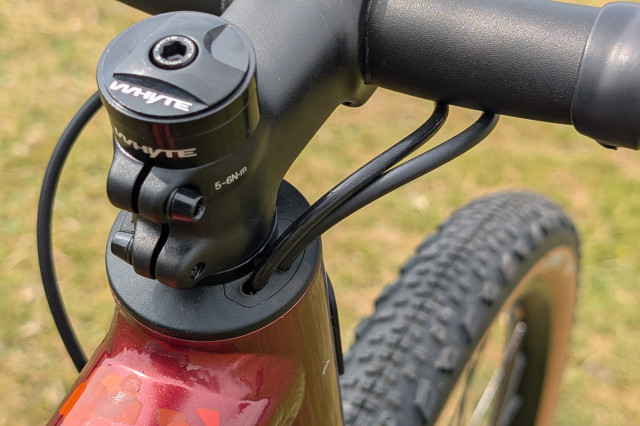
I’m almost disappointed that my bike doesn’t route its cables through the headset. The opportunity for a forced headset check and brake bleed means that I’m missing out on the fun and potentially rolling on worn-out kit that certainly needs replacing as soon as I need to change a gear cable.
Let’s face it, external cable routing is just too simple because even the easiest of jobs should explode into half-day efforts.
It also gives me a chance to test all of my tools to their max. I love playing with magnets, so any opportunity to whip out my internal cable routing kit always fills me with excitement. There’s nothing quite like the satisfaction of losing the magnetic end of the routing kit’s cable somewhere inside the frame and spending half an hour trying to regain that magnetic connection. Oh, and the click it makes when it reconnects – pure satisfaction.

As internal cable routing often employs the best part of my tool roster, the cleanup when I’m done doubles as a full workshop refresh. Adding hours onto the job, spending time with all of my favouite things.
Electronic shifting? Nah. Fiddling with apps, computers, and Bluetooth is nothing compared to the sheer elation of threading a cable through a frame. Give it a go, you’ll quickly know what I mean.
Internal cable routing has made me an incredibly patient human being. It’s taught me that the best things come to those who wait and persevere. Whereas before, any kind of cable or hose maintenance would leave me sweating and rocking in a corner somewhere, I’m now a picture of saint-like patience.
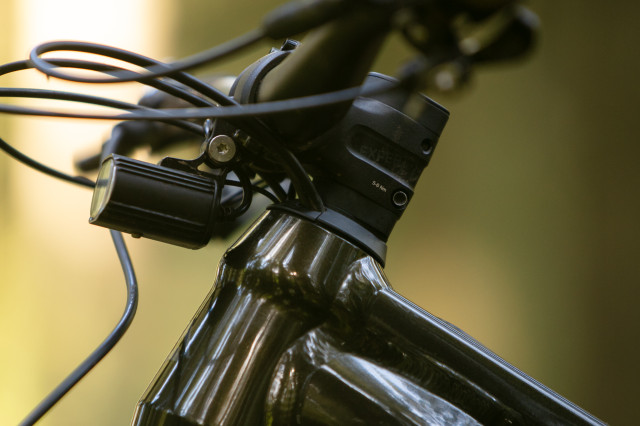
Even better is that bike brands do internal cable routing differently. Some make life too easy by building routes into the interior of the carbon frame. Don’t buy those if you love every minute with your bike. Others use fatter hoses that tend to break free from their anchors, and can kink inside the frame without you even knowing. Then, there are those special brands that do nothing at all to guide a hose through a frame. Only with those will you be getting the full experience that internal cable routing has to offer.
*If you somehow failed to spot it… this is all utter, utter sarcasm, of course. I still cry when I have to mess around with my internally routed cables, and I’m amazed that my bike hasn’t yet gone through the window. Let’s go back to external cable routing, please.