



Hydration might not be the most glamorous topic in cycling, but it has the potential to make a far bigger difference to your on-bike performance than just about anything else.
It’s no wonder, then, that pro teams are spending a huge amount of resources perfecting their hydration strategies. With the help of a Tour de France stage winner or two, a heat chamber and some hydration boffins, we wanted to see what these strategies look like and take the plunge into the world of sodium and beyond…
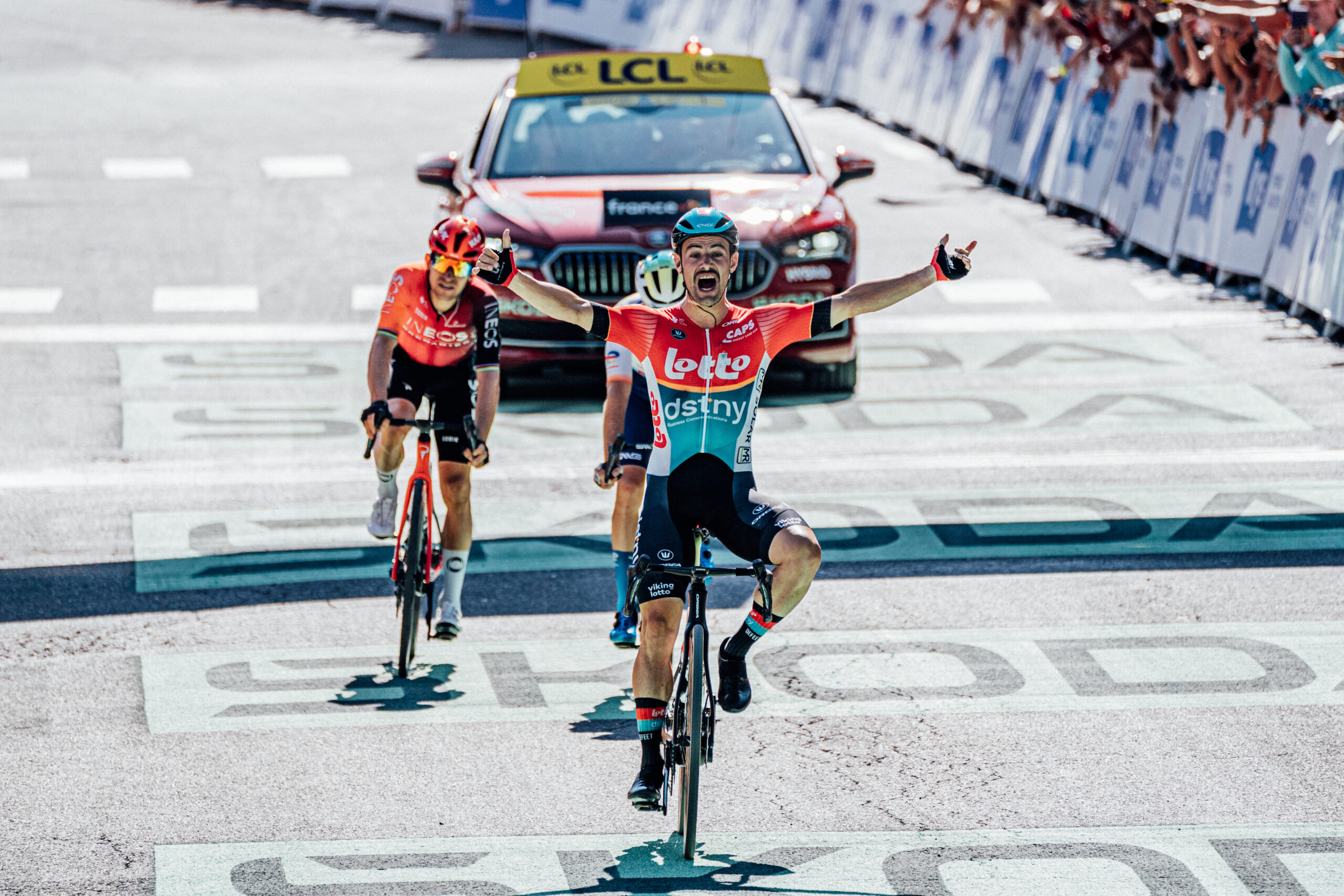
When it comes to going faster on the bike, you might be looking for things that you can copy off the pros… but I’d hazard a guess that you’ve overlooked hydration. That might just be a bad move, because according to the likes of Jan Bakelants and Victor Campenaerts, it’s potentially made a bigger difference to their performances than literally anything else.
Forget waxed chains, forget disc brakes, forget aero… here we’re talking about proper hydration. It sounds simple, but it’s a topic that has often been ignored – even by the pro peloton – for years. On endurance rides, staying hydrated and hydrating properly can make a far bigger difference than any of the bike modifications listed above. In fact, many accredit modern fuelling and hydration for the step change in speed that the pros are now riding at.
So, just how do you know if you’re hydrating properly, and has the answer to unlocking our full potential on the bike been staring us in the face all along?
The three things you need to perform
When we talk about hydration, we don’t just mean downing a few bottles of water/ Whether you’re riding hard, easy, in the hot or in the cold, chances are you are to some degree sweating. After all, this is one of the things that makes us humans so good at endurance events.
To find out what we should be putting into our bodies to replace whatever we’re burning and sweating out, we got in touch with the CEO of Precision Fuel and Hydration, Andy Blow, who explained that it’s more simple than you might think.
Blow was able to tell us that there are three ‘levers’ to your nutrition performance, and to perform at 100% of your ability you need:
- Carbohydrates
- Fluids
- Electrolytes
Blow explained that while many pros and amateurs alike have focused on the carbohydrate pillar – and to some extent fluids – electrolyte consumption is often overlooked.
Does it matter as an amateur?
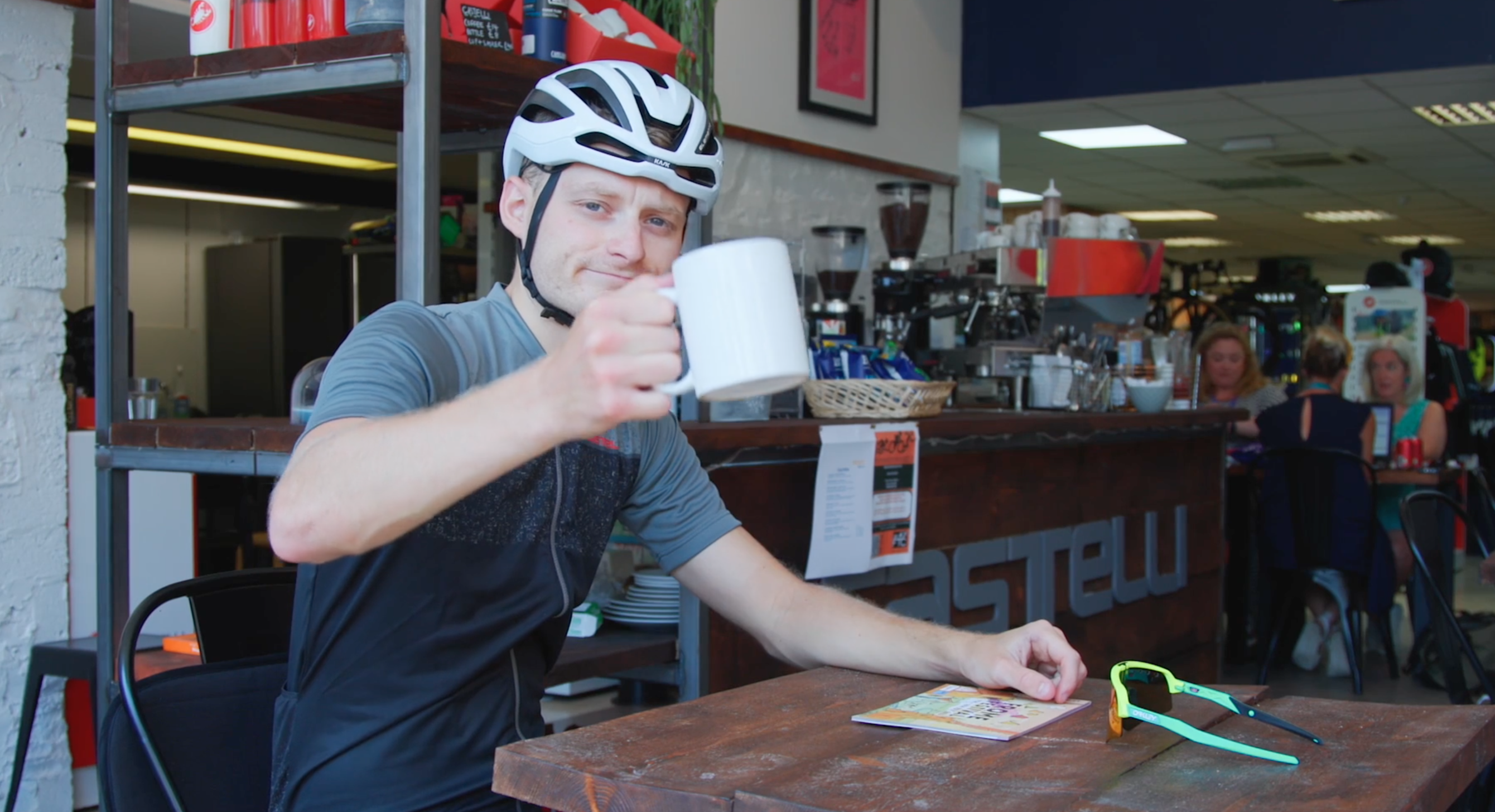
Here in the UK, we’re not very often exposed to 40-degree heat and real killer climbs, so it could be assumed that we don’t need to worry about replacing electrolytes.
To an extent, this is true. According to Andy Blow, the average demands of an amateur cyclist is “not likely to be as high as professionals at the top of their game on the hottest days, but they’re not inconsequential.”
“You need to be aware of your individual needs and losses,” he adds.
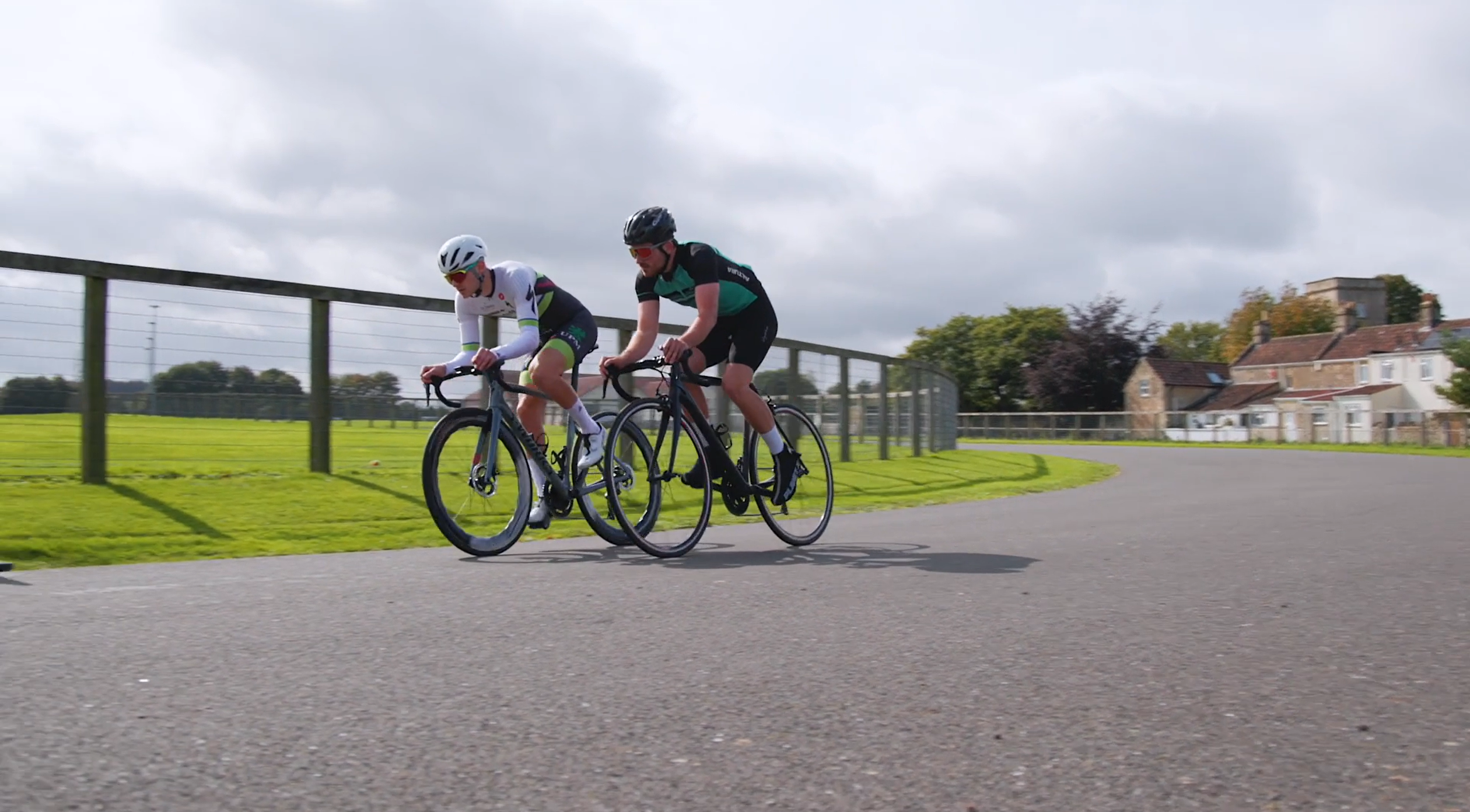
Blow also explained that “most of us can bluff it for a few hours if it’s cool, [riders] get used to accepting a level of degradation in performance thinking that it’s normal.”
So, yes, if you’re an amateur who cares about performance or just feeling good at the end of long rides, then you should be looking at carbohydrate, fluid and electrolyte intake.
How salty are you?
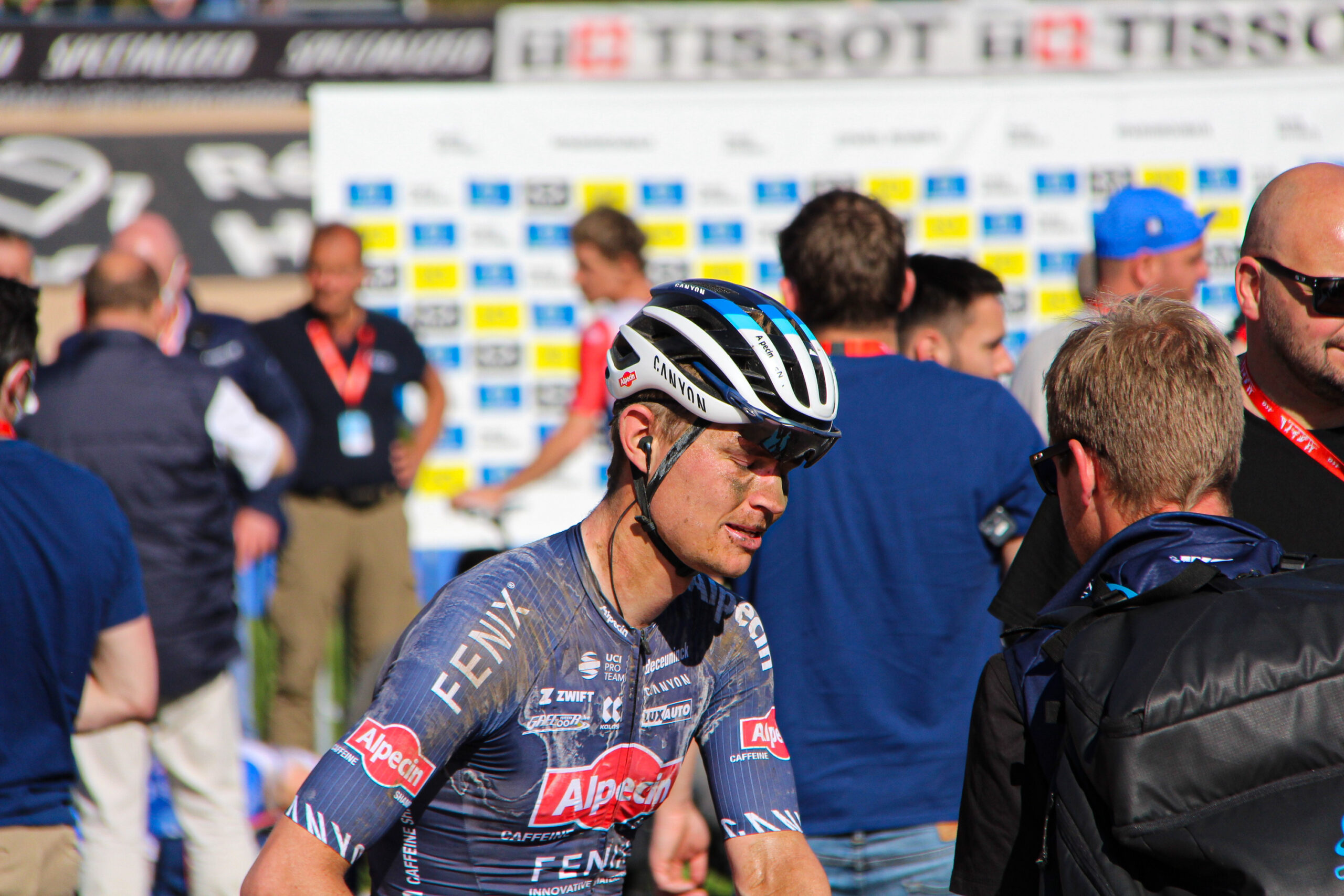
Precision Fuel and Hydration were keen to get across that simply drinking more is not the answer to all our hydration woes. In fact, if you take on more sodium than your body needs you could see some quite catastrophic results.
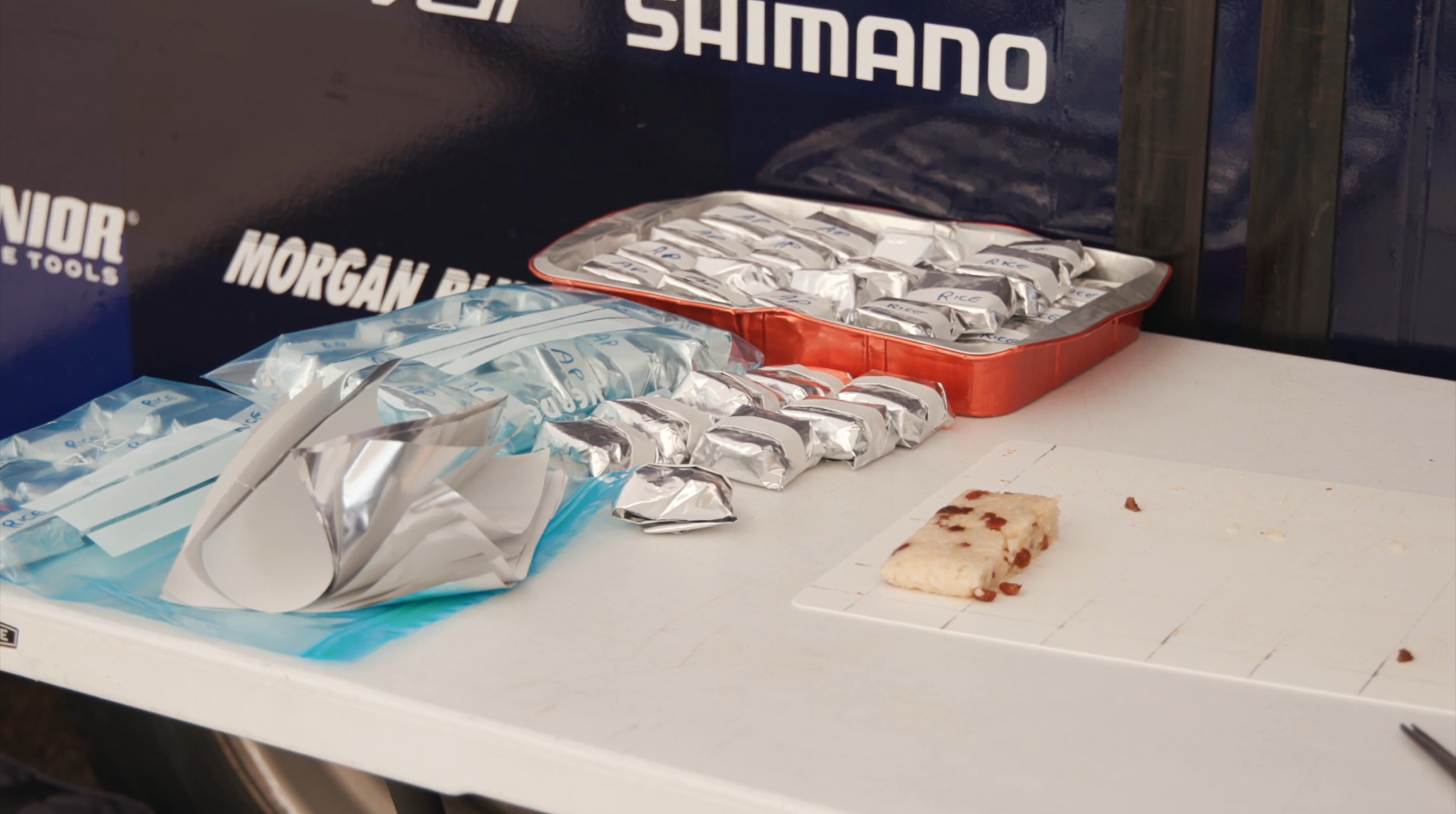
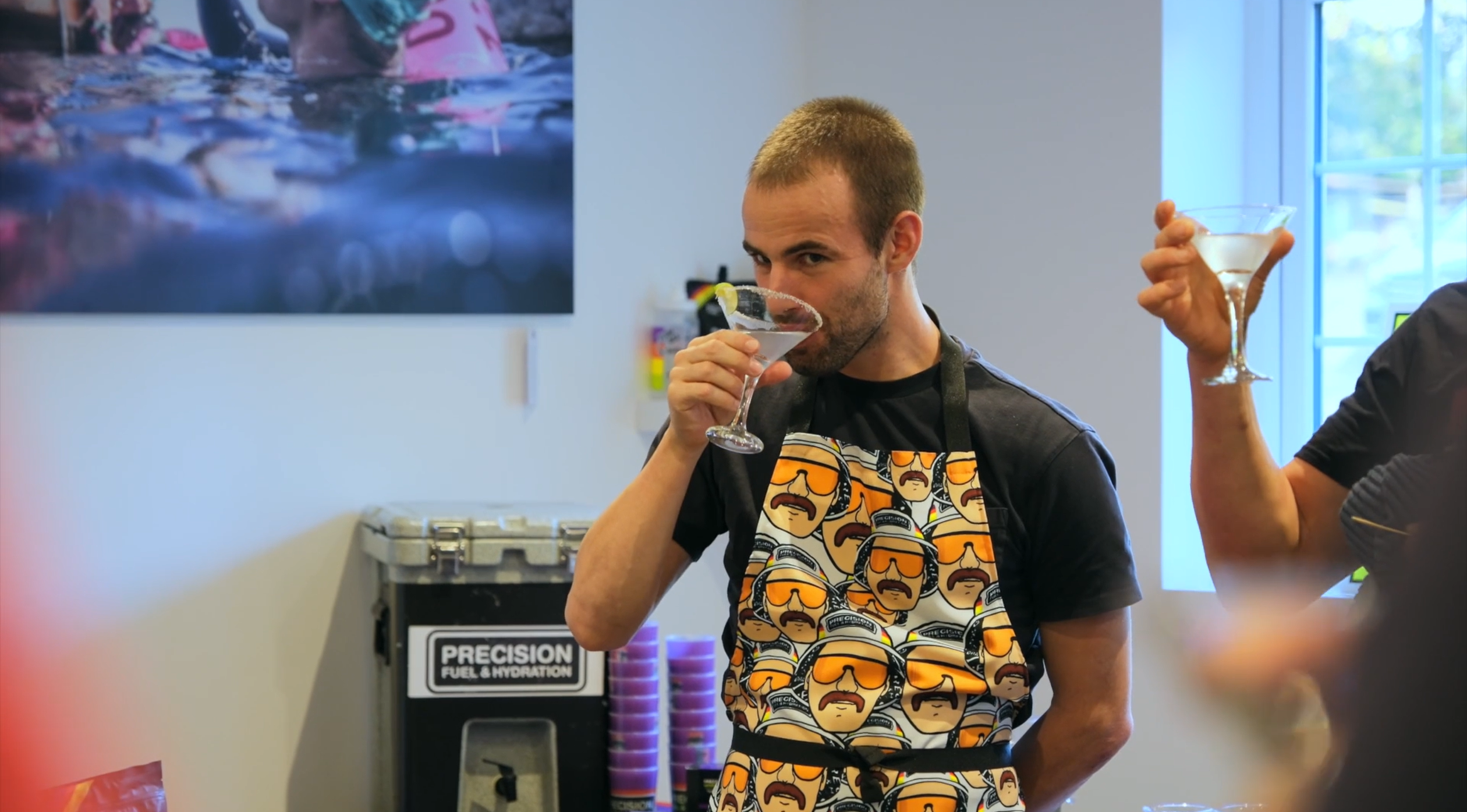
Too much sodium could see you gain weight due to water retention, see an increase in your blood pressure and elevated your core body temperature, leading to accelerated fatigue; and that’s before we even get into what it could do to your bowels! (kudos if you get the reference to the picture below).
For this reason, the vast majority of hydration products on the market verge on the side of caution, or at the very least cater to the average sweater.
Sweat is not created equal though. My sweat is different to Andy’s sweat, which is different to Jan Bakelaants’ sweat, and all of them are probably different to your sweat.
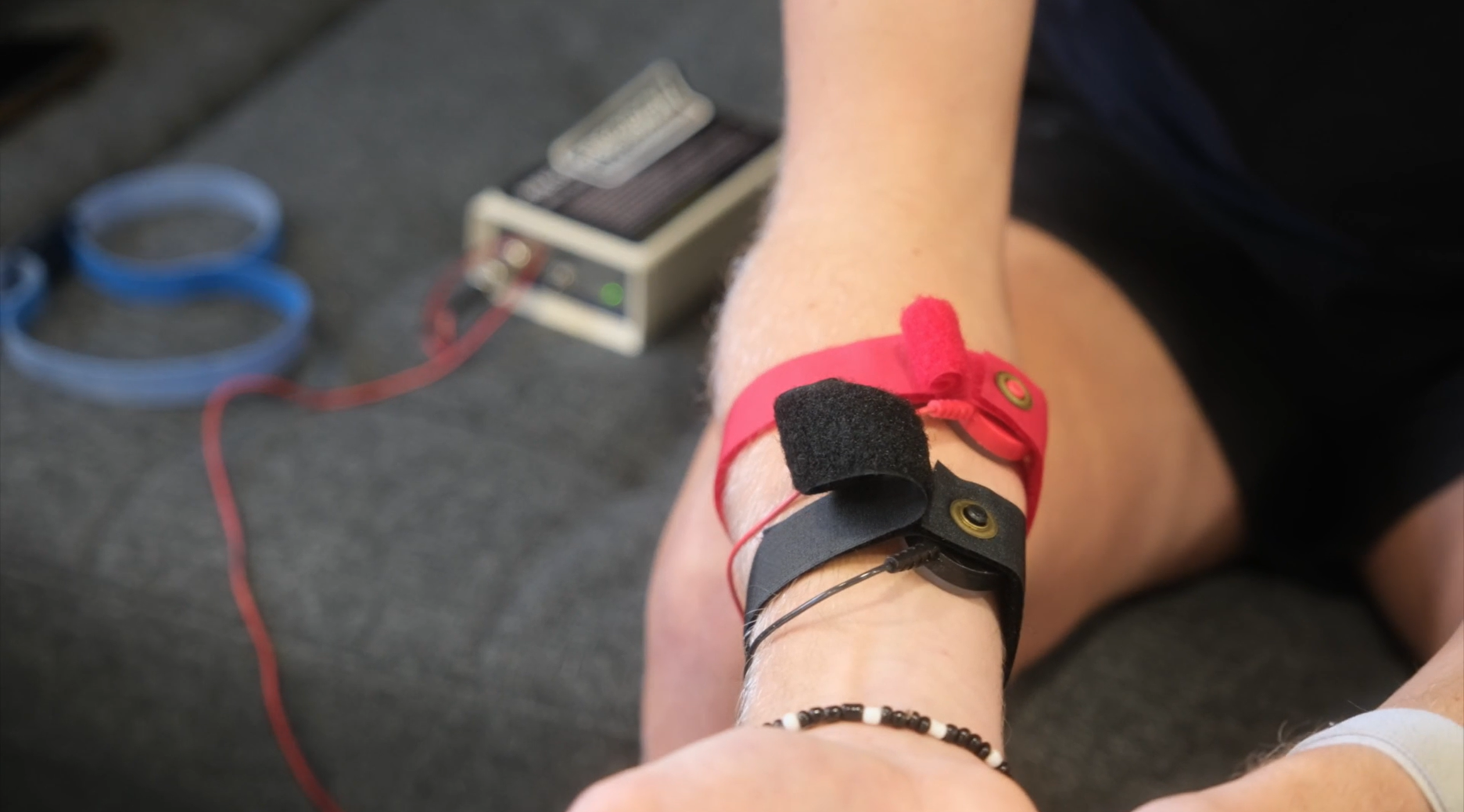
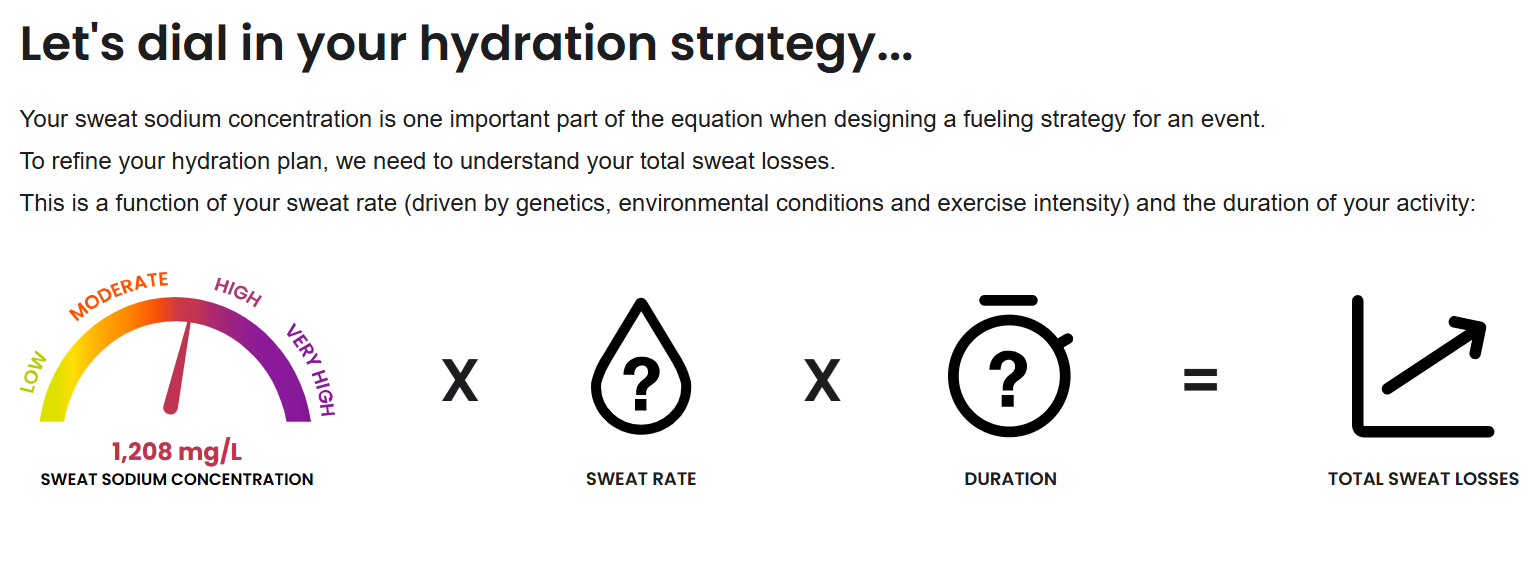
Emily Arrell, a Sports Scientist at Precision Fuel and Hydration, explained that the sodium concentration of sweat can vary from anything between about 300mg/L, to over 2,000mg/L. If you’re one of these salty sweaters near the top of that range, then it’s fairly self-explanatory that you’ll need to replace more.
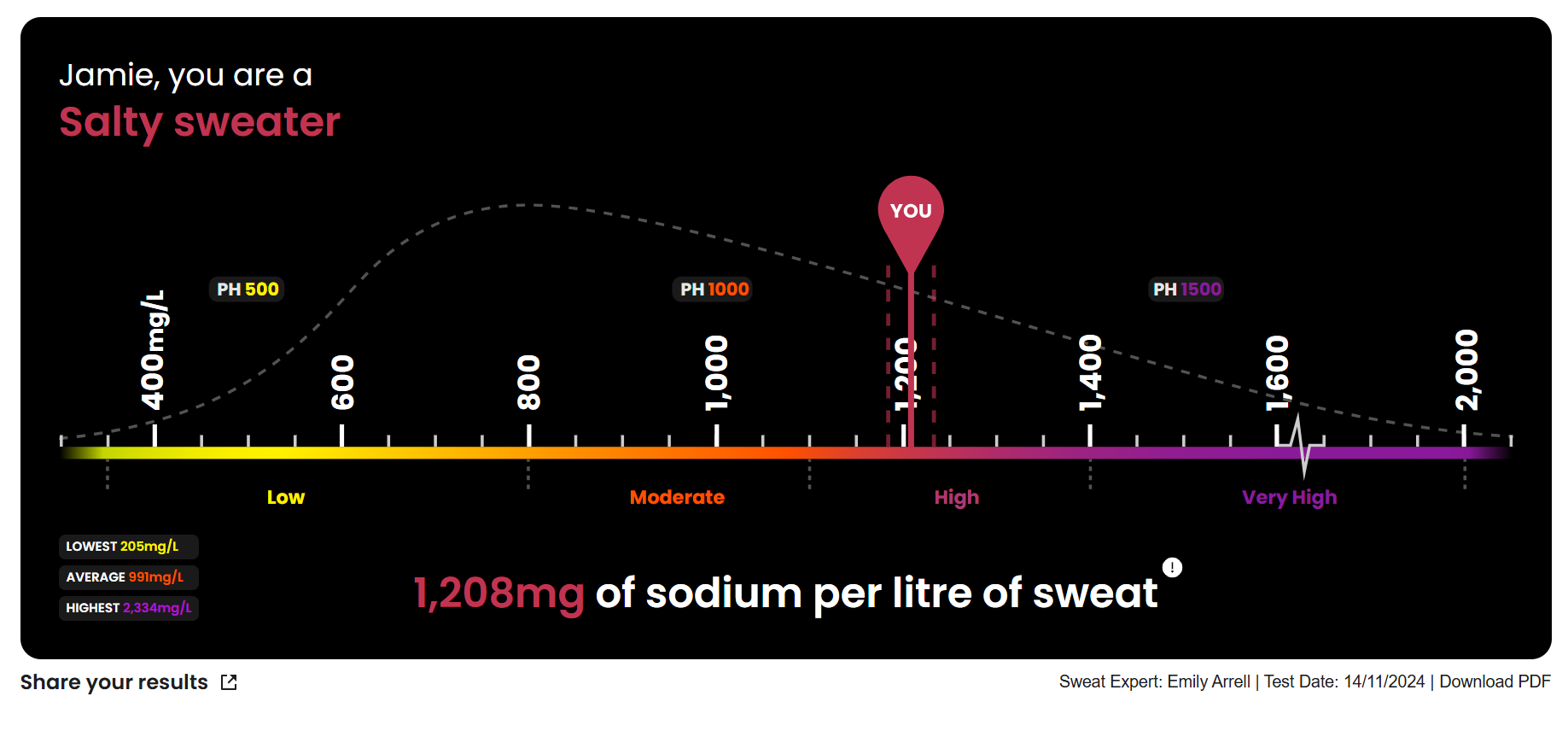
It turns out that I lose 1,208mg of sodium per litre of sweat, making me a “salty sweater”. This might explain why I often struggle in hot conditions, even when I think I’ve fuelled properly! Jan Bakelants and Victor Campanaerts are less salty, with values of 1,044mg/L and 957mg/L respectively.
Looking at those values, you might think that it’s possible to train your body to have less salty sweat. Unfortunately that’s not the case.
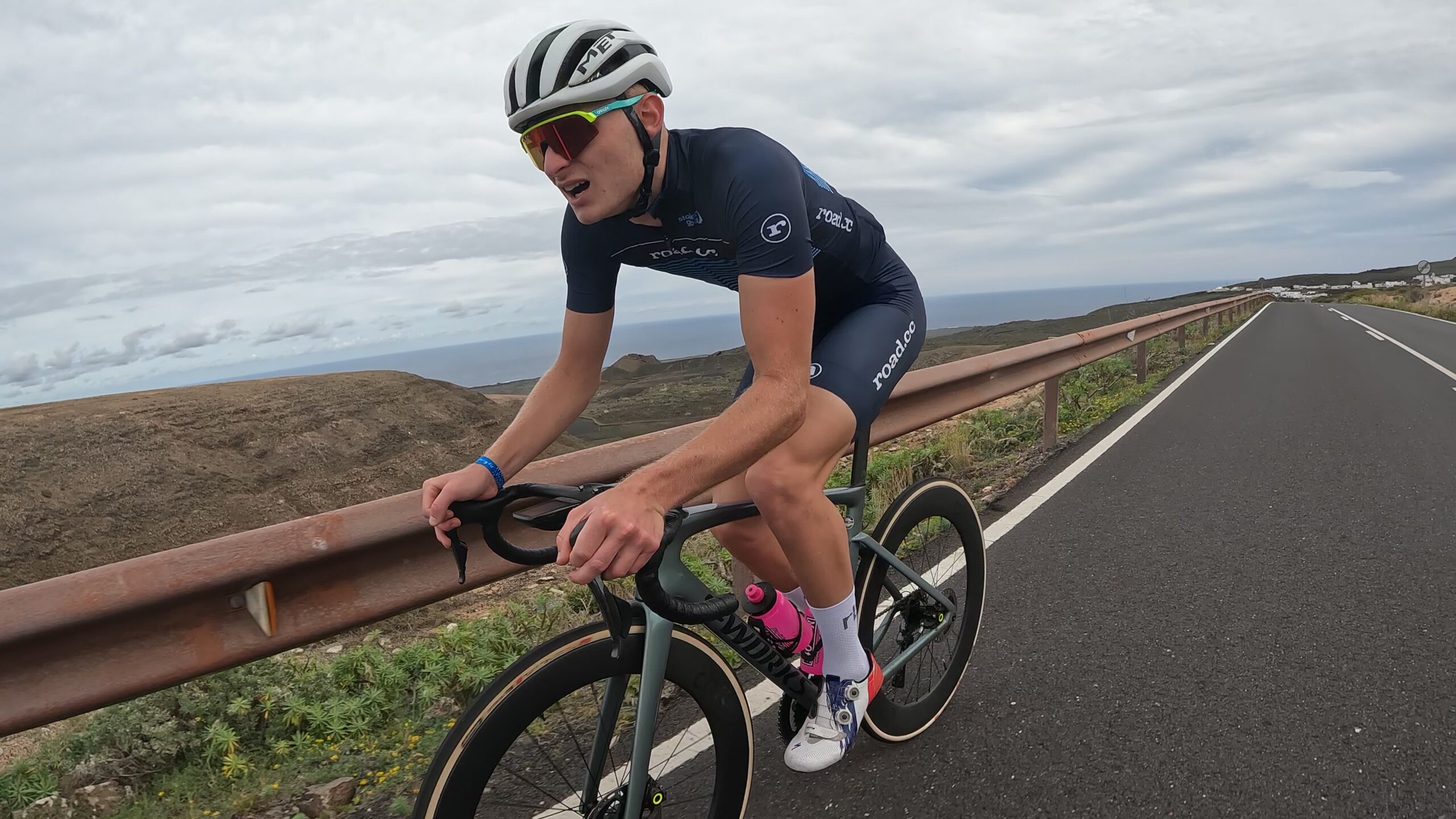
Arrell explained that the salt content of your sweat is almost completely genetic, and over the last 10 years of testing the pros, values have fluctuated by less than 10%. It looks like I’m stuck with my salty sweat then.
Tell-tale signs of having salty sweat – other than feeling bad at the end of long rides – are cramping, white marks on your kit, stinging eyes, craving salty foods and the sweat’s taste (you probably don’t want to taste your sweat, but the saltier it is, the saltier you are).
How sweaty are you?
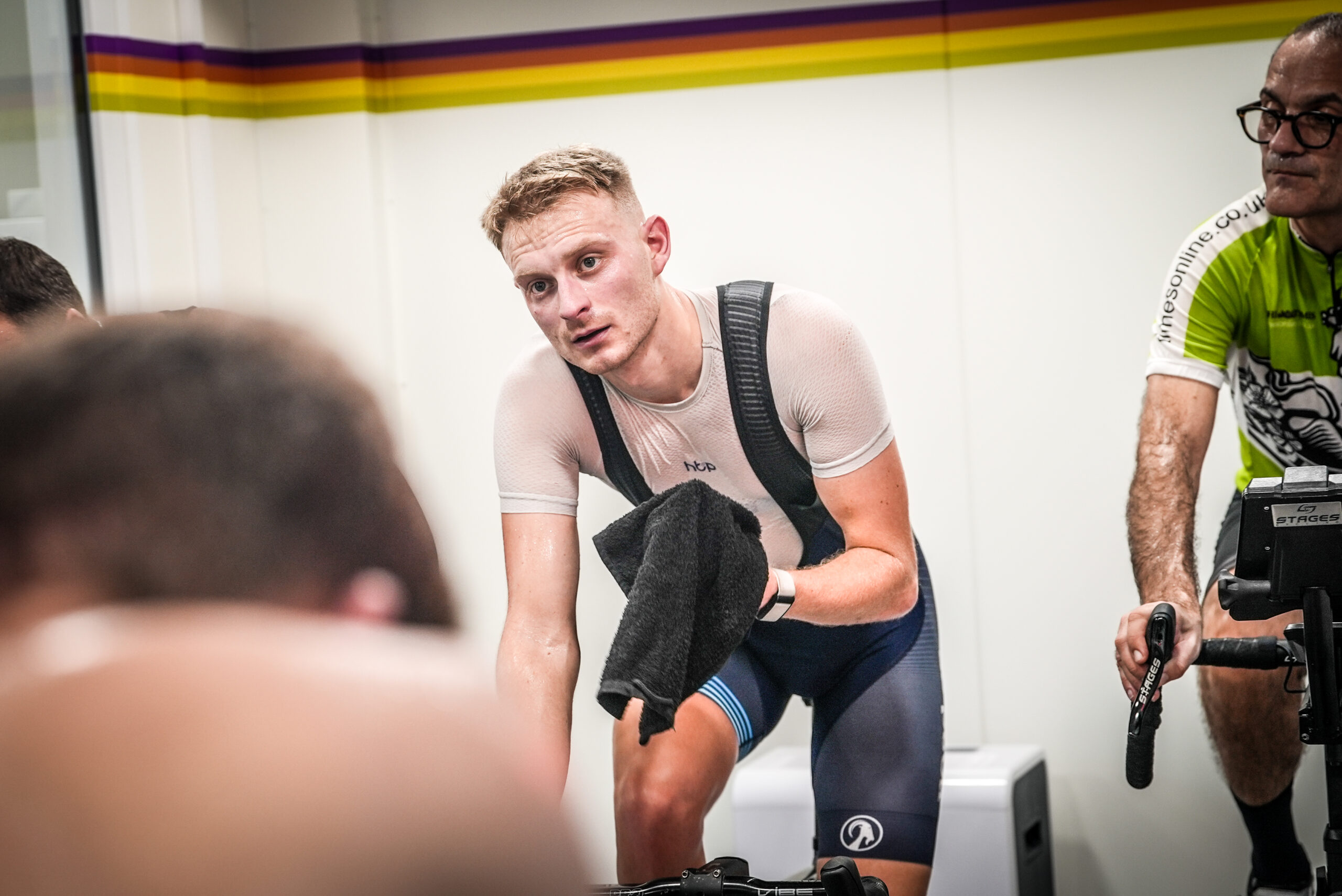
Before working out how much salt we need to replace, we need to work out how much sweat is being expelled, as this too varies from person to person. As we mentioned earlier, sweating is a very effective way of cooling the body, and pro endurance athletes tend to have pretty high sweat rates.
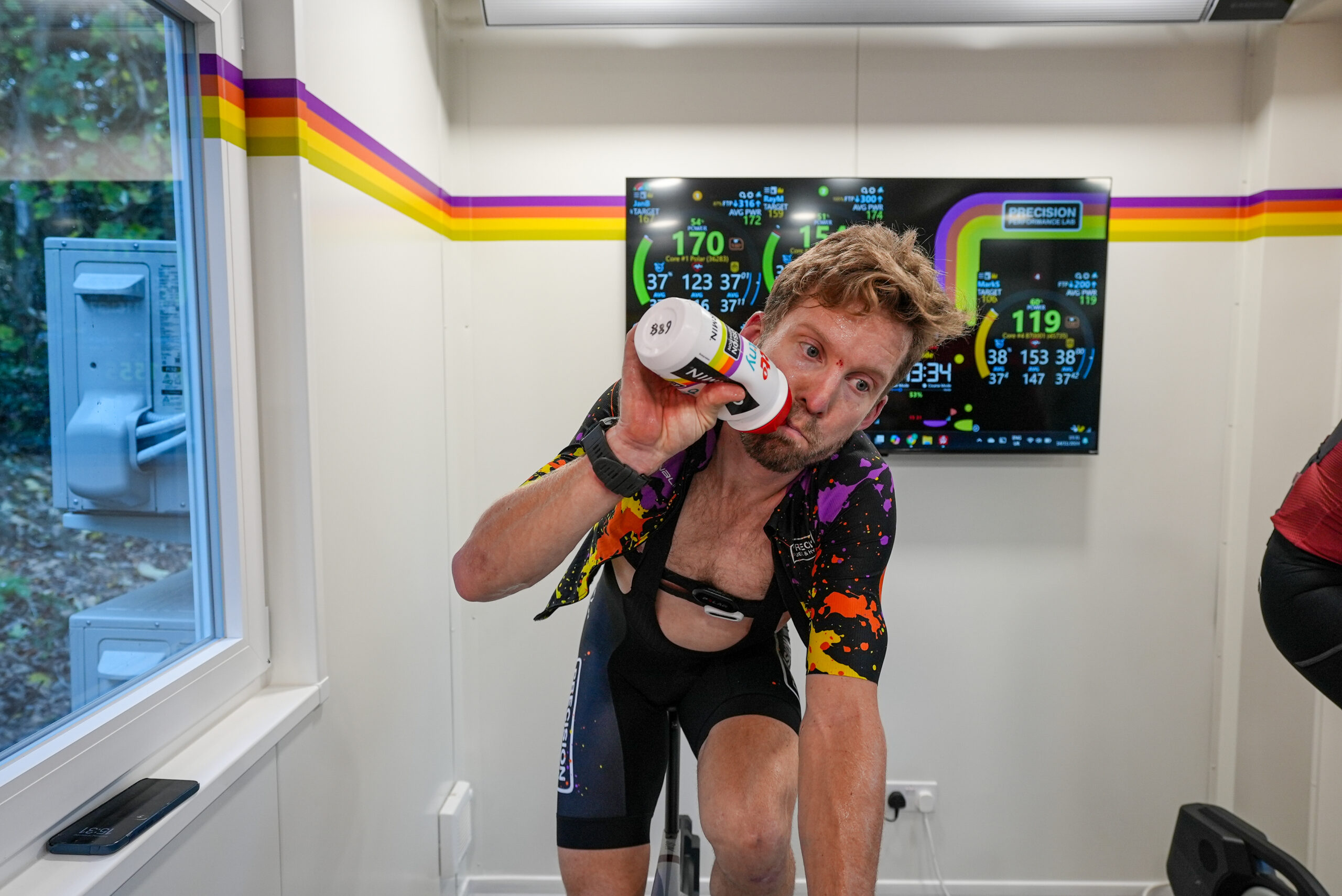
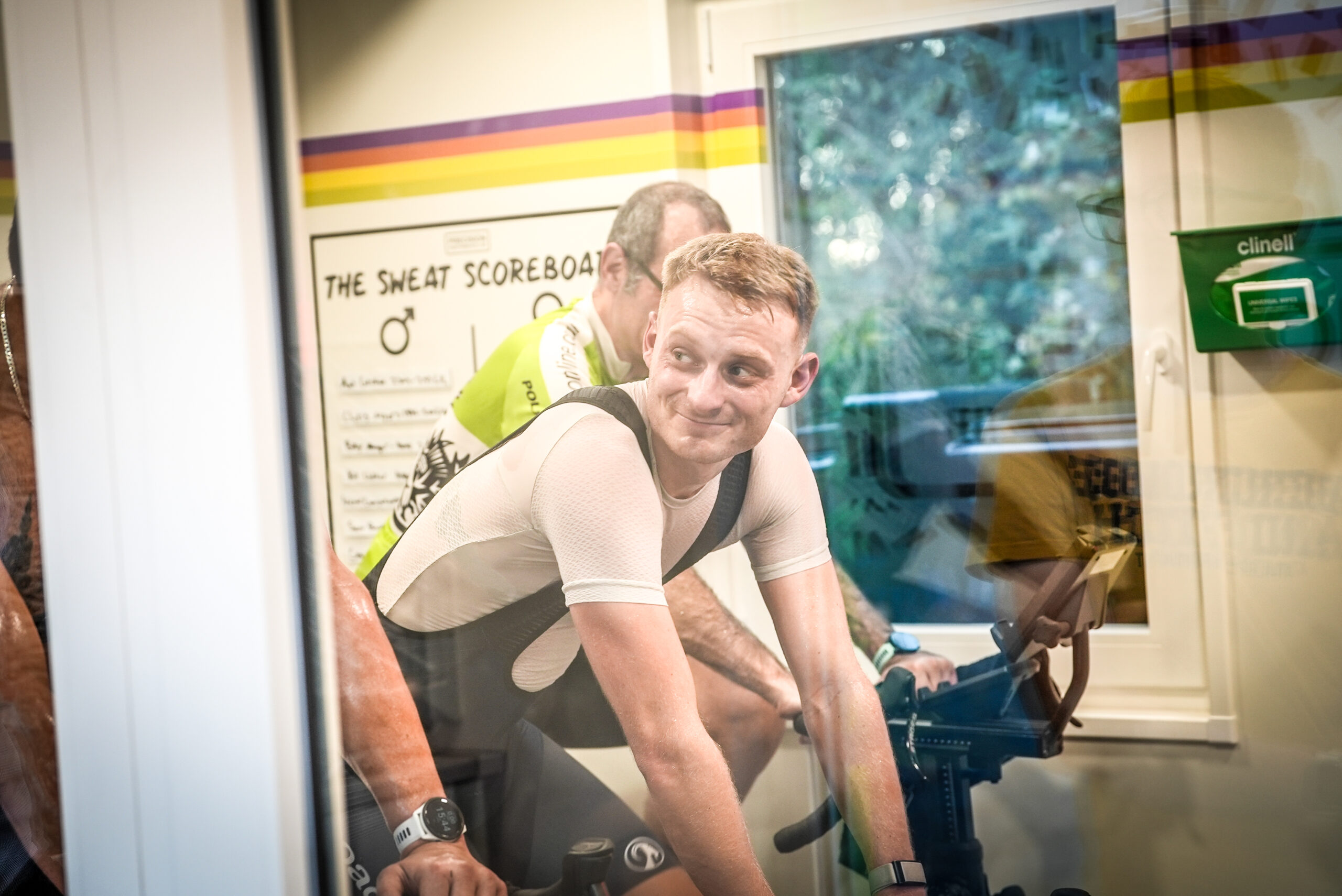
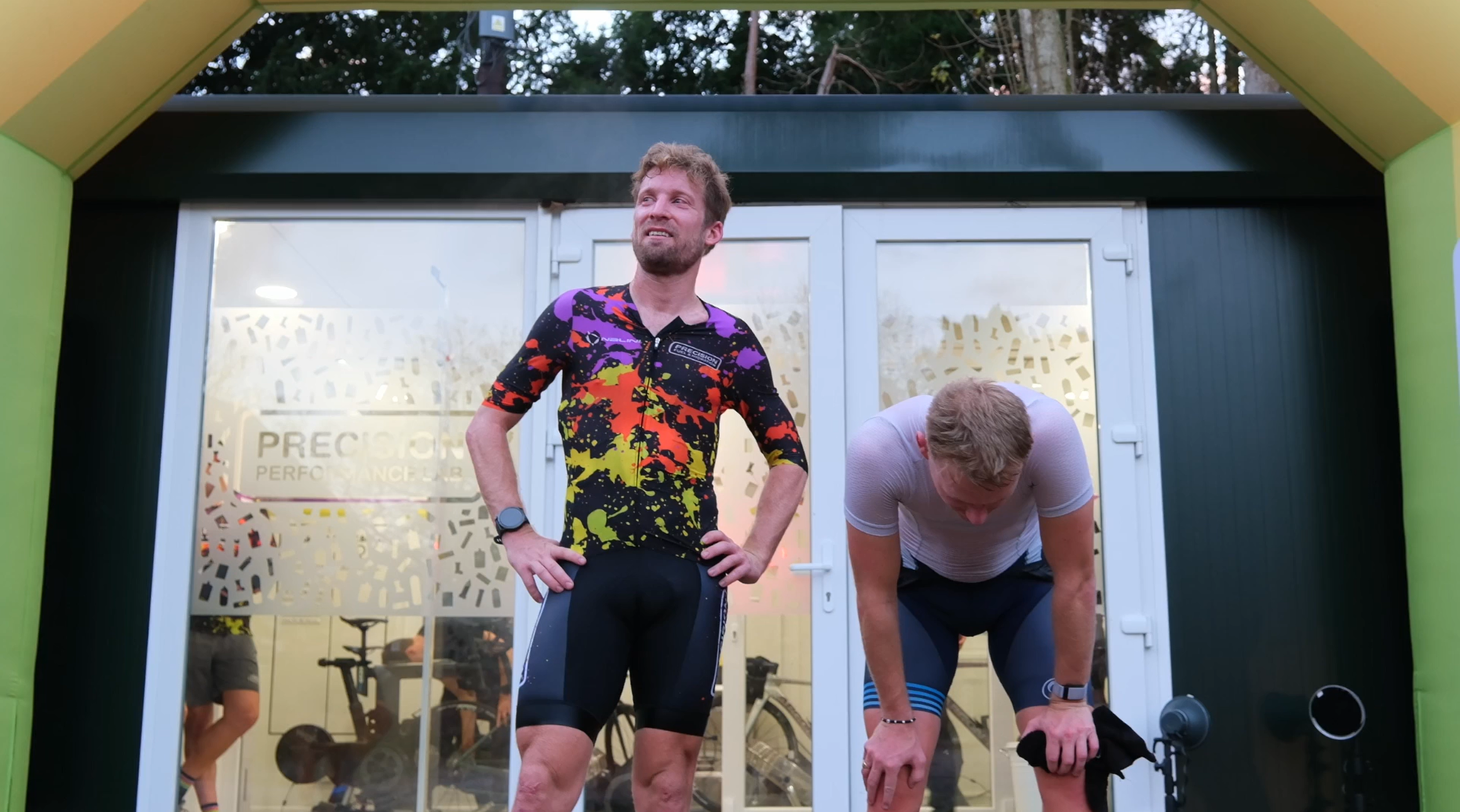
To find out mine I went head-to-head with Jan Bakelants – a Tour de France stage winner – in a heat chamber. There’s something you don’t get to do every day!
The heat chamber was set to 40 degrees centigrade, and we started off at 40% humidity. Bakelants explained to us that not all heat is created equal; for example, even the hottest Tour de France stages are relatively easy to manage in comparison to more humid climates such as the 2016 Olympic Games in Rio.
I soon got a taste of what he meant. 40 degrees and 40% humidity was certainly uncomfortably warm to be doing a turbo session in, but nothing compared to how I started bucketing sweat as the humidity was increased to 70%.
After a weigh-in it was calculated that I was losing sweat at a rate of a whopping 2.03kg per hour. Just to put that into context, that’s around 2.7% of my body weight each hour. Admittedly I won’t always be sweating as profusely as I was in the heat chamber, but if I was and didn’t replace any of that salt, then I’d be in serious trouble in under an hour while not even pushing that hard.
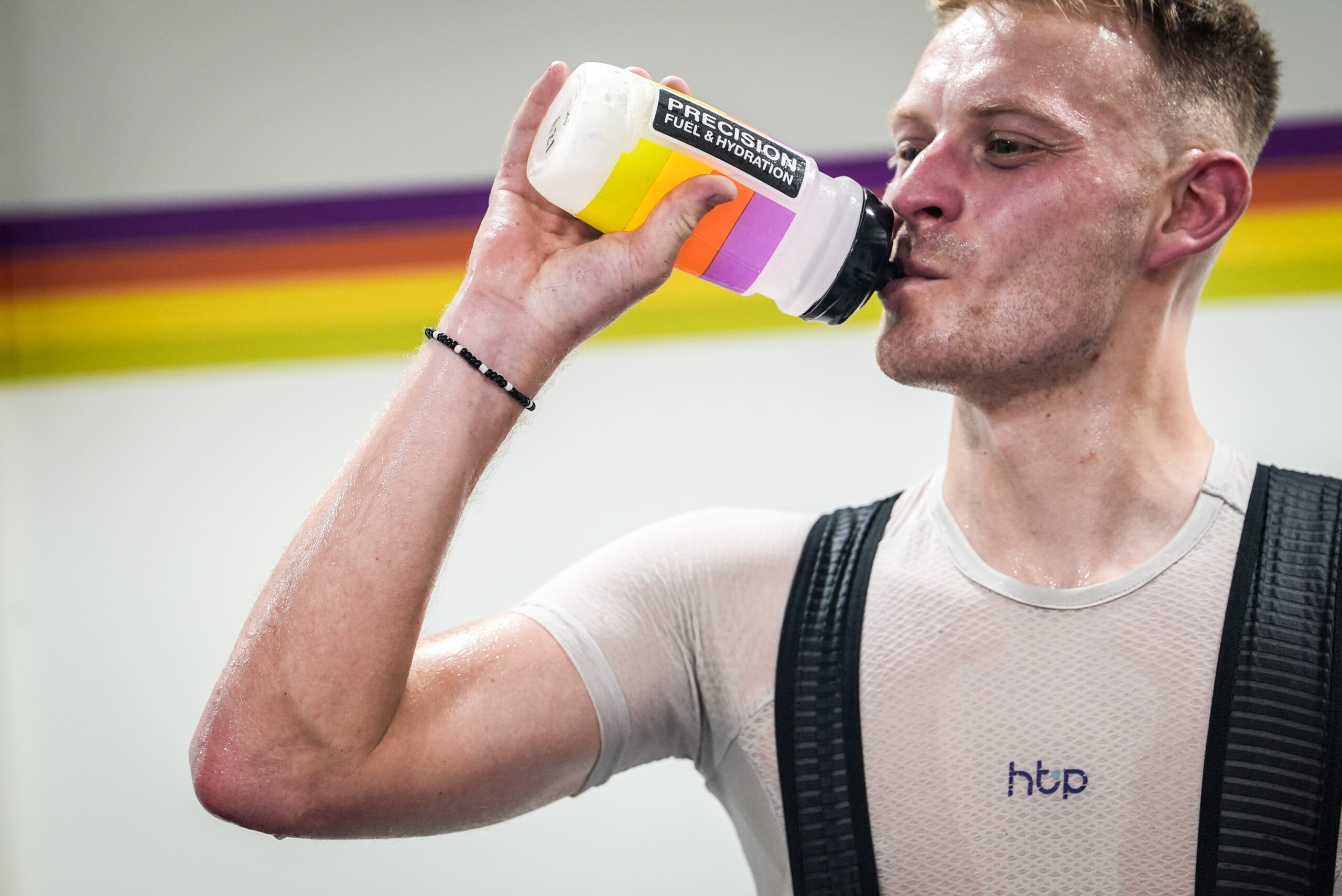
I’ve done some research, and at 1% dehydration – or after about 20 minutes in the heat chamber – my core body temperature will already be elevated. That means I’m fatiguing quicker than I otherwise would.
At 2% dehydration (after about 45 minutes) I’m going to see a drastic reduction in my already questionable athletic performance. As Bakelants and Campanaerts explained: unless you’re Pogacar, that means you’re getting dropped.
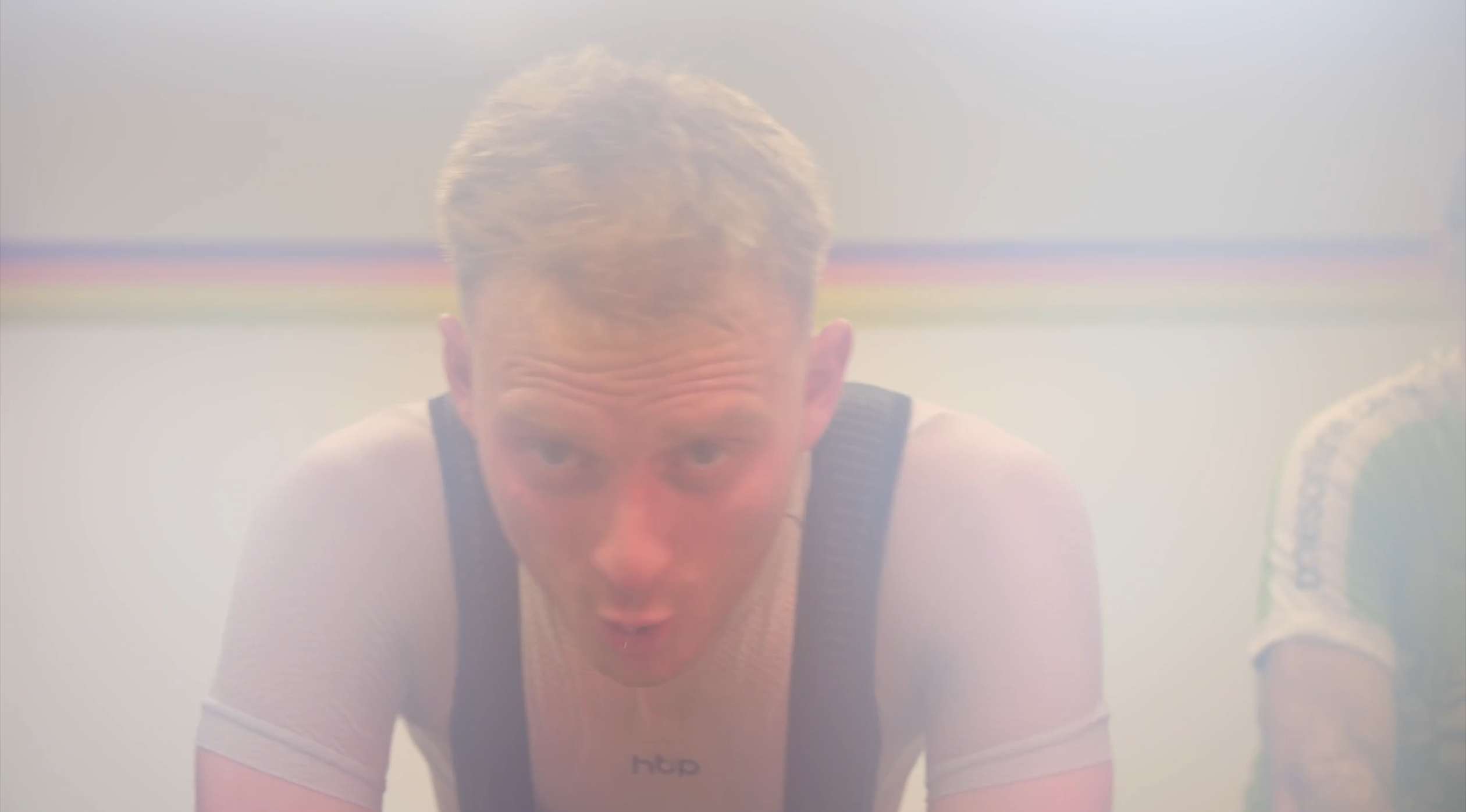
Keep going and at 5% I’m approaching heat exhaustion. At 7% I’ll probably start hallucinating, and at 10% things are looking particularly un-rosy with something called circulatory collapse.
What can we do about it?
Now that I know my sweat rate and my sweat saltiness, I can work out how much I need to replace. The experts reckon that if I were to ride Stage 18 of this year’s Tour de France, the one that Campanaerts won, then I’d need to be consuming about 1000mg of sodium for every litre of fluid lost, and that I need to be drinking at least one bottle per hour.
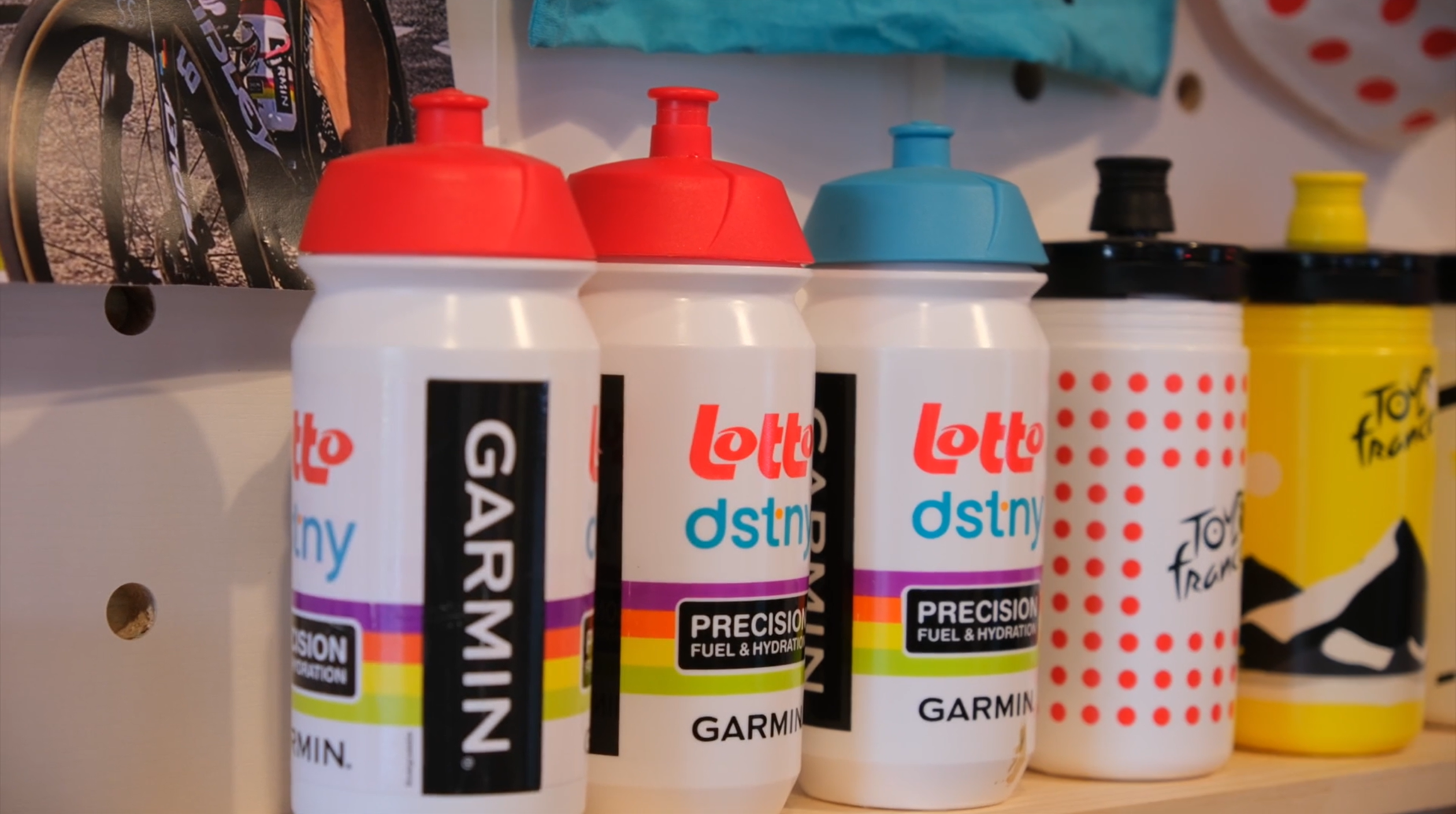
Before doing this testing, I must admit I would have probably have just focussed on my carbohydrate intake for a long ride, and realistically that means that I’d be getting less than half the sodium that I need to perform at my best. Now, you might not need the same amount of sodium as me, but there are a high percentage of riders that will be in the same position as me, and therefore riding at less than 100% of their ability.
To summarise…
Andy Blow wrapped up the day by adding: “We spoke to Jan Baklenats earlier who found out in his career he couldn’t perform in the heat for many, many years. He got sweat tested, he understood his sodium losses and started to correct for that, and described it as binary. It unlocked his performance, it was a 0 or 1 proposition.
“You have a level of performance that you can unlock which is based on your fitness. We call that 100%, and if you don’t hydrate you’re going to be down below that.
“Anything that can get you above that, to 103% or 110% say, is usually banned or illegal, but getting your hydration and fuelling right enables you to express your maximum athletic potential.
“Do it consistently [and] as a professional that’s now a necessity. As an amateur, that means that you’re going to stand more chance of beating your rivals.”
Let us know in the comments section below whether you think you’re a salty sweater, and what you do to stay hydrated on the bike…













16 thoughts on “Have I finally found out why I keep getting dropped? Why hydration is more important than you think for cycling performance”
Is the answer crisps?
Is the answer crisps?
If you’re exercising in the
If you’re exercising in the heat you need to drink more, who knew? Try 50% water/50% pineapple juice and a pinch of salt, it’s nearly as satisfying as bag of crisps but marginally easier to consume from a bidon. I can heartily recommend Christie Aschwanden’s excellent book “Good to Go”. You may not be able to drink it but she debunks loads of rest/recovery/hydration myths. If you’re a female athelte you’ll be pleased to know that there’s a section on the positive impact of drinking beer on your performance. At less than £10 the book’s a far better investment than any hydratation product/recovery aid I can think of.
If you’re exercising in the
If you’re exercising in the heat you need to drink more, who knew?
Nobody is disputing that – it’s the replacing salt which is open to question. Assuming normal physiology, without salt-losing defects, the kidney is right on the ball at maintaining extracellular sodium concentration by retaining sodium and is easily capable of reducing sodium in the urine to 200 mg/L. The statement that the salt content of your sweat is almost completely genetic could be true I suppose, but I doubt it. I think sweat becomes much less salty when there’s less salt in the diet. We could let them off with the very best your kidneys can do at retaining sodium may well be genetic but even when the average person’s kidneys are not trying that hard they can do better than that 200 mg/L. We evolved at a time when it was advantageous to retain sodium, so the ‘pretty good sodium retaining genes’ are widely spread in the normal population. The more significant problem for mankind is getting rid of enough sodium in the face of physiology which thinks ‘better hang onto this sodium for a rainy day- might come in handy later’ along with a diet which is bombarding most people with far too much salt- that’s where all the hypertension comes from. My hypothesis is that the main determinant of those variations in sweat salt concentration that this company measures is how much excess salt your body has lying around doing nothing useful- and would be better off without, and your kidneys can easily compensate for salt loss in sweat and do their best at mitigating water loss, although they need a lot more help with that job so you have to keep drinking. If people think ‘a pinch of salt’ makes any difference, they can add it as a psychological prop without causing much harm.
I too remain unconvinced by
I too remain unconvinced by the “pinch of salt” argument, hence the “drink more…who knew?” comment. Not forgetting of course the worlds best marathon runners don’t drink during a race.
jaymack wrote:
Quite a few do take on some water, but in any case you have to factor into that the fact that the world’s best marathon runners are only on course for just over two hours so if they’ve hydrated well in the runup they won’t need much, or for some any, fluid. For those at the lower end of the scale a five-hour marathon without fluids would leave them in serious bother, in fact probably unable to finish.
“Just over two hours…” is
“Just over two hours…” is nothing short of incredible. And you’re right about we lesser mortals needing to hydrate but we should beware of hyponatremia; drinking too much really can kill you!
jaymack wrote:
Insane isn’t it? Never been much of a runner but did a fair bit as part of rugby training in my far-off relatively fit youth; they’re running each mile very considerably faster than I ever managed for a single one!
Rendel Harris wrote:
Quite a few years ago, a friend of mine got into serious trouble running a half-marathon due to dehydration. I don’t know how fast he was, but he teaches Taekwondo, so had/has a good level of fitness. He ended up spending a few months in hospital recovering.
Isn’t that always the answer?
Isn’t that always the answer?
chrisonabike wrote:
Sometimes peanuts
So, if Jamie needs 1000mg of
So, if Jamie needs 1000mg of sodium an hour, how many hydration tabs or elctrolyte mix does he need. I see SIS a hydration tab provides 798mg of electrolytes – would that work for him?
798mg of electrolytes but
798mg of electrolytes but only 345mg of Sodium so going to need a fair few of those per hour, obviously something is going to be better than nothing! In hot conditions/hard rides I’ll be looking for something with a higher sodium content
https://www.theguardian.com
https://www.theguardian.com/food/2024/nov/24/the-truth-about-salt-how-to-avoid-one-of-the-worlds-biggest-hidden-killers
Unless one buys and cooks basic ingredients with known amounts of various potentially problematic components such as salts, its likely that the pre-packaged commercial ready-made stuff many eat will contain far too much salt (and sugar and …..).
Do those gulping down expensive “hydration” products measure their other intakes of salts et al? It seems unlikely.
D&V mix probably does the job
D&V mix probably does the job.
Back in the 70’s and 80’s I
Back in the 70’s and 80’s I was doing quite physical work in an environment of over 40ºC for hours at a time, sweating like a herd of pigs.The company provided salt tablets (chocolate covered) with advice to take them, but with no advice on dosage. Sometimes I took a few, other times none. And I never noticed any difference. So my anecdotal take on this is that there’s enough salt in ordinary food. Though it`s true that I got cramp sometimes after a long ride but not now since I take magnesium tablets.
I used to daily 1hr
I used to daily 1hr sufferfests on indoor rollers, I drank a fair bit of water before during, and after- I noticed my sweat wasnt stinging in my eyes and and really couldnt taste it; despite this articles report I think I sweated out a lot of salt