


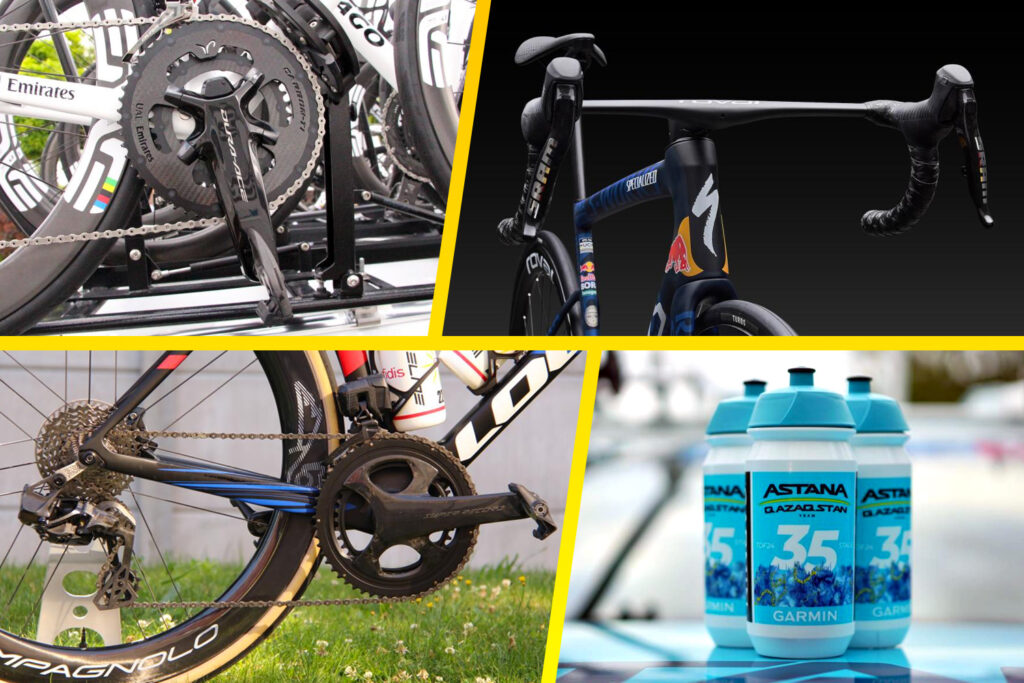

The Tour de France is the world’s biggest bike race, where the fastest road riders come to battle it out. Last year, the 3,302km (2,058 miles) route was completed at an incredible average speed of 42.8kph, or about 26.6mph. So, if you’re looking to go faster or further on your bike, you might think that you should be copying everything the pro riders of the Tour de France peloton do. We’d argue that’s not true.
Yep, it turns out that what might be ideal for a professional cyclist at the peak of his/her physical powers, riding on closed, smoothly-surfaced roads with support cars to sort out every mechanical issue, might not be so ideal for the rest of us. Without six hours or more per day to train, a team of mechanics on hand and an almost unlimited supply of bikes and equipment (unless you’re very, very rich), there are some things the pros do that it’s best to avoid.
Of course, we can take inspiration from the pros. But now let’s crack on with our top 10 pro no-nos…
Aggressive Pro-Geometry Frames
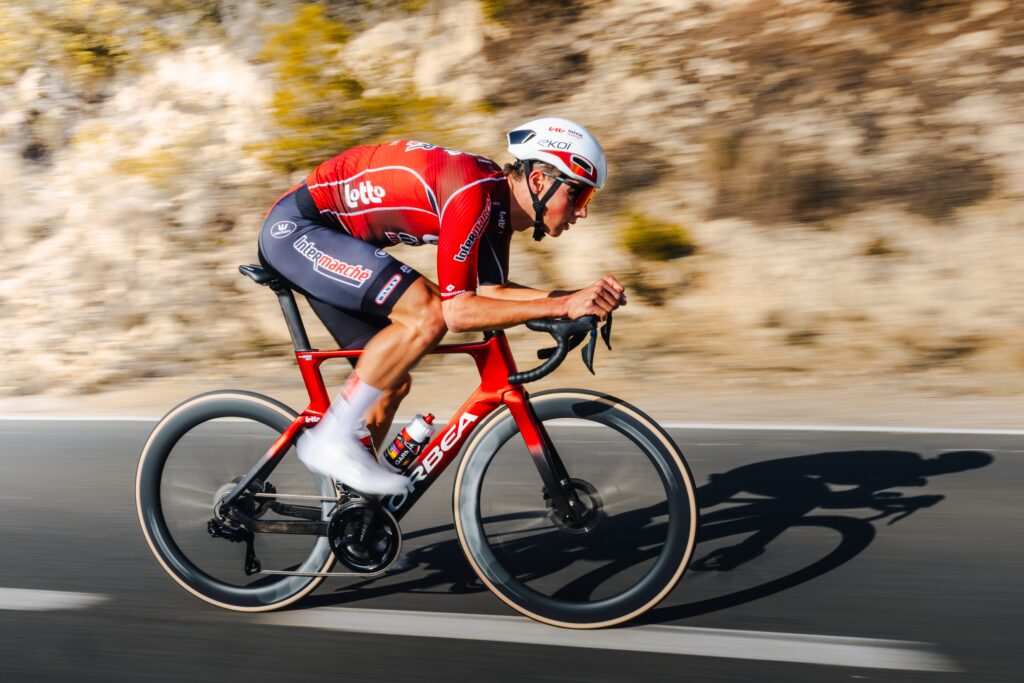
The latest flagship race bikes are longer, lower, and stiffer because that’s what the pros ask for. They are young, have good core strength, are flexible, and generally have very light upper bodies, meaning that they can ride in a radically slammed position for six hours or more.
You might not have youth, a strong core, good flexibility, or the light upper body, so copying the pros’ riding positions is not a great idea.
For the average rider, forcing your body into that shape just leads to lower back pain, neck strain, and a numb backside. An endurance or “all-road” geometry could actually make you faster on long rides because you won’t be in agony.
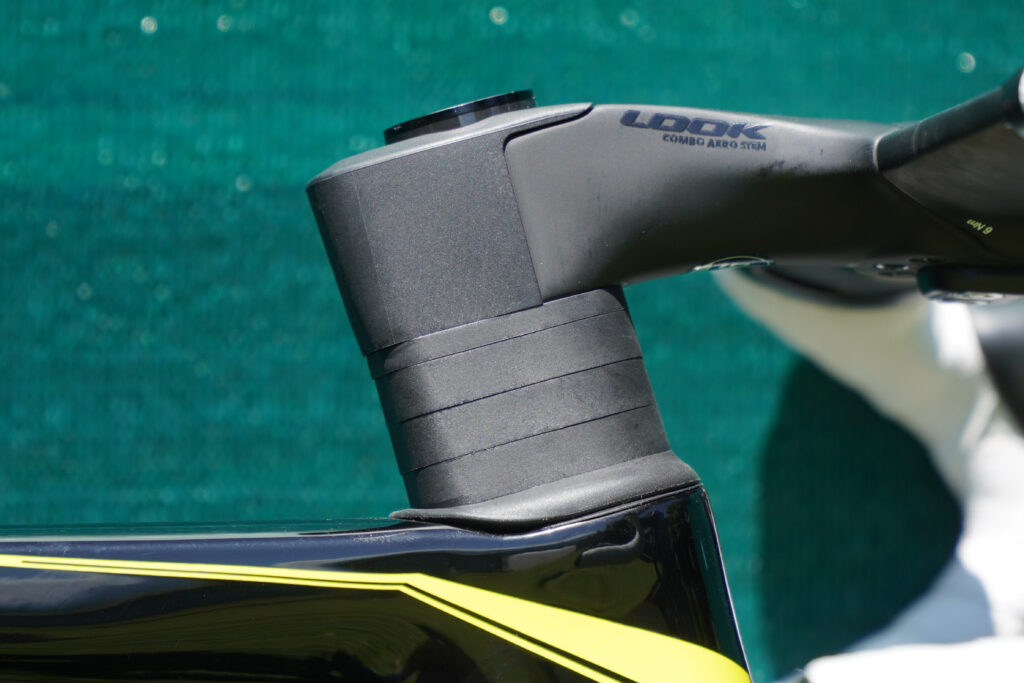
But some pros are also moving away from the slammed stem trend. In fact, lots of riders are adopting higher front ends for extra comfort in their aero position, and it’s easy to spot. Just look out for a stack of spacers under their stem.
Pro-Level Carbohydrate Intake

This one can go badly wrong, so don’t jump in at the deep end of carbohydrate intake.
Pros are now consuming upwards of 120 grams of carbohydrates per hour using highly engineered hydrogels and specialised drink mixes. This is essential when you are burning 5,000 calories a day at threshold.
Try doing this on a casual weekend ride, however, and you are highly likely to end up with a severe case of gastrointestinal distress. Your stomach needs to be specifically trained to absorb that much sugar under intense stress. For most fitness rides, real food like bananas, flapjacks, and standard sports drinks work beautifully.
Stripping the Paint
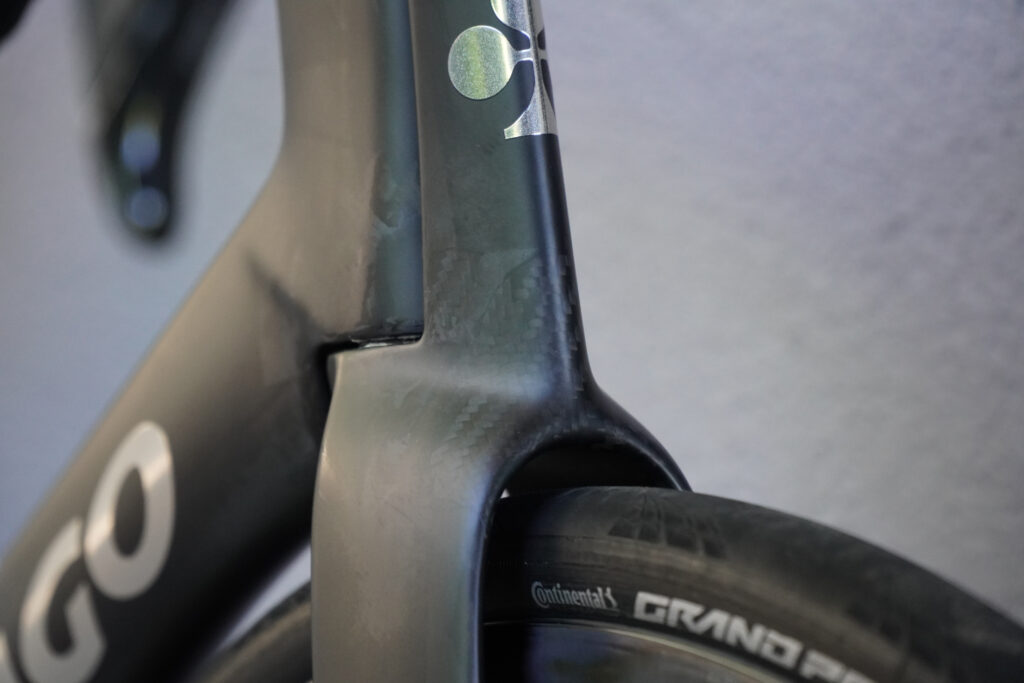
Look at the top GC riders’ bikes and you might notice something. Some of them have little to no paint, and there is one very good reason for this: Weight.
Take Pogačar’s Colnago V1-r. He rode a specially stripped-down bike for last year’s mountain time trial and he hasn’t looked back since. His Colnago sits a little bit above the UCI’s 6.8-kilo weight limit, and in an effort to get this aero machine as light as possible, the paint has to go.
But it’s not just the leaders who have been given this treatment. Isaac Del Toro, Pog’s key domestique at this year’s race, also has a stripped-down bike.
Depending on your taste, this is either really cool or very boring, and getting this finish on your own bike could cost more than you think. So unless you’re a super speedy hill climber, sanding off your paint isn’t going to help.
Pro Tier Groupsets
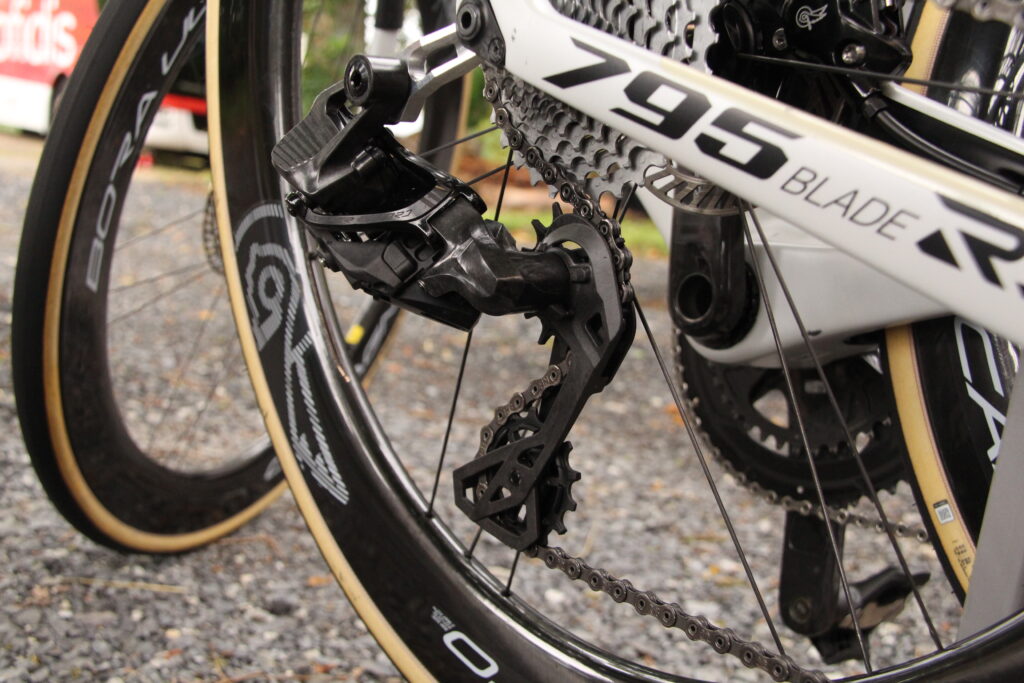
Shimano Dura-Ace, SRAM Red AXS, and Campagnolo Super Record wireless groupsets are absolutely lovely to use and look at. And to be honest, they’re not going to break the bank too badly if you want to buy them.
But when the parts wear out — as they do — replacing them can be shockingly expensive. Take a SRAM Red cassette, for example. £375 for a new one of those, and if you’ve been all fancy and followed the latest trend of 1x road drivetrains to be all aero, that cassette is £600. SIX HUNDRED POUNDS!
The performance gap between these top-end groupsets and mid-tier groupsets like Shimano Ultegra or 105 has never been smaller. Besides a bit of a weight difference, going premium here isn’t going to provide you with much of a performance boost at all.
Save your money and spend it on tyres…
Fragile Time Trial Tyres
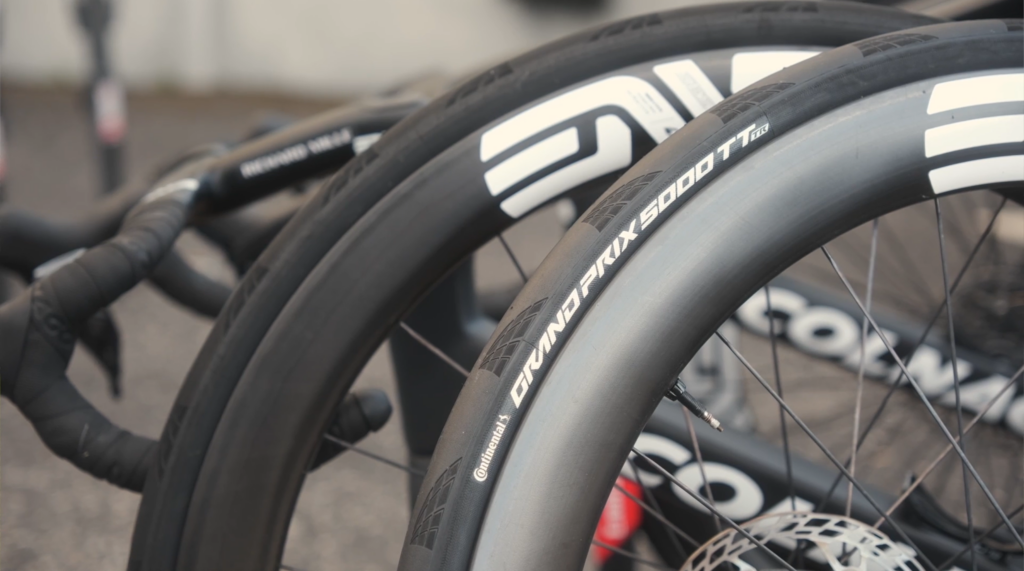
…But not these tyres.
We’ve seen the trend, for a few years now, of teams running featherweight, ultra-supple time-trial tyres for regular road stages to go faster. And it makes a difference. Hard data from bicyclerollingresistance.com shows that with these tyres, you will save a handful of watts.
But there’s a catch.
These tyres have tread so thin you can practically see through it, and they completely lack puncture protection. In a pro race, a flat tyre means a fresh wheel from a team car in five seconds. On your local lanes, it means sitting in a hedge in the rain, struggling with tyre levers and a mini-pump.
If it goes really wrong and you slash your delicate tyre, you’ll be waiting for a lift from your significant other, and they’ll probably be rather annoyed that you’ve ruined their Sunday.
There are loads of great road tyres out there — GP5000s, Vittoria Corsa Pros. Stick with them.
Aero Shifter Alignments
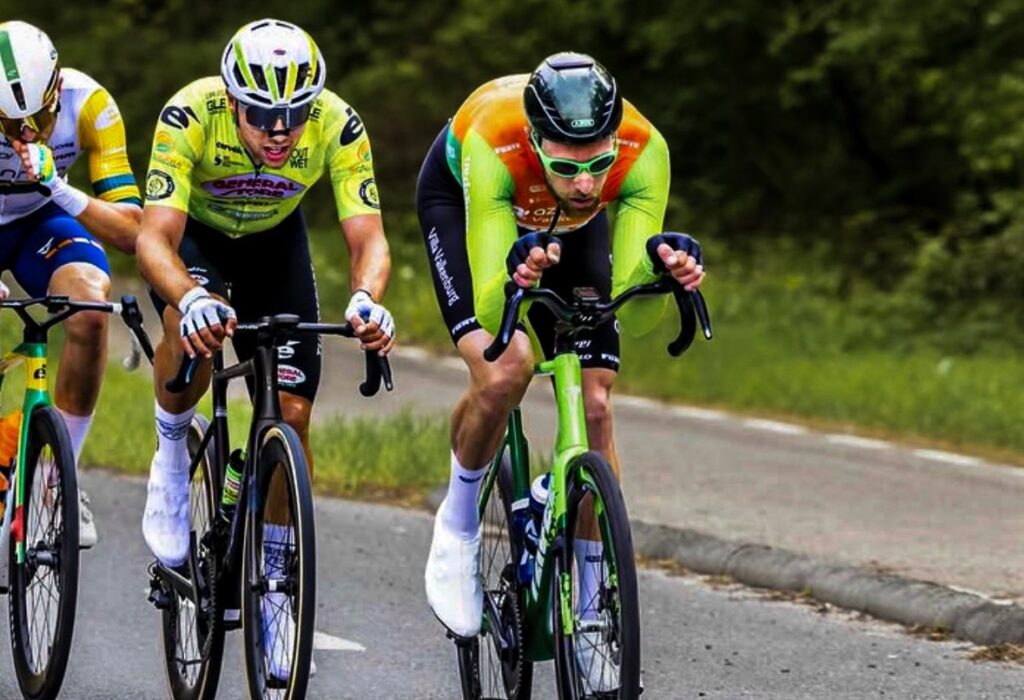
The trend of turning brake hoods drastically inwards to create a narrow, aerodynamic hand position is now heavily regulated by the UCI, but pros still push it to the absolute limit.
Turning your hoods in excessively can, for some people, make their bike handle in a very weird way. However, done correctly, this is a pro setup tip that can actually improve comfort and — if you can ride with a narrower front end for more than a minute — it’ll make you faster too.
The reason that we have it in our list of things not to simply copy blindly is that making this change is best done with professional help and a core stability plan. So, seek the help of a bike fitter and get ready to do some yoga; otherwise, it can be a pointless change.
Massive Chainrings

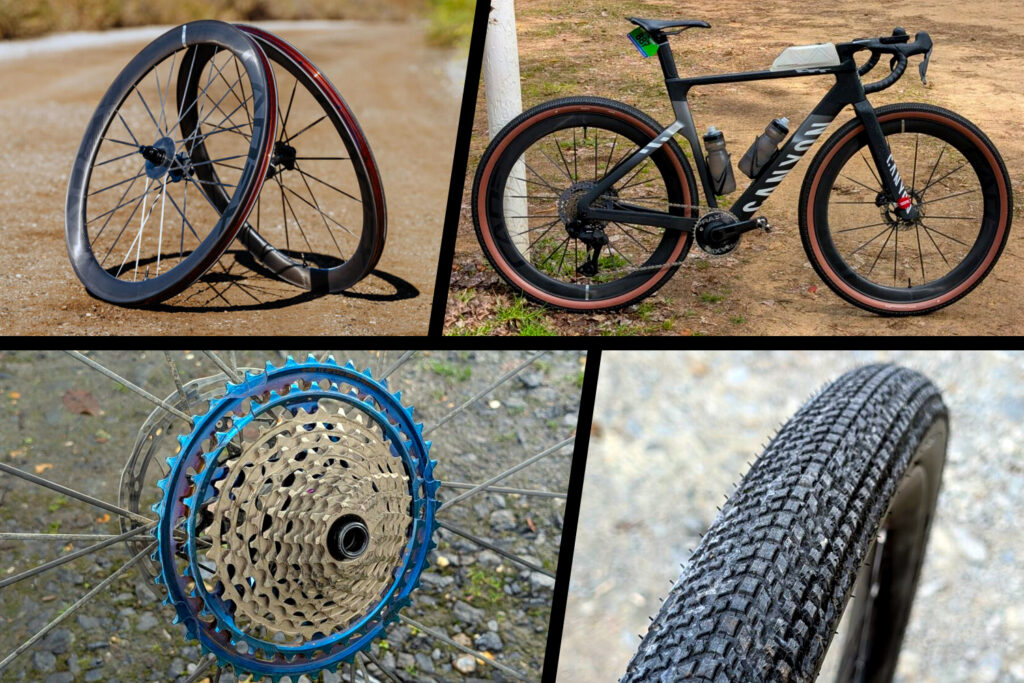
The pros are routinely turning 54 or even 56-tooth outer chainrings, and single-ring setups for flat stages. They need these monster gears because they are averaging 50 kilometres per hour in the valleys and sprinting at silly speeds.
But it’s not all about maximising the size of their gears. Riders use big chainrings for drivetrain efficiency. Keeping the chain towards the middle of the cassette is best for chainline efficiency, but single chainring setups can also be a little better for aerodynamics.
However, when it comes to our riding, we’re talking about some pretty inconsequential savings.
If you bolt a 56-tooth single chainring to your bike, you will simply run out of gears the moment the road points upwards, forcing you to grind up climbs at a knee-cracking cadence. Stick to a compact or semi-compact setup.
Full Ceramic Bearings
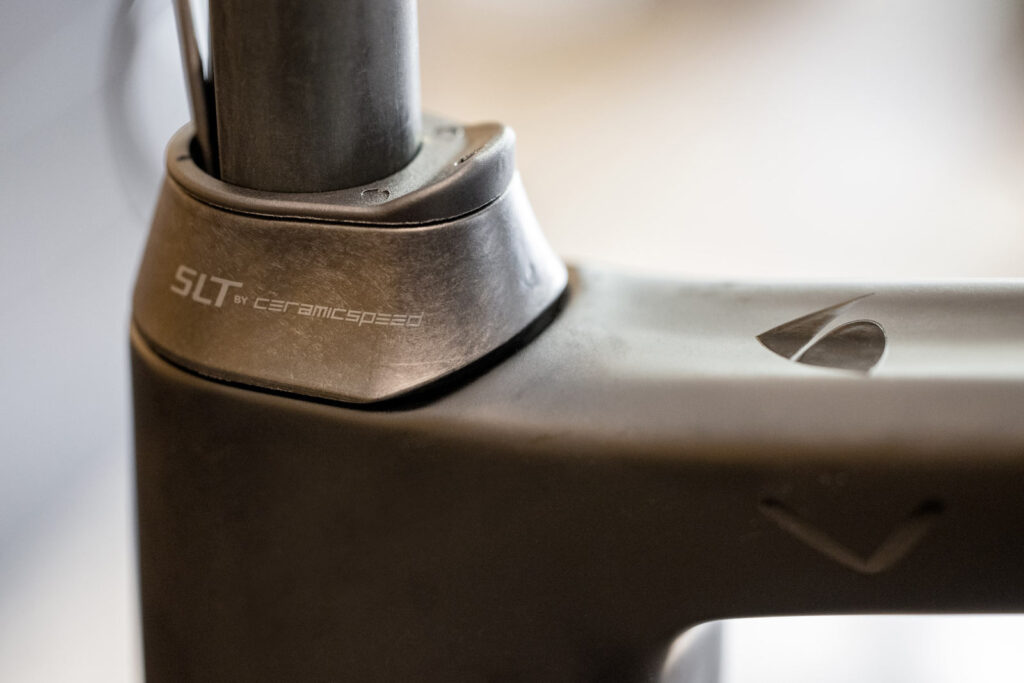
Pro bikes are packed with ceramic bearings in the bottom brackets, hubs, headset, and jockey wheels to chase every fraction of a watt. What the marketing glosses over is that high-end ceramic bearings require meticulous, frequent servicing — especially if you ride in all weather, as they are prone to contamination from road grit and rain.
They can also cost a small fortune which, when put up against the small gains, makes them a rather hard upgrade to recommend. Good quality steel bearings are far more durable, much cheaper, and realistically just as fast for non-professionals.
One-Piece Fully Integrated Cockpits
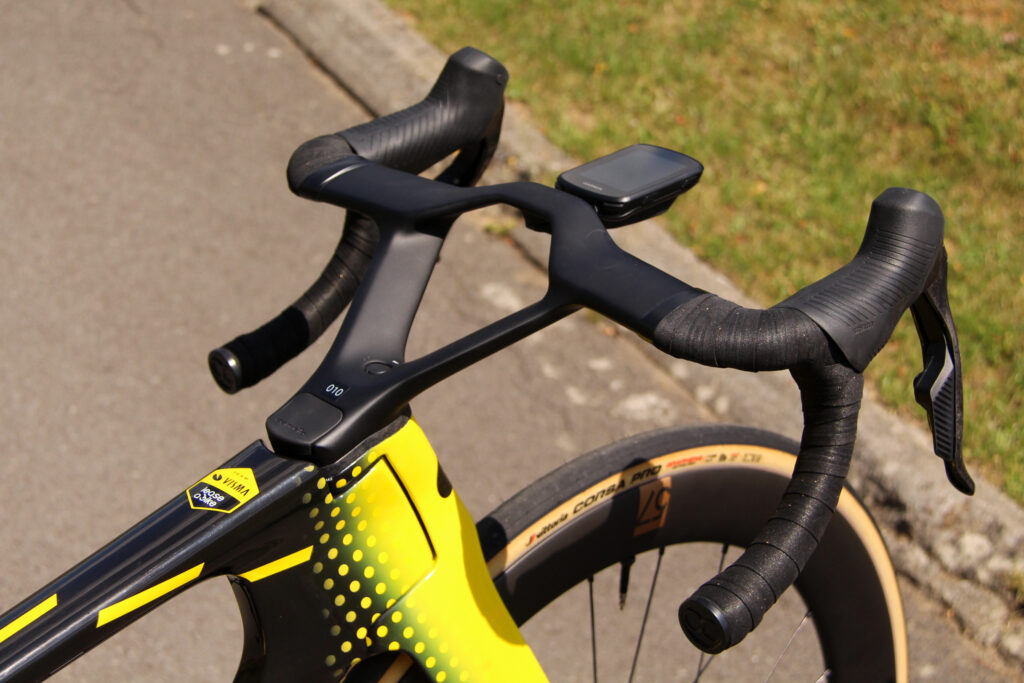
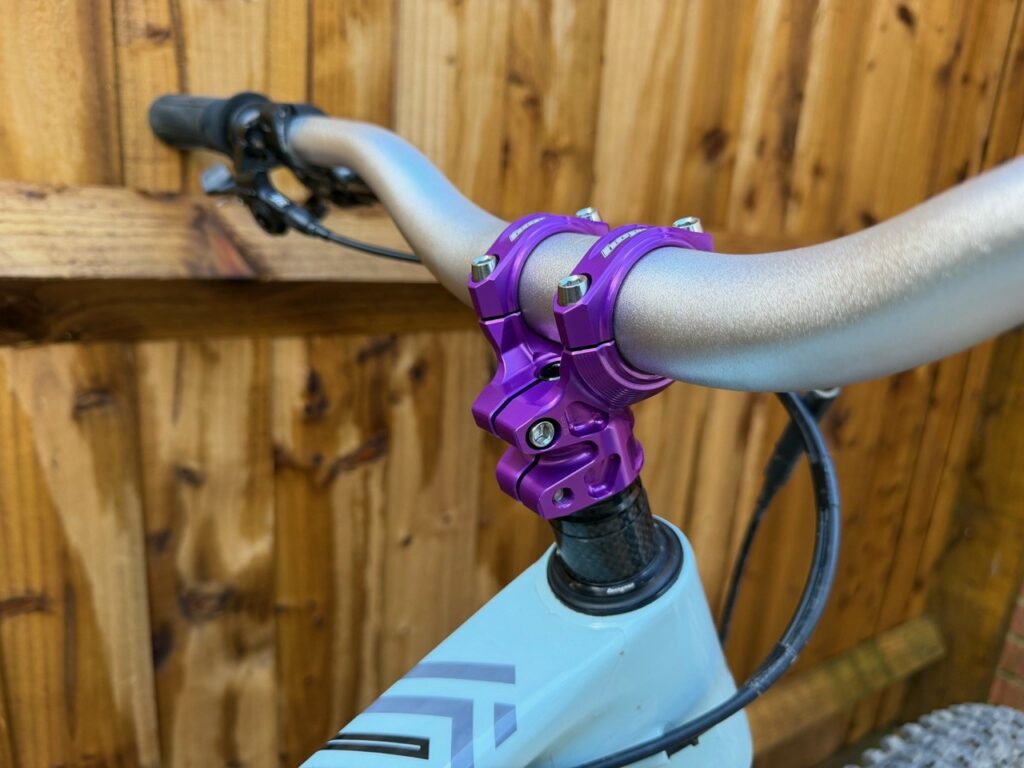
An integrated carbon handlebar and stem looks beautifully clean and saves a tiny bit of drag. But it can make bike fitting a nightmare. If you need to change your stem length by 10 millimetres or adjust your bar width, you have to buy a completely new, incredibly expensive one-piece unit and completely re-route all your hydraulic brake hoses.
Now, to us, that’s a great way to spend the evening, but you might be able to think of better ways to spend a Friday night.
Regardless, fit is absolutely massive for your comfort on the bike, so we wouldn’t compromise with whatever sizing the brand has chosen for your bike size. Get a bike fit and work out what you actually need. Unless you get very lucky, traditional separate bars and stems are infinitely more practical, though we will admit that we do love the look of those integrated front ends.
Overly Deep Wheels
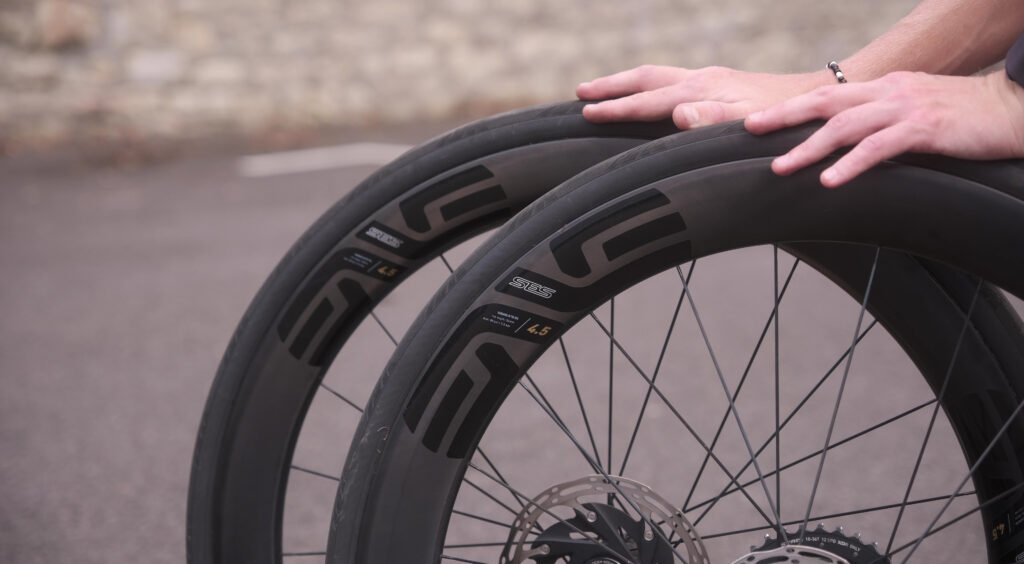
Teams love running 60-millimetre deep wheels on almost any stage that isn’t a pure mountain pass. They look fast and sound amazing, but they can be a handful in the real world.
If you live anywhere with unpredictable weather, a sudden gust of crosswind on a descent will catch a deep front wheel like a sail, pushing you about a bit.
If you’re not used to riding deep wheels, a versatile 45-millimetre depth gives you plenty of aero benefit without the stressful handling.
Complete Elimination of Visible Cables
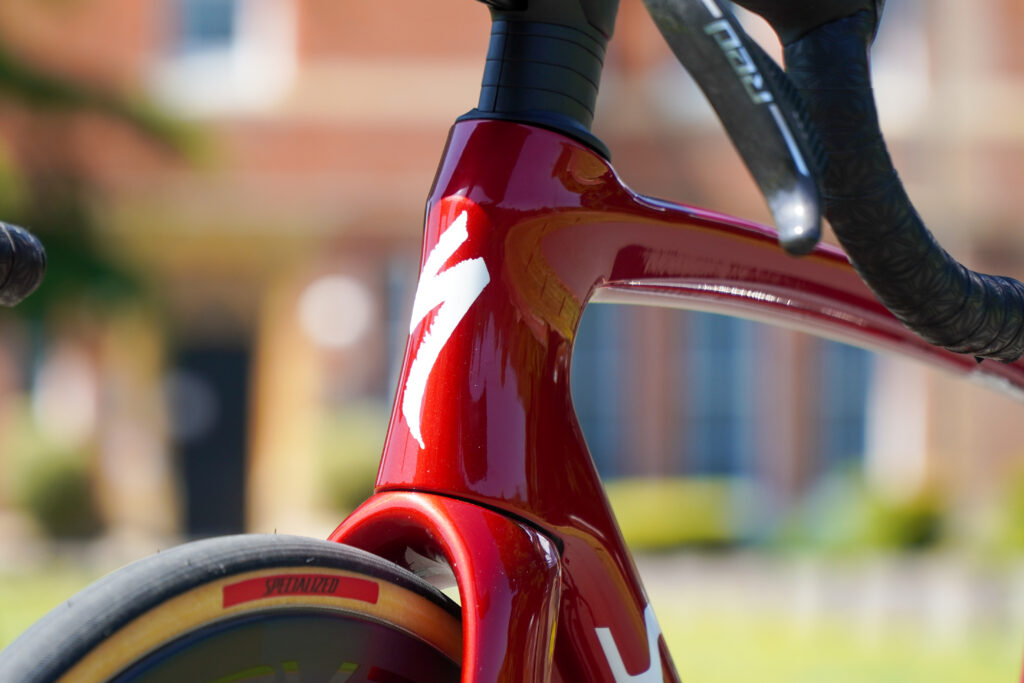
And we’ll finish with one that is almost unavoidable if you want a new bike these days.
Every single modern pro race bike hides the hoses inside the headset. While it looks sleek, it means a basic headset bearing replacement—which used to take 10 minutes—now requires disconnecting the hydraulic brakes, bleeding the system, and threading lines through the bar.
If you do your own bike maintenance, we’d say look for frames that still offer sensible, semi-internal routing where the cables enter just below the stem, but these are few and far between now. So you might just have to bite the bullet on this one.
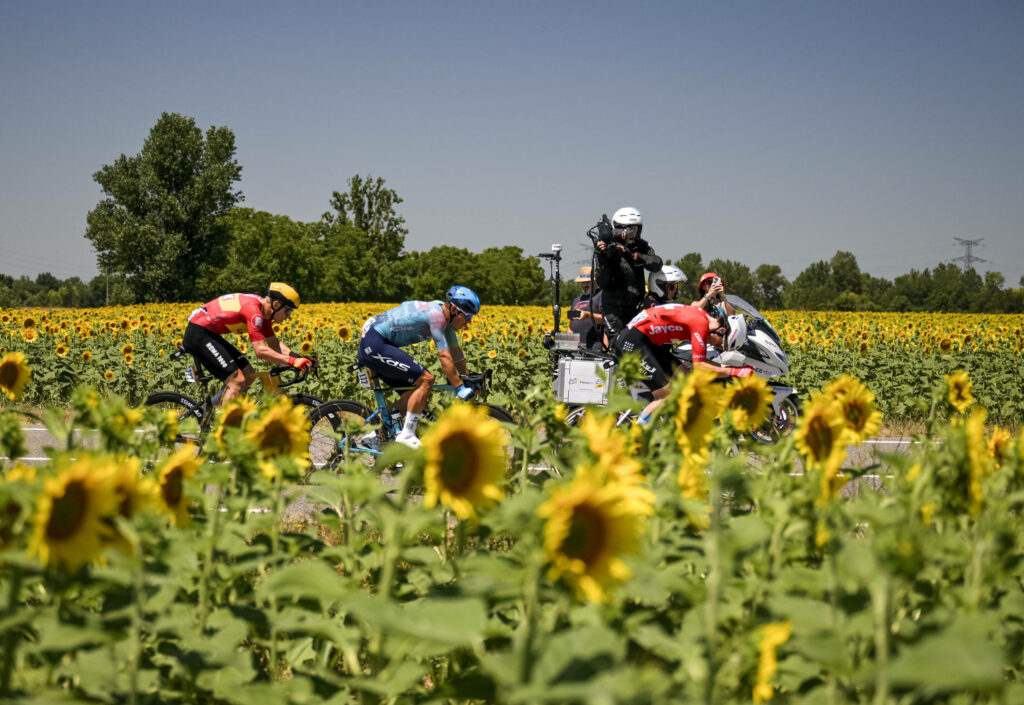
Let us know whether you agree or disagree with these choices in the comments section below.







4 thoughts on “12 cycling trends NOT to copy from the Tour de France pros — do we really need slammed stems, ceramic bearings and integrated everything?”
You forgot to include giving yourself a dose of heatstroke by riding all day in mid-40s temperatures.
Nothing wrong with large chainrings – in fact, big to big is way more efficient so, use a big chainring and bigger cassette sprockets – it’ll freak out your mates and allow you to pedal more smoothly and replace your chain less often!
Most of them are at least choices you can make when you buy a bike. Internal routing isn’t really avoidable. It offers me nothing except a pain in the arse. Bikes are harder to maintain, harder to transport, and all for an aero gain I’ll never get and a ‘clean’ look I don’t care about
And the manufacturers all proclaim it like it’s a good thing, and we’re all out there racing and with our 400w FTP 🙁
54T is NOT a monster chain ring.