



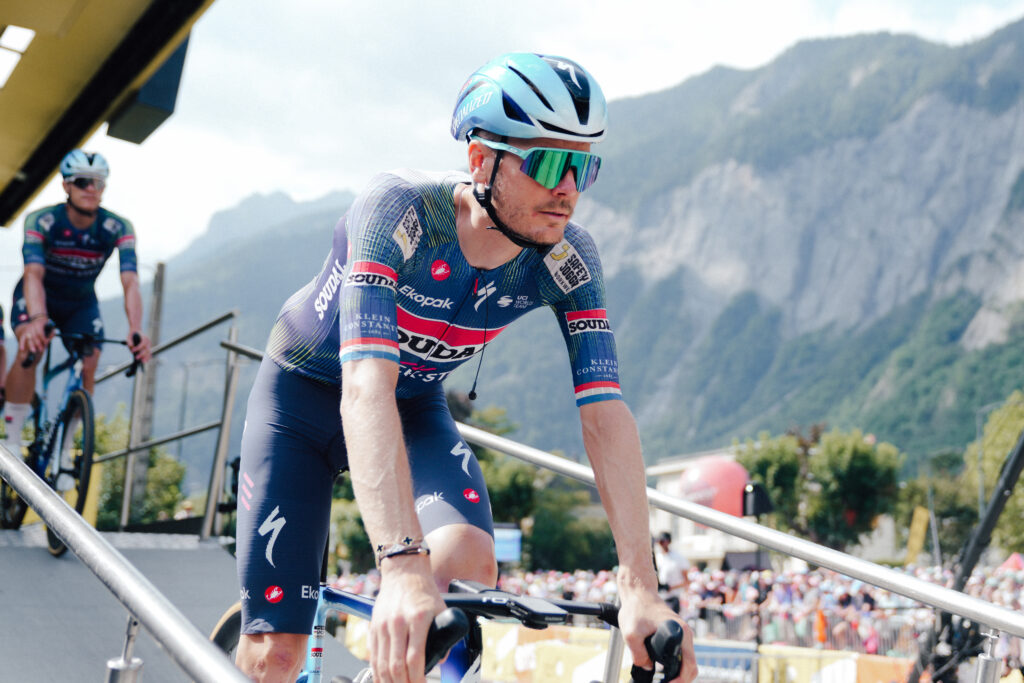
After a difficult few years, punctuated by the lukewarm response to 3T’s brief assault on the pro peloton in the late 2010s, 1x drivetrains have become increasingly popular on road bikes in recent times, buoyed by their appearance at this year’s Tour de France and world championships on the bikes of Jumbo-Visma riders like two-time yellow jersey winner Jonas Vingegaard.
But are we witnessing another disc brake-esque revolution in bike technology and how the humble road bike is traditionally set up? To find out, we’ve been putting in the miles comparing single and double chainring setups, in order to find out whether the ever-divisive 1x really is a viable alternative for gain-seeking, road-going amateurs…
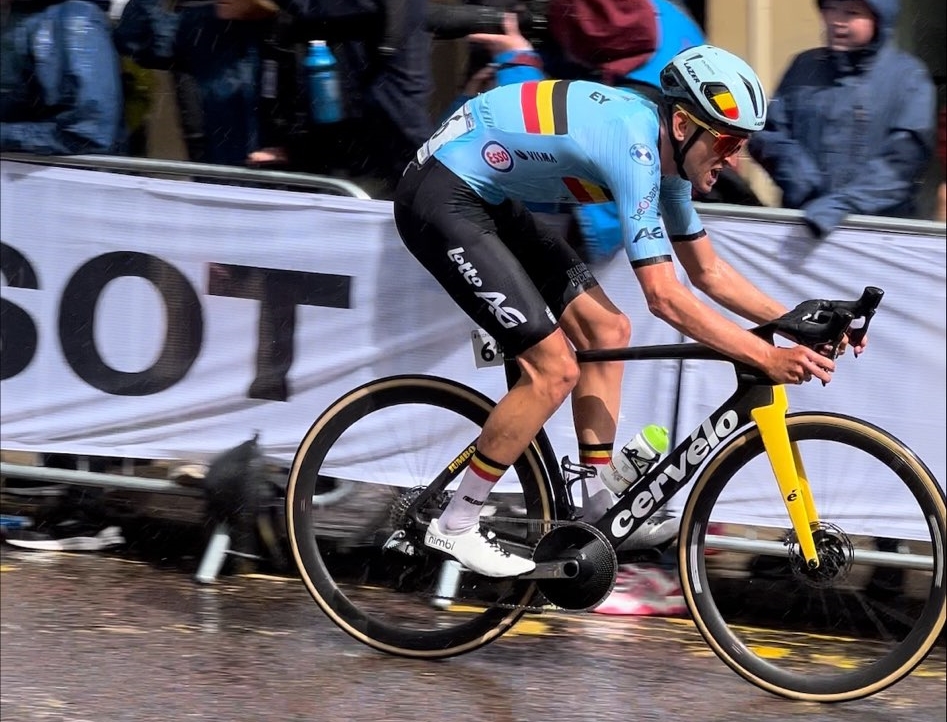
> Jonas Vingegaard uses 1x gearing for Tour de France opening stages
After watching defending champion Vingegaard opt for a 1x groupset during the opening phase of the Tour de France and just about all his Jumbo Visma teammates use one at this year’s world championships in Glasgow, you might be wondering if single chainrings do indeed represent the future of road cycling.
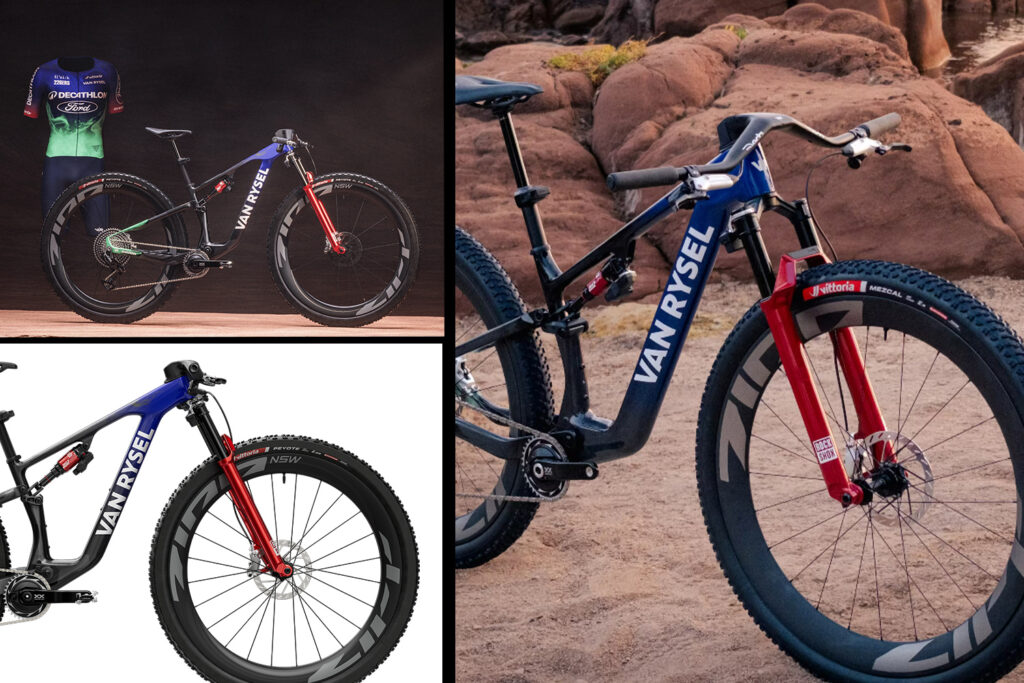
After all, new tech does tend to trickle down from the upper echelons, while the technology has proved very successful on gravel and mountain bikes (and this wouldn’t be the first time we’ve nicked tech from our muddy counterparts, of course).
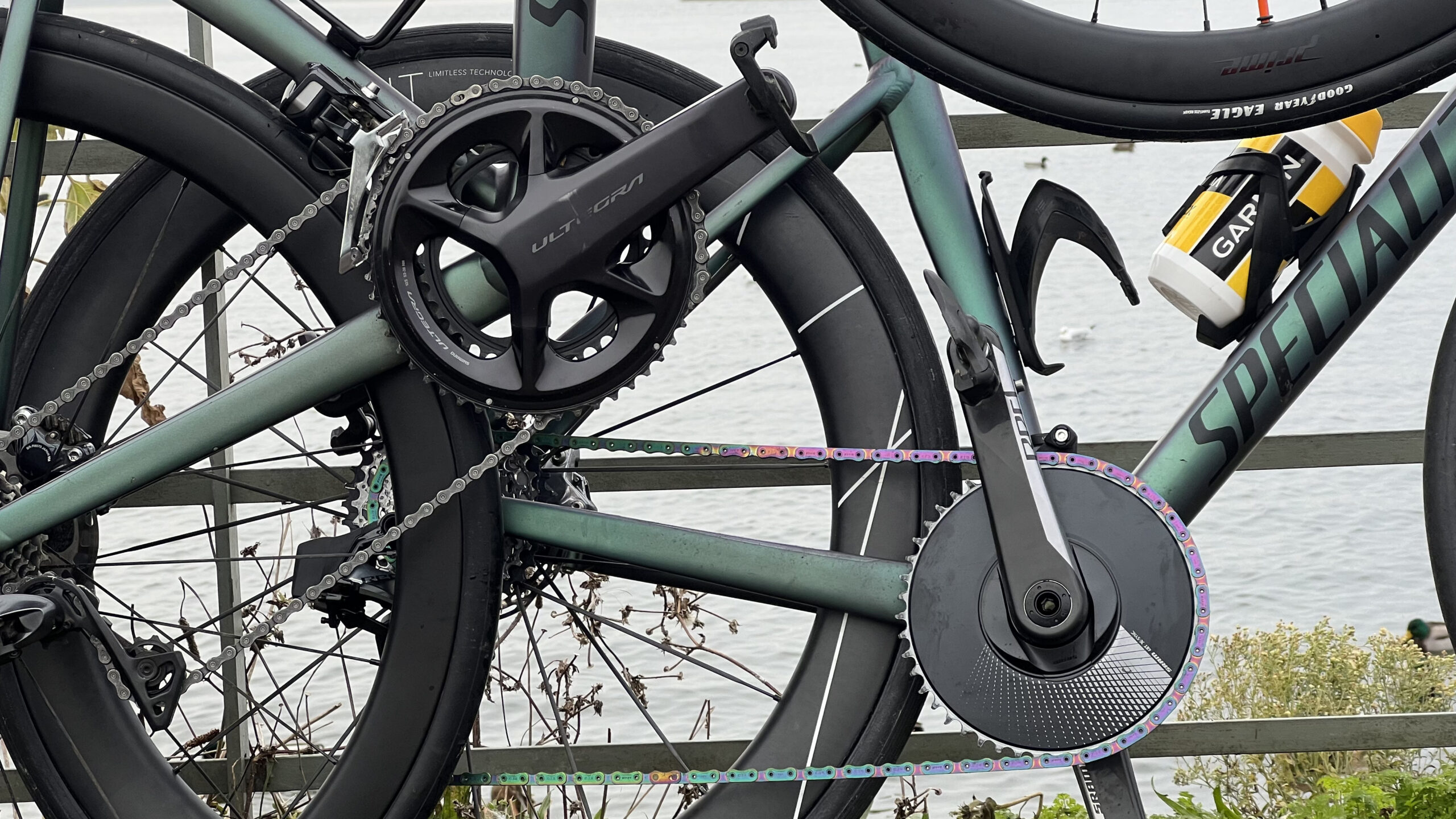
So, to find out once and for all if 1x is finally at a point where it’s a genuine competitor to the trusty double, I’ve switched my own bike, a Specialized Allez Sprint (below), over to a single chainring setup as part of a head-to-head road test that will put both systems through their paces, and determine the advantages, disadvantages, and important things to consider if you’re feeling swayed by the 1x revolution.
The advantages of 1x on the road
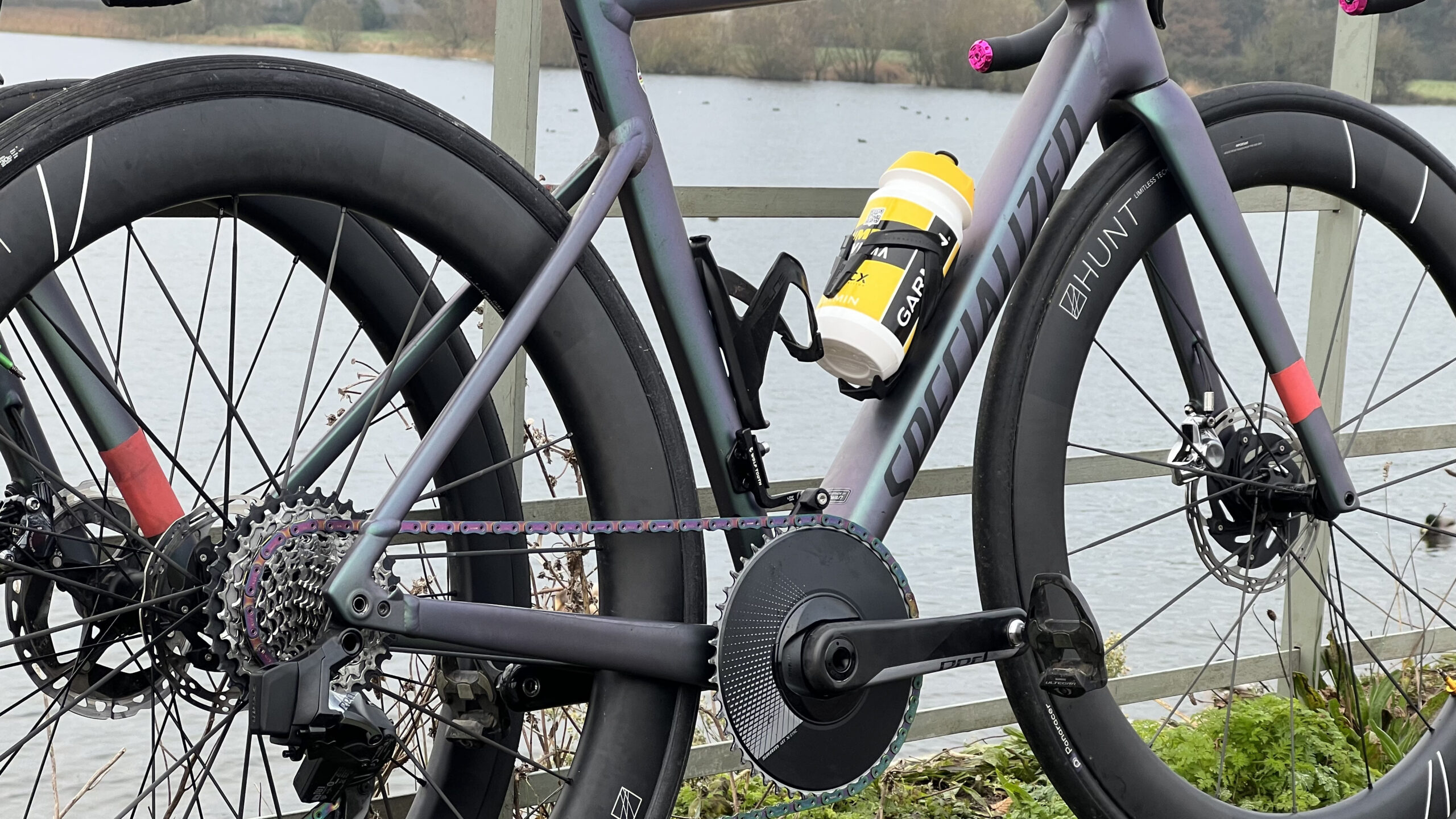
As we’ve mentioned many times before in previous articles, a 1x setup does bring plenty of plus points, especially to pro teams looking for every marginal gain (apologies).
And according to JP McCarthy, product manager at Sram, one of the main players in the 1x road market, there are four main benefits from swapping the traditional 2x for a single chainring set-up.
“First is the weight, as you eliminate the small chainring and the front derailleur, but it also depends on the size of the cassette,” McCarthy tells us.
“There is also a difference whether it’s a classics or a climbing day. On a classics day, if you combine a single chainring with a cassette that is wide enough to handle the day’s challenges, then you have a much more efficient shifting system, as there is no front shift.
“On a climbing day, you will have better efficiency as you’re using a bigger ring and a bigger cog size [more on that in a minute], which requires less chain articulation and results in some minor efficiency gains.”
The third main benefit, McCarthy says, is the aerodynamic advantage derived from removing the front derailleur and only having one chainring, while he also notes that chain retention is “better on 1x than 2x”.
McCarthy goes on to explain that other features that might appeal are the fact that a 1x system allows “less cross chaining at the extremes”, due to the single chainring being in the centre of where the inner and outer rings would sit, resulting in “simpler shifting” – “eliminating front shifts is a pleasure,” he says – and better aesthetics for the style-conscious among us.
The drawbacks
Clearly, if there were no disadvantages to using a single chainring on the road then this wouldn’t even be a debate, would it, so here’s a quick run-through of what we see as the main drawbacks:
For a start, you have fewer gears: typically 12 on the latest road bike, compared to 24 on a double-ring setup. Though as we’ll discuss in a minute, this might not be quite as bad as it sounds.
Bigger jumps between gears: To get the required range of gears to make it over steep climbs you generally need a larger cassette. This means you’ll have to put up with bigger gaps between each gear as you have fewer sprockets to satisfy the same range.
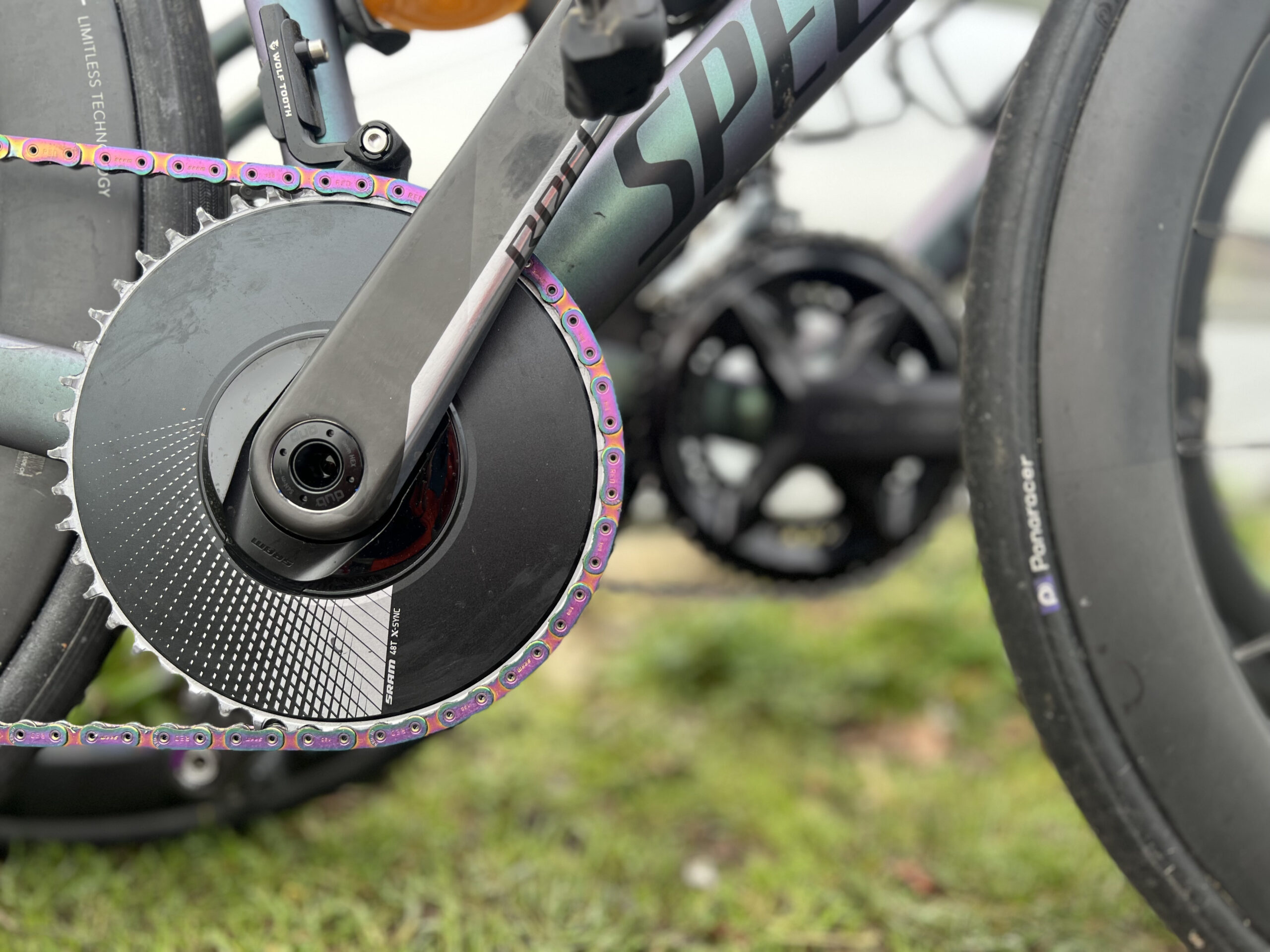
The weight saving isn’t exactly huge: We’ve done the maths on the Sram Red AXS setup that I’m running on my Allez, which saw 165g saved by ditching the front mech, while the 48T aero chainring is also 24g lighter than the Red AXS double setup.
However, on my set-up I also had to add 31g for the Wolftooth Aero chain guide and then an additional 35g for the difference between the Force AXS 10/33T I would normally run and 10/36T cassette required for the desired range on 1x. That results in a measly weight saving of just 123g – and the difference would be even less if I was using a Sram Red 10/33T cassette. (Sram doesn’t currently make a Red-level 10/36T).
And when asked about the potential aero saving Sram told us that the jury’s still out, despite the perceived aero gains from removing the front derailleur.
“We have data that indicates distinct advantages when the front derailleur and front derailleur hanger are removed. But quoting such data would be disingenuous,” they say.
“There’s far too much variation in that area of the bike to state any numbers with confidence. Although there’s an aero advantage to removing the FD, we encourage those who stand to gain the most from 1x performance advantages (i.e. professionals) to use a chain guide, which negates most of the aero benefits.”
1x vs 2x
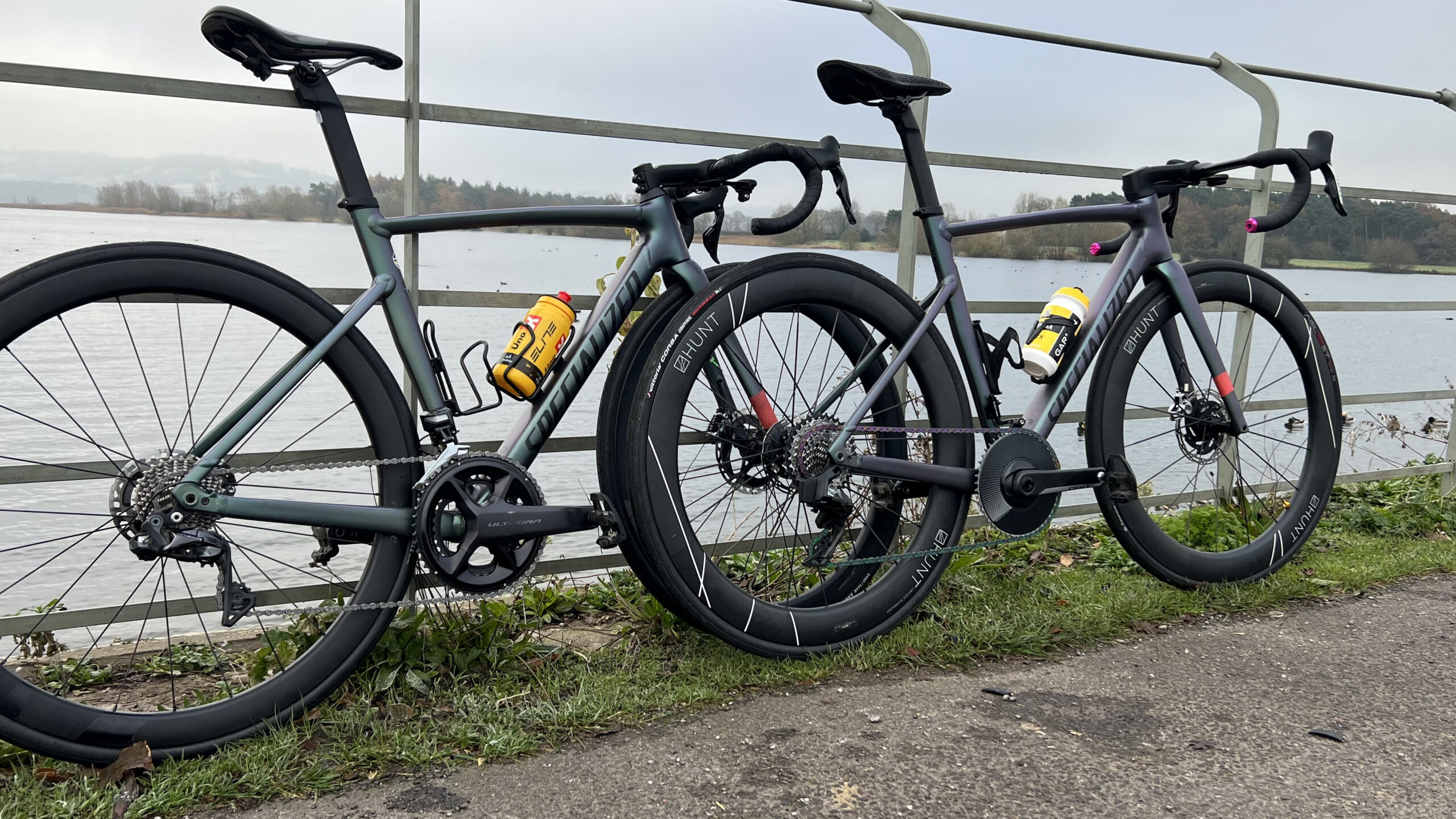
With plenty of advantages and disadvantages then, what this debate really needs is a good old-fashioned road test – and that’s exactly what it got!
To help me out, my mate Tom, a firm 1x sceptic, brought along his matching Allez Sprint (he copied me) equipped with a far more conventional Shimano Ultegra semi-compact double-ring setup.
In his words (which may or may not have been spoken from a platform framed by cascading 1980s bike componentry): “It was time to put a stop to this nonsense – road bikes should have two chainrings. It gives you a greater range of gears, it means there are smaller gaps in between the gears and oh wait, it’s worked perfectly fine for, well I don’t actually know how long, but a really long time.”
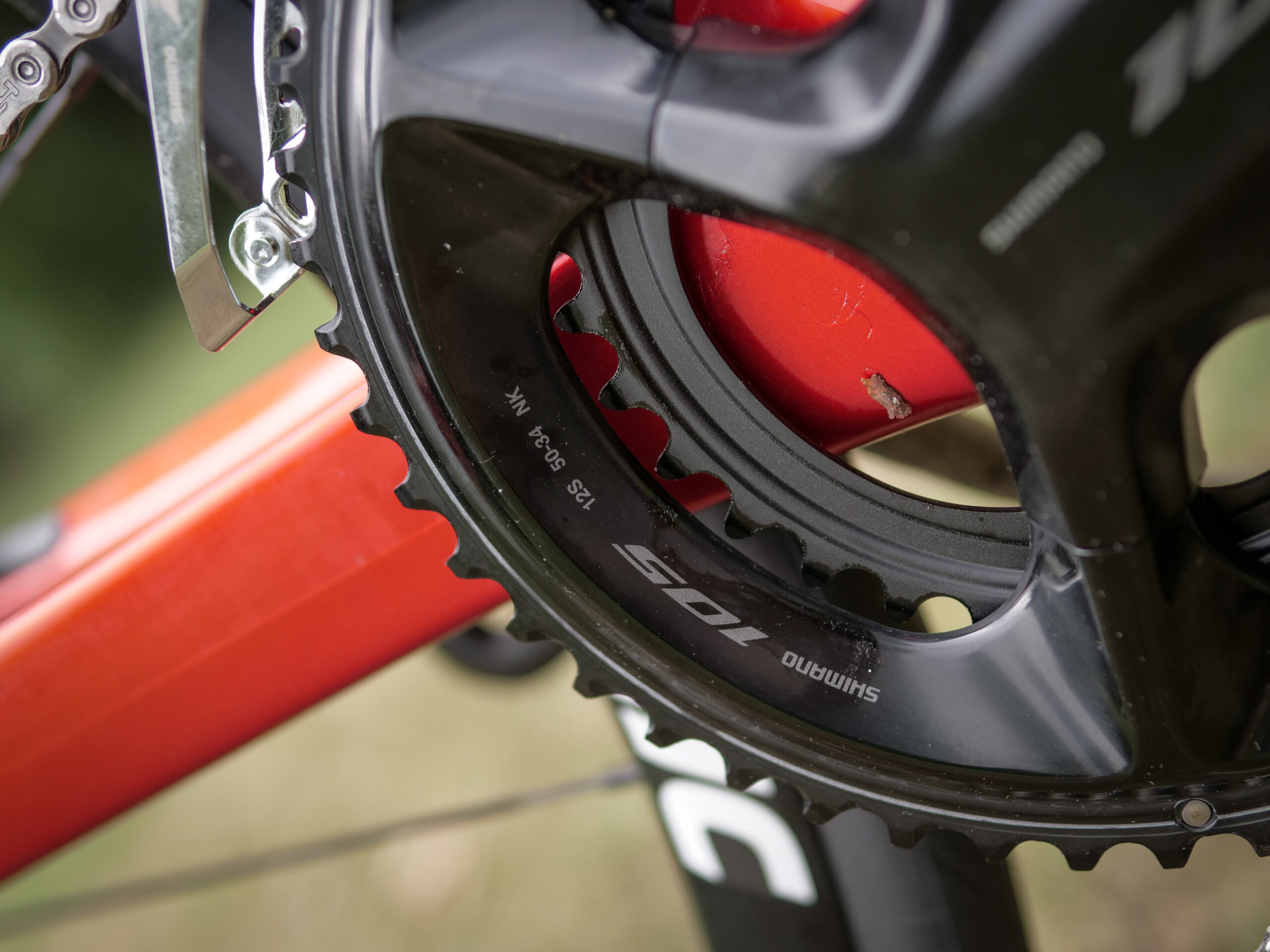
Meanwhile, as the final few strains of the national anthem faded into the breeze, all I was hearing was that he was stuck in the past and probably still thinks that downtube shifters are the pinnacle of cycling technology.
Could I convince this steadfast traditionalist that 1x is a very real prospect for road riding in 2023?
To make him slightly happier about the world moving on, I let Tom choose the route, and predictably it was hilly. But little did he know that I was well-equipped to cope with both the inclines and descents.
In fact, I soon managed to quash the misconception that I had any less range of gears – my 1x groupset actually had a greater range than his Ultegra, which was set up with a fairly typical 52/36 front chainring and 11-28T cassette. Oh, and here’s the maths to prove it…
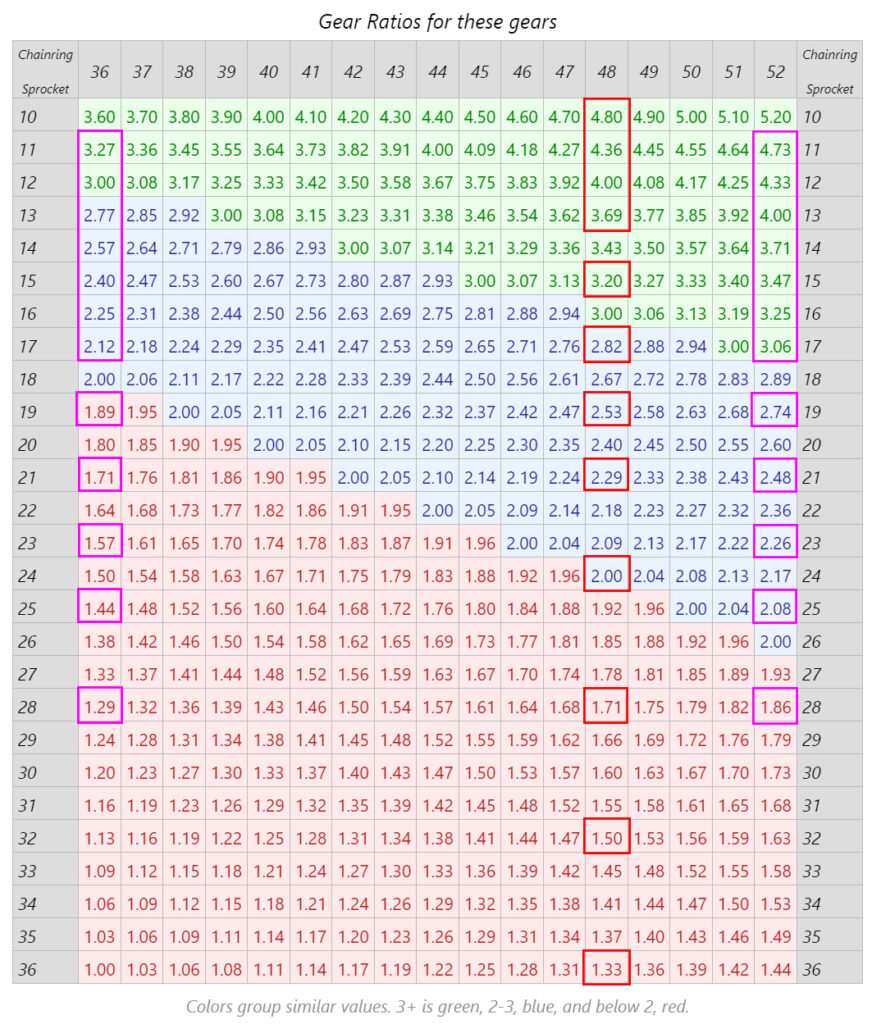
The numbers in the red boxes represent the gears that I have on my 1x groupset and the ratios in pink are the ones that Tom does. The difference between my largest and smallest gear, or in other words, the range, is 3.47, ever so slightly higher than the range of 3.44 of this particular double chainring setup.
I’m confident that, with Sram’s introduction of the 10T cassette sprocket, it is possible to get the required range on a 1x setup, no matter the terrain.
With a smallest gear ratio of 1.29, compared to my 1.33, Tom did have an ever so slightly higher cadence on the really steep stuff. However, on the descents I had the edge with a gear ratio closer to a 53/11 rather than 52/11. For day-to-day riding, I’d probably change my setup to a 46T ring at the front as it’s rare that I’m in a position of needing to pedal at 60kph+ when not racing.
You might have noticed that there are a lot more numbers with pink boxes around them than red, and this was the basis for Tom’s next argument, having been thwarted on the descents and hills.
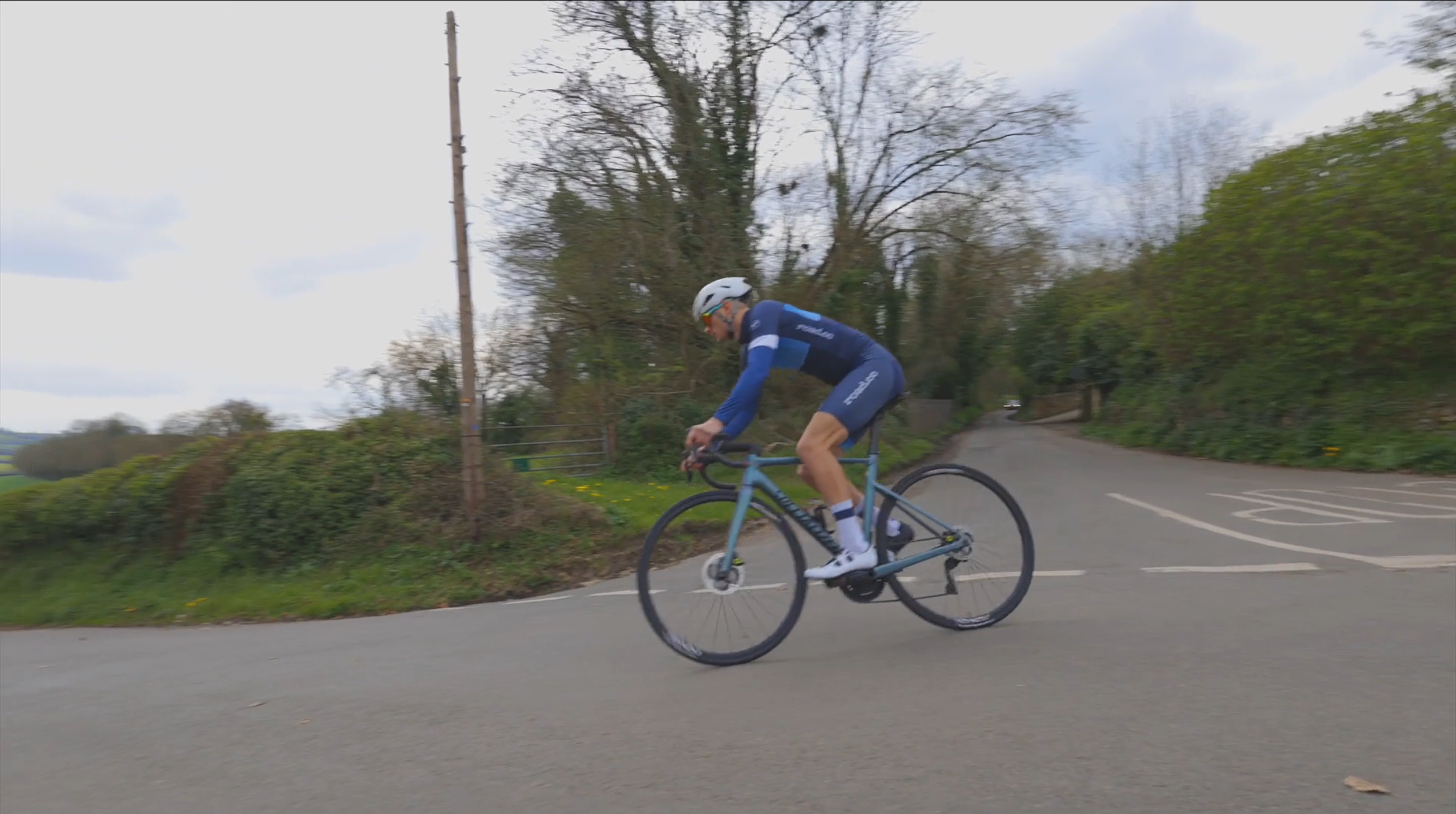
Tom’s double chainring R8070 Di2 groupset is equipped with 22 gears – a full 10 more than mine. That difference would be even larger if he was on the latest Di2 or Sram AXS groupset, but I was confident that he had less usable gears than he thought… let me explain!
Once again, looking at the table above you will notice that there’s a serious overlap between the ratios provided by the two chainrings. Yes, there are 22 unique ratios but how many of them are legitimately useful? For example, I can’t think of many people who actively ride around in the 36/11 – in fact, on most Di2 groupsets it’s impossible to select the smallest few sprockets when in the little ring.
A little overlap between big and little rings is useful, as it means you’re not constantly switching between the two chainrings, but the maximum number of upward shifts (selecting a harder gear each time) on Tom’s typical 2x groupset is 17.
Where do we go from here?
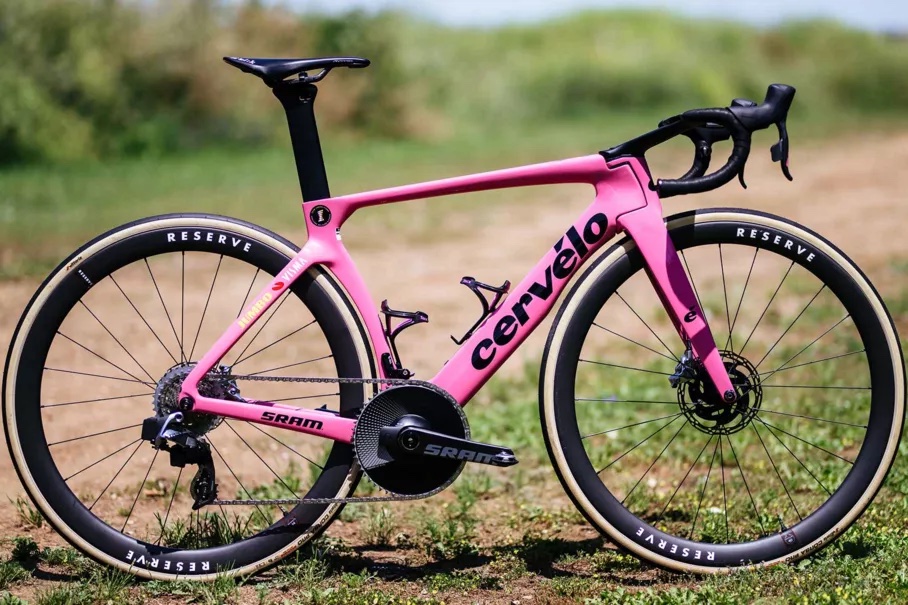
After a solid month or so of riding with the 1x groupset, I think I’ve managed to convince even traditionalist Tom that it is a viable option for most road rides.
But, to paraphrase a journalist from an entirely different industry, have I seen cycling’s future, and is it 1x?
Well, personally, I think that single chainring set-ups will become a lot more popular on the road, but I don’t think they’re going to emulate the phenomenon we saw with disc brakes, where the old, seemingly unshakeable tech was almost completely replaced in just a few years.
I’m confident that you will continue to be able to purchase 2x for the foreseeable future, if that better suits your riding.
Posing the same question regarding possible 1x world domination to Sram, who have made no secret of the fact that they’re big fans of the single chainring, product manager McCarthy told us: “In its current forms, I reckon we’ll see a modest increase of 1x usage on pavement for WorldTour (and those who aspire to the WorldTour) for specific cases, such as time trials, uphill time trials, relatively flat races. WorldTour teams have found advantages in a wide range of 1x setups to meet and exceed their performance needs. We expect to see more.
“More toward the middle of the consumer market, we anticipate seeing more ‘endurance/all-road/all-rounder’ bikes spec’ed with 1x as Original Equipment.”
However, he also noted that “we certainly don’t see 1x eclipsing 2x on road bikes, but 1x is increasingly popular amongst road riders for a wide range of reasons, from course-specific performance advantages to simpler shifting to aesthetics.”
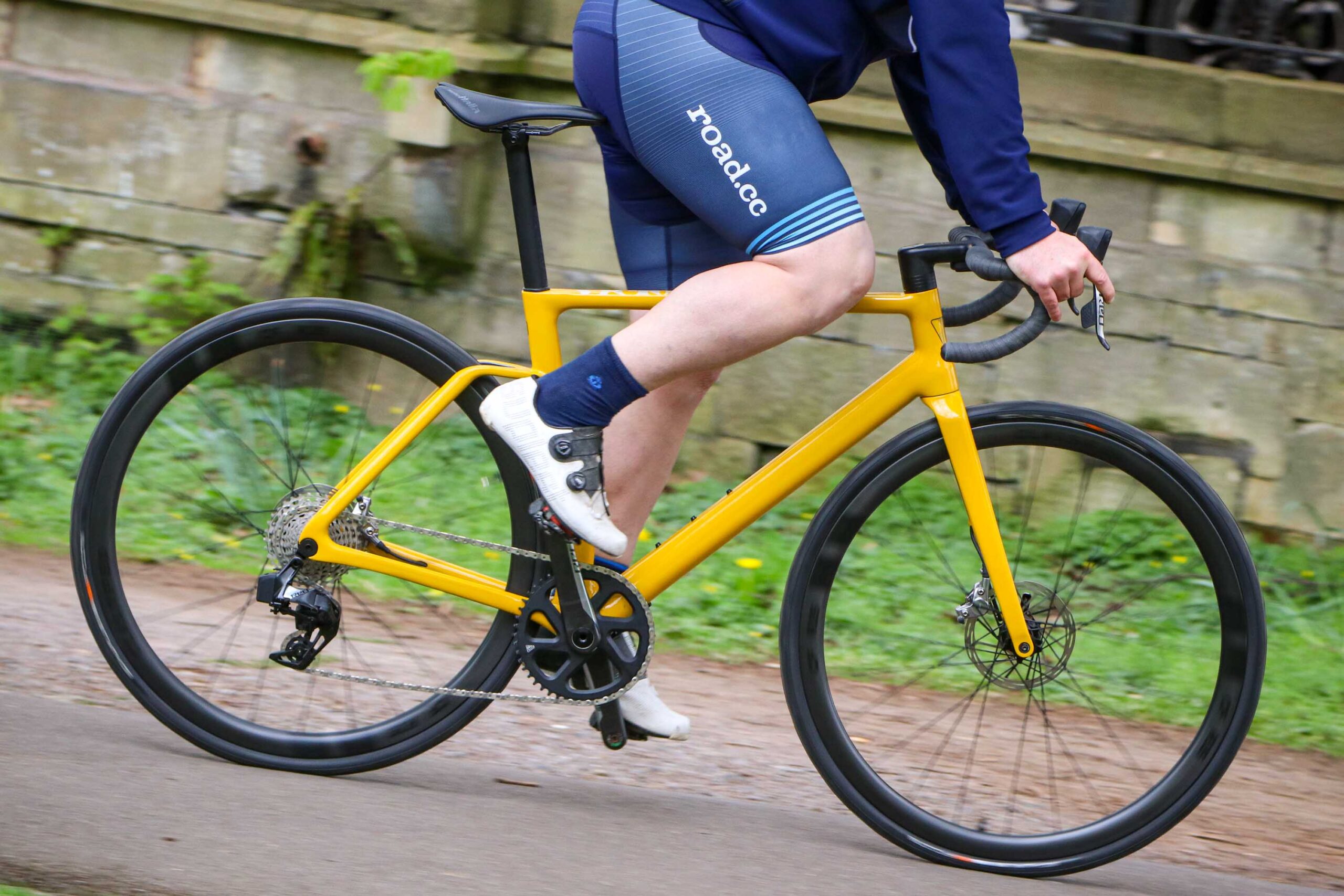
After using 1x for several hundred miles now, I’m sold on its benefits. For general riding I love the simplicity and the range is more than enough – in fact, it matches the 2x setup that I was running previously.
Me and Tom are pretty keen riders but I also think that 1x a sensible option for cyclists who ride less regularly. For example, the other day my mum borrowed a bike with 1x on it and asked why all bikes aren’t like this. My mum, bless her, is someone who is yet to understand that a bike is not meant to rattle or squeak and when it does you should probably change gear and not cross-chain (okay, there’s a debate to be had on whether cross-chaining is definitively a bad thing, but that’s for another feature).
Either way, with 1x it is quite literally impossible to cross-chain, and in this situation we’re told it is actually more efficient.
In my opinion, there are clear benefits to a single chainring whether you’re a professional racer, keen amateur, or a less experienced cyclist.
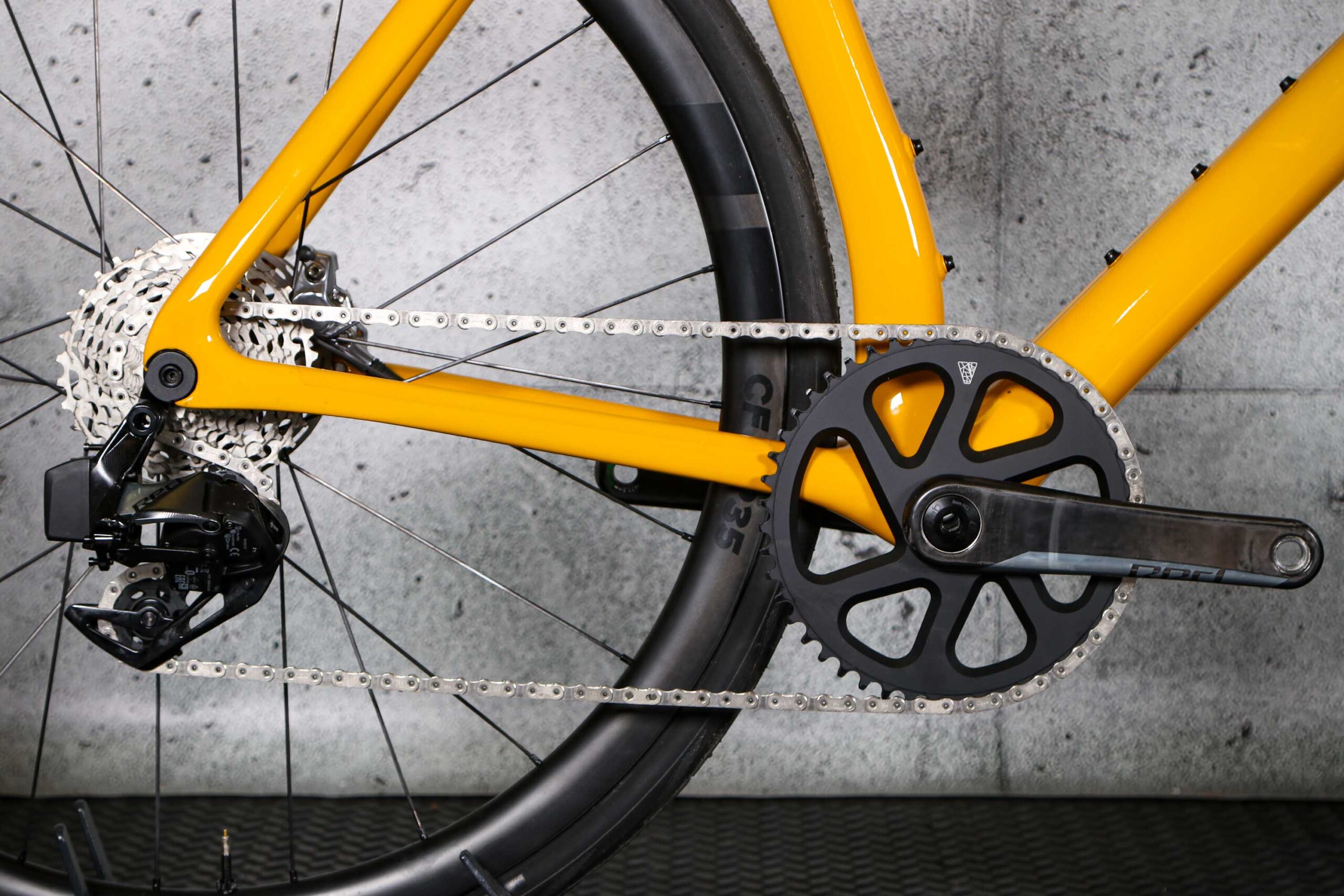
> Review: Vielo R+1 Alto SRAM Force e-Tap AXS
However, I did have one more question for Sram: Would my drivetrain wear faster when using a single chainring?
McCarthy says there’s “no difference between 1x and 2x chain and cassette wear”, though he was unable to give a mileage figure because “debris is a greater contributor to chain wear than miles” (just another reminder for me to clean my chain when I get home!).
The jumps between the gears are a little bit larger and that is undeniably a disadvantage. On most rides I didn’t find this an issue and could find a natural and comfortable cadence.
However, if I raced on this bike, then I would definitely opt for a smaller cassette to close up those gaps at the expense of some range.
This is something that Jumbo-Visma, who have been using the 1x system over the last year, know all too well.
When pressed on the matter, the Dutch team told us: “In the world of professional cycling, every small adjustment can be crucial for performance. We recently decided to switch to a 1x setup, a decision driven by multiple considerations.
“First, there’s the aerodynamic advantage. By removing the front derailleur (FD) and using an aero 1x chainring, our bike cuts through the wind more efficiently. Then there’s the weight advantage. Eliminating the FD and the double chainring means less weight to carry, which is always a bonus, especially on climbs.”
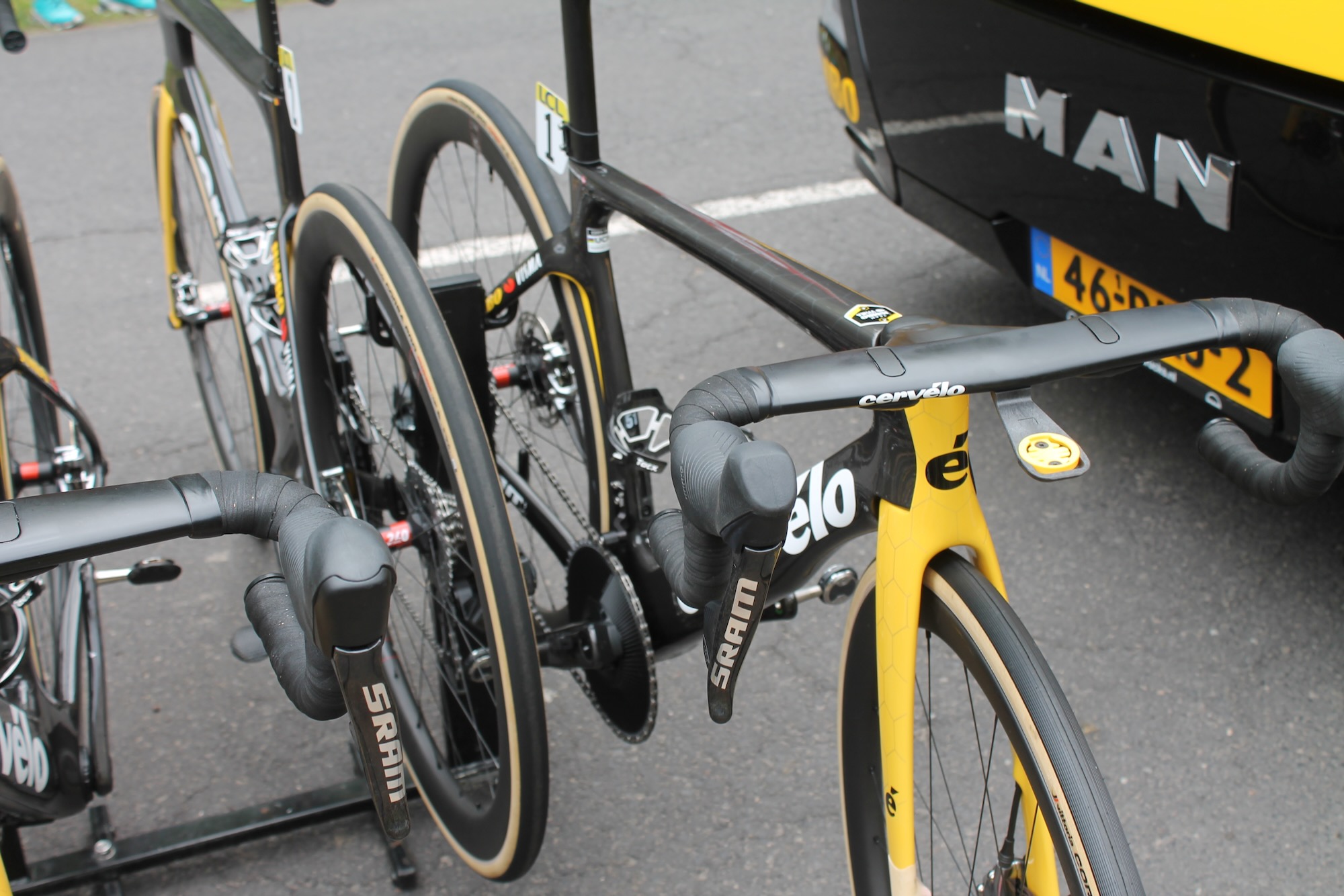
“But it’s not just about what we remove, it’s also about what we add,” they continued. “By opting for a larger cassette at the rear, we can fit a chainring that’s big enough for flat terrain and yet small enough to be effective on climbs. This approach means we often ride in a ‘big-big’ gear setting, which is more efficient than the ‘small-small’ combination.”
“Of course, with the 1x setup, we have fewer gear choices. But in practice, if the available gears are well-matched to the rider’s needs, the limited options are rarely missed.
“And let’s not forget reliability. Sram’s FDs are top-notch, but in a sport where every second and every risk counts, reducing the chance of mechanical problems by having fewer components is a tactical move. In essence, by choosing a 1x setup, we optimize our performance by improving efficiency, weight, and reliability – key factors in the race for success.”
Final Thoughts
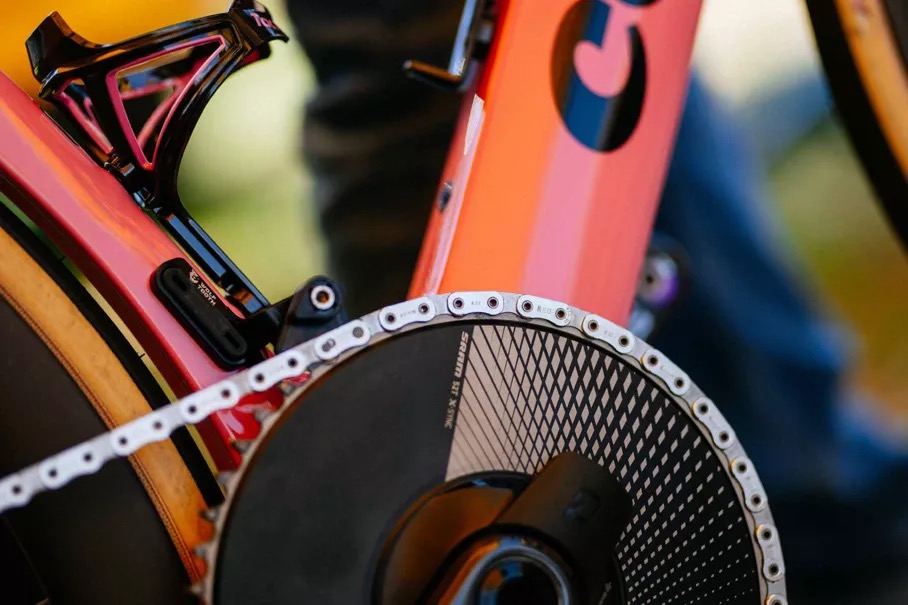
> Should you run a 1x set-up on your road bike?
Whether you’re a pro, an amateur, or a beginner, we reckon that over the coming years, there’ll be more and more bikes shipping with 1x groupsets. However, unlike with the transition to disc brakes – where there’s now a seriously limited selection of new rim brake bikes – we think that 2x will remain an option for a good while yet.
And that is the perfect scenario really, because what’s better than having choice? Even Tom will find it hard to deny that there’s not a time and place for single chainrings, and unlike previous 1x efforts (AquaBlue we’re looking at you) we are now at a point where it’s a very real option for road bikes.
In reality, 1x is not a perfect solution to road bike gearing, but then neither is 2x. On that setup, you’re lugging around six or so gears which aren’t even useful to you – and at least with 1x every gear on the cassette is useful!
Let us know in the comments section below whether you’re intrigued to make the switch on your next bike…











70 thoughts on “1x vs 2x: Are single chainring set-ups the future of road cycling or just another marketing fad?”
“In reality, 1x is not a
“In reality, 1x is not a perfect solution to road bike gearing, but then neither is 2x.”
Agreed. Long live the triple!
Glory days totally not like
Glory days totally not like today’s whinge bags “omg I couldn’t possibly have that extra 5 gram in weight ruining my time” ???
#peddling_unrealistic sponsored by UCI
Born_peddling wrote:
The problem with triples was never the weight. It was finding a mechanic who could do a decent job adjusting them.
2x for real world riders is
2x for real world riders is hamstrung by the constant copying from the pros who put out double or triple and more the watts of you and me, and going on from there, by the offerings of the component manufacturers.
Run a subcompact double like 44×26 with a 12-30 or something cassette and you have the perfect setup for every terrain and kind of riding you might do. (If you miss a gear allowing you to do sprints at 70km/h, you should try out as a pro).
I ride a triple too and when
I ride a triple too and when I was a stronger rider I used the whole range since it is hilly where I am.
But now I am (more) lazy both to ride fast and frequently clean the bike, I would definitely go for something 1x. And probably a Chinese brand like Sensah or Ltwoo to reduce costs, and I am sure that compared to my existing drivetrain it would probably seem like a Mercedes. But my existing drivetrain seems like a custom Rolls-Royce compared to the friction shifter era bike I started with, so my triple setup, if not big problems show up, has not real excuses to leave my bike, even if it gives me a little extra trouble in cleaning. I don’t know though how marketing resistant I may be in the future.
After watching the pros, I
After watching the pros, I might be wondering if single chain rings are the future… or I might remember that pros have mechanics to switch chain rings (and cassettes) to suit each stage profile.
I won’t be changing to 1x,
I won’t be changing to 1x, and I won’t be moving to Classified, even if the cassettes no longer cost £100s each. I still have a triple on my ‘racer’ but that’s used less than 10% of the time I use the Vitus Gravel – and that’s not only because the cable disc brakes are so much better.
To each their own. I’m still
To each their own. I’m still in 2 x10 and 2 x 11 so not in a position to comment on 1x but not changing my setups any time soon.
I run a 1*10 set up on my
I run a 1*10 set up on my road bike. I love the simplicity and the range of gears isn’t that different, so many duplicates in 2* and 3* systems anyway.
How can you have a
How can you have a conversation about 1x and 2x and ‘the future’ without mentioning the new Classified internally geared rear hub?
I put Campag Ekar on a bike
I put Campag Ekar on a bike for this year and I’ve done a lot of road riding on it. Ekar is 1×13 and I have it set up as 40 x 9-42. It works very well for road. I could maybe do with an intermediate sprocket for riding at about 30kph but that’s being really picky. For me 1x is not a revolutionary advance but it’s pleasingly uncomplicated and makes washing your bike around the BB much easier!
Marketing fad.
Marketing fad.
(And downtube shifters do have many advantages.)
I ride a hybrid, not a road
I ride a hybrid, not a road bike, and I’m a utility cyclist and commuter rather than a recreationalist or a roadie. My bike has triple chainrings, but I almost never use any ring other than the middle one. I could almost certainly cope with a 1x setup…
McCarthy says there’s “no
McCarthy says there’s “no difference between 1x and 2x chain and cassette wear”,
I’m surprised about this. Some of the benefits of a 2x set-up is that you can maintain a better chainline most of the time, there is less chance of the chain coming off because of the cage on either side and the chainring on the other, and that if the chain does comes off you can get it back on without getting your hands dirty. A 1x will have a worse chainline at either end of the cassette than a 2x, and will invariably need a guide to stop the chain coming off the front.
I agree, it is very
I agree, it is very surprising to be told that.
You will inevitably spend more time in compromised chainlines on a 1x than a 2x… well if you are riding in mixed terrain. That chain cross over is likely to cause additional friction, which in turn will cause wear.
But where wear is most relevant for me is the chainring. Inevitably a smaller ring wears faster than a bigger ring as angles are greater and load shared across less teeth. Add to that, a smaller ring will require more time towards the bottom of the cassette on the flat / downhill, increasing chain cross over and increased friction / wear.
I was incredibly frustrated by the chainring wear on my Ekar groupset, and was relieved to go 2x on my gravel bike. Would not go back.
Quote:
Eh… I think Dylan Johnson and Silca had something to say about this on a recent podcast, yeah being in the bigger ring on the front helps but if you want any sort of decent range on a 1x system you end up with 9 or 10 tooth sprockets at the back where you quickly lose efficiency. EDIT: I guess they did say ‘on a climbing day’ but how many of us have a specific drivetrain just for climbing days?
single front ring and biggest sprocket is more cross chained than an inner chainring on the same biggest sprocket, so in your lowest gear on a 1x setup you’re more cross chained than in your lowest gear on a 2x setup? I don’t know about all the in-between gears though so not sure how much time on average would be spent at the same degree of cross chaining on each setup.
I think I’m coming around to 1x on my gravel bike, 2x GRX seems compromised by weird ratios where I’m always changing between inner and outer chainrings, which gets boring.
BUT 1x always seems noisier and seems to go out of adjustment quicker than a 2x setup, my theory is just a bigger mech trying to wrap around a bigger cassette is always going to be under more tension and more prone to knocks etc. Would drive me crazy on my ‘good’ road bike hearing it rumbling away in the lowest gear when wicnhing up a long climb etc. I think 2x in theory should always be quieter and smoother running because you are asking less of the derailleurs.
IanEdward wrote:
A climbing day is exactly when you need the 9/10 tooth sprockets, otherwise you’re just going to freewheel down the hills.
This is all going to depend
This is all going to depend on the combination of rider, terrain and load. I’m older, tubbier and less fitter than I’d like to be with hills 20%+, some of them on grass (bridleway). I’ve found a range of 750% is about right, but most of the time the middle 400% works fine. The solution for me is a triple with most time spent in the middle ring; 1x plus if you will. I’ve tried wide range 2x but the front shifts need care (especially with load), the gap is large (46/26) and more front shifting is needed than with 3x.
If I move somewhere flatter then 1x would work. I’d remove large and small rings from the triple and the front shift system, no cost involved.
50/39/30 is the right answer.
50/39/30 is the right answer…… paired with a cassette for where you ride and you’ll go anywhere…..
Personally…. I ride 50/34 – 13/30 on my Campy equipped road bikes on 28’s…. and on my custom gravel bike 46/33 and 11/36 Sram with 42’s rubber…. with the bike packing option depending on area to go 46/30 up front
Those sound like my perfect
Those sound like my perfect ratios, although I do occasionally dabble with the 11t on my road bike.
48/31 and 11-34 on the gravel bike, I always end up either inner ring and quite far down the casstte, or big ring but quite far up the cassette! ?
46/33 and 11-36 would probably be the ideal range but not if it means changing the entire drivetrain from Shimano to SRAM, expensive!
Agreed; the chainring ratios
Agreed; the chainring ratios on GRX are wrong, the big is too big and the small is too small. Change the inner to a 34.
One in every crowd, a triple
One in every crowd, a triple guy. Oh, heck, now that I understand how you use those things I will never try to convince you to do otherwise. You help us stay sane. Ride on!
Hi Jamie, your maths is in
Hi Jamie, your maths is in error on the gear range I’m afraid. Do it properly and it shows you do in fact have a smaller spread than Tom. His range is 366% and yours is 361%
For an easy to understand demonstration look what happens if you put a 2t smaller chainring on your 1x setup. Your easiest ratio is now 1.28 vs his 1.29, but your fastest ratio is only 4.6 vs his 4.73
Wingguy wrote:
Don’t understand this, Jamie has a high gear of 4.80 and a low of 1.33, a range of 3.47; Tom has a high of 4.73 and a low of 1.29, a range of 3.44. There is unquestionably a bigger gap between Jamie’s high and low ratios than between Tom’s. What am I missing? I don’t see how your percentages are relevant, let’s say Tom had a low ratio of 1.0 and a high ratio of 4.0, that would give him a percentage range of 400%, but the gap between his highest and lowest gears would only be 3.0. You can apply percentages to cassettes, e.g. a 10-30 cassette has a 300% range, but I don’t think you can apply them to gear ratios.
Rendel Harris wrote:
Ok, well let’s think about what that means if we both agree that cassettes have percentage ranges and that makes sense. Now what happens if Jamie puts a 2t bigger chainring on? Refer to the chart above and you’ll see that you’re saying he now has more total range… but the cassette range is the same. Put a 2t smaller chainring on and you’ll say he has less gear range… but the cassette range is the same. Doesn’t make sense, right? So which one is actually the useful comparison?
Now, in the original comparison, which has more range? At the moment Jamie has a harder hard gear and a harder easy gear. On his hard gear, his cadence is 1.5% lower at a given speed. In his easy gear it is 3% lower at a given speed. Does that sound like more range? I don’t think it does. I already gave the example of what happens if we equalise the low end with a 2t smaller chainring, Jamie now has a noticeably easier top end gear – Unequivocally less range. if we use a hypothetical 1t lower gear to (more or less) equalise the top end, Jamie still has a harder low gear than Tom – unequivocally less range. Does this way of thinking make sense now?
Right, exactly – that really is a bigger gear range if you often need the 1.0. First gen Sram XX1 had a very similar cassette range (420%) and even lower ratios (something like 3.2 to 0.76 for a 32t ring so only 2.44 spread in that way of thinking)… and that really is a huge range of gears when that’s the speed range you ride in! For sure you can easily think of a real world scenario where that might not seem like a big range if you often spin out and rarely need the low end – but then what you’re really saying isn’t “I want more range” but “I want harder gears”.
One final thought experiment before I waffle on too long – your real effective gear ratio isn’t just chainring and cassette, it’s wheel diameter too that governs how far you go per crank rev, right? So if you go from a 25mm to a 35mm tyre, did you just expand your gear range? I would say no, you have just made the same range slightly harder. What would you say?
Wingguy wrote:
But with a bigger gap between his hard gear and his easier gear than Tom, which is quite clearly a bigger range. Don’t let’s talk about what happens if we change the ring size or the wheel size, I just want a simple explanation of why a bigger gap between the highest gear and the lowest gear does not in your rationale give one a larger range. I’m quite prepared to be wrong but nothing you’ve said has convinced me that I am yet!
Rendel Harris wrote:
Right, I’ve gone to quite a bt of length to expain my thoughts so it’d help if you could actually point at any particular bit of logic you think is flawed otherwise I could just repeat everything all over again and where does that get us?
But OK, let’s just look at the setups that they do have. Jamie’s fastest gear is only 1.5% faster than Tom’s. Jamie’s slowest gear is 3% faster than Tom’s. Explain to me why that sounds to you like Jamie’s gear range is wider?
In reality it isn’t a wider range, it’s just a faster range, and the gaps between the absolute ratio numbers get bigger as a given gear range range gets faster. Now back to the hypotheticals (not really hypothetical since the chainring options do exist, but whatever) – surely by gear range we mean the ability to go both fast and slow, right? Is there any possible chainring for Jamie to fit with that cassette that will allow him to go both faster and slower than Tom, or even to be the same at one end and better at the other end? No there is not. Jamie cannot have as low a climbing gear as Tom without being slower on the top end. It is impossible. His gear range is not as wide.
BTW, the reason why thinking this way matters is because we are (comfortable) cadence limited animals. Say you are going up an extremely steep hill at 10mph, then you drop to 8mph in the same gear. Then, say you are bombing along on the flat at 35mph and you drop that speed to 33mph in the same gear. Your way of thinking about gear range suggests that these two things are the same. They are not the same. The importance of another gear in either scenario is not the same.
Sorry, this still makes no
Sorry, this still makes no sense to me. As far as I can see you still have not addressed the fundamental point that Jamie’s top gear and bottom gear are wider apart than Tom’s and yet you continue to insist that doesn’t give Jamie a wider gear range! That is the particular bit of logic I think is as flawed as saying someone ten metres away from you is closer than someone eight metres away, it simply does not make sense.
This is clearly fallacious logic. You could reverse your argument and say that Tom cannot have as high a gear as Jamie (he would have to go up 0.07) without also raising his lower gear 0.07, which would take him to 1.36, 0.03 higher than Jamie.
Again, the bottom line is that the range of Jamie’s gears is 3.47 and the range of Tom’s gears is 3.44, nothing you have said has demonstrated that 3.47 is smaller than 3.44, because it can’t be!
Rendel Harris wrote:
You’re attempting to apply a linear measure to a geometric progression, as you move further to the right along the table then the value of Jamie’s range will become larger in your eyes even though the cassette hasn’t changed and still has a 360% range, if you move left along the table to a chainring size of 36 then Jamie’s range is just 2.6 by your measure but if you then put 36 inch wheels on the bike he would be back to the same real gear ratios as he has today and you would have no argument that his range is greater than Tom’s. Wingguy’s way of measuring is the correct way because it is independent of such things.
You guys keep talking about
You guys keep talking about changing the chain ring size or changing the tyre size or the wheel size, I’ve no doubt that would change the equation, I am simply saying that for the figures that Jamie has given regarding his chainring and cassette he has a range of 3.47 and for the figures he has given for Tom’s chainrings and cassette Tom has a range of 3.44. It really is as simple as that, 3.47 is bigger than 3.44. I simply cannot see how you can argue differently (no oh if you change the chainrings or the wheels or the cassette, just tell me how 3.47 is smaller than 3.44!).
Jamie, you started this, your thoughts?
What we’re trying to say is
What we’re trying to say is that subtracting one number from another is not the way to measure gear range because the only way it means anything to the cyclist is as a ratio, that is why there is always a division involved, all those numbers on the table are the chainring size divided by the sprocket size, you cannot use subtraction to compare them, when I suggested reducing the chainring size and increasing the wheel size I did that to change the subtraction number you want to use without changing the gear for the cyclist and that is what we are discussing at the end of the day.
Backladder wrote:
And once again the gap between Jamie’s highest ratio and lowest ratio is bigger than the gap between Tom’s highest ratio and lowest ratio and therefore he has a wider range. 3.47 is bigger than 3.44!
Rendel Harris wrote:
The numbers are not comparable, you might as well be saying 3.47cm is bigger than 3.44 inches. You’re stuck on the particular numbers that Jamie has provided without looking at what they represent. If a cyclist comes up to you and says they have a top gear of 4.80, what does that actually mean and how does it feel when you are riding the bike? Go back to first principles and work out how gears are calculated and think about how that feels when you are riding a bike, what matters and why does it matter.
Backladder wrote:
It means that for every full revolution of the pedals, the wheel revolves 4.8 times. Jamie has a choice between a top gear that does this and a bottom gear that means for every full revolution of the pedals the wheel revolves 1.33 times. Tom’s top gear makes the wheel revolve 4.73 times and his bottom gear makes the wheel revolve 1.29 times per full revolution of the pedals. Jamie has a wider gap (or range) between the most number of wheel revolutions he can get per pedal revolution and the least number he can get per pedal revolution at 3.47 compared to Tom’s gap of 3.44. Ergo, Jamie has a wider range.
Rendel Harris wrote:
Is what matters to you as a cyclist how many times the wheels turns with each pedal rev or how far you travel for each pedal rev? Obviously it is how far you go with each pedal rev. Ergo, you don’t know whether Jamie or Tom has a wider range because you don’t know what their wheel and tyre setup is. Ergo, changing wheel or tyre size affects total gear range in the same way chainging the spread of a cassette affects total gear range. Or ignore that and ergo an old school racer with 52/42 rings and a 12-21 cassette has a wider gear range than an Eagle 28t, 10-52 equipped MTB.
These are all direct consequences of your logic and none of them make any sense.
Rendel Harris wrote:
No – You tell me how 3.6x is bigger than 3.67x? I have explained to you at length why those are the number that matters. There is no reason for me to address your numbers unless you explain why those are the ones that really matter.
Now, think what you’re saying in your first sentence – if you change the tyre size on a bike it changes how wide its gear range is in the same way that changing cassette size would. Seriously? You’re happy with that explanation? It doesn’t make you think something strange is going on with your thought pattern?
Rendel Harris wrote:
This is simply because the meaning you ascribe to gear range is flawed. What matters in the real world is how many times faster your top gear is than your low gear. Jamie can go 3.6 times faster, Tom can go 3.67 times faster. Why is this the right way to look at gear range? On my MTB I have a 10-52 cassette and 28t chainring. I think this is a massive gear range because I can go 5.2 times faster at one end of the cassette than the other. You think it is a small gear range because they are only 2.26 ratio points away from each other. Who is correct? Obviously I am* – it is a massive gear range. If you disagree then you have never ridden a modern 1×12 MTB drivetrain. If you do go and ride one you will realise what an utter nonsense it is to claim that the gear range is small.
That’s a real groupset – what about a fictional one at the other end of the speed range? What if we had a groupset aimed at land speed record bikes. What if the range of ratios went from 21.33 to 24.9? Would anyone in their right mind call this the widest range set of gear ratios we’re currently discussing? Is a set of gears that works at, say, 110 to 140mph for a set cadence a wider range than a set of gears that works from 10 to 38mph? No, it isn’t – not if you want the comparison to make any sense or be remotely useful for any purpose.
BTW – by your logic you don’t even know whether Jamie or Tom has the widest range groupset, because again in your way of thinking total wheel diameter also affects how big the gear range is. If Jamie had road tyres and Tom had gravel tyres, Tom would have the widest gear range according to you in terms of speed at cadence. Switch it around and now Jamie has the widest gear range in terms of speed at cadence – even though the gears themselves haven’t changed! Does that make sense to you? Is it a useful way to think about gears?
* NB, it’s not just me. The entire cycling industry talks about gear range in this way… because it is actually logically consistent, useful and makes sense.
So, explain to me how you would do that? Sorry, trick question, you can’t. You could give Tom a 1t bigger chainring at each end, and guess what happens?
This ties into ‘what do we mean by gear range?’ Do we want it to refer to things we can actually do to a bike, or do we want it to refer to numbers we can only create through an abstract mathematical exercise and have no direct relevance to riding without running through another process (wheel size) which might change the results all over again? I think the former makes more sense…. don’t you?
Rendel Harris wrote:
I think the clue is in the name “gear ratios”
Wingguy wrote:
To be pedantic, Jamie’s range is exactly 360% as that is the range of his cassette, the 361 figure appears because the table only gives the values to 3 significant figures.
Backladder wrote:
Hah! Good spot! 😀
Is the basic question of gear
Is the basic question of gear hardness/easiness here not equally expressed as “how far will the bike go each time I pedal it?”
If so, putting the two set-ups” details (700c wheels, 28mm tyres) into bikecalc’s metric development spreadsheet gives:
1x – 10.22m high gear, 2.84m low. A 7.38m difference
2x – 10.07m high gear, 2.74m low. A 7.33m difference
So the 1x is harder at both ends (fnar), as one revolution of the cranks sends the bike further. But the difference between the high-gear/low-gear distances travelled is also bigger for the 1x set-up. That difference can only really be described as a “range”, and as that range details “how far your bike goes each time you pedal” it would seem to be a range that is meaningful for cyclists to measure.
I do also get that the relative importance of each 1cm extra decreases as the distance increases (ie the gear gets harder), and perhaps that’s where the two approaches here differ. But the one I’ve set out doesn’t seem wrong either mathematically or as a matter of language, so I don’t think Jamie’s original claim was wrong either.
Brauchsel wrote:
Yes – but when talking about gear ratios, does it make sense to say the widest range is the biggest absolute change between top and bottom gear, or the biggest ratio of top and bottom?
To put it another way, does it make sense to say you can change how wide your gear range is simply by changing the tyre size on your bike? As a matter of language, I don’t think it does (and neither does the rest of the bike industry).
If we’re talking about gear
If we’re talking about gear ratios, sure. But if we’re talking about “how far does my bike go when I pedal it”, then the size of the wheel/tyre does matter and you can change the range of how far a bike goes when you pedal it by changing them.
Like the vast majority of cyclists, I’m not part of the bike industry. I find “how far does my bike go when I pedal it” is a valid metric for my cycling, and so I don’t think a measurement of that range should be described as “wrong” just because it doesn’t produce the same result as a measurement of the range of gear ratios. What’s useful for the bike industry isn’t necessarily useful for an individual cyclist.
Brauchsel wrote:
Right, but to me, you’re talking about two different things, and it does not make sense to conflate them.
Using your metric, if someone on a 1x system said they wanted a wider gear range you could just give them a bigger chainring. Or if they said they wanted the 1x system they have to go faster, you can also give them a bigger chainring. But did those two people want the same thing? Unlikely.
Worth noting that the original context of the comment was the question of whether the 1x would have a wide enough range to cope with a hilly ride with lots of steep climbing. Well again, by your metric you can give him a wider range by putting on a bigger chainring. Is that going to help? No. Is it likely then that this is what he was trying to describe with the word ‘range’? No. As a matter of language, you have created a significant point of confusion that need not exist.
My 2 penn’orth.
My 2 penn’orth.
I did quite a good empirical test this year in that I borrowed a 1x 12 speed SRAM gravel bike from LBS and went out on a fairly long (70 mile), fastish (19mph average) ride with my local club. I found I was quite often searching for the right gear, especially on a hill tbh, and that’s riding the N Somerset area with lots of hills but nothing long or supersteep.
I then bought said bike but set it up for road with 2x Shimano 12 speed. Much better result. I use it as my winter bike, no problem at all.
Another experience. I moved
Another experience. I moved from a Di2 2x to 1x Xplr on my best bike last year, a Vielo V+1. I ride either a 42 or 44 at the front, depending on terrain, and an 11-44 cassette. I completed a Raid Pyrennees in july. I must be unusual. I never wanted for another gear, well except another lower gear on the Tourmalet. The gaps between the gears are the gaps and not as troubling for me as others seem to find them. I am a spinner with a preferred cadence of 90-95. But i had trained to ride at 70 if need be. Clearly 1x is not for everyone but i have no interest in returning to 2x. I have the 312 majorca next year and possible a Raid Alps and will report back if my experience and views change.
FWIW 61y of age, ftp of 240ish at 73 kilos.
If you have 17 or so gears in
If you have 17 or so gears in the back and just one in the front, won’t the angle that the chain has to travel, or twist, to reach the lowest and highest gear put more stress on the chain and thus more frequent chain replacements??
froze wrote:
17 on the back?
Well I’m really pleased with
Well I’m really pleased with the 1×12, 44/44 SRAM Force AXS setup on my new Vitus Venon. I live in Athens (Greece, not Georgia) which is surrounded by 3 mountains higher than anything in the UK, I am neither light nor especially fit and I find that 1x does everything I need and does it very well.
The only problem caused by moving from Shimano to SRAM has been the need to buy new freehubs for wheels and turbo. The rest has been totally positive.
Ultimately, ride whatever you like so long as you’re riding.
I always wonder if the real
I always wonder if the real reason that SRAM are so keen to promote 1x for road bikes is that they’re just not very good at making reliable front mechs.
Really it’s a daft question because it depends so much on what you’re doing. I’m very happy with 1x on my mtb but I’m also very happy with 2x on my road bike.
50-34*11-34 is a great range for the road IMHO. (Except on the Fred obviously when really low is not low enough).
Although I’ve become very
Although I’ve become very adept at adjusting doubletap front mechs (and avoiding the situation that causes chain-drops), I won’t argue with anyone who wants to give up on them. I’ve been doubletapping for 11 years and I have no plans to give up.
Elephant in the room? Those
Elephant in the room? Those ENORMOUS cassettes you need to make 1x look like shit, imho.
As a counter point, I have an old winter bike with an MTB triple and a close ratio 7 speed cassette and down tube shifters. It’s very easy to go through the entire range on that!
With 10 to 12-cog cassettes,
With 10 to 12-cog cassettes, the idea of multiple chainrings isn’t to give you more unique drive ratios. It’s to give you an easily accessible range of ratios that are useful for the rider’s current terrain and effort level. In my opinion it makes more sense to use a second chainring and a reasonably well-adjusted front derailleur than to deal with long rear derailleur cages, clutches, super-narrow chains, and wide jumps at the bottom end of the cluster.
My bike sports 38/22
My bike sports 38/22 chainrings and a 9-36 11s cassette. To get the same gear range with 1x I’d need a cassette ranging from 9t to 62t…
https://photos.app.goo.gl/PfMdM1XuZMCce9bWA
I live in north-west Italy
I live in north-west Italy with flat Po valley on one side and the Alps on the other side. I enjoy fast group rides on flat or ondulated roads and epic climbs on Italian and French Alps. Sometimes a coffe rides turns into hard climbs with 20% gradient here around. A wide range is vital for climbing and small jumps are a great asset when the group is racy. Therefore my bikes have 2x setup wth “roady” wide range cassette: 48-35 & 10-33 with Sram Force AXS and 52-36 & 11-32 Shimano Ultegra r6800. 1x is not an option for my needs, even if I don’t love operating the front mech.
CLassified hub would be a future choice, though, keeping the best of 1x and 2x.
Some comments to add in
Some comments to add in favour of more than one chain-ring (despite spending the first 30 yrs of my cycling life on 3sp SA gears):
– Much of my riding is urban, for which I do appreciate the choice of having a bigger jump by changing chain-ring if nec when approaching junctions.
– As someone who happily crashes around hoping for minimum maintenance, and having noted the difference in chain thickness just between my 3×6 and 3×8 bikes – not to mention my old 3sp – not sure I fancy 1x 11 or 1×13.
– If something breaks, at least you’ve got either front or rear to help getting home . . .
A definite YES for me on the
A definite YES for me on the oil-slick chain!
Currently enjoying the
Currently enjoying the opposite – lack of oil and low maintenance of a belt drive (coupled with 8 speed Alfine). Very early days (due to bike’s holiday with theives, then rebuild) but so far pleased. Winter is here as a good test.
Now … to maintain optimum tension – do I rely on the (hopeless) app, spend who knows what on basically a piece of plastic or a stick and a weight (tension tool) or hope my ears have appropriate musical sensitivity?
I put belt drive on one of my
I put belt drive on one of my bikes. Like you, I was initially concerned about getting the tension right. I bought the automotive version of the clicker tool. It is much cheaper and differently callibrated, but the bottom of the range is OK for bike use.
Now I just don’t worry about it. I feel the belt with my hands every few weeks, and as long it it seems “fairly tight” then all good. It has performed faultlessly for a year (on road only) and never needed adjustment in that time.
I’m fascinated with the belt
I’m fascinated with the belt drive. I seem to churn through chains and feel like I am either replacing it or cleaning and oiling it.
Is it a particularly complicated and expensive chainge? Can any bike be converted or will some frames not accommodate it?
HoldingOn wrote:
Conversion probably not worth it. Apart from the entire drivetrain change and switch to hub gears, the frame would have to be split on the (for example) right seatstay in order to fit the belt, and then fitted with an open/close mechanism, and if the frame doesn’t have horizontal rear dropouts, you’d need an eccentric bottom bracket to adjust tension.
For all that expense & hassle, under a grand buys this:
https://www.tredz.co.uk/.Boardman-URB-8-9-2023-Hybrid-Sports-Bike_228767.htm
Bought one if these for my son to use (maintenance free) at university, superb bike for the money.
NB – if you look closely at the bottom of the seatstay in the photos, you’ll see two bolts, this is for splitting the frame to remove/refit the belt.
Ah of course! Hadn’t
Ah of course! Hadn’t considered that the belt can’t be split to put on/off through the frame!
Need a couple more years out of this bike, before I can think about buying another. Maybe belt bikes/parts will be more common by then.
Veer makes drive belts that
Veer makes drive belts that can be split: https://www.veercycle.com/products/split-belt-pro.
HoldingOn wrote:
As mark1a says – need a suitable frame. There are a number of good options and enough now you can find 2nd hand fairly commonly.
Pays your money … you should get longer use from a belt but a) it’s more effort to replace and b) specialised parts so spendy / not immediately available everywhere. Also note all dimensions are fixed eg. size of belt has to match a particular chain ring and sprocket combo, for given bike dimensions.
Still early days on mine but after being suspicious for ages I bought a Cube Travel Ex on impulse as a commuter / town bike. In the belt i was looking for a) low maintenance b) tired of transferring oil onto me every time I locked up (because the lock ends up resting on the chain). Mission accomplished on that front! Also found belt is quiet, and the bike was livelier/nicer to ride further than I’d expected.
Unfortunately it’s a partial failure on the town bike front – while totally practical in use it’s shiny enough that it got nicked (it came back, long story). Plus it cost a LOT more than previous town bikes (0 – 100 quid or so) … so now I’m twitchy about leaving it places overnight (eg. at stations)!
If going to belt drive you
If going to belt drive you might as well go all-in practical e.g. hub gears and dynamo lights. Again horses for courses but – with some elementary care* – I wouldn’t go back to trying to turn a racer / MTB into a light van for transport (buy lights, buy mudguards, buy stand, buy rack, replace derailleur when bike falls over…) 8 speeds is plenty even in hilly Edinburgh.
You just need to ensure that the low end is low enough. Also turns out I find being able to change gear while stopped quite handy.
* as long as you don’t dunk these in water / don’t treat shifting like slamming gears on derailleur.
Everyone else answered before
Everyone else answered before me – and correctly too! My bike already had a split in the frame and sliding dropouts, but the shopping was difficult and expensive – took ages to work out what bits I needed, and I had to get some parts from Germany. It was a fun thing to do, and easier than I expected once I’d tracked down the right parts, but total madness from a financial point of view. Much better to buy a bike with a belt already installed.
I think like it or not there
I think like it or not there is a push toward 1x, the same as triples became doubles. A road 1x system exists already, in the form of XPLR, and could be finessed even more by closing up the gaps between the highest five gears (i.e the only place where cadence really matters) and then putting a big bailout first gear in. If we then had a system where users could really quickly alter their final drive (i.e the chainring) themselves, say if the bike was supplied with 2 rings that snapped on and off…. It does have advantages in terms of ease of use (try explaining cross chaining 5 times a week to customers like i have to do) and it also frees up frame design. In any case, most 2x systems are over geared anyway – who really needs a 50 tooth chainring if they are honest? You can hold a fast group ride with 44 or 46 teeth easily, which is right in 1x territory.
Well you did not read this at
Well you did not read this at all now did you https://www.cyclingabout.com/drivetrain-efficiency-difference-speed-between-1x-2x/#:~:text=%E2%80%93%20The%201X%20drivetrain%20is%20as,and%20as%20inefficient%20as%2094.8%25.
The 2x drivetrain is so much more efficient than the 1x drivetrain on most of the gear range, and particularly when going faster, that the rest of the discussion is borderline pointless. Also the weight savings you are raving about is very small, and if you do a real weight comparison between the DA 9200 2x setup and RED AXS 1x setup you probably won’t find a difference at all.
Third, it is much easier to accommodate really high gear ratios with a 2x setup for climbing. In this comparison the 2x setup is hampered with a very conservative 11-28 ratio, while modern road groups usually acommodate 11-30 og 11-32, and to have something similar in 1x you need a considerable heavier cassette and rear derailleur (red AXS XPLR weight 70g more than DA9200) and thats not even counting the cassette. And by the way the front derailleur of the DA9200 is only 96g. So you are only moving weight from one component to another, not really saving anything.
Where is it documented that the 1x requires less maintenance (chain lasts longer) than 2x? This does not seem to be the case in Zero friction cycling’s testing of chain wear, unless you count in the MTB groupset chains. (X0 and XX wich is not relevant for road use).
One other option is the
One other option is the Classified Powershift hub as you guys reviewed back in October 2022. My Factor Ostro Classified was just a few months old at that time. Now I have over 5000 miles on it, and it has been flawless. Not a single missed shift and no dropped chains in all those miles. Lots of arguments about efficiency and watts lost with an internal hub versus the aero gains, etc., but for me, just an avid roadie, it has exceeded my expectations and reliability thus far has been fantastactic. My next bike, a gravel bike, will surely have 1x with Powershift. I didn’t go that route with my mountain bike, since it has SRAM 10-52 in the back and 34T up front, and works well as a 1x without the powershift.
2x for me, if only for the
2x for me, if only for the convenience of dropping into the small ring at traffic lights, then back up into the big ring, much less shifting required.
I’ve had a 1x bike, bit of a pain really, having to shift up and down three cogs at the back at every set of lights, or strain the ageing knees.