


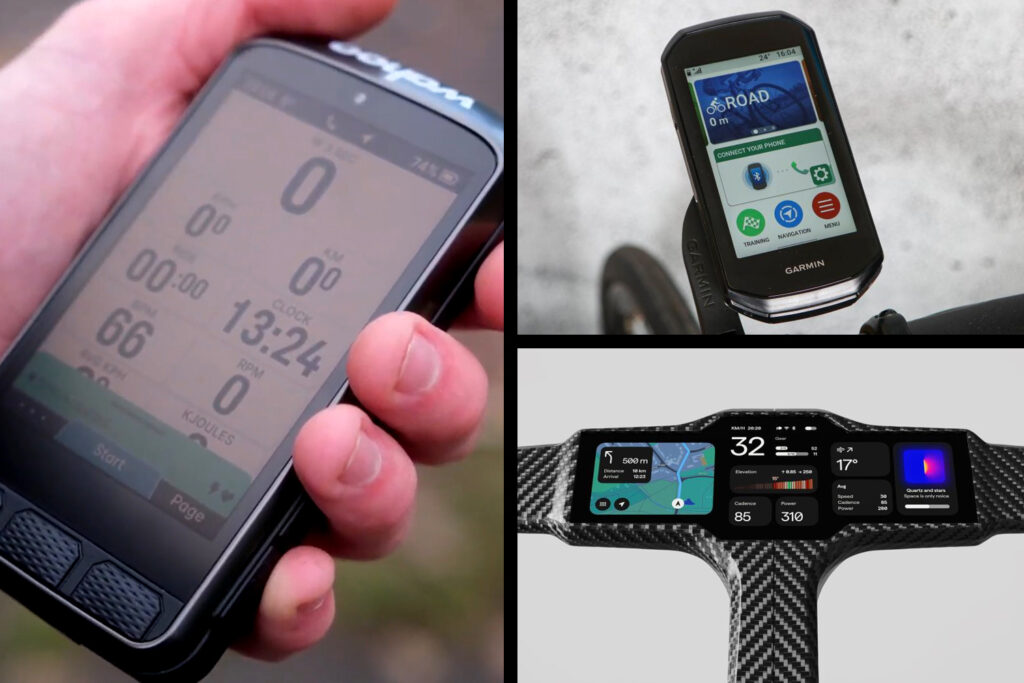

As cycling computers continue to grow in size and capabilities, accompanied by higher price tags, we started wondering… are we approaching the peak of what a bike computer should and could be capable of? Let’s take a look at some of the latest and greatest new features on currently available bike computers, and whether any of those features are ever likely to become as indispensable as the widespread adoption of GPS tech.
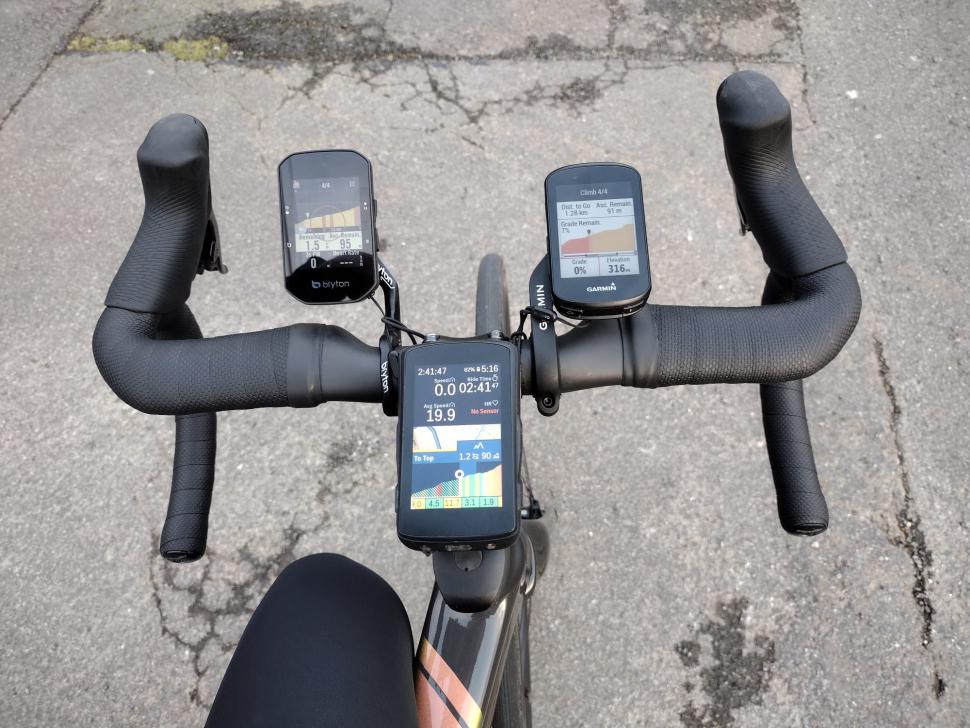
With Garmin, Wahoo, and Hammerhead all releasing new flagship bike computers in the last couple of years, many of the features we expected in next-generation models have now arrived. But do more features actually lead to a better experience?
A couple of years ago, we came up with 10 features we thought would improve next-generation GPS bike computers. Here’s what we asked for, and whether they happened or not…
1. More solar charging
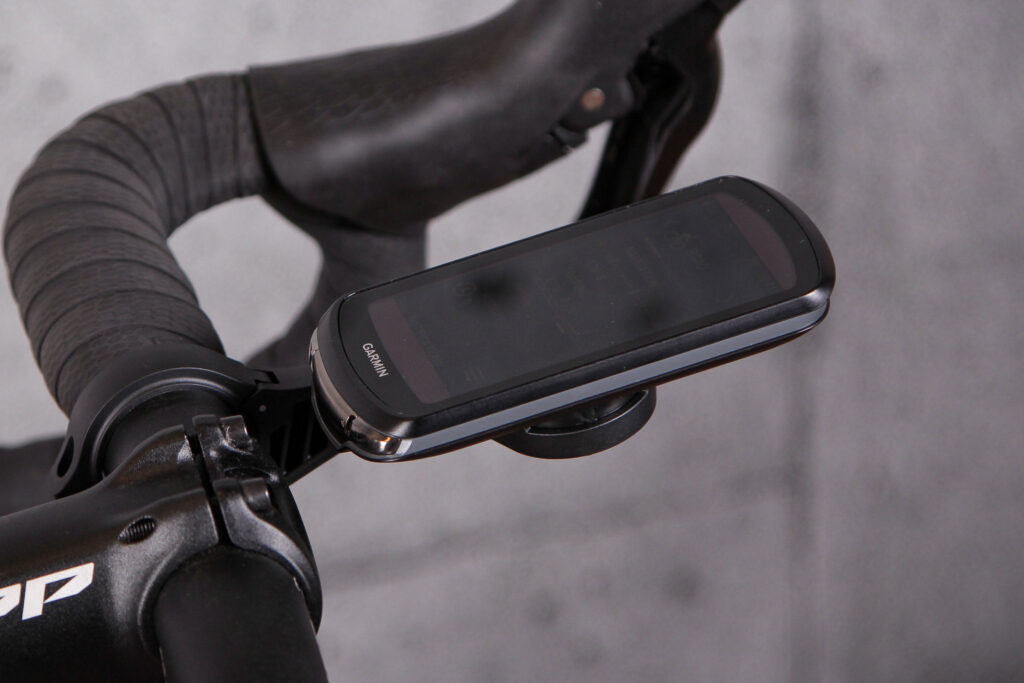
After Garmin introduced the Edge 1040 Solar bike computer in 2022, incorporating technology from its smartwatches, we thought that solar charging was about to take a big step forward. However, we were surprised to find that the new Edge 1050 didn’t come with a solar option.
Garmin’s response to this was: “Both Edge 1050 and Edge 1040 / Solar will remain core parts of our range, with Edge 1040 / Solar continuing to receive feature and software updates where screen technology and underlying hardware allows. This essentially gives users the choice between super bright screen and resolution and the long battery life that is core to the x40 series”.
But does the lack of solar in the newer model suggest a shift in priorities?
road.cc Editor Jack Sexty thinks so: “We’ve recently seen Garmin remove solar charging from some of its latest models, suggesting there isn’t the appetite for this that the GPS giant thought there would be. If it did ever work perfectly, to the point where you never needed to charge, that would be brilliant – but I can’t see that happening in the immediate future.”
2. Better rerouting
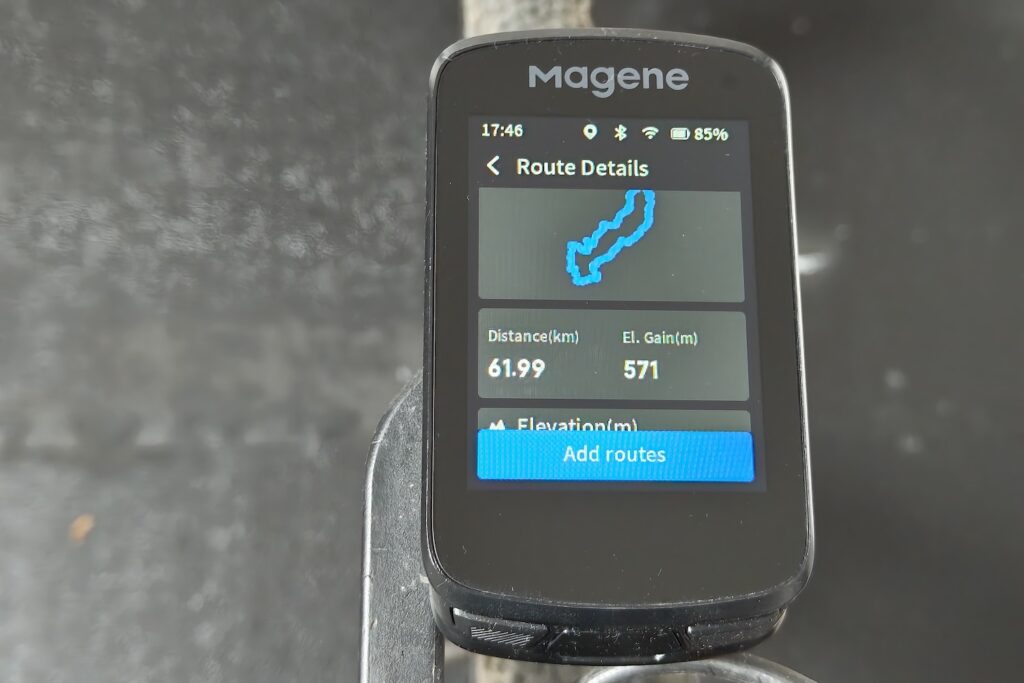
Previously, Dave Atkinson asked, “When do we get AI rerouting, because rerouting is rubbish on basically any bike computer ever?”
AI rerouting still doesn’t fully exist and most rerouting is still based on GPS data and cycling-specific algorithms. While some of the latest models, like the Wahoo Elmnt Ace, have improved, rerouting as a whole is still hit or miss. Until it becomes consistently reliable, many remain hesitant to rely on it.
3. Improved safety features
One improvement in the latest generation of bike computers is the incorporation of enhanced safety features. Many Garmin Edge devices now come equipped with built-in incident detection and live tracking, automatically sending an alert to a designated contact if a crash is detected. While useful, it can be quite sensitive and some of my teammates have had it trigger from things like dropping their bike on the grass after a race. Still, it’s better to be overly cautious than not sensitive enough.
Additionally, some newer Garmin models provide real-time hazard alerts, which relies on cyclists logging hazards on their devices. This feature isn’t available on older generations, but it has the potential to make rides safer by warning cyclists about upcoming dangers.
4. A built-in bell
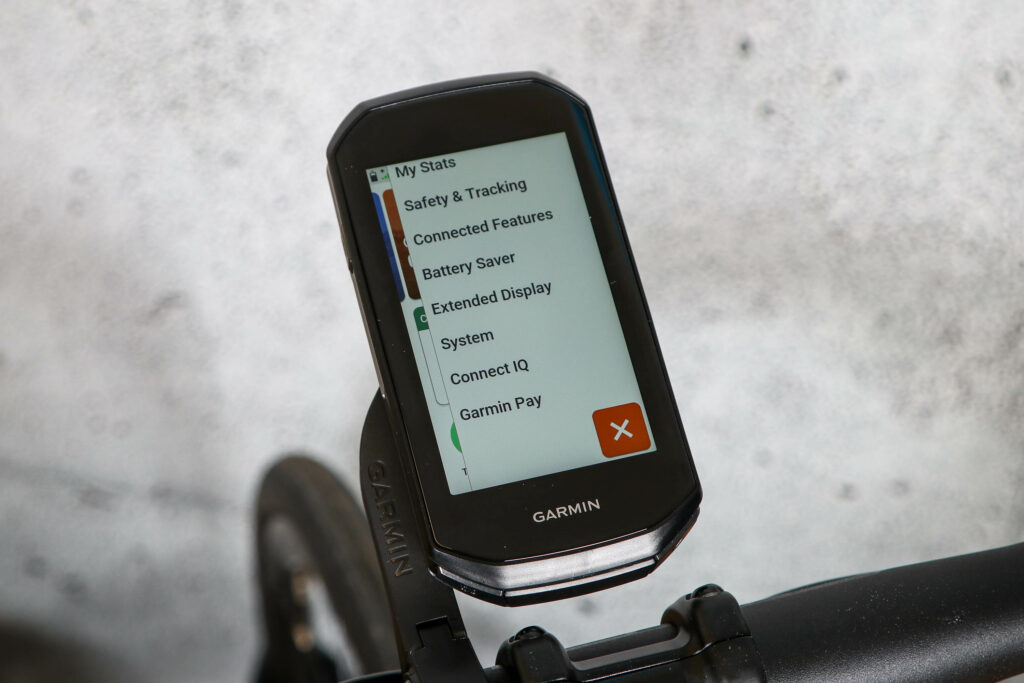
Since cycling computers are already capable of sounding alerts, we’ve long thought it wouldn’t be a huge leap to add enough volume for them to function as a traditional bell. Garmin answered the call first, introducing a built-in bell on the Edge 1050, followed by Wahoo with the Elemnt Ace, which also features this function.
Here at road.cc, most of us agree this is a simple but useful addition, especially for those who don’t want to put a physical bell on a fancy road bike but can still benefit from one. We’re still waiting for this feature to be integrated into most units though. Of Wahoo’s latest releases, the Elemnt Roam 3 does have a bell function via an integrated speaker, but the Elemnt Bolt 3 doesn’t.
5. Computer-controlled automatic signalling
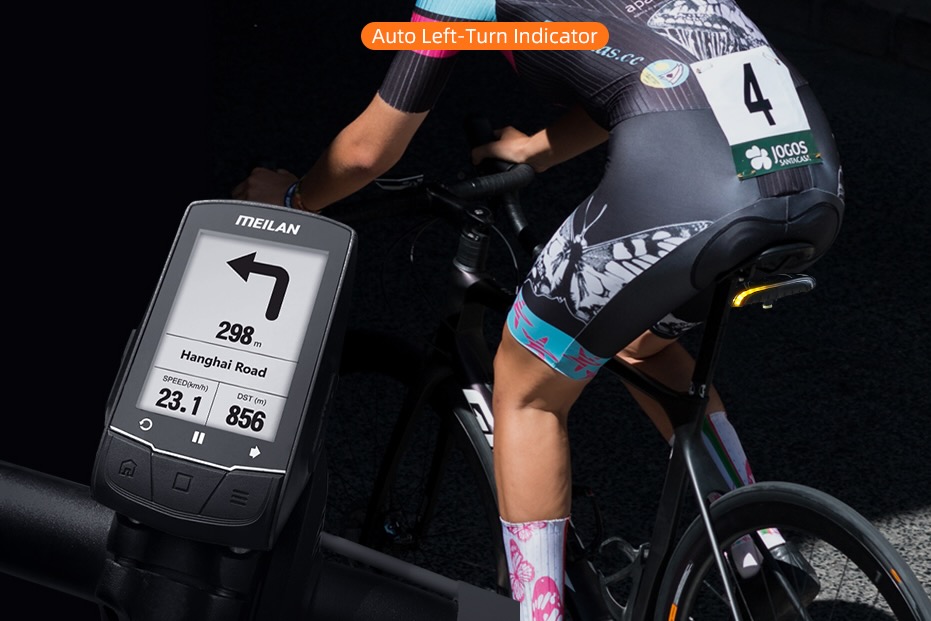
We previously discussed the potential for computer-controlled automatic signalling in bike computers, inspired by innovations like the Mei Lan Cute Eye rear light, which featured amber turn indicators that could automatically activate based on your planned route. While this idea seemed like an intriguing possibility at the time, it’s not something we’ve seen widely adopted in bike computers just yet.
6. Lose the bezel
A couple of years ago, loads of people expressed a desire for cycling computers with bigger screens and minimal bezels, maximising the display area on the front of the device.
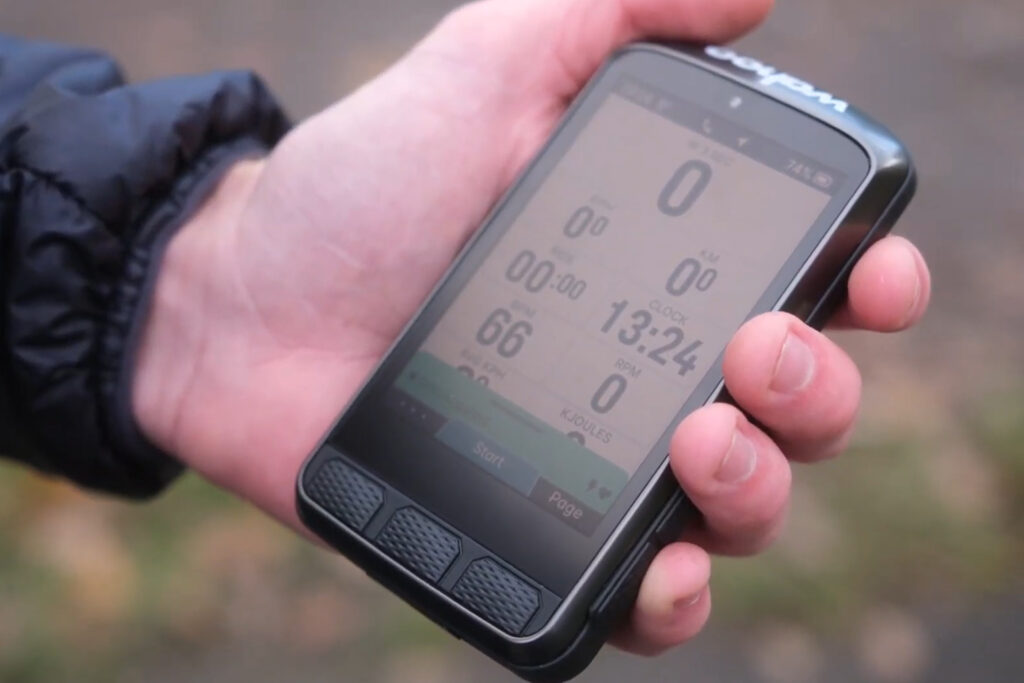
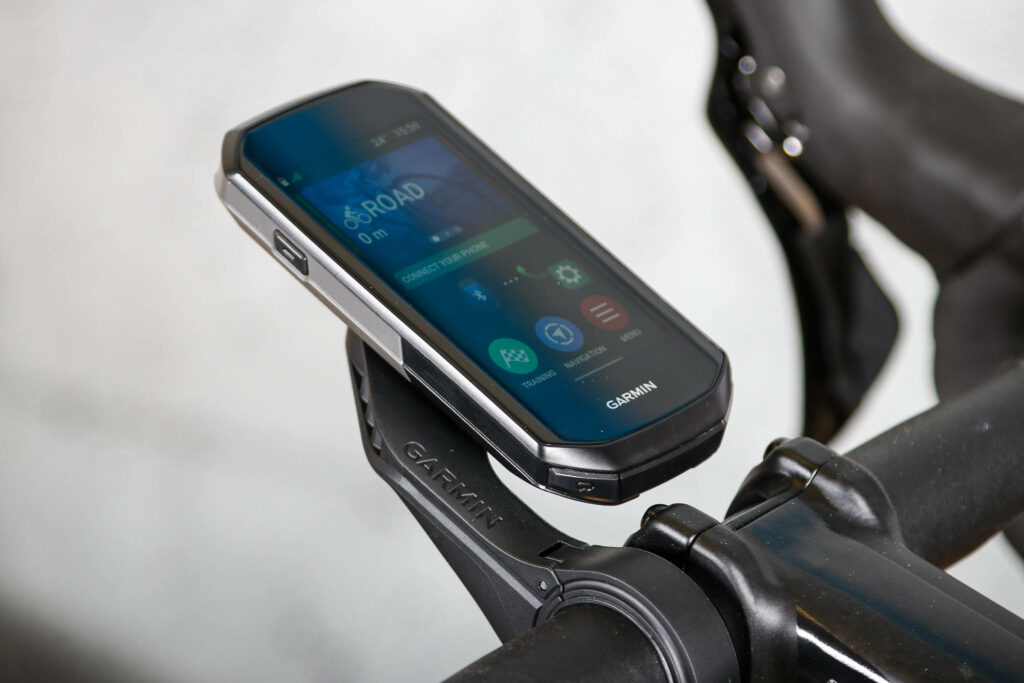
While bike computer screens have indeed grown, this has come with the trade-off of larger overall devices, and bezels haven’t disappeared entirely. For example, the Wahoo Elemnt Ace measures 126mm × 71mm which is not far off the size of an iPhone 16 (147.6mm × 71.6mm), but its display is 96.7mm (3.8″) diagonal. Similarly, the Garmin Edge 1050 measures 118.5mm × 60.2mm, with an 88.9mm (3.5″) diagonal display.
We’d still love to see the active area of the screen pushed closer to the edges, though we appreciate that achieving this isn’t as simple as just asking for it!
On the topic of screens, most modern cycling computers are now touchscreen as standard and feature full-colour displays allowing for colour-coded elevation profiles, navigation and messaging alerts.
7. Increased light integration
As bike computers evolve, integration with lights and other accessories is becoming more seamless. For example, the Garmin Varia radar system, which pairs with Garmin head units to display approaching vehicles, trigger rear light brightness, and alert the rider in real time. Similarly, Bryton’s Gardia R300L rear-view radar light offers ANT+ compatibility, allowing it to connect to a variety of bike computers, not just Bryton’s own.
Jack says, “front light integration makes sense, I’d like to see this become standard on bike computers and for those lights to become powerful enough that you don’t need a separate light for most riding conditions”.

Beyond lighting, broader integration is also improving. For instance, the Hammerhead Karoo 3 now syncs with SRAM’s latest AXS groupsets, letting riders adjust drivetrain settings directly from the device, without using the AXS app. Hammerhead has also stated its commitment to expanding third-party integrations: “We can confirm that we believe in Hammerhead Extensions for the future and will continue to develop them”.
However, not all integrations are in their control. Hammerhead noted that Shimano integration is currently unavailable due to a decision by Shimano, but it remains hopeful about restoring this in the future: “Hammerhead is willing to add the Di2 integration back natively as soon as Shimano allows us. We believe this is in the best interest of our mutual customers and are open to any conversations to restore this functionality.”
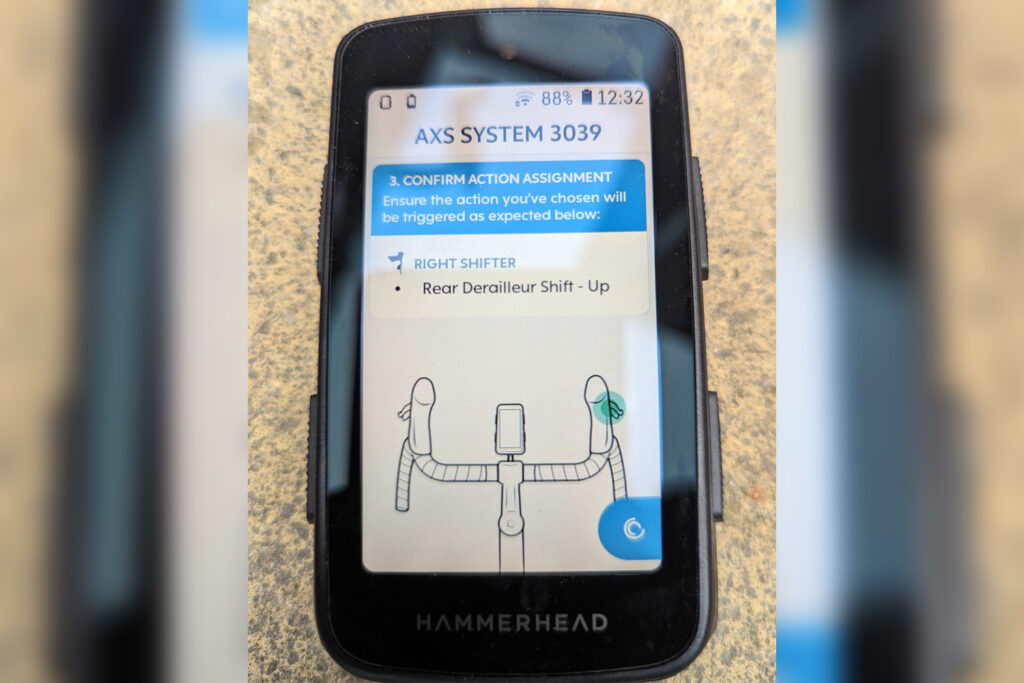
As integration between bike computers and components grows, we hope to see more cross-brand compatibility, no matter the manufacturer.
8. Enhanced predictive path technology
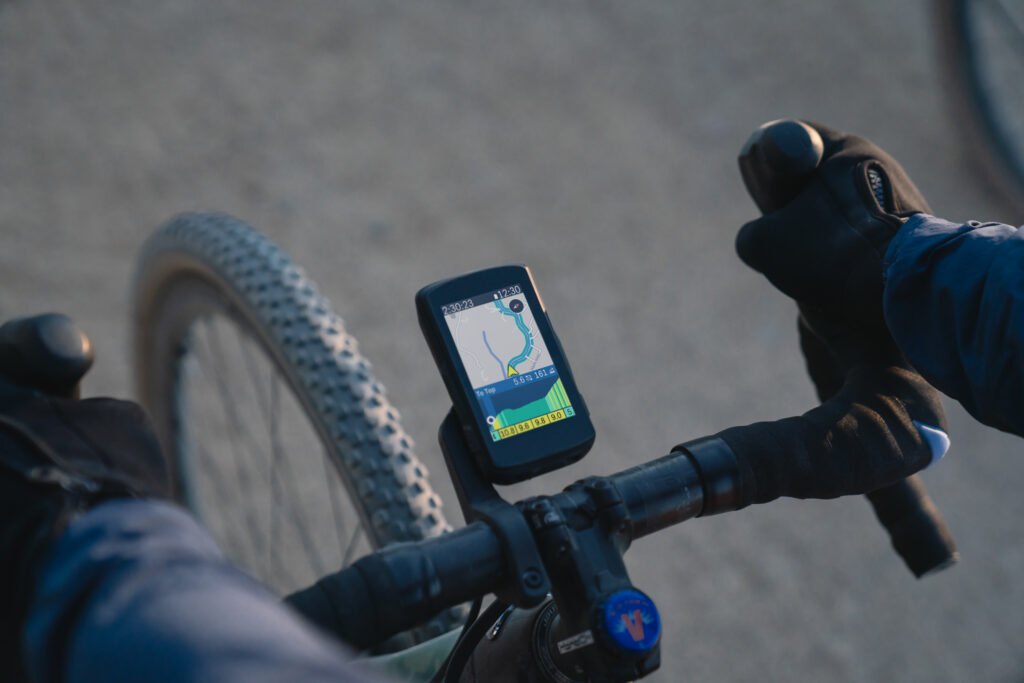
Hammerhead rolled out its Predictive Path Technology in 2022 which allows the use of its Climber facility on all rides, even if you’re not following a route, and this feature remains on the updated Hammerhead Karoo 3.
For those of you who don’t know, this essentially means that when you’re out on a ride a Hammerhead Karoo 2 computer can anticipate and identify upcoming climbs. It gives you a detailed look at the elevation so you can gauge your effort… or even bail out and take a different route if you’re not up for it.
Climb-specific data screens or overlays with colour-coded elevation profiles are available on Garmin, Wahoo and Bryton cycle computers too.
This doesn’t need to be limited to climbing information though, and in the future this could offer info on descents, maybe suggest you switch to a particularly popular route or avoid certain features, or point you towards nearby amenities.
9. More standardisation
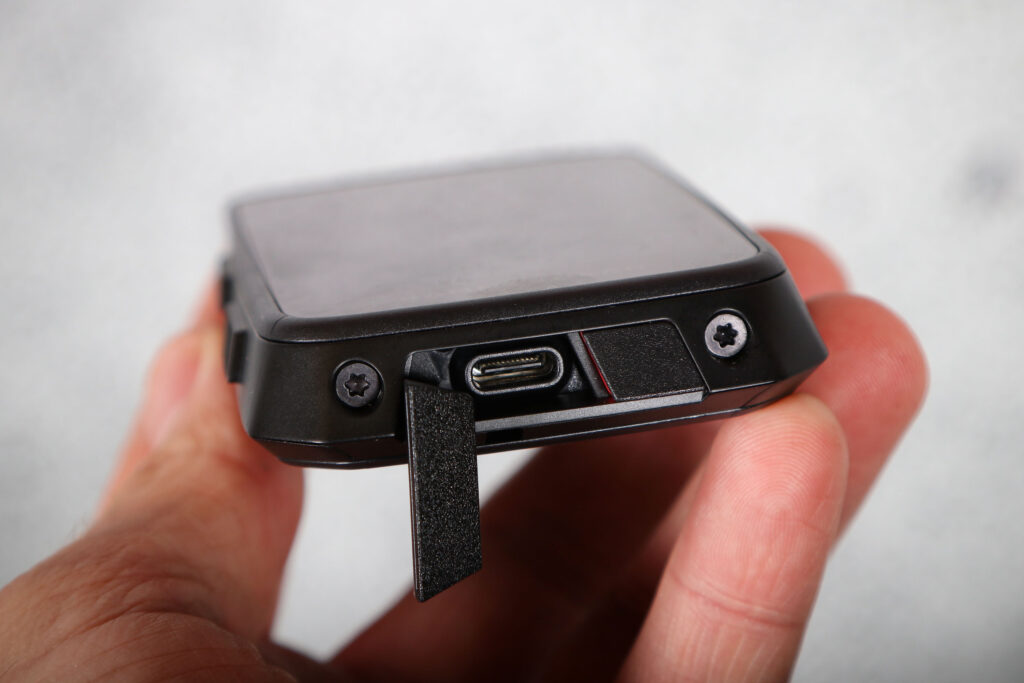
One aspect of cycling computers that has become more standardised is charging, with most brands now adopting USB-C, making it easier to use the same cables across multiple devices.
However, mounts remain inconsistent, and that seems like it will never change at the time of writing. While most brands use a quarter-turn system, they don’t all follow the same standard. If you buy an aftermarket mount, or get one with your bike, it’ll likely include different bolt-in ‘puck’ inserts to fit different computers.
Jack points out that while more consistency would be welcome, it’s a tricky problem to solve:
“More standardised mounting would also be great, but perhaps unrealistic given that there will always be different bar shapes and sizes, and it would require a lot of collaboration between computer and component makers.”
10. Integrated cameras
The Xplova X5 Evo GPS bike computer, introduced seven years ago, was one of the first to integrate an action camera into a bike computer. However, despite its innovation, the concept never really took off, and the X5 Evo was eventually discontinued.
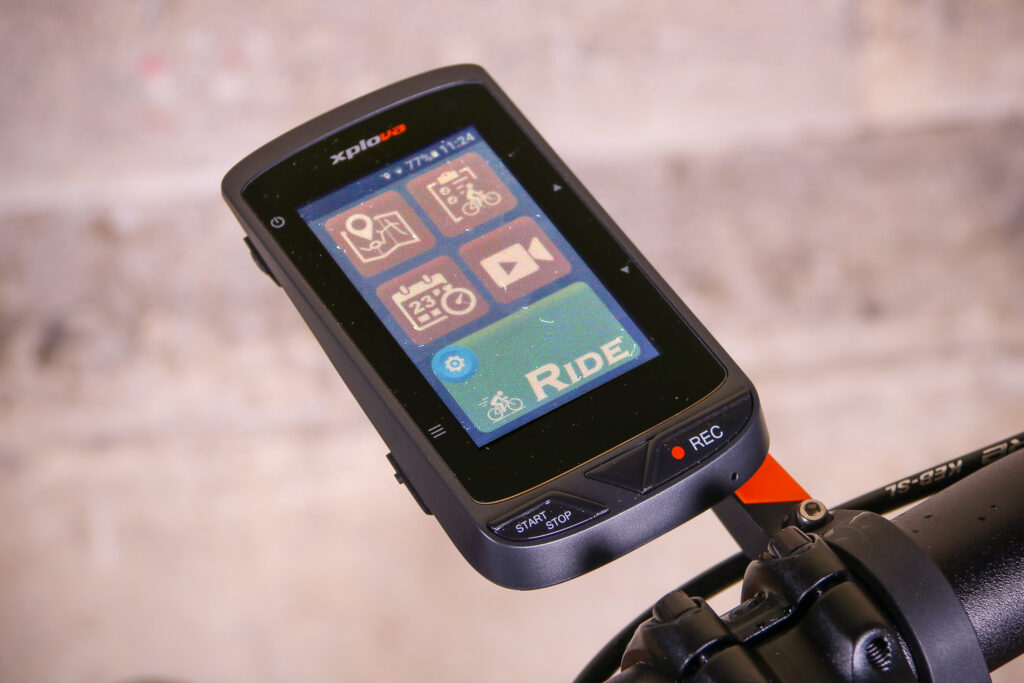
Since 2018, the camera market has evolved significantly, with more advanced action cameras. Yet, the idea of a bike computer with a built-in camera has not been revived by other brands.
Dave Atkinson’s vision for a camera-equipped bike computer is simple but compelling: a device that constantly records, uses an ultrasonic sensor to measure the distance to objects on your right, and automatically saves footage when a vehicle passes too closely. Bonus points if the camera setup includes a rear-facing camera and overlays passing distance data onto the video.
Is it time for someone to take another shot at it?
Features we’d still like to see
We’ve looked back at the 10 things we previously hoped for in bike computers: some have arrived, some are lagging behind, and some might never happen. But tech is always moving, and there are still features we’d like to see added.
1. Enhanced safety features and bike/car communication
We are starting to see safety features added to bike computers, such as incident detection and live tracking, but we believe there is still room for improvement here and this is an area that will likely see much more innovation in coming years.
Cory Pittman, Senior Product Manager at Wahoo says, “I think customers have a high desire for safety and a high willingness to pay for safety products, and so I think there’s going to be a lot of innovation in that space over a 10-15 year period and it’s going to only benefit the entire industry and the driving industry as well”.
One ambitious feature I’d personally like to see in the future is bike-to-car communication. This could involve systems were cyclists’ bike computers communication directly with nearby cars sending out alerts, and likewise, vehicles could send signals to cyclists when they’re approaching. While we are probably quite a way off from this level of communication, it’s certainly something we’d be interested in seeing!
Jamie Williams our video guy said that he’d also like to see the ability to share live location without needing to connect to a phone be reintroduced. This was a feature available on the Hammerhead Karoo 2, but was unfortunately removed on the Karoo 3.
2. Larger screen real estate
Just like smartphones, bike computers have steadily grown in size over the years. With large displays now the norm in our pockets, on our dashboards, and even on our wrists, which has normalised the demand for larger displays across various devices.

Stu Kerton, senior product reviewer, welcomes the trend: “Units, and therefore screens have been getting larger which I think is a great thing as if I do use a bar mounted computer it tends to be for mapping, so I’m happy for that trend to keep going.”
Still there are practical limitations. As Pittman points out, “I think there is a limit to how large a bike computer will be accepted. So it probably, stops from getting to the size of a phone because if I were to put this out front on my bike, it just extends too far off the bike, I think it would violate a design principle, but not to say that there isn’t space there.”
While we may have reached a physical size limit for bike computers, there’s still potential for more screen real estate by reducing bezels and making better use of the available display space.
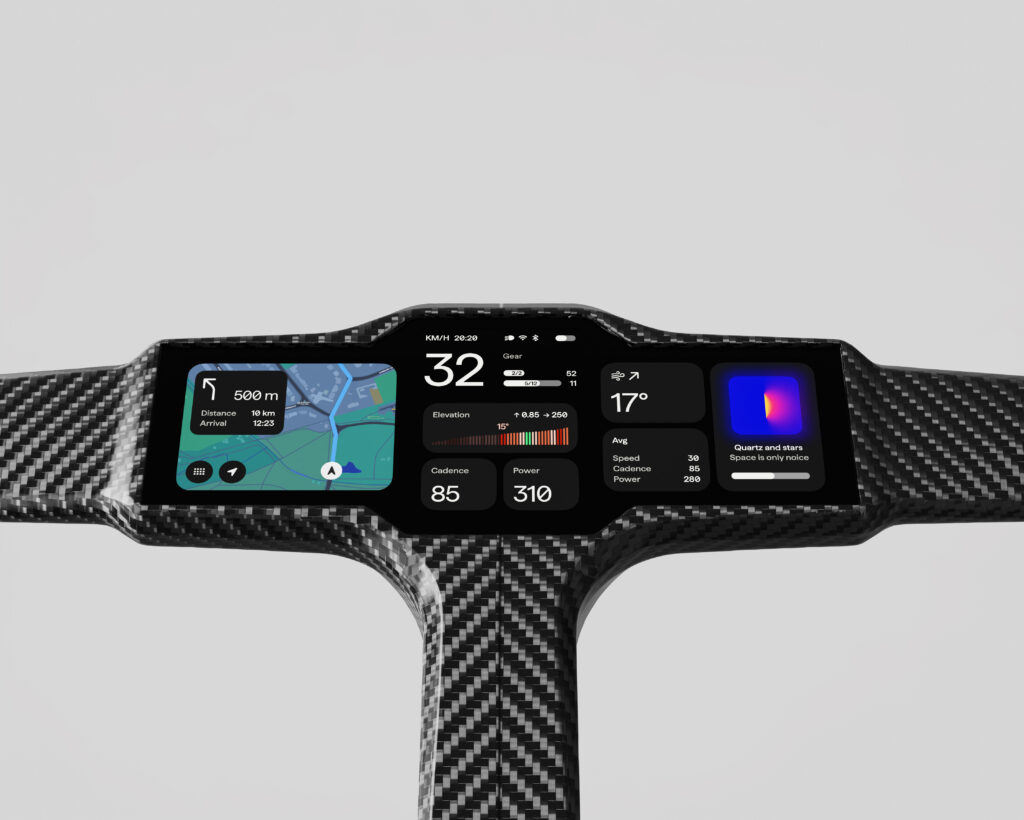
Looking further ahead, we could even see bike computers integrated directly into handlebars, as seen in concepts like Flitedeck’s virtual cockpit. However, we have mixed opinions about this one. Stu says, “One route that I’m not really interested in seeing is computers integrated into the bike. It’s just another thing that would make the bikes more expensive to buy and possibly lock owners into specific brands.”
3. Phone and voice control integration
You can already control Spotify directly from the Wahoo Elemnt Ace, but Jamie would like to see a feature like Apple CarPlay, enabling full phone control from your bike computer. This could improve navigation, allow you to receive alerts and notifications, and let you reply to messages without having to get your phone out of your back pocket.
Stu takes the idea a step further, imagining a bike computer that doesn’t rely on a phone at all: “What I’d really like to see in the future though are computers that will accept a SIM card or whatever so that they can do away with the need to be linked to a smartphone for data and wi-fi,” he says.
“I’d like a standalone computer that can make and receive calls, do all the app stuff and connect to headphones so that I can stream podcasts and music without needing to carry a delicate £1,000 phone in my back pocket. Voice commands would be cool too!”
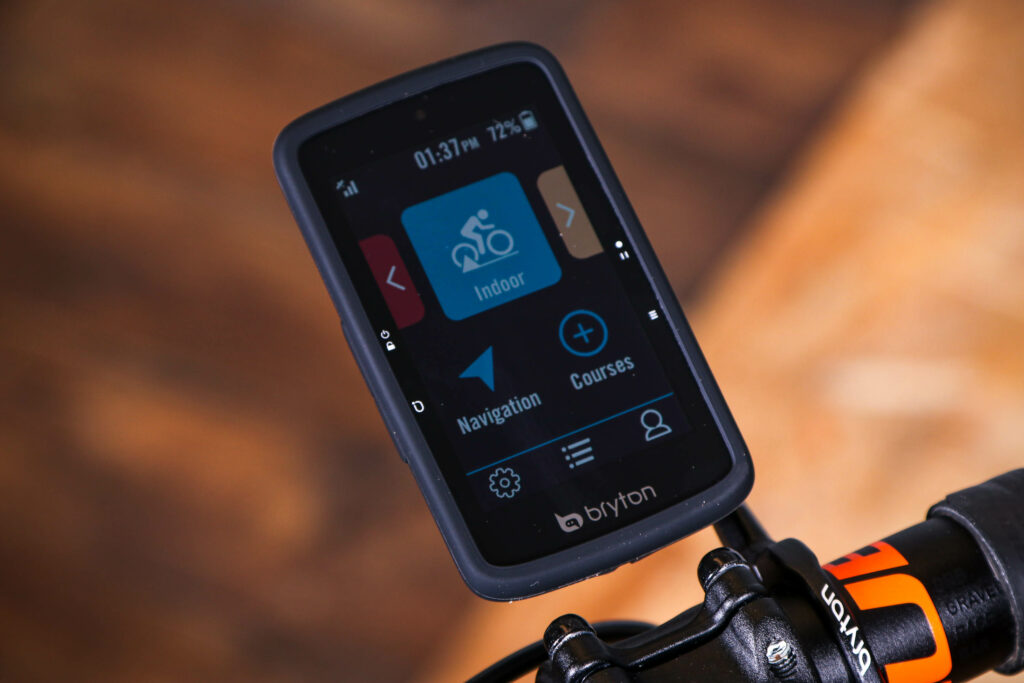
While many bike computers already offer basic audio prompts, more advanced voice-activated control, like the one on the Bryton Rider S800, could be a valuable addition. This would allow you to manage settings and receive notifications hands-free, much like using Siri.
4. Aero sensors
With a wind sensor recently introduced on the Wahoo Elemnt Ace, could this tech that live streams your data be the next big step change for cycling computers?
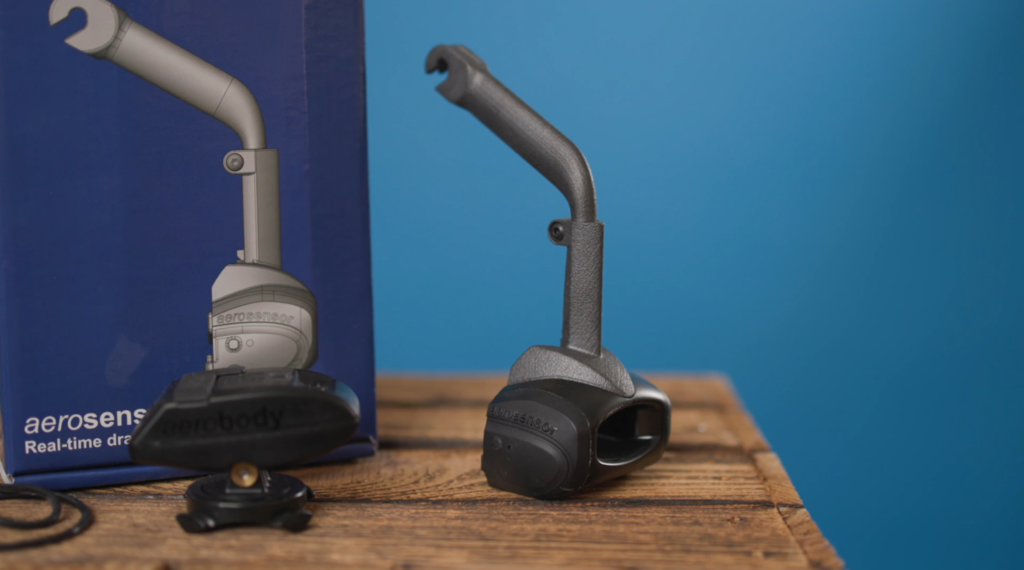
Jamie has tested both the Body Rocket System and the Aerosensor, which attach to your bike and provide real-time drag measurements, recording your CdA (coefficient of drag) as you ride. These systems give you a deeper insight into their aerodynamics, helping you understand how changes in body position, bike setup, or environmental conditions affect performance.
While the technology is available, it’s still a niche feature, and streamlining it into cycling computers in a way that is accessible and useful for all riders will likely take some time. Even if the price of the technology dramatically falls and it makes its way onto most GPS units, the time might never come that the majority of riders on the club run or training ride needs to fine-tune their position in pursuit of marginal gains every time they go out the front door.
Do the majority of cyclists really need all of these features?
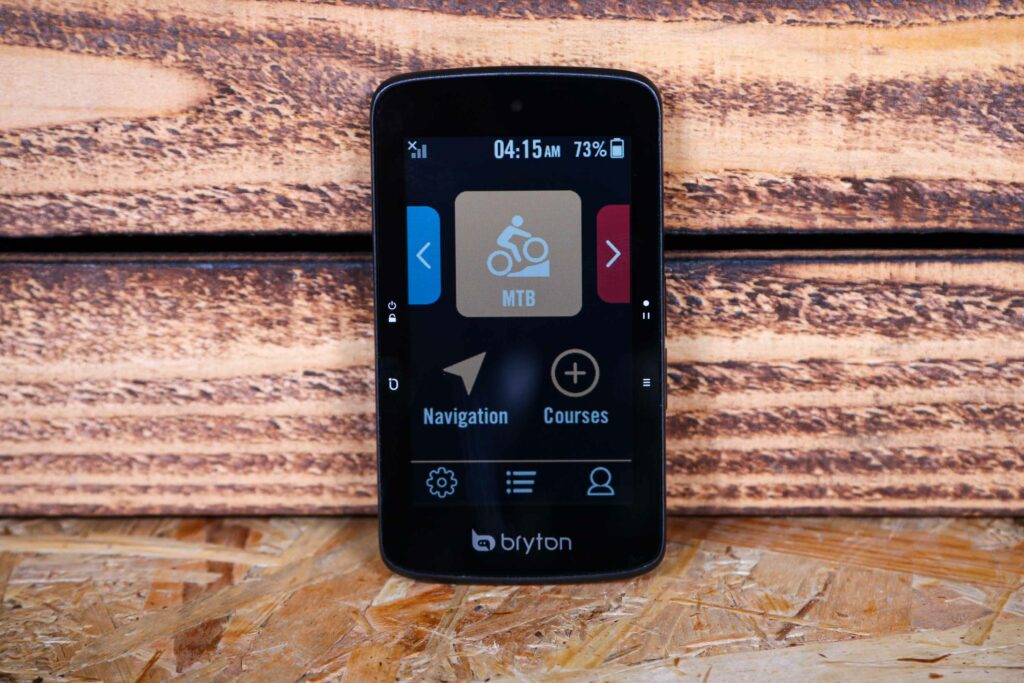
Just because devices now come with more features and larger screens doesn’t automatically make them more usable. Bigger doesn’t always mean better, and it’s crucial that the basics remain solid, which on the whole, they do. Bike computers should focus on core features that are done exceptionally well. Additionally, these features should be designed to be widely adopted and not overly complicated for users.
For casual riders, many of the advanced features found in high-end bike computers may be unnecessary. However, for racers, these extra functions may prove to be more valuable.
So, are we nearing the final stage of bike computer?
While the technology has certainly evolved, I think there’s still room for innovation, particularly in enhancing safety. We could see further advancements in features like live tracking, crash detection, and improved car-to-bike communication. Additionally, there’s growing potential for increased integration with other cycling technologies, such as components and accessories for greater cross-compatibility. All of these features would be welcomed by most riders, and wouldn’t just serve a niche section of the market.
Jack shares a similar sentiment, noting that while there’s potential for further development, we might be approaching the limit of what cyclists are willing to fork out for.
“I’m sure we’ve not hit the peak of what a cycling computer can be capable of by a long stretch, but for me, there’s been a couple of indicators in recent years that we’re getting to the limit of what most cyclists are willing to pay more for.
“Wahoo’s wind-sensing tech will undoubtedly get better, but we’ve seen versions of this for a while now, and I don’t see it ever becoming indispensable like GPS and measuring power.”
He adds that while advancements like wind-sensing technology may improve, they won’t make core features like GPS and power measurement obsolete anytime soon.
“Perhaps I’ll eat my words in a decade when we’re all wriggling around to get in a more efficient position based off what our wind sensors are telling us, and our computers have infinite charge thanks to the sun – but without any indication that this tech will improve and/or come down in price, I can’t see that a colour screen, GPS-equipped computer with a day’s worth of battery life and decent mapping will become completely redundant tech any time soon.”
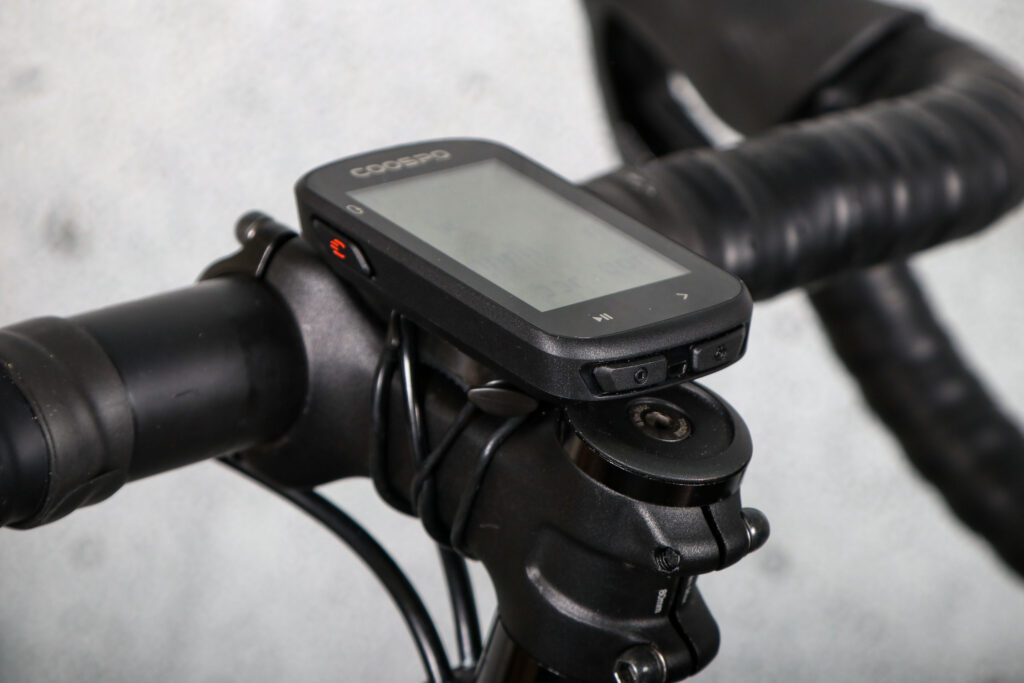
Stu offers a slightly different take, highlighting that not every cyclist is chasing the latest innovations: “I’m not really a cycling specific computer user, tending to wear a high-end Garmin watch that I can use for various sports and activities, and even then, I’m probably only using about 25% of what the device is capable of. In terms of data collection and things I need to know about my ride, computers probably peaked for my needs many generations back!”
These views suggest that while innovation will likely continue, the practical ceiling for many riders may already be here, or at least very close.
What features would you like to see on the next generation of bike computers? Let us know in the comments section below.







30 thoughts on “Have we reached peak cycling computer? Some of the latest features are failing to catch on, but perhaps there’s still more to come”
I just want bike computer
I just want bike computer screens to continue to improve in daytime visibility with better brightness and contrast. And recent wahoo releases seem to be going backwards in that regard. I don’t need millions of colours so you can paint the difference between a open field and woods with different shades of green on the map. I just want more contrast between a white background and a black data field without having to turn on a backlight that saps half your battery life.
Hmm . . . EInk is low power,
Hmm . . . EInk is low power, with at least greyscale. Seems like it should have been investigated for cycle computer use?
Small Android EInk devices exist e.g. Boox Palma, except they don’t have GPS chip 🙁
They have exactly the same
They have exactly the same issue as any device like this. People simply don’t care enough or have the time/desire to dig into a million features that add little to nothing to their rides.
Phones have had this issue for years. This is also a massive part of the iPhone vs Android debate. “You can’t do X, Y and Z on your iPhone”. The answer is that people don’t care.
I imagine that like most people the main things I want from my head unit is:
I can take or leave the million other features they have and I would happily save a chunk of money and sacrifice all the other bells and whistles if I could.
Companies perhaps need to realise that you can’t just keep charging more and more money for more and more features that people simply see no value in.
To be fair, Wahoo seem to be
To be fair, Wahoo seem to be sticking with this approach for the Bolt/Roam (the less said about the Ace the better…).
Rather than another feature,
Rather than another feature, I’d prefer manufacturers invest time and money in creating a really good UI and in making the phone and sensor integration, uploading and downloading super-slick and seamless
I want a feature that lets me
I want a feature that lets me say “The road in front of me is blocked for 100 yards, find me a route around”. Could be road works, police activity, flooding, whatever. It happens to me occasionaly and it’s sometimes a huge faff to get around the obstruction and back on route.
Garmin actually added that
Garmin actually added that about a year or so ago to their current generation of bike computers, it calls them “community generated road hazards” https://support.garmin.com/en-GB/?faq=NH7WCMesvK3XU1gurECewA
thrawed wrote:
That’s true, and it’s not a bad feature, although it doesn’t do any rerouting, it just asks you if it’s still there once you’ve passed it.
It took a while to gain traction when launched, and it worked really well back then in the New Forest, as Garmin Europe HQ is based on the outskirts and I guess staff on their bike rides must have been using pre-release software on their head units, many hazards were accurately highlighted. However it has now somewhat lost some of its utility due to the number of potholes that have been reported, it never stops pinging.
We often see road closed
We often see road closed signs but only once has it been impassable by bike or foot.
Always worth the risk round here.
We often see road closed signs but only once has it been impassable by bike or foot. Always worth the risk round here
I, too, always ignore road closed signs. Occasionally, this causes difficulties as it did around 5pm on April 7th when the ‘obstructions’ were the tall barriers at both ends of Lune Bridge near Sedbergh. I had to spend some time moving these, and it would (of course) have been impossible if they had still been working there, but a lot less time than it would have taken to follow the diversion.
road.cc wrote:
I’d really like to see bike
I’d really like to see bike computer functions built in to my ebike controller.
I know Bosch did one – which I think was the Nyon – which had GPS navigation. The early version was an absolute unit of a thing … the later versions more in size with a larger Garmin.
Over the period of a year, I tried getting hold of the retro-fit pack, but was completely unsuccessful.
Unicorn poo was easier to get hold of.
The controller on my current bike is around the same size as my Edge 830 … my cockpit is horrendously busy – Fly12, Edge 830, bike controller and bigger light … so being able to loose *something* would be great.
My bike and Garmin are supposed to be able to talk to each other… but don’t. Again, it’s one of those things that would be nice to work.
Garmin Connect could display my heart rate, alongside my power output and percentage power from the bike … that would be cool beans.
So … for me at least … ebike controller / bike computer crossover.
Pluh…leeeze.
Contrast this the other way
Contrast this the other way where I have a Shimano STEPS based eBike with just 2 LEDS for the display – battery level and power setting – and everything else is on my Garmin.
I use Locus Maps on my phone.
I use Locus Maps on my phone. I already used it for hiking so thought why not.
Convergence between phone and bike computer is inevitable anyway.
Seems unlikely- neither the
Seems unlikely- neither the screen battery or form factor of a phone is particularly well suited for life as a bike computer.
And why on earth would you risk crashing and smashing something you need on a daily or hourly basis just to use it on a bike. Let alone the fact that most modern smartphones make even a Garmin GPS look cheap.
How well it fits depends on
How well it fits depends on the type of riding, what you want from the computer, and how good the software is. Locus interfaces with HRM, cadence and power sensors, on screen layout options are very flexible. Armoured cases are cheap.
Instead of emulating the same
Instead of emulating the same situation I am trying to get away from – sitting behind a screen that can do everything and demands your attention – on my bike, I choose to ride without a computer and just enjoy the actual riding.
If I’m going somwhere I don’t
If I’m going somwhere I don’t know I take a printout of the OS map from Bing.
Hehe, reminds me of the early
Hehe, reminds me of the early years. We had military maps of the area, including elevation lines. We basically set a global goal, tried to go that way without looking at the mp, and about halfway the duration we had in mind for the ride, we took the map, tried to figure out where the hell we were, and figured out a way to get back. Such adventure! And the folded map fitted perfectly in the middle of the back pockets.
Few who use a garmin for
Few who use a garmin for their next turn see the hawk to the right
galibiervelo wrote:
But on the flipside, many like me who will miss their turn because they’re watching the hawk find it handy to be routed back to their planned course…
Garmin beeps before a turn so
Garmin beeps before a turn so you’re not always screen watching. Handy for new routes to see more hawks and buzzards.
fenix wrote:
Only if you know a hawk from a handsignal.
Point 3 in the doing without
Point 3 in the doing without a phone it’s alluded to earlier in the article that the Karoo 2 had a sim slot. Having tried it they made a poor fist of it but at least they had it. Until the Karoo3 of course!
I’d like to be able to send
I’d like to be able to send new routing from my phone to the head unit.
So you’re out and decide you need a cafe stop. Simply locate it on Google maps and send the bike route through to the head unit. That shouldn’t be too hard ?
fenix wrote:
This has been available for a while now with Garmin although only seems to work wth Apple Maps, rather than Google.
https://support.garmin.com/en-GB/?faq=SVV3VeaxSL7nbaih1OOpG6
I use ‘Pocket Earth Pro’ for
I use ‘Pocket Earth Pro’ for this (iOS only I think). You just click on where you want to go, hit ‘route/route to here’ and it comes up with a (usually) great route option. If you want to tweak it, it’s very easy to just drag the route onto your prefered road and it puts a control point down and recalculates the route. Then just hit ‘share’ and the ‘garmin connect’ icon to push the .gpx file over to the garmin connect app. You then just save it and sync to the head unit.
The other thing I really like about pocket earth, is all the mapping can be downloaded for offline use and it’s very conservative with storage space. I have the whole UK for offline use on my phone. You do need a mobile signal for the automatic ‘road following’ routing, but you can still plot a janky .gpx track in the offline mode to get you back to civilisation.
Can someone tell me why I
Can someone tell me why I need radar? I just wear a RV mirror to see what’s back there and adjust accordingly. No radar is going to tell me that a car is driving erratically behind me before I get punted off to a ditch on the side of the road.
You don’t *need* radar, but
You don’t *need* radar, but it is useful in rural areas where fast cars can surprise you.
I like to know how fast someone is approaching and how far away they are. That’s the advantage – it will show speed and distance. If I see they are not slowing then I can adjust my position. Alternatively, as soon as they are registered, I can do some curves to attract their attention bearing in mind the light will also change pattern to attract their attention.
I find a mirror complements a
I find a mirror complements a radar very well.
A radar will tell you when a car is approaching very fast, which is less easy to determine via a mirror.
On quieter roads, a radar allows you to relax a bit and not have to check the mirror every few seconds.
I don’t use a radar in town, never bother with it on my shopping bike. But I always use it when out on longer rides on faster country roads.