



Transport for London is to introduce a licensing scheme for pedicab riders and stricter rules about fare pricing, though the move has forced one operator to shut down its passenger service.
The regulations are the first on rickshaws in the city, and follow concerns that the industry, frequently used by tourists for sightseeing, had become a ‘Wild West’ which the city’s Walking and Cycling Commissioner said offered pedestrians “rip-off fares, blaring music and unsafe behaviour”.
> Tory MP claims pedicabs have turned parts of London into the “Wild West”
The pedicabs were a long-term irritation to former Mayor of London Boris Johnson, who labelled rickshaws in the city a “menace” and expressed his wish to ban the trade from the capital’s streets entirely, despite not having the power to do so.

The Pedicabs (London) Act, passed by the previous Conservative government in 2024, gave TfL additional powers to regulate, professionalise and improve the industry. Since the Act came into force, TfL says it has been working “at pace alongside Londoners, business groups and industry representatives to create a robust set of regulations that are tailored to the unique nature of pedicabs and the market they operate in.”
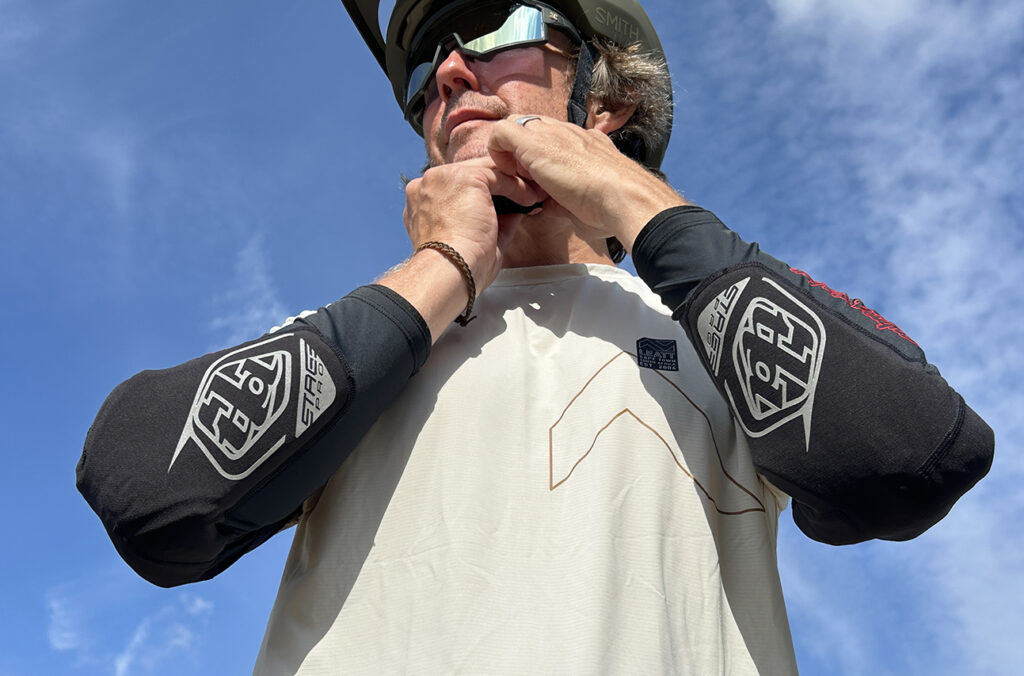
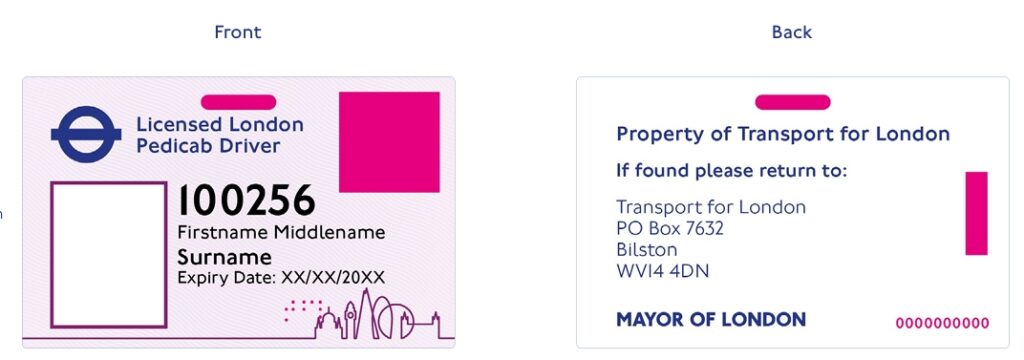
The new rules require all pedicab “drivers” and operators to hold a valid licence, and must be identified by wearing an TfL ID badge on their arm whilst working. Fares are also being capped at £5 plus up to £1 per minute of journey time. Drivers may also charge up to £3 for each additional passenger beyond the first passenger.
TfL says the fare caps will be kept under review and aim “to strike a fair balance between protecting passengers and ensuring drivers can earn an income above the London Living Wage” which currently sits at £15.45 an hour. Other regulatory reforms include incorporating pedicabs into TfL’s taxi portal for receiving complaints, and informing passengers of any additional fees in advance of a journey.
The regulations come into force on Friday 27th November, though punishment and criminal action for unlicenced pedicabs will not be implemented until February 2027. The new rules have been welcomed by several TfL officers and government ministers.
Transport minister Lord Hendy said: “These strong new pedicab regulations for our capital will help stamp out rip-off prices and give passengers greater confidence and better protection. Now people can continue to enjoy London’s iconic sights in a unique way, knowing they’re getting a fair deal.”
However the chief executive of cargo bike company Pedal Me has criticised the regulations and said the burden of the new terms are forcing the company to close its passenger service.
Writing on LinkedIn, Ben Knowles said: “On 27 November, Pedal Me’s passenger service ends. Ended by heavy-handed regulation that TfL told us it never checked was workable for any operator (yes really!). Since 2017 it has taken children to school, Londoners to their vaccinations, and voters to the polls. London’s new pedicab licensing makes it unviable.

“As far as we know, we’re the only pedicab operator in London that employs its riders. They’re DBS-checked, trained, insured to £5m, and paid for all their time. We’re not the problem these rules were written to fix. Rip-off fares and blaring music in the West End are.
“But the regime is built for self-employed riders. Most of the cost of licensing is time: training, assessments, medicals, applications. A self-employed rider does that unpaid, so it never shows up as a cost. We pay our riders for it. So for us, compliance costs over £35k in the first year, for a service that made about £2k gross profit last year.”
Knowles added that TfL had told Pedal Me that the regulations had not been modelled to test for commercial viability, and such modelling was not planned. He believes their withdrawal from the cargo passenger maket will create a “vacuum” for less reputable operators.
“Remove the operator that isn’t causing the problem, and the trade is left to the ones who are. The journeys go back into cars, or to the operators the rules were meant to fix. Regulating out the bad option is only half the job. You also have to make the good option possible.”

Knowles also thanked several individuals within the London Cycling Campaign, Walk Wheel Cycle Trust and the Campaign for Better Transport for their support as well as London Assembly members Caroline Russell and Hina Bokhari, the latter of whom recently was the subject of internet discourse after suggesting tradespeople could use cargo bikes when travelling through the city.
Commenting on the reforms, TfL’s General Manager for Regulation & Policy Chris Plummer said, they will “raise standards across the industry, improve safety and provide greater confidence for passengers to use pedicabs going forward. We’ve worked extensively with drivers and operators to help them prepare for these changes and would like to thank those who have engaged throughout the process.”
TfL added that officers will “actively enforce” the new rules, “with powers to stop and inspect pedicabs, verify licensing requirements and take appropriate action where offences are identified.
“This may include financial penalties, prosecution, or where appropriate, suspending or revoking a licence. TfL’s enforcement approach will focus on areas of greatest activity while working closely with the police to maximise compliance and build confidence in the new regulatory framework.”