
Current and former staff at a chain of bike shops have told road.cc about their experiences with company management and how they were kept in the dark as business entered administration and colleagues lost their jobs.
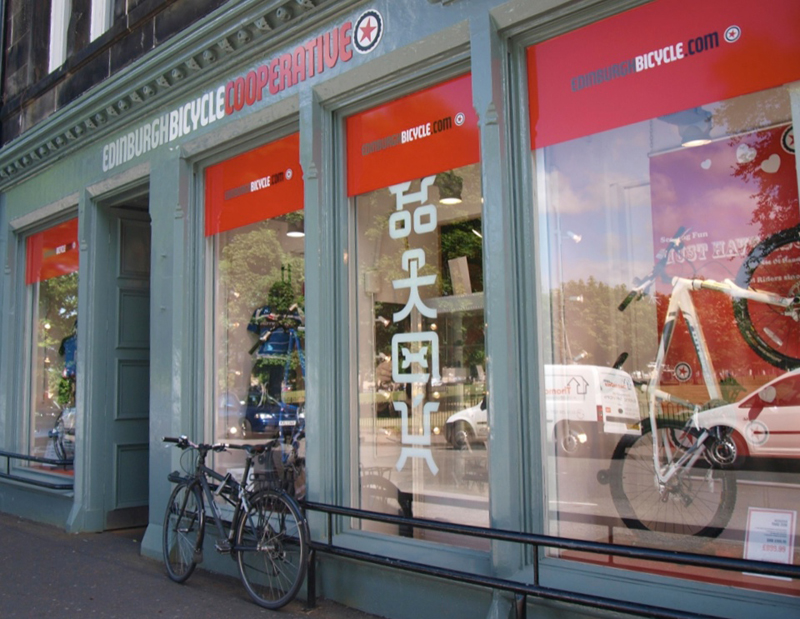
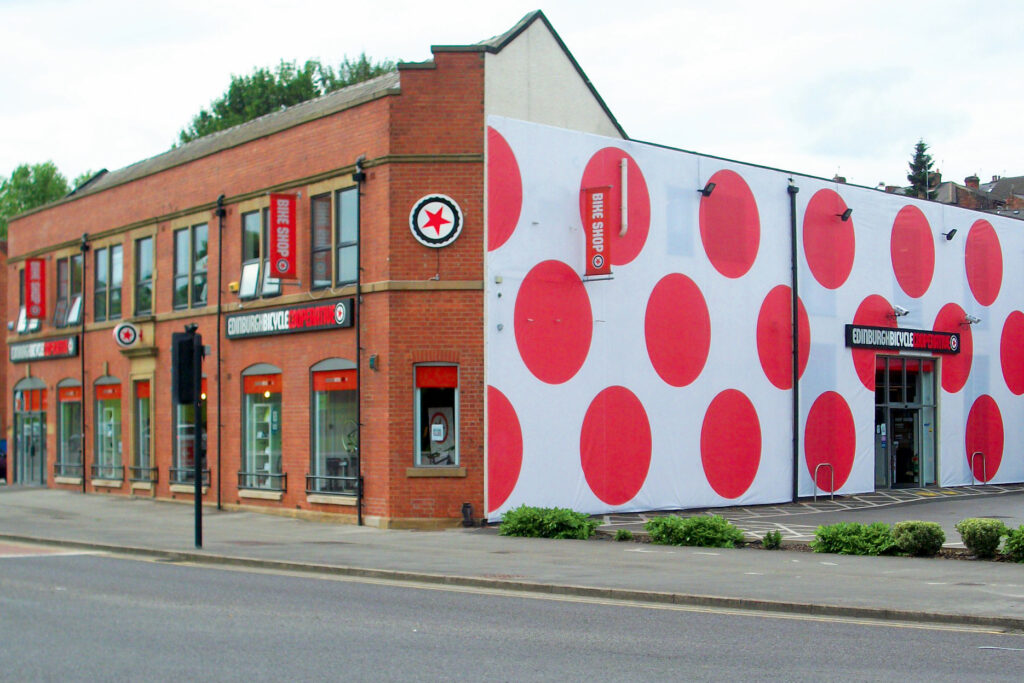
Last week, we reported on the fate of Edinburgh Bicycle Cooperative (EBC), once Scotland’s largest chain of bike shops. Founded in 1977, the co-operative entered administration only to be bought out by a newly-formed private limited company owned by EBC’s Managing Director Alan Nestor.
In a statement posted to social media on Saturday, Nestor confirmed that four branches would remain open and that he was “heartbroken that more of our people and more of our locations could not come with us. There are fantastic colleagues and friends who have been part of Edinburgh Bicycle who will not be joining us on this next chapter, and my thoughts are very much with them.”
Edinburgh Bicycle Cooperative was previously registered as a Community Benefit Society, and maintained a policy of inviting employees to join the co-operative after a year’s ‘apprenticeship’. However one former employee, ‘George’, told us: “After speaking to colleagues, some of which had been there 10 to 15+ years, it seemed the only time shares paid out anything was during Covid.
“I very quickly realised this was not a co-operative, it was one man and his ego heading up a corporation with a presentable reputation that customers thought they were doing good for.”
Another current employee confirmed, “EBC is no longer the same. It’s common knowledge we haven’t been a cooperative for a while, and that ideal is now further and further away.
“The general culture feels more traditional, with decisions being made by these removed faceless entities you deal with exclusively through emails. I was offered to buy in after my first year of employment, but nothing changed after the fact. A small group of people still make all the major decisions such as what brands we stock, purchasing said stock and everything else is behind walls.
“People I work with have been with the company for huge lengths of time, and are quick to point out how far from a co-op we’ve become.
“For the first 6 months Alan Nestor didn’t even know I’d be hired, and it took me mistaking him for a customer and moving to stop him from going to a staff only section for our first interaction to happen. We found a catalogue from 1995 we used to produce, and the difference from then – with headshots of all the staff, periodicals and hand written articles by staff members – compared to now where I don’t know the names and faces of anyone outside my branch is stark.”
As the financial fortunes of the company declined, George also found that the provisions offered to the mechanics was poor and affecting their work. “My first job was at the Edinburgh Bicycle Co-Operative online/warehouse department. I started with the good intention of getting involved locally and being a part of a community, but those dreams were quickly scuppered.
“It was so chaotic. The workshop was poorly catered for as the tools were terrible, we were mostly kitted out with the free Allen keys you get with new bikes, and old, worn out tools. After leaving before Christmas, they got back in touch in the new year asking if I wanted work again so I went back. This time with my own tools that I had invested in. However I only lasted a couple of months because I couldn’t cope any longer.
“Most of the staff work there genuinely for the love of bikes and live off of minimum wage, they really thought they were doing something good and working for a good cause. And it was far from that.
“To be told that EBC is a ‘proud minimum wage employer’ was demoralising, feeling that they would pay less if it was legally allowed. After the annual pay rise set by the government we were told that staff needed to work harder to earn pay rises we had so graciously been given.”
One current employee echoed the feeling of being underpaid, adding that the company suffered from “a lack of diversity of ideas and stubborn resistance to meaningful change at the top.
“Every mechanic and salesperson I’ve met has been harder-working than their wage. This is a skilled line of work, and for such a knowledgeable and passionate workforce, the folks upstairs have been getting a bargain; which makes this collapse particularly upsetting because it so easily could’ve been avoided.
View this post on Instagram
“Our shop was not alone in asking management for help with poor stock logistics turning otherwise loyal customers elsewhere, low footfall and other shop-specific issues, and were repeatedly stonewalled on all fronts.
When the business entered administration, current employees were kept in the dark, instead turning to social media speculation and forums for updates on the cooperative, though none of the employees road.cc spoke to were ultimately surprised.
“I first heard about the closure of the Canonmills branch [in Edinburgh] not from head office or senior staff, but from a friend who works in another shop entirely while I was on holiday. I immediately reached out to my manager and heard nothing.
“When I was next on shift, none of the staff had any idea what was going on, no one had received any communication from Alan Nestor or anyone else on the board of directors. After a few days we found out that our warehouse, head office and online team had also closed effective immediately.
“We all saw the Reddit post from edi.bike about the email some members of the warehouse staff received which lead to speculation about what it meant for all of our jobs and the future of the company. We only found out about Aberdeen closing on Thursday the 1st October by a mechanic there phoning the store directly in the morning and telling us.
“After a week of fear and uncertainty, Alan Nestor called a meeting and explained the reason for the complete radio silence was a legal matter while he was attempting to organise the purchase of the business. He also said that the leaked email nearly voided the purchase offer and nearly cost us all our jobs.
“He also said the closure of Aberdeen was not his choice, but the choice of the Aberdeen manager who didn’t feel they were up to the task, or something to that effect. The meeting concluded that Bruntsfield, Newcastle, Giant Store Edinburgh and Giant Store Stirling were all secure, and our existing legal contracts are still in place.”
Another employee learned of the company’s demise without the same stress, but wrote: “We were not given any advance notice of closures or redundancies in the bricks-and-mortar shops; I personally received a BCC’d mass email announcing the administration and redundancies.
“In hindsight, it’d been written on the wall for a few months, though never explicit; only through actions and decisions of management. Pressure on sales was unachieveably high, held stock ever dwindling, and small monetary mistakes were treated larger-than-life.”
Edinburgh Bicycle Cooperative did not respond to a request for comment before publication, but in the statement following the administration and private company takeover, Nestor wrote the business had faced “enormous pressures from rising costs, a challenging economy and a very difficult market.
View this post on Instagram
“Despite everyone’s best efforts, we reached a point where the business had to enter administration. That is incredibly hard to say. Many of us have been in the business many years.
“We are 100% focused on doing the very best we can to continue to give our customers the service, expertise and experience that we have always believed in.”
That sentiment is echoed by former and current employees, one of whom says: “The misreporting of our current state has had a major negative impact on trading, and the record needs to be set straight. The employees that were let go and posted publicly out of anger and frustration, understandably, have only served to damage our standing in the public eye and are indirectly causing a drop in footfall and revenue”.
George adds, “I wish nothing ill on any past and present staff, the reason for many not speaking out previously is sadly due to job security”.
But for one current employee, they feel hard done by the whole ordeal. “As usual, it’s the skilled and professional people on the ground who go vindicated and jobless. My heart breaks for everyone, redundant or not.”

-300x199.jpg "“He wants bikes in traffic lanes. Give him what he wants”: Cyclists urged to “slow every street down to bicycle speed” and ride in middle of lane amid premier’s war on cycle paths + more on the live blog")