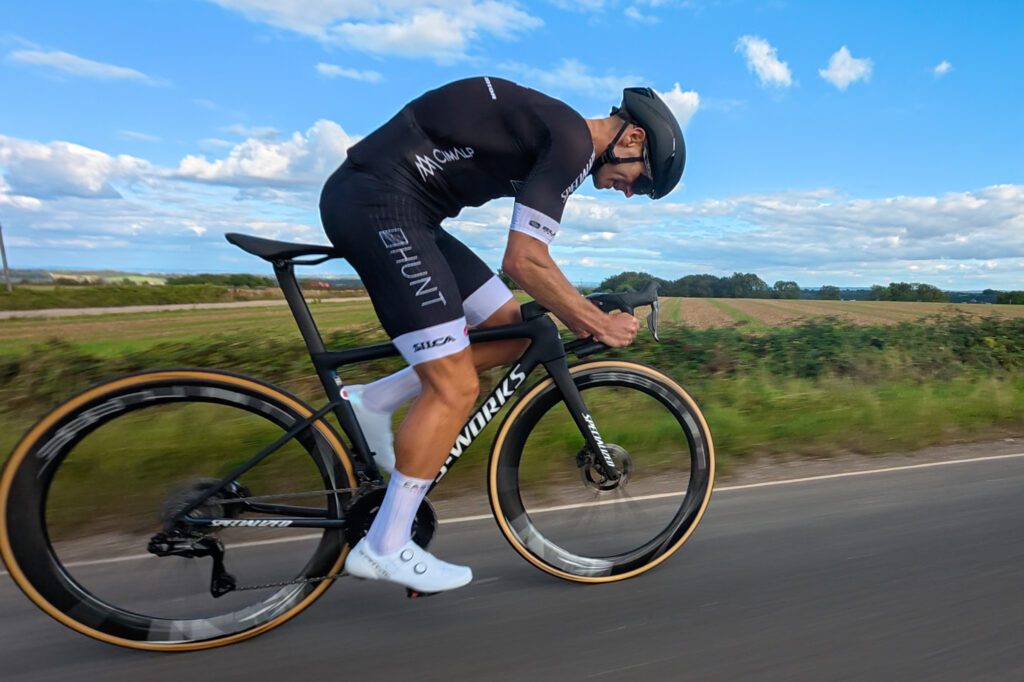

To go up hills very fast, the thinking was always that you needed to light, so we all made our bikes, kit and bodies super skinny. It’s why the British hill climb scene was littered with hacked up bikes and super delicate components.
But now, while weight isn’t unimportant, aero is playing a big part in a hill climber’s setup. Andrew Feather is a multiple men’s national champion and possessor of watts per kilo that you’d normally find in the Tour de France. For the 2026 hill climb season he has gone on an aero mission, so we went to check out his setup.
Frameset and position
For many years, Feather used a cult classic of the hill climbing scene, a Cannondale SuperSix HiMod. The disc brake version of the frame came as Cannondale left rim brakes behind, and then came a partnership with boutique brand SWI, which saw Andrew using its Aequus model.
But for this aero venture, Specialized provided a pair of S-Works Tarmac SL8 framesets, with a bare carbon version being Andrew’s race machine. Built by Bomber Bikes in Bristol, Feather’s switch from a 54cm to a 52cm frame size marks the start of significant position changes.
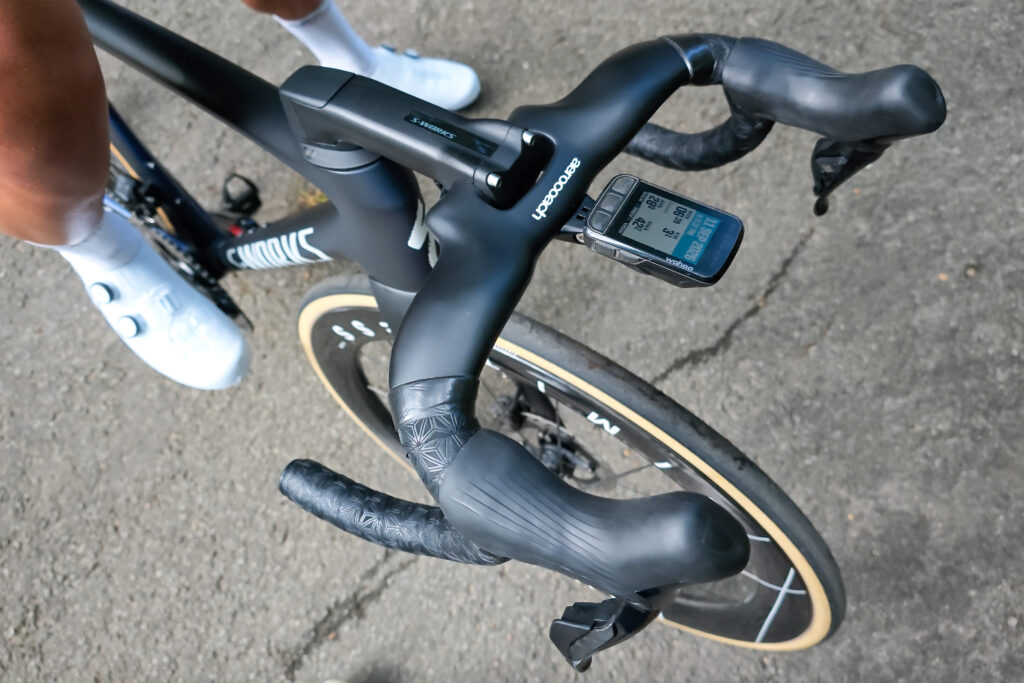
Working with Dr Xavier Disley of AeroCoach since January, Feather’s front end now sits a whopping 5cm lower than his previously very upright climbing position.
A 130mm S-Works stem means his position is also 6cm longer.
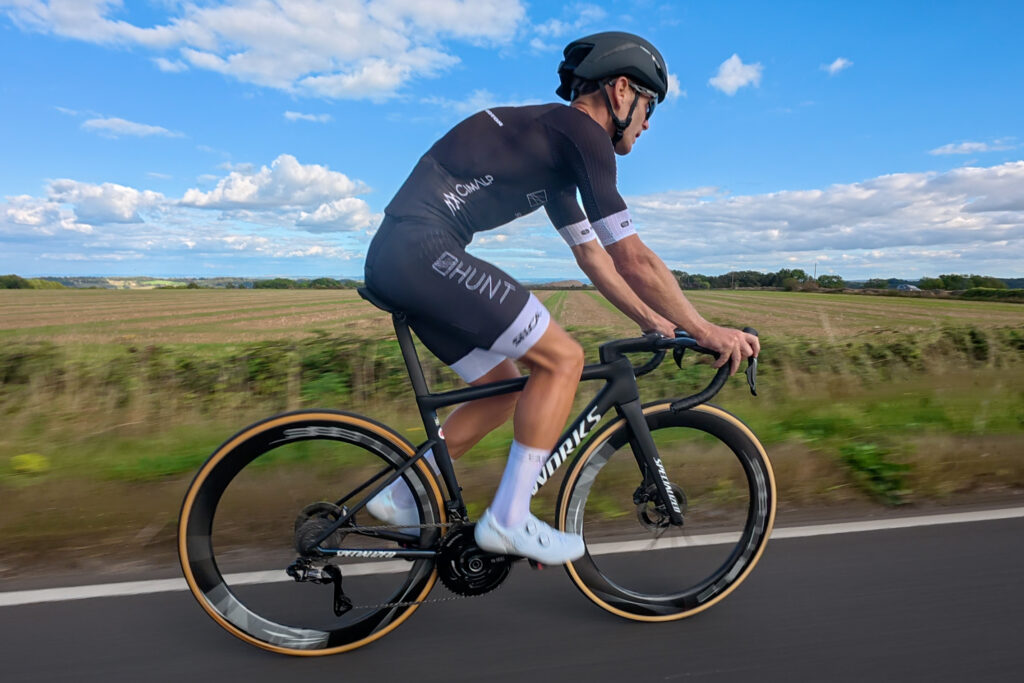
The changes continue with the AeroCoach Ornix bar. Working closely with Disley, Feather has made an effort to be more aero, narrowing his bar width by 10cm to just 32cm.
The reason for all of this change is simple: Porlock Toll Road, this year’s Nationals course, is long, shallow and relatively fast by hill climb standards. This 6.2km stretch climbs 350m at 5.2%, winding up the North Exmoor slopes on what is now a very poor surface.
Currently, the men’s Strava KOM is held by Ed Laverack, though it should be noted that his time of 13:20 was set with a significant tailwind. Still, his 30.3km/h average speed is a very good indicator of how fast the climb can be.
As a result, the goal was to improve Andrew’s aerodynamics, though he jokingly said that he and Disley had a pretty easy starting point. Feather also admitted that such a change has taken a lot of work to adapt to, but he now feels fully able to get the power down.
Wheels and tyres
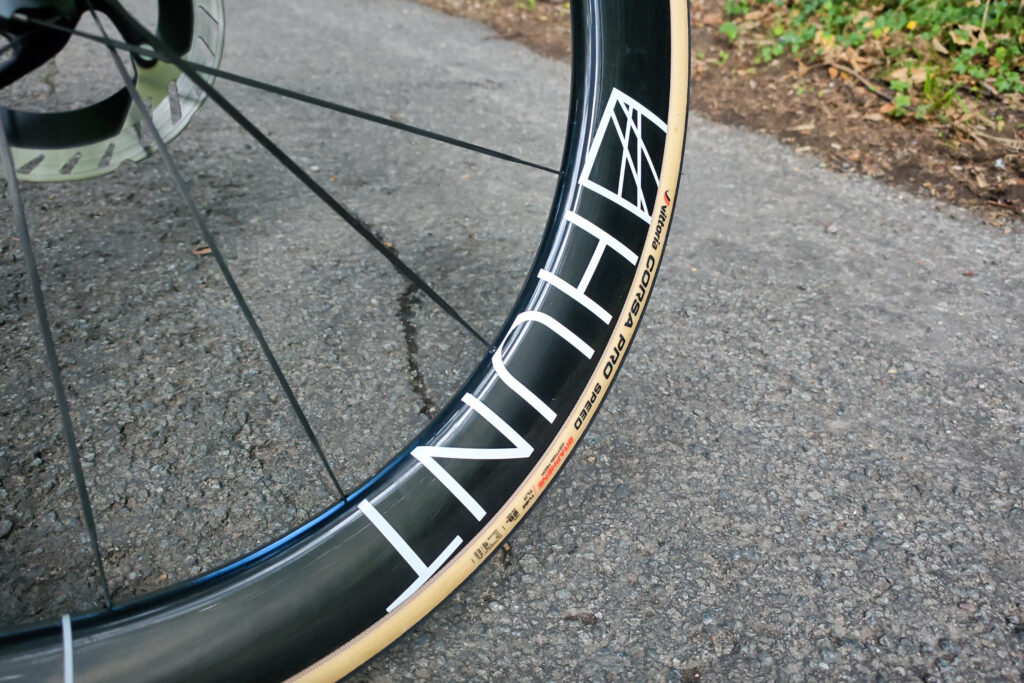
Hunt, a sponsor for several seasons, provides Andrew with the 5AM and 6AM options from its Limitless range, with the 5AM currently being Andrew’s favoured wheelset.
This is a radical change from his previous setup, where he used Hunt’s Hill Climb SL wheels. This super lightweight tubular design weighed just 963g for the pair.
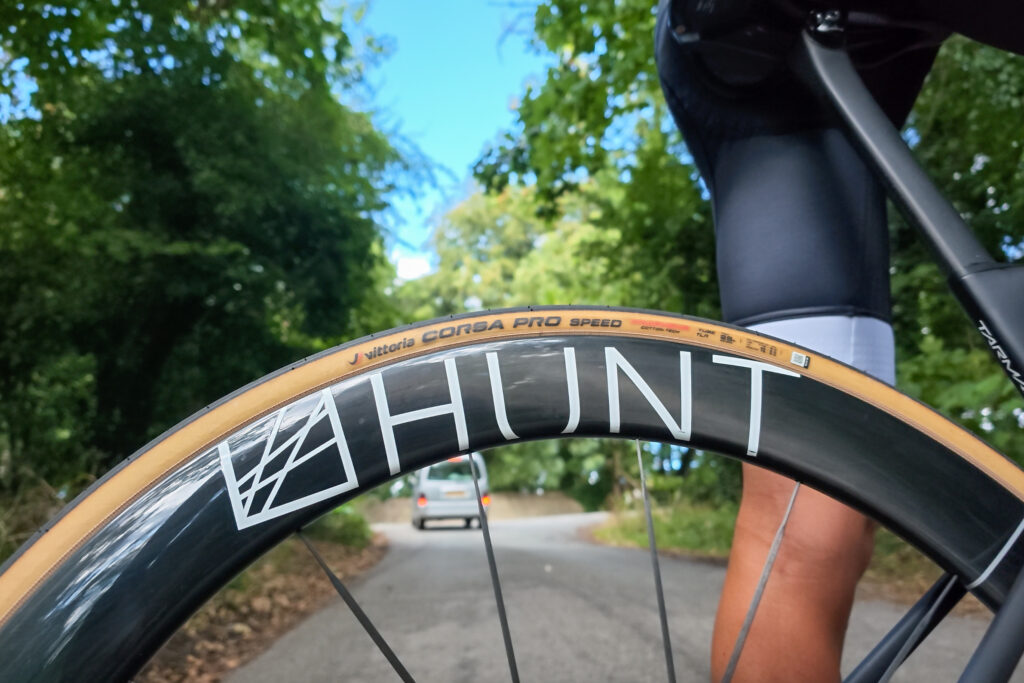
2026 also sees Feather making the move over to tubeless tyres for his race setup, and he’s chosen Vittoria’s Corsa Pro Speed in a 28mm size. Given the wheels’ 23mm internal rim width, this is the narrowest tyre he can fit in the eyes of the ETRTO guidelines.
Groupset
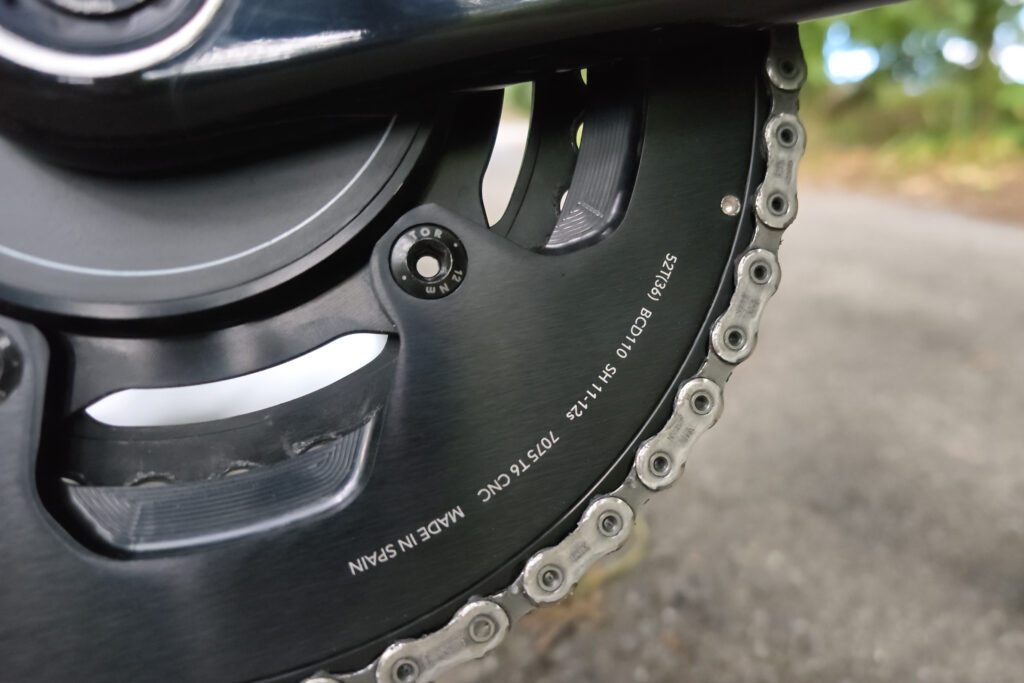
For his gearing, Feather is keeping his cards a little closer to his chest. While he currently uses a 2x Shimano Dura-Ace Di2 drivetrain with a 52/36T Rotor Aldhu crankset and chainrings, a 1x setup could well be on the cards for raceday.
To test the setup, Feather and I went for a little spin to see if we could take a local KOM. You’ll have to watch the video* to see how we got on.
*Spoiler: I mostly just got in his way…