
Mountain bikers sometimes give gravel a bad rap. It’s a simpler style of riding that may not carry the average thrills of rides done on suspension-clad machines, but even then, there are a few things that gravel rides have taught me that have improved my regular mountain bike jaunts.
Proper pedalling results in an easier time
On a gravel bike, you’re pedalling all of the time, pretty much. Although mountain biking also contains a lot of pedalling, proper technique isn’t something that springs to mind all that much. As a result, riders are usually putting power into the downstroke, and not much else.
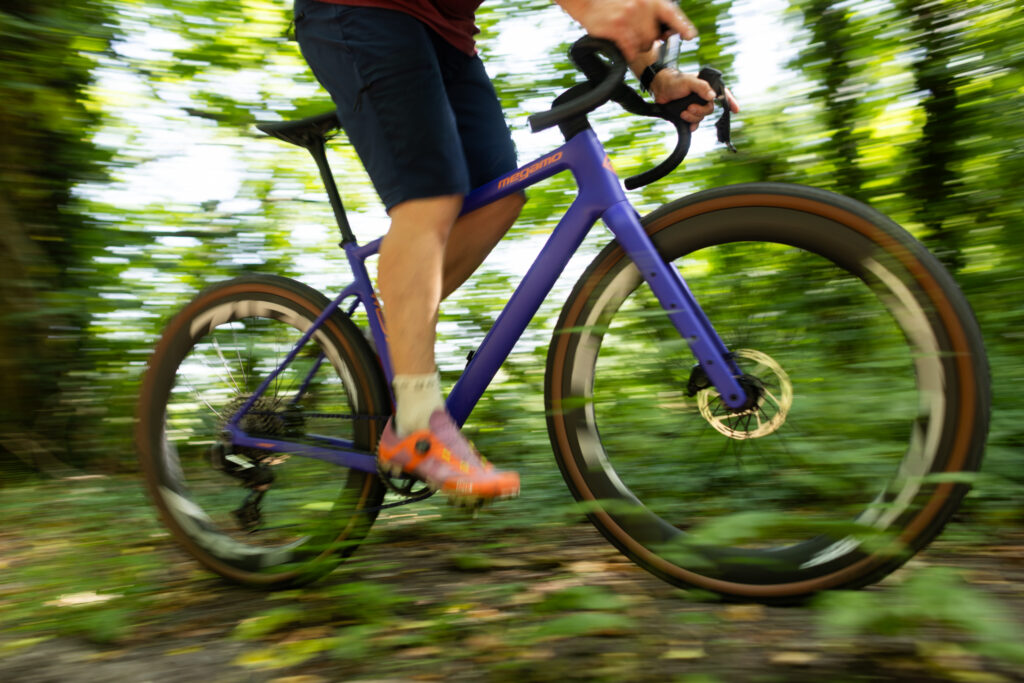
Gravel really amplifies the inefficiencies of pedalling in such a way, and when you’re riding over greater distances, it can become more tiring than it needs to be.
Instead, gravel rewards utilising as much of the pedal stroke as possible. Pushing through the lower and upper parts of the pedal stroke, while pulling on the pedal (a little) makes better use of a crank’s rotation. This’ll have you travelling a little faster, smoother, and importantly, it’ll save energy.
This can then be translated when pedalling about a mountain bike pretty easily.
Constant pedalling boosts stamina
Again, on a gravel bike you’re pedalling constantly. But on a mountain bike, we’re only pedalling on the climbs and then in short bursts while descending. This is great for developing good sprinting power, but if you can only do that over a short amount of time, you’re going to be feeling fairly blown out later into a ride.
That constant pedalling builds stamina, and on a mountain bike that can mean an easier time on the climbs, and bigger distances without feeling absolutely wrecked so early into a ride.
No suspension and skinny tyres refine bike handling skills
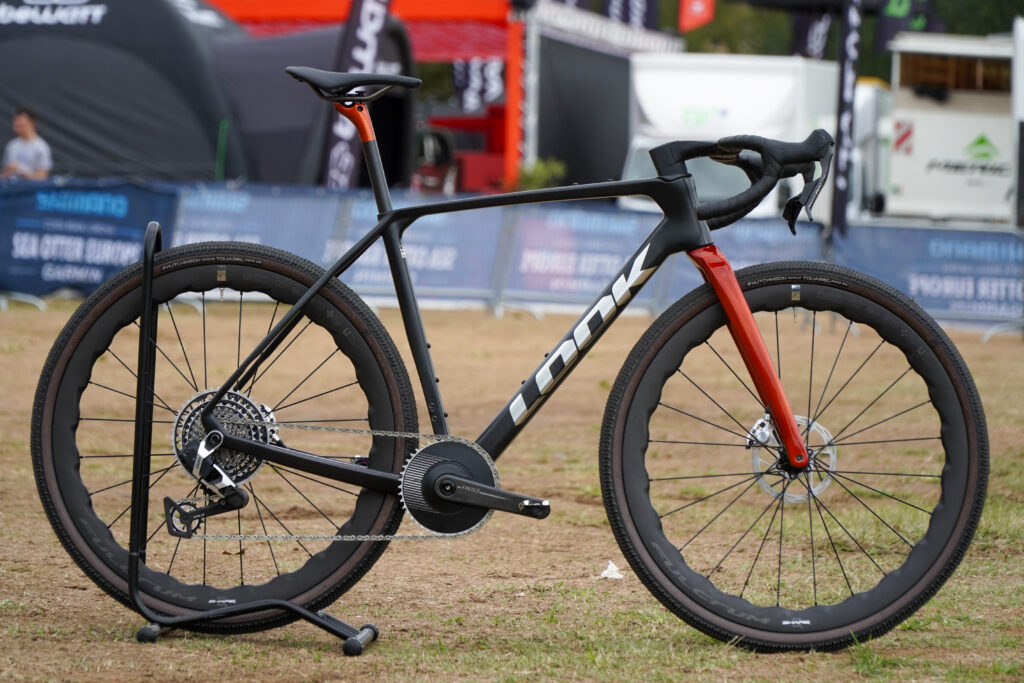
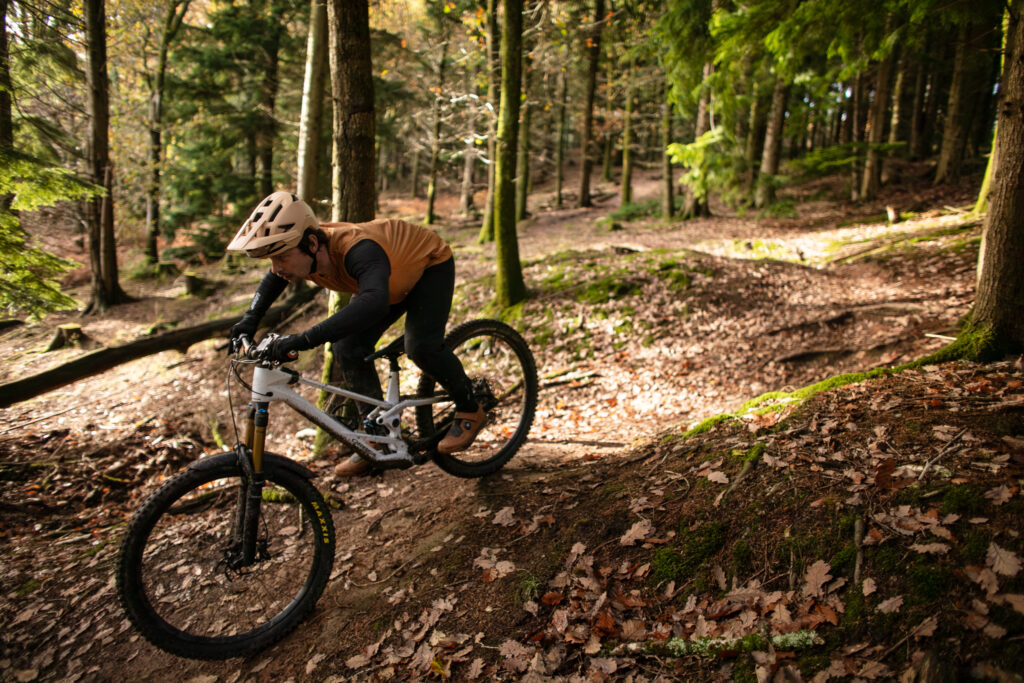
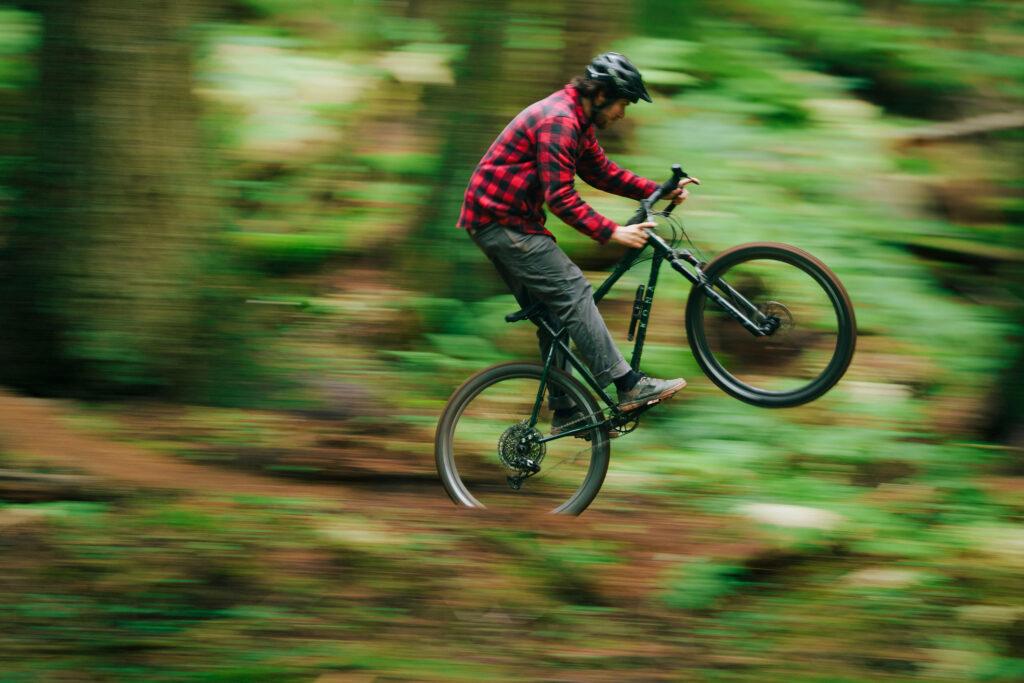
Brimming with suspension and big squishy tyres, mountain bikes have gotten incredibly good at riding questionable terrain; it’s what they’re built for, after all. However, gravel bikes, even with modern wide tyres and comparatively modest suspension forks, don’t really get those bells and whistles.
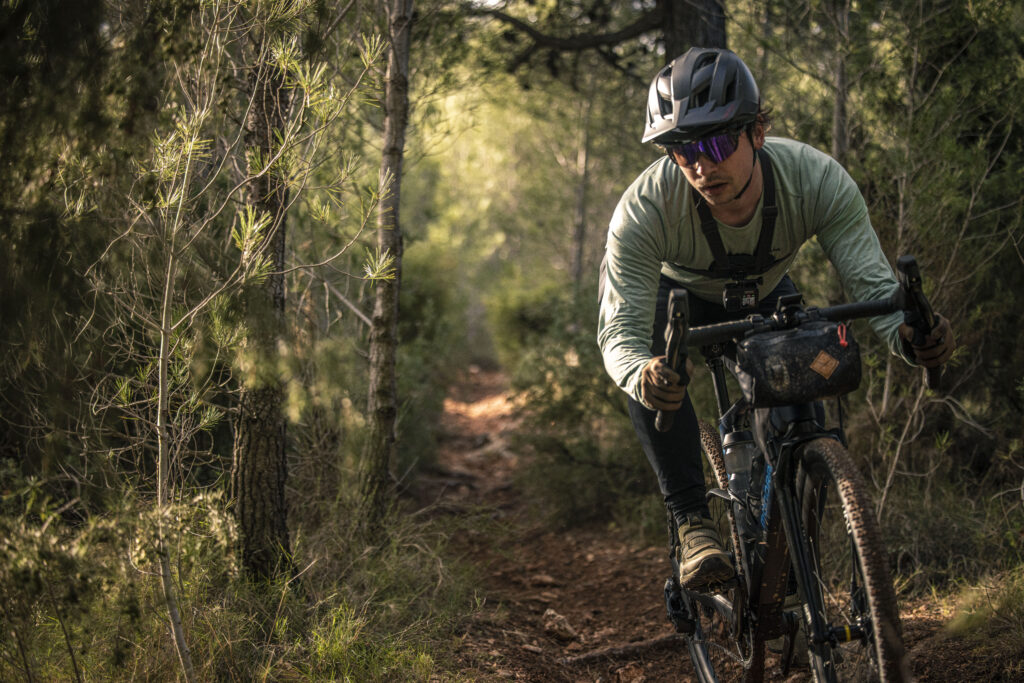
As a result, they’re tougher to handle over less technical terrain. They highlight mistakes much more noticeably than mountain bikes, so it’s easy to find out where you’re going wrong and why a tyre has slipped, while rewarding excellent body weight management.
Because there’s less room for mistakes, gravel bikes will get you tweaking your technique and line choice to stay rubber side up and riding smoothly. These are all things that are mega helpful when on the mountain bike.
The bike is more capable than the rider on it
This is a point that springs to mind during most of my mountain bike rides, but it rings even more true when it comes to curly handlebars. The bike is more capable than the rider.
Alright, so we’re not going to be dropping into Whistlers Dirt Merchant… Unless you’re Yoann Barelli, but even on a gravel bike, some terrain can get pretty scary. I’m talking loose rock and, well, gravel, as well as slick roots and such.
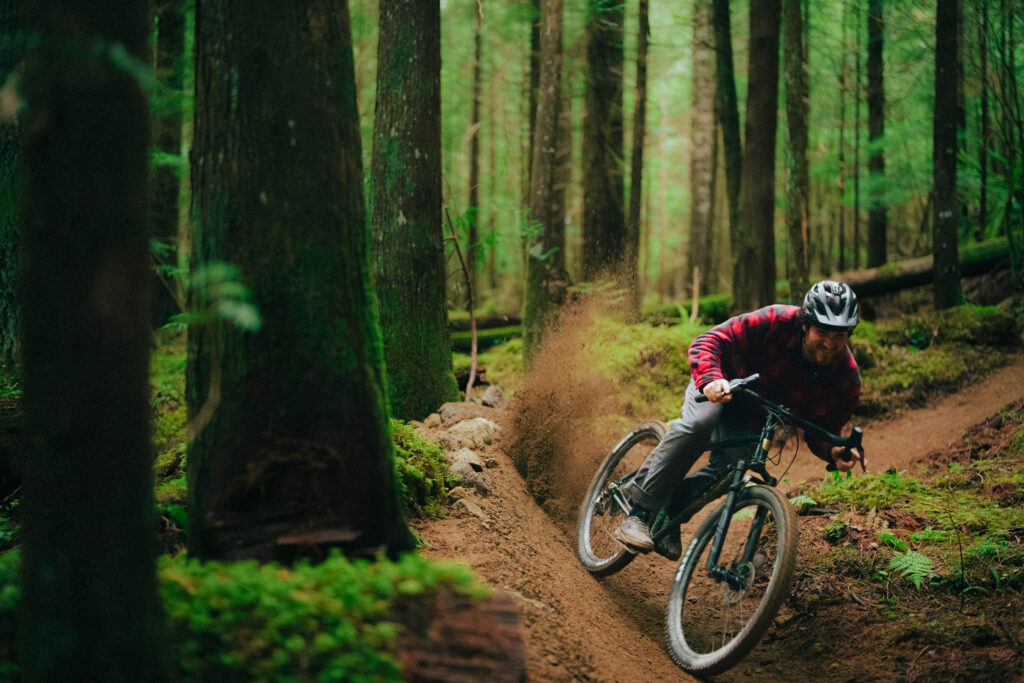
But when faced with this kind of terrain, the bike’s more than up for the task, and if a tyre slips and sends me off into the bushes, that’s my fault, not the bike’s.
As mountain biking’s terrain is a little more varied, to say the least, when riding new trails, I’m constantly finding stuff that scares me. But gravel instils that point of ‘mind over matter’. The bike can definitely do it, I just need to get my head straight.
Fuelling is super important
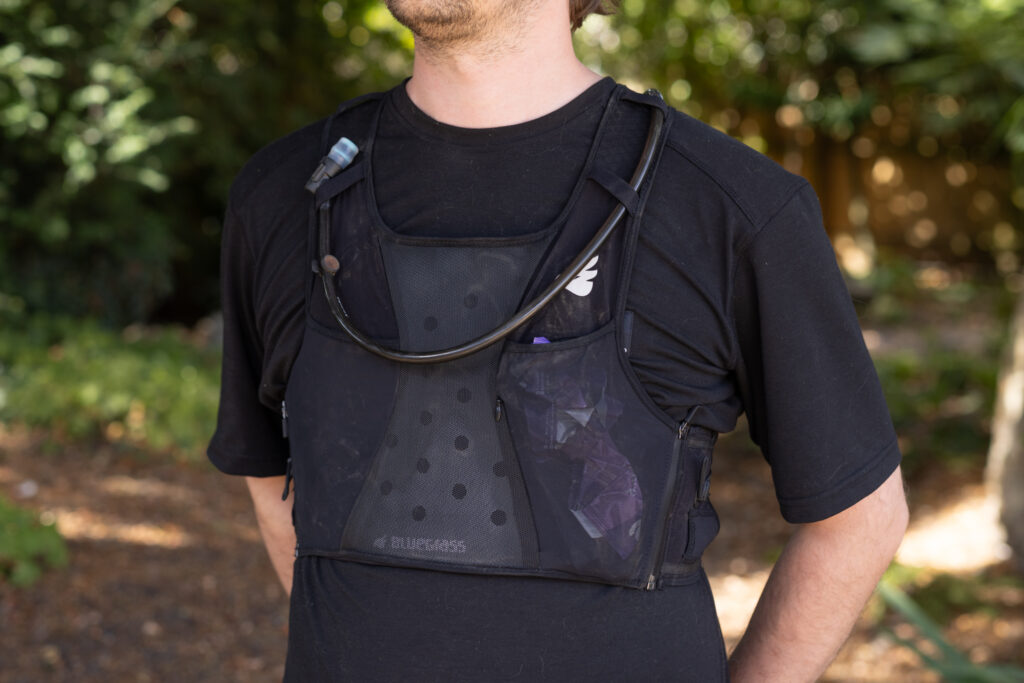
When riding gravel, you’ll typically be covering greater distances, and you might even be out on the bike for longer, with fewer stops. As you’re then pedalling for longer, it’s really easy to forget to feed yourself. Then, you’ll be properly suffering on the way home.
My gravel efforts have had me eating on the go and fuelling myself more wisely on the mountain bike. Before, I’ve always been awful at it, only to pay the price of brain fog and low energy deeper into my gravel and MTB spins. Eating a bit every now and then before I’m actually hungry has solved that.
It’s important to slow down every once in a while
Although gravel encourages faster speeds, mountain biking, for me at least, is all go. Pedal up a climb, find a descent, rinse and repeat. However, gravel is much more relaxed. While I might be putting in the effort to go faster, gravel roads are longer and they can stretch further into the wilderness.
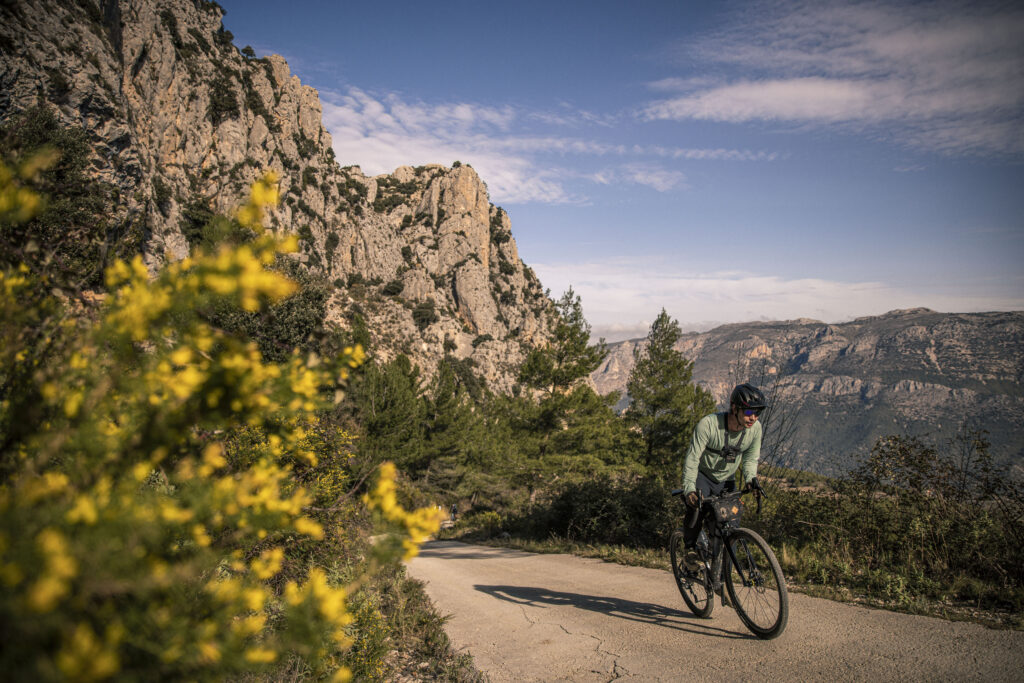
The quiet and duration of each section really force the mind to be a little more peaceful. Rather than thinking about the next root I need to clear, or how I’m going to attack the rapidly incoming berm, I’m relaxing on a gravel bike, taking in the sights and enjoying the weather, if it’s good.
Mountain biking does a very similar thing: it takes people out into the countryside, and it’s important to take a moment to realise where you are, and how lovely it is to be outside.
Gravel can help find bike fit foibles
Mountain bikers aren’t often as serious about bike fit as roadies or gravel riders are. Usually, it’s a case of placing the saddle, the saddle’s height, and cockpit controls in a position that’s comfortable, and having at it. As long as you are comfortable, there’s no problem with that, as a lot of the time, you won’t be in the saddle.
That’s the opposite for gravel. You’ll be in that saddle potentially for hours at a time, and with a suboptimal bike fit, you’re going to find little niggles throughout your body.
In fact, after taking on mile after mile on a gravel bike, I found a more comfortable position, which ended up being the opposite of my mountain bike. Although I wouldn’t take this exact setup to my MTB, this gave me cues and adjustments that I’ve made, which have improved my overall comfort.