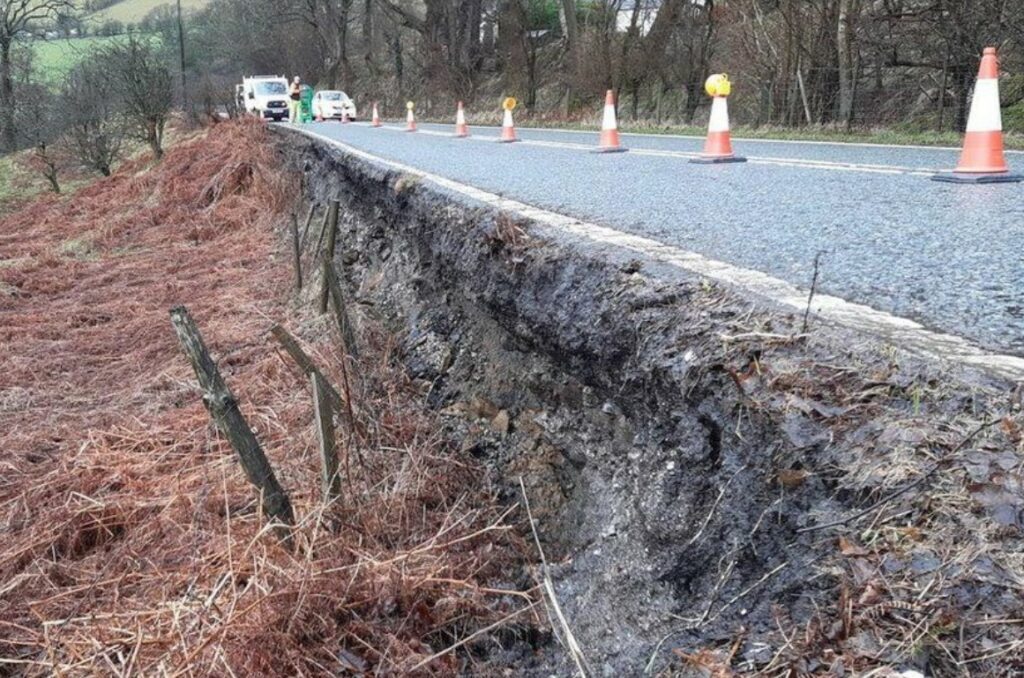

A long-term solution to the numerous active landslips on Snake Pass is “not likely” ahead of the Tour de France Femmes’ visit to the iconic Peak District climb next summer, Derbyshire County Council has admitted.
However, both the local authority and the organisers of the Tour’s 2027 British Grand Départ insist that they are working to “proactively” manage the situation and remain confident that the road can be used during next year’s race.
The A57 Snake Pass, which links Sheffield and Manchester and is used by 30,000 motorists a week, is set to make an appearance midway through stage two of next year’s Tour de France Femmes, a gruelling 154km route linking the two cities and featuring 2,750m of Peak District climbing.
The stage in the Peak District is the second of three days of racing on British soil, the women’s Tour’s maiden visit to the UK, and the second instalment of a GB Grand Départ double header which also sees the men’s race kick off with three stages in Scotland, England, and Wales next year.
However, since Snake Pass was first touted as a possibility for the Tour Femmes, there have been doubts over its ability to host the race, due to a series of road closures caused by landslips and damage in recent years.
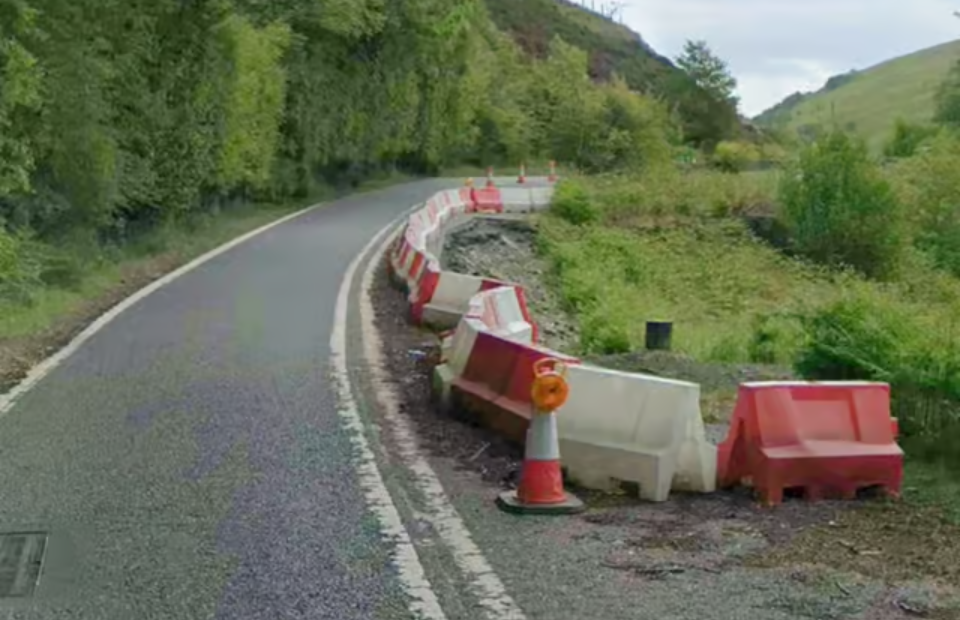
In January, when the first details about the three stages in England were announced, we reported that the organisers have a contingency plan in place in case landslips mean the climb cannot be used, with Derbyshire County Council admitting to us “it’s not possible to say if work will be completed” in time for next summer’s Grand Départ.
Nevertheless, in April, following the unveiling of the full route details, the council’s highways chief Charlotte Hill told us that the local authority will “do our utmost to ensure that the Tour de France Femmes Avec Zwift has safe passage along the route”.
Since then, however, the A57 has remained in the headlines, with further road closures taking place in July and a feasibility study determining that it would take over £100m to implement a full investigation and repair process on Snake Pass.
According to Hill, this provisional estimate, needed to carry out repairs to the four current landslip sites along the A57, at Doctor’s Gate, Wood Cottage, Alport, and Gillot Hey, was “beyond our means and why we continue to lobby for more funding”.
Visiting Sheffield for the first time as prime minister, Andy Burnham described the ongoing issues on Snake Pass, along with Woodhead Pass, the other main road that crosses the Pennines, as “ridiculous”.
“It cannot be right that the Woodhead Pass and the Snake Pass are managed as just local roads that are crumbling and not available for large parts of the year, we need to do better that,” Burnham said.
“All of those issues are in scope. I’ll work with the local authorities concerned, but Manchester-Sheffield connectivity needs to be much better than it is.”
South Yorkshire mayor Oliver Coppard also suggested that responsibility for the maintenance of Snake Pass could be transferred from the county council to National Highways.
“We think that it is part of the national infrastructure and it shouldn’t just be the responsibility of Derbyshire County Council,” he said.
“We’re pushing for improvements and for National Highways to take control of that road because it is one of the core routes between Sheffield and Manchester and is often out of use because of the nature of the road and the underlying topography and geography.”
Earlier this week, Hill said it was “crucial” that the county council focuses “on finding a long-term solution that addresses these issues safely and sustainably”.
However, she added: “The provisional estimate to investigate and repair these landslips is in excess of £100m which is beyond our means and why we continue to lobby for more funding.”
This week, road.cc asked Hill whether this inability to afford a long-term solution to Snake Pass’ landslip problems would affect the route of stage two of the 2027 Tour de France Femmes.

“The Snake Pass is an iconic stretch of road and will present a real challenge to the cyclists – and make for an interesting stretch of the race,” the county council’s cabinet member for highways said.
“Due to its underlying geology it presents us with several challenges as it has a number of active landslips which we manage year on year. We’ll do our utmost to ensure that the Tour de France Femmes Avec Zwift has safe passage along the route by proactively managing it.”
She continued: “And while a longer-term repair is not likely before the race – as it requires significant investigation and resource – we’re working with the East Midlands Combined Authority to explore all options to secure the longevity of the A57.
“We’re delighted that the Snake Pass is going to form part of the Tour route and look forward to welcoming cyclists, spectators and visitors alike.”
The Grand Départ GB organisers were equally as positive about the prospects of Snake Pass being raced up by the women’s peloton next summer, while also stressing that rider safety is “top priority”.
“We are working closely with partners across the country on all aspects of hosting the Grands Départs, including the stage routes, and have confidence in the planned Tour de France Femmes avec Zwift route through the Peak District,” a spokesperson for the organising team told road.cc.
“Rider and spectator safety is the top priority and, like all major road events, we work continuously with local authorities and other partners to identify and mitigate risks and ensure the highest standards are met throughout.”
The organisers previously told us that contingency plans were in place should the climb ultimately be deemed unfit for racing on 31 July 2027.

The Snake Pass stage looks to be as brutal a Grand Départ offering as we have seen at the Tour de France Femmes, stage two of the 2027 race taking the riders from Manchester to Sheffield via seven uncategorised climbs.
While the focus has been on Snake Pass and its crumbling road structure, it is Winnats Pass which will likely be the star attraction of the stage, the peloton set to climb its brutally steep slopes, averaging 12.3 per cent for its 1.4km, 65km into the stage.
Once closer to Sheffield, there will be several shorter, but still brutally steep ascents, before a revisit to Jenkin Road where, in 2014 when the men’s race visited and eventual yellow jersey winner Vincenzo Nibali descended to victory.
This gruelling second stage in the Peak District follows a flatter opener between Leeds and Manchester, before the Tour heads down to London for a team time trial and a hop back over the Channel.