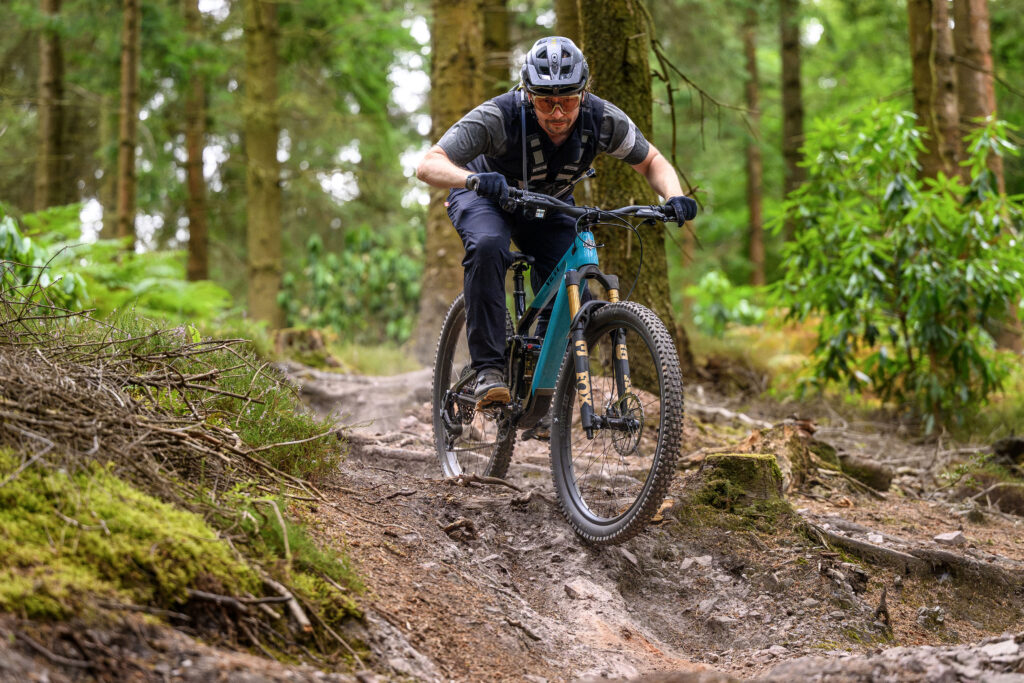

In a world where brands are constantly trying to get you to part with your money in pursuit of ‘better’, it’s really easy to get bogged down in the slew of new and fancy kit, thinking that it’ll make life riding bikes better. To a fine degree, it will. But after 10 years of riding mountain bikes, I’ve found much better value in a coaching session than I have in a new bike.
As with many hobbies, mountain biking comes in three facets: technical, theoretical and practical. As bike companies market their things, and you buy them, you’re fulfilling that technical aspect. Learning about your bike, how to maintain it and ride it, you’re fulfilling the theoretical, and by riding your bike, you’re fulfilling the practical part of it. I’m just setting the scene here; let’s not get pedantic.
Achieving the technical and practical facets is pretty simple. You buy a bike, and you ride it, but it’s incredibly easy to forget about the theory, as with everything, including learning guitar, in my case. And like learning guitar, nailing a solid theory foundation is one of the best ways of opening up a hobby and enjoying it more and safely, in mountain biking’s case.
This all applies to learning how to maintain your bike too, because that makes life better, too, but that’s for another column.
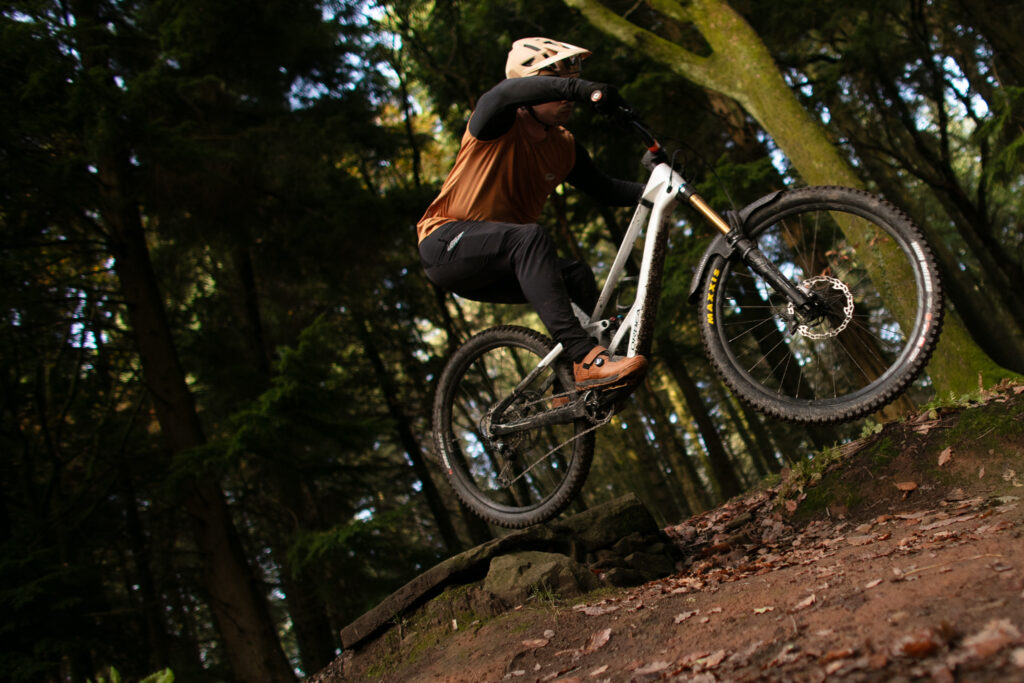
That’s exactly the same with mountain biking. It can be a pretty scary thing to do at any level. Even the simplest of trails can be unpredictable, and you’ll need the right set of skills to be able to tackle those trails confidently and safely. Again, as with many, many things in life, mountain biking isn’t without a learning curve.
Of course, you could head over to YouTube or make use of your evening doomscroll and pick up tips from influencers and online coaching as best you can. And surprisingly, building the knowledge of how to do things and translating that knowledge into action can build a reasonably good but not perfect foundation of on-trail prowess.
But throwing back to my guitar analogy, self-learning can only take you so far. Like my guitar playing, I’m often riding alone, so I don’t regularly have people around me to give me tips on how to conquer some of the terrain I’m faced with, or get up to speed when playing Veil of Maya’s Winter Is Coming Soon.
That’s where coaching comes in. For a relatively meagre sum (compared to buying bikes and stuff), a coach can tailor-build a few hours’ worth of a session to help you build the skills you require to ride in the way that you want. Newbies might just want to boost their confidence when descending; those with more experience might strive to dive deep into a certain aspect of their riding to correct any pre-formed habits.
I mean, even top level athletes still get coached. There’s absolutely no shame in doing that.
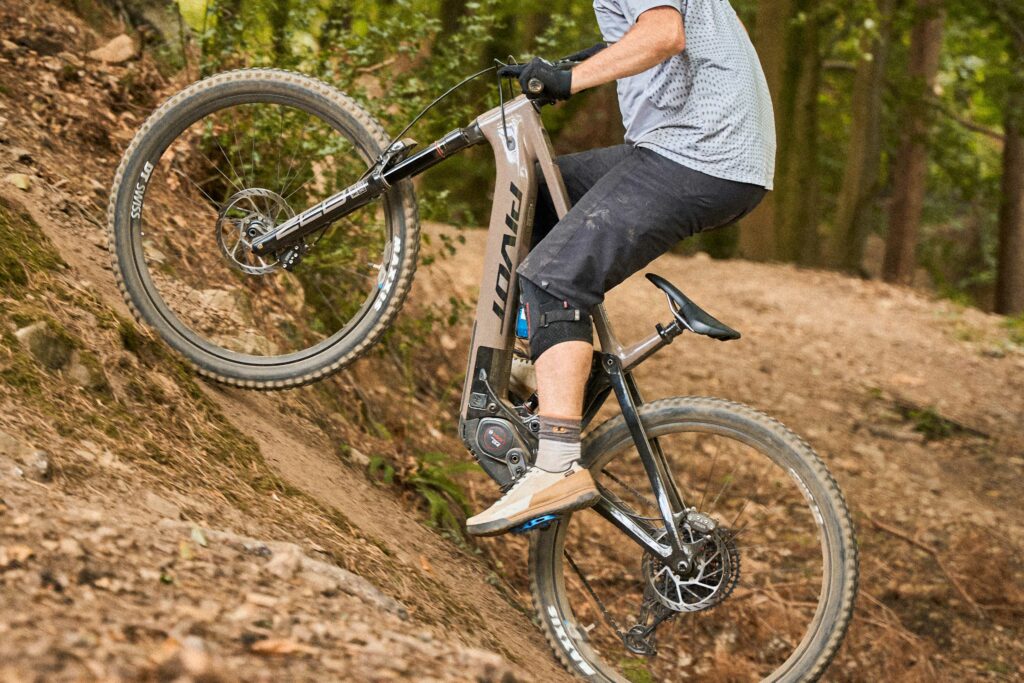
And that’s what YouTube tutorials don’t do, and what new bike stuff can’t do. A lot of mountain biking is self-taught, which is cool, but it’s very easy to pick up habits that might hinder your confidence without you ever realising. A good coach will be able to see what you’ll never see, and offer advice on how to tweak your form to get you riding better and safer.
I’m one of those who hasn’t invested in a good coaching session often enough, but when I have, the difference in my riding and my confidence has increased 10-fold. Throughout my ten or so years riding, I’ve had three sessions: one to improve my descending on steeper terrain, another for jumps, and another to boost my lost confidence on drops (thanks again, Sam). Each time, my poor body position and small mistakes I wasn’t aware of have been highlighted.
After each session, I’ve left well practiced, significantly more confident, tired, but importantly, with a new handful of things to work on. Something that fresh kit cannot do.
What I’m trying to say is, spending thousands on a new bike or hundreds on fresh brakes, while making some aspects of riding a bit easier, doesn’t exactly open doors. Upgraded geometries and improved suspension layouts might help you ride faster, but eventually they’ll be broken or replaced, and they’re only as good as the rider. A fresh roster of skills or even polished skills stay with you forever if you work on them properly. They can help you ride more comfortably and with more confidence, while unlocking new features and trail grades.
But the best thing is that for £150 and three hours, you can make riding your bike more fun in a way that a new £2,500 bike never can.