
In recent years, there has been growing media coverage of, and opportunity for, riders specialising in ultra-endurance events. Many established races now offer longer-distance versions, while many riders have become increasingly well-known for their epic endurance challenges and results. But with the appeal of the genre growing, sponsors taking notice of results and its huge physical demand, is doping in ultra racing primed to be the next big cycling controversy?
With results and exposure can come sponsorship, and several of the leading riders are now full-time athletes. As the potential rewards increase, so too does the temptation to gain an advantage through prohibited substances. With most ultra-distance races operating outside the control of national governing bodies, the chances of being caught taking performance-enhancing drugs (PEDs) may also be relatively low.
Cycling and doping have long been intertwined, largely because of the sport’s history. While many will hope that the worst days of doping are behind us, there’s now a new generation of events and athletes have created a different set of opportunities, where the rewards are increasing, but the risk of detection remains low.
This probably isn’t about blood doping or EPO, where the primary objective is to increase oxygen-carrying capacity and maximise aerobic performance. Instead, the potential attraction may be finding a way to keep the body functioning and pushing forward for days at a time, with very little rest. This could also become an issue in gravel racing over more conventional events. Some events are UCI governed, where anti-doping controls are possible, but many others, particularly in the US, operate outside UCI rules.

A 2024 study of ultradistance runners reported that 49.8% of its 412-person cohort had at least one drug detected in their urine. While that figure may initially appear alarming, the headline figure needs some context. Of those tested, 16.3% had a substance that appears on the WADA Prohibited List. However, the event was not conducted under WADA anti-doping rules, and the study does not establish whether those substances were being used for performance enhancement or for legitimate medical reasons where their use may have been permitted.
Nevertheless, the findings raise an interesting question for ultra-endurance sport. If athletes are competing for longer, facing greater physical demands and, in some cases, increasing commercial rewards, is there a risk that the sport could become vulnerable to the same problems that have affected other areas of endurance sport?
I spoke to one of the world’s best and most highly regarded ultra-distance racers to get their perspective on where the sport stands today, whether they believe there is a problem, and, if so, what could be done to give both riders and fans confidence that the sport is clean, fair and credible. They have asked to remain anonymous, allowing them to speak openly about their experiences and concerns.
off.road.cc: Have you ever been subject to a doping control test? If so, what type of event was it and what distance were you racing?
Anonymous: I personally have yet to be subject to any in-event testing; it has been somewhat disheartening from my point of view at some events such as Unbound and Traka, which both host ‘ultra’ distances, to have doping control present but not active within the longer course category.
ORCC: Are you aware of any ultra-endurance cycling events that carry out regular doping controls? If so, does testing cover all distances and abilities, or is it focused on particular races or categories?
A: As it stands, I’m not aware of any. As mentioned above, there are events where doping control is present but not yet involved in the ‘ultra’ discipline.
ORCC: Do you believe there is a problem with PED use in ultra-endurance racing? If so, what types of substances do you think are most likely to be involved?
A: It’s hard to say for definite, but there’s no shortage of rumours. Even if it’s not yet a widespread issue, as the sport becomes more professionalised (which we are already seeing), it’s only a matter of time before individuals take advantage of the lack of enforcement for financial gain. We have seen it in almost every other sport that’s grown from a grassroots level, so for me it’s worth getting ahead of the curve before the reputation takes a hit.
ORCC: Do you know of any athlete in ultra-endurance sport who has tested positive for a PED?
A: Due to the fact there’s no testing for athletes within their ‘ultra career’, I’m not aware of any positive tests. It is well documented that some of the top riders in the discipline do have a history of banned substance use, whether that be for legitimate medical reasons which would prevent competition allowance within UCI-sanctioned events or bans relating to PED use in other cycling disciplines.
ORCC: What types of substances do you think could represent the biggest problem within ultra-endurance sport?
A: I get quite a few accusations of amphetamine use through my social media, likely due to the lack of sleep usually sustained in a race. Although through my own research I don’t believe stimulants to be of great advantage for me personally, as I like to be of sound mind and able to listen to the demands placed on my body – even to the point of staying away from more than 70mg of caffeine/24hrs.
From what I know, testosterone and EPO (Erythropoietin) seem to be the PEDs that would provide the greatest advantages through both recovery and performance.
ORCC: Do you believe athletes regularly use otherwise legal over-the-counter drugs, such as anti-inflammatories and painkillers, to help them manage the demands of racing?
A: It partly becomes a grey area as there is no official governing body; who is to say what a banned substance is? For me, and I’m sure for most riders, the WADA prohibited list is the obvious port of call. The reason I mention it is because within the written rules of many of these races, and maybe more notably within the written rules covering Guinness World Records, there’s no mention of a banned substance list or guidance to follow WADA regulations.
ORCC: Who do you believe should take greater responsibility for keeping ultra-distance racing fair and clean? Should that responsibility remain with the athletes, or is it time for race organisers and an independent body to do more?
A: Currently it falls upon the moral compass of the athletes partaking in the races, but as previously alluded to, I don’t believe there is longevity in this approach. Especially as the stakes become raised. For me, I’d love to see the organisers of the bigger races (Mountain Races, Lost Dot, Transiberica Club, etc) at least threaten to have doping control for the top finishers. Hopefully seeing the investment as a way of keeping the discipline’s reputation and therefore popularity, safeguarding the scene for the future.
What can organisers do to combat doping?
From my own experience, both as a racer and as a race organiser, this is a topic that is likely to remain a problem unless there is a better means of monitoring and controlling it.
When I was racing at the top level, making a living competing in 24-hour solo races and multi-day stage events, there were often question marks over riders’ performances. This was largely because there was little or no testing, leaving plenty of room for speculation.
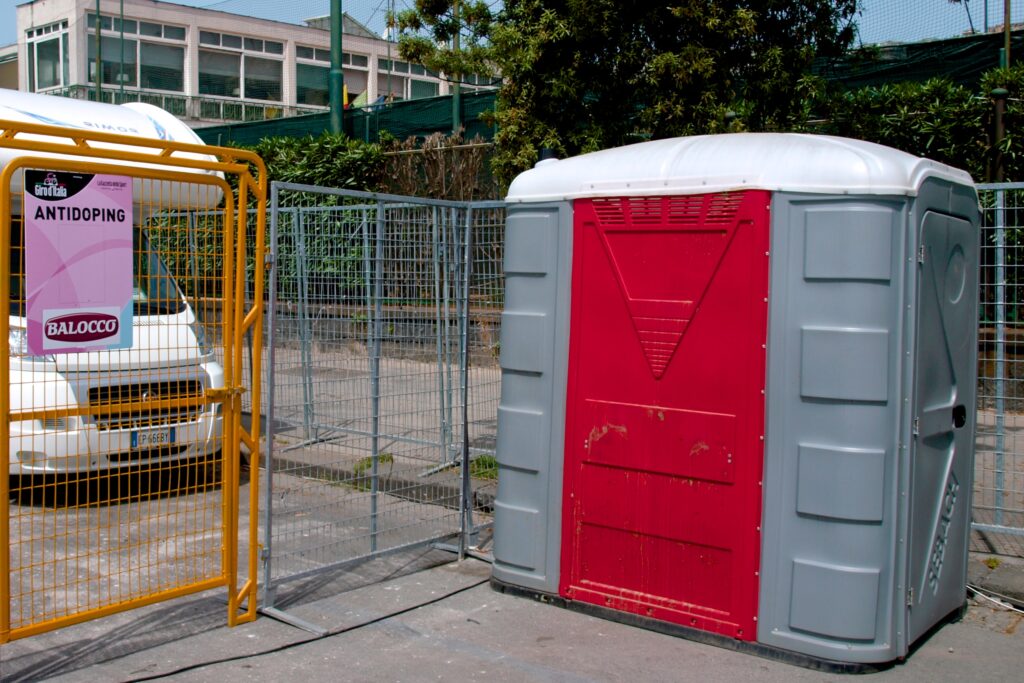
As a race organiser, I have seen the other side and why that area is a problem. Despite organising events up to UCI Category 1 level, I have never seen anti-doping controls carried out at one of our events. For events operating under British Cycling and UCI regulations, I have always been required to provide a suitable doping-control area, but I was never told in advance whether UK Anti-Doping personnel would attend. It is up to the UCI and British Cycling on which events get anti-doping presence, and they pay for that testing.
For events operating outside British Cycling and UCI control, the situation is more straightforward, but even harder to manage: if you want anti-doping testing, the organiser has to pay for a private anti-doping service to attend, as the event falls outside the sports covered by UKAD’s testing programme.
With the cost of bringing in independent testing potentially reaching £10,000 or more, this simply isn’t a realistic expense for most event organisers. For an event that may already operate on relatively tight margins, spending that sort of money on testing is impossible to justify.
Can we continue as things are now, believing that all athletes are clean and hoping they are all playing by the same rules?
One of the reasons ultra racing has become so successful is its independence from outside governing bodies, but perhaps some form of collective organisation is now needed. Something like how the Life Time Grand Prix was established in the US gravel racing scene could provide a central pot of funding and, as one of the sport’s leading racers has suggested, at the very least make testing possible, if not make it a genuine deterrent. Because if the rewards continue to grow while the risk of being caught remains low, the likelihood that someone will be willing to cheat is only going to increase.