

Carbon wheels have long since graduated from being an exotic upgrade to becoming one of the most popular performance improvements you can make to a road bike. The old debate over whether carbon rims were actually worth replacing alloy wheels has, for most riders, been settled.
But wheel technology hasn’t stood still.
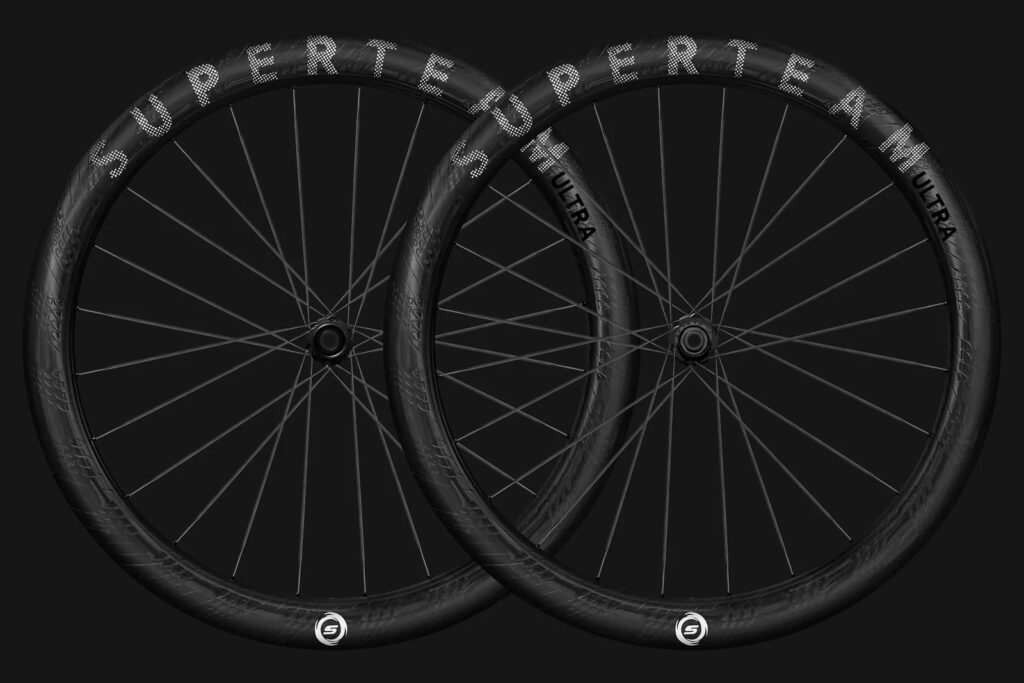
Over the last few years we’ve seen wider rims, improved aerodynamic profiles and, increasingly, carbon spokes finding their way onto premium wheelsets. They’re no longer reserved for pro teams or flagship models costing several thousand pounds, with brands such as Superteam bringing the technology to a much more attainable price point.
The question is whether carbon spokes genuinely make a difference or simply provide another expensive talking point.
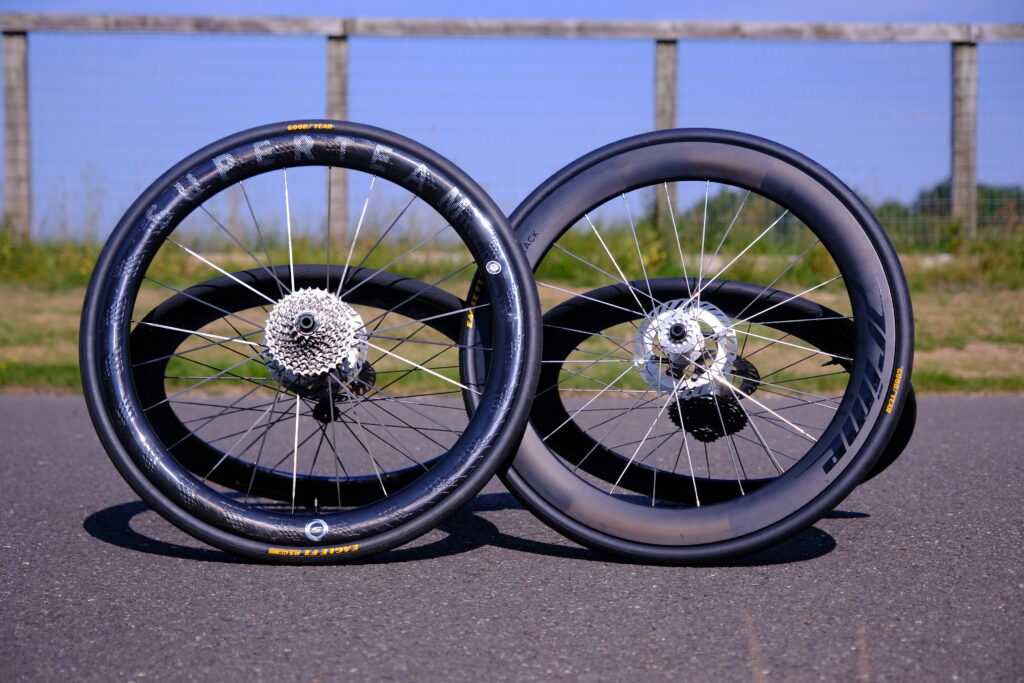
To find out, we compared a modern carbon-spoked wheelset with an older, steel-spoked carbon wheelset that we built during lockdown. They’re hardly a perfect like-for-like comparison, but they do provide a good indication of just how much wheel technology has moved on…
Faster, but not by as much as you’d think
The most obvious difference between the two wheelsets is the spokes.
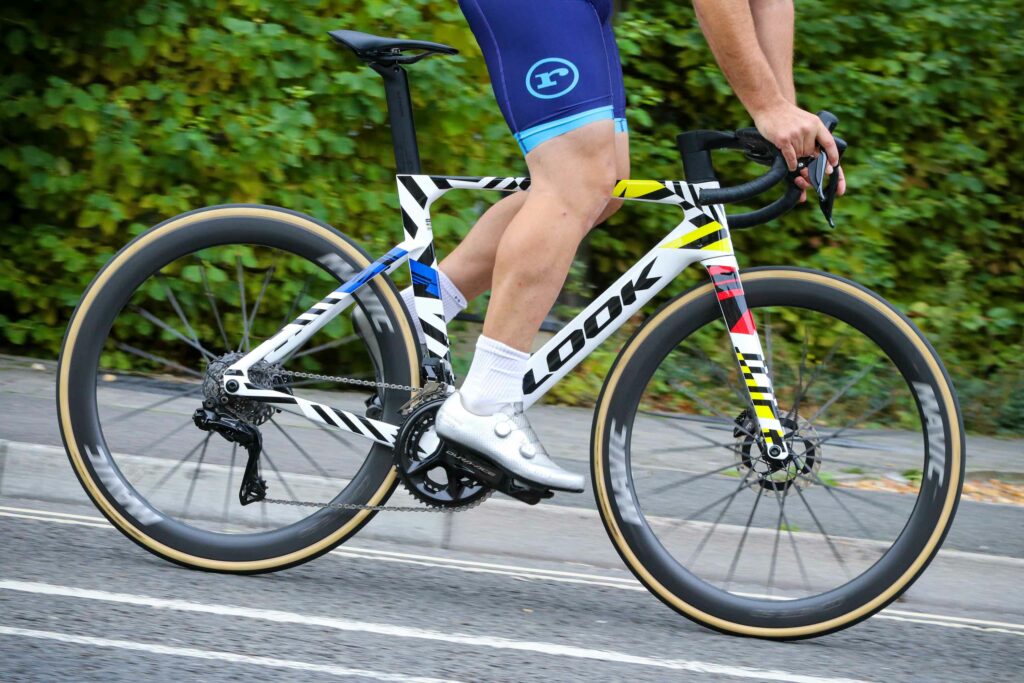
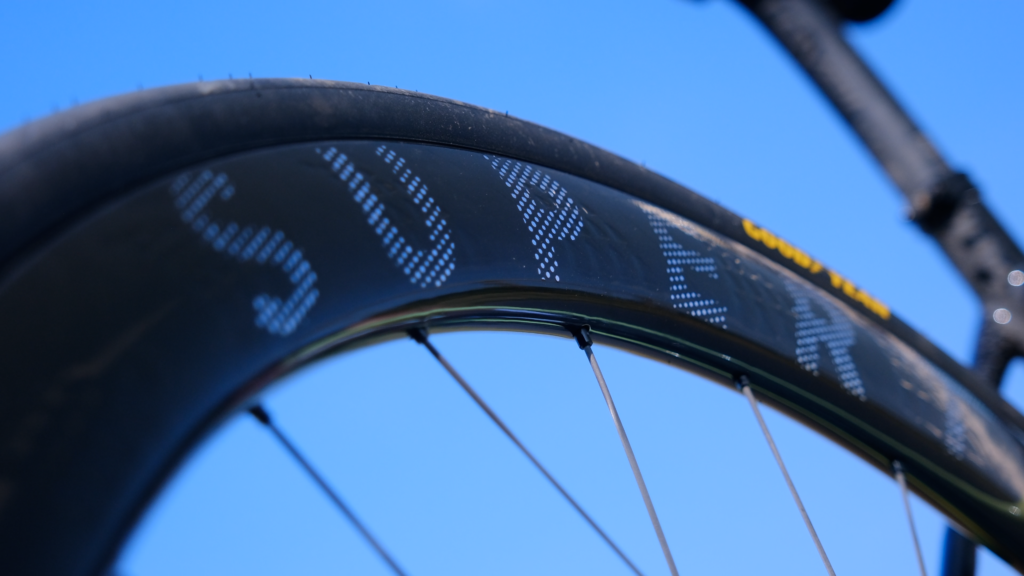
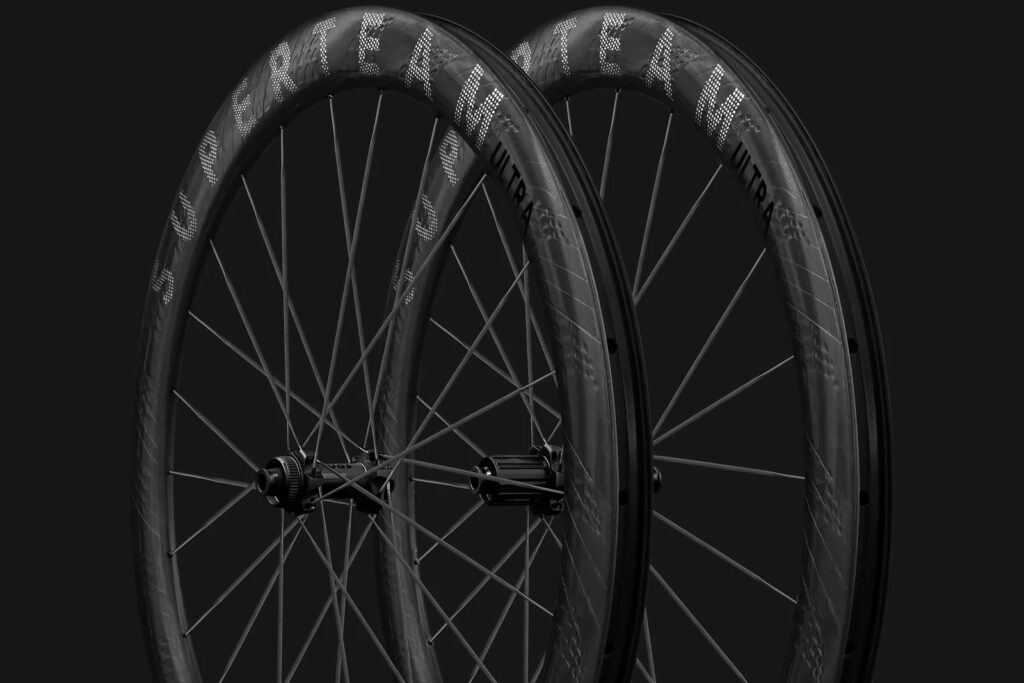
Carbon spokes have existed for years, but they were traditionally bonded directly into the hubs and rims. Modern designs are far more practical, and Superteam’s Ultra SL SE wheels use removable 3.2mm carbon spokes with titanium nipples. At a claimed 2.1g per spoke and nipple, they’re noticeably lighter than the Sapim CX-Ray steel spokes used in the older wheels.
The rims have also evolved. Rather than chasing maximum depth, the Ultra SL SE uses a 51mm front rim paired with a slightly shallower 48mm rear. It’s a design now adopted by many premium manufacturers, with the aim of reducing crosswind instability while retaining aerodynamic efficiency.
The rims are considerably wider too, being optimised around modern 28mm tyres. By comparison, the older 60mm wheels were designed when 25mm tyres were considered wide. That narrow profile makes them noticeably more difficult to handle in gusty conditions.
Superteam has also incorporated distinctive “shark fin” shaping into the rim profile, claiming it improves stability in crosswinds while reducing drag. According to the company, the revised rim shape cuts aerodynamic drag by just under 18% at 40km/h compared with an older 25mm-wide design.
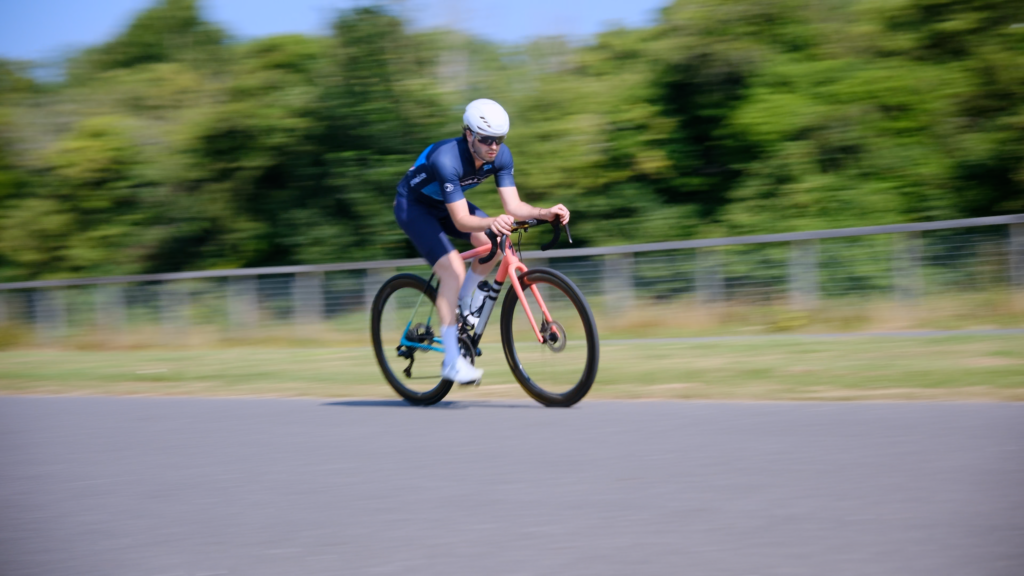
To see whether any of this translated into real-world speed, we completed three laps of my local Odd Down cycling circuit on each wheelset, attempting to maintain the same riding position and power throughout.
As with all outdoor testing, there are plenty of variables that simply can’t be controlled, so the results should be treated cautiously.
The older wheels completed the test in 7:59 from a standing start, while the newer wheels finished three seconds quicker.
That isn’t a transformative difference, but it’s still impressive considering the newer wheels are actually shallower than the old 60mm set. Improved aerodynamics clearly aren’t just about rim depth anymore.
Where carbon spokes really shine
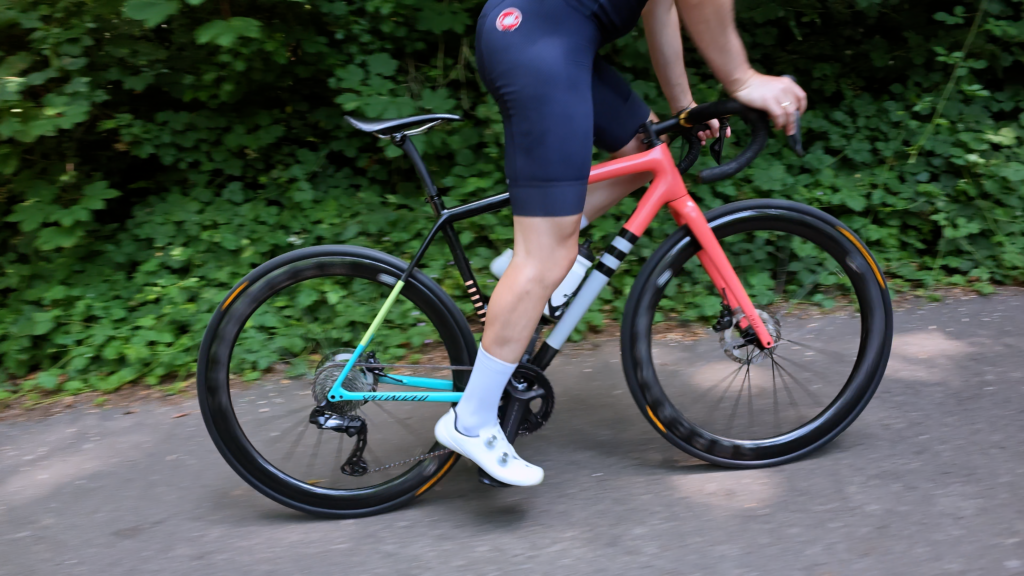
Flat roads don’t tell the whole story. If there’s one area where carbon spokes make their biggest impression, it’s climbing.
The Ultra SL SE wheelset has a claimed weight of just 1,220g, making it remarkably light for an aero-focused design. Combined with the exceptional lateral stiffness provided by the carbon spokes, the wheels respond instantly when accelerating or stamping on the pedals.
On steeper gradients the bike simply feels more eager. That stiffness also benefits larger or more powerful riders. Despite the low weight, the wheels carry a generous 120kg rider weight limit, giving heavier cyclists access to genuinely lightweight performance without compromising durability.
It’s one of those upgrades that’s difficult to quantify with a stopwatch but easy to notice from the saddle.
Comfort hasn’t been sacrificed
Traditionally, ultra-stiff wheels often came with a harsh ride quality.
Thankfully, the combination of a modern 23mm internal rim width and larger 28mm tyres does far more for comfort than older, narrower wheelsets ever could. The hooked rim design also provides reassurance for riders who aren’t yet convinced by hookless systems.
Although carbon spokes are incredibly stiff laterally, they don’t automatically create an unforgiving ride. Modern wheel design has become far more balanced, delivering impressive responsiveness without constantly reminding you how rough British roads can be.
So, are they worth the upgrade?
There’s no avoiding the price. At £1,341, these aren’t an impulse purchase. It’s a significant investment, particularly if you already own a decent carbon wheelset.
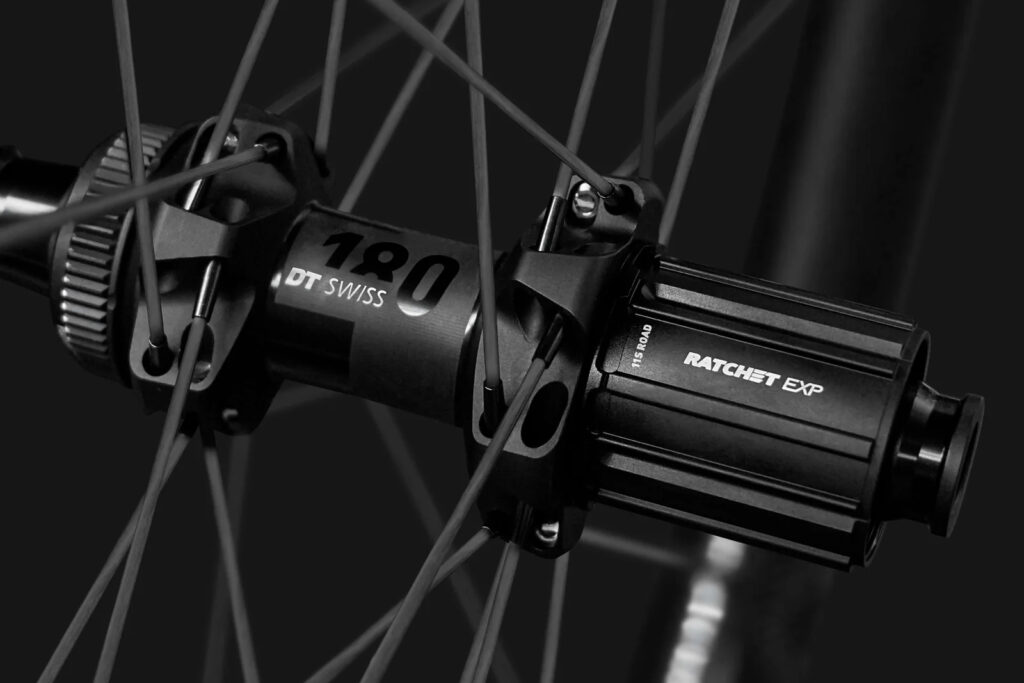
However, it’s also worth considering what you’re getting. Carbon spokes, an exceptionally low 1,220g claimed weight, DT Swiss 180 EXP hubs, ceramic bearings, and genuinely modern aerodynamic design would comfortably push the price beyond £3,000 from many established Western brands.
The outright speed gains on flat roads aren’t dramatic. Three seconds over a short test certainly isn’t life-changing.
Where these wheels really justify themselves is in the way they ride. They’re lighter, noticeably stiffer when climbing and accelerating, more composed in crosswinds and better suited to modern tyre sizes.
Carbon spokes aren’t simply a marketing gimmick anymore. They’re part of a broader evolution in wheel design that has made deep-section aero wheels remarkably capable all-rounders. A few years ago, it would have been difficult to imagine a 50mm-plus wheelset climbing this well.
Check out the new Superteam S-ALL Carbon Ultra SL SE wheels here