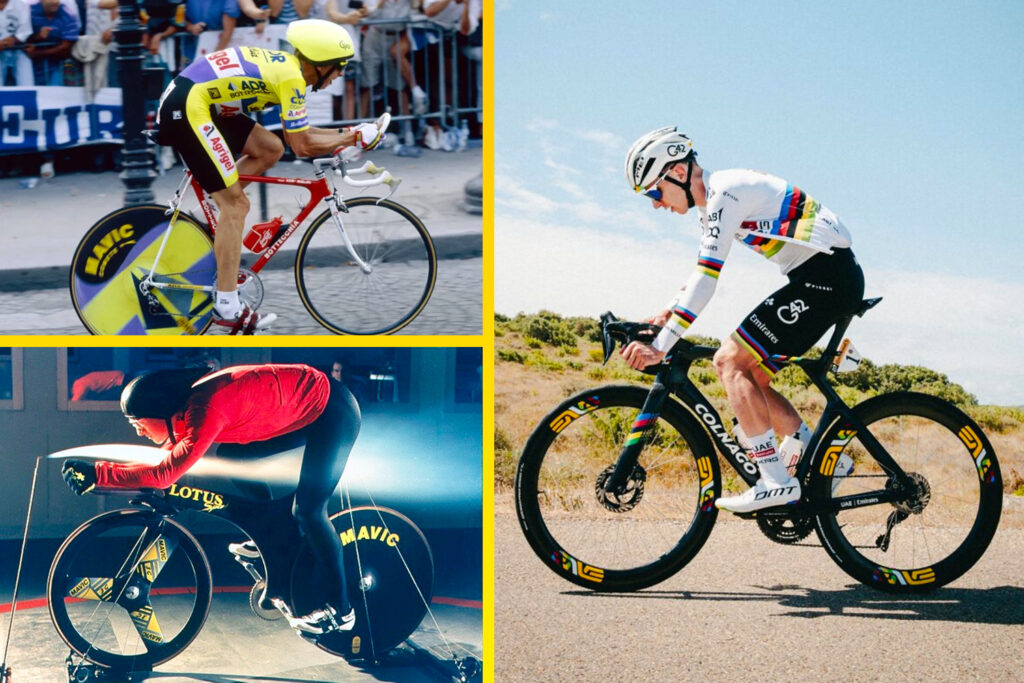

Although aerodynamic efficiency has been known about in cycling for a long time, it wasn’t until 1989 that it appeared centre stage at the 76th Edition of the Tour de France.
The wind-cheating bike and kit used by Greg LeMond were credited as the key difference that allowed him to overcome a 50-second deficit that he had to race leader Laurent Fignon in the final time trial stage, and he ended up winning the race overall by 8 seconds – still the closest victory margin in Tour history. It also marked the point where aerodynamics started to have more of an effect on the peloton’s bikes, although it would be another decade before it would become really prominent. Greg had decided to use a low-profile steel Bottecchia frameset with a disc rear wheel and clip-on aero bars. In addition, he wore an aero helmet to aid the slipstreaming position. This was in an era when helmets were not routinely worn at all.
Four years earlier, in 1985, Stephen Roche had used a skinsuit to great effect in winning stage 18a on the Col d’Aubisque. The 52.5km section of the split stage allowed Roche to wear the silk skinsuit, but he wanted to disguise the unconventional garment, so he wore a conventional jersey on top. This jersey was discarded once the race had started, and Roche went on to win that stage. So time trial equipment was being used to great effect around this time.
A little history…
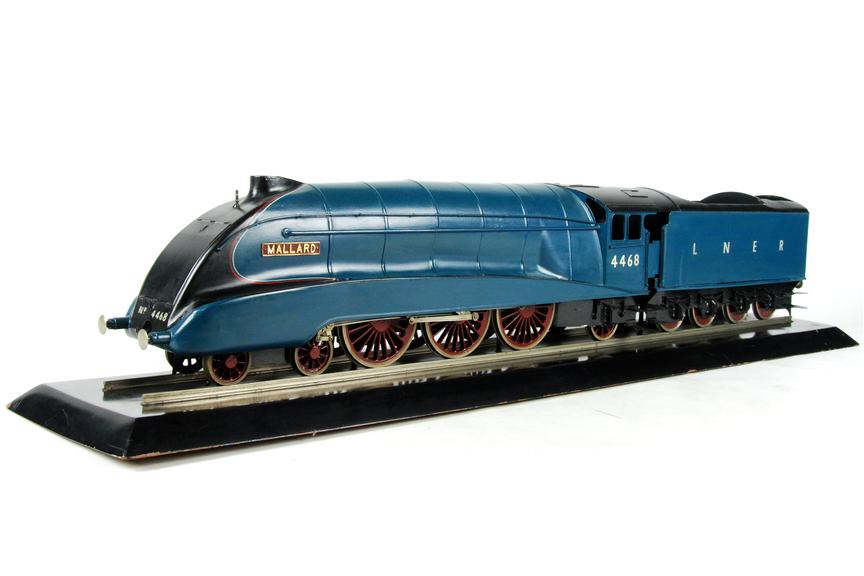
Although the importance of aerodynamics had been recognised since the late 19th century, it wasn’t until the early part of the 20th century that more and more designs started to incorporate features that took aero into account. Many designs in the 1930s used ideas inspired by the aviation industry; think of the front end of the Mallard (Class A4) steam trains or the Art Deco-inspired cars of the ’30s with their teardrop rear ends and rounded front ends. Cyclists had experimented with aerodynamic fairings for the Hour Record until the UCI banned them. Drop handlebars were allowed so that a rider could keep a lower profile against the air, but that was about it. Remember also that the 1937 Tour de France was the first race where derailleur gears had been allowed.
The development of the bicycle post Second World War was also slow and incremental. Improvements in materials and components contributed to average speeds rising from 33km/h in the 1950s to 38km/h by the mid-90s. Equally, bike weight dropped from around 11kg to 9.5kg over a similar timeframe. Freewheels featured four or five sprockets with friction shifters in the 1950s. By the mid-90s, 8-speed cassettes with indexed shifters were becoming common. Steel frames were also still the norm for most riders. However, 1994 winner Miguel Indurain was the last rider to win the GC using a steel bike. Slow and incremental changes and improvements.
Frame materials evolve
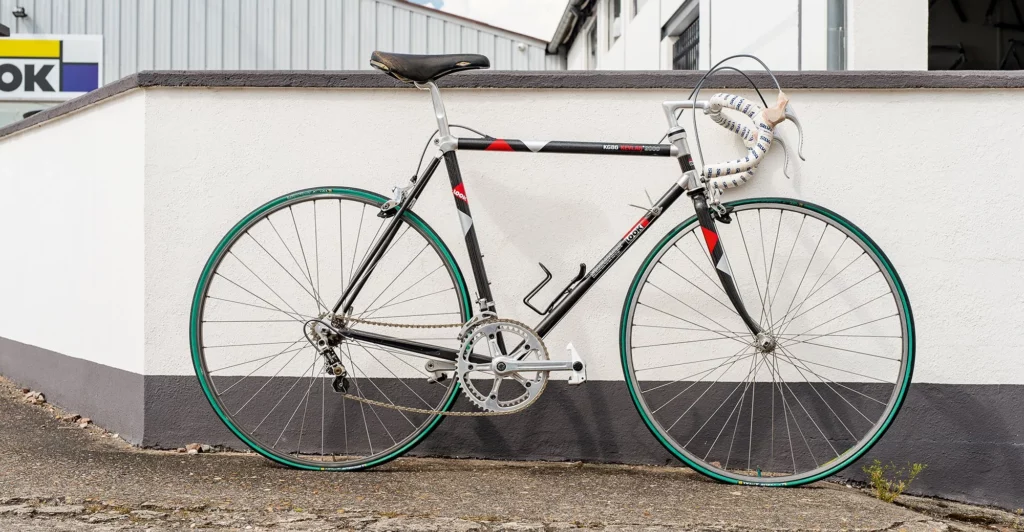
Although aluminium, magnesium and bonded carbon fibre tubes had been used as frame materials from the mid 1970s, and the Look KG86 became the first non-steel bike to win the Tour de France in 1986 with Greg LeMond, these alternative materials could have problems with frames cracking or the bonding adhesives failing. However, they allowed unusual shapes to be formed, and larger tubes to be used without a significant weight penalty. These materials came of age during the 1990s, and started to dominate the peloton, firstly with aluminium frames, bonded carbon fibre tubes and lugged frames and then monocoque carbon fibre frames. The monocoque method of construction allows bigger diameter ‘tubes’ and unusual frame shapes to be created without a weight penalty. Additionally, the frame shaping and design can be made much more aerodynamic while retaining stiffness where required.
A little physics lesson…
Don’t worry, there won’t be an exam at the end of this.
Air resistance, or drag, is a force that opposes the motion of an object moving through the air. The relationship between speed and air resistance is significant: when an object’s speed doubles, the drag force increases by a factor of four. This relationship is known as the square law.
In cycling, aerodynamic drag becomes the dominant resisting force on flat terrain at speeds of around 24km/h. By 29km/h, overcoming air resistance accounts for approximately 80% of a cyclist’s power output, rising to around 90% at speeds between 40 and 48km/h. This is why reducing aerodynamic drag, rather than simply reducing weight, is so important to cycling performance.
Obviously, weight plays a factor in the physics, but it is less important than aerodynamics at higher speeds. Having a superlight climbing bike on a steeper gradient will have more of an effect because speeds are lower as you are overcoming gravitational force as well as air friction.
The 1990s and aero experimentation
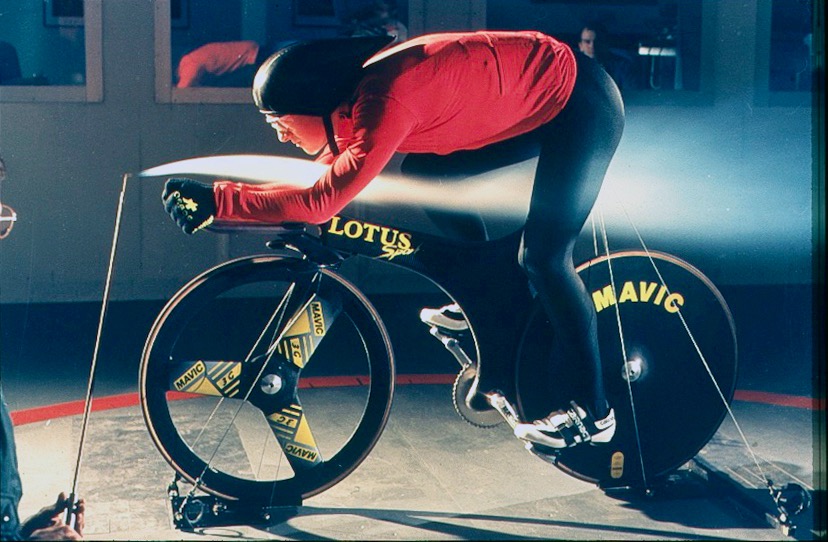
Track cycling and the rise of interest in the Hour Record in the early 1990s produced much experimentation centred on aerodynamics. The Lotus 108 helped Chris Boardman to win the gold medal in the 4,000m individual pursuit at the 1992 Barcelona Olympics. It featured a carbon fibre monocoque frame, a single-sided stay and fork to reduce drag.
The Hour Record, which changed hands several times between 1993 and 1996, also pushed the boundaries of the UCI rule book. Graeme Obree’s tucked (sometimes called the ‘praying mantis‘) and ‘Superman’ riding positions were subsequently banned. All of these tussles with the UCI led to the Lugano Charter, drafted in 1996 and coming into effect in 2000, in which the UCI laid down strict rules on the frame dimensions and shapes that would be allowed.
Into the 2000s
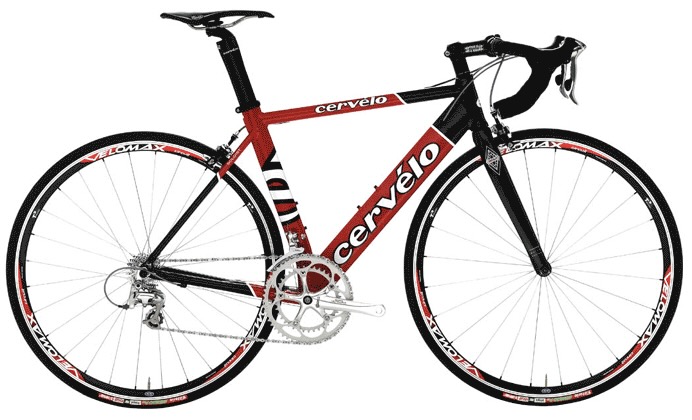
It was the arrival of the Cervélo Soloist in 2002 that ushered in the trend for aero road bikes. Before then, you had aero TT bikes and non-aero road bikes as quite separate machines. Cervélo claimed that it was a first, and the revolutionary aero-shaped down tube and seat post helped with its groundbreaking aerodynamics. It was also successful against its carbon fibre rivals, despite being made from aluminium. Team CSC successfully used the bikes over six seasons, from 2003 to 2008.
The use of CAD (Computer-Aided Design), CFD (Computational Fluid Dynamics) and wind tunnels has also significantly helped move design forward. Wind tunnels started to be used in the 1970s, however the cycling industry rented time from aeronautical and automotive wind tunnels for many years. It wasn’t until Specialized created their own in-house wind tunnel in 2013, at their California HQ, that the industry started to take control in this area. Maybe their collaboration with the McLaren F1 team, when they designed the Venge model, spurred them on to this industry first.
Adding weight back in…
The UCI has stuck with its 6.8kg minimum bike weight limit since the year 2000, even though bikes are capable of safely achieving lower weights than this limit. However, brakes have got a little heavier with the widespread adoption of disc systems. Rim brakes are typically 200-400g lighter.
Rim brakes on an alloy rim can still be an effective way to stop a bike, of course. However, it was the desire to use carbon fibre for the rim material that hastened the end for rim braking. The heat and abrasion aspects of rim braking aren’t ideal when paired with carbon fibre. By moving these functions to a disc rotor, you can ensure the integrity of the rim, and more importantly for this article, you can start to introduce more aero efficiency. The rim depth can be designed for different amounts of aero functionality, stability, weight (for climbing), but also the rim width can designed for the purest airflow.
With 30mm tyres becoming the norm, the transition of airflow from the tyre to the rim can be smoother. Also the rims are compromised less by removing a braking surface function.

Small details
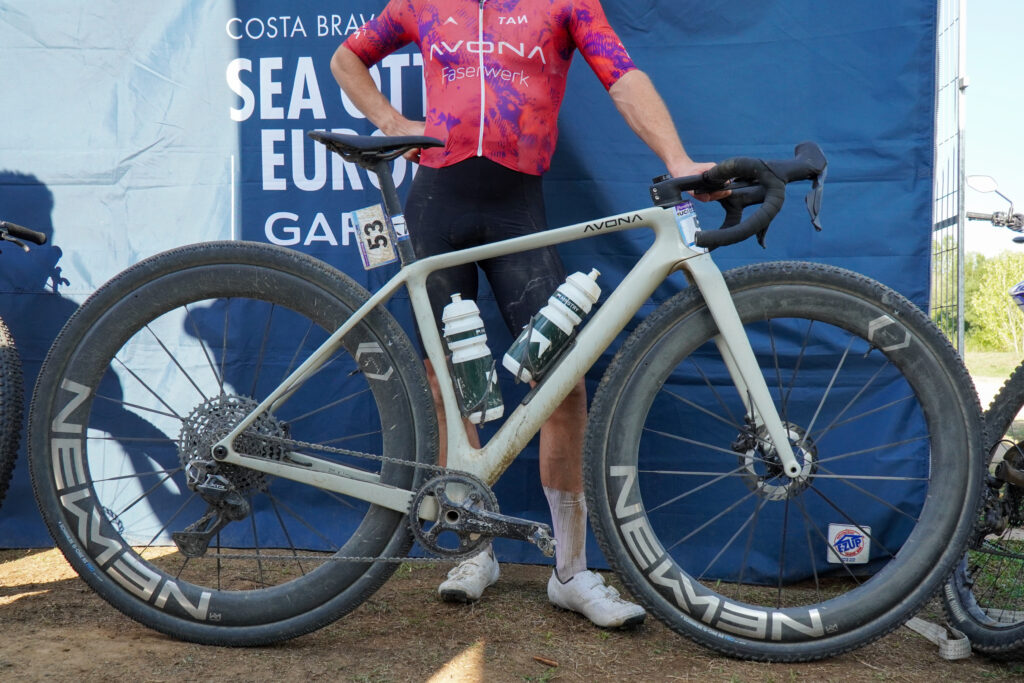
In the early 2000s, bikes generally had both brake and gear cables exposed under the handlebars, and often down the outside of the frame too. Rear brake cables and derailleur cables started to be run inside the frame for a cleaner look and a more aero performance. The more recent move to an ‘integrated cockpit’ completes that transition, by hiding hydraulic hoses completely, and with the rise of electronic gears doing away with the need for gear cables altogether. The bars and stem are now often a single unit which is flatter and narrower allowing for a more efficient airflow in this area. The UCI has a minimum bar width regulation which came into force on January 1st 2026.
Convergence of aero and climbing bikes
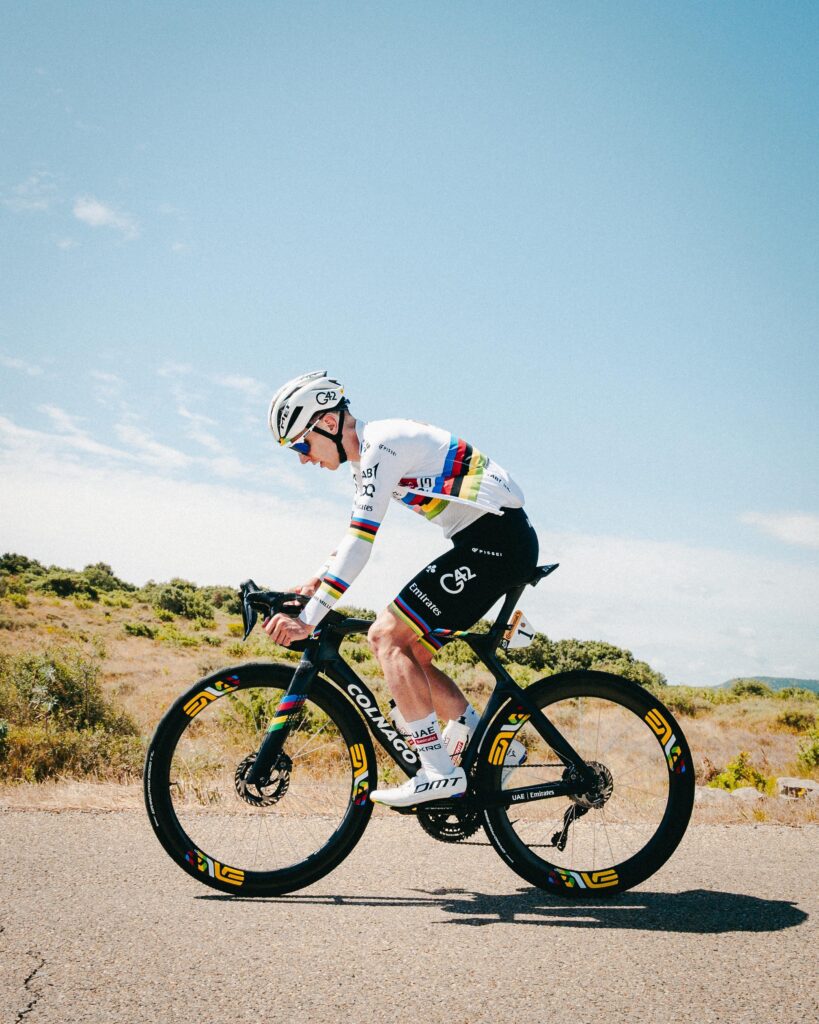
For the last decade, teams often swapped between heavier aero bikes for flat stages and lightweight climbing bikes in the mountains. Today, manufacturers have mastered the engineering of bikes that are both light and aerodynamic, leading many teams to use a single, all-rounder bike for every stage. In this episode of the road.cc podcast, Ryan talked to Fillipo Galli, lead engineer for Colnago, and they discussed the current situation for bike design.
Galli said: “Every single bicycle nowadays must be very balanced… and versatile” and that the Colnago “Y1RS is an aerodynamic bike but [it can be] used on extremely steep climbs”. This is backed up by mechanic Boštjan Kavčnik who said that Tadej Pogačar uses a Y1RS for practically every stage now, as climbing stages are faster now. Also, aero bikes can now get very close to the UCI weight limit of 6.8kg. Galli was asked whether a change in the regulations would alter this situation, and bring climbing-focused bikes back to the fore. He felt that, on balance, aero was still the dominant variable at play in current design.
What now, and what next?
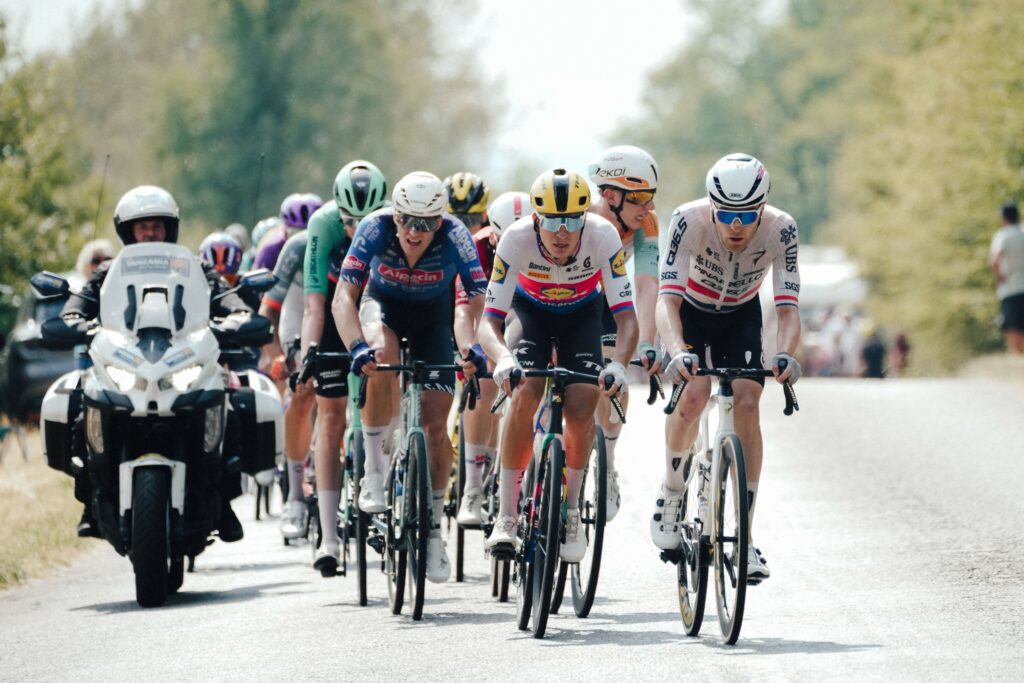
The average speed of the 2025 Tour de France was up to 42.8km/h. The current Tour bikes are more efficient than any previous iterations, and are able to wring every last watt of energy from a rider and convert it into forward propulsion. It’s hard to see any massive jumps forward in efficiency with further development as things stand rule-wise – just a continuation of minor tweaks and small improvements.
A change in the rules, however, could really shake things up. Imagine being allowed single-sided forks again, or a move away from a double diamond monocoque frame. Another leap forward might then be possible.
Given that the rider is the biggest source of air resistance, could a change in rider position ever be allowed? It may be sacrilegious to even voice this with regard to the Tour de France, but to keep bringing in new fans – and to give the bike industry new technologies to shout about (and sell) – some major changes to the equipment rules might need to happen sooner rather than later.