



More than £100 million in government funding has been confirmed to support cycle training, school walking initiatives and community programmes aimed at boosting active travel across England.
The three-year package, announced by Active Travel England, will fund a range of initiatives designed to help people of all ages gain skills and confidence to walk, wheel and cycle.
The Active Travel Commissioner, Chris Boardman, said that this package “is a practical investment that changes how people move every day. It’s a child gaining the confidence to ride to school, a family choosing to walk, or someone getting back on a bike because it finally feels possible.”
“Those small shifts add up quickly – to healthier lives, lower costs, and less pressure on our roads and NHS.”

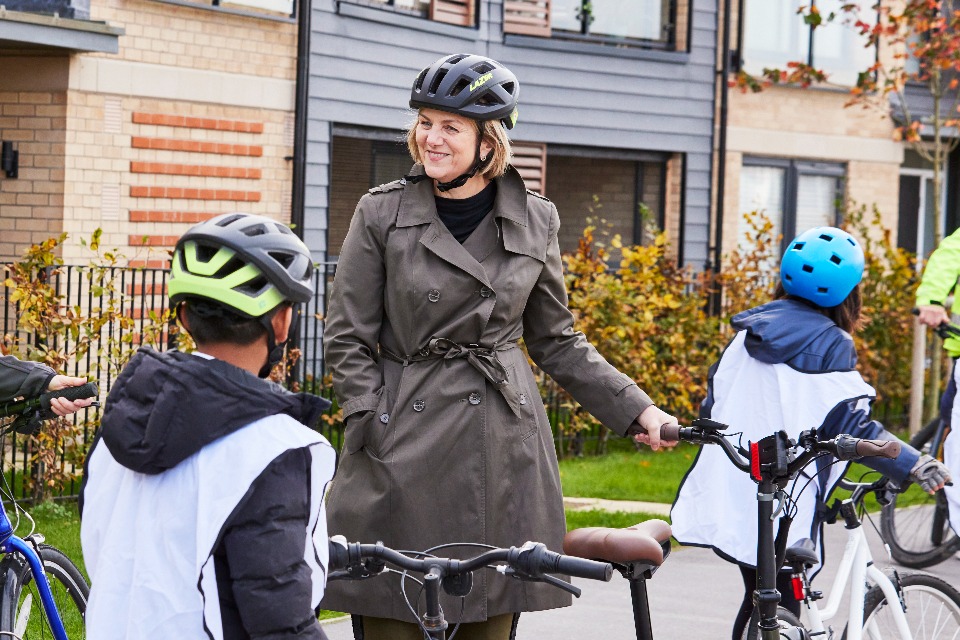
The main portion of this investment is allocated to the Government’s flagship Bikeability programme. The programme, which has trained more than five million children since its launch in 2007, will receive £78 million in funding.
Local authorities across England will receive a share of this funding, with the Bikeability Trust providing support and guidance.
“Bikeability is an essential skill, benefitting children’s health and happiness, and helping them make more sustainable travel choices for life,” said Chief Executive of the Bikeability Trust, Emily Cherry.
“We’re proud to be working with Active Travel England to help realise its active travel ambition.”

Alongside this, walking charity Living Streets will receive £16.1 million to expand its Walk to School Outreach programme, encouraging more families to build walking into their daily routines.
Chief executive of Living Streets, Catherine Woodhead said: “Supporting more children to walk or wheel to school is one of the easiest ways to improve our health, enhance road safety and reduce congestion for the whole community. And children love it!
“The funding will allow us to work with even more schools to promote their pupils to get active and help them identify improvements to their local streets, so families feel able to choose the healthiest and happiest way to travel.”
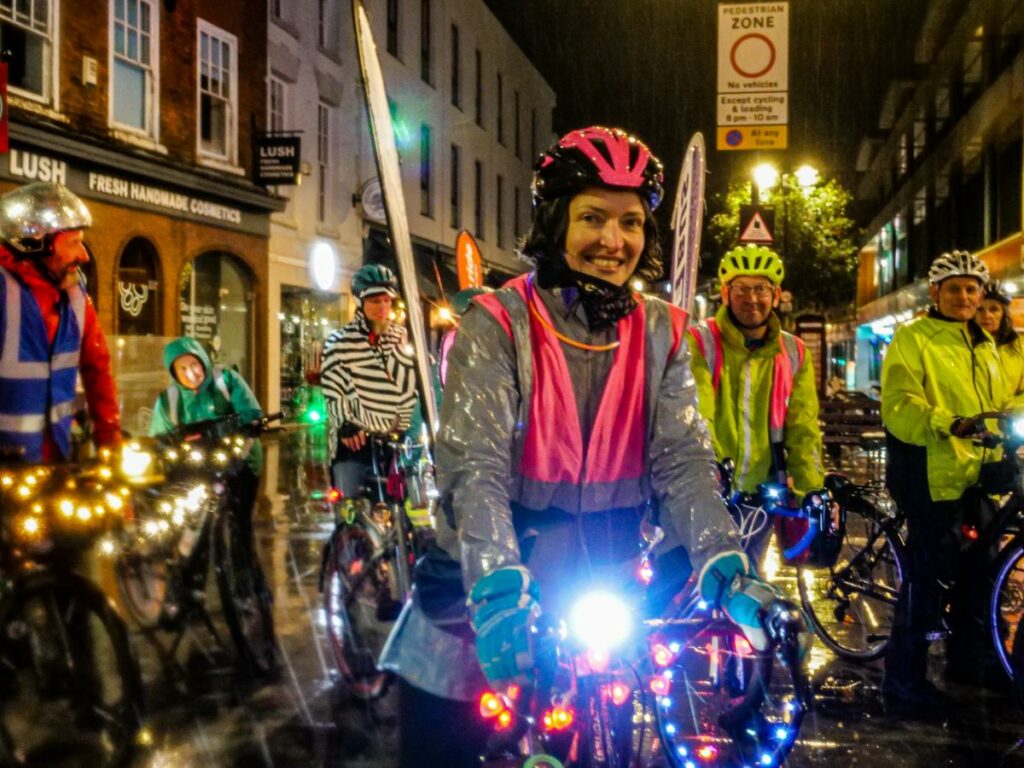
There is also funding allocated to adult-focused cycling support. Cycling UK will be awarded £8 million to continue its Big Bike Revival programme, which helps people return to cycling through training, repairs and guided rides, with a focus on women and disabled people.
Director of Behaviour Change at Cycling UK, James Scott said: “After ten years of success with Cycling UK’s Big Bike Revival, it’s great to see the project continue for another three years with funding from Active Travel England.
“During that time, we’ve supported more than 800,000 people to get back on their bikes, replaced nearly 10 million car trips, cut over 9,000 tonnes of CO2 and delivered more than £56m in wider economic and social benefits.
“This programme works because it reaches people who don’t unusually cycle. Despite the gender divide in cycling, nearly half of our participants are women, with a quarter coming from ethnic minority communities.
“With continued funding and support, we intend to deliver more skills and confidence sessions, free repairs, and rides that make cycling feel like a real option for everyday travel. Not just for the committed few, but for everyone.”
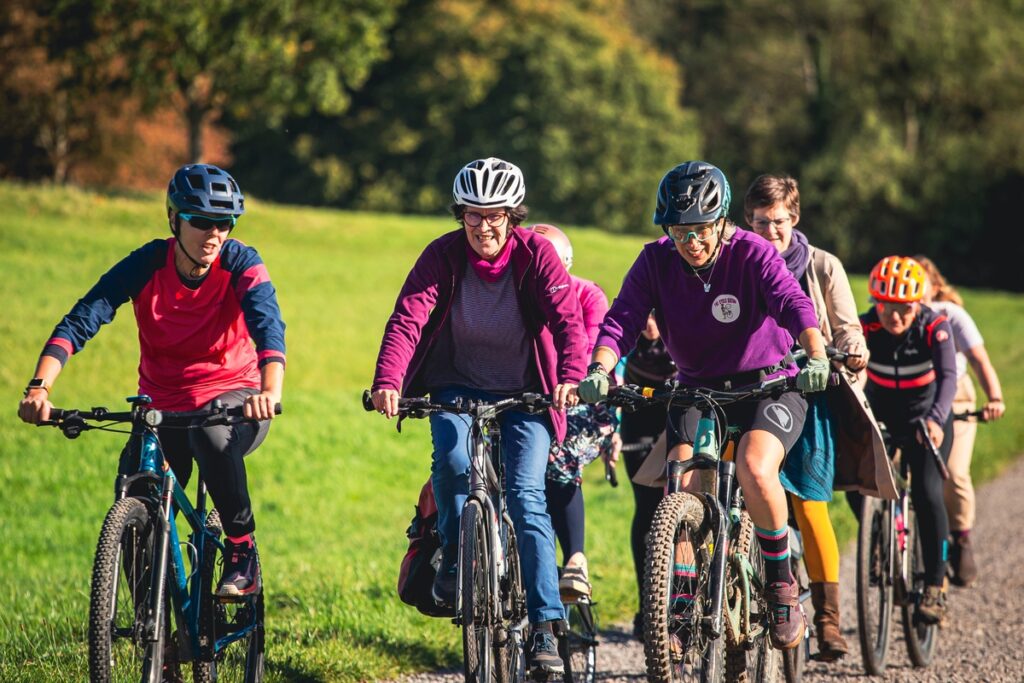
Sustainable travel organisation Modeshift will also receive £3.1 million to deliver its STARS accreditation scheme and Active Travel Ambassadors programme, working with secondary school pupils to promote active travel among their peers.
Further funding includes £2 million for National Park Authorities to improve accessible walking and cycling networks, and up to £1 million to help ports and airports develop active travel plans.
Chris Boardman said: “We know that when people feel safe and supported, they make different choices, and that’s when you see whole communities start to move differently.
“This isn’t just about active travel in isolation. It strengthens public transport by improving the first and last mile, it gives families more affordable options, and it makes our streets safer for everyone. It’s one of the most effective investments we can make to improve everyday life and give people real choice in how they get around.”
Local Transport Minister, Lilian Greenwood added: “Our investment is about giving people of all ages the opportunity to choose healthier, more affordable and sustainable ways to travel.
“Active travel plays an important role in strengthening pride in place, creating streets and neighbourhoods that people feel safer in, more connected to, and proud to call home.
“The Government is also investing £626 million over the next 4 years, enabling local authorities to deliver vital walking and cycling schemes, enough for 500 miles of new walking and cycling routes, and 17,000 more active trips per day.
“This funding will also help boost local businesses, grow local economies and ease pressure on the NHS.”







10 thoughts on “£108m active travel boost to “change how people move every day” and bring “healthier lives and lower costs” says Chris Boardman”
This is great news. It gives people confidence to cycle more in the conditions they currently face.
And we need to ensure that it is understood to be only a part of the policy solutions.
We also need:
Road layouts and on-street cycle infrastructure need to be improved for new developments and existing roads;
More transport routes for active travel away from motor traffic routes;
More in-town and at-work secure facilities for cyclists to park, change and store equipment;
Better initial and ongoing driver training; and communications to normalise consideration for cyclists, pedestrians, horse riders and other vulnerable road users;
Better detection and enforcement against unsafe driving;
More normalisation of cycling for non-recreational purposes;
Better access to Cycle to Work (or its replacement)
Hmm – not sure about ‘great’ – over 3/4 of it seems to be essentially just continuation of existing Bikeability funding, which doesn’t leave a lot over for new initiatives that might shift the needle from where we already are. Of course it’s welcome that funding isn’t being removed, but in the context of overall transport budgets it’s still somewhat scraps from the table.
I rather hoped I was conveying that sentiment.
Ah – OK – clearly my sarcasm detector needs recalibrating. :o)
Well, not sarcasm; but I hoped the retention of the funding for 3 years was – itself a good thing – insufficient to meet the needs of nurturing any hope of promoting active travel.
We celebrate the wins, big and small, but don’t settle for them.
@GMBasix it is good. But … alas, to stop the decline (never mind reverse direction), the unsayable thing is still needed – less for the motorist.
That can be dressed up eg. as “rebalancing” but ultimately if active travel gets 100 million but motoring get a billion (and it’s generally a lot more) then there’ll probably be less of the former in the future.
Experience elsewhere suggests “it’s complicated” but the simple part is that making a given journey with active travel (and/or public transport) has to be more appealing than doing so by driving.
Silver linings? Cycling *is* cheaper to fund…
These announcements – ‘£Big Number!’ – are meaningless without a bit more context, for example whether it’s an increase or decrease on previous years.
Also, as GMBasix says, soft measures only work in conjunction with infrastructure.
I think current problems in the Middle East are more likely to “change how people move every day” than this grant, however welcome may be. The average price is now £1:50.9 litre and it’s likely to get worse. All in all I think quite a few bikes are going to be dug out from sheds and pressed back into service soon. We may even see modernised versions of this WW2 poster.
fbc242a71bd341c9ad90927cb3c60a05.jpg
Wait – are you suggesting we should be spending that … on bribing the Iranians to keep blocking the oil, or the Trumpster to continue planning “with his bones” or policymaking based on his gut? 🤔
Hmm… could be into something there?
Give the “enough of these woke anti-motoring / environmentally friendly rules” types space and in a few years everyone may be buying fuel by the gill. But *we* will still have our bikes, a parts drawer and a number of old but usable inner tubes… (And probably a wide selection of jumpers and hats)
Well, that is, if we can survive ’till then (folks in power always bring first in line).
I think current problems in the Middle East are more likely to “change how people move every day” than this grant. The average price is now £1:50.9 litre and it’s likely to get worse. All in all I think quite a few bikes are going to be dug out from sheds and pressed back into service soon. We may even see modernised versions of this WW2 poster.
fbc242a71bd341c9ad90927cb3c60a05.jpg