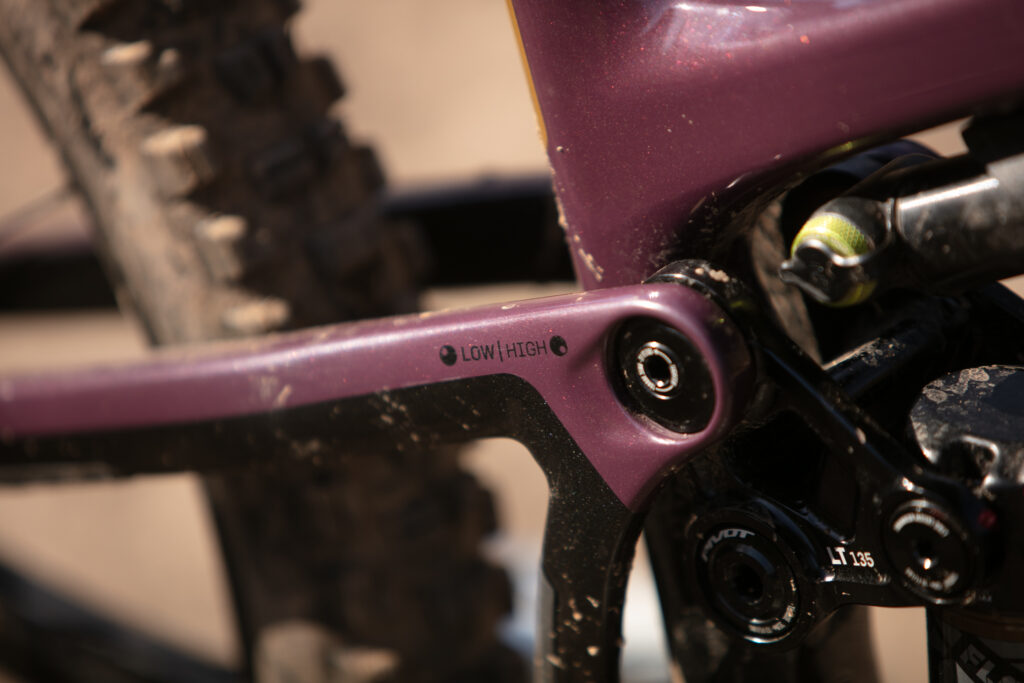

Ah, the flip chip. A little piece of metal that brings tweaks to bike geometry at the… Flip of a chip. Almost every mountain bike comes with one of these days, and the chances are, they might be experimented with once, and then left in their favoured position for eternity. But does the extra adjustment that flip chip provides mean that brands are being lazy with their design, or do they pose a real benefit to the consumer?
- Cycling snake oil: How to spot dodgy marketing claims
- 11 mountain bike things you think you need… But probably don’t
- Best way to transport mountain bikes
Flip chips are pretty cool things. I remember buying my most recent bike (five years ago… Damn), thinking that if it doesn’t come with a flip chip, I don’t want it. But in hindsight, I only touch it when I’m removing or reinstalling a shock. It never gets flipped, unless it’s thrown aside while I’m working on my bike. And I’ll admit, on nearly all the test bikes I ride, the flip chip is left in its low position, unless there’s something I really want to change, or explore.
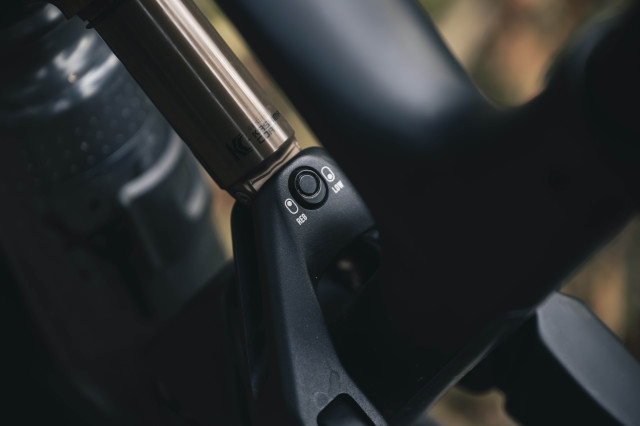
The reason why they’re cool is that they provide a level of adjustability to a bike, whether that’s through its geometry, suspension kinematics, or the ability to run a different wheel size. Although I would argue that the latter two points are the most useful, to a point.
As for the geometry subject, they don’t do an awful lot, but they do something. They can slacken (or steepen) head angles, seat tube angles, and offer a degree of adjustment to the bottom bracket height. All of which offer riders a choice between better uphill performance and a better ride downhill. Some bikes’ flip chips affect the angles more or less, but either way, they will make some difference to a bike’s ride, but not enough to make a difference that’s worth choosing between frequently.
However, with bike designers settling around certain figures and trail mountain biking arriving at the point it has in style and how it’s done, I reckon that flip chips are left in their low positions across the board. After all, while many flip chips can be moved during a ride, who’s really finishing a climb and whipping the allen keys out to move the chip? Plus, flip chips are usually placed at a point that requires a good amount of torque, so it’s far from ideal to fettle with them mid-ride.
As for wheel size and suspension progression adjusting flip chips, I reckon that these are a little more useful, but still, not 100% necessary. If you’re interested in going from a full 29er to a mixed wheel configuration, bikes with the correct flip chips enable you to do so, without completely ruining your bikes’ geometry. Though this could be more of a method for brands to reduce their SKUs and save space in the warehouse. An excellent example of such is the most recent Canyon Spectral that’s moved from strict 29in, 650b, and mullet models to flip-chip equipped frames.

Not all that many bikes have it, but a flip chip that addresses the progression of a suspension kinematic, I think, is a more important and more useful adjustment. Again, many will settle on a preference and stick with it, but I think it poses a larger difference in bike performance that can be more venue-specific. If you’re planning on riding lots of natural tech, a more linear kinematic can improve how planted a bike can feel. Then, if you’re moving to jumps and the fast berms of a bike park, upping the progression will provide a more solid platform and stop your suspension from folding underneath you.
But mountain biking, and mountain bike design, is all about compromise. You could have your bike set up to be more progressive, but you will hit portions of the trail where you’ll want more linearity. I guess the addition of flip chips helps reduce this compromise, and they certainly help riders form their bikes around how they ride. Of course, this all changes if you’re a serious racer, which is where the minor changes that flip chips can bring can mean bigger gains where it matters the most.

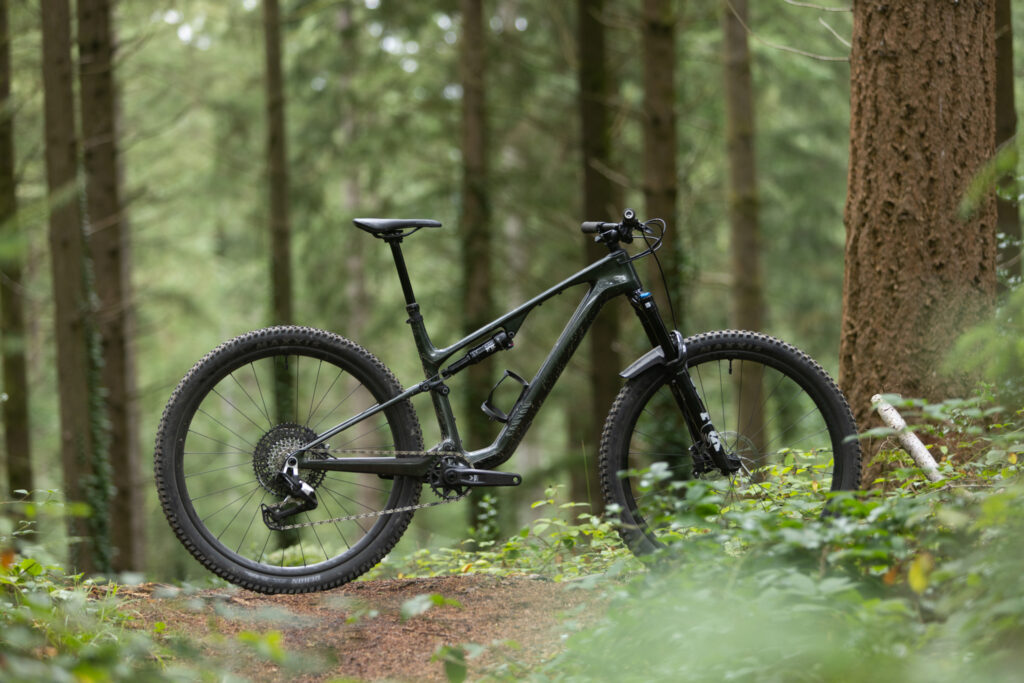
Two bikes have got me thinking about flip chips the most. Trek’s Fuel+ EX and Specialized S-Works Turbo Levo. The former is a mega adjustable machine that can be a trail bike one day, and an enduro rig the next, granted with a new fork, shock, and a swap of linkages, but its suspension progression adjustment makes real differences. That bike was fine in its standard setup, but came alive when I flipped that chip. Then the Levo, it’s got chainstay adjustment, bottom bracket, head and seat tube angle adjustment, and then if you like, you can throw in a head angle adjusting headset cup, like with the Fuel+.
That’s an awful lot to play with, and I first thought, “surely Spesh could have just dialled it from the get-go?” But, the array of flip chips on the bike can help it appeal to a wider audience, whether they’re buying the bike for winch and plummet sessions, or more trail-oriented ‘bit-of-everything’ kind of rides.
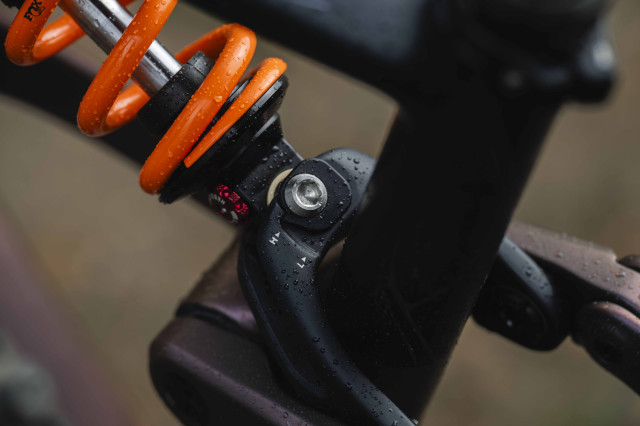
At the end of the day, they’re a cost-effective method of bringing more to the customer. They help riders shape their bikes for the riding they do the most, and if that riding style changes, so can the bike to a degree.
I started writing this column with a more negative view on flip chips, thinking that they’re not all that necessary, but now, wrapping up my keyboard tickling, I’m now on the side of ‘why not?’ A good bike still lives and dies on its geometry, no matter how much or little it can be adjusted, and all bikes come with a shape that’s sculpted to suit the style of riding it’s built for. Plus, the inclusion of a flip chip rarely, if ever, brings downsides to a bike.
Are they necessary to achieve excellent bike performance? No, at least for the weekend warrior. If you’ve bought the wrong bike for your riding, they’re not going to make up for that, but they can help tailor a bike to the needs of the one who rides it.