
The motor is the central component that distinguishes an electric bike from its unassisted equivalent. It is what shapes your riding experience – and in more ways than you might expect. Not all motors are alike however, despite the fact the majority boast the same 250W rating.
- What is an e-bike motor?
- Power ratings (W) – continuous power v peak power
- Torque (Nm)
- Hub motor v mid-motor
- Sensors
- Modes
- Choosing a motor: what will suit you?
- Practical tips for beginners
What is an e-bike motor?
An e-bike motor is an additional means of propulsion that supplements the rider’s pedalling effort. Unless the bike has been type approved as a low powered moped, it is illegal for it to power the bike on its own. (At the time of writing, Pedibal and Wisper are the only two brands we’re aware of who offer legal versions of such bikes.)
Other electric two-wheelers powered only by a motor certainly do exist (and it’s not really inaccurate to call them e-bikes – because they are electric and they are bikes) but the term ‘e-bike’ is most commonly applied to the specific category of vehicle defined by UK law as an electrically-assisted pedal cycle (EAPC). For the purposes of this article, that’s what we’re talking about when we say ‘e-bike’.
To comply with legislation, an EAPC must meet certain requirements. The motor can only provide assistance when the rider is pedalling and assistance must cut-out at 15.5mph. If you’re riding any faster than that, it will have to be by pedal power only.
The mechanical rated continuous output of an EAPC motor is limited to 250W. We’ll get to the finer points of this in a moment, but the basic point is that an e-bike motor can’t be too big or powerful.
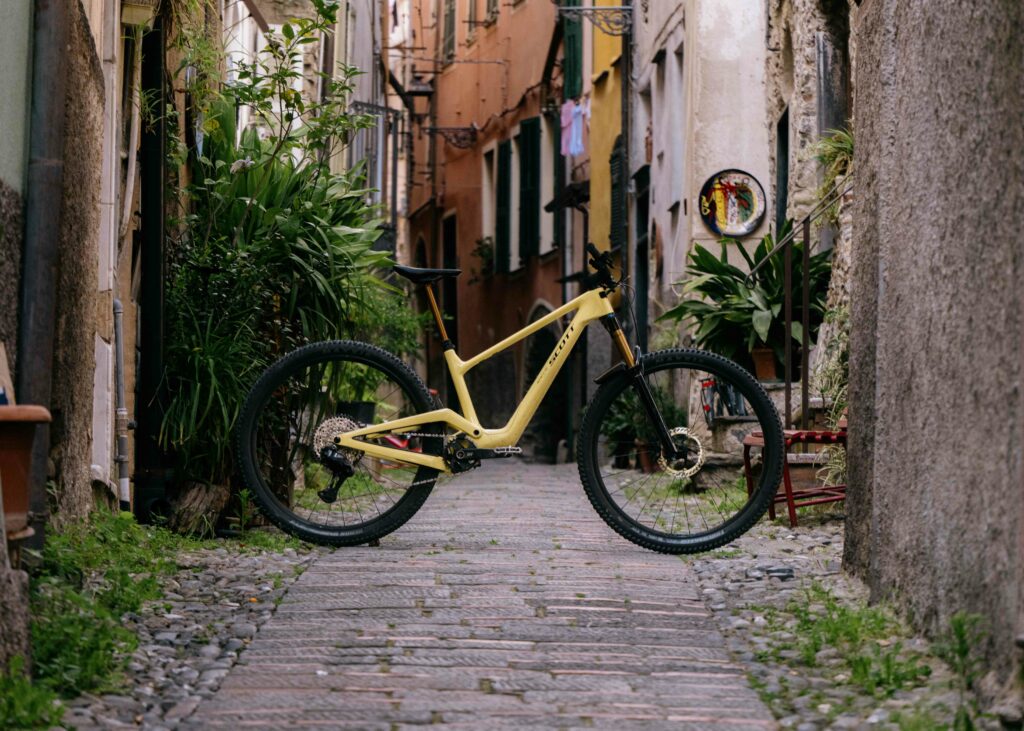
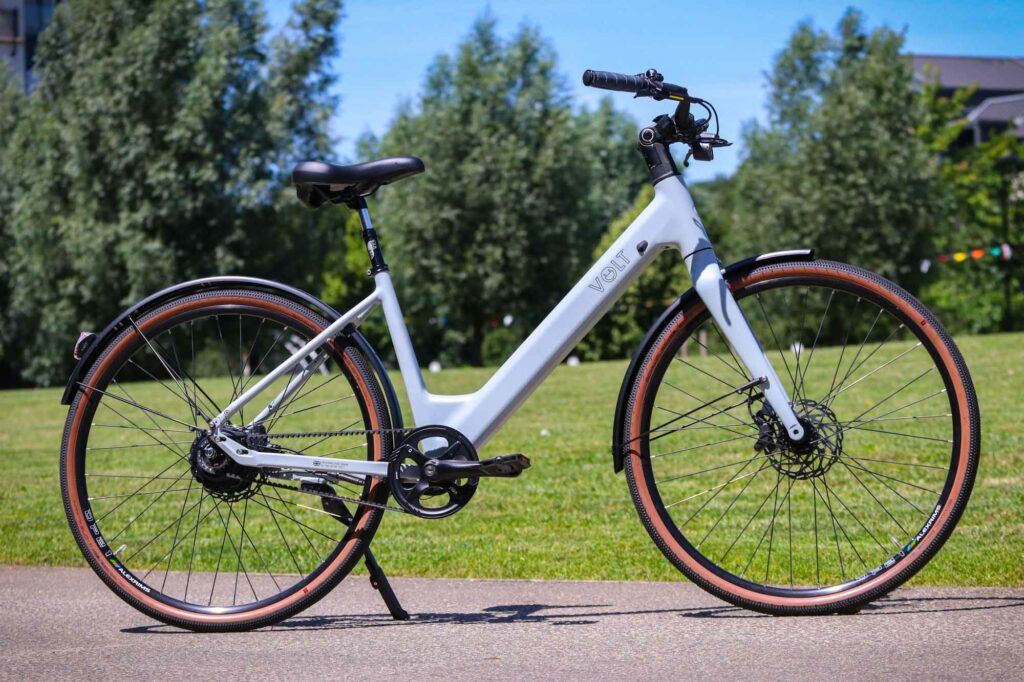
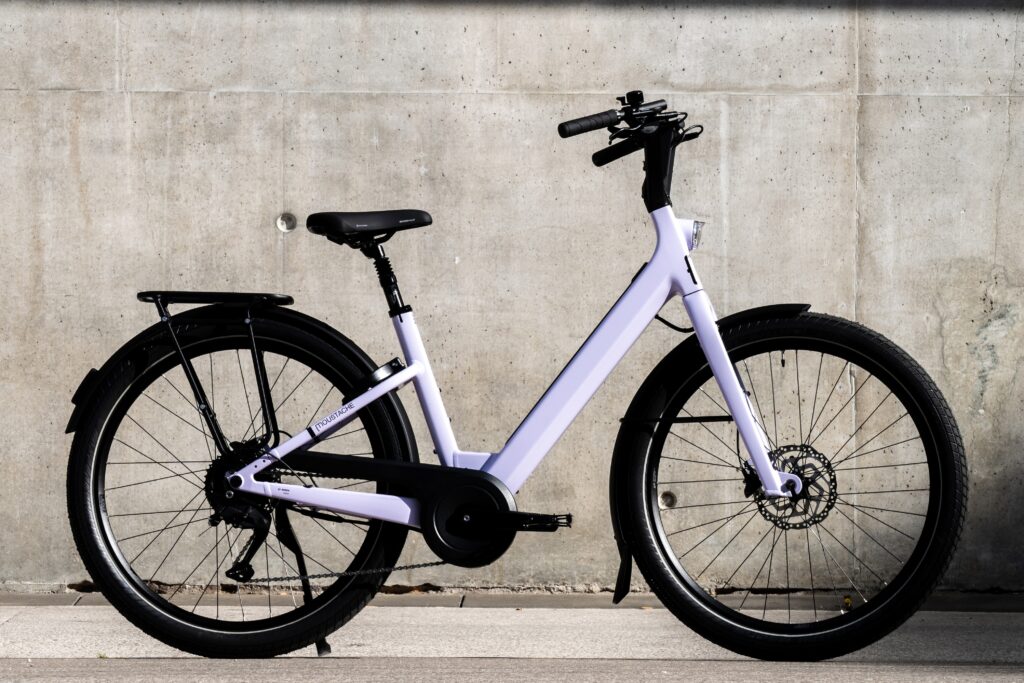
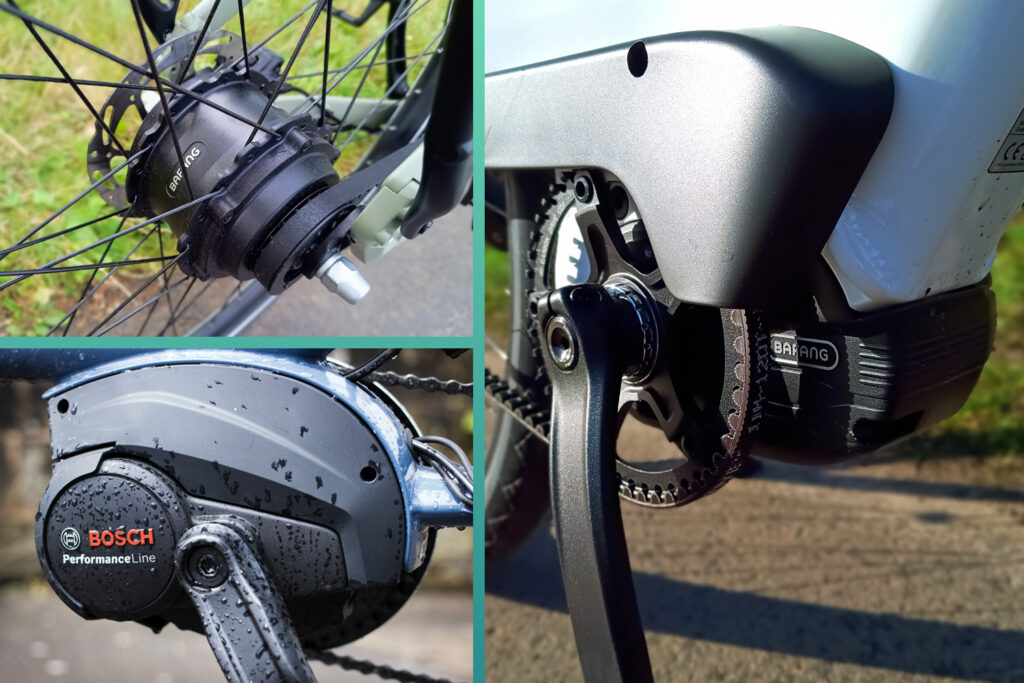
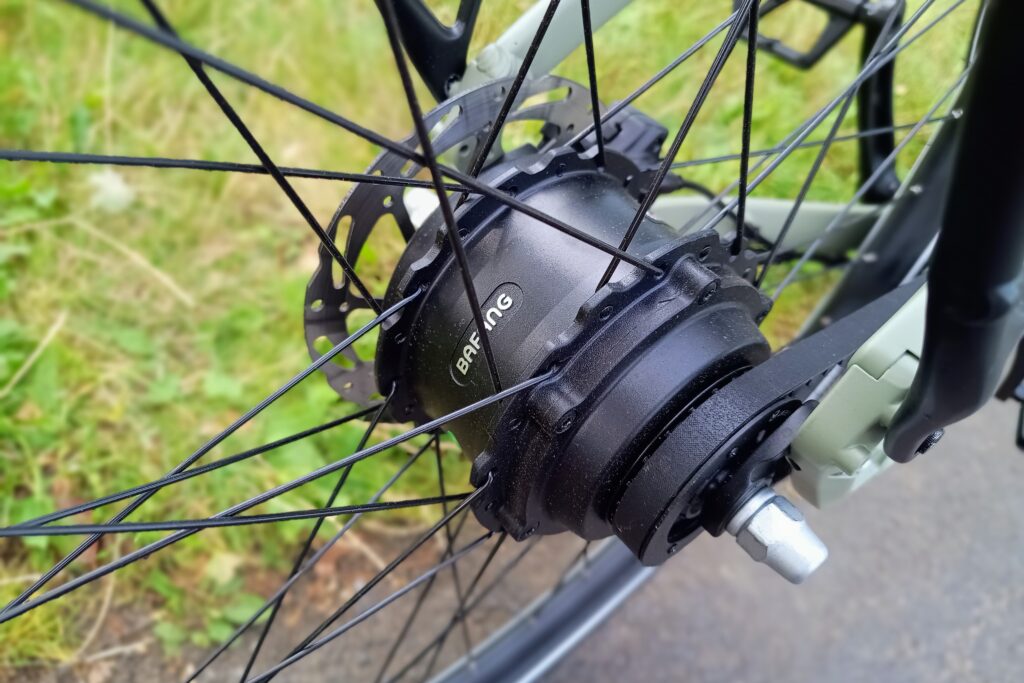
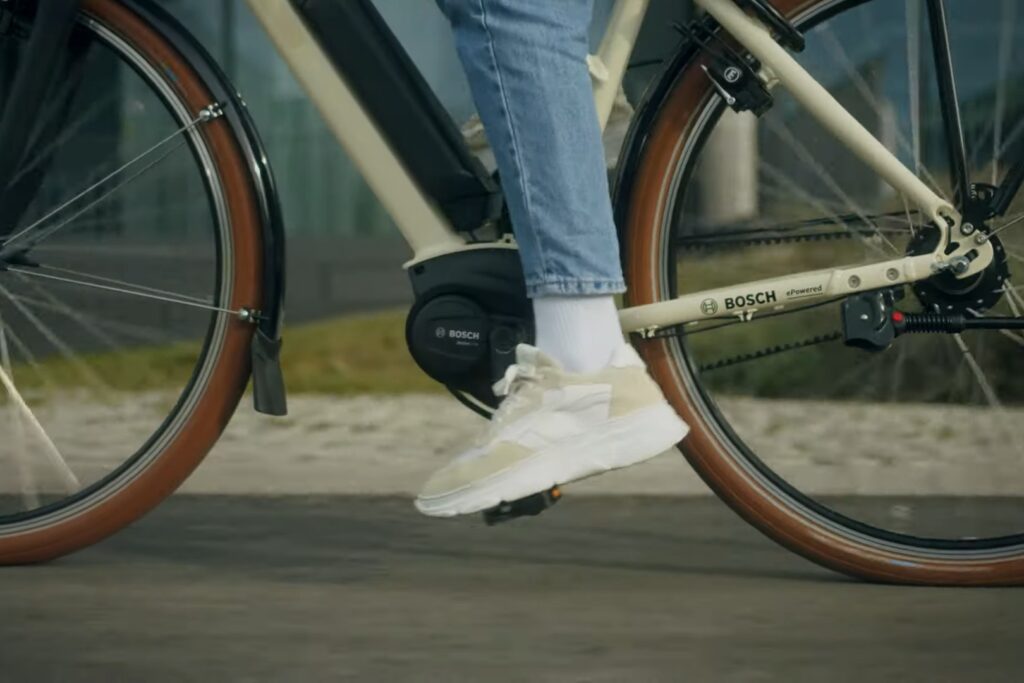
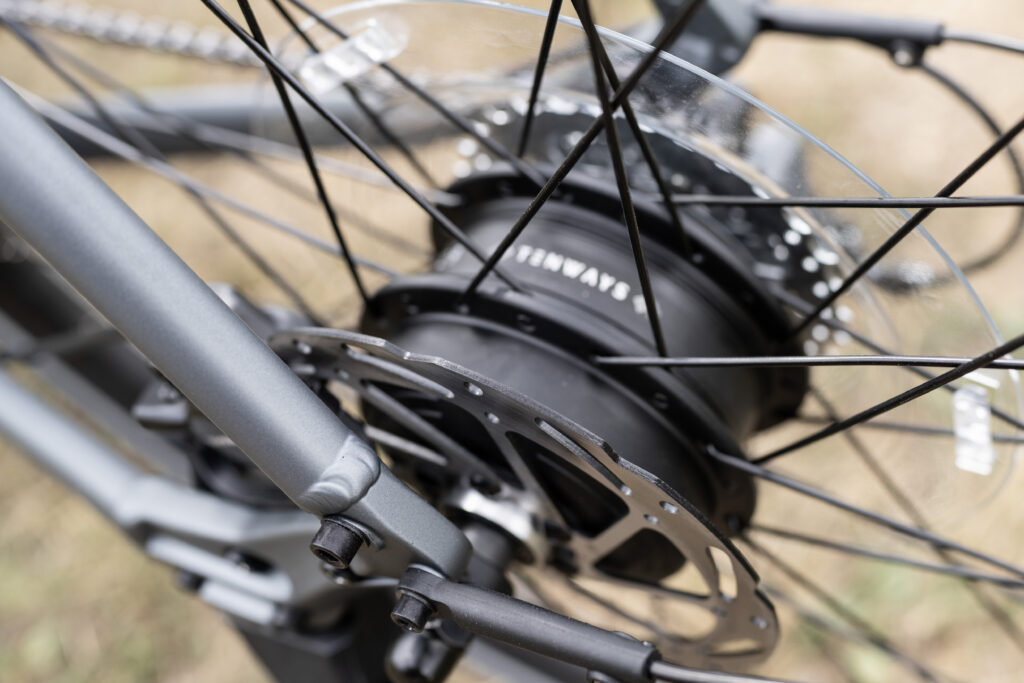
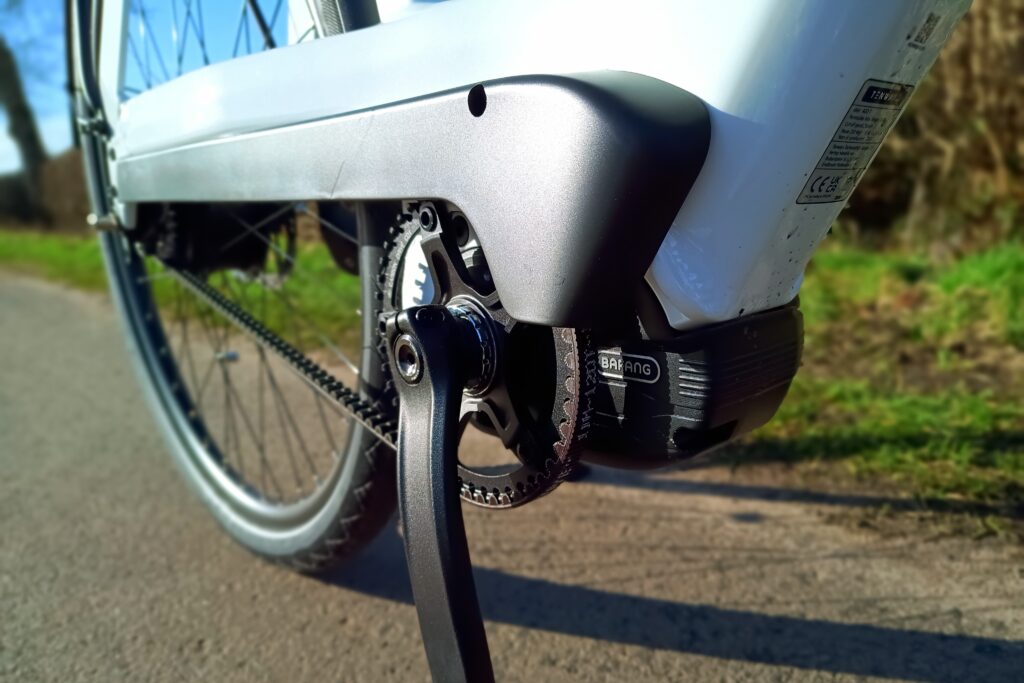
E-bike motors are typically situated either at the pedals or incorporated into the wheel hub – more often than not the rear wheel.
Power ratings (W) – continuous power v peak power
The 250W continuous rated power limit is frequently cited, but is not as precise as it sounds.
We asked perhaps the best-known e-bike manufacturer, Bosch, for an explanation and were told: “Rated continuous output describes the mechanical power that your drive unit can provide continuously without the components overheating or being damaged.”

It is therefore not a measure of what the motor can do, so much as it’s a measure of what it can do for a prolonged period without overheating. It’s a somewhat crude means of limiting motor size and it’s important to note it does allow room for far higher peak power output.
Most motors will in fact deliver more than 250W of assistance in shorter bursts. How much more and how that power is delivered shapes the way the bike feels.
-1024x685.jpg)
E-bike law says nothing about peak power and there is no accepted standard for how long it can be applied. In practice, it tends to be limited by the constraints of the 250W rating. In general, the more powerful motors can (briefly) give you up to about 750W.
That might sound like a lot, but to put it in context, the government includes 4kW (4,000W) mopeds in the same legal category as those with a 50cc combustion engine with a speed limit of 28mph.
Higher peak power can be very useful when starting off, riding up steep hills or carrying loads, but even then it’s not as simple as that.
Torque (Nm)
Torque is a measure of rotational force. Higher torque helps with starts, steep climbs and carrying loads. It’s therefore more relevant to rider experience in many cases than just raw power. This means you’ll often see torque ratings cited (in newton-metres, or Nm) by manufacturers.
More power does tend to mean more torque, but there are other factors in play. Not the least of these is the fact there is no standardised way of measuring e-bike motor torque.
-1024x683.jpg)
As the most obvious example of this, torque is generally measured at the wheel axle on a hub motor e-bike, but at the pedal crank on a mid-motor e-bike (where there will also be different measurements for each of the gear ratios on the bike). This difference is hugely significant, translating into a very different riding experience.
Put simply, you can’t compare hub motor torque ratings to mid-motor torque ratings and even if you were to compare mid-motor to mid-motor or hub motor to hub motor, you’d still be relying on information provided by the respective manufacturers.
Here at ebiketips, we find that the most meaningful way of gauging motor performance is simply by riding the bike.
Hub motor v mid-motor
We’ve got a whole article on the ins and outs of this, but the nub of the matter is that mid-motors tend to produce more torque at low speed. Because the motor operates through the bike’s gears, it can continue working efficiently even at slow speeds.
> Hub motor v mid motor? What’s the difference?
Hub motors, by contrast, are usually smaller and lighter and will generally run more efficiently at what you might call ‘cruising speed’ near the 15.5mph motor assistance cut-out limit. Some hub motors will also work better than mid-motors on even moderate inclines if they are powerful enough to keep speed high. However, above a certain gradient, you’ll tend to notice the power dropping off a bit.

There is also a growing trend towards lighter mid‑drive motors. These tend to offer lower torque and peak power compared to full‑size mid‑drives, but will tend to be a little more capable at low speeds than a hub motor.
> Lightweight mid-motor shootout: Bosch SX v Fazua Ride 60 v Specialized SL 1.2 v TQ HPR-50
Sensors
The experience of riding an e-bike is also greatly shaped by how motor assistance is applied. High power is far from a strength if it kicks in instantly and perhaps unexpectedly. The best e-bikes provide assistance smoothly and responsively, almost as if your legs are superpowered.
A lot of this has to do with the sensors used by the motor system. The two main types are cadence sensors, which detect pedal rotation, and torque sensors, which measure the force of your pedalling.
Cheaper bikes may use only the former. This can work perfectly acceptably, but the addition of a torque sensor tends to result in more proportional power and consequently a more natural riding experience.
Modes
Pretty much every motor will offer multiple levels of assistance. Quite often they’re numbered, sometimes they’re named (Eco, Tour, Sport, Turbo – that kind of thing). More sophisticated systems may have an automatic mode.
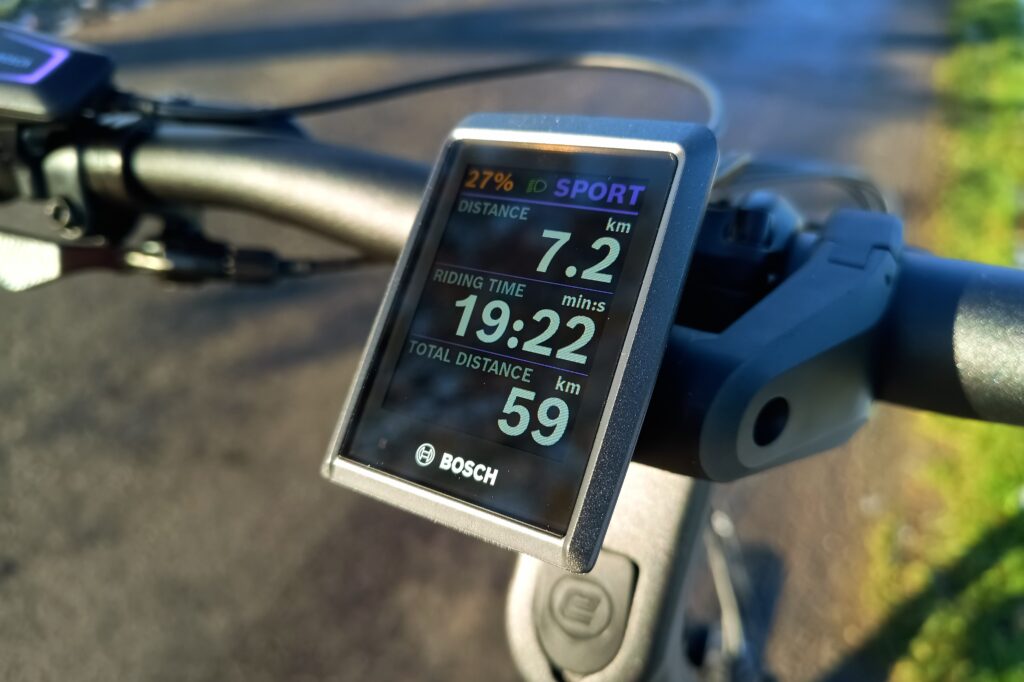
There may be some finer nuances between different modes, but for the most part it’s about conservation of battery power. Lower modes will offer greater range by restricting motor output to some extent. Higher modes will offer more power, but will obviously drain the battery more.
Choosing a motor: what will suit you?
When selecting an e‑bike motor, the right choice will greatly depend on how you’ll use the bike.
If you’ll mostly be riding on flat urban roads then you probably don’t need much torque, whereas if you’re likely to be tackling steep climbs then a mid‑drive is likely to be a better fit.
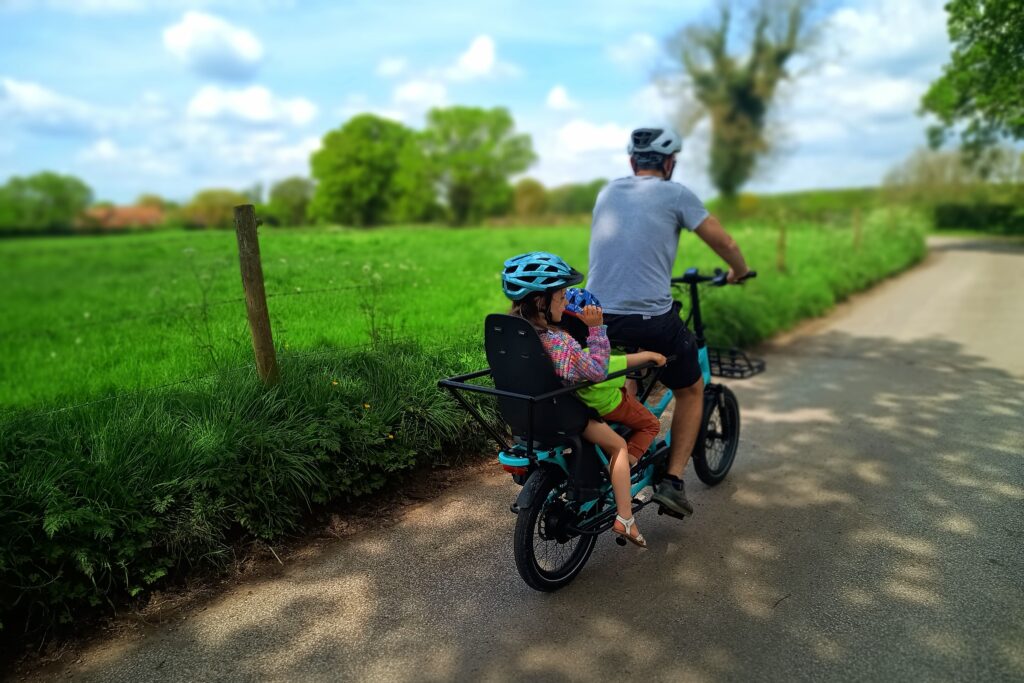
Similarly, if you’re looking to carry shopping, children or heavy panniers, you’ll be looking for more torque and power.
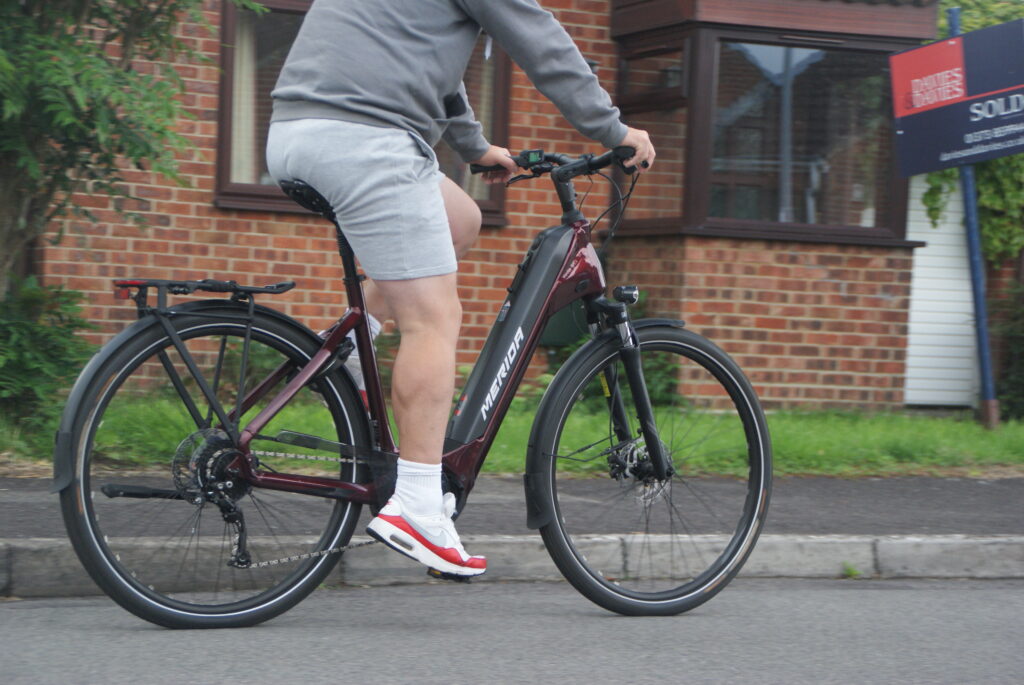
Mid-motor e-bikes do tend to be heavier though. Those with a step-through frame in particular can end up twice as heavy as the lightest hub motor e-bikes. This can make the bike unwieldy for some as well as making it much harder to ride without motor assistance, such as when the battery runs out. (Large batteries also add to an e-bike’s weight, so greater range doesn’t come without cost.)
Everyday consumer considerations will of course come into play too. Mid-motors are a little more complex, so tend to be pricier. We’d also recommend putting a lot of emphasis on brand/dealer support.
Well-known brands and retailers will tend to offer better support with regards to warranty, repairs and spares, as will most UK-based manufacturers.
Practical tips for beginners
Our first piece of advice would be not to put too much weight in the numbers. Wattage and torque ratings are part of the picture and can certainly give you a steer, but unless you’re looking at different motor models from the same manufacturer, it’s inadvisable to use them as a basis for direct comparison.
Off the back off that, our second piece of advice is to test ride different motors if you can. Even motors with ostensibly similar specs can feel very different (smoothness, how they respond, audible noise, etc) once you’re on the bike.
Even if you can’t test the exact models you’re considering, any e-bike test riding you can do will help you get a better sense of how different motors behave – hub motor v mid-motor for example.
You could also do a lot worse than checking out our very many reviews and buyer’s guides.