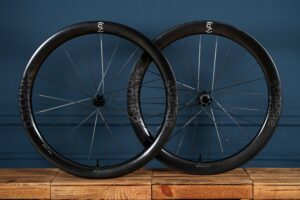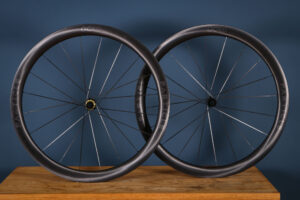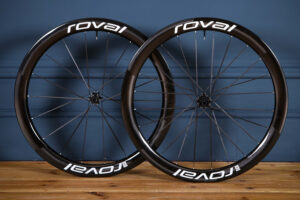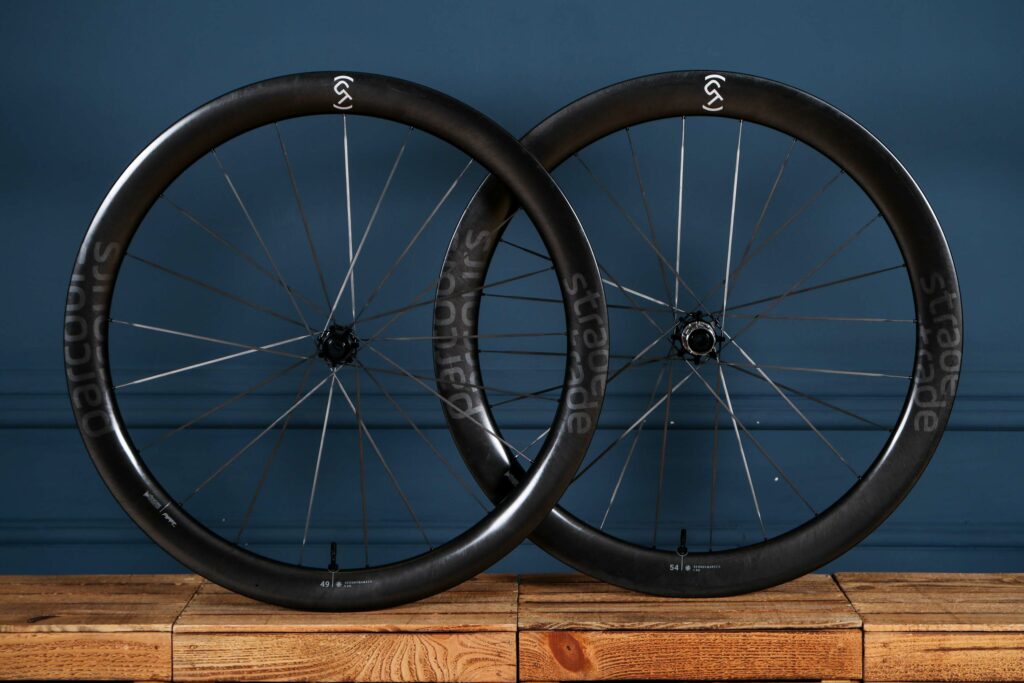

The Parcours Strade GT make use of a specialised carbon layer (dubbed Vibracore) in the rim bed to dampen vibrations, with the intention of helping riders feel fresher after long rides. It might sound a little snake oily, but having ridden the wheels for a few hundred miles, it does work — just not quite in the way you’d expect.
> Buy now from Parcours for £2,499.00
My initial thoughts on the wheels were that they are very nice. The carbon makeup is just about visible under a layer of glossy lacquer, giving them a nice shininess with a high-tech look on closer inspection.
Installing tyres and rotors is straightforward, but the hub’s skinnier splines make mounting the cassette just a little more tricky. The hub is custom made by Parcours, with 60 teeth that echo through that deep carbon rim and produce a beautiful acoustic resonance. It’s also user-servicable without tools, and you can spec it with ceramic bearings for an extra £220.
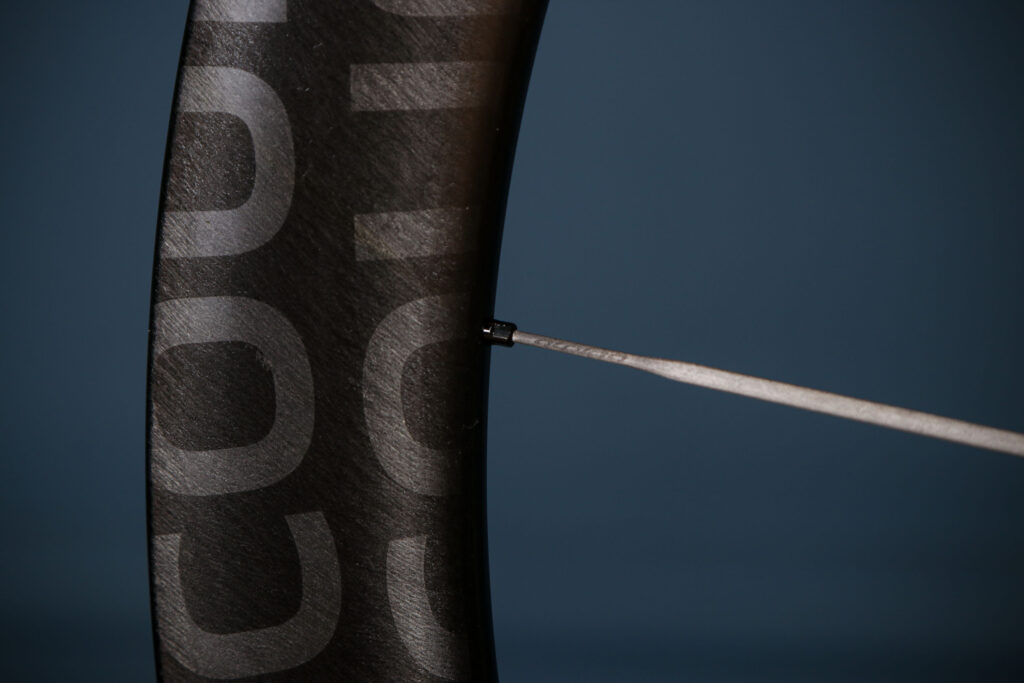
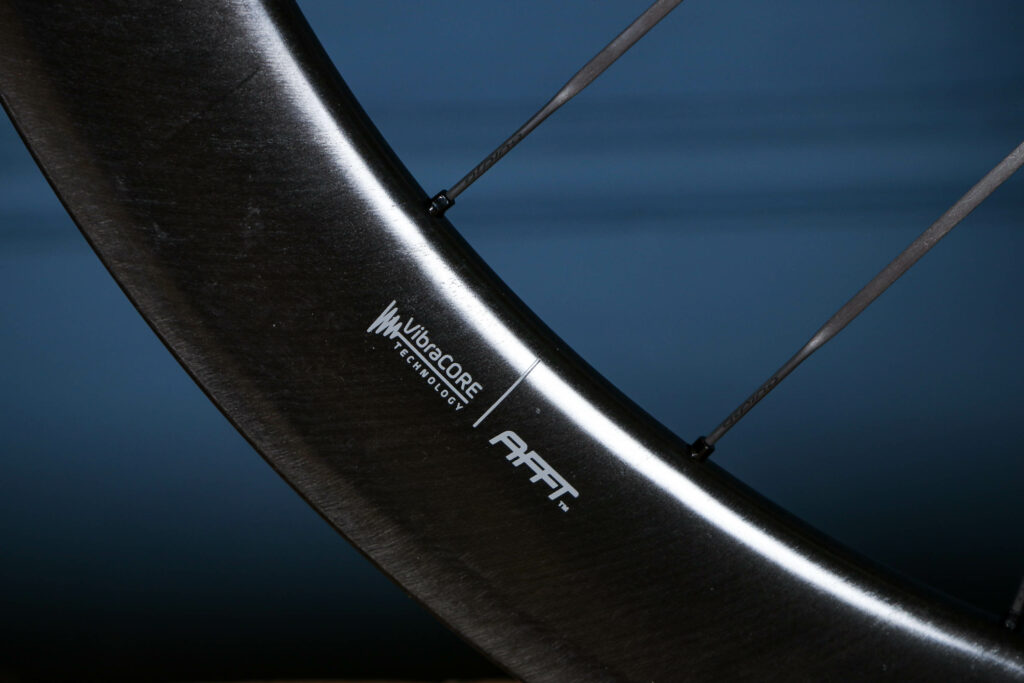
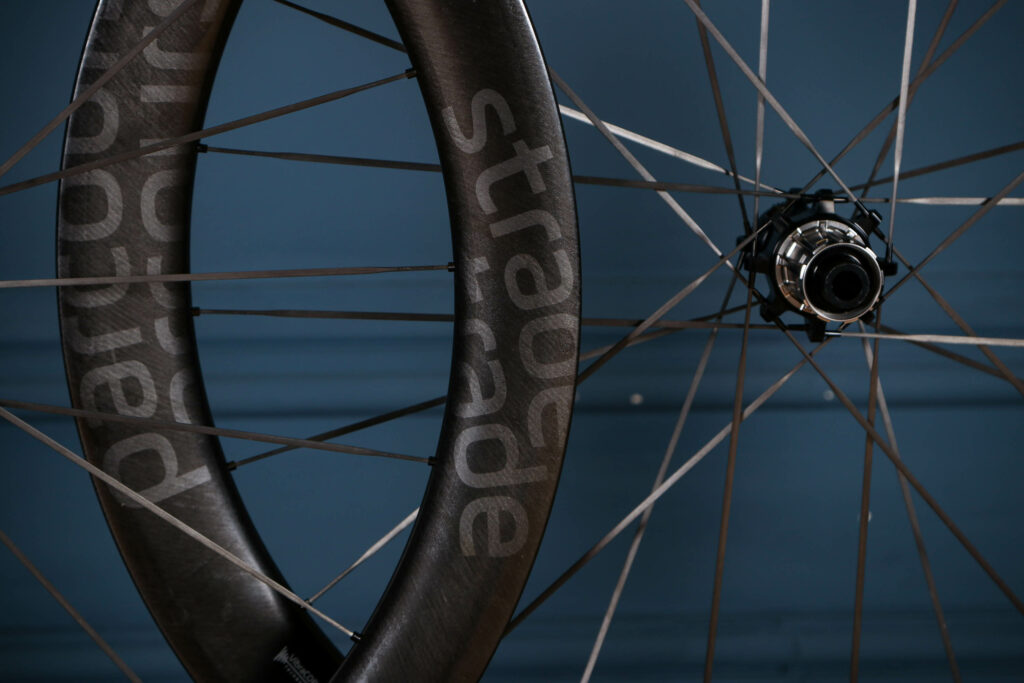
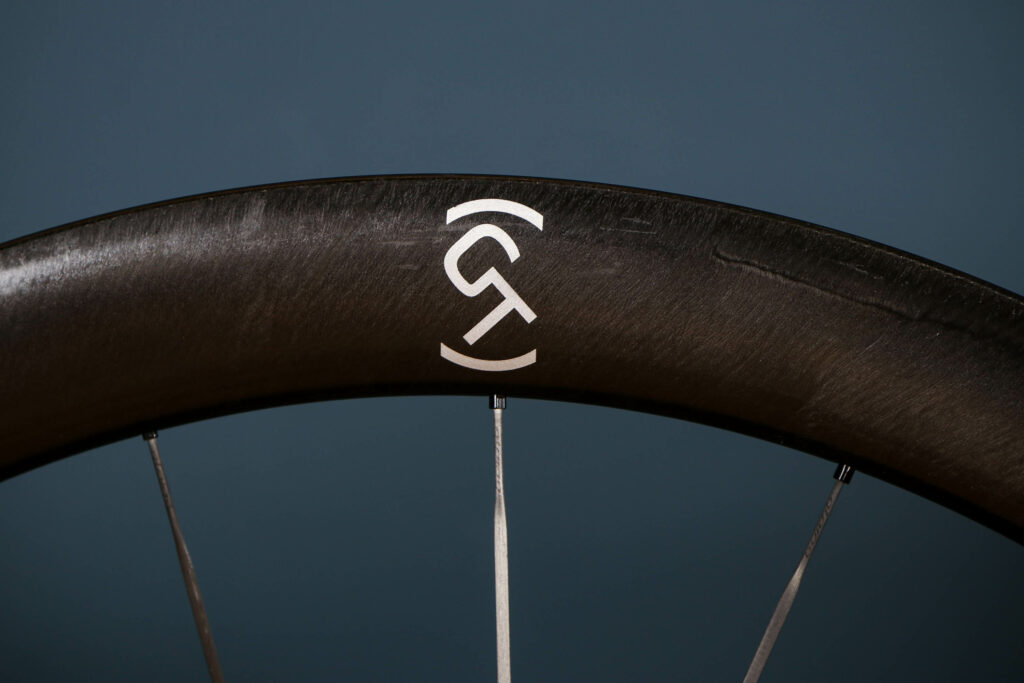
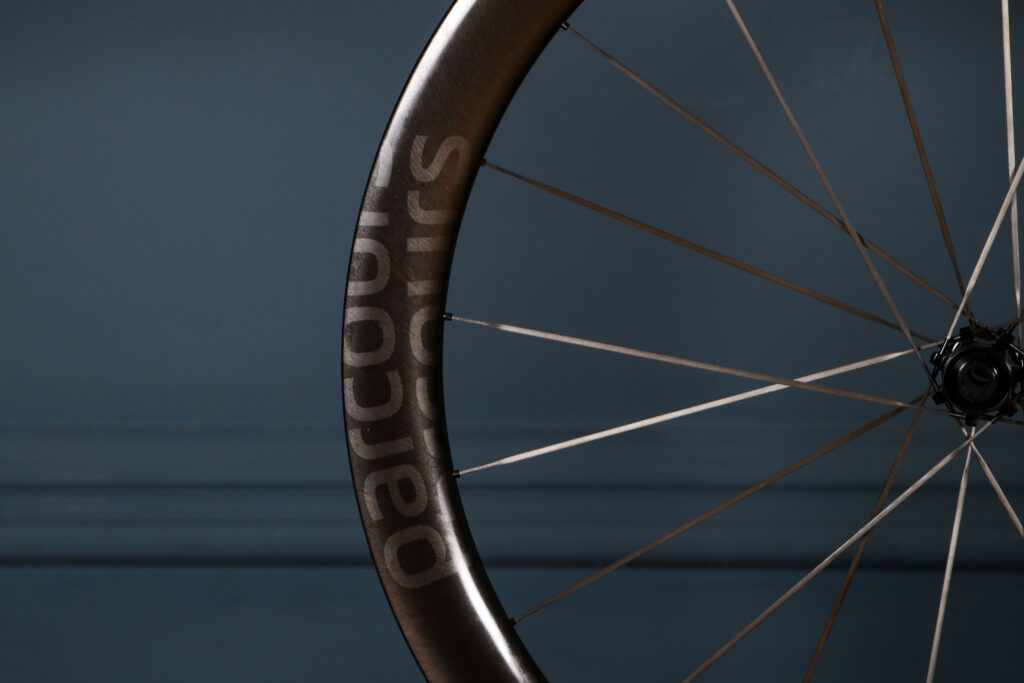
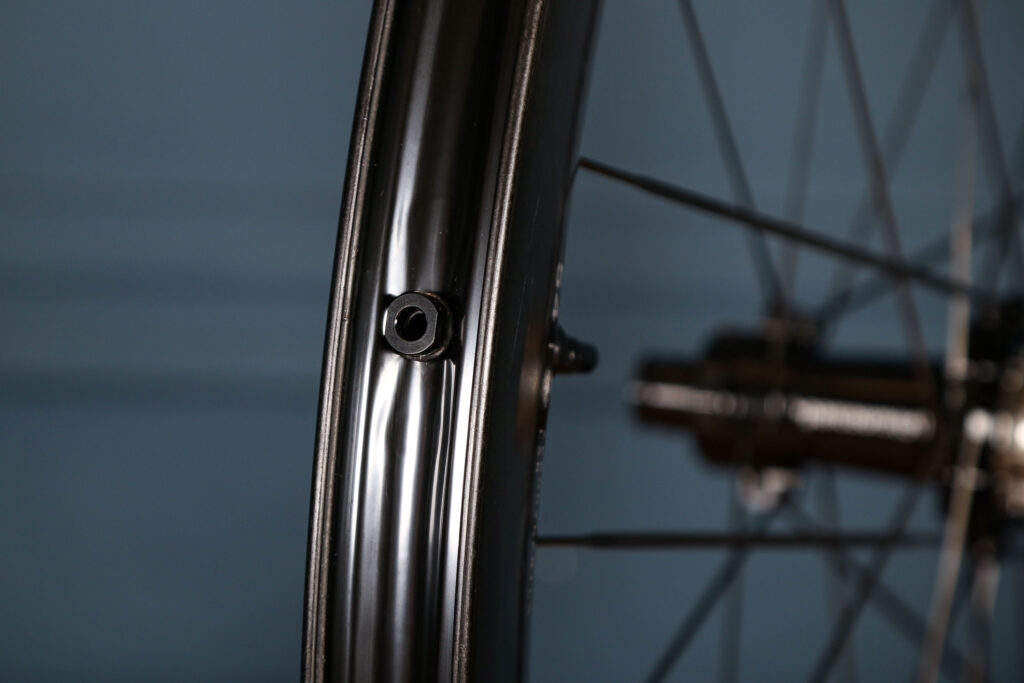
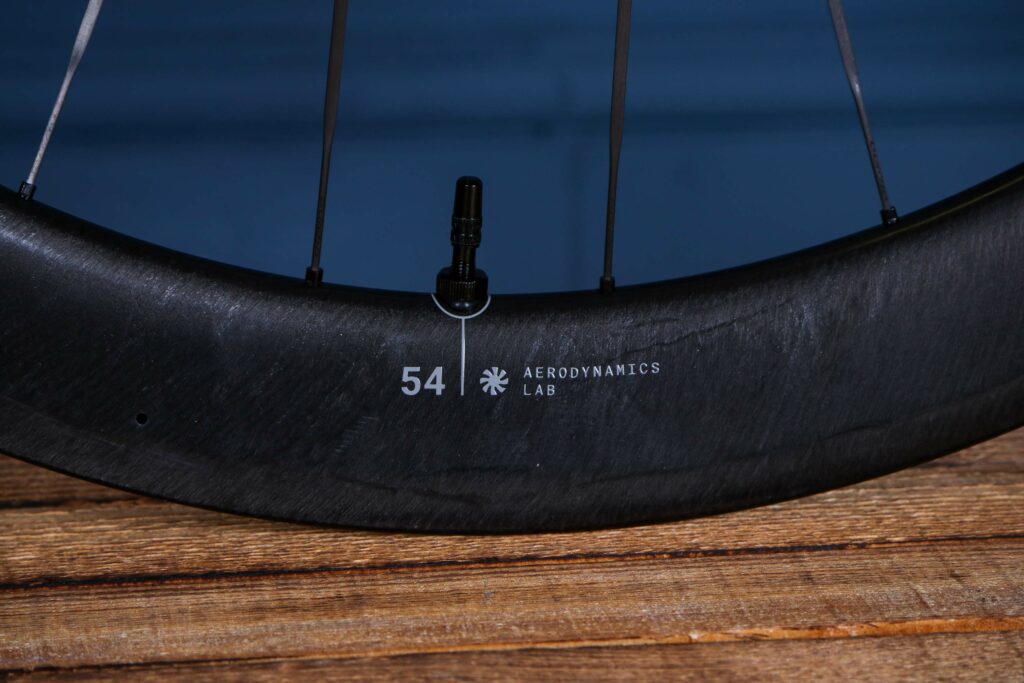
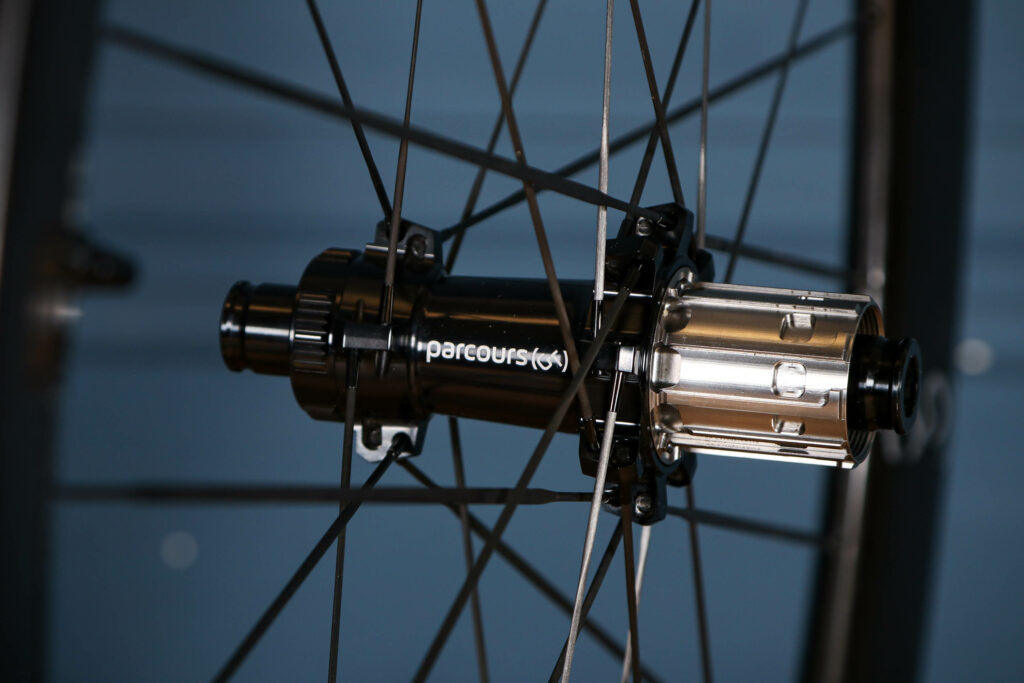
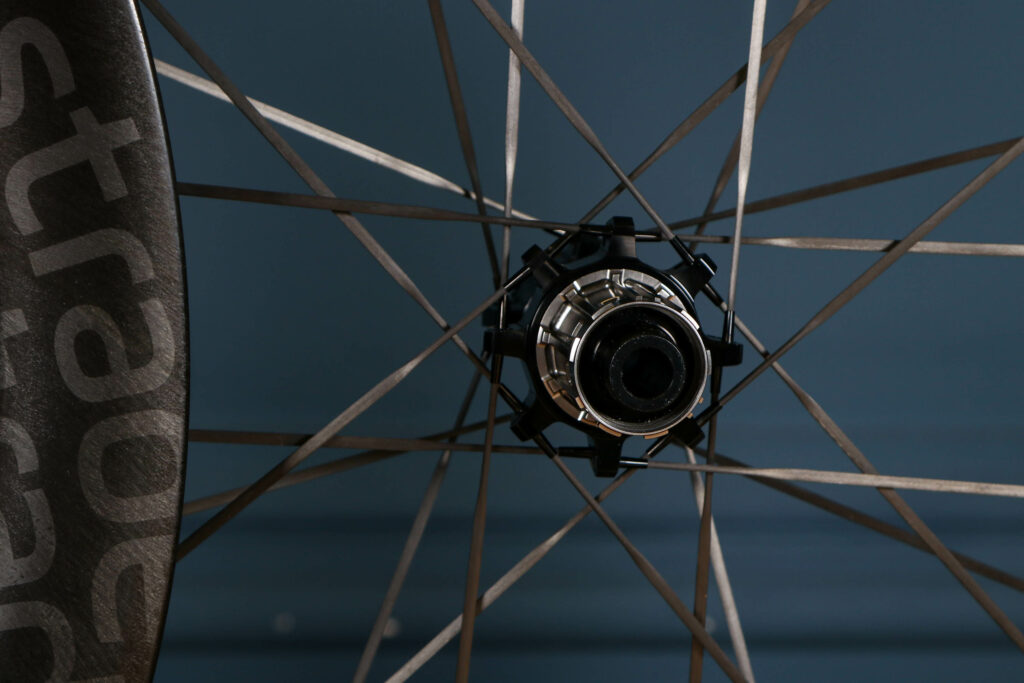
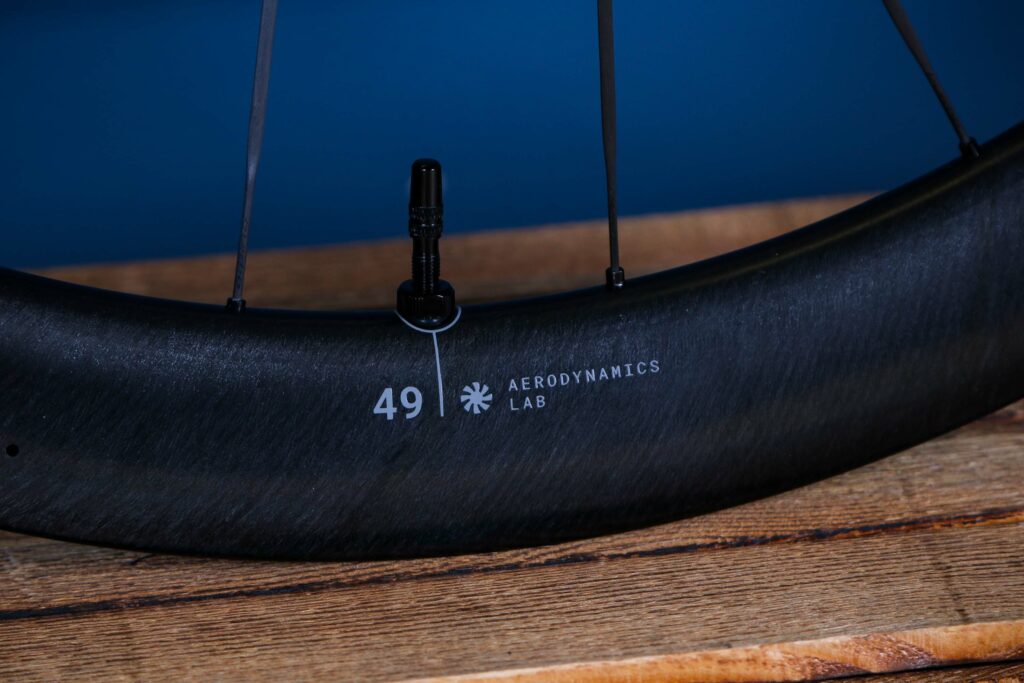
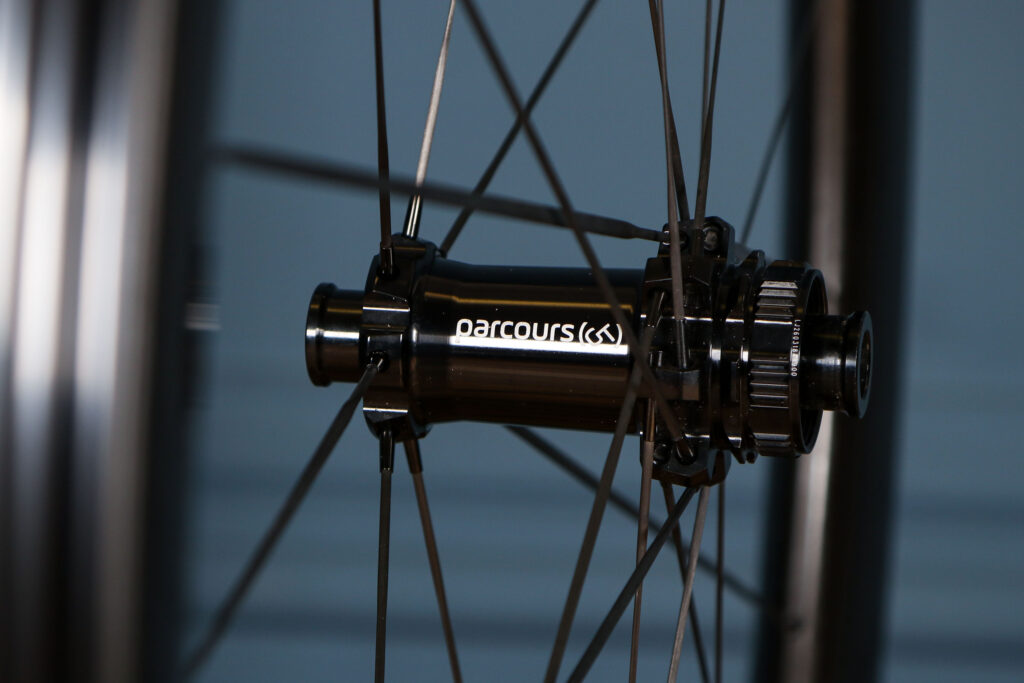
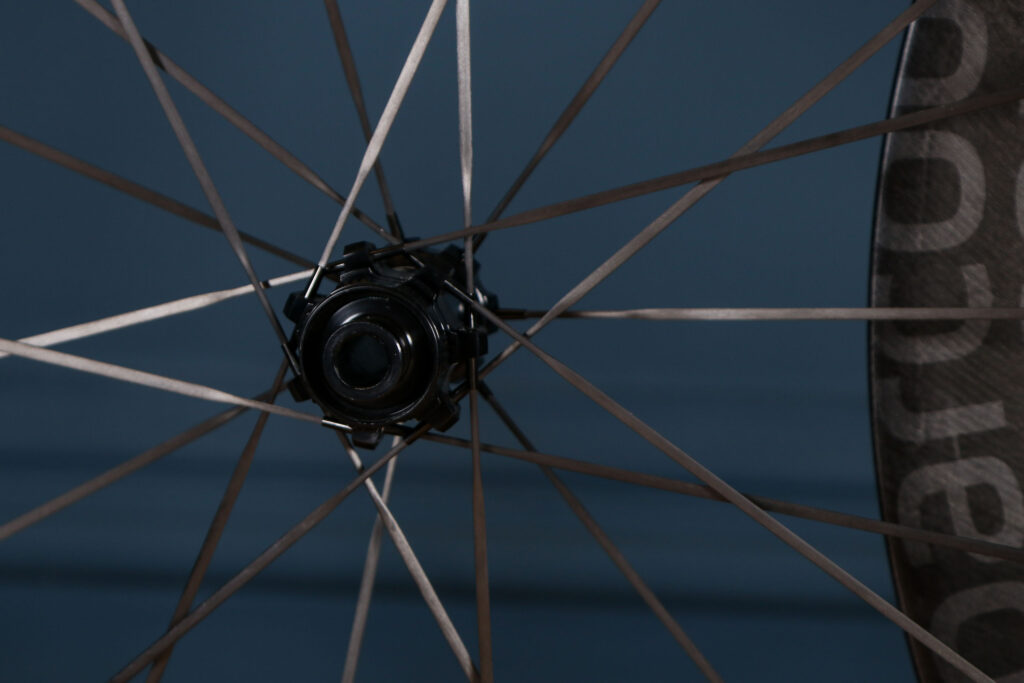
It’s worth noting that the nipples are only accessible via the inner rim, so servicing in the field might be tricky. They come tubeless-ready, with some nice valves, but I went for a TPU inner setup here and found it all easy enough to install, with the tyres pinging on nicely.
The ride feel
My testbed for these wheels was the Ribble Allroad I had in for review, whose stock 42mm Mavic wheelset proved to be a good comparison point.
If I’m honest, I didn’t really notice a huge amount of difference to start with, other than a slight aero gain — the Strade GT are specced at 49mm at the front and 54mm at the rear.
Acceleration is decent thanks to a high carbon spoke count and they feel stable, without any of the grabbiness you sometimes get in the front wheel with high winds. This is where the difference in rim depth between front and rear wheel comes into play. They’re also competitively light: 516g at the front and 650g rear, including valves, according to the road.cc scales.
They are really nice wheels in and of themselves, but I was initially disappointed that I didn’t feel a cushioned bounciness, almost like suspension — but this isn’t how the Strade GT work. The shock-absorbing carbon layer dampens frequencies rather than allowing the whole wheel to flex, which would presumably cause all manner of problems.
Part of my test route is Tickenham Hill, a graceful and quiet descent near Nailsea where you can put in a lot of power and build up speed. While the outer surfaces of the left-hand lane have been smoothed by megatonne SUVs, the central tarmac is gritty and exposed, and this is where the Strade GTs came into their own, taking the edge off the roughness and mitigating the buzz. It’s subtle, but it’s definitely there, and the comparison to lowering tyre pressure a little seems spot-on — but you aren’t losing watts to road resistance here.
Here’s an interesting thing, though: my kitchen-table desk setup has finally gotten the better of me and given me a moderate case of tennis elbow (as well as ketchup laptop). Cycling has aggravated this condition and I would often end rides in a moderate amount of pain. However, when I switched to the Strade GTs, the pain was definitely less severe. There are a lot of potential reasons for this, but when I switched back to the Mavics the pain seemed worse again.
This is where the Strade GTs find their niche. They’re like switching to custom insoles in your bike shoes, or adding a memory foam topper to your mattress. They aren’t fundamentally changing anything that much, but they’re still fast and solid wheels with the added advantage that they make everything a little bit more comfortable and tolerable.
Young ‘uns who still have nice, fresh, white skeletons and supple joints will be fine with regular wheels, but the Strade GTs are for those of us who are getting a bit older and sometimes can’t click a mouse button without groaning.
Value
The Strade GTs come with a premium price tag of £2,499 — that’s twice the price of the non-Vibracore Strade that Jack loved. Whether the tech is truly worth a £1,249 premium is questionable, but the GTs also include carbon spokes, lighter weight, and better support for 30mm tyres.
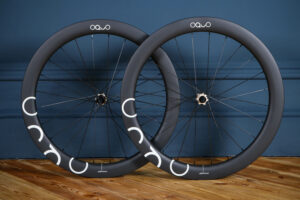
At this £2,000-plus price point, wheelsets are locked in an arms race, with minuscule adjustments for marginal gains — but at least Parcours has made a genuine innovation here. The £2,110 Oquo RP50LTD wheelset doesn’t do anything particularly special, but it gets everything right, with George describing them as the best wheels he’s ever ridden.
The Fulcrum Sharq 42 actually looks like a £2,500 wheelset, with a unique shark-tooth rim profile that offers aero performance while reducing the impact of crosswinds, plus a solid tubeless rim bed — although Stu took issue with the ensuing convoluted nipple replacement procedure.
Conclusion
Regardless of the gains offered by the Vibracore tech, the Parcours Strade GT is a decent wheelset that just about justifies the premium price tag. Regular riders may not feel a huge amount of difference from other carbon hoops, but they’re likely to find an audience among cyclists who want (or need) to tweak their setup to ergonomic perfection.
Test Report
What does the manufacturer say about this product?:
Every road surface takes something from you. Strade GT gives it back. With VibraCORE technology embedded in the rim, it reduces vibration at a structural level while maintaining aerodynamic speed.
Fully optimised for a 30mm tyre, Strade GT takes everything we’ve learned in rim design and brings it all right up to date for modern riding.
Tell us some more about the technical aspects of this product:
Front Wheel
Dimensions: 49.2mm depth | 33.0mm max width | 23.5mm internal width (hooked)
Weight: 495g
Hub: Parcours carbon spoke
Bearings: 2x 6803
Spokes: Alpina Carbolite Aero (2:1 lacing: L 2-cross / R radial)
Spoke Lengths: L 264mm / R 278mm
Rec. Valve Length: 70mm
Rear Wheel
Dimensions: 54.0mm depth | 31.0mm max width | 23.5mm internal width (hooked)
Weight: 635g
Hub & Drive: Parcours carbon spoke with 60T star ratchet drive
Bearings: 1x 6803 + 1x 17827 (hub body) | 2x 6803 (freehub)
Spokes: Alpina Carbolite Aero (2:1 lacing: NDS 1-cross / DS 3-cross)
Spoke Lengths: NDS 268mm / DS 272mm
Rec. Valve Length: 80mm
How does the price compare to that of similar products in the market, including ones recently tested?:
Expensive, but it includes modern tech as well as the Vibracore layer.
Any further comments on comfort?:
Can smooth out rough roads – to a point.
Any issues with durability?:
Utterly bombproof and well-made.
Did the wheels stay true? Any issues with spoke tension?:
Wheels stayed true and spokes solid throughout testing.
How were the wheels in windy conditions?:
Behaved well in moderate wind; the shallower front wheel helps.
How easy did you find it to fit tyres? If you used them tubeless, how easy were they to seal?:
Very easy to pop tyres onto the rims.
Did you enjoy using the product? Yes
Would you consider buying the product? Yes
Would you recommend the product to a friend? Yes
Use this box to explain your overall score
Despite initial doubts, the tech in the Strade GTs does actually work, making longer rides less fatiguing and helping relieve aches and pains. It’s the icing on the cake of what is a really decent wheelset, but the price tag is very steep.
About the tester
Age: 46Height: 193cmWeight: 88kg
I usually ride: Tritao GroontMy best bike is:
I’ve been riding for: Over 20 yearsI ride: Every dayI would class myself as: Expert
I regularly do the following types of riding: Road racing, Gravel riding, Indoor riding, Indoor racing, Bikepacking, Commuting, Audax, Fitness riding, Leisure riding