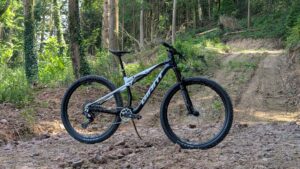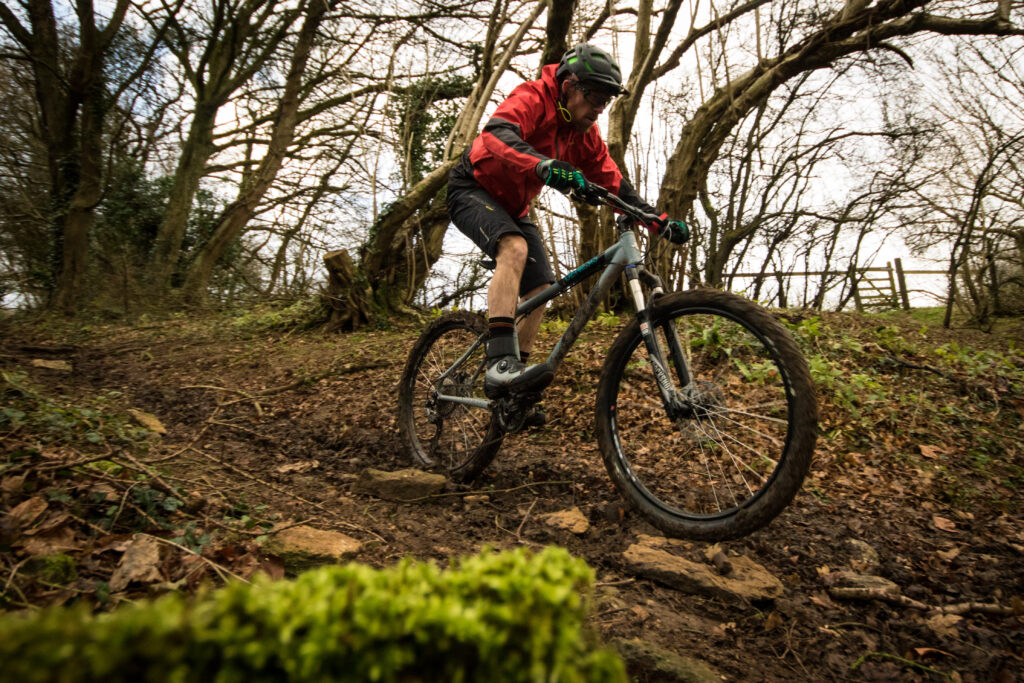

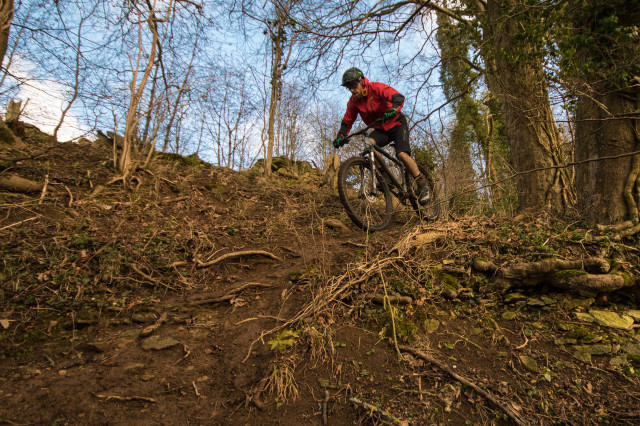
Genesis’ top-tier Core 30 trail hardtail showed some real potential and got our tester excited to push its limits, with progressive geometry and a stiff but not cumbersome frame that egg the rider on. The sub-optimal spec for the money can’t be overlooked, however.
- Review: Genesis Tarn 20 – a versatile Plus tyred steel hardtail
- Review: Genesis Datum 10 – comfortable and engaging for adventures on and off the road
- Buying your first mountain bike: everything you need to know
The Core hardtail range is Genesis’ recreation trail offering, with 120mm of travel up front paired with straightforward aluminium frames. A quick glance at the geometry chart is encouraging too, with the head angle is a pleasingly slack (for this type of bike) 68º meaning descents are confidence inspiring and tight corners aren’t as intimidating. The 73º seat angle is slightly on the slack side for my liking but its comparable to a mainstream hardtail.
It does mean that whilst the 435mm reach in a medium is generous for a more entry-level hardtail, the effective top tube is 620mm, which gives a somewhat stretched out seated position. Chainstays come in at 430mm, not as short as other bikes of similar intentions which means climbing is pretty good despite the slack seat angle and doesn’t affect handling on the trails.
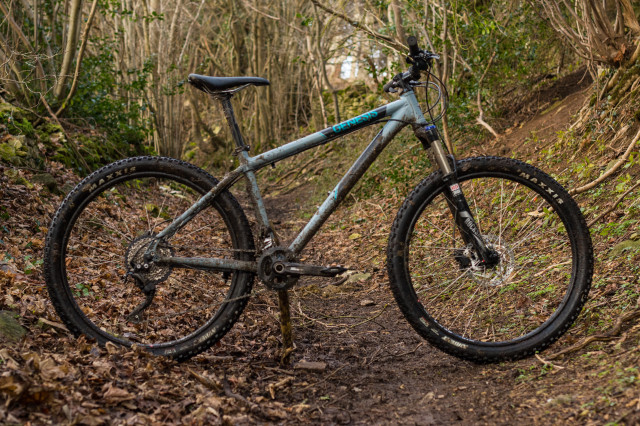
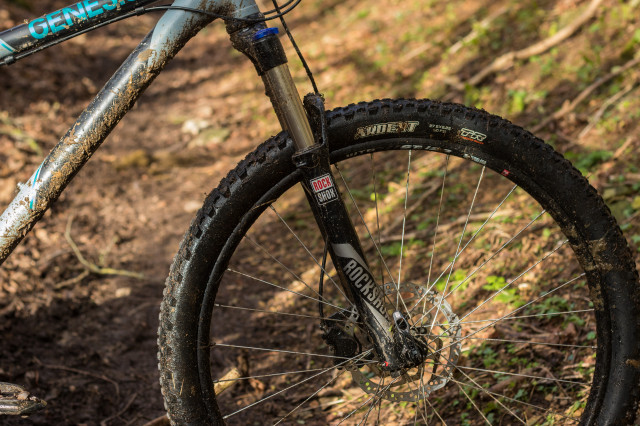
Unfortunately, value is where the Core 30 falls short of its competitors. The 120mm RockShox Recon Silver fork comes in the RL Solo Air guise with a boost 110x15mm axle, it’s a half decent fork which offers good adjustability and stiffness with reasonable support when pushing on.
The Core’s kitted out with a Shimano Deore/SLX 10spd drivetrain with a pair of chainrings up front and M425 stoppers. Nice to see 2 x 10 but again, at this price, I’d expect that. The entry-level brakes are sufficient if a little wooden for the speeds the Genesis coaxes you to strive for.
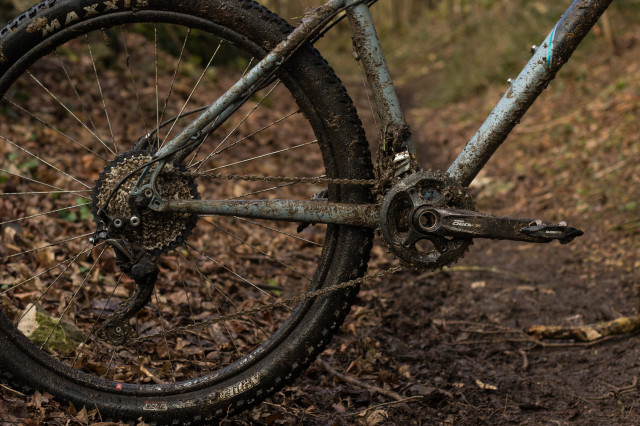
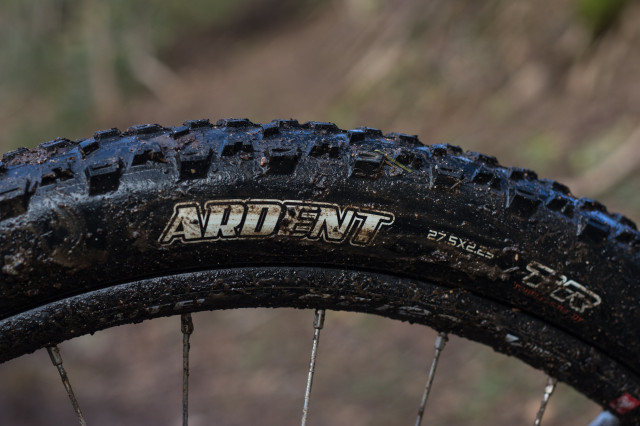
The Shimano hubs laced to the tubeless-compatible WTB i23 rims ensure rolling weight is reasonable, the 23mm (internal width) rim offers good width and volume to the Maxxis Ardent 2.25″ tyres even if grip on the trails leaves a little to be desired. If you want to use the Core off road any time other than the height of summer, you’ll need to swap the front Ardent for something tackier and more appropriately paired with the bike’s intentions, and similarly something with tougher sidewalls at the rear.
The finishing kit is from Genesis’ own stable and with a 55mm stem and 740mm wide, things are definitely in the right ballpark. A shorter stem would be more fitting to the bike’s intentions but the generous width bar helps to inspire confidence through effective control.
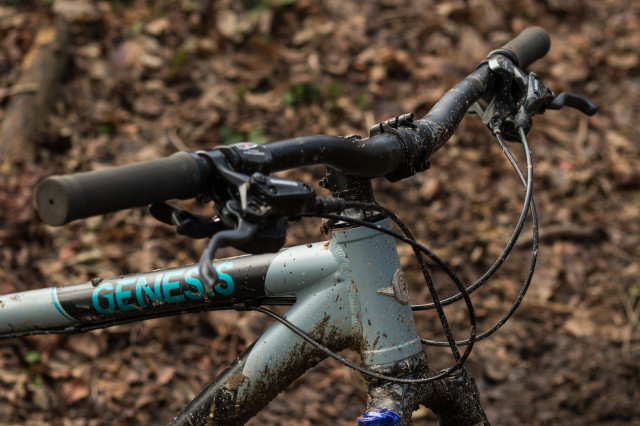
At 13.5kg without pedals, it’s not exactly light for the over £1k price tag. Fortunately, the weight appears to be mainly in the frame and fork meaning the Core accelerates eagerly and hops and dances about when you want it to. The double butted 6061 frame with its large tubing is pretty stiff and unforgiving but push hard and hang on and its a riot machine for the wonga. The build quality also feels like one that’ll last, something Genesis bikes are renowned for, which for many, will be a decisive point when choosing to drop £1100 on a bike.
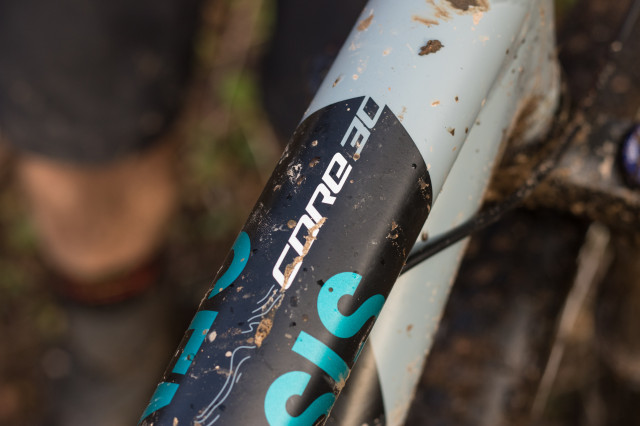
Something I was very pleased to find, is the lack of seat tube bottle boss mounts. To some that’ll seem like a negative, but, what it means in practice is that you can get the seat post nice and low in the seat tube for steeper or more technical sections. It also means you can, should you wish, fit a dropper seat post at some point in the future. For me, that’s a massive plus point as nearly all entry-level hardtails I’ve ridden recently haven’t had this option. Accident or not, I like it.
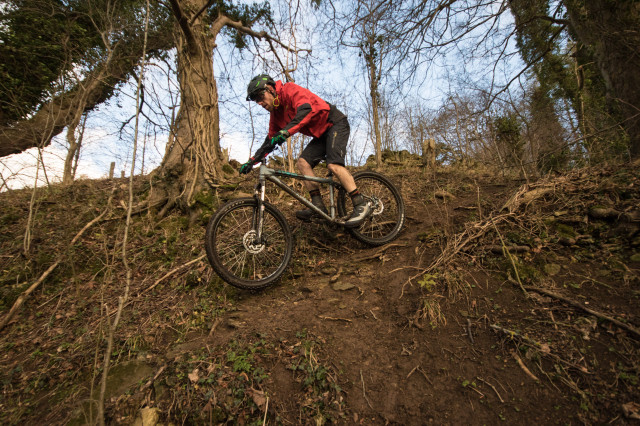
Despite the fun and aggressive ride characteristics of the Core, the bottom line is still the spec for the price. For example, for £1,000 you can buy a Trek Roscoe with Rockshox Judy forks, a 1x11spd drivetrain and a dropper post. Admittedly, Trek has some immense buying power, but Genesis could do better I feel. The Core’s still a good alternative bike should you wish to have something a little different and with progressive and encouraging geometry in places, it’ll egg you on and push your limits, as long as you’re willing to cough up some dough for the privilege.
You might also like:
- Buyer’s Guide to mountain bike tyre – get the right rubber for your bike
- Review: Trek Roscoe 9 hardtail – an engaging fat-tyred trail hardtail with respectable spec for the money
- Review: Specialized Butcher 27.5 x 2.6″ tyre
All the deals displayed on our review pages are pulled from a constantly updating database feed of the best affiliate deals available. The criteria for deciding on what are the best deals is who is offering the lowest, delivered price. In most cases we will be showing the very best deal available online, but sometimes you may be able to find an item cheaper. If you can please feel free to post a link in the comments box below. To find out more about affiliate links on road.cc click here.