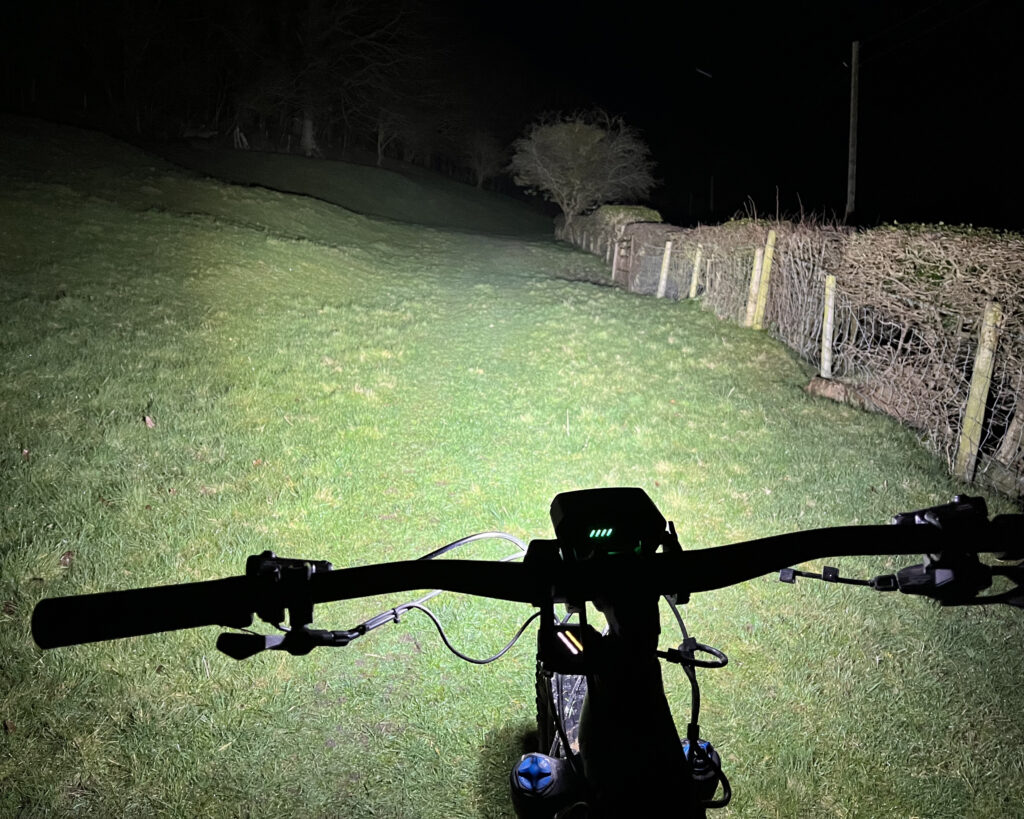

During winter, night riding is the best and sometimes the only way of getting the miles in. It’s almost a whole new discipline in itself, however, especially for the uninitiated. It takes extra motivation, extra kit and extra planning, so here are our top tips everyone should know before heading out into the night.
- Best winter cycling gloves 2025 – mountain bike gloves to keep your hands warm
- USE Exposure Sixpack MK14 front light review
- Exposure Lights MaXx-D MK15 review
Start a night-riding mountain bike group
Forcing yourself out in the dark is the hardest thing to do. Without the summer warmth, anything post-five o’clock is all about whacking on Netflix and winding down for the day. Night riding needs that extra bit of motivation and there’s nothing quite like the peer pressure of a good group of mates.
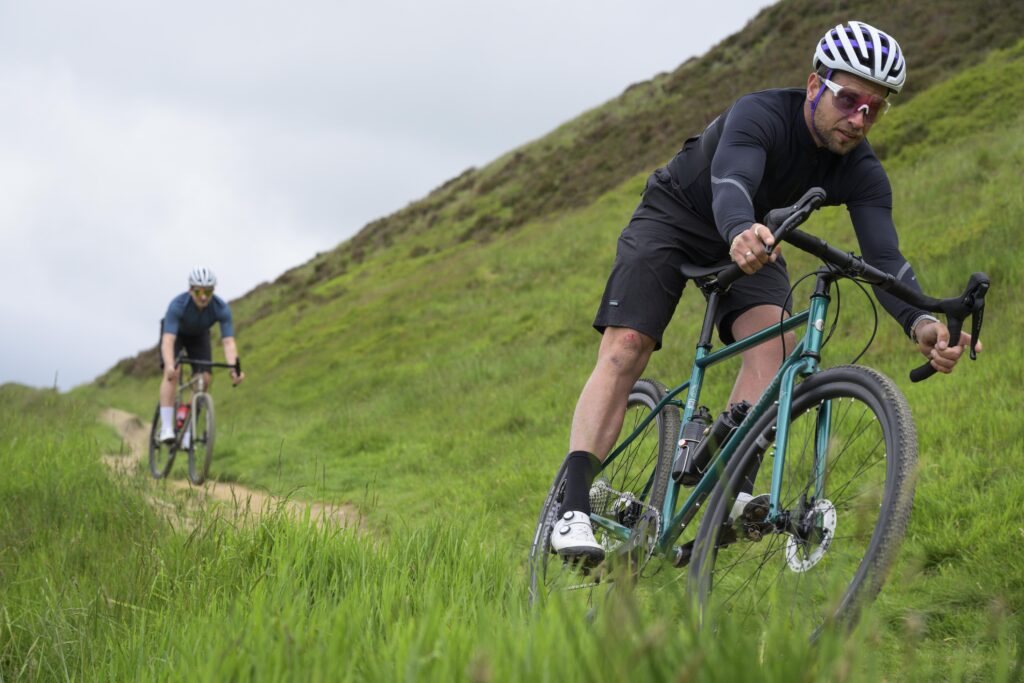
Not only will it force you to live up to your plans and promises but riding in the dark alone is pretty spooky, to say the least. The pack mentality of riding with others will help you feel extra comfortable as the glowing eyes deep between the trees watch you go by.
Get your kit sorted the day before
Get home, gather your kit, shove a bit of food in you, get your bike ready, load the car, and get out. It’s a lot to do, but if you organise things the day before, you won’t be in a rush.
The earlier you plan, the more time you have to think about the kit you’ve packed, too, providing plenty of time to remember to pack that second light or tighten up your cleats.
Make your dinner in advance
This one goes part and parcel with the point above. The period between getting home and getting out on that ride can be hectic, to say the least. Then add the time to prepare and cook dinner on top of that – and it’s chaos.
Meal prep is the best way to free up feeding time for additional bike faff. Prepare something you can sling in the microwave for a few minutes that’s easily scoffed to help save valuable seconds before your well-earned bike time.
Two is better than one
You can get away with one big-lumen flood light mounted to your bike’s handlebar. It’ll do exactly that: flood the trail ahead with light, and for gravel and general fire-road tomfoolery, it’s certainly enough. When trails get more technical and twistier, a second helmet-mounted light pays back with even more trail clarity.

Strapping a light to your helmet provides more light from a different angle. This reduces the stark contrast and helps to better illuminate trail features in more detail. Of course, you’re not looking where your bar is pointing either, so a helmet light provides vital light for where you are looking, which is especially useful through corners and steep sections of trail.
Dress for how cold you’ll be when riding, not waiting about in a car park
Any ride is its coldest before you start riding, so wrapping up as you’re performing any pre-ride faff is certainly wise but if you were to keep those layers on as you ride, you’ll overheat pretty quickly. Instead, leave that extra warm outer layer in the car and let your body heat do the work. In no time, you’ll find yourself perfectly toasty and super comfortable.
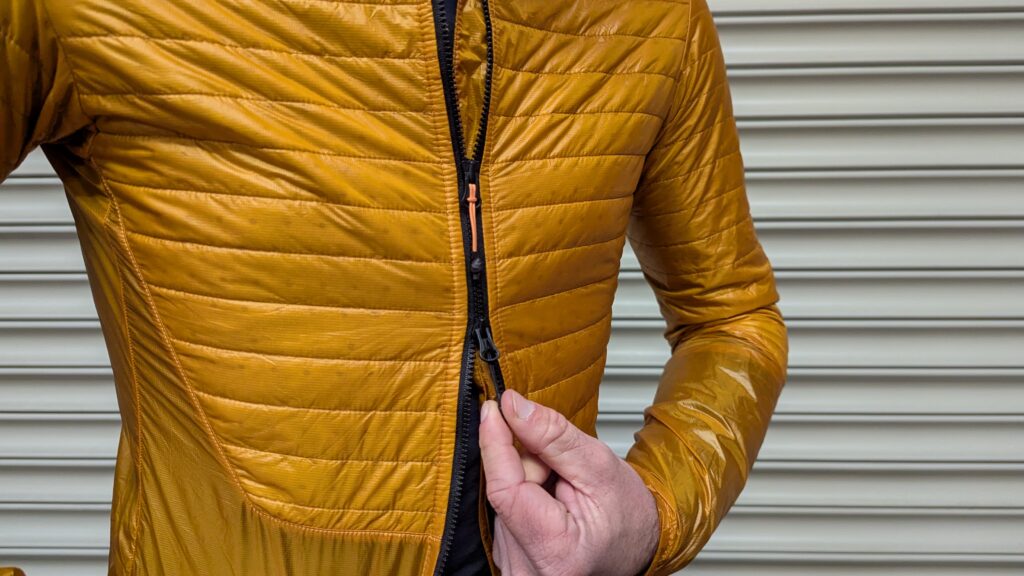
Then, you can use that spare outer layer to warm up and keep dry as you head home.
Ensure you have a rear light
Us mountain bikers often forget about rear lights, but small sections of road riding are common fixtures in any off-road ride. They’re incredibly important and affordable, boosting safety in a simple and fit-and-forget manner.
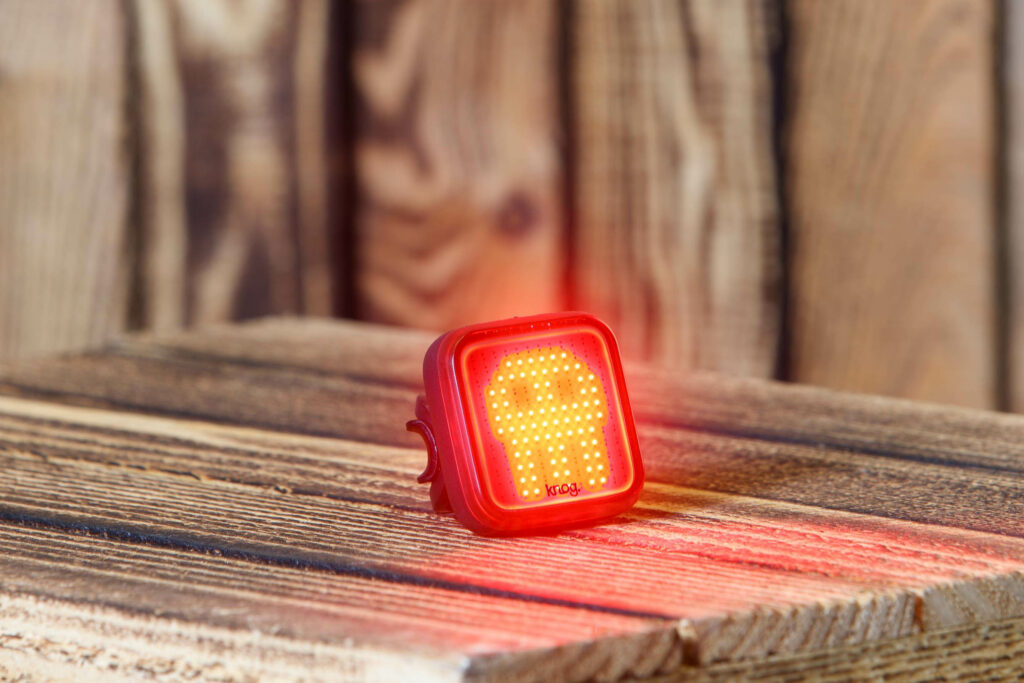
It’s all about those road sections, however, as cars are still a real threat and making yourself more visible is the best way to make every road user happier and safer. Of course, that light needs to be placed somewhere visible, so we recommend placing your light under the saddle or at the seat tube.
Be conscientious with your light
Modern lights for off-road riding are incredibly bright. With lumen counts up to 12,000, blasting your mates in the face is a surefire way to melt some retina.
The same goes when riding on the road, too. While there’s no legal limit for the power of a bike light, they mustn’t dazzle oncoming road users, and many high-power bike lights are more than capable of doing so. With that, consider pointing them more towards the ground as you pass other road users.