
Words and photos by Steve Thomas
No doubt we all saw those hilarious over-dubbed 1x videos doing the rounds a few years back. The one with the Mexican chat show guest in hysterics as he told the tale of how the bike industry decided to provide fewer gears to save themselves money and then convince us to pay more for it.
- How 26″ wheels are turning out the fun
- Your comprehensive guide to trail etiquette
- Buyer’s guide to Rockshox suspension forks
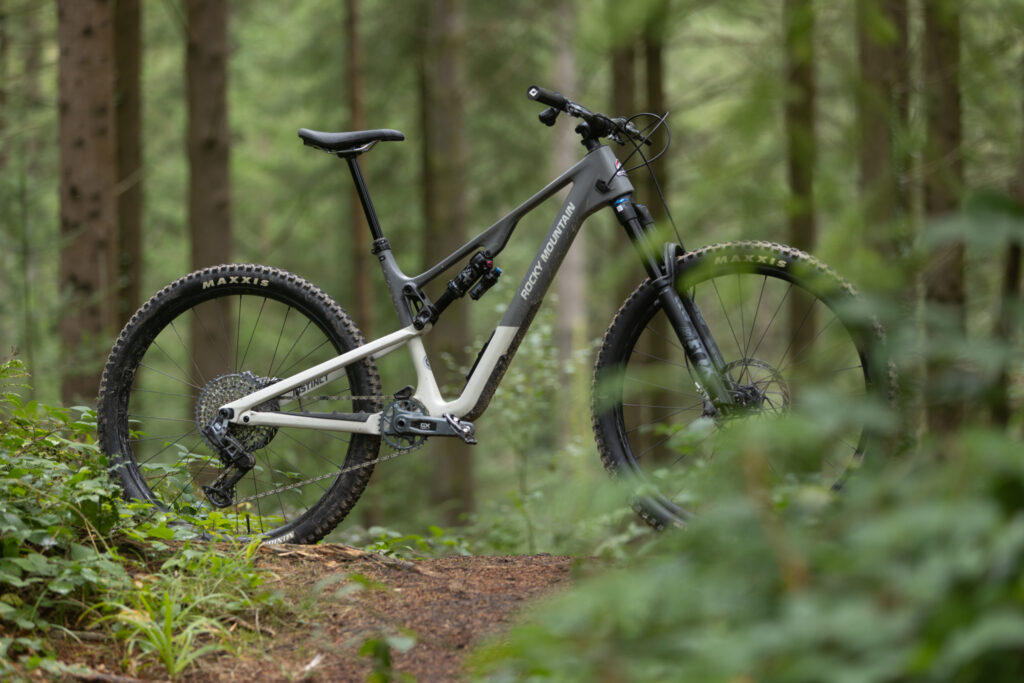
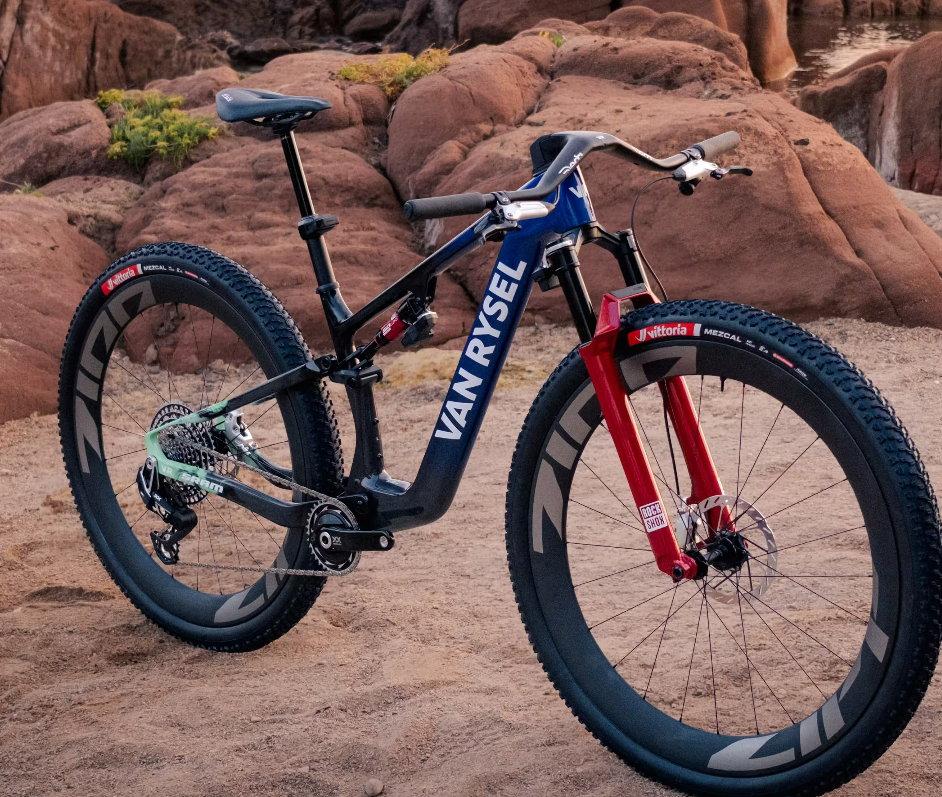
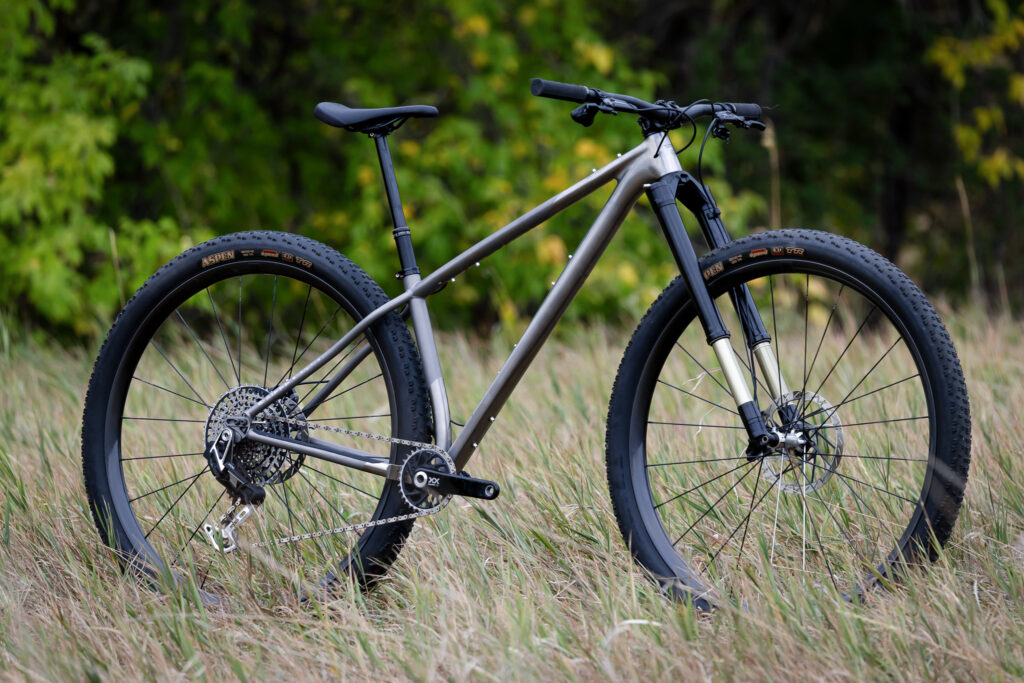
Well, there was actually a lot of truth in those sketches, and that certainly has not changed over time. The 1x single crankset is now the option of limited choice on many higher-end gravel and mountain bikes. Like it or lump it, that’s the way it was leveraged, as limiting and primitive as it may be.
Yes, I did say both limited and primitive – because as sweet and slick as these setups may be, there is absolutely no doubt that they are very limiting when it comes to gearing choices. The gaps between gears are often bigger than the road gap at the Redbull Hardline. Yet, 1x drivetrains are still widely accepted in the marketplace, and we’re even led to believe that it’s actually progress.
The Grand-daddy of 1x
When I started riding cyclocross as a kid, we all rode single chainring bikes, usually running a 44T chainring and a 5-speed 14-28-rear block (cassette). There was some practicality in it, but it was mostly out of necessity and was only really only of use in extremely limited situations, as was the case with many park based cyclocross courses. Even back then, most riders would have snapped at the option of a double, had the gearing options been widely available (42/48 did eventually take over for most riders).
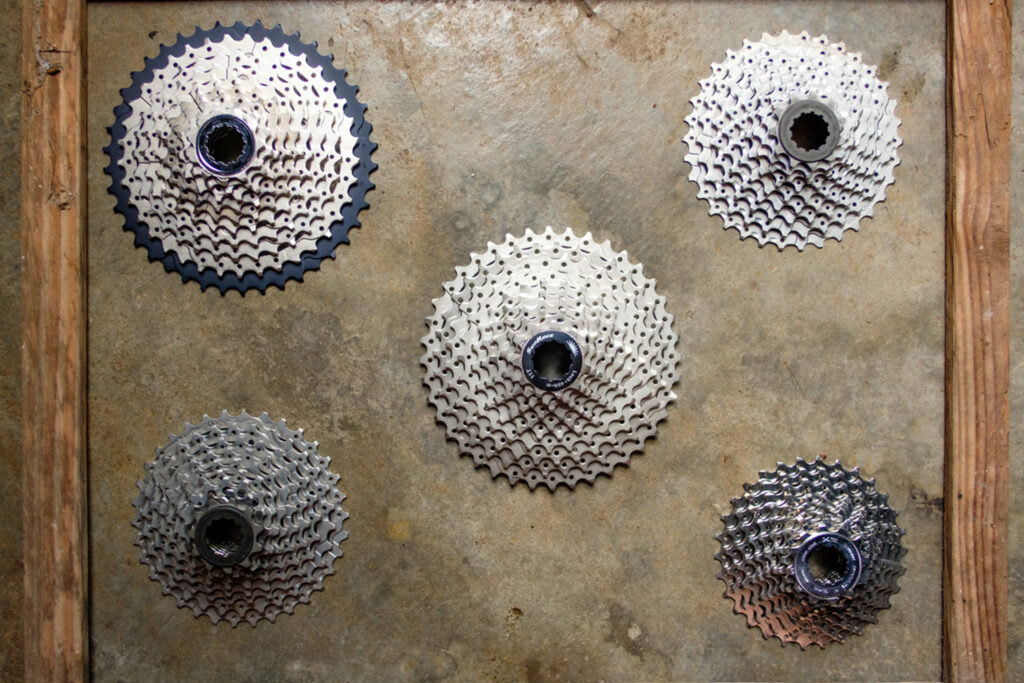
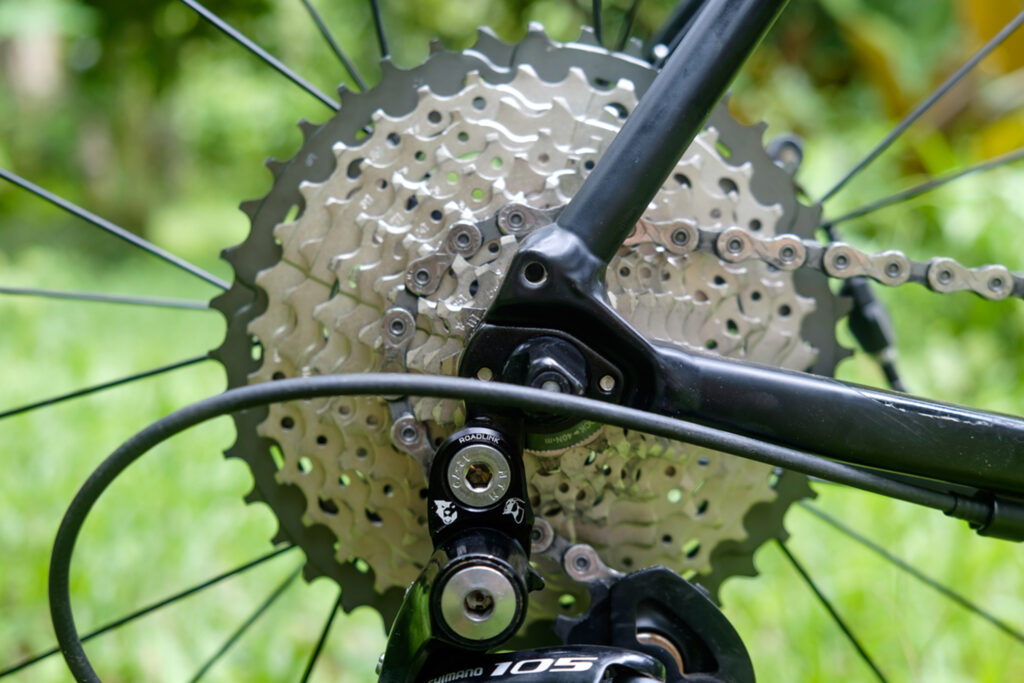
It could sound like a case of déjà vu with the 1x, even if things are far more sophisticated these days. Of course, we also have the humungous rear cogs to match – cogs that are actually bigger than the single chainrings of old.
Does less = simplicity?
Many will talk about the simplicity of a 1x system as if there was some kind of Zen-like purity engraved on the cranks. Others speak of saved chain slap and less dropped chains, while some even buy into the shaving of a few grams theory, none of which I feel justify compromising on gearing and range choices.
There’s been a race for more gears ever since bikes were first made. Although there could well be a point of negated returns, there’s little doubt that more and closer cut gearing systems are hugely beneficial for most riding scenarios.
The great triple chainset really came into its own with the dawn of mountain biking. Its wide-ranging gearing options offer so much more versatility value than those touted by a 1x system.
Logically this means that the use case scenario and terrain that you can ride with a triple crankset is far more varied and broad than that of a single chainring. Perhaps that’s exactly why we’ve all been sold on the system?
The limited gearing options at the extreme ends mean that off-road bikes have become more specialised and niche in their abilities, or at least as they have far as gearing goes.
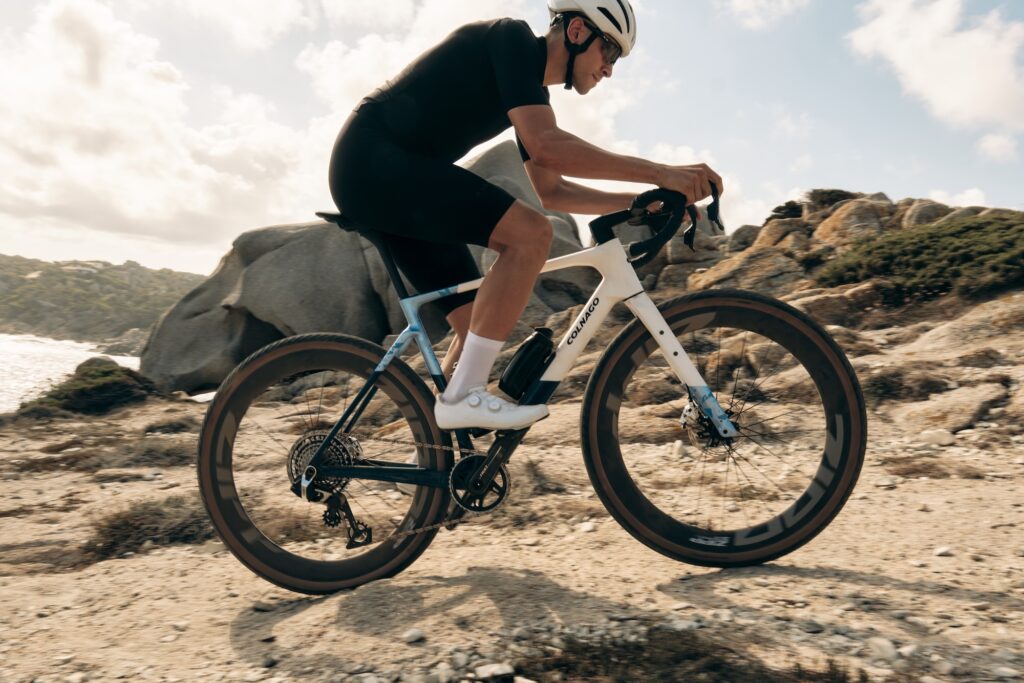
Try occasionally hanging on to the back of a road chain gang with a 1x gravel bike, and you’ll soon be begging for a bigger chainring ring, or perhaps it’ll have you looking more seriously into buying a dedicated road bike if you partake of it more often, which would not be necessary with a few tweaks.
In reality, a triple crankset would bridge that gap to those skinny tyred back wheels with ease. It would also give you a couple more clicks at the bottom end too; meaning that you could manage the steeper offroad climbs on occasion.
Maybe this is not something that bothers you, but having the option to cut a super-fast road section without spinning out or being able to take on the occasional vertical dirt climb would be extremely useful, and triple would allow that.
Gears vs. grams
Even back in the mid-1990s, there were some mountain bike pro’s riding 2x systems to save a few grams. Many also declined the option, much as they declined to weigh their morning oats before eating them, preferring to have those extra gears and calories in reserve.
And that’s just racing, which is generally fairly predictable these days as far as the terrain goes. It’s for everyday trail and gravel riding where the real benefits of running a triple come into their own. When the terrain and riding are more varied, and where that handful of grams really don’t make any difference.
Falling out of fashion
Go back 15 years or so, and even many high-end road bikes would come kitted out with triple cranksets. Top pro road racers would also sometimes use them for scaling the likes of the Angliru at the Vuelta a’ Espana.
That all faded out when the compact crank setup came around, which also did away with any perceived loss face that went along with riding a road bike with a triple.
Well, I still run triple cranksets on my older bikes, and as long as I can still find spare parts for them, I will continue to do so – but that is becoming increasingly difficult to do. This may eventually force me into a bodge option with bar-end shifters – until the great day the triple makes a return to favour.
I have a compact crankset on my newer gravel bike, which is fine on the fast stuff. However, it leaves me begging for a granny ring and the option to tackle some more extreme terrain.
Value perception or reality
Of course, there are still new bikes around with triple chainsets, but most are lower end. Why is this? Perhaps the non-aligned general public actually sees more value in having more gears, the same line we were fed for decades, and I think they’re right with that thinking.
Then there’s the likelihood that most regular people buying bikes in that price range also want the versatility and are unlikely to go out and buy a gravel bike and a road bike too. Perhaps they have the right idea.
This is not intended as a hark back to the good old days – because equipment-wise these days things are a whole lot better (on the whole), and a lot more expensive too.
However, as much as it may pain the manufacturers to entertain the idea, I think that having more higher-end triple cranksets and gearing options on gravel and mountain bikes would greatly benefit most users. It could also make our riding so much more fun and versatile; even if it means they do sell fewer bikes, it could help build brand trust and loyalty.
Long live the triple crankset. May you soon be considered futuristic and return in a fresh form. When you do come back, please bring me some nice new shifters too.