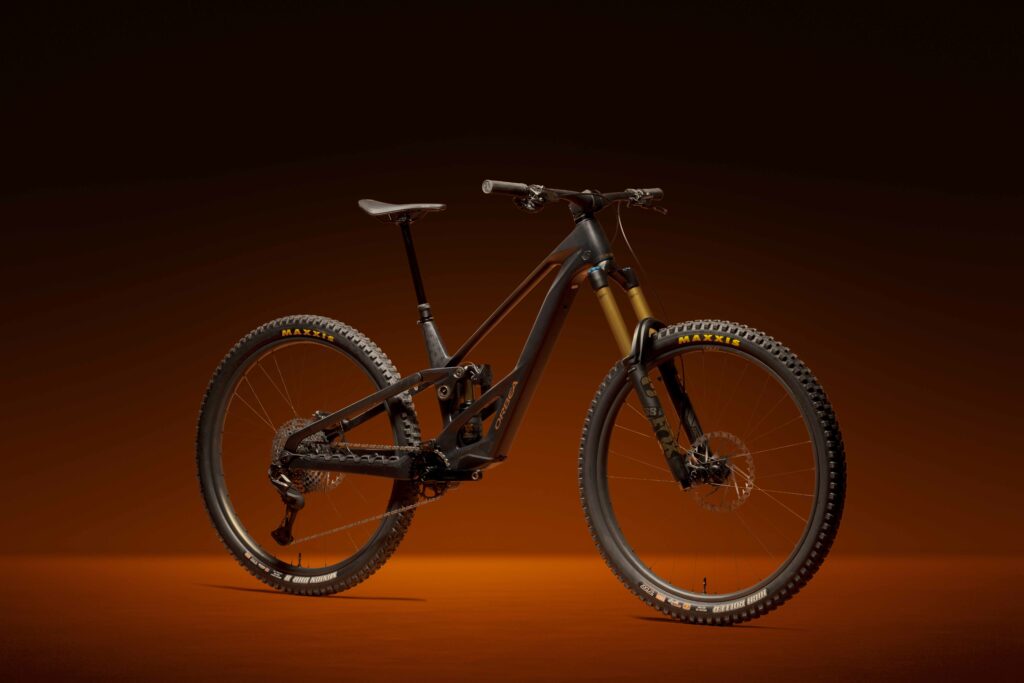

You might have seen Orbea’s new Rallon RS e-bike – that almost isn’t even an e-bike – generating all the coverage this week and getting a few riders ranting and/or raving in the process. Obviously, interesting new products tend to have this effect, and there’s no doubt Orbea’s creation is one of the most radical MTBs in a while, and coincidentally, the kind of bike I’ve daydreamed about in a decade-plus riding e-bikes.
- Orbea Rallon E10 mountain bike review
- Orbea’s new Rallon RS e-MTB is a 40Nm enduro machine
- Is ‘downduro’ the future of mountain bikes? How Tahnee Seagrave’s race-winning Orbea Rallon was made
The basic RS gist is looking and riding very like Orbea’s normal Rallon enduro bike while hiding a silent, lightweight, TQ road bike motor and battery to perform a sleight-of-hand magic trick. Up the RS’s sleeve – or more accurately, hidden in the downtube – is the ability to climb like a flyweight, human-powered, XC bike while still descending like a regular, bump swallowing, enduro rig thanks to the 40Nm motor and some automated Fox suspension trickery.
Orbea and many others already offer sorted e-bikes, but this is different even to most SL models. More small power boost and ultimate handling than a max-fat motor means it can’t climb like an e-bike, but then it also doesn’t have to descend in a way many riders think will put a big dent in the ride sensation, rolling speed and descending fun, with extra weight impacting agility.
Essentially, it’s an assisted enduro bike that rides as close as it can to a normal bike, but the RS also has a second major trick of integrating electronic gears, suspension and dropper post to communicate with each other and run off the main bike battery in a way we’ve simply not seen before.
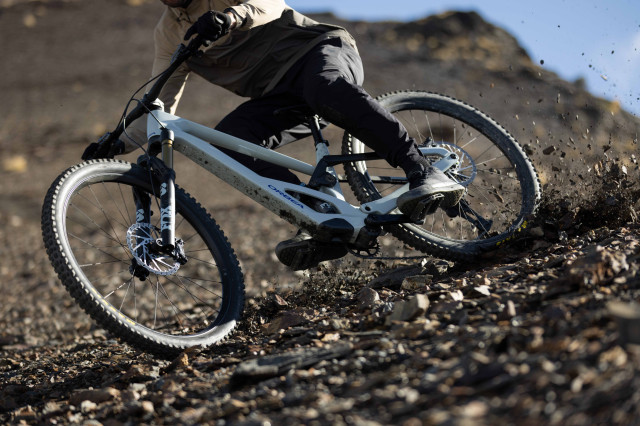
Maintaining as much connection to pedalling and trails as possible in a longer travel e-bike is novel in itself, but it’s this integration part that really looks like a portal into the future. Because, whether the whole RS concept floats your boat or not, all riders surely want the simplicity and neatness of the way everything’s hooked up to the main TQ battery here.
We’ve seen similar integration before with SRAM’s PowerTrain (that seems to be on something of a hold at the moment) and also Eagle AXS power plumbed into multiple e-bike batteries elsewhere, but it’s pushed further here. A minimal motor battery draw has to be the right trade off over a rat’s nest of extra batteries to charge on components like droppers and gears, right? Surely it should also be possible to ensure any electronics are better sealed, more robust and more durable when all hard-wired in.

I’ve not had a chance to ride the Rallon RS yet, and you can dive into its exact details elsewhere, but the consensus is motor boost, even in the most powerful setting, feels like a couple of gears easier rather than the sat-down-one-handed-texting-your-mates climbing vibe of a full-fat e-MTB. Yes, a few said that that’s not much power assist, but in fairness, that’s exactly what Orbea is saying it does on the tin. Considering it’s a brand-new system of electronics that even reacts to dropper post height when communicating with Fox’s suspension and fiddling with damping settings, I’ve not even heard any reviewers saying it’s annoying like we so often do with new tech.
One major aspect of the RS concept I really like is Orbea resisting the temptation to water down the ‘like-a-normal-bike’ idea too much by even detuning a motor that’s essentially designed for just adding a tailwind to road and gravel riding in the first place to maintain good range. This stops greedy riders killing the smallish battery off too fast, and makes sure its e-lite-enduro concept is as light as it can be. I wish I had so much restraint; this, not adding a slightly bigger battery and more powerful motor, is the exact opposite of how I always end up sticking a pair of sticky tyres and bigger brakes on a downcountry bike, and end up ruining the whole vibe that made it so nippy and fun in the first place. Doh.
Whether or not Orbea’s light-as-possible e-enduro bike concept will sell any bikes or not is another question, considering the RS raises as many questions as it addresses: like how much assistance riders feel they can live with(out), the fact that other e-MTB solutions have panned out poorly in terms of reliability with everything so interconnected, whether it’s even worth adding extra weight, cost and complexity for such a marginal extra power boost… and, let’s face it, why pay £13k to still suffer uphill and not just use a 1kg (and a bit) heavier TQ HPR 60 with a bigger 360Wh battery for some more noticeable assistance to drag you up the climbs?
Before we even get into the murky waters of comparing RS to DJI’s competition-smashing 1,000W Amflow that can launch up hills while you file your nails, weighs only just over a kilo more, with hugely more range, haven’t we also been here before in terms of a similar weight and similarly powered DH-focussed Specialized Kenevo SL? Despite that bike riding amazingly well, there isn’t really the sales evidence to suggest much of an appetite for smaller batteries and under-gunned motors on bikes that cost around ten thousand quid, when plenty of your mates are bombing around on full fats.
Fortunately, despite how cool this RS glimpse into the future looks, I don’t have the cash tempting me to find out if the top dog Rallon RS Ltd version costing 13k is the ultimate bike for me (or just the worst of both worlds). Kudos to Orbea, though, for walking the walk and making a gorgeous machine that could well be a perfect enduro rig for wealthy riders craving that maximum ‘seat of the pants’ DH ride feel, and adding a bit of a tailwind on the climbs too. For the rest of us, it’s a bit of a prophet, leading the charge to a unified future where plugging one bike into one plug hole to charge everything becomes the norm.
Now, if all the motor and component manufacturers can come together, play nicely and make sure that plug or charging system is universal, then we’ll really be getting somewhere…