



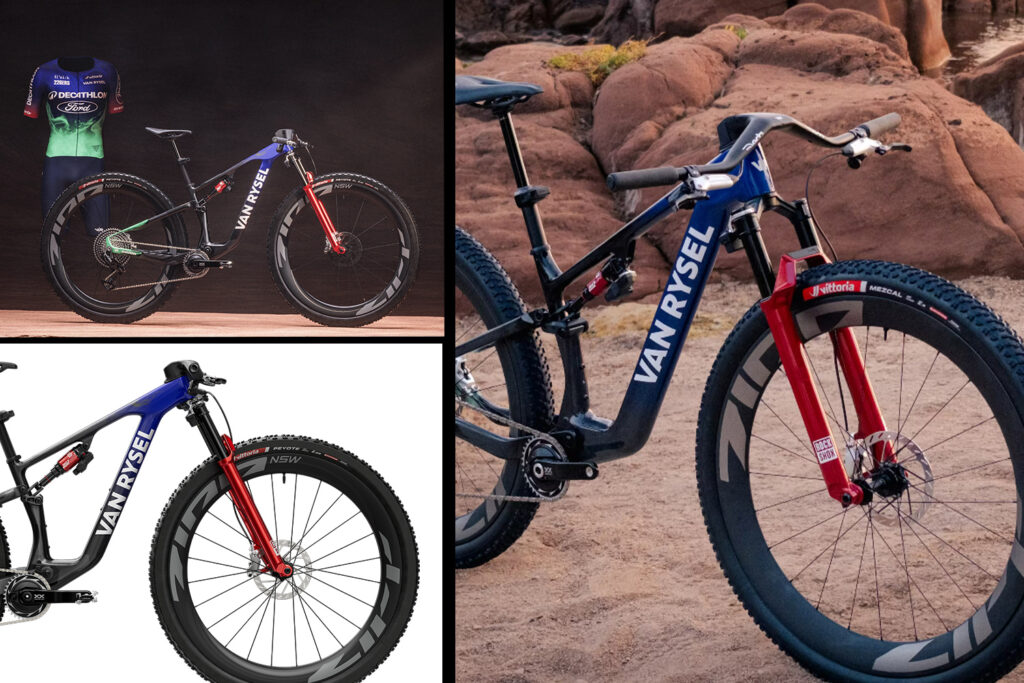
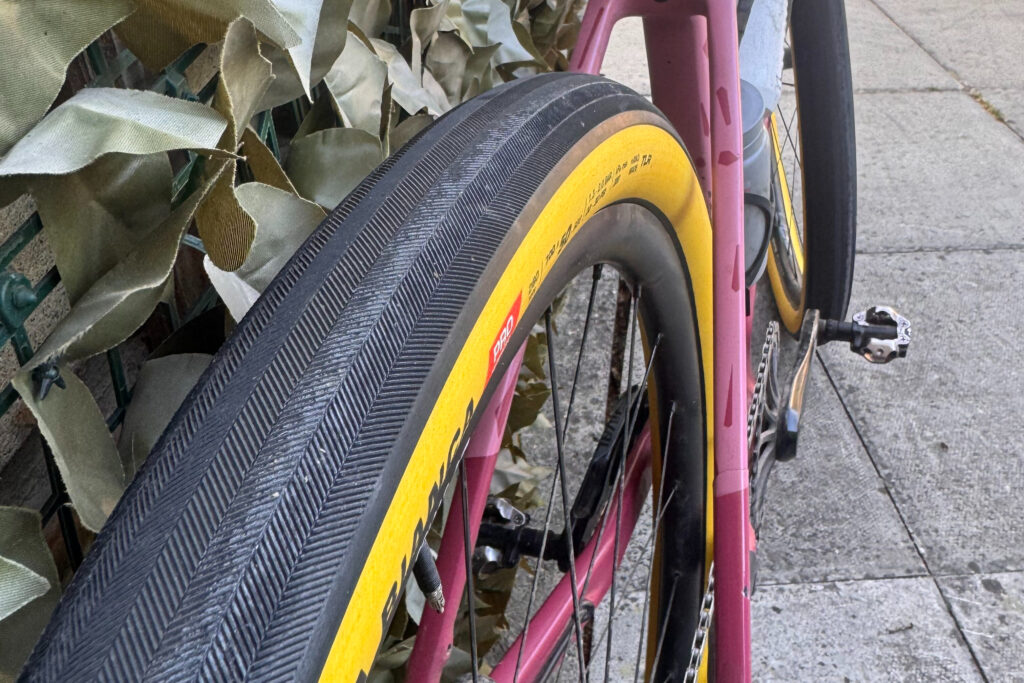
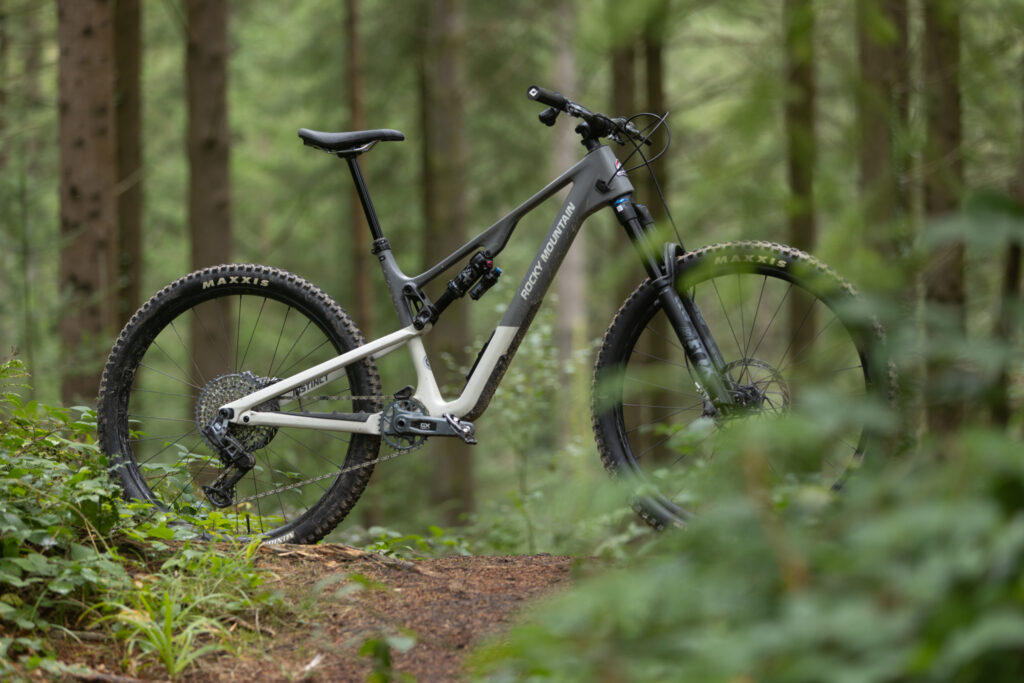
The past couple of years have seen some sizeable steps forward in cycling technology, across all genres. But with nearly everything coming to the market; 32in wheels, powerful e-bike motors, electronic shifting, gravel suspension and more, it all seems to be met with a mixed-to-negative reception. Why is that, and does it really matter?
The cycling space is a very fast-moving one, in terms of the technology used on a bike. Only in the last seven years have we seen electronic shifting become a permanent fixture on loads of bikes, and in that same time, e-mountain bikes have become ridiculously popular. Then, only in the last year and a half or so, we’re seeing the rise of 32-inch wheels.
All of these things were met with an incredibly mixed reception, and all of the scepticism with plenty shouting that the industry is just trying to ‘sell us more stuff that we don’t need’ – remember that phrase, it’s important to my point. But then some of that stuff later becomes common and accepted by the general riding population, point in case, dropper posts and e-mountain bikes. People shunned the idea of both; now, many won’t ride without a dropper, and e-bikes make for an excellent entry into the MTB world, at the very least. Again, remember this.

Over the past few months, at least, our comments sections have been filled with that aforementioned statement whenever something new and different comes out. But then, it doesn’t even grace a keyboard warrior’s eager fingers with particular products. Take RockShox’s LinearXL sprung suspension, and Specialized’s new Demo 11. Those were met with plenty of positivity.
I guess what’s happening with wheel sizes, electric shifting, and such is that people are afraid that the supply of ‘normal’ kit available to them will thin out and they won’t be able to ride the kit they love for as long as they’d hoped. And that’s a very justified concern, as when 650b and 29” wheels began to dominate, 26” wheels and tyres for them have become mighty difficult to come by. That said, some brands are still supporting the wheelsize – looking at you, Halo.
What I believe is happening here is that people really don’t need to buy into the latest RockShox or Specialized kit, and neither are going to take over the cycling world by storm; rather, they’re more optional upgrades that can be made if folk want to.
But with wheel sizes and shifting (to an extent), they can go the same way as 26in wheels, and become very hard to buy. That does affect the consumer who are dead set on their preferences. If they’re still riding 650b wheels, and bikes are only available with 32in wheels (that probably won’t happen), but they’re looking to upgrade to a more modern geometry, for example, that’s going to be a tough time. I get it.

It’s not as if there’s some kind of cross compatibility, either. You can run a 650b wheel in place of a 29” hoop on a fork designed for a 29-inch wheel, but it will mess with the geometry of your mountain bike or gravel bike, if you’re adventurous, which is far from ideal. Obviously, 32-inch tyres won’t fit 650b wheels, either. With this in mind, things like wheel sizes have a more significant butterfly effect on how people make decisions on buying their next bike. So I understand the hate.
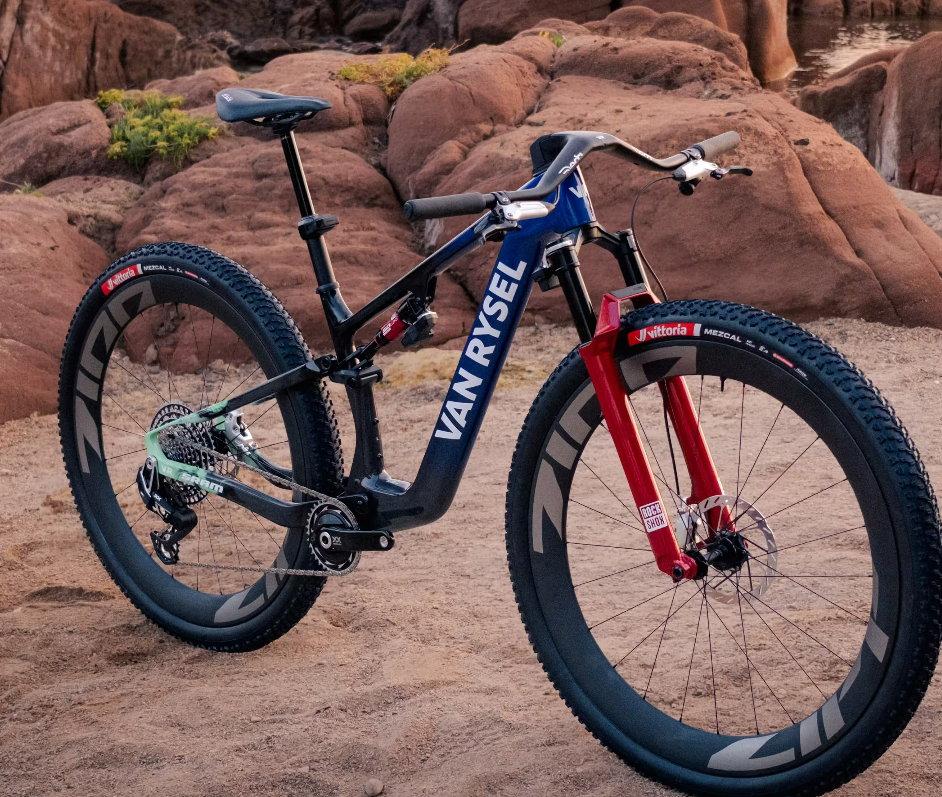
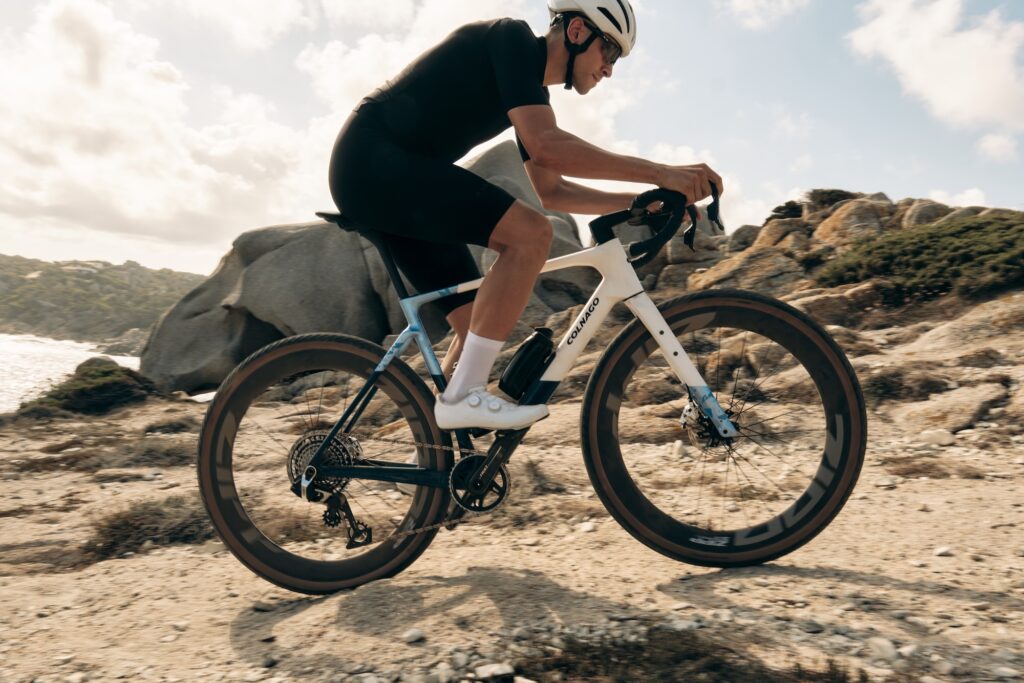
And to defend 32-inch wheels a bit. They’re not exactly taking the world by storm. Sure, online publications and trade shows are raving about them at the moment, admittedly, because that’s the kind of topic that gets clicks. Smaller brands are also tinkering with the idea, which, in turn, garners a good amount of attention because it’s a new, interesting and divisive thing. And the kinds of bikes they’re being found on are just a few cross-country, short travel and gravel bikes, where the wheel size makes the most sense. 32-inch wheels aren’t coming to prise your 650b or 29-inch wheels from you next week, as much as it may seem so.
But, as with all of the best things in life, things change. Computers get more powerful, cars get heated seats, TVs come with fancier displays, cameras produce more detailed images, running shoes get comfier, PlayStations get more expensive, electric pumps fill everyone’s backpacks, e-mountain bikes make climbs easier, electronic shifting ditches cable maintenance, mixed wheel sizes balance business up front, party out back performance, and dropper posts make descending just better.
Now, I’m not saying that you should ditch your favourite things and buy the next iPhone 31, or whatever it’s at now, and a hint of scepticism certainly isn’t a bad thing. But I don’t believe that we’re at a place where certain new things are going to destine established standards to the bin. Unless those standards really bring great and justifiable improvements to life on a bike… hello UDH.
So, to conclude my point, is the cycling industry trying to sell us stuff we don’t need? Yes, but do you need it? No. Do you want it? Go ahead. But with everything in life, you might surprise yourself if you try a new thing… you might actually like the idea that you hate. Importantly, you just don’t need to buy into the latest cycling trend to enjoy your time with your bike.
In a world that’s already heavily divided, with people arguing over as little as how best to brew coffee, and what people like to do inside the walls of their own homes, let’s lighten up a little. The technology of riding bikes is just a small part of what the hobby, or lifestyle, is actually about. Let’s lay off the keyboard (I won’t, it’s my job), forget technology, and just. Ride. Bikes.
P.S – That’s what those insanely talented kids who are absolutely sending it on bikes held together with chewing gum, spit and gaffer tape, all while making everyone else feel inadequate at bikes, are doing. And clearly, they’re having a lovely ol’ time.










28 thoughts on “It’s time to stop hating on new bike things… and just ride your bike”
I hate this new philosophy.
I can’t resist the feeling that you’re just trying to stir the pot by making a controversial statement supported by contrived arguments.
Contradictory clickbait
Manufacturers are motivated by profit, not by helping people to enjoy cycling. And it’s killing cycling.
Manufactuers spend fortunes making the gullible buy ‘stuff’ that won’t make them go further or faster.
Please stop and think about this…
‘Beryl Burton, the legendary British cyclist known for her incredible endurance, set a remarkable women’s record for Land’s End to John O’Groats, covering the length of Britain in 2 days, 11 hours, and 7 minutes in 1954. This record stood for 36 years’.
HOW MANY PEOPLE READING THIS COULD GET ANYWHERE NEAR THAT on their ridiculously complicated, expensive bikes???
But she liked licorice allsorts rather than jelly babies…
I didn’t realise comments were required to be ‘hooray for everything’.
I do believe that I sense some editorial disappointment with glowing reviews of gear produced by paying advertisers being met with a cool reception in the comments.
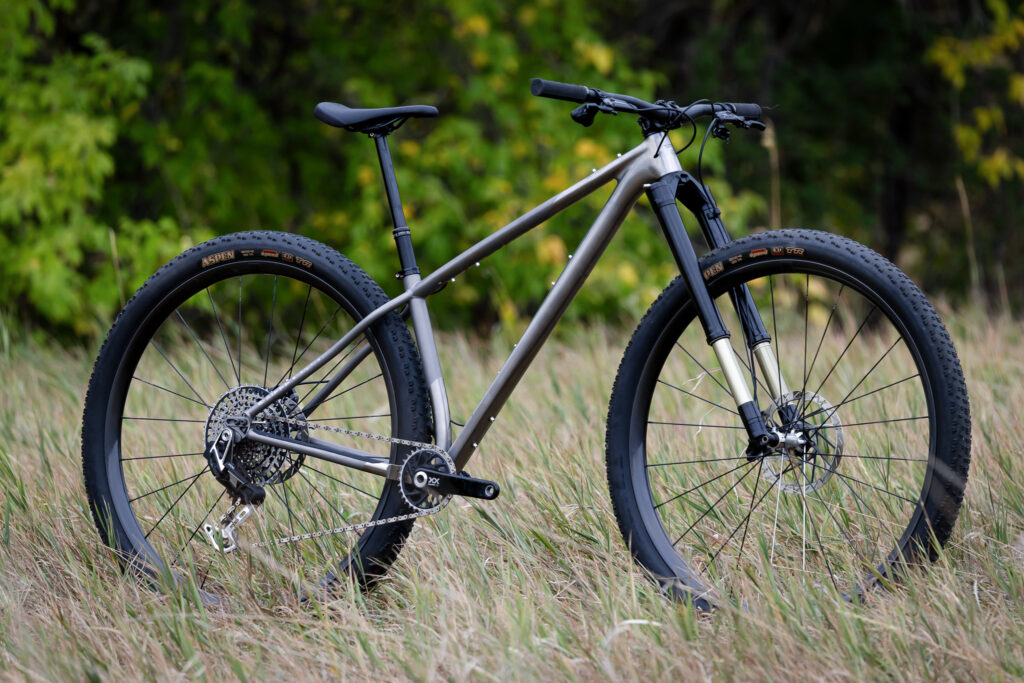
Personally, I try to resist the gear race. But the thing that preoccupies me is gear obsolescence. I don’t want to be that guy stuck with an excellent ‘for life’ Titanium frame who suddenly wakes up and sees that rim brakes went the way of the dinosaurs, 10-speed mech shifting components have become unobtainable, that an upgrade has become impossible due to my frame not being UDH-compatible and that -god forbid- 32-in wheel sets have taken over the roost. It’s not simply a matter of money but also of waste. The one conclusion that I came to is that ‘it’s for life so worth the investment’ is not a valid argument anymore, to the extent that it ever was.
Couldn’t agree more. Planned obsolescence in its various forms is the evil here.
Simple example: on the one hand you are promised improved longevity with CUES, but in order to attain that, you must replace everything on your bike, as the pull ratios are different for no rational reason. It’s no coincidence that every few years nothing new works anything old anymore.
And then in the middle of all that we get the cycling press, which pushes the buy-more-new-stuff agenda.
As a roadie for the past 35+ years, one thing I’ve experienced is that there’s a good portion of roadies that are extremely resistant to change of any kind. Everything new is scoffed at.
While some new technologies do indeed die a quick death because they are indeed a bad idea, some new technologies silence the scoffers in time. For example, one would’ve thought the apocalypse was near when bike brands started fitting road bikes with disc brakes. Having owned a mountain bike that had disc brakes long before my road bike did, I was excited to see disc brakes finally arrive on road bikes, but to this day I’m still reading from a select few as to why disc brakes are evil.
“Three chords and turning it up to eleven was good enough for everyone back in my day – this fancy new modulation and microtonal nonsense is ruining everything…”
“Three chords”??
Hmm image disappeared.
The problem is cycling news websites and YouTube channels don’t do realistic reviews, so you get a bike pump that doesn’t pump tyres up very well but will get 3 1/2 stars, so you start to become sceptical about all their reviews and advertorials and wondering who their customer truely is, the website reader or the bike manufacturers
Now that we have AI at our fingertips, it’s fun to have it analyze the negative comments to, in this case, 32″ wheels.
The AI will call out the psychological and social defects likely at the basis of those polarized native and uncurious comments.
Tell me what your state of mind is, tell me what unresolved trauma still cripplingly emotionally, by telling me what you feel about 32″ bikes becoming a viable option for XC and Gravel riders 😀
I need to ask AI to do a JP Sears style skit on this.
@check12 “If you’re not paying for the product, you are the product”
I think it’s a fun skit this way.
And the women’s record now is more than eight hours better, set by Christina Mackenzie on a “ridiculously complicated expensive bike” (Liv Advanced Pro TT), so what’s your point? People shouldn’t have bikes that are lighter and faster and more comfortable than the one Beryl used for her amazing record unless they can match her? Beryl rode state-of-the-art handmade custom frames with the latest components installed and if she was riding today she would doubtless use the highest-end machine available to her. At the end of the 19th century the men’s world hour record was 40.781 km (Willie Hamilton, 1898), a time I couldn’t beat now on my moderately expensive, slightly complicated bike, does that mean I should go back to steel tubes, wooden rims and cork brake blocks? “You couldn’t beat the best female cyclist Britain has ever produced” isn’t quite the zinger against new tech you appear to think it, even when written with shouty caps lock.
In all this upgrade / aero / lighter / wider / narrower ….. I keep in mind: “Ride as much or as little, as long or as short as you feel. But ride.” – Eddy Merckx
Didn’t he also say “It never gets easier, it just gets more complicated and more expensive” – or something along those lines?
Quite right, but he could have added (and as one of the most perfectionist and tech-minded riders of his era, as well as the founder and long-time owner (though no longer) of a high-end bicycle company, he might well have done) that the more comfortable, smoother, faster and safer your bike is the more fun you’ll have and so the more you’ll feel like riding more often and farther.
You might be thinking of Greg Lemond, who supposedly said on being told that some new piece of equipment would make racing easier, “It never gets easier, you just go faster.”
Nah – that can’t be right – years of experience has proven that, if anything, you go slower and slower.
I may not be as fast as Beryl Burton, but I’m not a professional cyclist and I’m 63 years old.
However, purchasing various upgrades to my time trial bike (disc wheel, better saddle, aero helmet, skin suit) in combination with improved cycling and strength training has helped me improve a lot. Most of these upgrades have been adopted by a majority of fellow time triallers. I have gained a lot of enjoyment and satisfaction in the process.
You are correct to say that manufacturers are motivated by profit. But most cyclists I meet are capable of deciding what equipment is worth purchasing and what isn’t.
Britain has borne many great female cyclists (I was about to name some, but decided not to risk omissions) but my poorly informed opinion is that Beryl Burton still stands alone for battling along with little support or recognition from the wider public, with a heart condition but tremendous ‘heart’.
Well said (reply to Mr Blackbird). I hate the “you’re all mugs who are ruining cycling if you buy innovative kit” attitude. In my cycling lifetime I’ve seen the introduction of clipless pedals, carbon frames, aero frames, indexed shifting, integrated gear/brake levers, disc brakes and suspension and all of them have two things in common: they’ve made cycling easier/safer/more fun (sometimes all three) and there were a ton of people who when they were introduced said they were stupid fads that only fools would pay for (I remember particularly an article in (I think) Cycling Weekly about mid-80s when Shimano introduced indexed shifting saying loftily that it would be like automatic shifting in cars, a useful aid for those without the skill to use gears properly but no decent rider would ever need it and certainly it would never be adopted by the pros!).
Hmmm… I remember being on a cycle tour last year, and a friend couldn’t buy a 650 inner tube for love nor money in any bike shop we passed. These multiple standards are increasing the likelihood of an unavailability of spares when you need them most…
I assume the solution was a 700C or similar with a larger marked diameter than the one required, and stretch it on. That should work with El-Cheapo butyl, but possibly not with TPU- I wouldn’t know, as I’ve never handled one of them
Maybe the mistake was offering love as the opening gambit?