


Jobs are set to be cut at British Cycling as part of a restructuring process it says will help create a “stronger organisation”, a week after reports emerged of a “toxic” culture, alleged bullying, and serious misconduct within the governing body.
According to the Guardian, 17 positions at British Cycling are currently considered to be at risk. A spokesperson for the governing body confirmed the ongoing structural changes “will result in some roles being removed”, but said it would be inappropriate to publicly reveal the exact figure.
The reported job cuts would mark the biggest wave of redundancies at the national governing body since 2023, when 11 staff were laid off, out of approximately 250 employees, following a tough financial year marked by declining membership and lower than forecast sponsorship and rights income.
This year’s latest organisational restructuring and expected round of redundancies, the spokesperson added, are part of British Cycling’s ongoing four-year plan to create a “stronger organisation”.
> British Cycling still suffering from “toxic” culture, new rider and staff survey reveals
In a statement provided to road.cc, the spokesperson also said that the ongoing reorganisation involves overhauling British Cycling’s “digital infrastructure”, with the outcomes of that process still “subject to consultation”.
“As part of the delivery of our long-term strategy, we have invested in transforming our digital infrastructure and implementing a new competition framework to improve the experience for our members and help more people get involved in, enjoy and benefit from cycling,” the spokesperson told road.cc.
“These changes are intended to ensure British Cycling is best placed to support the future growth of the sport.
“As this planned organisational change process remains ongoing, it would not be appropriate to comment any further while outcomes remain subject to consultation. We recognise the human impact of organisational change and will continue to do our utmost to support colleagues throughout the process.”
Launched in May 2025, British Cycling’s long-term plan, described as the governing body’s “most ambitious strategy to date”, aims to reinforce Britain’s position as a “world-leading cycling nation” and deliver an “unprecedented contribution to society, health, and the economy”.
The governing body said at the time that the plan will support and grow the sport by making cycling more diverse and inclusive, to lead on the world stage by “winning well”, and to use cycling as a catalyst for positive social change and tackle inequalities.
However, this week’s worrying news comes amid a turbulent period for British Cycling, where the concept of winning well and creating a diverse and inclusive culture within the governing body itself has once again come under scrutiny.
Last week, the Times reported that a new rider and staff survey revealed that a “toxic” environment persists within Great Britain’s cycling team, nine years on from the UK Sport-commissioned review which urged British Cycling to address its “culture of fear” following allegations of sexism and bullying against then-technical director Shane Sutton by Jess Varnish.
The confidential independent culture survey, funded by UK Sport and conducted by the Happiness Index, uncovered a dramatic fall in morale within the team in recent years, amid concerns about unacceptable behaviour and “cold”, “distant” relationships with senior leadership.
As part of the survey, riders and staff were asked for three words to summarise the culture within British Cycling’s World Class Programme, with “toxic” the second-most commonly used term provided by athletes after “driven”.
When asked if they had “witnessed or experienced thoughtless, inappropriate, or unacceptable behaviour in the last year”, 13 of the 41 athletes who responded to that question indicated that they had.
Following the report’s publication, British Cycling said it has implemented an action plan to address the concerns raised, including around “psychological safety” and constructive criticism, while recognising certain failings by those in charge.
A few days later, Jack Lindsay – a commercial manager at British Cycling between 2024 and 2025 – took to social media to claim that outgoing CEO Jon Dutton commissioned the rider and staff survey because of a complaint he made about an executive member of its leadership team.
“The complaint covered dozens of incidents over six months, spanning multiple categories of alleged bullying”, Lindsay said on LinkedIn.
“Most were partially substantiated. There would be no apology, and I was told of no action against the individual I had sought to hold responsible. By the time Jon Dutton called, I had already resigned.
“It didn’t feel as though British Cycling’s commitment to ‘zero tolerance’ for bullying applied to the Executive. It was acknowledged in the call that over a period of months I had repeatedly raised incidents of bullying by a member of the Executive with members of the Senior Leadership Team and that management had chosen to address them informally.”
Lindsay went on to draw parallels between his personal experiences and UK Sport’s damning 2017 report, arguing that there is still “a tendency within the Senior Leadership Team to handle complaints informally and quietly”
“It is not acceptable to continue subjecting staff to a leadership team that have perpetuated this toxic culture,” he wrote.
Lindsay was supported by Georgia Holt, a Commonwealth Games medallist and Paracycling world champion on the track, who commented under his post: “As someone who has also been within GBCT, I’m so sorry to have read of [Lindsay’s] experience here and unfortunately experienced the same toxic culture that athletes and staff described.
“The media reports this week are just a peek under the rug at a large-scale operation that hasn’t had significant scrutiny because the medals keep coming in!”
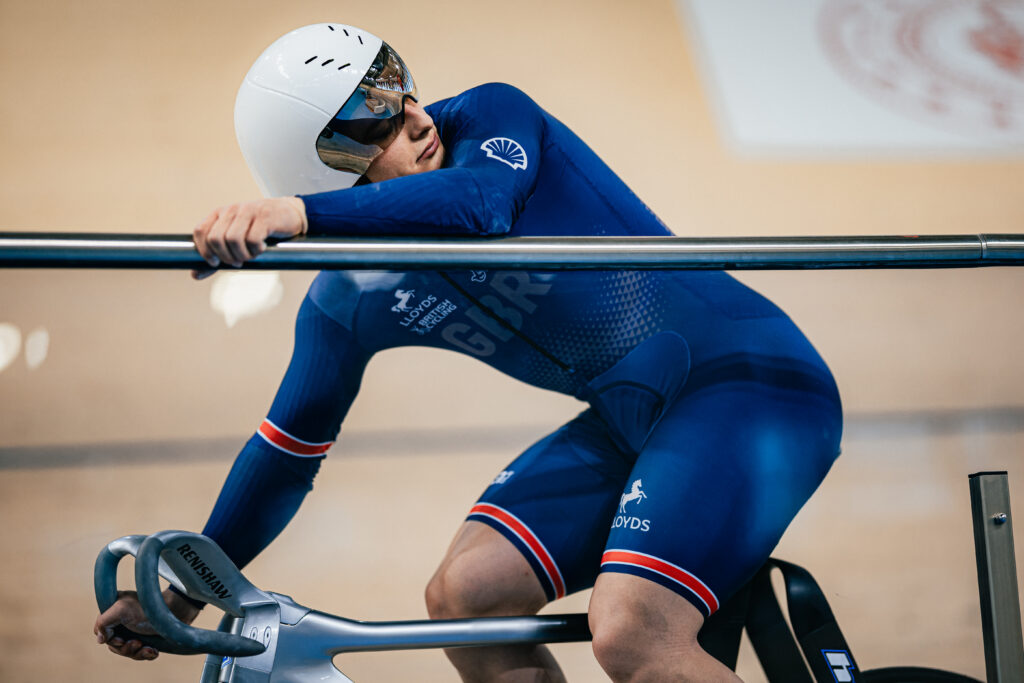
The publication of the survey’s findings and Lindsay’s statement came hot on the heels of the news that Great Britain’s star sprinter Matt Richardson was sent home from the track world championships in China in the wake of allegations about his behaviour, including from fellow riders.
The Times reported last Monday that it had uncovered evidence that Richardson had apparently made “discriminatory remarks about people from minority backgrounds”, including racial slurs, prompting an investigation by British Cycling and his removal from the team.
The governing body has declined to provide any detail regarding the investigation, instead simply confirming that Richardson had been withdrawn from the squad without supplying any particular reason. British Cycling has also told road.cc that it cannot share any more information at this point.
Richardson later released a statement on social media saying he will co-operate fully with the investigation, and that he will do so with “contrition for the feelings of anyone who might be affected”.
Despite all this off-track turmoil, on the track the medals – as Holt noted – keep coming in, with Great Britain enjoying their most successful world championships since 2012 in Shanghai last week.
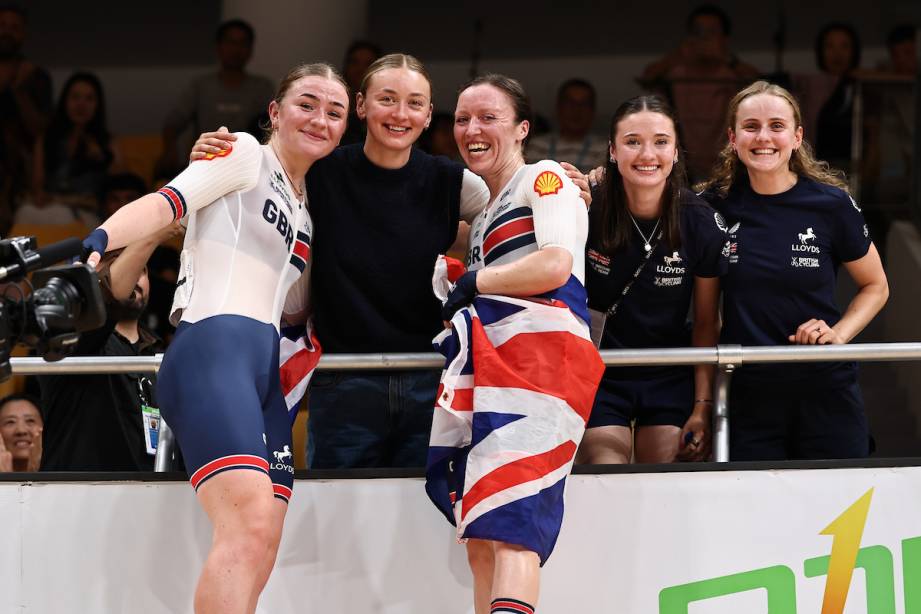
The team won six gold medals (three of those golds courtesy of the brilliant Anna Morris), three silver, and three bronze, topping the medal table.
In the wake of last week’s survey, a British Cycling spokesperson told road.cc: “The wellbeing of our staff and riders is fundamental to everything we do at British Cycling,” a spokesperson for the governing body told road.cc.
“The Culture Feedback Survey, which has been the subject of recent reports, is independently run to provide a valuable tool to help us learn and improve. The majority of team members say they love their jobs and overall favourability has increased, ranking ‘very good’ in the latest study.
“However, it is important to recognise others want to see improvements, and we are committed to listening and acting on this.
“As a result, the Great Britain Cycling Team has developed an action plan that is being implemented alongside wider work across British Cycling, focused on leadership, development, feedback and wellbeing. UK Sport is aware and supportive of the action we are taking.”