


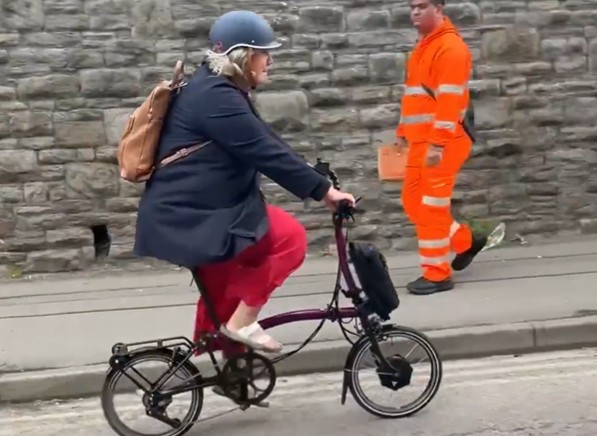

“Fantastic to see a normal woman wearing normal clothes riding a bike for a normal, everyday journey”: Transport secretary praised for “brilliant messaging” with Brompton commute video… but angry motorists accuse her of “stroking her ego” and ask: “Where’s your hi-vis?”
Following Andy Burnham’s victory at the Makerfield by-election this week, the phrase dreaded by every politician – ‘on your bike’ – looks set to follow Keir Starmer’s every move for the next few weeks.
In somewhat less ominous news for Starmer and his supporters (all four of them), the prime minister’s transport secretary was, in fact, actually on her bike this week, in a bid to share the key aims of Labour’s new Cycling and Walking Investment Strategy and encourage more people to cycle or walk to work and school.
In a neatly edited video shared on social media, Heidi Alexander jumped on her Brompton to commute from her home in Swindon to Westminster, boarding a train along the way (trumpeting the government’s multi-modal ambitions in the process).
View this post on Instagram
“We’ve just launched our third Cycling and Walking Investment Strategy and it’s all about getting more of us to do those short trips in towns and cities, either by bike or on foot. And it’s especially about getting children to walk, cycle, or scoot to school,” Alexander said, before donning her helmet and setting off on a magical mystery tour of the UK’s good, bad, and non-existent cycling infrastructure.
“I work so many hours in my job that building in exercise can be really difficult, especially as someone who needs to lose a bit of weight. But for people who do nothing, doing something can make a really big difference.
“That’s why this government is determined to make it easier for more of us to walk or cycle more often, creating safer routes to school for kids, sorting our safer crossings, and fixing the broken roads and pavements.
“Swapping some of your short car journeys for either cycling or walking is a win-win. You save money on fuel, it’s good for the environment, and most importantly for me, it means a little bit of time away from the dreaded emails and social media.”
You spoke too soon on that front, Heidi.
Over on the more genteel environs of Instagram, Alexander received plenty of praise for her pro-bike commute video (while Brompton were happy to take some plaudits too, naturally).
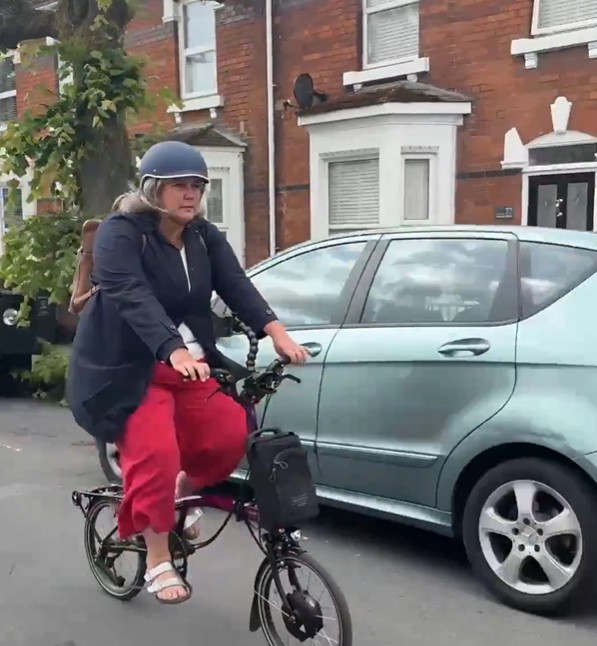
She was also applauded for her choice of commuting clothes, a far cry from the MAMIL image etched into most non-cyclists’ minds.
“This is brilliant messaging,” Engineer Like a Girl posted. “Fantastic to see a normal woman wearing normal clothes riding a bike for a normal, everyday journey!”
Of course, while it was all sunny and light on Instagram, over on the misinformation hellscape that used to be called Twitter, the reaction was, ahem, somewhat different.
I’ll not repeat a lot of what was written (it’s a hellscape, as I said), but here’s a brief selection of some of the criticism thrown Alexander’s way… for riding a bike.
“Is there a need to film it is it just to stroke your ego???” asked Andy, while a cynical Spiggy Topes wrote: “Now show us again when it’s winter and pissing down with rain.”
Skype Zoom asked: “How much I wonder? P Line E-Motiq with roller rack… £3,879!!!! Let’s call it £4K including the fancy helmet. Did you pay for it out of your hard earned £98,599 plus expenses, or did we… as one of your expenses?”
And, believe it or not, quite a few viewers were up in arms about Alexander’s choice of, you know, normal clothing to cycle.
“Don’t be like Heidi Alexander,” said Warby58 (complete with England flag for a profile photo). “Please dress correctly. Don’t be an ass like her, it’s dangerous.”
And finally, and extremely predictably, Bryan asked: “Where’s your hi-vis?”
Imagine the reaction if she hadn’t worn a helmet…

“They drive amongst us”: Motorist claims new 20mph zones “will cause more accidents as drivers will have more time to play with their phones”, leaving cyclists baffled by “one of the most ridiculous arguments ever” against lowered speed limits
We’ve heard some bizarre, nonsensical, and frankly frightening arguments against road safety measures over the years, but this one is right up there.
Earlier this week, it was announced that a new 20mph speed limit could be introduced on over a dozen roads in Poole, as part of a proposal to extend safe cycling and walking routes in the coastal town (where the Reform-led town council are doing their best to scale back active travel plans and where cars end up tipping into lakes).
The plans, which form part of a £2.9m investment in active travel schemes from BCP Council, also include a number of new protected cycle lanes, pedestrian crossings, and parking and driving restrictions on some roads.
And – shock horror – plans to lower speed limits of Poole’s roads haven’t gone down too well with some locals. In fact, on one particularly infamous local pro-motoring Facebook page, the proposals have prompted quite the meltdown.
“Yeah!!! More congestion coming,” wrote Greg on the BCP and Dorset Motorists group. “Finally, we will be able to sit in our cars and chat with the other drivers. BCP’s plan is to empower socialising.”
But it was Leon’s stance against the proposed 20mph limits which caught the attention of Poole’s active travel cohort.
-1024x1016.jpg)
“I agree near schools and places like that but all these road [sic] elsewhere are ridiculous,” Leon began. “You had cars in the 80s that had no power steering, ABS, all manual cars, and 30 mile an hour limit.
“Now you have cars with every gadget under the sun, stops on a dime, and they wanna drop it to 20mph.
“I personally think this will cause more accidents as people have got more time on their hands to play with their phones and other gadgets in the car.”
Blimey. So, let me get this right, Leon’s argument against lowering speed limits is that motorists get too easily distracted at the wheel and can’t stop using their phones?
> Reducing speed limits to 20mph protects cyclists and doesn’t delay traffic, new research finds
Let’s just say that particular line of thinking has baffled a few local active travel campaigners, who were left scratching their heads in their own Facebook group.
“This has to be one of the ridiculous arguments against 20mph limits ever. It will cause more accidents as motorists will have more time to play on their phones! They drive amongst us,” wrote Roy.
“Once again, no recognition of those outside the car,” added Malcolm, while Judy asked: “How stupid are some people? Put the phone away”.
Hear, hear.
Channel 5 Tour de France highlights “so important for future health” of cycling in “backwater” UK, says former ITV4 commentator Ned Boulting
This July will feel a bit different for Ned Boulting. And for us watching at home, too.
For the first time in over two decades, Boulting’s voice will not provide the soothing soundtrack to a long, benign flat stage, nor will he be seen clutching a microphone in front of a television camera, probing an exhausted rider for comment and analysis.
He’ll still be in France, however, recording his new daily ‘For the Love of Cycling’ podcast alongside fellow former ITV4 stalwarts David Millar, Pete Kennaugh, and Lizzie Deignan, as they cover the race, less formally than usual, for the first time since the channel lost the rights to the Tour.

But as we learned earlier this week, while ITV4’s old Tour crew will be confined to the worlds of podcasting and YouTube next month, cycling’s biggest race will – for an hour a day at least – remain on free-to-air television.
On Wednesday, TNT Sports announced that a daily highlights package will be broadcast every night during the Tour on Channel 5, fronted by Rebecca Charlton, as well as during the Giro and Vuelta for the next three years.
As part of the deal, the opening three stages of both the 2027 men’s and women’s editions of the Tour de France, which will be held across England, Scotland, and Wales, will be broadcast live on 5, and daily highlights of the 2027 Tour de France Femmes will also be available on the channel.
While question marks remain over whether TNT’s partnership with Channel 5 will, as channel exec Scott Young suggests, “represents a major step forward in expanding the reach of elite cycling across the UK”, the news came as a relief to many fans concerned that their sport was about to all but disappear behind a pretty high paywall in the UK.
Among those breathing a sigh of relief is Boulting himself, who previously warned of the potential negative impact ITV’s forced ejection from the inner Tour circle could have on cycling in the UK, during an appearance on the road.cc Podcast just a few days after the news broke.
And while he won’t be the one commentating this time around, Boulting told me this week that he’s buzzing that the Tour will remain on free-to-air TV and reckons Channel 5’s coverage is essential to keep the sport alive and kicking over here.
“I’m really pleased that the Tour will be available free-to-air, albeit not live this year,” he said.
“It’s so important for the future health of the sport in this over-performing cycling backwater country of ours, where the sport has never quite taken root.
“Although ITV are not involved, and nor am I, I wish all my colleagues and friends every success with the new programme.”
Jhonatan Narváez wins two-up sprint after holding off peloton in nail biting Tour de Suisse finale… not that we got to see it
I could tell you that the end of today’s Tour de Suisse stage was exciting, but I actually don’t know.
Because, with 2km to go, and the day’s battle between the bunch and the breakaway set to go down to the wire, the television coverage suddenly cut off, a victim of the extremely heavy downpours and electrical storms that punctuated the stage and turned it into a mini epic.
Jhonatan Narváez and Xandro Meurisse had been out front together for much of the stage, two-upping their way through the storm, and were putting up a hell of a fight when we lost the pictures – and poor Carlton Kirby and Pippa York were forced to commentate on some low-hanging dark clouds, instead.
View this post on Instagram
In fact, we weren’t even treated to the usual static camera pictures at the finish. By the time we saw another rider, Narváez had already crossed the line, replays eventually showing that he easily outsprinted Meurisse, keeping the UAE ball rolling nicely in Switzerland.
Magnus Cort led home the charging pack just metres behind the escapees, while Mathieu van der Poel finished fifth, showing he’s got some zip in the legs ahead of the Tour de France.
I suppose it would have been a nice finish to watch live, though the chaos at the end did add to the excitement, I must admit. Cycling, eh?
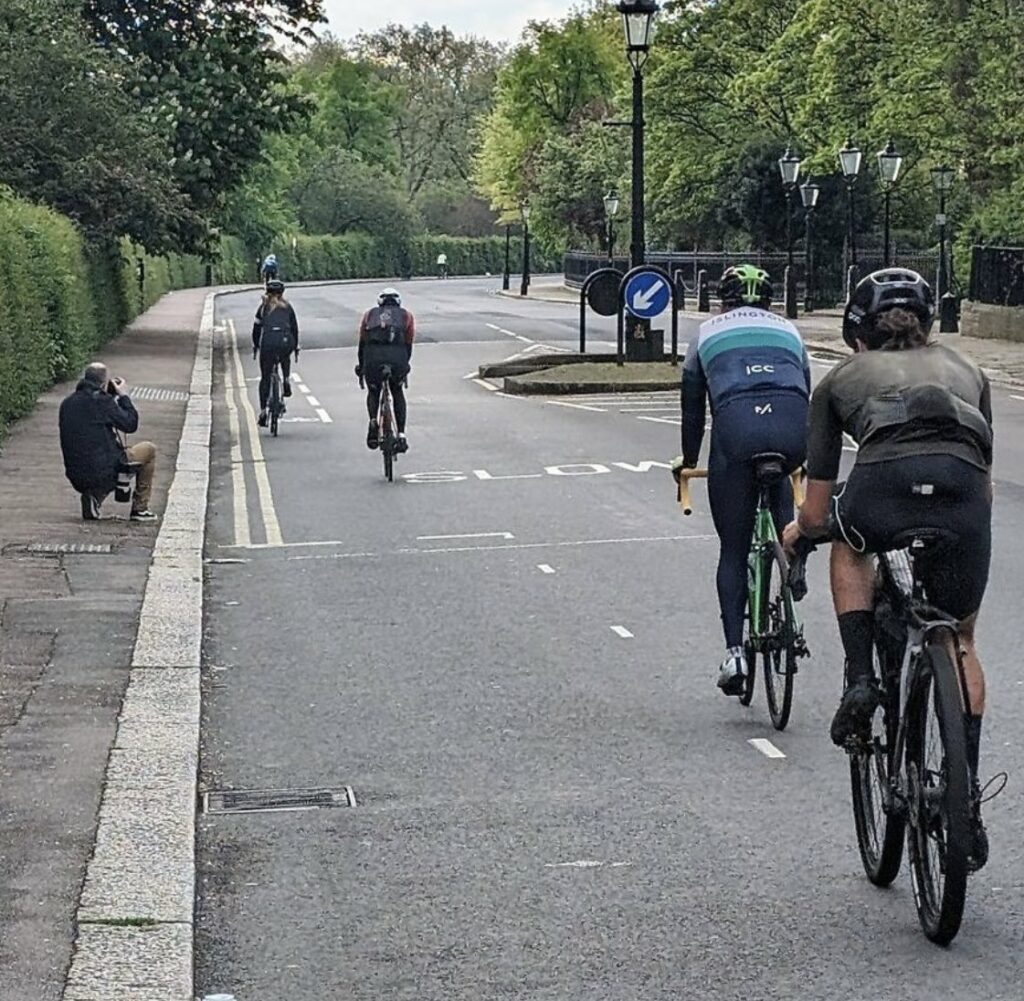
Cycling speed limits “will act as a deterrent and change the behaviour of those who ignore the rules”, says son of pensioner killed by cyclist in Regent’s Park
Cycling UK announces nationwide ‘Big Fix’ campaign offering over 1,200 free bike checks in bid to help “as many bikes as possible get back on the road”
Cycling UK is continuing to champion cycling as an affordable, easy form of travel by launching a new nationwide campaign designed to get “as many bikes as possible back on the road”.
The ‘Big Fix’ campaign will be held between 3 and 5 July (the weekend the Tour de France starts in Barcelona, I’ll remind you), the weekend-long event currently set to offer 1,235 free bike checks and simple fix events across 449 locations.
The events will involve representatives from Halfords and Evans Cycles, as well as independent retailers represented by the Association of Cycle Traders, and Cycling UK’s own network of community projects and programmes.
The charity says the campaign “focuses on helping as many bikes as possible get back on the road” and help people rediscover the joy and economic and health benefits of cycling “at a time when money is tight”.
And for those long-neglected bikes that need more extensive repairs, attendees will receive expert advice, helpful information, and guidance on where to go next.
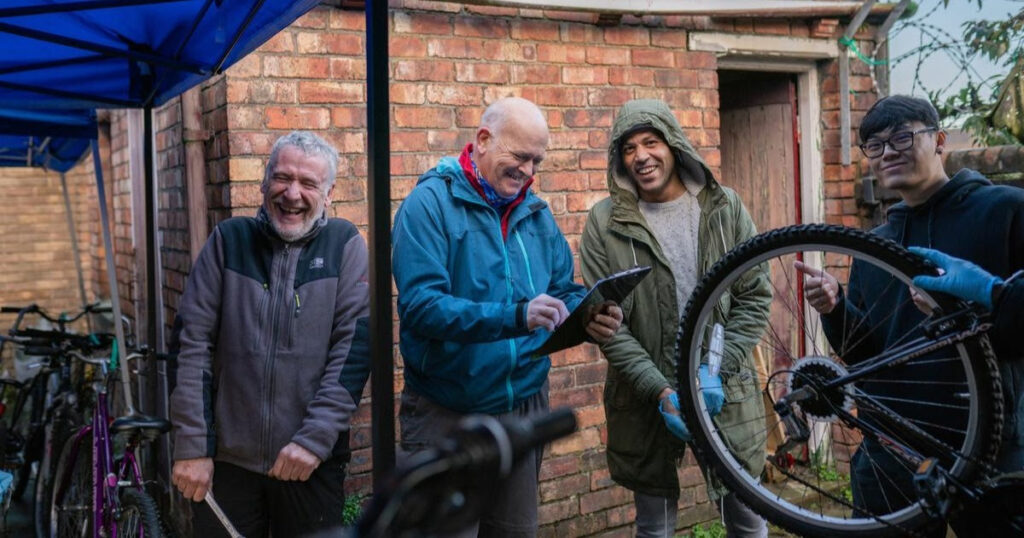
“We are thrilled to bring people The Big Fix! A nationwide event series taking place over three days, where people can get their bikes checked for free,” Cycling UK’s chief executive Sarah Mitchell said in a statement today announcing the scheme.
“With costs continuing to rise, cycling can give you the freedom to keep the journeys going for less. Whether you’re cycling the kids to school, driving to work or visiting family or friends, cycling is quick, cheap and reliable.
“A simple repair or safety check can make all the difference, turning an unused bike into a reliable, low-cost way to get around when times are tough. Through The Big Fix, we hope to empower more people to rediscover cycling, not just as a way to save money, but to keep healthy, and stay more active and connected to their community.”
And national active travel commissioner Chris Boardman, in his second appearance on today’s live blog, added: “We’re seeing it more and more — people are looking for affordable ways to make everyday journeys.
“Cycling has a huge role to play as a cheaper and healthier way to travel, and sometimes a bike just needs a quick fix to make it usable again. ‘The Big Fix’ is a fantastic initiative that provides that helping hand to get people started, and I’d urge people to get out over the first weekend of July and bring their bike back to life.”
To find your nearest Big Fix event, visit Cycling UK’s website here.
Count Binface bringing up the most important topics, once again, at the Makerfield by-election
Right, I know the Makerfield by-election is important for the future of Labour, the country, and all that. But, let’s face it, the biggest highlight of last night was finding out what Count Binface had to say, invariably to a bemused, stone-faced political correspondent.
And, along with price capping Wigan Kebabs at £2 and “making the trains works”, it looks like his Lordship and independent space warrior is persisting with the belief that cyclists who disobey the Highway Code should be made to ride unicycles instead…
(Fast forward to 50 seconds in this masterpiece of a video for the Count’s latest cycling policy.)
I wonder what kind of punishment Binface would recommend for drivers who break the Highway Code? A Reliant Robin? Or, God forbid, even a bike, so they finally realise what it’s like to be a vulnerable road user?
To be honest, I’ve probably thought more about this than he has…
A glimpse into the future?
Anyway, setting Count Binface’s media rounds aside for the moment, Andy Burnham’s resounding victory in Makerfield last night has cleared the way for the King of the North to have a crack at the Labour leadership position and the keys to No 10.
So, it’s worth asking today: What would a Burnham government look like for cyclists?
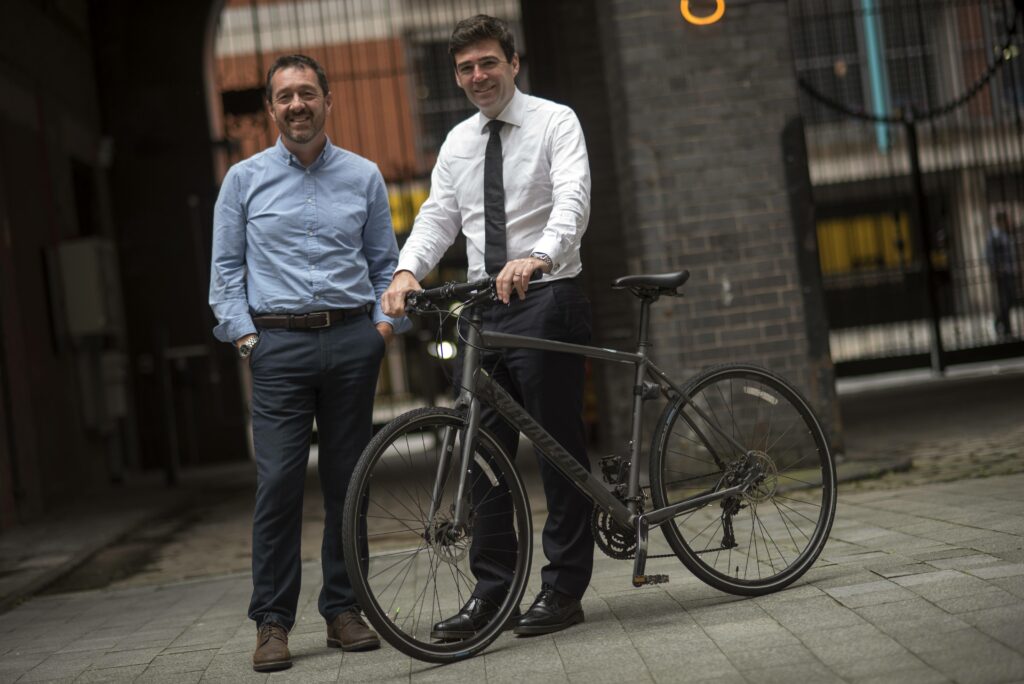
Well, considering his reputation in Manchester, and his close links with a certain former Tour de France stage winner and active travel chief, could we soon be set for a cycling dream team of Burnham and Boardman in government?
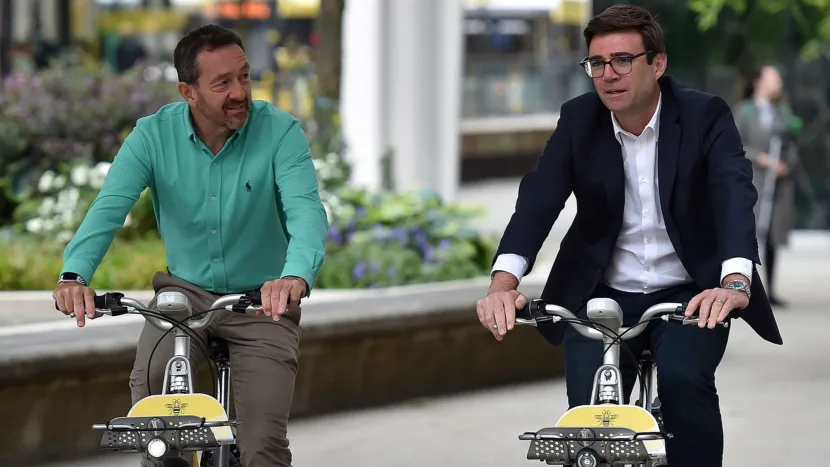
‘Chris Boardman, transport minister’ sounds pretty good to me (I’ll leave you to debate the rest of Burnham’s politics amongst yourselves).
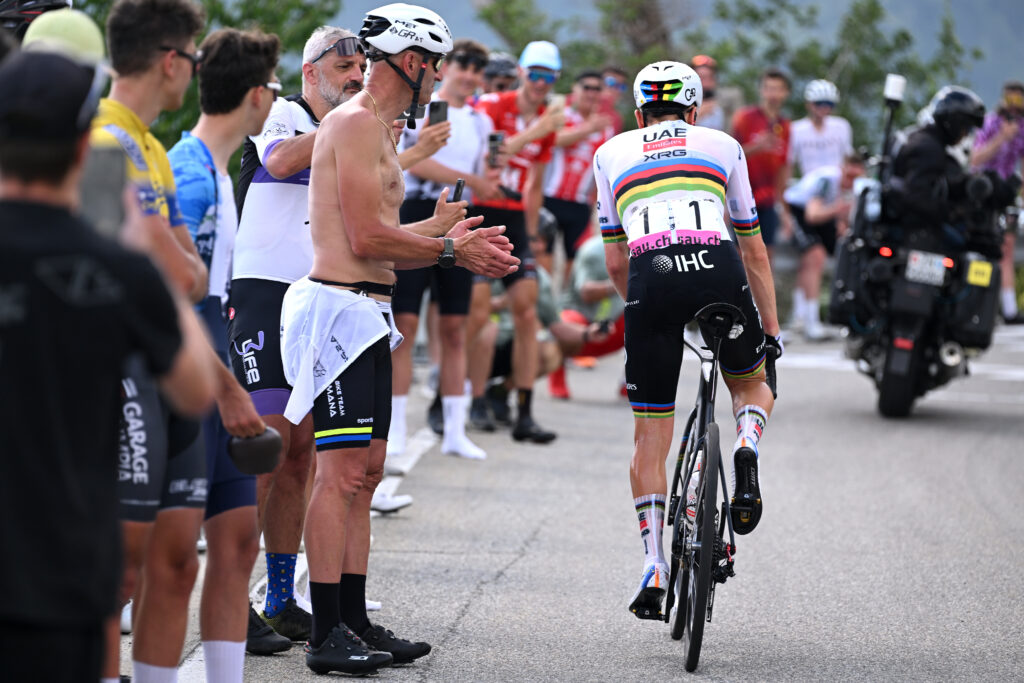
“He wasn’t really in the right frame of mind to be racing”: Tadej Pogačar left a “bit shaken” after partner Urška Žigart fractured jaw in shocking Tour de Suisse crash, says UAE Team Emirates boss Mauro Gianetti
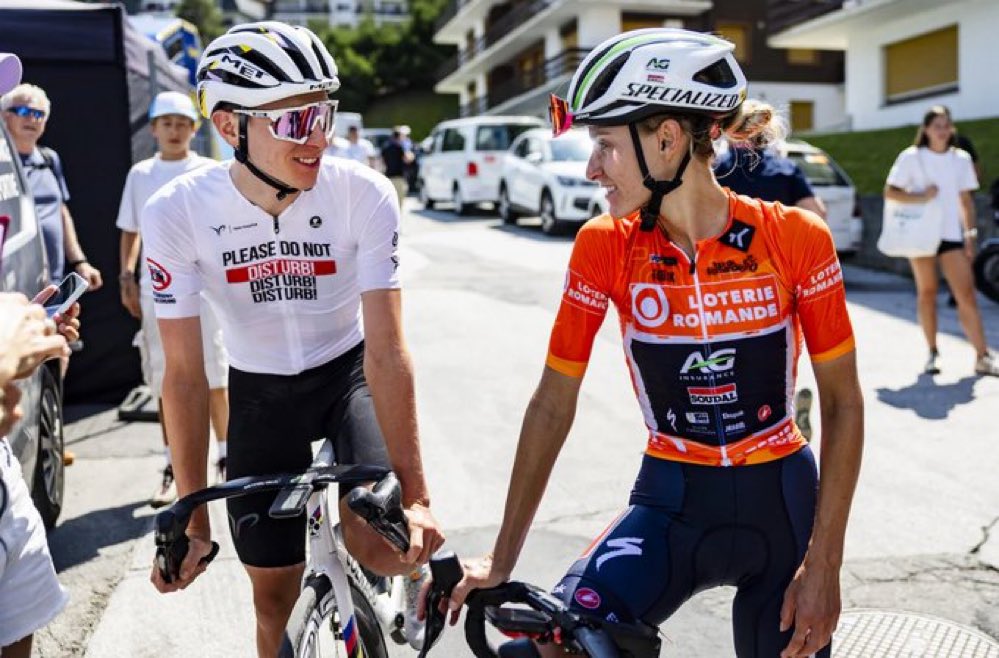
Tadej Pogačar was a “bit shaken” and distracted during yesterday’s Tour de Suisse stage, following a horrible, high-speed crash in the women’s race that left his partner Urška Žigart with a fractured jaw, the world champion’s UAE Team Emirates boss admitted.
Žigart crashed heavily after hitting an ill-placed speed bump at the kilometre to go mark during stage two of the five-day Swiss race which, for the first time this year, takes place on the same days and in the same towns as the men’s race.
Later in the afternoon, Žigart’s AG Insurance-Soudal team confirmed that the 29-year-old – who finished eighth overall at the Giro d’Italia earlier this month – had fractured her jaw in the crash and was being monitored for possible concussion.
View this post on Instagram
Her partner Pogačar heard the news of her crash shortly before the start of the men’s stage, but still managed to put in a ferocious performance on the hills around Locarno, attacking clear with Mathias Vacek and almost bridging across to a breakaway which had looked destined to contest the win for much of the stage.
Pogačar’s eighth place in Locarno – a consequence of the world champion sitting up in the final 300m when he realised victory, this time, was just out of grasp – is, somewhat unbelievably, his worst performance of the season so far.
Which is crazy when you consider that if yesterday’s stage had been a few hundred metres longer, he’d have been sprinting for the win, even after spending most of the final climb trying to tee up his teammate Jhonatan Narváez, too.
But despite his sparkling ride, Pogačar’s UAE boss admitted that his star rider’s head wasn’t fully in the game yesterday afternoon.
“Just before the start, he got the bad news. I went to see Urška before the start, so I managed to reassure him anyway,” UAE Team Emirates manager Mauro Gianetti told after stage two.
“Fortunately, it’s nothing serious. It was quite a nasty fall because she was going at quite a high speed – over 50kph.
“He was a bit more reassured, though you can well imagine it wasn’t easy for him. What with the fast stage, the heat and everything, he wasn’t really in the right frame of mind to be racing.”
Gianetti continued: “Normally, he manages to block out everything else when he’s racing, but not his girlfriend. As you can imagine for anyone, your girlfriend or wife is family, so it’s different. I did see him looking a bit shaken before the start, it wasn’t like usual.
“I called the sports director during the stage so he could reassure him. But anyway, it’s all right. He’s a professional. We saw that, in the end, he still tried his best.
“The breakaway was so far ahead that it was practically impossible to catch up with them, but he still gave it a go right until to the end. Even in slightly tricky moments, he’s such a professional. We can never thank Tadej enough.”
“She wants me to bring this jersey home”: Urška Žigart’s boyfriend says she’s in “good spirits” after Tour de Suisse crash
A day after her horrific speed bump-related crash at the Tour de Suisse, Urška Žigart has been released from hospital and is in “good spirits”, her partner, Tadej Pogačar, confirmed this afternoon.
“No, it’s all good, if you’re referring to Urška’s crash,” the world champion told reporters in the mixed zone ahead of today’s stage of the men’s Tour de Suisse, which Pogačar currently leads with a huge 2.50 gap over Richard Carapaz.

“I visited her yesterday after the stage in the hospital, they kept her there overnight, and today she’s released from hospital, and yeah, she’s in good spirits.
“Also, she’s really a fighter, she’s strong, so that also gives me motivation for the next days, because she wants me to bring this jersey home, and to see her as soon as possible on Monday.”
Bäckstedt the Bullet: Zoe Bäckstedt grabs first WorldTour road race victory with stunning long-range sprint at Tour de Suisse
Take a bow, Zoe Bäckstedt.
The British wonderkid has been knocking on the door of a big road race win all year, following an impressive classics campaign that saw her finish fifth at the Tour of Flanders.
And this morning at the Tour de Suisse, that door didn’t just open, Bäckstedt practically kicked it off its hinges.
View this post on Instagram
With around 250m to go in Bad Ragaz, after a perfect lead-out from her Canyon-SRAM team, Bäckstedt sensed a slight lull in the pace and shot through a narrow gap at the barriers, flying out of the bunch as if she was shot from a cannon.
By the time any of her rival sprinters noticed, it was too late, the British star’s stunning, scorching acceleration opening up a huge, insurmountable gap, as Lily Williams was forced to settle for a distant second place, the best of the rest behind Bäckstedt the bullet.
View this post on Instagram
Such was the gap, the 21-year-old even had time to fix her glasses before raising her arm and roaring in triumph across the line, a first career WorldTour road race victory in the bag – and a warning shot fired across the peloton ahead of the Tour de France’s bunch sprints in August.
With the more familiar environs of an albeit lumpy time trial to come at the Tour de Suisse, and considering her clearly blistering form, who would bet against Bäckstedt doubling up tomorrow?
Lauren Dickson crashes hard in finale of Tour de Suisse stage, but retains second place on GC due to sprint rules
It wasn’t all good news for the Tour de Suisse’s British contingent this morning.
Just over 3km before Zoe Bäckstedt blew the bunch away on the finishing straight, Scottish star Lauren Dickson, one of the revelations of the 2026 season, crashed heavily following what appeared to be a touch of wheels in the peloton.
It’s currently unclear whether Dickson, sitting second on GC heading into todays stage, was injured in the crash (we’ll keep you posted on that front). But she did take her time getting back on her bike, heading back to the team car and taking her helmet off, safe in the knowledge that she had passed he 5km to go marker, meaning she would be given the same time as the peloton.
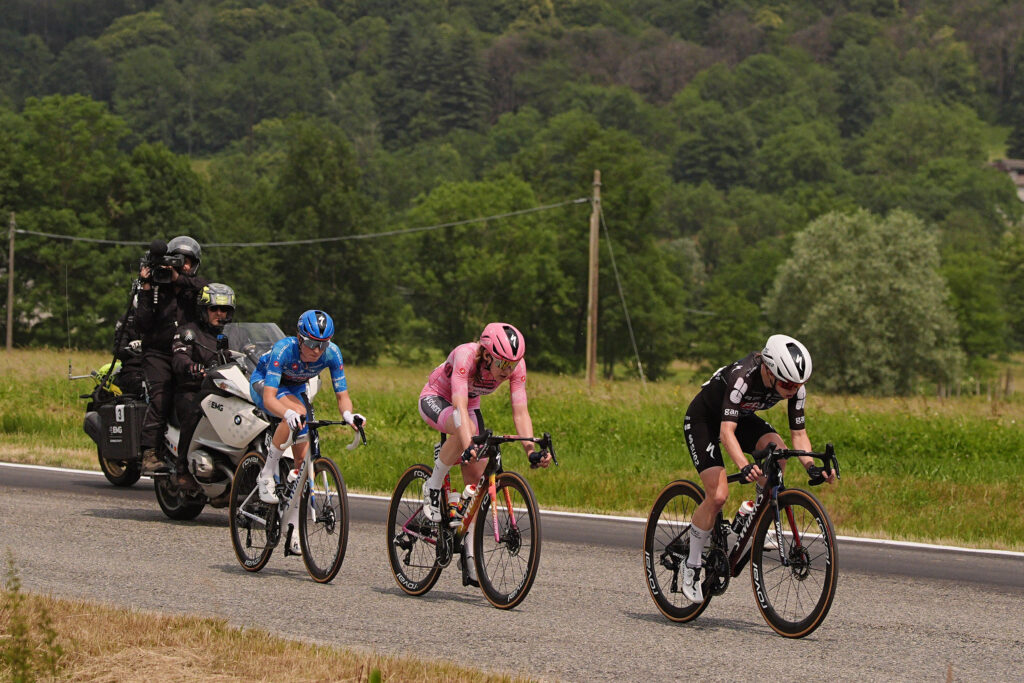
Dickson eventually crossed the line in last place, over 15 minutes after Bäckstedt’s victory. However, there was some confusion in the immediate aftermath of the stage, with the provisional results failing to show the 26-year-old anywhere near the top ten, with Sarah Van Dam instead moving up to second.
These results have since been updated, and Dickson’s second place, 25 seconds behind Elisa Longo Borghini, has been restored, though we’ll wait to see whether today’s crash will have any impact on the FDJ rider’s bid to take a third stage race podium finish of the year.
British rider Lucas Towers one of two riders to suffer broken legs in nasty crash which caused Tour of Slovenia stage to be neutralised
The horror crash that caused yesterday’s stage of the Tour of Slovenia to be neutralised for 25 minutes has left two riders, including British neo-pro Lucas Towers, with broken legs, it’s since been confirmed.
A number of riders went down on a downhill bend with around 27km to go in yesterday’s stage to Ormož, won in a sprint by Dušan Rajović, leading to the race being temporarily halted due to the lack of ambulances following the peloton.
Following the stage, Caja Rural announced that their 38-year-old Spanish rider Eduard Prades, who finished fifth at Brabantse Pijl in April, suffered a right tibia fracture in the crash, ruling him out of next month’s Tour de France, for which Caja Rural have a wildcard invite.
View this post on Instagram
Modern Adventure also confirmed that 22-year-old British rider Towers, who turned pro with the American squad this year, also broke his leg in the nasty spill and is set to undergo surgery.
“Following the crash on stage two of the Tour of Slovenia, Lucas Towers was taken to the University Medical Center in Maribor where examinations confirmed that he has an isolated lower-leg fracture,” Modern Adventure said in a statement.
“He will undergo surgery and remain in the hospital for observation for the next few days. After that, he’ll head back to the UK for recovery and rehab under the guidance of our medical team. The whole Modern Adventure Pro Cycling family wishes Lucas a speedy recovery.”
Why don’t cyclists use the cycle lane? #801,790
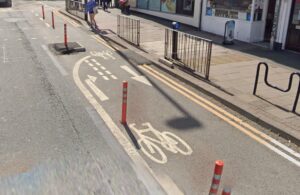
Ealing Council here, proving once and for all that paint does not equal infrastructure… especially when it has the ability to send cyclists straight into the path of oncoming traffic. Great job everyone:
0 points for Selco here.
Forcing cyclists into oncoming traffic
Parking on a double yellow
Also 1/10 points for @ealingcouncil.bsky.social if you’d have put even some wands in this would be prevented #paintIsNotInfrastructure
@betterealing.bsky.social
— Bruce (@davisonbruce.bsky.social) June 17, 2026 at 7:57 PM
She’s done it! Dr Sarah Ruggins breaks outright record for cycling the length of Europe by three days… oh, and sets another world record for the greatest distance cycled by a woman in a week along the way
In the early hours of this morning, and with three whole days to spare, Dr Sarah Ruggins completed another chapter in one of ultra-cycling’s greatest stories.
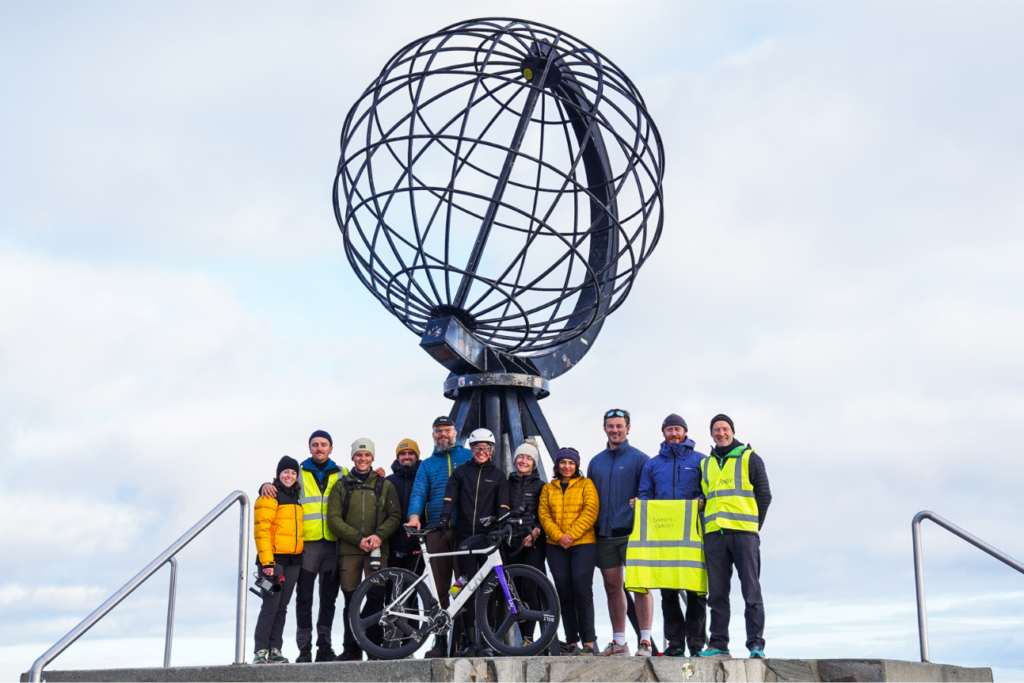
13 days, 20 hours, and 27 minutes after setting off from Tarifa, Spain, Ruggins made it to Nordkapp, the northernmost tip of Norway, becoming the fastest cyclist ever to ride from the very bottom of continental Europe to the very top, her second outright ultra-cycling in just over a year.
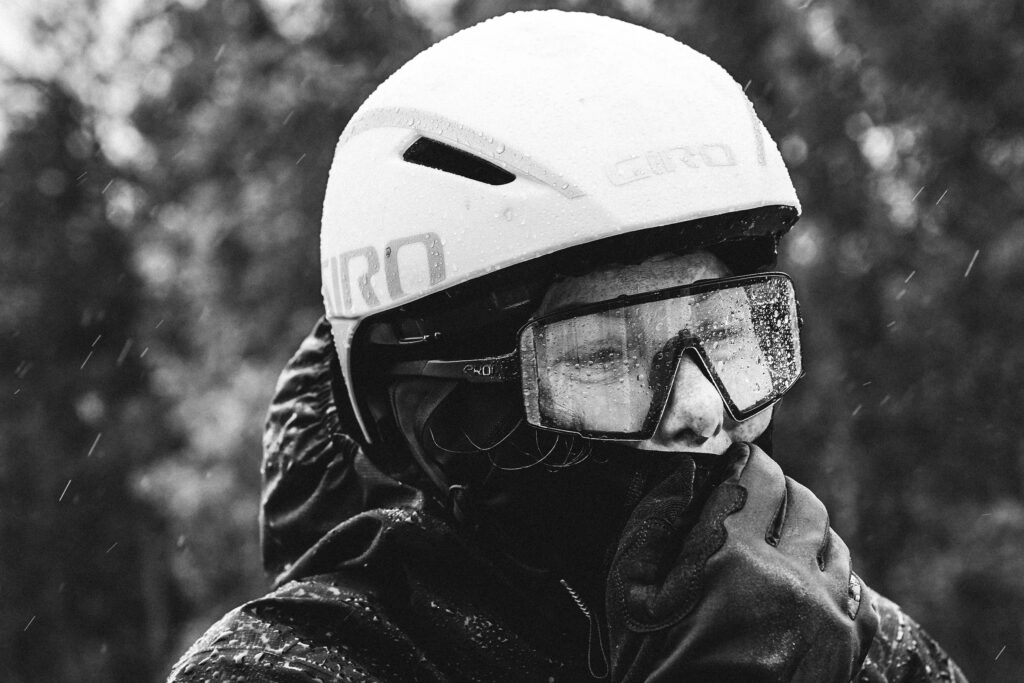
Her rapid, 22 hours-a-day ride, covering 6,000km, roughly 35,000m of climbing, and across nine countries, was enough to beat Ian Walker’s previous record by a whopping three days and 32 minutes.
And if that wasn’t enough, while making her way north through Europe – a ride that saw her adjust from baking hot Andalusian temperatures to freezing downpours in Finland – Ruggins also (subject to verification) set another world record for the greatest distance cycled by a woman in seven days. She just can’t help smashing records, can she?
We’ll have a full-length story on Ruggins’ latest mammoth achievement with you shortly, but for the time being, I’ll leave it to ultra-cycling’s current record-smashing superstar to sum up what it means.
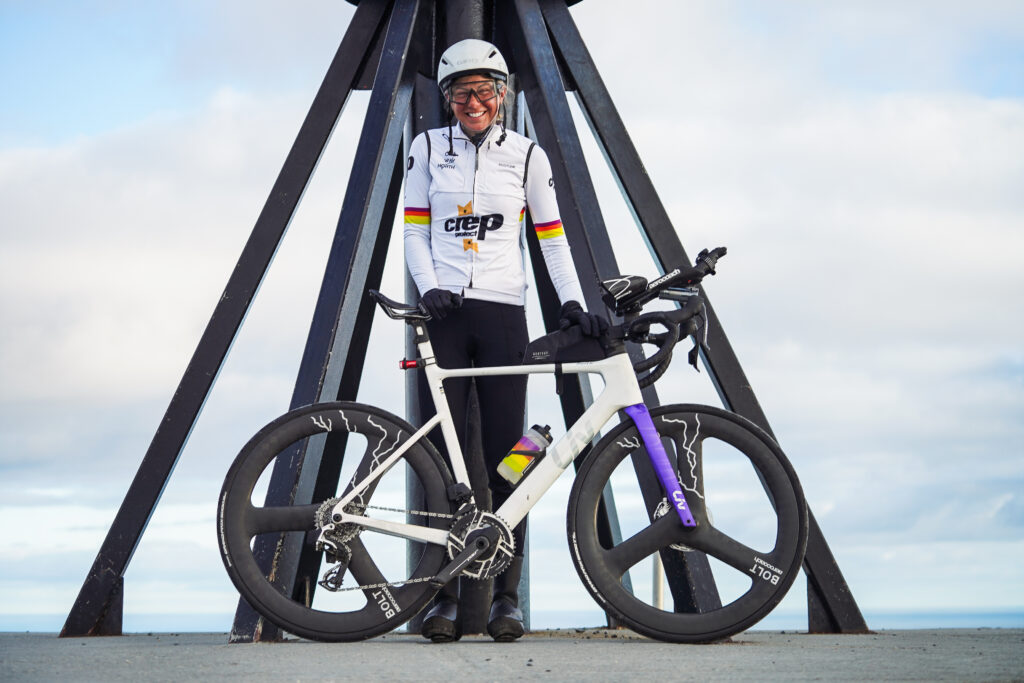
“To me, this record proves that women can compete alongside men at the elite level – and I hope it’s a powerful statement to every woman who wants to try,” she said after arriving in Nordkapp.
What a bike rider.
“This record proves that women can compete alongside men at the elite level – and I hope it’s a powerful statement to every woman who wants to try”
As promised, here’s our full coverage of Sarah Ruggins’ latest record-smashing, boundary-redefining bike ride:

















36 thoughts on ““Where’s your hi-vis?” Transport secretary praised for “brilliant” bike commute video in “normal clothes”… but angry drivers accuse her of dressing “dangerously”; 20mph zones “make drivers play with phones”; Boulting on 5 Tour deal + more on the live blog”
https://www.inverness-courier.co.uk/news/highland-council-s-20mph-speed-limit-programme-picks-up-nati-437891/
the article fails to mention that the majority of motorists blithely ignore the 20mph limit, continuing to drive at 35 unless there’s a marked police vehicle in sight or outed on waze.
@the infamous grouse Oh very few people adhere to 20 limits. I would suggest that its considerably less that adhere to 20mph than when the limit is 30 but then the breaking of the limit is still less serious. They are doing 24-25 instead of 34-35 so regardless, the damage is lessened.
I lived on a classic UK residential side road ie. not a road to anywhere useful and despite it being a 20 with cars parked on both sides and dense housing, the same utter pricks would do 30-40 down it. Boiled my blood.
“I personally think this will cause more accidents as people have got more time on their hands to play with their phones and other gadgets in the car.”
Tell me you’re not fit to hold a driving licence without telling me you’re not fit to hold a driving licence!
But also
So it’s OK for people to be driving while on their phones around schools, but not anywhere else?
@mdavidford clearly. Children congregate around schools. Once they have left the area around the school they are completely safe from twats in cars.
In my view this is an excellent, refreshing argument from the motorist. He is clearly onto something.
I watched the IOM TT highlights recently and at no time did I see any of the competitors texting or trying to appease children pillion passengers. Michael Dunlop did nearly lose it with a back wheel skid when he was running late for a haircut, but that was an isolated incident.
All speed limits need to be removed. The higher speeds will improve drivers’ focus and encourage them to drive on muscle memory and reflex action.
This is like Schrödinger’s cyclist isn’t it?
We can’t have 20mph zones because drivers will crash because they’re exercising all the concentration they have to keep below 20mph, but also we can’t have them because they’ll get bored and go on their phones.
@chrisonabike Don’t forget that cars simply aren’t designed to go at 20mph.
How annoying having to occasionally glance away from your phone to control your vehicle.
The 20 mph encouraging people to use their phones concept reminds me of possibly my favourite ever Private Eye cartoon, two muggers standing over their senseless victim going through his wallet and one saying to the other, “There’s bound to be crime when idiots persist in carrying this sort of money around…”
If drivers are admitting that they will break the law if they are given the opportunity to do so then clearly that is openly stating that giving them a licence to drive is about as sensible as giving a drug addict a pharmacist’s licence.
Data from London shows a drop in crashes since the 20mph speed limits were introduced. There is a certain type of driver that shouldn’t be behind the wheel no matter the speed limit though.
Aside from that ridiculous argument (phone use when under 20mph), I wonder if modern car software can be programmed so that anytime a driver exceeds a speed limit for a specific road, the system automatically sends a report to the police…
(The sat-nav systems can be updated with all roads’ speed limits.)
“We have the technology…”
@mitsky The police allegedly have better things to with their time than ignore millions of speeding reports. Why even allow the car to exceed the speed limit in the first place?
For context: “under UK law, all new cars manufactured since July 2024 must be fitted with Intelligent Speed Assistance (ISA) systems. These systems use cameras and GPS to detect the speed limit and will trigger an audio, visual, or haptic alarm when you exceed it.
While these alarms can be temporarily turned off via the infotainment screen or steering wheel buttons, the system automatically resets and turns back on every time you start the car. “
@Pub bike People might even be tempted to leave them on if they were halfway competent, a courtesy car I had recently insisted that a 3t weight limit sign was a 30mph sign.
If we follow the logic that 20mph drivers are more dangerous than say 30mph drivers, how deadly are they when driving 5mph in congestion?
@Smoggysteve oh god don’t mention any speed lower than 20mph to drivers. They will have an aneurism as they formulate their anti 20mph for safety arguments. Usually something along the lines of “well, why don’t we all drive at 2mph with someone in front of us waving a flag, then deaths will be 0”. Obviously a well thought out and brilliant argument against lowering speed limits in built up areas.
@Smoggysteve They’re at their most dangerous when they’re not going anywhere at all.
I’m sure the pink trousers count as high vis but I thought German infantry helmets were banned after Brexit!
The Battle of Ypres April 1915. The German infantry division advanced using das Brumptstadt Fahrarden. The slow speed kept them behind the cloud of chlorine gas as it drifted towards the Commonwealth trenches. The offensive cleaved a two mile gap in the Western Front.
The use of cycles was copied by the Japanese as they invaded Singapore and Burmah. By then war technology had embraced wider low pressure tyres, carbon frames and hydration gels.
The German forces decided not to incorporate cycling as part of Operation Session, as bike theft in London and the South East was rife and would have caused huge casualties.
Ironically superior advancement of tyre technology led to a British victory at El Alamein. This technology played a key part in the US Marines victory at Iwo Jima.
I’d say that colour was more like fuchsia (and coming soon to a Rapha Pro Team jacket near you).
RE Andy Burnam / Heidi Alexander – this is the best thing in many ways – set an example (even if currently it leads to lots of online name-calling).
And imagine some of the political alternatives! The folks in the apparently second-placed party seem incredibly unlikely to be doing so. And even the current “new Greens” seem less interested in … y’know, environmental things.
OTOH I wish Heidi could be bolder. And I fear that like anyone ambitious enough to get to the top (exception B Johnson – well, I guess there was the Corbyn bicycle…) Burnam will be trimming his transport policy sails to fit the wind (should that be “bunker-fuel-burning engines”?)
@chrisonabike I get the impression that Heidi is a true believer when it comes to the benefits of cycling and active travel, but she’s also a moderate and team player when it comes to temperament, and will co-operate with the PM of the day, and will compromise according to what is assumed to be electorally popular.
That’s not necessarily a bad approach, especially if you hope to stay in power for long enough to get sustained change, or if you are happy to get on with making useful changes when the attention isn’t on you.
@FionaJJ perhaps. Perhaps the last transport secretary (that didn’t get going) would have been “too bold” and brought down bikelash?
And with the fact that motoring is built into the culture and (literally) to planning and infra, the overwhelming power of the motoring-related industry lobby etc.
And that cycling – at a very low level – has existed despite all that, in the gaps as it were.
On the other hand, as the likes of David Hembrow point out the “wrong kind of compromise” has been the norm here. Asking for too little (“it’s the best we can hope for”) and getting less. Leading to stuff which might even set things back overall (“nobody uses it… waste of money and space”).
Plenty of impossible “take it or leave it” choices…
So far I think Chris Boardman has found a good way: heavy on local engagement, lots about children’s journeys / people doing basic tasks / nicer places.
This does seem to end up being mostly “crossings” and quieter streets – pedestrian and public transport measures with cycling a quiet addition. Is that enough? Not sure.
@chrisonabike I’d personally prefer it if she were bolder, but on the spectrum of terrible to brilliant options for Transport Secretary, having someone who believes in cycling, but is a bit timid about it, is a net positive.
Yes, those of us who can see opportunities missed or delayed will be frustrated, but it could easily have been much worse. That doesn’t mean there’s not a role for encouragement and constructive criticism.
Agreed Chris Boardman has a good approach. He is ambitious, but communicates it in a way that is meaningful to the majority, and makes it hard for all but the most brazen anti-cycling activists to disagree with his ambitions.
@FionaJJ that’s the crux of the issue i guess.
Minority causes can have this where the mainstream has the power to steamroll you (figuratively and literally).
There’s always “fear of angering the giant” (or alienating the decision makers / majority, where any politician has the temptation to gain attention by criticising this. And business salespeople stand to gain by selling “convenience and status” instead).
But … it’s also easy to keep getting “small wins” while losing the main argument.
(That would be where rules and public space remain suited to or are further modified to reinforce motor dependency and thus reduce active travel – even if perhaps it’s now autonomous vehicles and “they’re more efficient / much safer than human drivers”).
Some places are just getting on with it though. I visited Bristol again after about a year and while it’s a slightly unlikely cycling venue (very lumpy, the motor traffic is terrible) they really seem to be making an effort.
Roads and streets are being redesigned to accommodate cycling and pedestrians. A bit rough and ready? Missing links (especially outside the centre)? Certainly, but I saw loads more parents cycling their children places than Edinburgh and even kids cycling places on their own.
“I agree near schools and places like that but all these road [sic] elsewhere are ridiculous,” Leon began. “You had cars in the 80s that had no power steering, ABS, all manual cars, and 30 mile an hour limit.
“Now you have cars with every gadget under the sun, stops on a dime, and they wanna drop it to 20mph.”
I feel that this is part of the problem… modern cars are, if anything, too refined. They accelerate more quickly, are more comfortable at speed, have aircon, airbags, power steering and decent radios – all of which make the driving experience more relaxing and requiring a little less input/attention from the driver (who doesn’t really realise how fast they are going, or how quickly they got there)
The “stopping on a dime” argument is particularly worrying, as all this means is the the driver’s false sense of safety, so they can tend to push things further.
As for the “cars weren’t designed to do 20 mph” angle, design aims and capabilities are not mutually exclusive…in fact, I’d say that modern cars are better, in this respect, due to engine refinements.(and how many older cars are there, nowadays, in this leading age that we live in?)
Good to see the Secretary of State practicing what she preaches, especially adhering to DfT advice on wearing a helmet. Usual keyboard clowns having a dig. One valid point though, the Highway Code advice on cycle wear clearly states “Daylight & Poor Light: You should wear light-coloured or fluorescent clothing (such as neon yellow, orange, or pink) to help other road users see you” Some form of hi-viz would have been a good example.
Seemed pretty visible to me – and she was sporting light-coloured hair, bag, footwear and bright trousers. What if she’d been approaching a motorist “out of the sun”, or passing a field of oilseed rape or stand of autumnal trees later in the year?
If you think that’s flippant, note that “sun” and “tree leaves” have been advanced as defense / mitigation in court despite cyclists following guidance (‘should’).
Frankly she’s already done the best preaching possible: been a “normal person” riding a bike.
I believe “hi-vis” isn’t actually worth that much – certainly not compared to eg. the value of “reflectives” as soon as it gets darker.
But even those are still just PPE though – this is the lowest rung (least effective) on the hierarchy of health and safety hazard controls. And “visual aids for drivers” do nothing if drivers don’t do their part, no matter how much is worn…
@chrisonabike I agree that PPE is always the last line of defence, and having safe systems is always more important. But I’d say that being visible is still very useful in a lot of locations where effort has gone into safe systems (like railway tracks). Proper H&S ‘hi-viz’ will include reflective bits appropriate to the work and setting.
What’s right for improving visibility while cycling will depend on when you are cycling, where you are, what conditions are likely. What Heidi is wearing looks adequate to me, assuming her full route is in good light. I don’t know much about the Reading end, although I’m sure I spotted a segregated cycle path, but London has a lot of good routes, and crucially, most drivers there know to expect cyclists.
Her block of bold red will stop her from blending into the background, and as that’s the bit of her that’s moving, that’s a great way to help the subconscious brain notice there’s a human up ahead. Her hair, feet and sandals are all light, so help to catch the eye against dark backgrounds. I suspect the light coloured rim of her helmet is reflective, and I’ve got spoke reflectors and stickers on my bike, which is an easy way to add reflectivity regardless of what you are wearing. Particularly useful in Winter when there are a lot of competing lights. I favour using running lights all year to keep me a bit more visible when going through areas of shade and in the hope drivers will register that there is a bike ahead. But I also live in an area where most drivers are not expecting to see someone cycling, so it’s more important to announce yourself here than in London.
Anyway – good for Heidi. The complaints about not wearing hi-viz will only help to get the video seen by more people, and a great reminder that cycling isn’t just for men in lycra.
@FionaJJ “I’d say that being visible is still very useful in a lot of locations where effort has gone into safe systems (like railway tracks). ”
Indeed … but while we *do* operate a “safe systems” approach in the railways (and indeed in shipping and air transport) we don’t do this in the same way on the roads.
So unfortunately what should be the final backstop – given we’ve also addressed hazards at higher levels – ends up getting promoted as a first line safety measure.
And of course safety is mostly out of cyclists’ hands * so it’s something people *can* do themselves.
* After deciding whether to cycle at all, route choice (can I avoid roads altogether / what are the quieter routes), basic road skills. Individuals can’t change road layouts and rules, so we simply have to hope that drivers do their part…
Well done for doing the research.
https://www.theguardian.com/world/2026/jun/20/suv-risks-warnings-road-safety-buyers-uk-study
Yes, although it may be telling us as much about decision fixation as it is about the impact of such statements. By asking them about their plans before viewing the adverts, they primed those who said they would consider an SUV to ignore or rationalise away information that pointed against that decision. Ideally, they would have had additional cohorts that were not asked in advance and therefore not committed to a position, for comparison.
@mdavidford Yes. There’s plenty of evidence, well known to the advertising and sales industries, that once people have decided they want to buy something, they will dismiss new negative information on the item while embracing positives. It’s why so many organisations persist with, and get away with having additional ‘hidden’ costs that appear once you’ve already decided you want to buy those tickets.
I’m sure most of those who still wanted to buy an SUV despite the added dangers to the rest of the population were convincing themselves those stats only applied to the bad drivers, but not them because they are good drivers etc. But also a little voice telling them that the bad drivers out there causing havoc confirms they need one too.
Education about the dangers of SUVs needs to come before people are thinking of buying them, or possibly more realistically, needs to focus on the issues with the worst offending SUVs. Rather than ‘SUV drivers are out there killing people’, it should talk about the consequences of different bonnet height and shape, as well as the weight and power. Lots of people just want an SUV so they can get into and out of the car without it hurting their knees. Explain they can get that without buying a tank and they are less likely to go on the defensive.
I’d also tax the worst offenders, and introduce speed limiters for the most powerful ones. See how many people who need one to tow a caravan once a year are put off if they can’t speed on the motorway.
I’d also suggest that in the case you are involved in a serious collision, that your choice of vehicle is considered an aggravating factor in allocation of blame and any sentencing. If you don’t have a good reason for driving around in something big, heavy, and powerful with terrible close-range visibility, and go on to kill or seriously injure an eight year old, when they probably would have survived with just minor injuries if you were in a Fiesta – that’s a consequence of a choice you made just as much as deciding to get behind the wheel while drunk, or to look at your phone. The only difference is time scales.
Most people would at least try to come up with a justification for needing their personal tank, but it might at least make a few more people think about the potential negative consequences for them.