
We may earn affiliate commission from some of the links on this page
If you’re partial to a spot of home workshop bike tinkering, there’s a very solid chance you’ve got absolutely everything you need to get most jobs done. I spend an awful long time working on bikes, getting forks set up and mounting drivetrains, so it’s safe to say that I’ve come across my fair share of bike fettling headaches. Here are a few things that supplement my toolbox that you may not be so familiar with, but make my life a whole lot easier.
Most tool kits that you can buy off the shelf come with pretty much everything you need to repair and install things onto your bike, so I’m not going to cover the very basics here – especially as we have an article on 11 tools every home bike mechanic should have, if you’re interested.
Instead, I’m going to highlight a few things that may not exactly be bike-specific, but things that have made my life working on bikes much, much simpler. So, without further ado…
Electric screwdriver
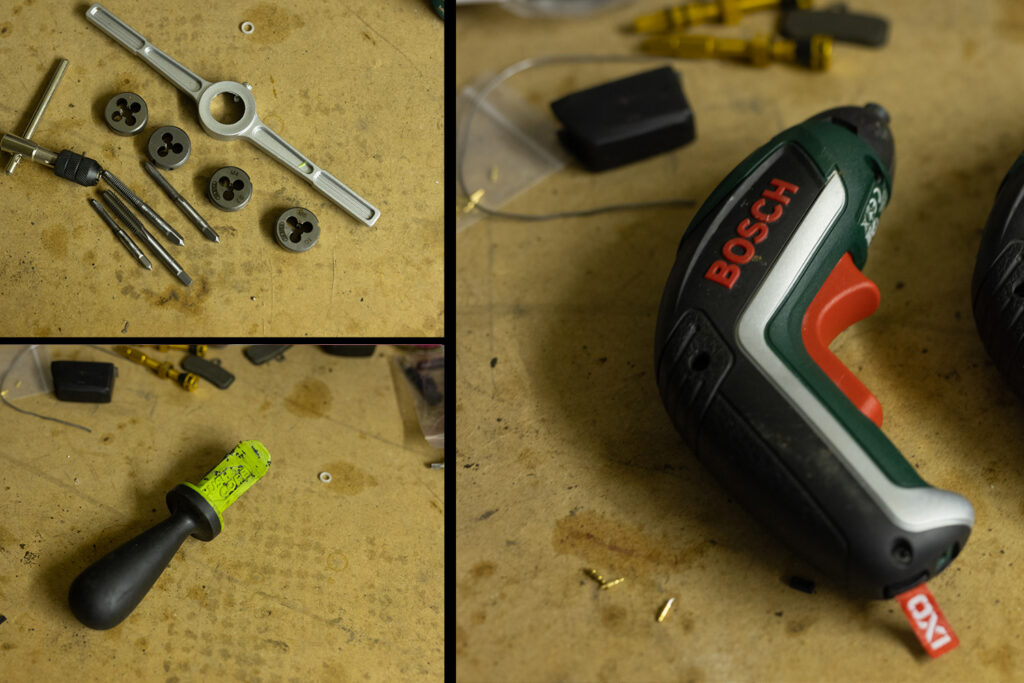
This is the product that gave me the idea for this feature. I’ve spent way too much time winding in rotor bolts by hand, only to be left surprisingly sweaty and with a very achy wrist.
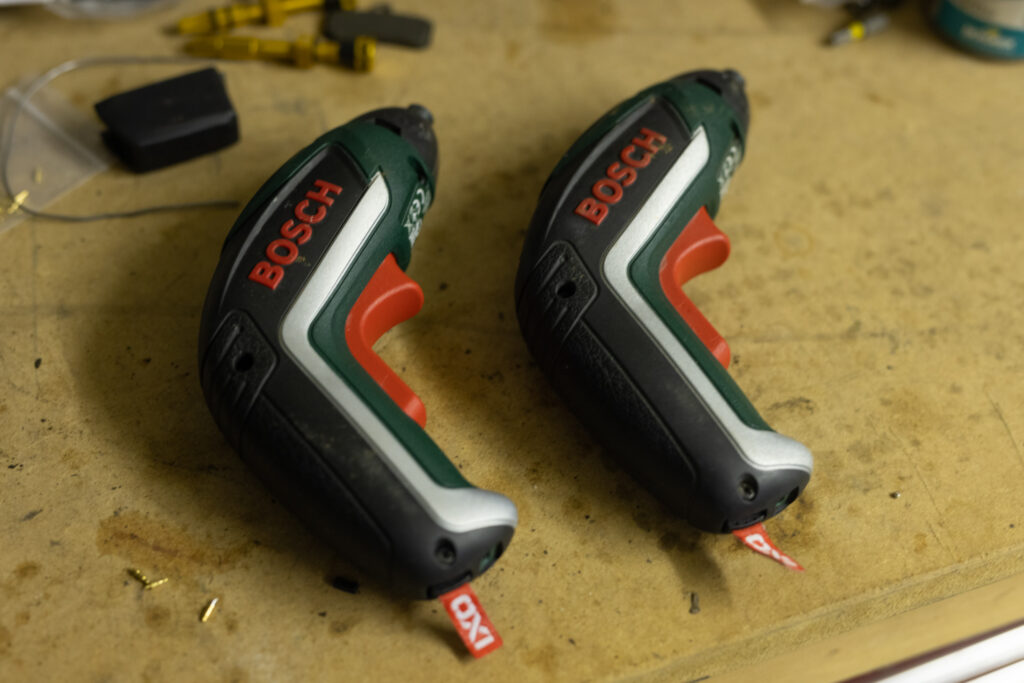
Then I found an electric screwdriver lying about, glistening in sunlight beaming from the heavens, much like the Holy Grail itself.
Wind in a bolt by hand a bit, give it a quick whizz, and my minutes of bolting rotors into place have been cut down to seconds. Of course, this can be used elsewhere around the bike, but for the monotonous rotor bolts, it’s a real lifesaver.
I’ll admit, electric screwdrivers can be expensive, so beware.
A spare bent spoke
While internal cable routing brings cleaner looks and useful protection to your bike’s hoses and cables, it can be a serious pain to work with. Even if your bike features very handy moulded-in cable guides, they don’t push the cable all of the way up the seat tube, and then they can get all bent and weird.
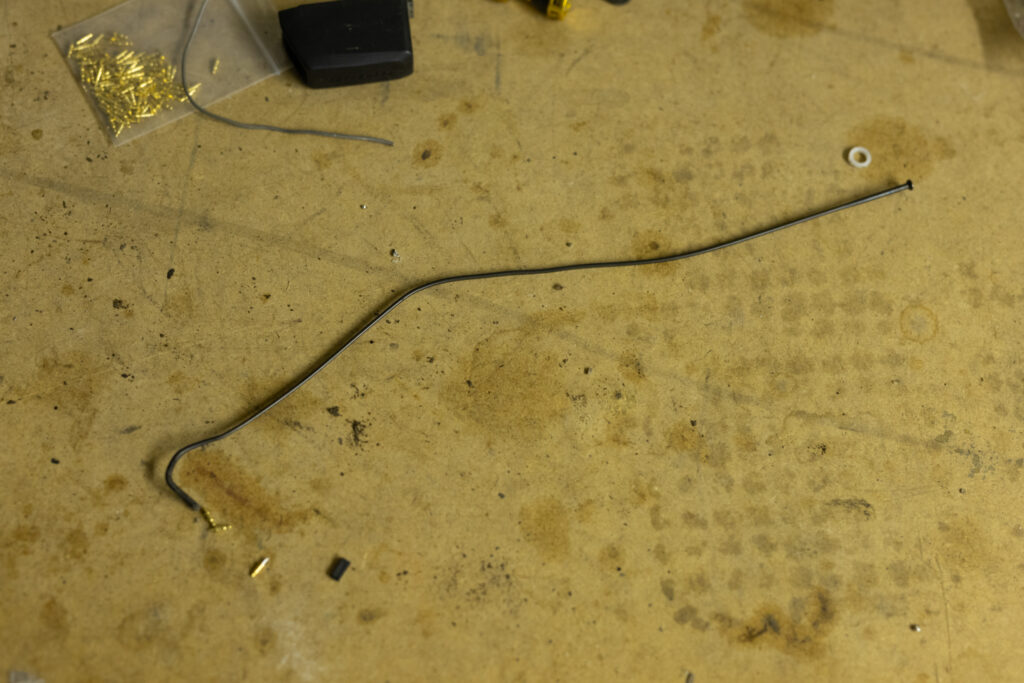
That’s where my old bent spoke comes into play. With this, I can hook a cable and pull it out of the frame to attach a dropper seatpost and such. It’s simple, cheap, but effective. Plus, there are a lot of other ways in which a spare pokey thing can be useful, like checking your tyre sealant levels, for example.
A proper set of Allen keys
Alright, this one is a very, very obvious one, but you’ll never know how useful a standalone set of Allen keys really is until you invest in a good quality set. Yep, you can definitely get by with Allens found on multi-tools, but as there are many things bolted into one little unit, they’re not often the most ergonomic, and they can be hard to reach tough places with. Additionally, not all multi-tools are built to an excellent quality, which can lead to rounded-out bolts – my bike-wrenching version of hell – so a good quality set of Allen keys really deserves its own spot here.
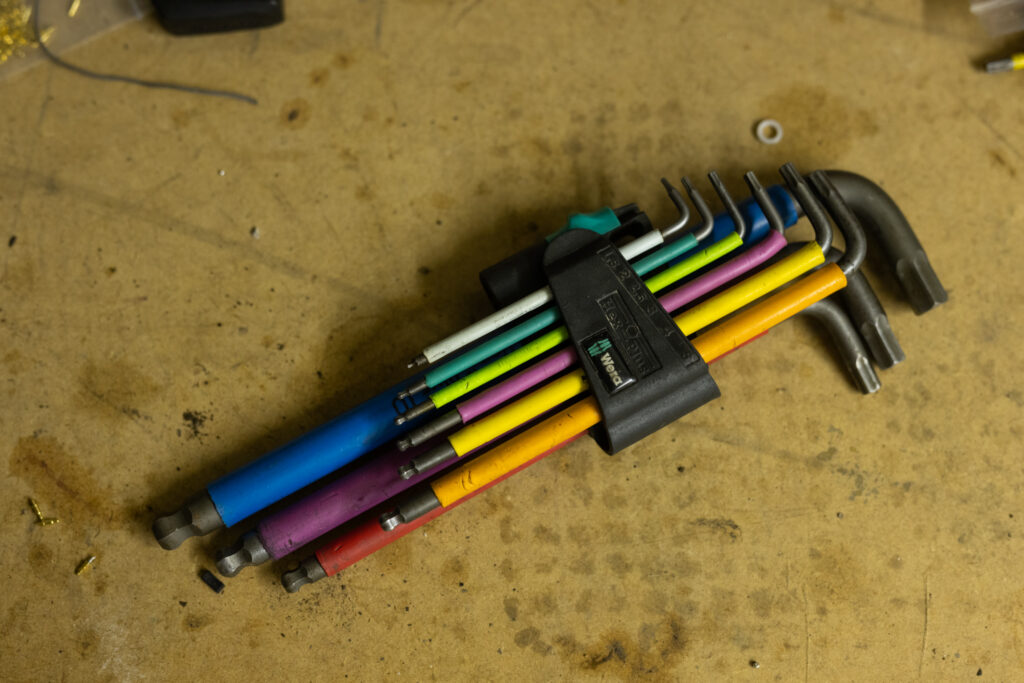
My favourite Allen keys ever are Wera’s L-Keys. They’re not terribly cheap at over £30 a set, but the heads are cut and shaped in a way which many alternatives are not. They’re almost like Torx heads, which means that they’re less likely to strip Allen interfaces, and they’ve even freed stripped bolts from their homes. My Wera Allen key set is definitely my most prized and most frequently used item in my toolbox.
Plus, having a set of standalone Allen keys means that there’s a set at home at all times, so you’re not running the risk of losing your multitool.
High-quality bleed kit
While you can pick up bleed kits for not all that much money, they’re often very basic and just a tool to get a job done. Although spendier bleed kits are built for the exact same purpose, they come with a bunch of extras that make bleeding brakes that bit easier. Granted, they’re not cheap, with the Jagwire Elite Bleed Kit pictured costing a touch under £100, and then they’re fluid-specific, so if you have multiple bikes using brakes of different fluid types, you’ll need more than one.
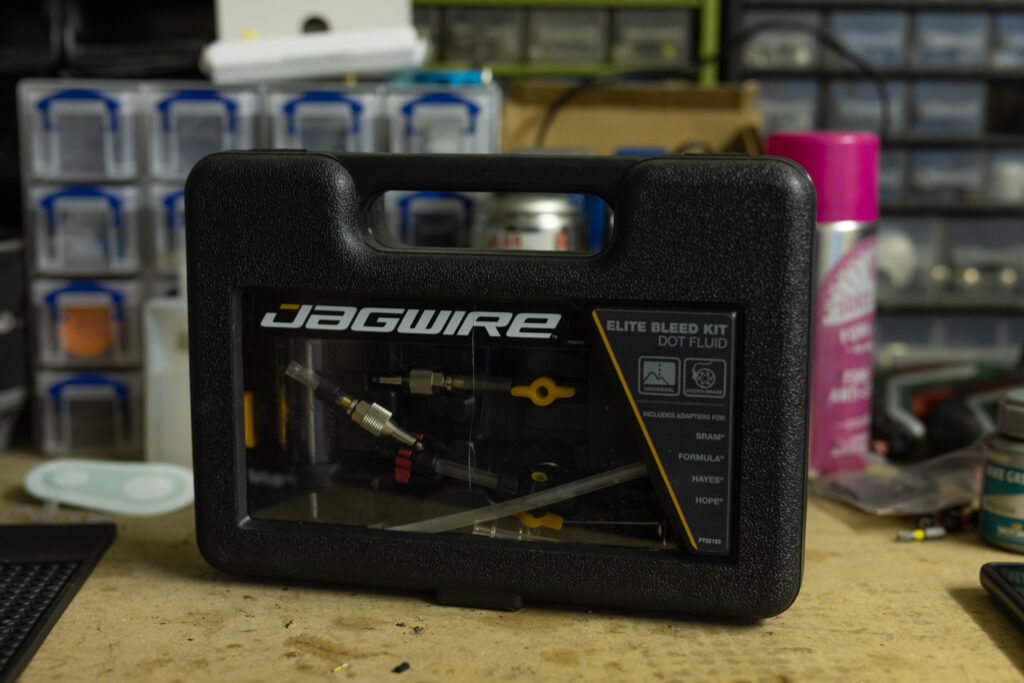
Where higher quality kits make life easier is in their build quality, their ergonomics, and the bonus bits and pieces that they come with. To start with the build quality, they’re simply constructed of better materials that’ll last a lot longer before perishing or just breaking. Then, like this Jagwire kit, the syringe’s handles are a lot more comfortable to grasp, which is especially useful if your bleed is taking a little longer than expected.
Posh bleed kits then often come with a bunch of spare O-rings that extend the kit’s use life, and what makes this Jagwire kit extra cool is that it has neat syringe holders that keep them upright, so you’re not constantly juggling syringes as you bleed and/or reach for other tools. If you’re bleeding brakes frequently, these types of kits make the job less of an effort.
Cut-down tailor’s measuring tape
With bikes coming in for testing more often than I change socks (daily, I promise), I’m constantly setting up suspension. And trying to be as standardised and accurate with my bike tests as possible, proper suspension setup is an absolute must.
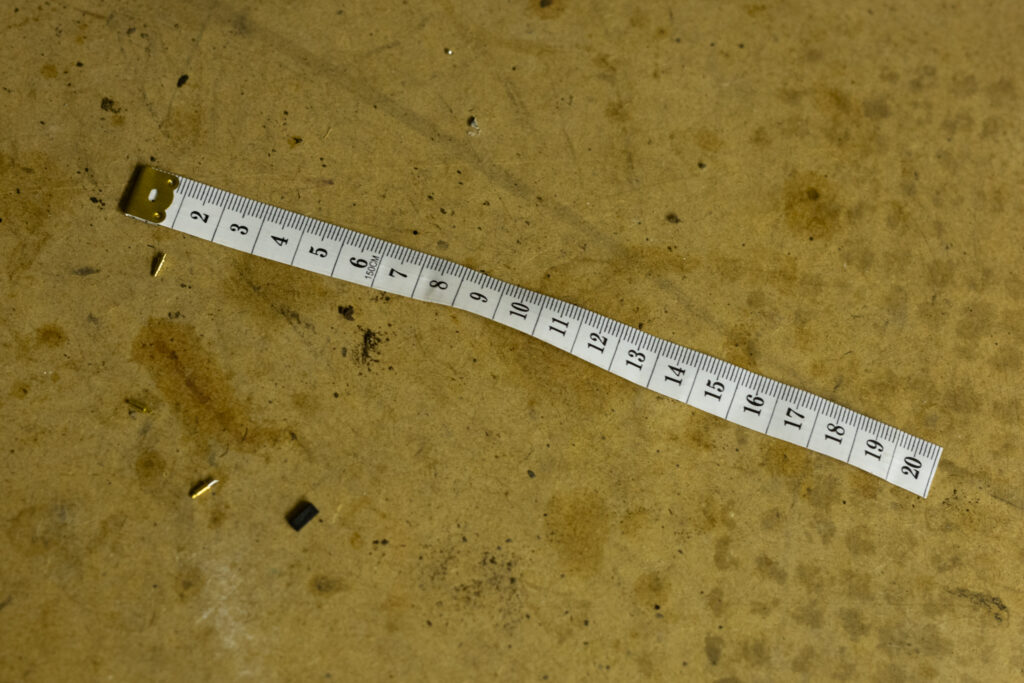
Going off the brand’s pressure recommendations printed on the back of a fork, or published on the internet, is a good place to start, but the weight descriptions are often a bit vague. So I prefer to do a bit of maths, work out the percentages of sag that I’m looking for, and use a cut-down bit of tailor’s measuring tape to measure where the O-ring is sitting.
There’s a reason for using a cut-down bit, rather than a retractable tape measure – it’s easier to measure shocks that are awkward to get to. Additionally, it’s easy to carry around. And for reference, I’ve cut my bit to show up to 200mm, covering most of a mountain bike’s suspension travel range.
This weird-looking tyre lever
As I change tyres remarkably frequently, a good, solid tyre lever is a must, and I’ve lost count of how many I’ve broken. This one is CushCore’s Bead Dropper, and while it looks rather suspect, it’s the only one I’ve used that hasn’t snapped after years of wrenching tyre beads onto rims.
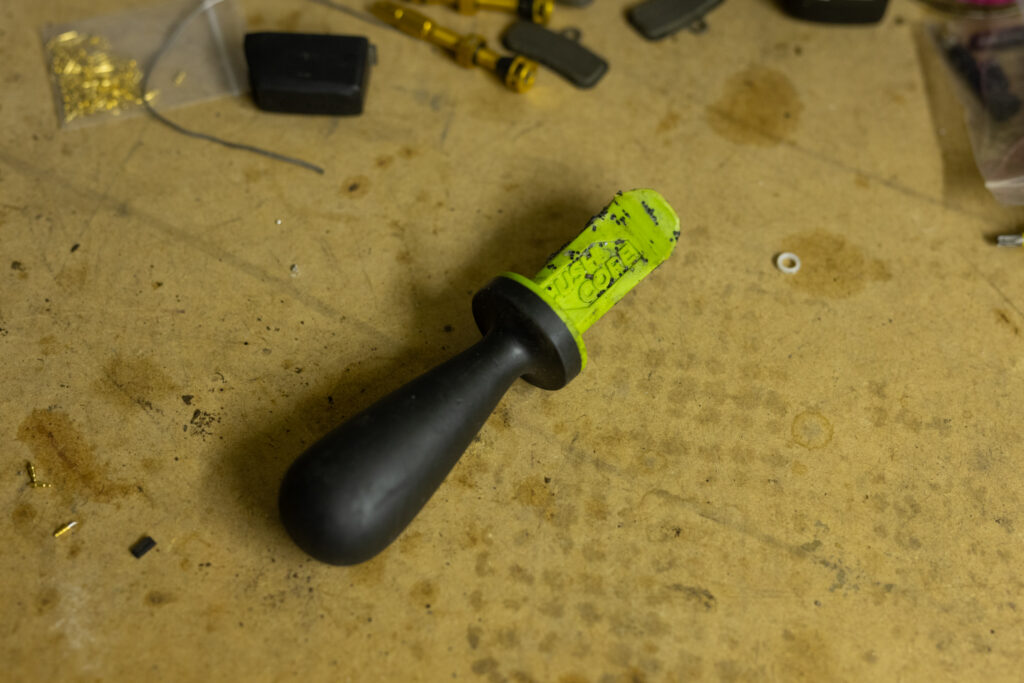
The shape of the handle, while suggestive, is a real benefit to the Bead Dropper. We’ve all been there, trying to pull a bead off a rim, and many tyre levers just don’t offer the purchase needed, or they’re just not comfortable to hold. The Bead Dropper is both comfortable and large enough to put some proper muscle behind.
Stan’s No Tubes Tyre Sealant Injector
Another tubeless one here, but changing tyres around so often means that tyre sealant is usually well worth keeping, if I can. While it’s easy enough to pour sealant from one tyre into another, it’s messy, and it’s hard to get every drop of sealant into the new tyre.
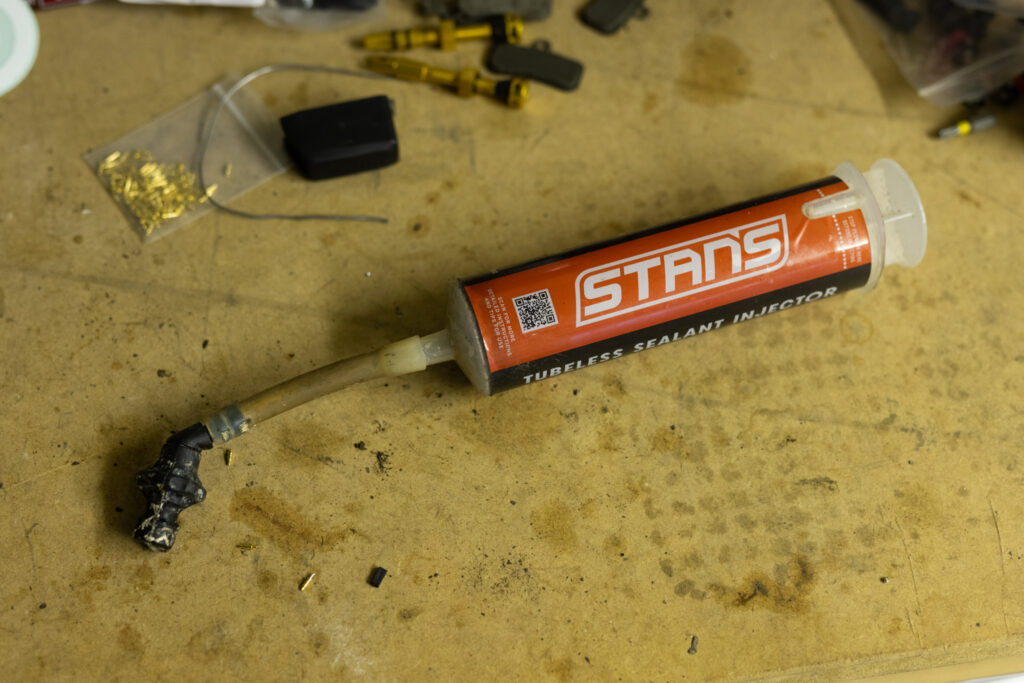
That’s where Stan’s Sealant Injector comes in. Although I prefer to pour my sealant directly into the tyre, and not through the valve, I’m able to suck up all of the sealant from one tyre, and squirt it into another without leaving a mess.
Side cutters
This one’s fairly self-explanatory, especially if you’re into bikes, but externally routed bikes usually have the cables held in place with cable ties. While easy to work on, cutting the spare cable tie ends with any old cutters can leave sharp edges, which hurt when things really go wrong.
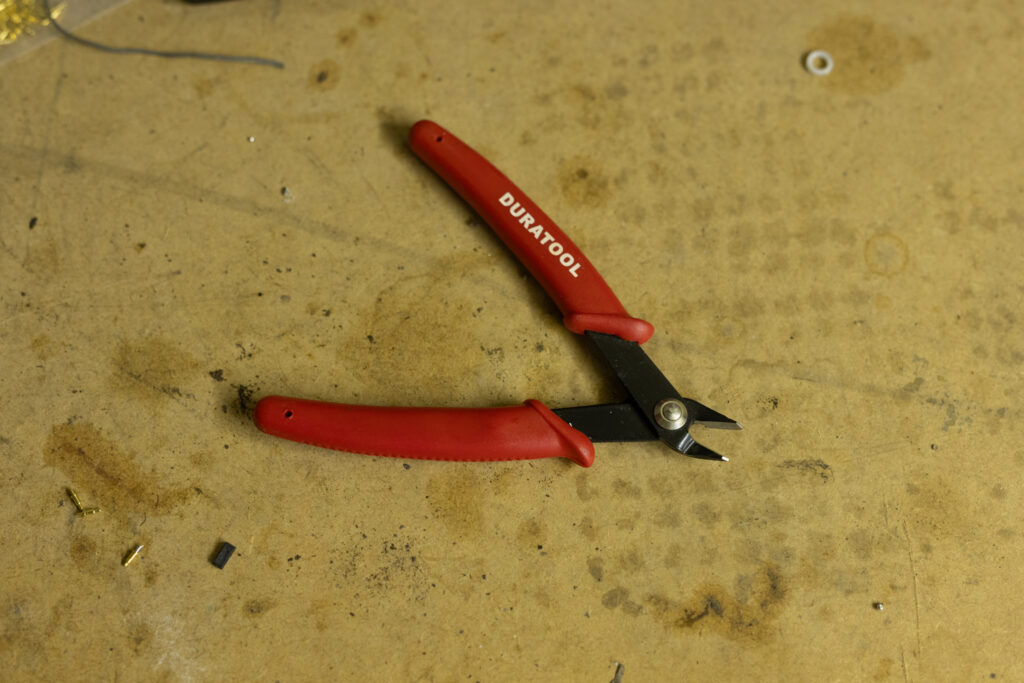
A pair of smaller, sharper and more precise side cutters cut cable tie ends cleanly, reducing the risk of sharp ends finding their way into places you really don’t want them.
Tap and die kit
If you’ve been a bit too keen screwing a bolt into place, you’ll know the pain of stripping the threads of a component, and often, that’ll leave that component destined for the bin. However, a tap and die set could well save that component.
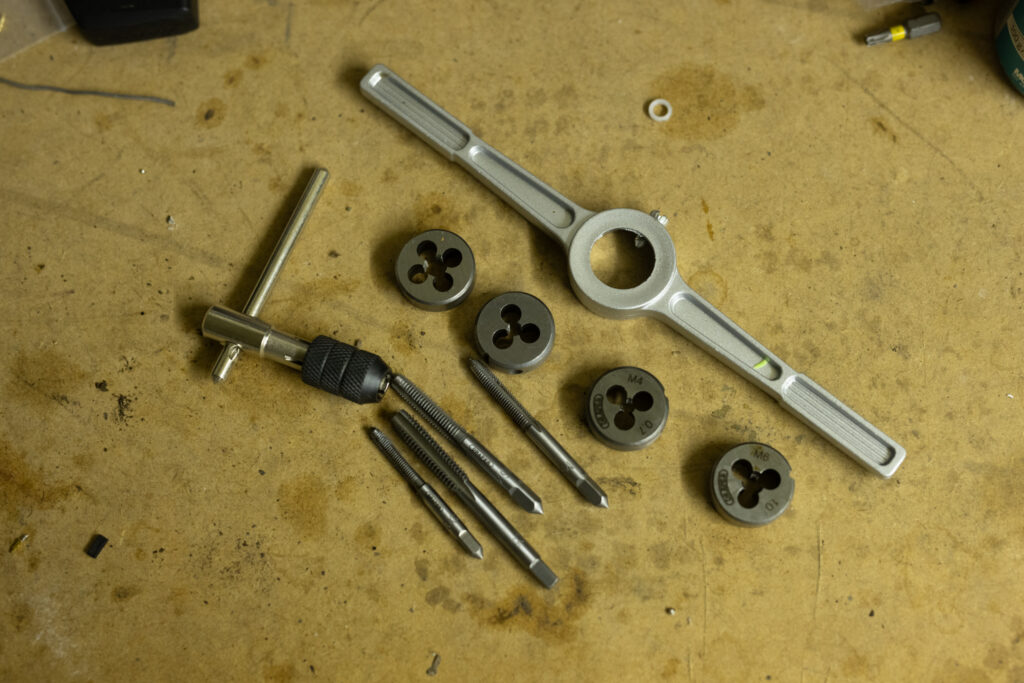
While I don’t reach for mine all that often, when I have, it’s saved me from worlds of pain, and my wallet from shelling out for replacement parts. These tap fresh threads into the hole you’ve stripped, only leaving the task of finding an appropriate bolt in your spares box.
Easy Out bolt extractors
We’ve all been there in some form or another, accidentally gone a bit too hard on a bolt and stripped its interface. Once that’s done, the bolt is pretty much stuck in place unless you’re willing to attack it with a Dremel, which isn’t always the best way to go about things.
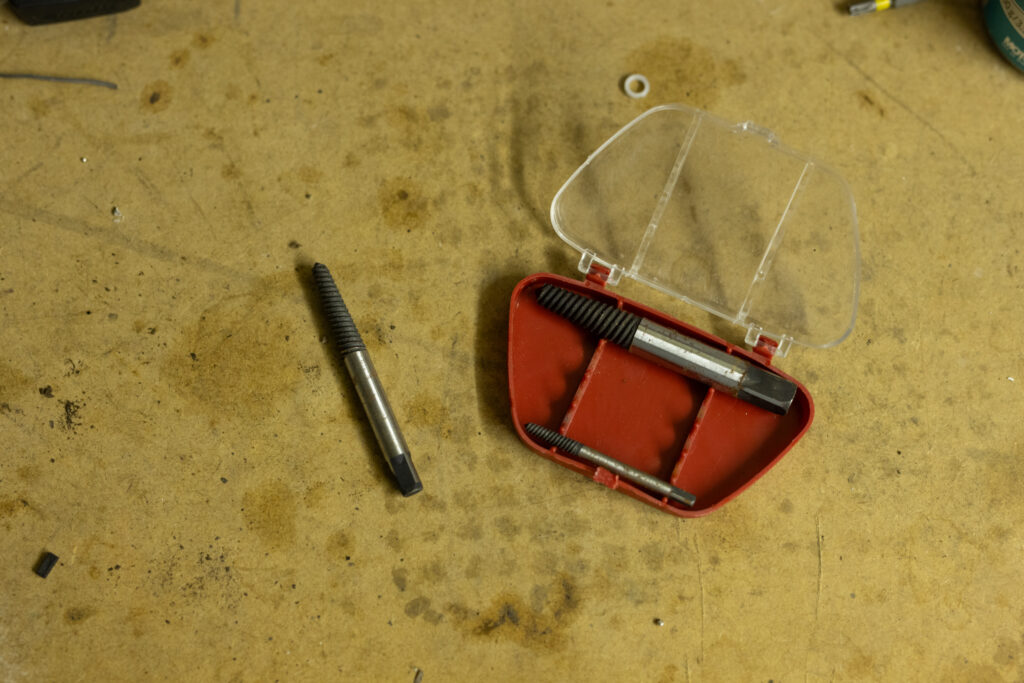
Bolt extractors are a must-have as they’re pretty good (but not always perfect) at removing bolts with mangled interfaces. Essentially, they’re bits with sharp reverse threads that bite into a ruined bolt head and unwind it from its home. They’re not expensive either, so it’s definitely worth picking up a set before the inevitable happens.
Vernier caliper
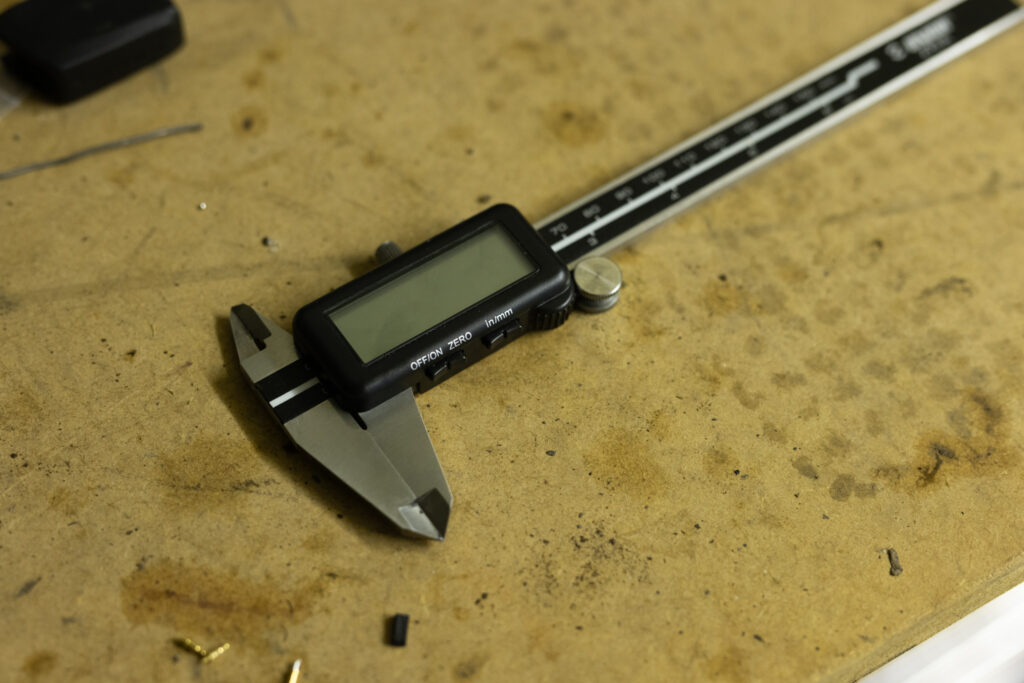
This is more for troubleshooting than it is for repairing something, but a vernier caliper is much handier and can be used for a lot more than you might think. You could be looking to set your brake levers to the exact same distance from the bar, or measuring the diameter of a crank spindle before committing to a bottom bracket size. A vernier caliper is the best tool for the job.
Deburring tool
Cutting the metal of a handlebar or fork steerer always leaves sharp edges. Before investing in a reasonably cheap deburring tool, I grabbed a couple of files to rid the cut of any sharp bits. It’s not a bad way of doing things; it just takes a little longer.
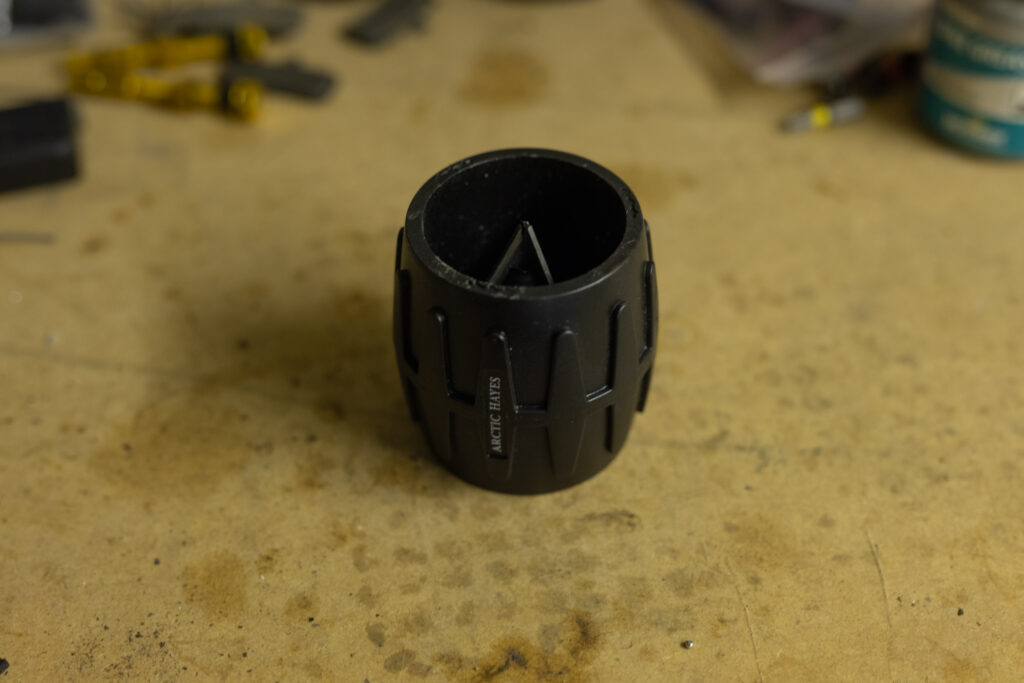
However, once I invested in a deburring tool, my cut handlebars and steerer tubes were deburred in seconds, all while leaving a rather nice-looking finish. Big fan.
Soldering iron
Alright, so keeping a soldering iron in your bike toolbox is a bit of a stretch and something of a niche tool, but with electronics increasingly finding their way onto bikes, my trusty soldering iron has saved me hundreds of pounds. Modern wireless drivetrains are pretty darn reliable these days, but they do revolve around small components soldered onto circuit boards. If a pogo pin, for example, were to seize, that could mean you’ll need to buy a whole new derailleur if yours is out of warranty. That’s where a soldering iron comes in.
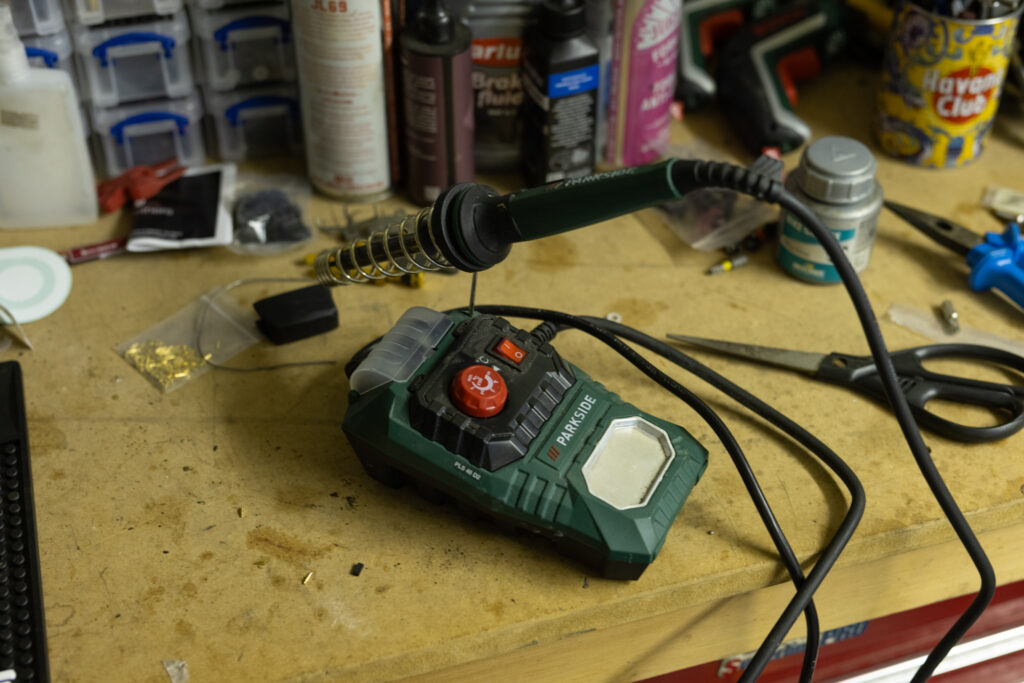
If an electrical thing is out of warranty and very expensive, I always take a ‘might as well try to fix it’ approach. The worst that can happen is that it still doesn’t work; the best is that I’ve restored that thing to working order. Though soldering does take a smidgeon of skill and know-how to get done, and I admit, it’s not a must-have for everyone’s toolbox. Rather, it’s a saviour for when the time comes, if you’re happy to get stuck into things.
Any less obvious essentials in your toolkit that we’ve missed? Drop your suggestions in the comments.