


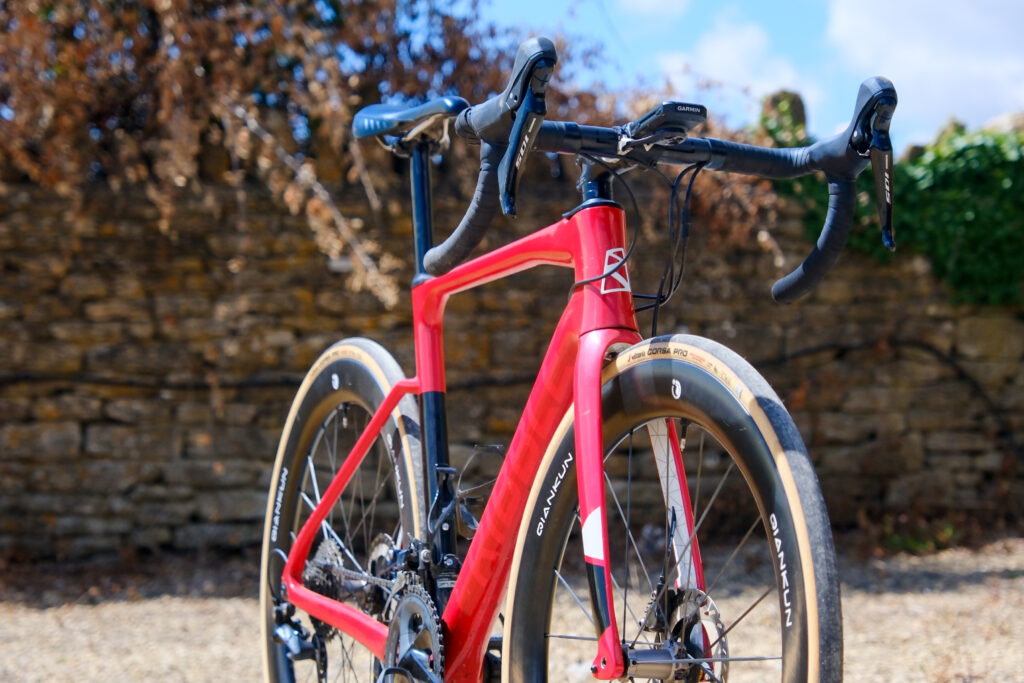


Chinese brands have been transforming the prices of wheels and bikes in recent years, and you can now get a set of carbon-spoke wheels for what a fairly standard set of carbon wheels from a western brand used to cost. But do they actually make a difference? Will more than doubling the cost of a cheap bike transform the ride enough to justify the expense?
> Buy Tour de France-inspired wheels for less
The idea was simple: could a relatively inexpensive carbon road bike be made faster, better at climbing and, perhaps most importantly, look a whole lot nicer simply by fitting a much more expensive set of wheels?
The bike
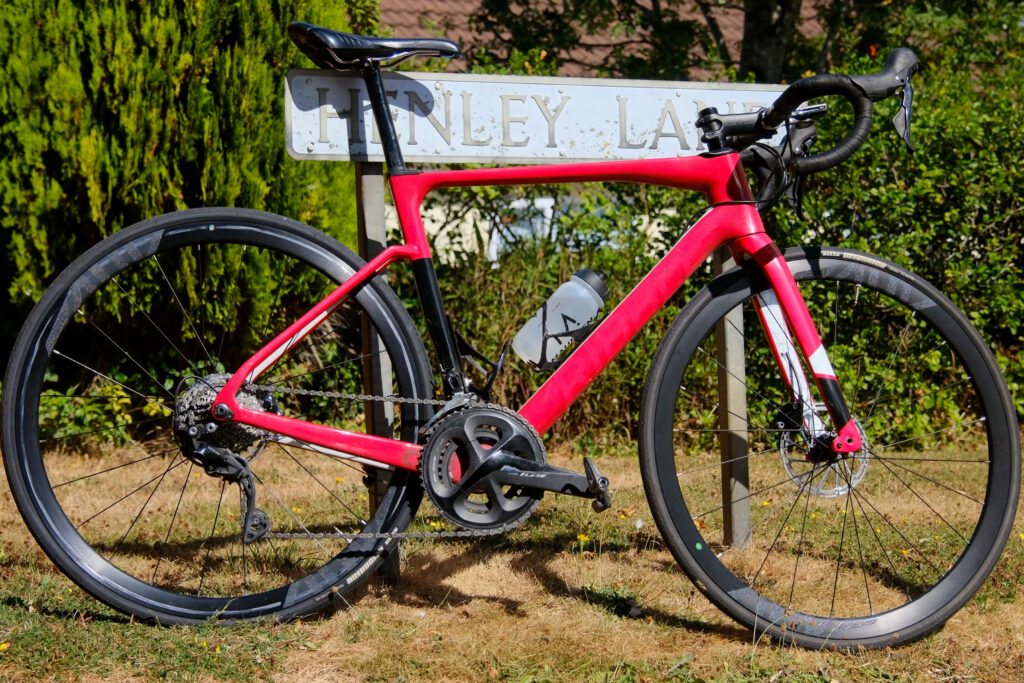
This is a Ribble Endurance SL, a carbon bike with Shimano 105 mechanical that is pretty much perfect for sportives and weekend rides.
This is an excellent bike. It’s comfortable, practical and, for the money, offers pretty much everything you could reasonably want from a modern road bike. It’s the sort of machine that you can pick up used for around £700 and could happily ride all day without feeling like you’re being punished for not spending thousands more.
But there is one area where the bike definitely isn’t particularly exciting: the wheels. They’re perfectly functional, but not exactly the sort of component that gets you excited when you pull your bike out of the garage.
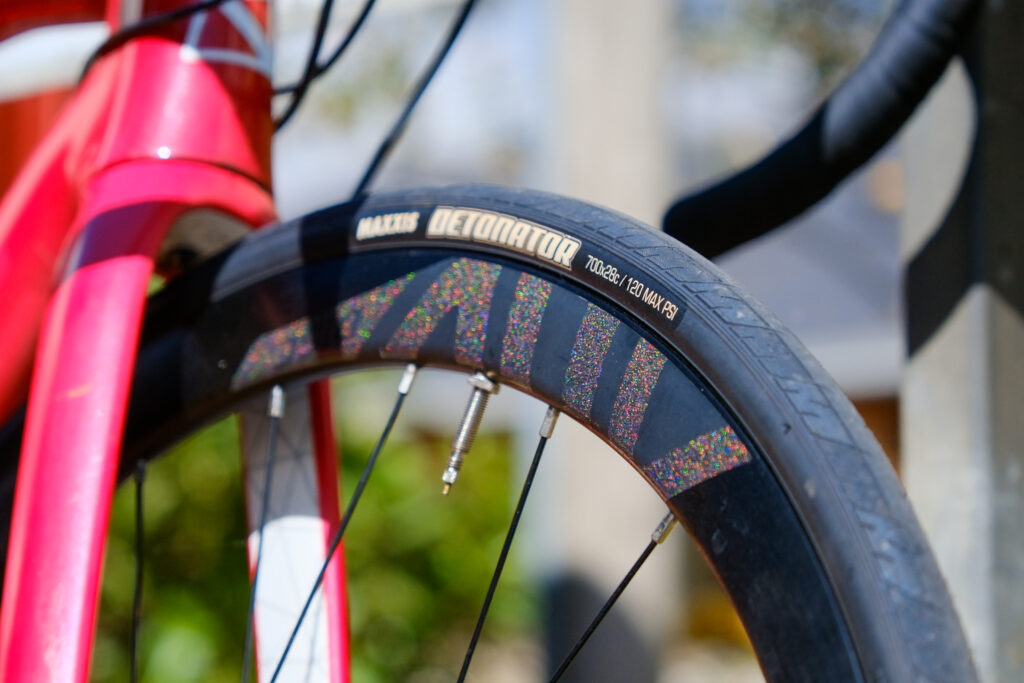
Their weight is on the hefty side, which is never particularly helpful when you’re trying to accelerate or ride uphill, and the rim profile is fairly narrow compared with what you’ll find on many modern carbon wheels.
The bike is also running 28mm Maxxis Detonator tyres, which measure up at around 26mm on these rims. That’s quite different from the trend towards wider rims and wider tyres that has become increasingly common on modern road bikes.
They’re also quite shallow, so there’s little aerodynamic advantage to speak of, and the ride can feel fairly harsh, letting down what is a very good frame.
My new wheels
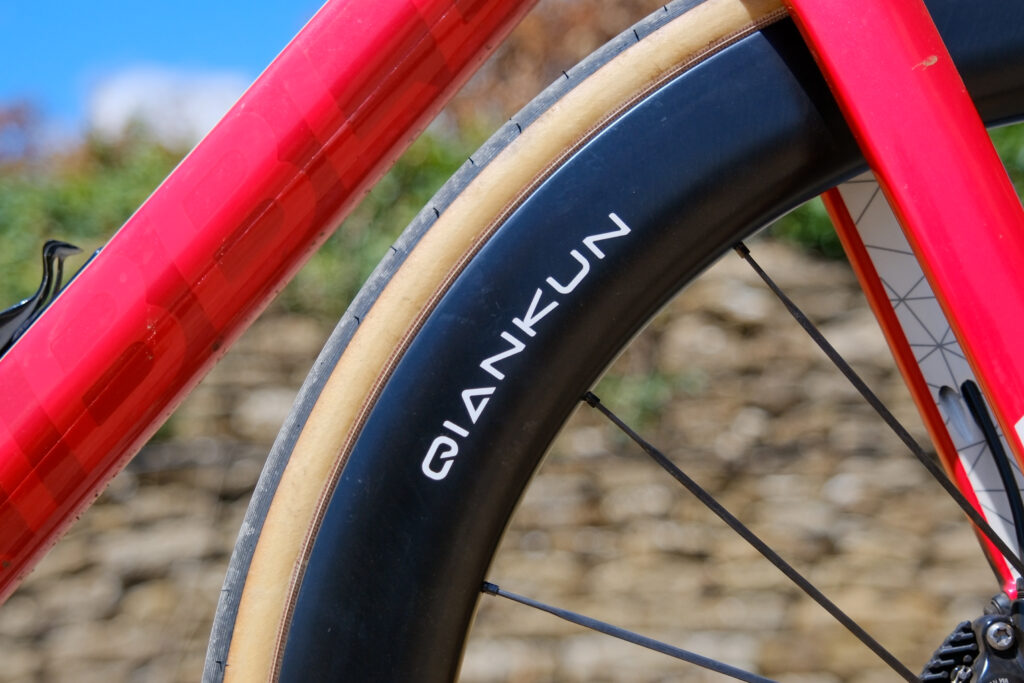
Yoeleo sent me their brand-new QianKun wheels, which sit at the premium end of the Yoeleo range, and there’s some seriously impressive technology here. Most notably, you get carbon spokes rather than conventional steel spokes, a 23mm internal hooked rim, and a claimed weight of just 1,185g.
With the original wheels removed, it was time to fit the QianKuns and see what happened. Well, perhaps unsurprisingly, the difference was noticeable…
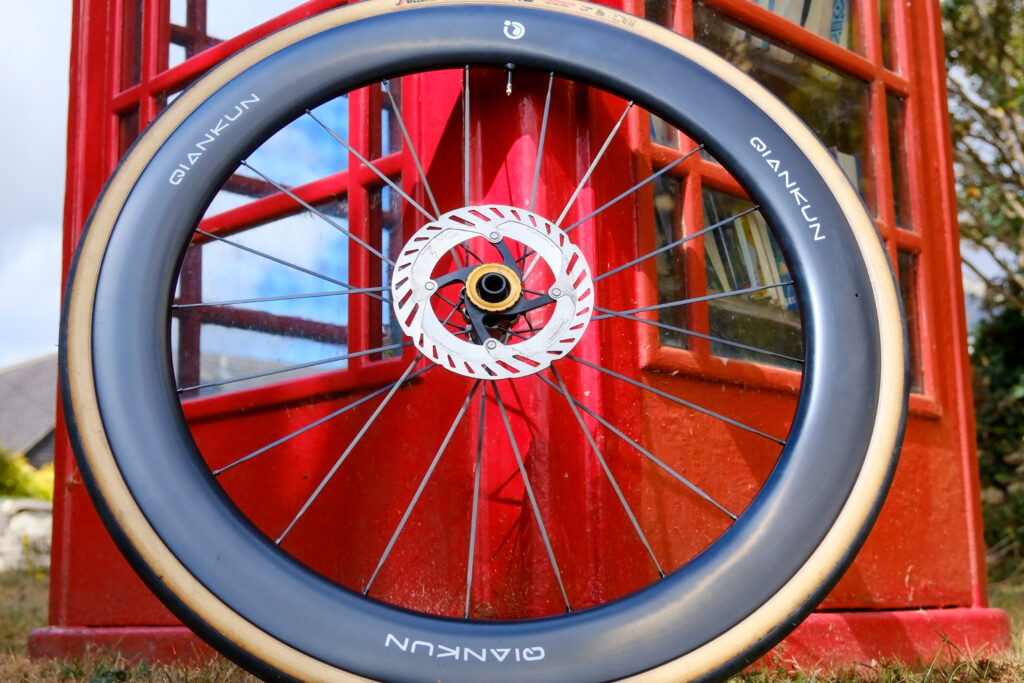
The bike feels considerably more responsive when accelerating, and seems to carry speed more easily. I know ‘carrying/holding speed’ is a tired old bike reviewing trope and not really quantifiable, but anyone who has switched from training hoops to premium race wheels will be able to relate – you just go faster. There’s also a more direct feeling through the bike when putting the power down, which I think is partly down to the increased stiffness of the carbon spokes.
And of course, there’s the visual transformation. A set of 50mm deep carbon wheels makes the Ribble look considerably more classy. The bike suddenly has a much more purposeful appearance, and the deep rims make the original wheels look almost comically basic by comparison.
Speed test
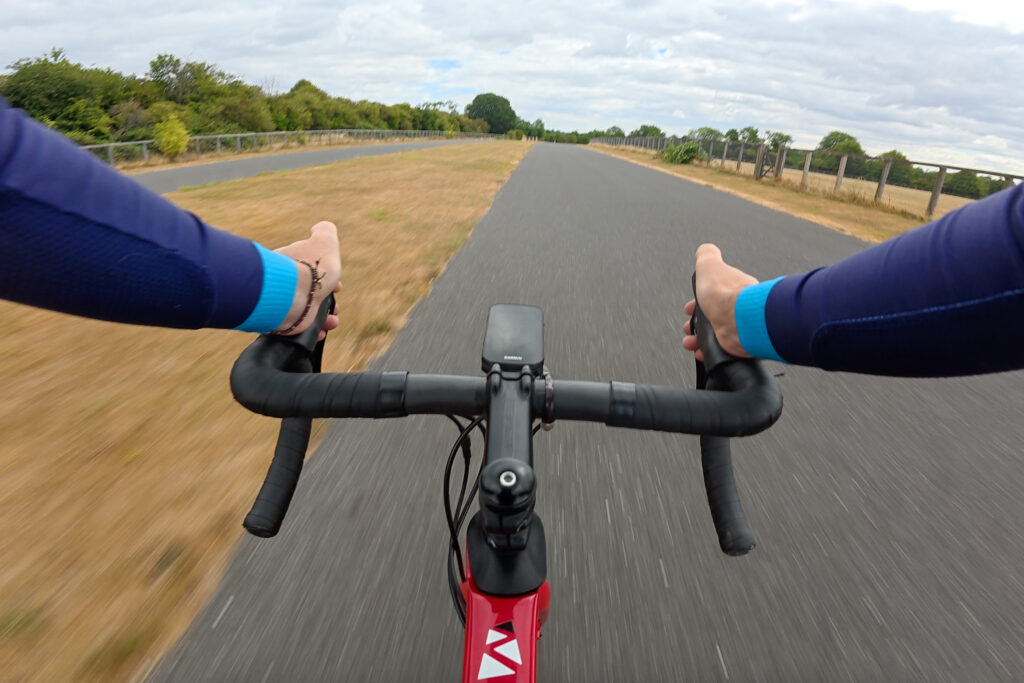
The QianKun wheels use a 50mm-deep rim, which is an interesting middle ground for a road bike. They’re deep enough to offer a meaningful aerodynamic benefit without going so far that you’d necessarily expect them to become a major liability on steep climbs or in strong crosswinds.
To test these speed credentials, I rode a 2.9km section of a local closed road cycle circuit. The old wheels completed the test in 5:22, riding at an average power of 212 watts. The Yoeleos sailed around the same course in 5:16, and for this run my power was lower, averaging 208 watts.
But away from the numbers, there was another interesting observation. The circuit features a fast right hander which, on the Yoeleo wheels, I was able to take at full speed without coming off the power.
The old wheels, however, felt significantly less composed, likely owing to their harsh nature. Needless to say, feeling confident to push corners is not just beneficial for average speeds, it’s crucial for having fun on descents.
How much?
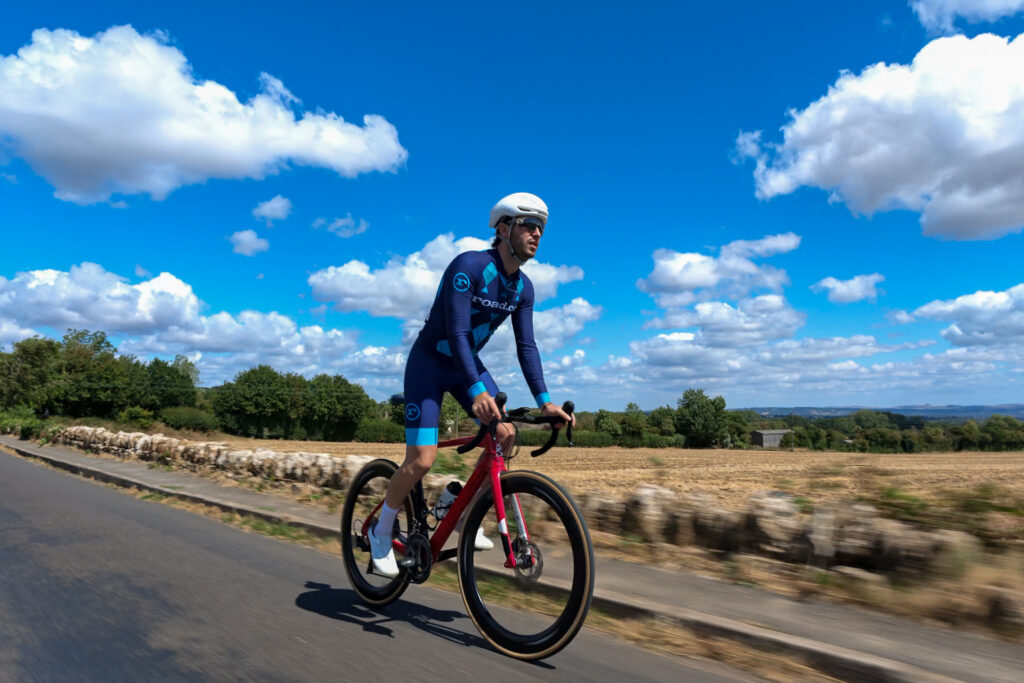
So while more speed for fewer watts sounds great, we then get to the difficult subject of money. $1,650 (around £1,220) is a lot of cash to drop on a set of wheels. There’s no getting around that. In fact, if you’ve bought a relatively affordable bike like this Ribble, spending that much on wheels can seem slightly ridiculous.
In my eyes at least, carbon wheels absolutely look better than the stock alternatives. More importantly, they seem to make the bike feel faster pretty much everywhere. They’re lighter when climbing, more responsive when accelerating and more aerodynamic when you’re trying to maintain speed on flatter roads.
Do you need to spend big money on wheels to make a cheap bike good? Absolutely not. But the wheels can have a huge influence on how a bike feels, and the gap between affordable bikes and expensive bikes can sometimes be narrowed considerably by upgrading the right component.
Do you think wheel upgrades are worth it, even on cheap bikes? Let us know in the comments.








25 thoughts on “Chinese carbon wheels transformed my cheap bike… but are they really worth it?”
Er, it looks like you also changed the tyres? Therefore difficult to say whether it was the wheel or the tyre that made the difference.
From my experience changing tyres has a far bigger real world difference than changing wheels, and for a fraction of the price.
@NickSprink I wanted to say exactly that. Entry level tyres and wheels generally are poor to bang average, depending on price point. I don’t see how specifically suggesting these Chinese wheels were the improvement. When in fact a reasonably priced set of wheels from an established western brand could so easily have given similar performance boosts, and as you say, the tyre plays a far bigger part of the overall package. And going from Maxxis cheapos to a set of Vittoria Corsa Pros (the ones that generally come out on top of all rolling resistance tests) is not a fair way to test the rims you stick them on
And another thing that NEVER gets mentioned when these Chinese brands get tested – There is always time to mention the spokes and the width and the depth. But – WHAT OF THE HUBS??? Never ever gets a mention. So have we been lied to all these years and DT Swiss hub quailty isnt important? These Chinese brands could be running on Novatec hubs made of cheese, who knows? And since we all know most of a wheels value goes into the hubs, not the rims I find it a false comparison to many established brands where you know the hubs are of a reliable quality.
I decided to have a look and even on the website they just say CNC aluminium hubs with ceramic bearings . They could be anything and Ceramic alone is no guarantee of quality or performance. Tell me they are ‘CeramicSpeed’ and you may have a point but they aint so they may just be bog standard cheap bearings with shonky seals and a poor lifetime. And that is why I will always stick to brands I can trust. Brands you always told us to trust.
The problem with buying a pair of Chinese wheels is that after an hour you will want to buy another pair.
You also have to consider that the wheels will almost certainly be copying your Garmin data and transmitting it to China.
@Mr Blackbird So another advantage is that China copies my training regime and does worse at the next Olympics?
It’s much more serious than that.
I recently had a text from a Chinese number suggesting that I transfer £500 to a Chinese govt bank account, or they would let all of my Wattsap contacts know that in July, I rode 593 miles at an average speed of 16.8 mph and didn’t use a heartrate monitor. I had no option but to pay up.
I am terrified that they will come back with more demands.
Personally, I am a bit puzzled. These wheels are Chinese, but not directly of the most affordable kind. So what is now the take of this article? Checking whether expensive Chinese wheels can match expensive known-brand wheels? You didn’t do that. Checking whether changing the wheelset can transform an affordable bicycle? In that case, it’s more logical to go for more affordable wheels. This article only proves that if you replace pedestrian stock wheels with lighter and more aero wheels, that you get a nicer bike. And that it is maybe a questionable decision to upgrade an affordable bike with expensive wheels.
Agreed.. I thought we would get an article looking at the benefits Vs safety risks of the sub £500 Chinese carbon wheels.. at £1200 we are in the branded bracket. I’ve got a set of prime branded 50mm wheels from Wiggle that cost £200 (RRP £500 I think) in the wiggle closing down sale.. they have been faultless. I’ve no doubt some of the cheaper Chinese wheels would be just as good.
I need a set for my gravel / winter bike.. it’s just the service/spares issue making me think twice about some unbranded hoops. Will probably go with whatever Luke from Trace Vello recommends / has tested at the time.
Erm, I think the ‘paid promotion’ banner at the top should have been a bit of a giveaway that wasn’t a likely direction.
@mjc2669 Also agreed, I also bought a pair of Prime Doyenne 50mm and they were an affordable upgrade for my affordable bike. So, like many other posters, didn’t really understand the purpose of the article.
Whilst I agree that six seconds improvement and the logics of this review are flawed, I’m still disappointed by some of the comments. I wonder if products from the US of Trump will get the same doubts, and perhaps we’ll soon be wondering about Germany too. There are plenty of better reviews out there and places where individual manufacturers are considered rather than stereotyping by nation.
@Global Nomad “I”m still disappointed by some of the comments. I wonder if products from the US of Trump will get the same doubts, and perhaps we’ll soon be wondering about Germany too”
Here is my take. There are lots of chinese wheels available nowadays, to the point its becoming over saturated with choice. And there are a lot of wheelsets that look a bargain and it would , on the face of it, appear so. But, I mention hubs as being an area that never spoken about, I almost think deliberately so.
I will use this brand as an example only because they are one with a good reputation. – Roval CLX III retails price £2998 per set. Roval CL III retail price £1008 (prices from Specialzed website) Now the differences between the CLX and the CL? Spokes and hubs. That is it. The CLX have carbon composite spokes and proprietry hubs and the CL have steel round spokes with DT Swiss 350 hubs. Now the spokes will not be cheap but they aint costing 2 grand more. Where is that extra money going? its the hubs. The rims are identical. Same as they were on the CLX II & CL II . So if one brand can have a 2 grand difference in its wheelsets from the premium to the ‘affordable’ where do you think the Chinese brands are making their big savings? And when they are not branded and generic hubs you could pick up off Aliexpress its no wonder.
So its down to hub quailty mostly, imo, and we have been told for years if not decades, a set of rims laced to top quality hubs – possibly handmade- will provide the best performance. Or was this all a lie?
@Smoggysteve So its down to hub qualilty mostly, imo…
Agreed, and we have Hope and KoM. I’ve been very pleased with my Hope Pro 5, but I’ve only had them for 9 months. I’m staying with them on my Fairlight Secan because I’m convinced spares will remain available.
@Smoggysteve
While I follow that not all parts are equal, there are also lots of really good Chinese wheelsets, some of them using hubs from well known brands, and being much cheaper at the same time. (And there are also good Chinese and Taiwanese hubs out there.)
Personally, I think “Where is that extra money going? its the hubs.” is the wrong conclusion. Wheelsets with similar components can still have a huge price difference. And manufacturers buy components against OEM prices, usually with an extra discount when they buy in bulk .
Well, then, where does the extra money go? Many extra costs are possible: the profit of the contracted factory that makes the rims or even the entire wheels; potentially higher production standards and better QA; profits for shops and middle-men; extra logistics; marketing/PR/sponsoring; extra R&D; covering for warranty cases and customer service; a boatful of middle-managers; extra profits for shareholders…
A. Whopping 2 seconds per kilometer faster? I’ll pass.
I got an older Trek Domane, and after a car hit and run (no damage to myself) I couldn’t find any shop that would fix my rear wheel. So to Amazon I went and after much deliberation I got a set of Superteam CF wheels for $400. From what I could skim off the internet, the Novatec hubs were certainly not the best, but were far from the worst. Are they better than the Bontragers they replaced? Absolutely. I don’t collect any numbers, and a placebo effect could be present, but $400 is the max for me to put on a $600 bike. Same old Gatorskins as I always use, and bike looks and feels fast. I am solidly in the lower income social class, so big bike brands are way out of my league. All because bike shops in my town won’t take on a traditional wheel rebuild job.
How do you know if the differences were due to the wheels or the tyres when you changed both at the same time?
I’ve just done similar and put some £1400 Scope wheels on a £1500 bike. Ok, I got the wheels nearly half price… 😉
The handling is very different, even on the exactly the same tyres (nearly new Conti GP5Ks taken off the old wheels), as the wider internal is giving the tyres a different shape and I’m still learning to trust them on corners and in crosswinds which is keeping my average speeds down a bit – but they are undoubtably faster on the flats and I’m climbing in one gear higher than I used to on most hills.
They may only be saving a few watts, but my FTP is only 225-ish, so a few watts saved is actually quite a percentage gain.
Most importantly for my ManMaths in buying wheels that RRPed nearly as much as the whole bike is that they are transferable – I’m thinking about buying nicer frame soon-ish to build up, and the nice wheels I’ve bought will be nice on whatever bike I use them on.
@Mr Blackbird
I’m a bit tired of being marketed to under the guise of providing information. This “review” is a total advertisement and a waste of my time. The results aren’t even that impressive.
@stevez123 Well here’s a tip, when you see “This article includes paid promotion on behalf of…” at the top of an article, don’t read it. Then you won’t feel your time has been wasted, road.cc still gets its few quid to help keeping on providing us with content, all good.
@Rendel Harris I’m wondering how useful the rest of their reviews are after reading this. I guess it’s best to rely on your mates opinions of gear based on fact not the “20 pound hand shake”! But that’s the Internet, you need to wade through 90% of the BS you read.
I have problems with buying Chinese made products, one is they have no recourse if you have a warranty issue, or the wheel fails and you get seriously injured due to product failure you have no rights to sue for personal injury or property damage. A lot of stuff they make are Western brand wheels that they make after hours and slap on a generic name, so they are a stolen product and stolen engineering, call it stolen intellectual property and patents, but while Western companies know this is happening, they are powerless to stop it. Then there are political concerns which I won’t go into but if people stop and think they should know what I’m talking about.
As far as buying expensive wheels for a cheap bike will depend on if in the near future there are plans to buy a better bike, if not, then don’t buy better wheels. Really better wheels are only really necessary if you’re doing some sort of competition riding, otherwise who cares if you save a few watts? The more important thing for just daily riding is whether the wheels can hold up to pounding on the streets, hitting potholes, cracked streets, surviving long rides on chip and seal etc, which is why I don’t have any race type of wheels. Even professionals don’t use their high-end racing wheels, or bikes for their training rides! For the common person most bikes come with wheels that are designed to hold up to street riding for a long time.
People who don’t race need to use some common sense and not try to impress some wealthy lawyer or engineer riding buddy, save your money and pay off debts instead…I know, that’s not fun, but it is wise.
You get seal where you are? You don’t know you’re born!
@froze
“Really better wheels are only really necessary if you’re doing some sort of competition riding, otherwise who cares if you save a few watts?”
It’s also helped me re-kindle a bit of joy and expectation in outdoor riding – my local rides were getting stale, and I was Zwifting more often than going out; new wheels has given me a new reason to go out and ride my loops… a new bike would do the same, but cost a lot more!
“The more important thing for just daily riding is whether the wheels can hold up to pounding on the streets, hitting potholes, cracked streets, surviving long rides on chip and seal etc, which is why I don’t have any race type of wheels.”
I chose the “all-road” variety for just this reason; along with no maximum weight limit – I’m a little over 100kg plus cheap (ie, relatively heavy) bike. Race wheels they are not. Noticeably better than the alloy ones that came on my bike? Yes.
“People who don’t race need to use some common sense and not try to impress some wealthy lawyer or engineer riding buddy, save your money and pay off debts instead…I know, that’s not fun, but it is wise.”
No mortgage, no credit card balance, savings growing, pension up-to-date, car bought/owned outright, phone bought/owned outright, etc etc
And I pretty much always ride on my own – the only person who sees my bike regularly is my wife and she cares less than zero about it!
A good idea to find out about your audience before dispensing advice 😉
I do try to avoid buying unnamed Chinese stuff though, for absolutely all the reasons you’ve listed, plus environmental concerns and worker H&S/rights/etc concerns, too.