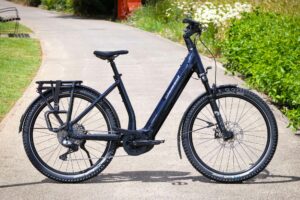
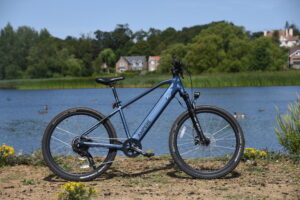
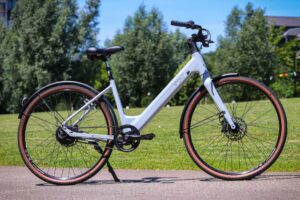
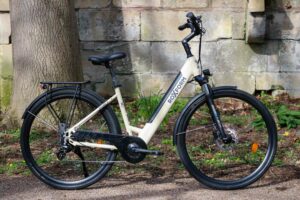
The Roxform Stride S is a straightforward hub motor step-through with 8-speed Shimano gearing and front suspension that feels a little superfluous for how the bike will most likely be used. It’s not incredible when you point it uphill, but you wouldn’t really expect it to be for this price. It’s a pretty smooth ride though and for many people it’ll do the job.
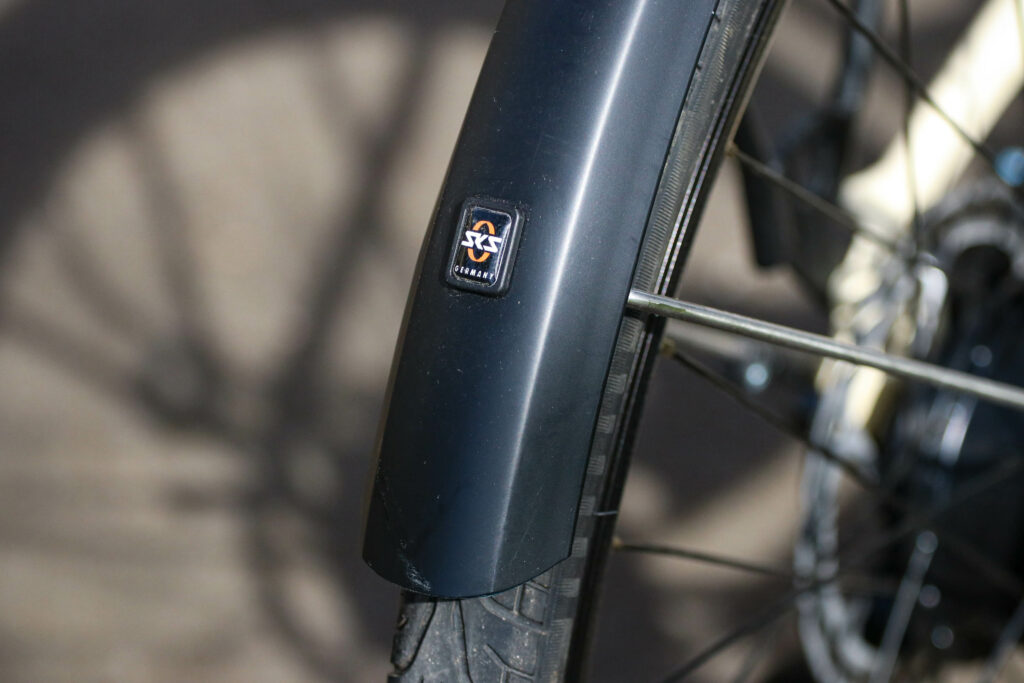
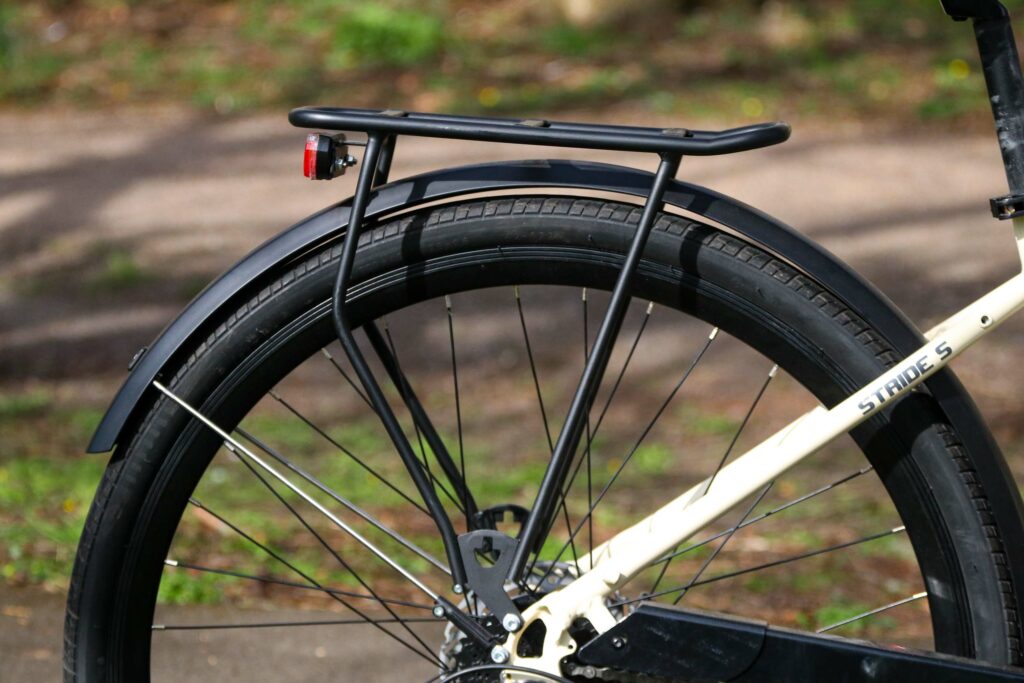
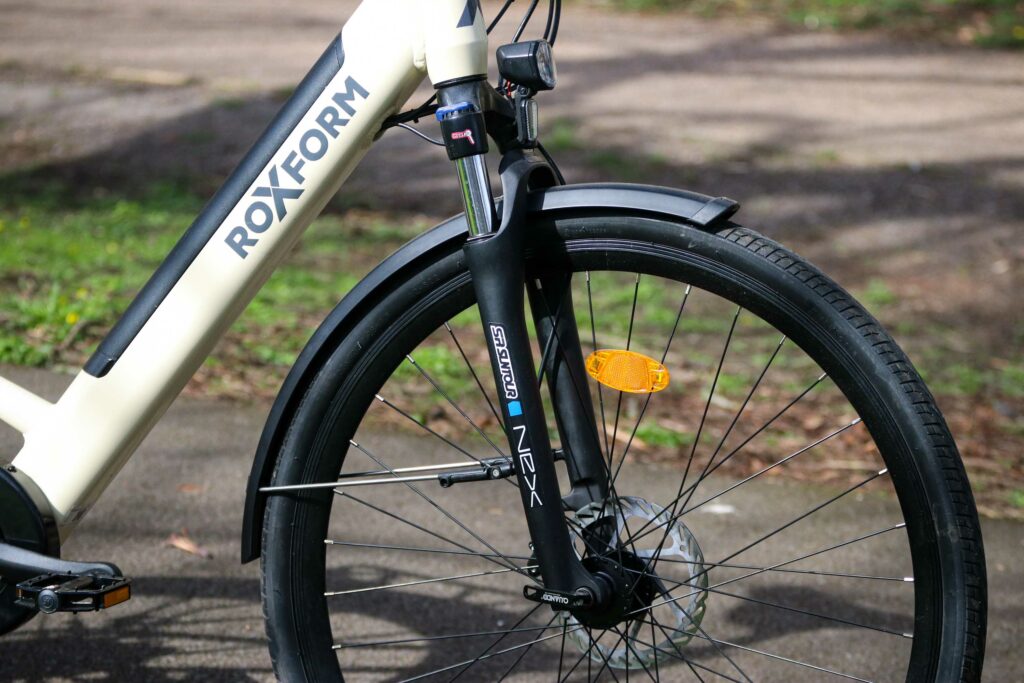
Step off a plane in Switzerland, or many other cycling-friendly European countries, and you’ll see bikes like the Roxform Stride S everywhere. Ridden by the side of lakes, along urban cycling infrastructure, between delightful campsites rippling in the hazy summer sun, they’re quite recognisable with their high seating position, universal step-through frames, mud guards and rear racks, and they’re made by lots of different companies.
Here, on the galaxy’s premier e-bike news and reviews site, you can find versions of this design from the likes of EGO, Pinnacle, Engwe and Tenways. They’re all different, but if one of them had mugged your gran, you might have trouble picking it out of an identity parade.
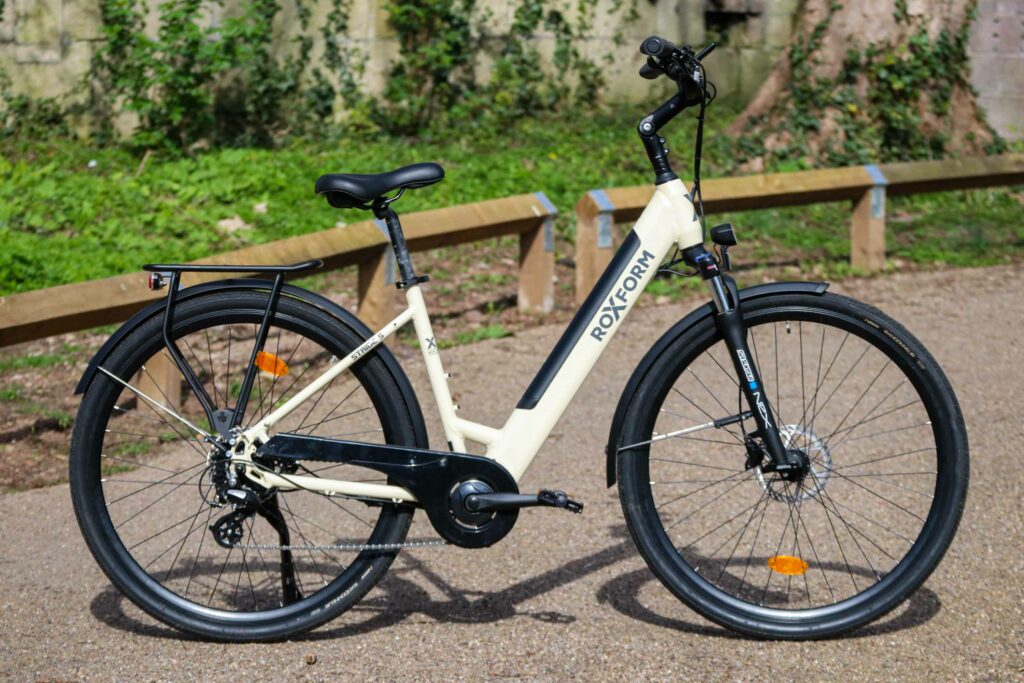
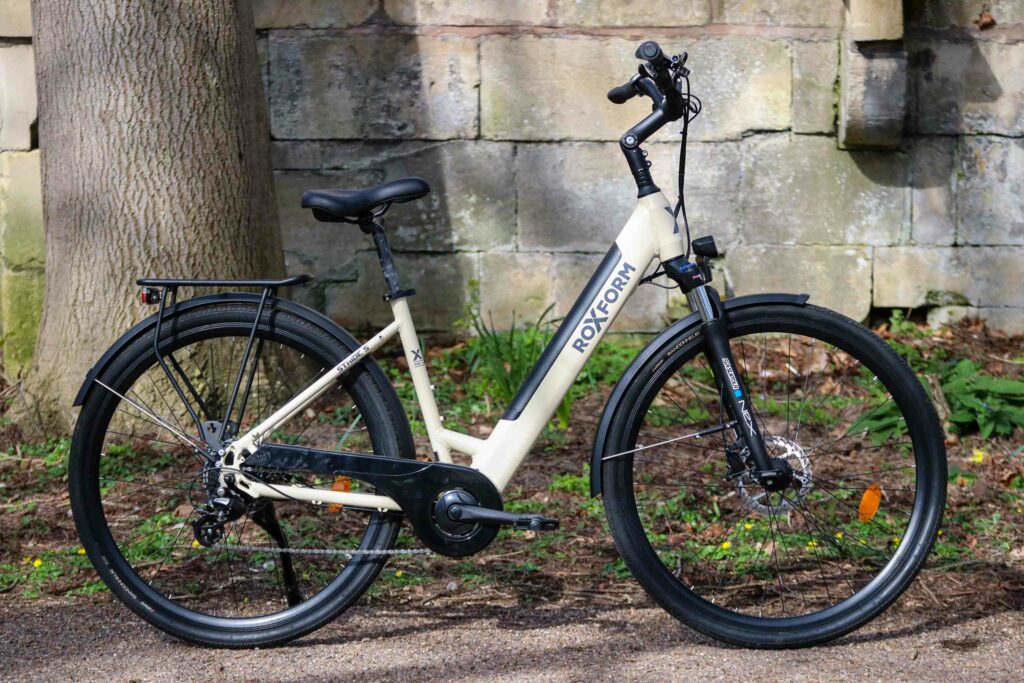
So why are these bikes so popular, and why do so many of them find their way into bike hire shops for active tourists? The answers are to be found in their universality.
Riders don’t need to swing a leg high over the crossbar, making it simple to get on and off no matter what you’re wearing. The frame geometry promotes a more natural and relaxed sitting position that can reduce strain on the back, shoulders and wrists. The ease with which you can put your feet down, shifting forward off the saddle if you need to, makes them ideal for start-stop city traffic, while a lower centre of gravity helps the bike to stay stable when carrying cargo or child seats. And if it’s a bike anyone can ride, it’s ideal for being shared, whether that’s between family members or the 7.5 million tourists who book an overnight stay in Zurich every year.
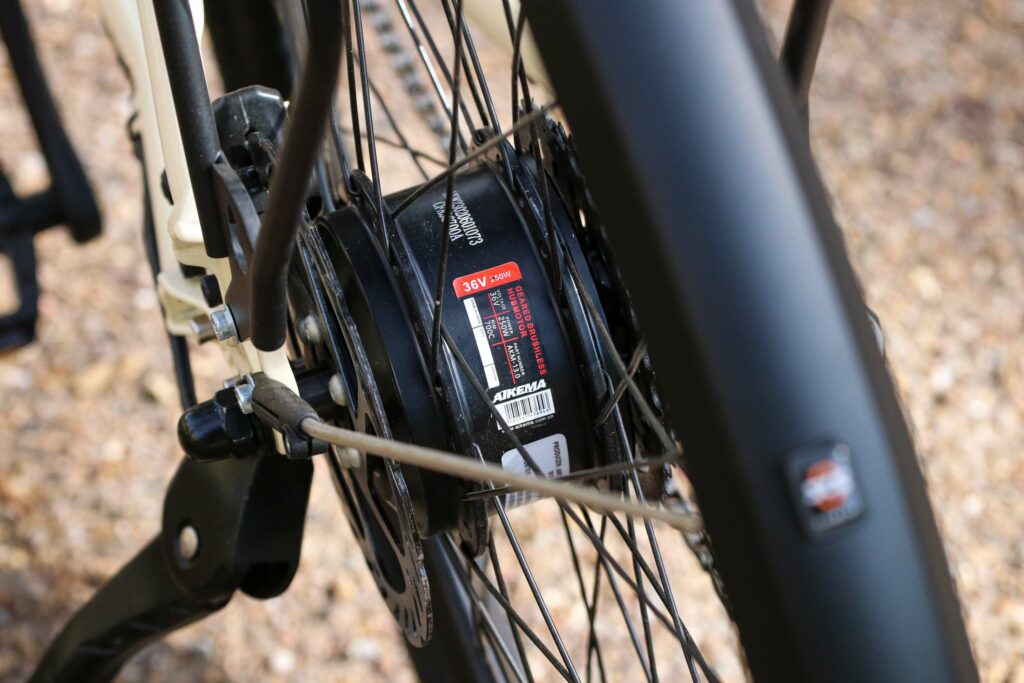
All those different uses for an e-bike are well within the Roxform Stride S’s capabilities. Stick to city streets with mild inclines and you’ll have a grand old time. The 250W rear hub motor and reasonably high 8-speed gearing encourages you to leave it on the highest of its power levels, gliding about with the kind of ease we’ve come to expect for as long as the battery has some juice.
There’s no torque sensor here, so there’s a little delay before the power comes on, but happily it’s not a jerky experience. Roxform claims a 40-mile range for the bike, but it’s more like 25 in practice – still enough for most commutes and trips to the pub.
Open frames like this do flex more than a traditional diamond tube arrangement, so you might notice a slight wobble or soft steering response when cornering hard, carrying heavy loads or riding quickly downhill, but then these are things you’re less likely to do if the Stride S is your chosen ride.
The exception to this may be the last one – though as Sir Isaac Newton knew very well, what goes down must come up – and hills are not the Stride S’s forte.
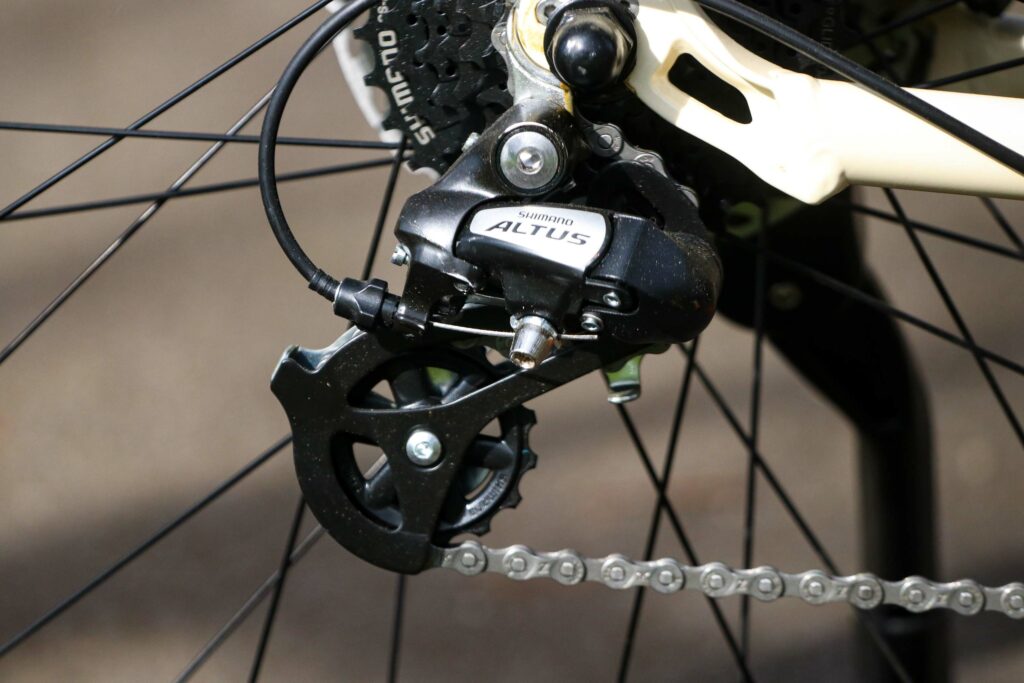
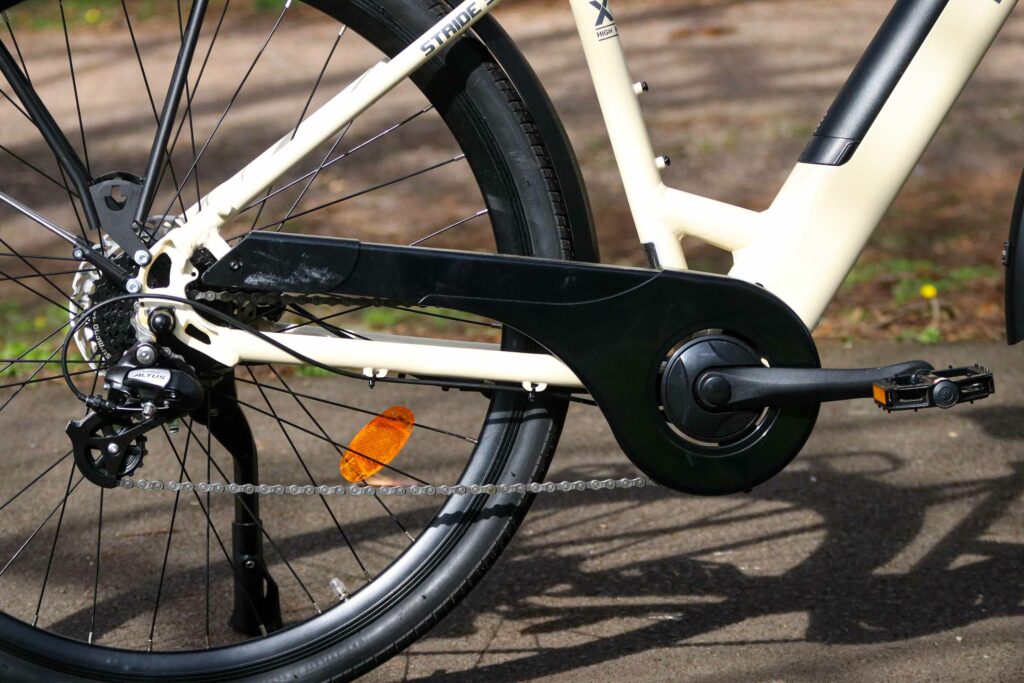
Part of this comes from the upright riding position, which feels extremely natural when you’re on the flat but makes anything other than a gentle rise feel like harder work than it really needs to be, and part of it is from the gearing, which means you may find yourself putting in a bit more effort to climb, even with electrical assistance, than you would were a lower gear available.
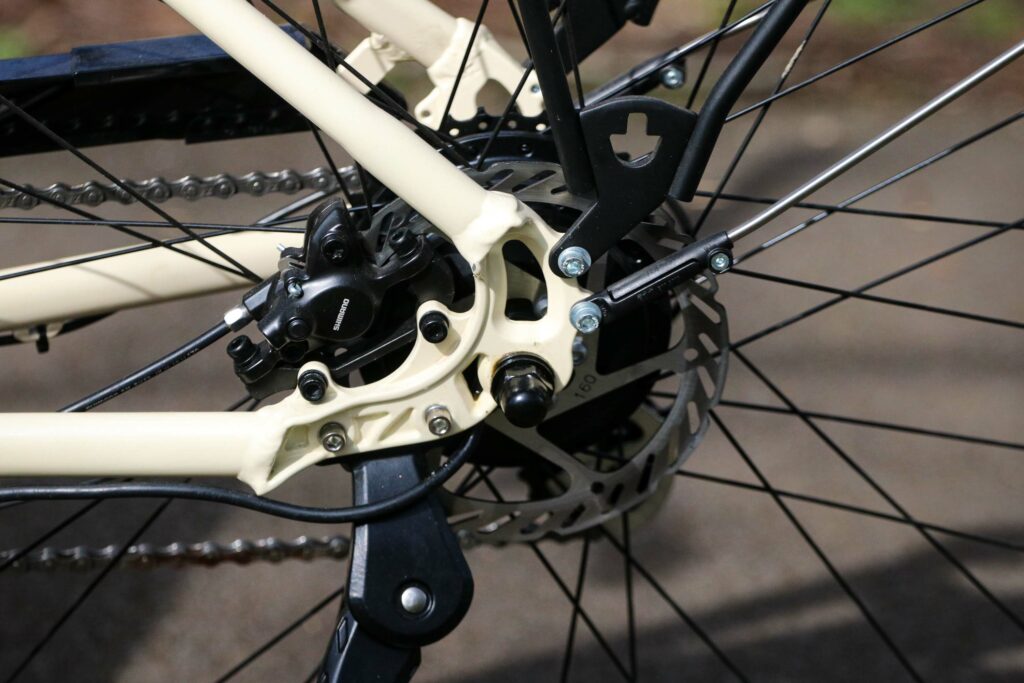
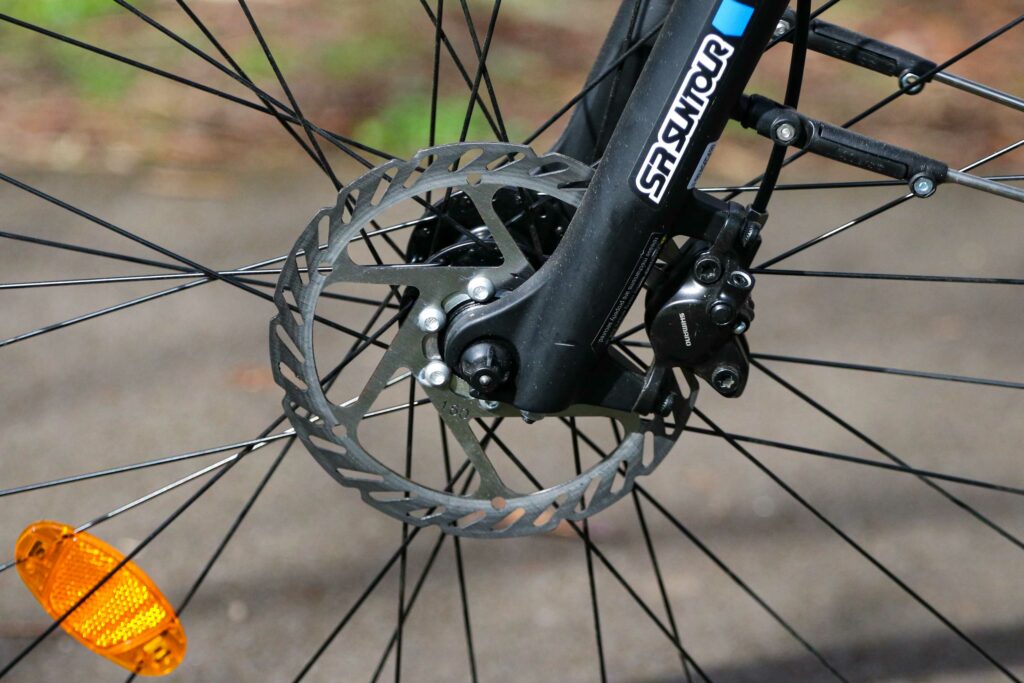
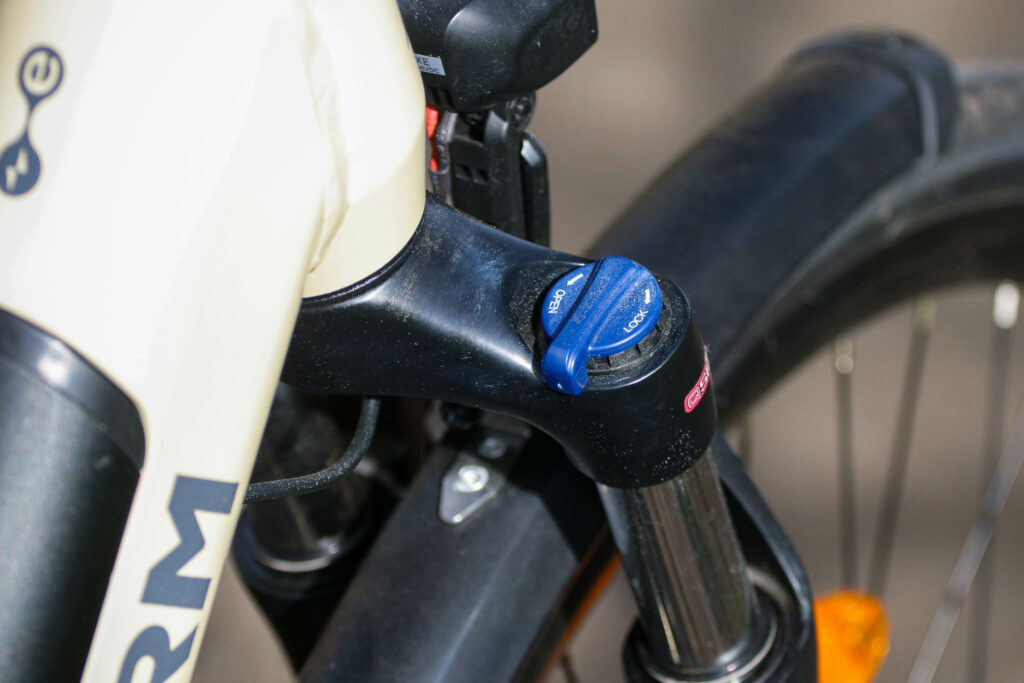
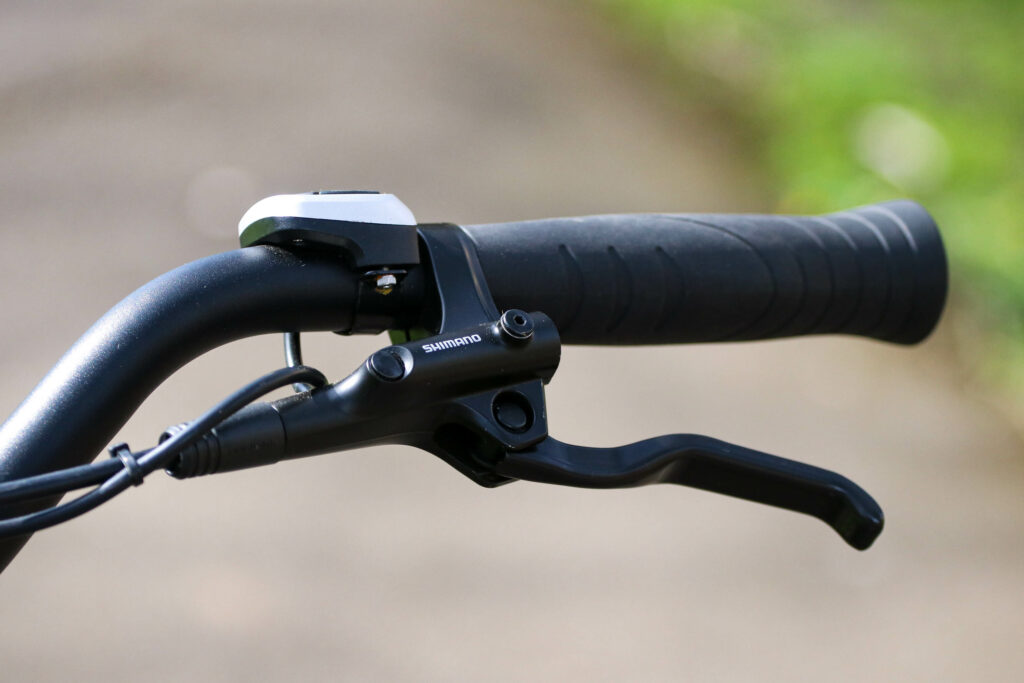
The hydraulic disc brakes do a good job of stopping you at the end of any descent, however, and there’s suspension on the front fork if you’re taking it on the tow path or you live in a town that’s suffering an epidemic of potholes.
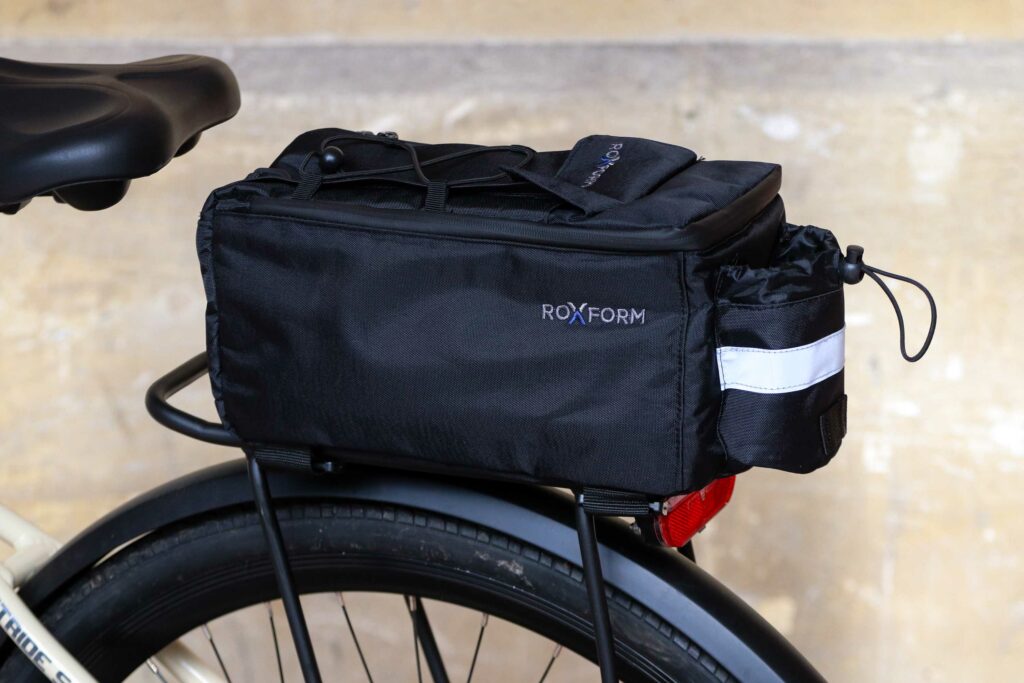
Our review model came with a holdall that fits on top of the rear rack, offering more than enough space for some sandwiches and a nice thermos of tea. It’s a neat optional extra that gives it a bit of carrying capacity and removes the need for a sweaty backpack. Other optional accessories include a rear child seat (the rear rack can take 18kg) and a handlebar-mounted bag you can put a small dog in for possibly the cutest Instagram reels ever. But if you’re thinking of moving more cargo then perhaps this isn’t the bike for you.
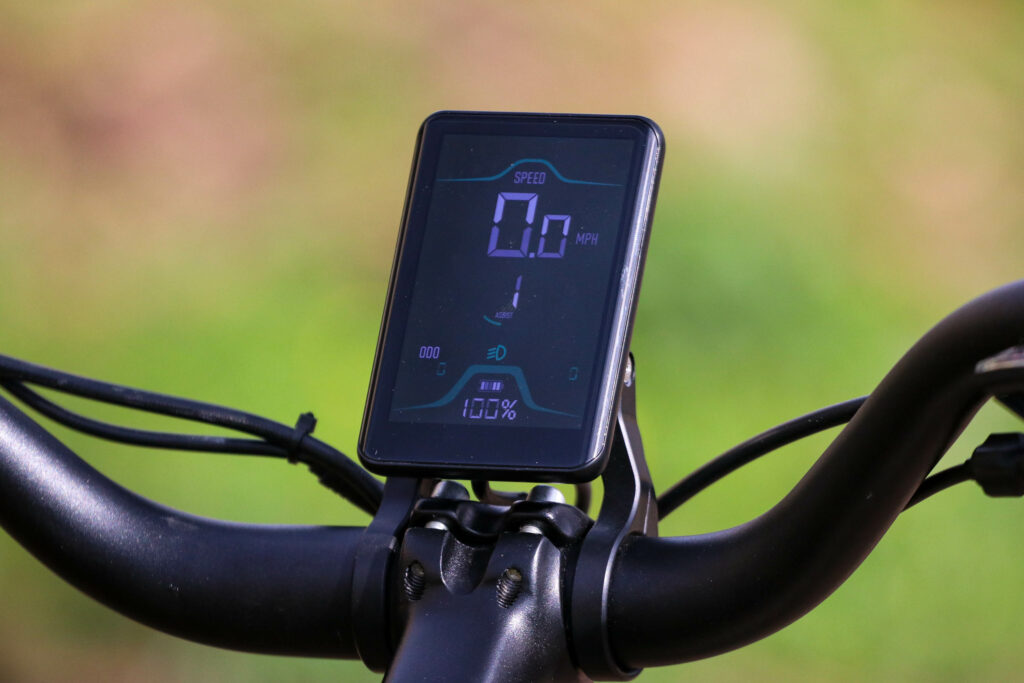
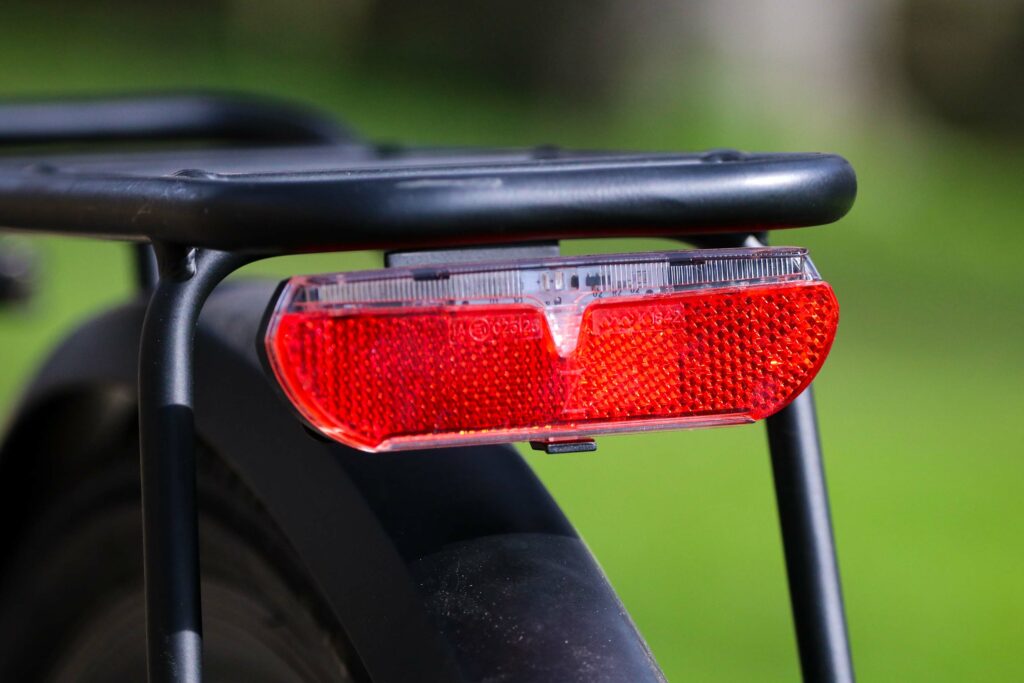
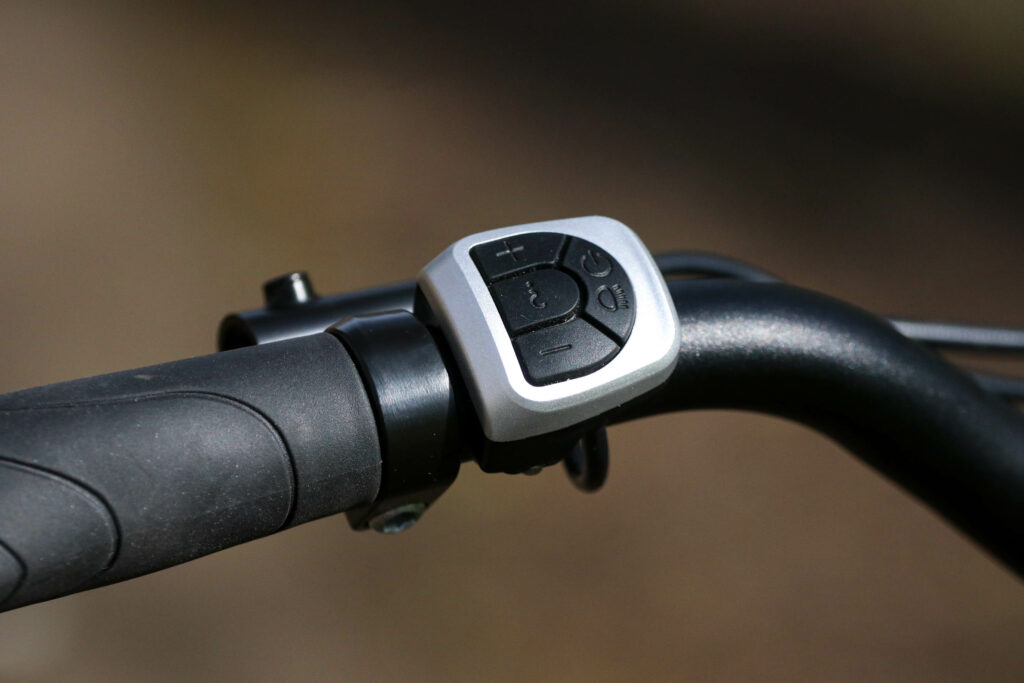
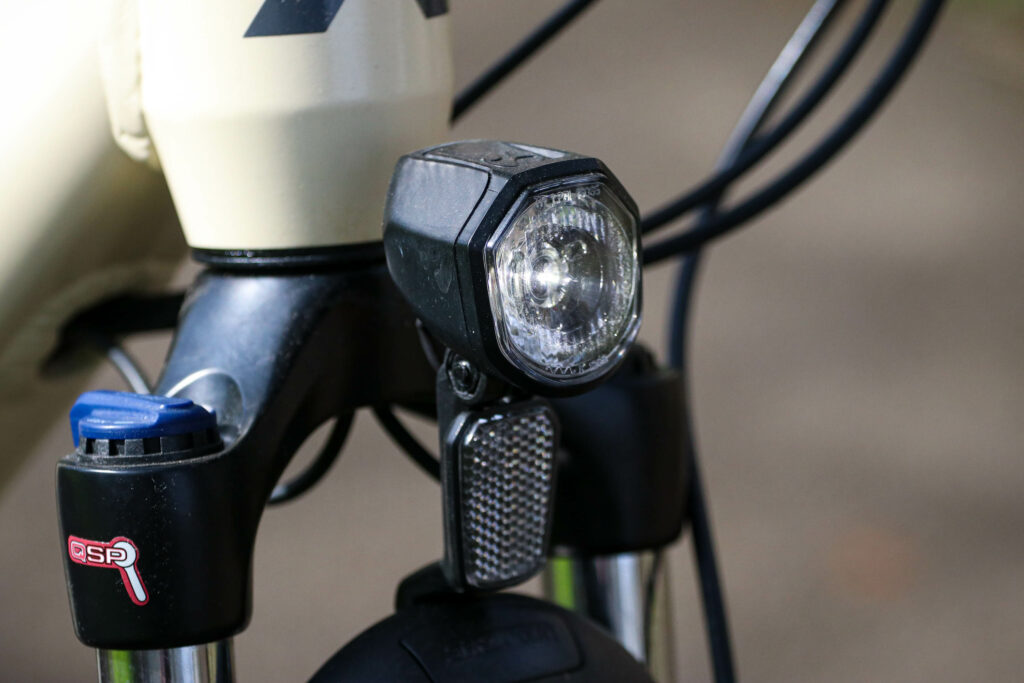
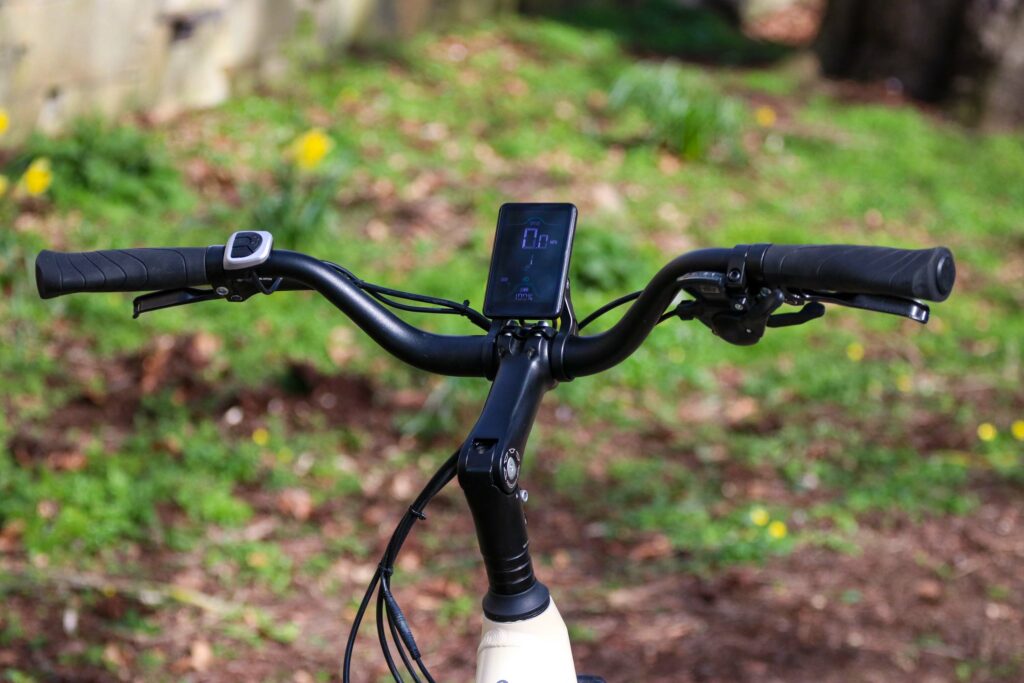
Then there are the lights. There’s nothing wrong with the one on the front, as it’s wired in and controlled from a switch on the control screen. (As with many reasonably priced e-bikes, this doesn’t remember your settings between rides, so you’ll always need to set your power before moving off.) The light at the back is however an abomination and you’ll need to budget for a new one.
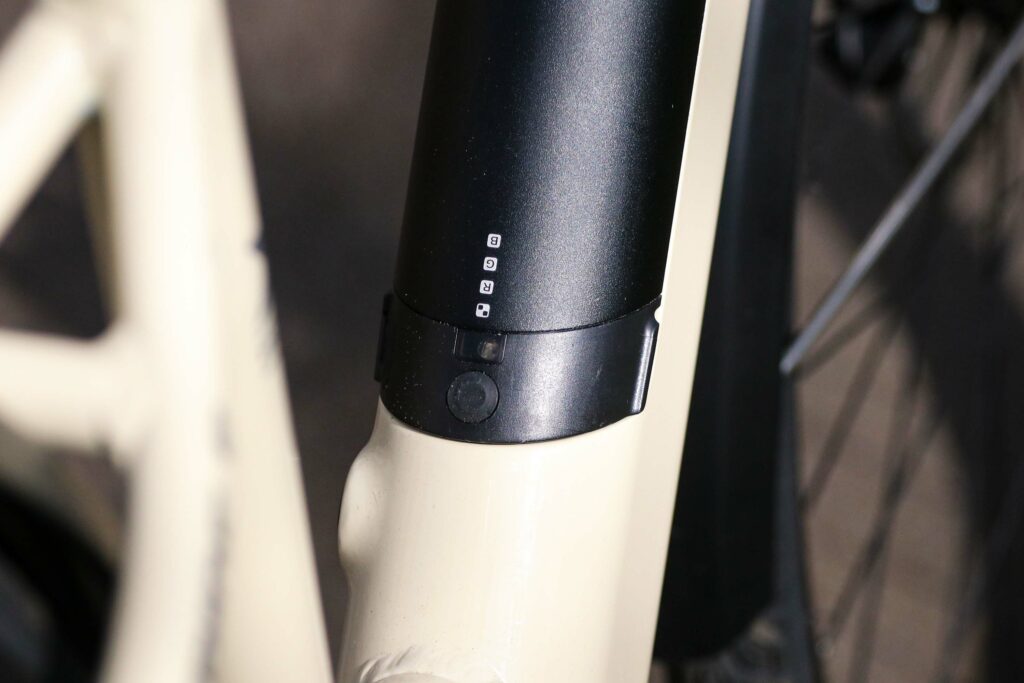
Firstly, its batteries won’t stay in after you’ve snapped the casing closed around them. You also have to fiddle around underneath it to find the on button. This isn’t something you can do from the saddle, and could also be quite tricky if you’re wearing gloves in colder weather.
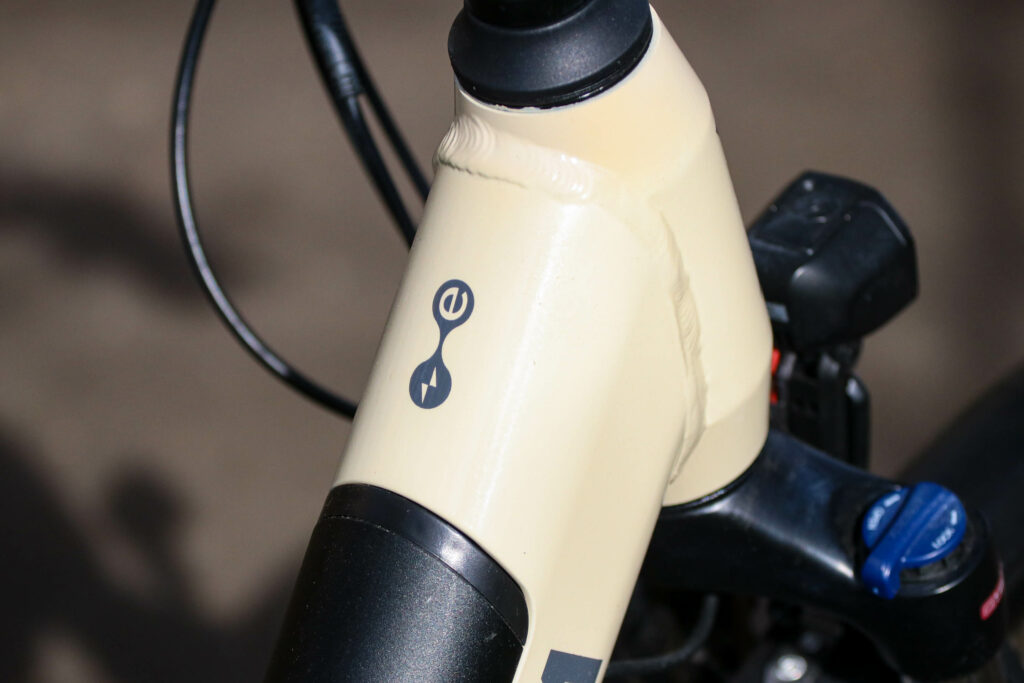
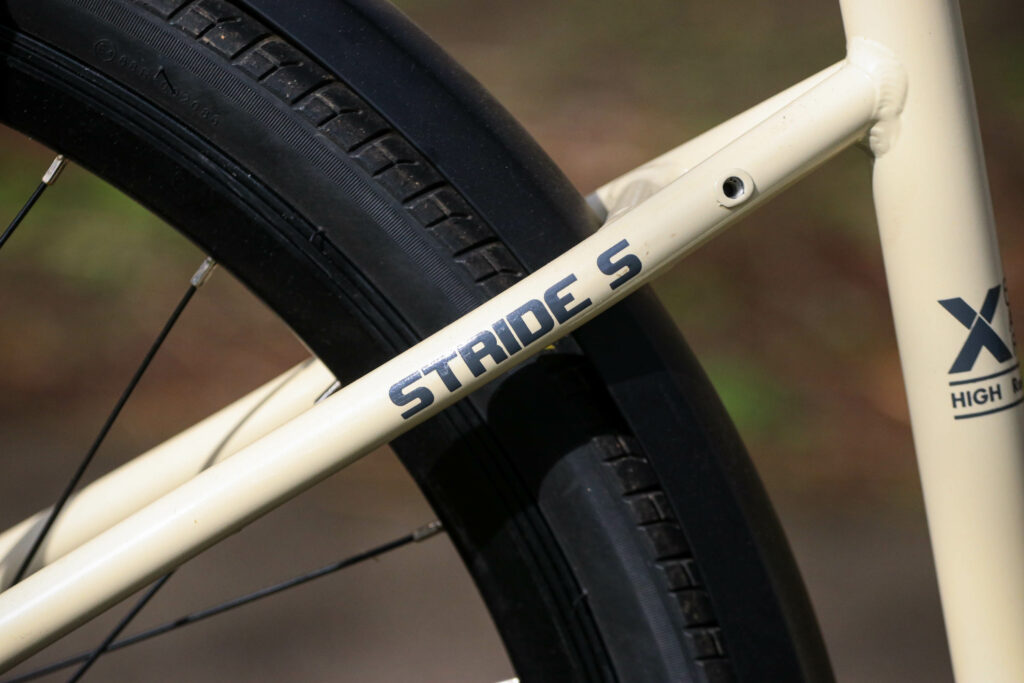
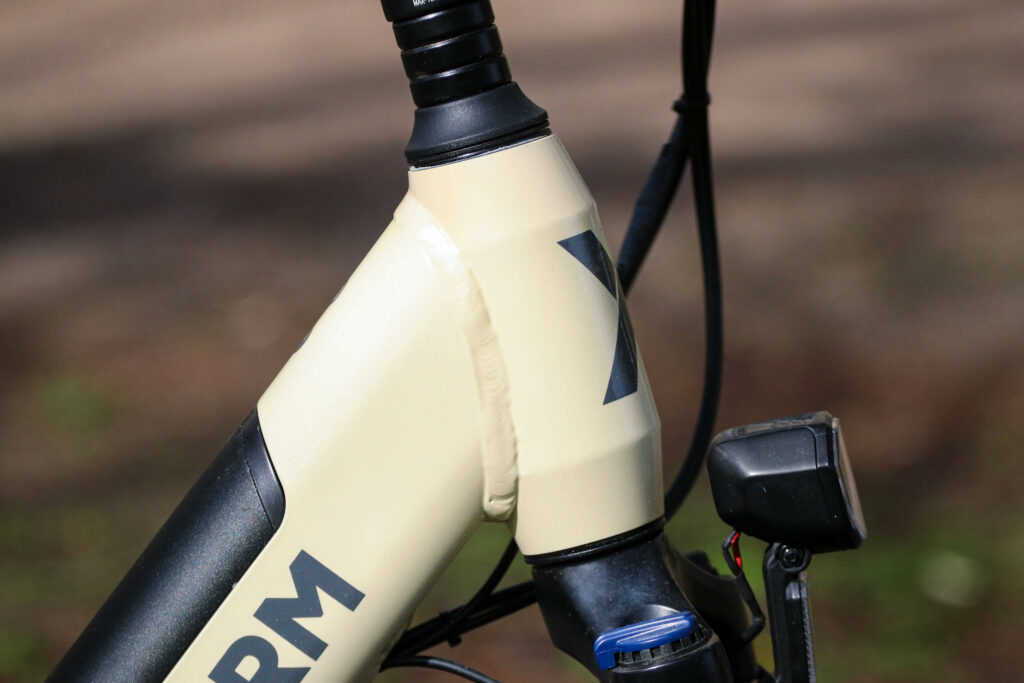
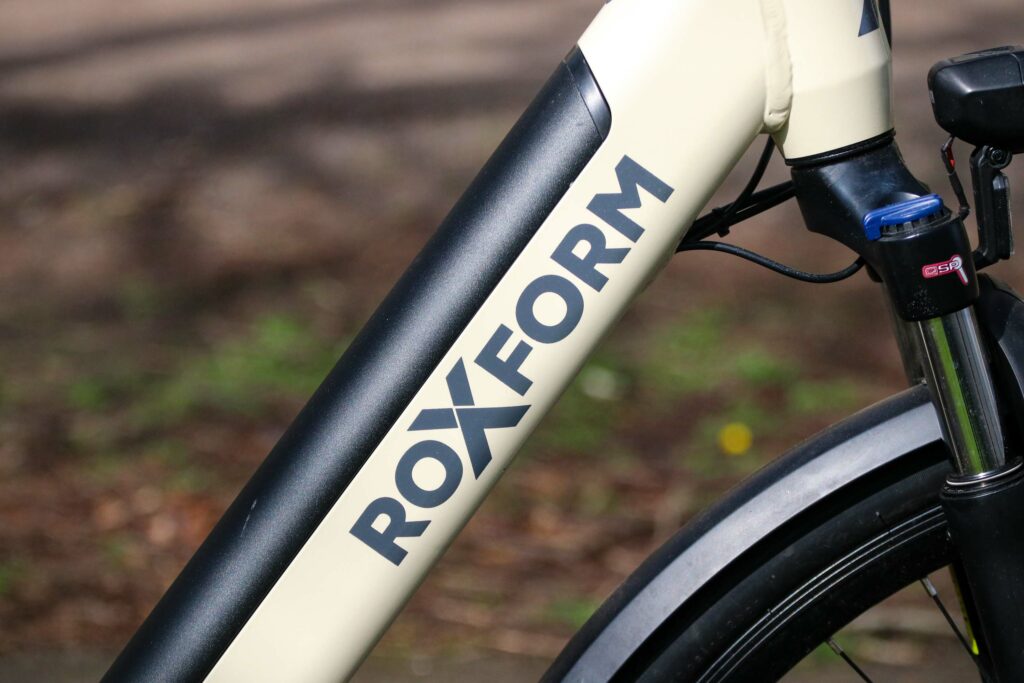
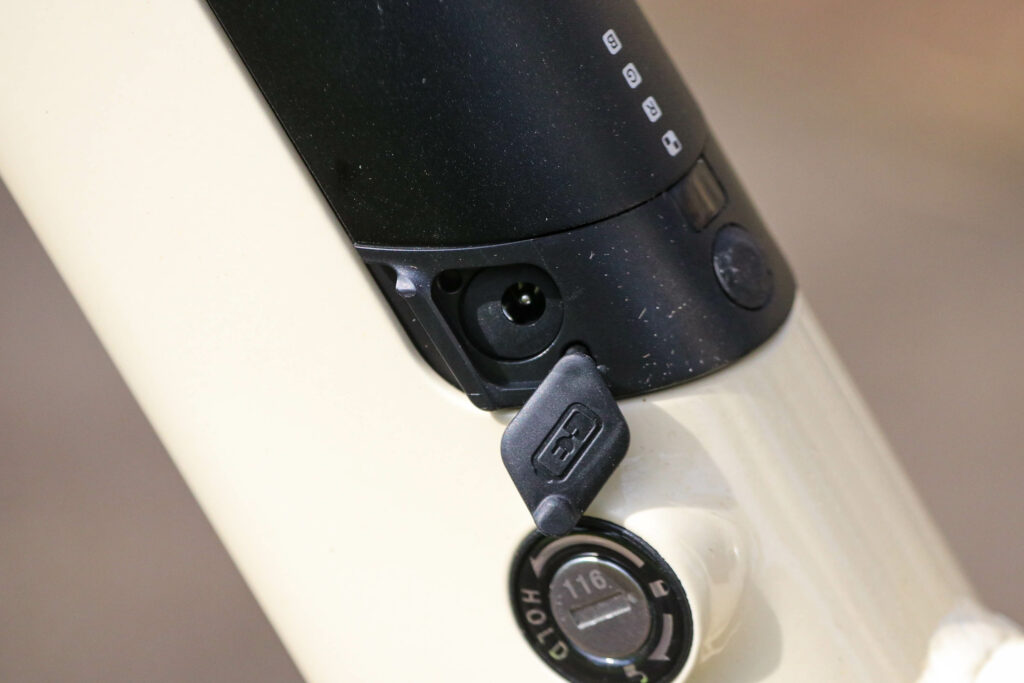
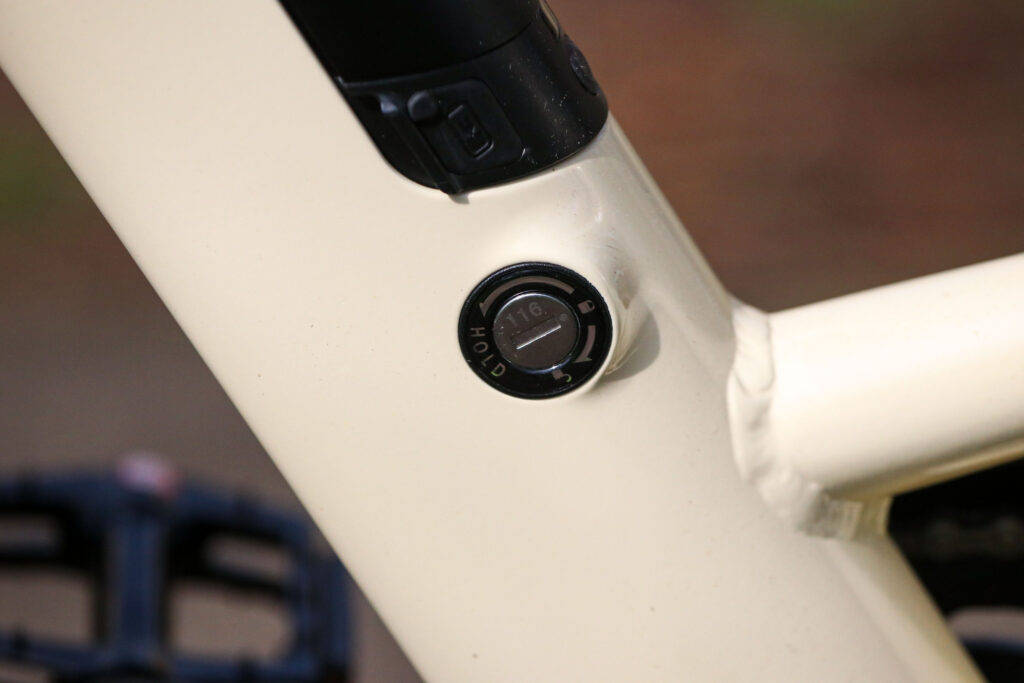
This rear light is, luckily, the exception to the Stride S’s generally high standard of build quality. The removable battery is smoothly integrated into the frame and the paint is well applied, with several colours more interesting than grey available.
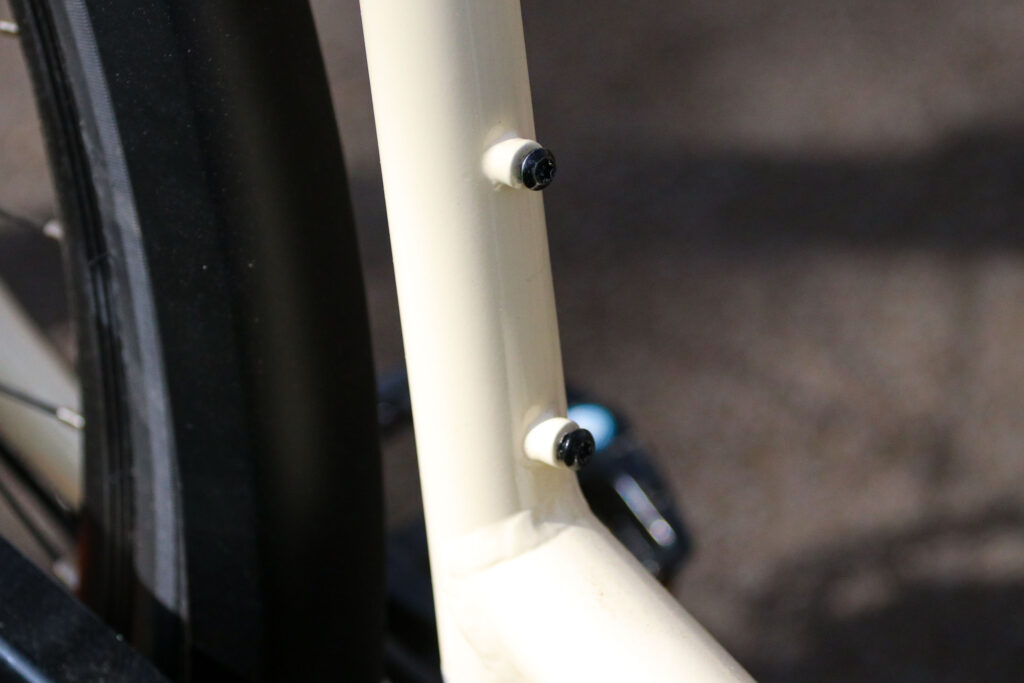
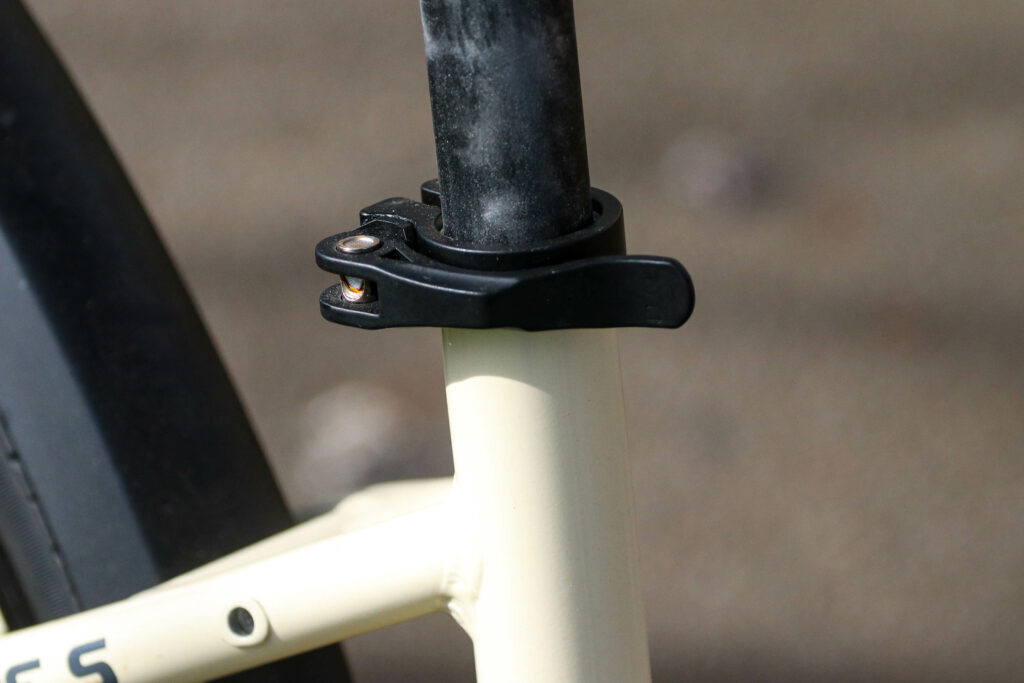
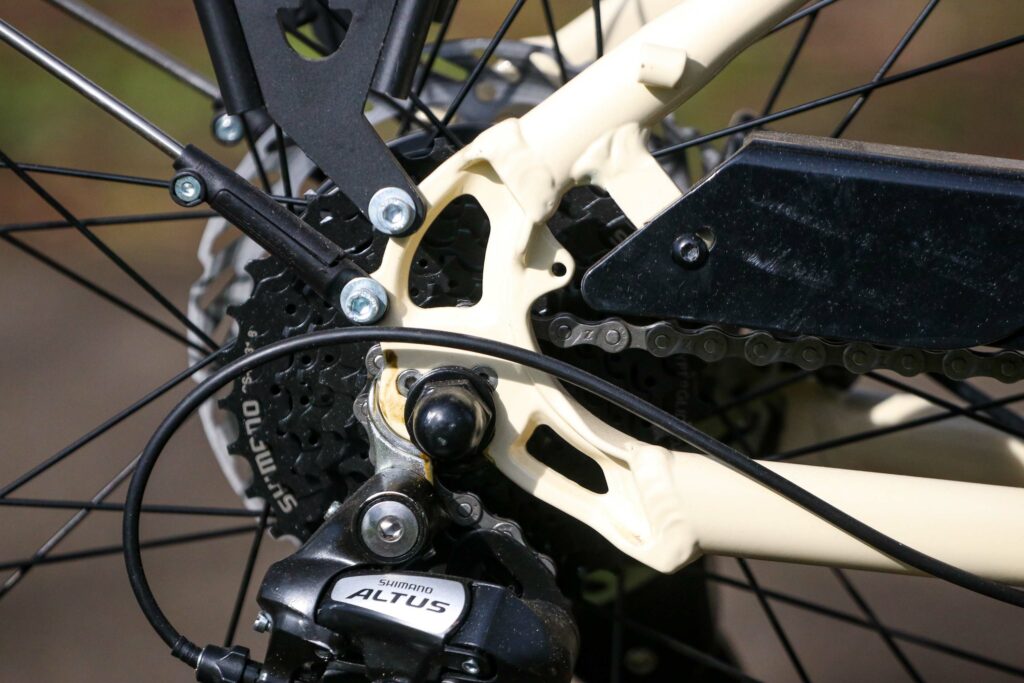
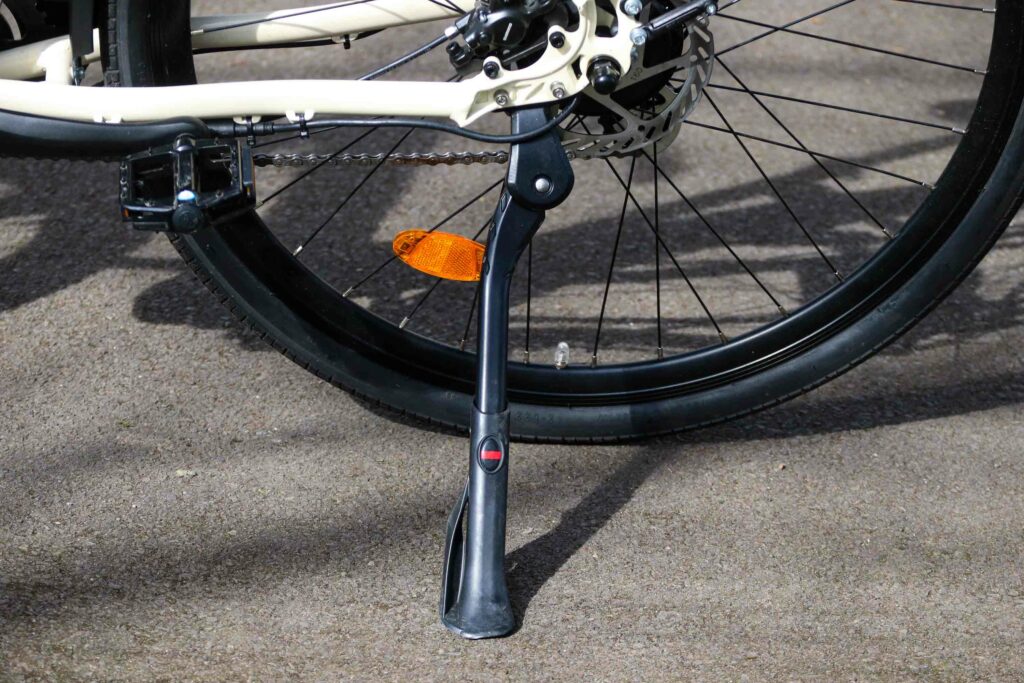
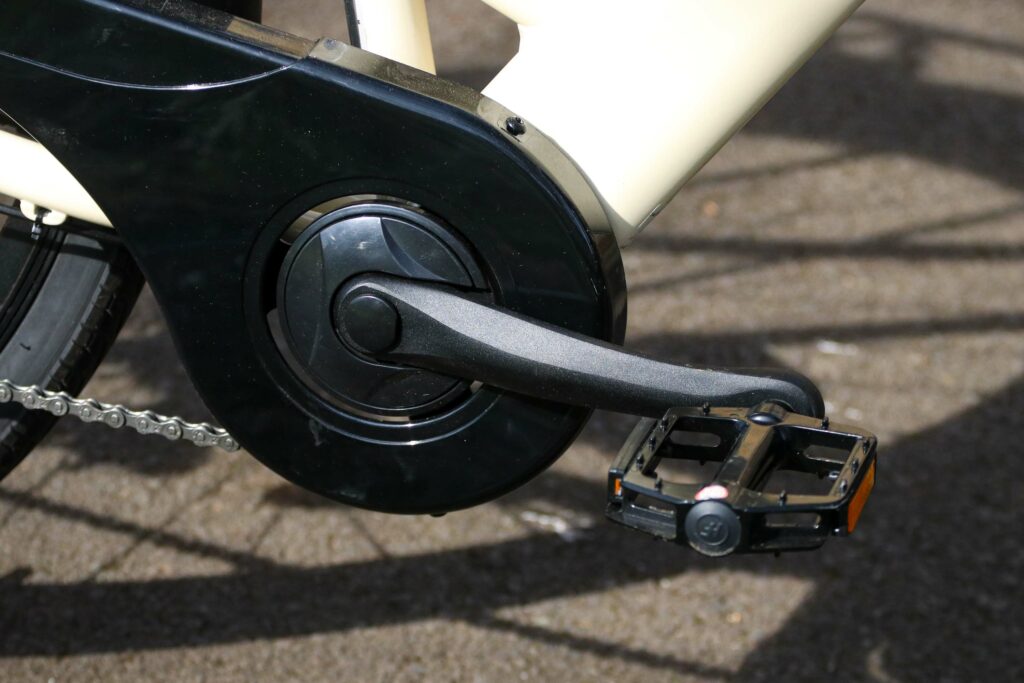
The small cross-brace at the bottom of the seat tube probably has a structural use, but also functions as somewhere to loop a bike lock – a nice design touch. The plastic chain protector is large enough that even the flappiest trousers shouldn’t get grease on them. And while the kickstand is slightly too close to the back of the bike for rock-solid stability, it’s also not going to send the bike toppling over when you pull up next to the vicar at the village fête.
> Best electric bikes under £1,000 2025 – budget recommendations based on our testing
Your choice of a bike in this category is likely going to come down to price, and at just £1,250 (or £999 at the time of writing thanks to a discount) the Stride S is competitive.
Tenways’ CGO800S offers e-biking at its simplest – torque sensing power, delivered through a single gear belt drive. It’s priced at £1,699, but currently discounted to £1,399.
The Engwe P275 SE brings a 7-speed drivetrain for £1,499, but again discounts seem frequent. It was actually being sold for an almost comical £799 at the time of writing.
Similarly, the Pinnacle Energy is nominally £1,999, but has been available for £999 ever since we reviewed it in February. Bikes at these sorts of prices always bring compromises, but Richard felt they were relatively few in this instance.
There’s an S Plus of the Roxform Stride that changes the rear hub to a Bafang of the same power, adds a larger capacity battery (for more range) and a colour screen, and costs £200 more. There’s also a Stride L with a mid-mounted motor for £200 more than that – but this entry level model might well be the one to get as it undercuts some other rear-hubbers on RRP and weight.
Test Report
What does the manufacturer say about this product?:
Designed for your daily rhythm. Hop on with ease, ride in comfort, and glide through your day. With its unisex step-through frame and responsive electric assist, the Stride S makes commuting, shopping, or weekend cruising feel effortless. Quiet, capable, and ready when you are.
Tell us some more about the technical aspects of this product:
Motor: AIKEMA hub motor (36V, 250W, 45Nm)
Range: Up to 40 miles per charge (varies by rider weight, terrain, temperature and assist level)
Top speed: 15.5 mph assisted limit — UK road legal
Gearing: 8-speed Shimano Altus
Fork: Suntour NEX suspension fork
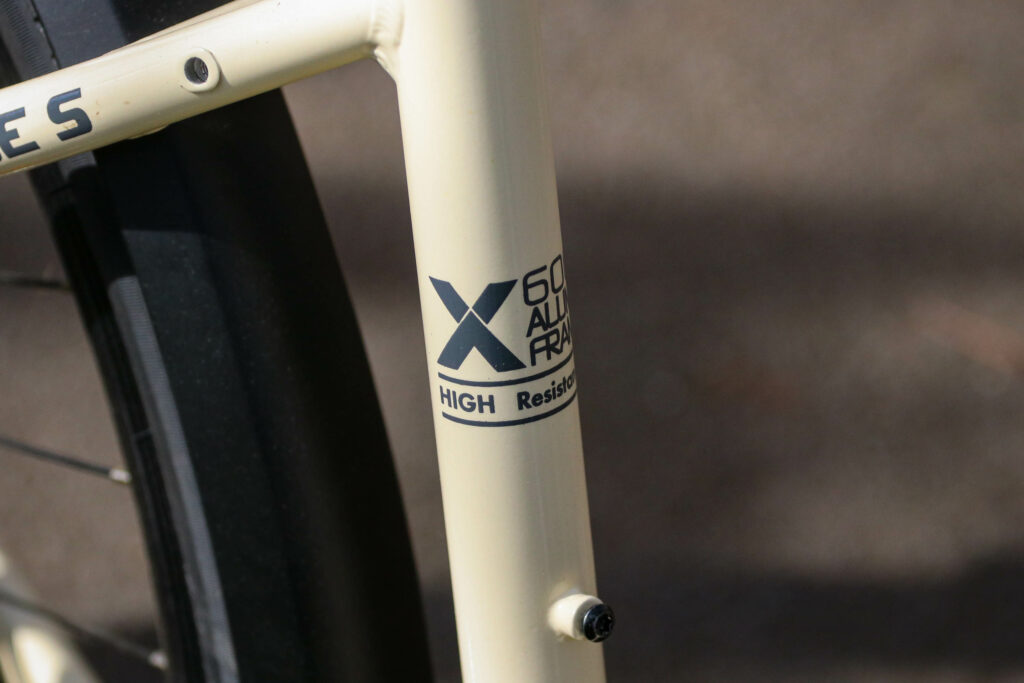
Frame: Lightweight 700C alloy frame
Brakes: Shimano HD disc brakes
Display: LCD display for speed, assist level and battery status
How does the price compare to that of similar products in the market, including ones recently tested?:
Less than some, but the price bracket is a competitive one.
List the components used to build up the bike:
Motor: AIKEMA hub motor (36V, 250W, 45Nm)
Gears: 8-speed Shimano Altus
Fork: Suntour NEX suspension fork
Frame: alloy
Brakes: Shimano HD disc brakes
Display: LCD
Tell us what the bike is for and who it’s aimed at. What do the manufacturers say about it?:
A simple, reliable commuter with smooth electric assist, comfortable suspension, and Shimano gearing – built for work, errands and weekend rides.
Where does this model sit in the range? Tell us briefly about the cheaper options and the more expensive options:
The entry level option, sitting at the bottom of a hierarchy of three.
Tell us about the build quality and finish of the frame and fork:
Well built and painted, very little flex when used around town.
Tell us about the materials used in the frame and fork:
Lightweight alloy
Tell us about the geometry of the frame and fork:
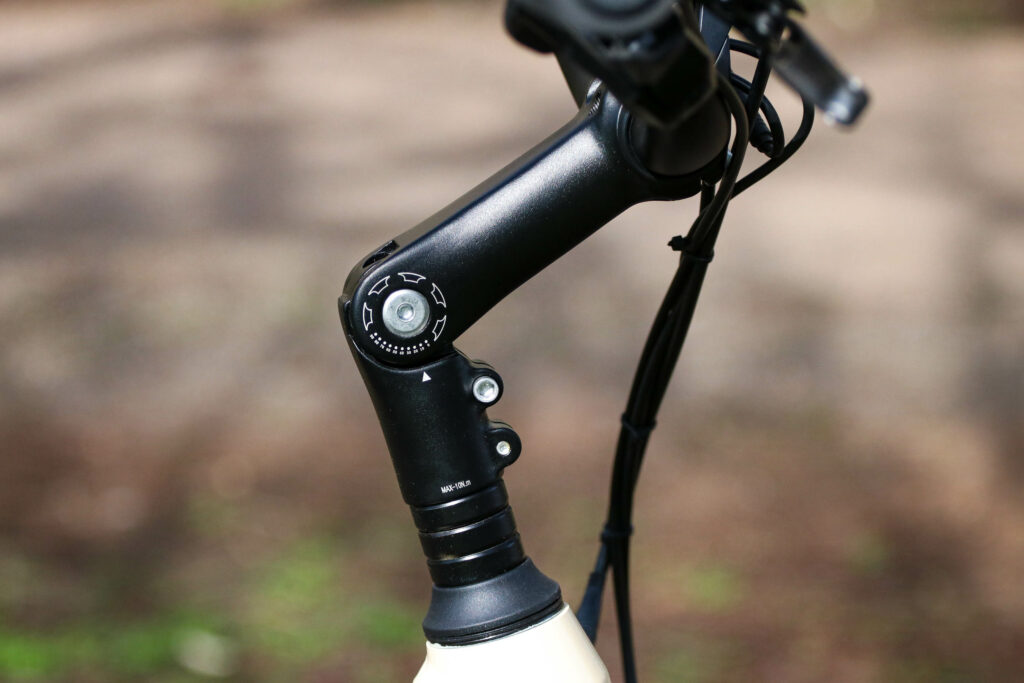
The standover frame and high bars lead to an upright riding position. The bars can be adjusted from 115cm to 122cm
How was the bike in terms of height and reach? How did it compare to other bikes of the same stated size?:
With a recommended rider height of 5’5″ to 6’2″ it should fit most adults.
Was the bike comfortable to ride? Tell us how you felt about the ride quality:
A smooth ride, helped by front suspension and 700c wheels.
Did the bike feel stiff in the right places? Did any part of the bike feel too stiff or too flexible?:
Stiffness is about right for its intended use.
Was there any toe overlap with the front wheel? If so, was it a problem?:
No
How would you describe the steering? Was it lively, neutral or unresponsive?:
Neutral
Tell us some more about the ride experience. How did the bike feel overall? Did it do particular things well or badly?:
Using a common form factor seen in commuter and tourist bikes, it’s easy to ride and does well on smooth surfaces.
Which components had the most effect (good or bad) on the bike’s performance? Would you recommend any changes?:
The gearing is a bit high for going uphill, and the front suspension feels unnecessary for a bike that’s going to be mostly ridden on tarmac.
What kind of motor is it? :
AIKEMA hub motor
What are the stated motor system specs? (Torque/power/maximum assistance speed):
36V, 250W, 45Nm, 15.5mph
Tell us some more about the motor. How did it feel overall? Did it do particular things well or badly?:
It could have a bit more torque for hills, but it does the job.
How did the motor perform at low speed? (e.g. on steeper climbs or setting off with heavy loads):
Not great for climbing, but kicks in smoothly when you turn the pedals
How did the motor perform at higher speed? Was it noisy? Did assistance cut out smoothly/abruptly at the 25km/h assistance limit?:
Noticable cut-out, but very little noise
What type of battery is it? Is the manufacturer named?:
36V 12.8Ah 460.8Wh
no named manufacturer
Where is the battery on the bike? Is it removable?:
Intube, removable
What are the stated battery specs? (Capacity/voltage):
36V 12.8Ah 460.8Wh
Tell us about charging the battery. What’s the charger like? How long does it take?:
Charging takes about five hours from empty
Tell us about the assistance levels. How many are there? Are they all useful?:
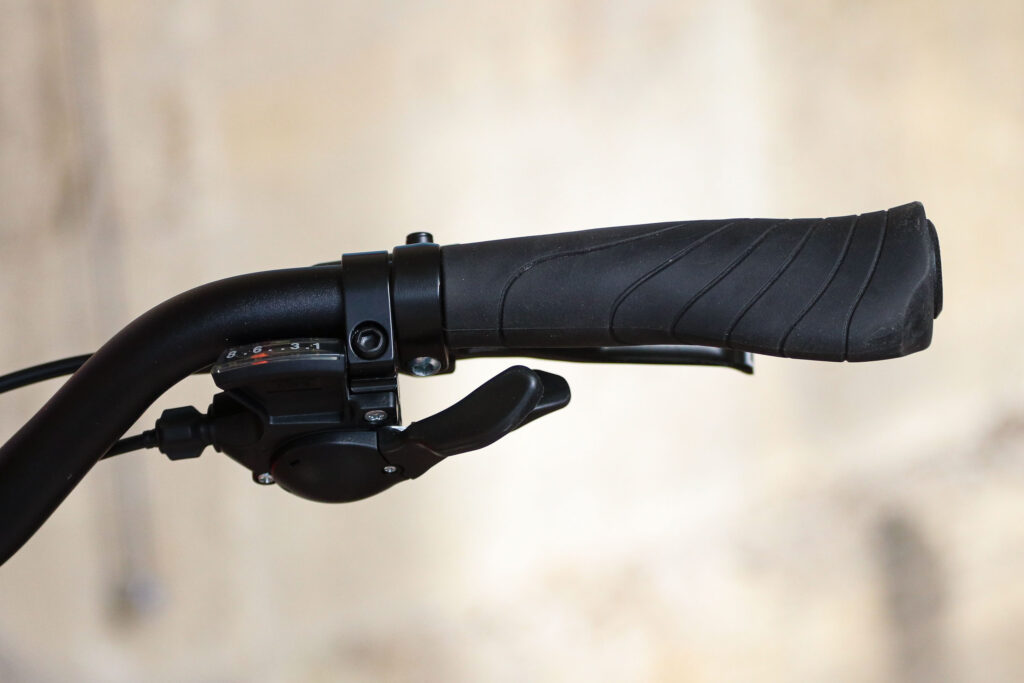
Five. The lower levels aren’t useful for much apart from saving battery power.
What do the manufacturers say about the range of the bike?:
40 miles
What was your experience of the operational range of the bike?:
More like 25
Tell us some more about the drivetrain. Anything you particularly did or didn’t like? Any components which didn’t work well together?:
As a rear-hub motor with no torque sensor there can be a delay before it kicks in
Tell us some more about the wheels. Did they work well in the conditions you encountered?:
Just right for tarmac and hard paths. Bike not really suitable for anything else.
Tell us some more about the tyres. Did they work well in the conditions you encountered? Would you change the tyres? If so what for?:
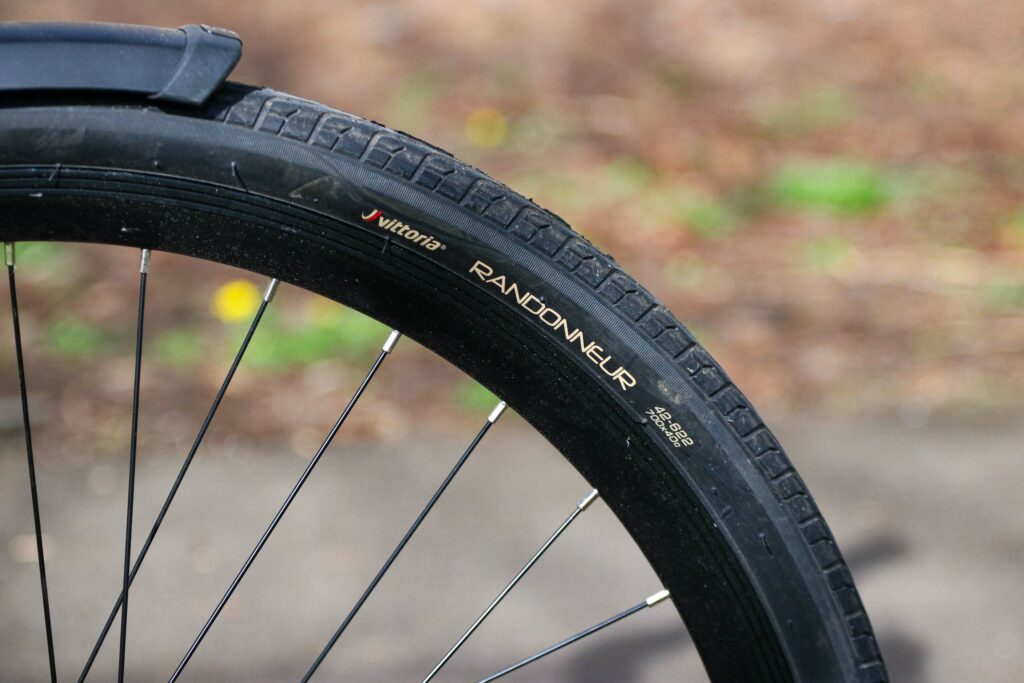
Enough tread for wet conditions
Any comments on brake performance?:
Nice to see hydraulic discs on a value bike
Does the bike have a maximum luggage weight, or a maximum gross weight?:
125kg max weight
Anything else you want to say about the capacity of the bike?:
Rack as standard, bags available as accessories
Did you enjoy using the product? Yes
Would you consider buying the product? No
Would you recommend the product to a friend? Perhaps
Use this box to explain your overall score
The Stride S is a good city commuting and leisure bike, but there are a lot of bikes like it and you’ll want to shop around to get the best price.
About the tester
Age: Height: cmWeight: kg
I usually ride: My best bike is:
I’ve been riding for: I ride: I would class myself as:
I regularly do the following types of riding: