


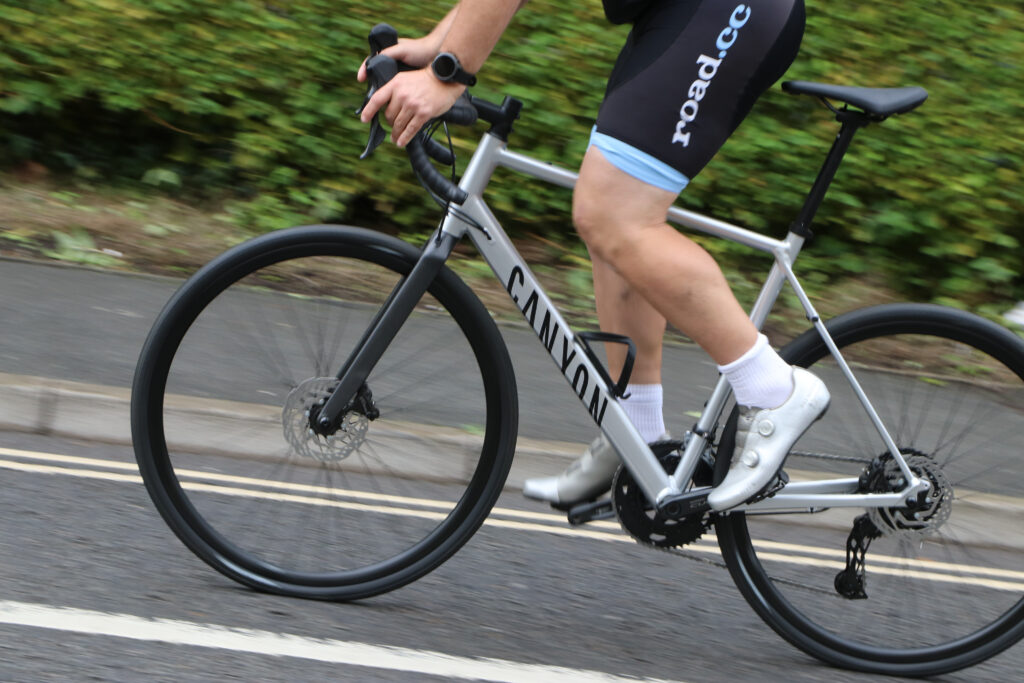

The founder and CEO of Canyon has begun 2026 with a rallying cry to the business, insisting that the bike brand is not in crisis and predicting that it could hit sales of €1billion by 2028.
Roman Arnold’s optimism came in an interview with the Financial Times, the company’s founder having returned as chief executive last year amid falling sales and Canyon’s parent company slashing the bike brand’s valuation by 43 per cent.
In November, we reported that Canyon’s sales had fallen by £34m, the company blaming its post-pandemic struggles on the “ongoing challenging market” within the bike industry. Those accounts came with confirmation from Canyon’s parent company, investment firm Groupe Bruxelles Lambert (GBL), that “implementation of efficiency measures” were needed to get back on track.
Now, speaking with the FT, founder and returning CEO Arnold has insisted that the bike brand is not in crisis, just that things became “a bit bureaucratic” internally and he wants to get the business back on track.
The 62-year-old went on to predict that Canyon could reach sales of €1billion by 2028, although “profitable growth” is the main priority. Notably sales remain almost twice the level of before the pandemic, even if the explosion in demand during lockdown meant things have not looked so positive comparatively since.
For GBL, who bought a majority stake in Canyon at the height of the pandemic for €800m and have since reduced the value of that stake significantly, there will be a need to see fortunes improve and sales rise again, something Arnold is bullish of. Interestingly, the CEO suggested his focus is on the medium-term and “spans several years”, although he accepted with GBL the business’s main shareholder quarterly performance in the short-term can’t be completely ignored.

“The direct-to-consumer model gives us a price advantage, and it matters a lot that Canyon is seen in that light,” he said, the FT noting some of Canyon’s non-core ventures, such as streetwear clothing and its urban cycling range have been scaled back.
Arnold also hopes pursuing growth in the Chinese market will also push sales and profitable growth.
“My money is in the company and I am glad about this. The best is still ahead of us,” he concluded.

In June, GBL said the value of the shares it bought in Canyon were now worth 43 per cent less than in 2023 and 35 per cent less than when they invested in 2020. The year ended with the brand confirming that its sales had fallen by £34m and “efficiency measures” were underway.
Parent company GBL puts this down to the “ongoing challenging market environment” of the bike industry and references “oversupply” issues and “aggressive discounting”, firmly suggesting Canyon’s predicament is like many companies across the industry who have been struggling with inventory woes since the pandemic, sparking a cycle of sales and discounted bikes to simply shift old stock from warehouses.
When asked by road.cc what is meant by “efficiency measures”, a Canyon spokesperson said it is a return to “serving our customers with excellent quality, best-in-class products with a reputation for innovation, performance, reliability and outstanding price-performance, made possible through efficient, effective processes and our direct-to-consumer business model”.




2 thoughts on “Canyon not in crisis and can hit €1bn sales by 2030, insists bike brand’s founder — months on from parent company reducing value by 43% and confirming “efficiency measures””
The industry is in crisis
The industry is in crisis because bicycles, parts and accessories are way over-priced. Apart from a small fraction, riders don’t change or upgrade their steeds every year, pr even every over year. Famous brands spend loads of money in R&D, sponsorship and marketing, but can’t generate profits. This means the business model needs to be reviewed and adjusted to the actual market conditions.
All the sell in the US is
All the sell in the US is bikes with old groups, no service and support, and forget about small or replacement parts. Never again will I buy a Canyon and I live by the US Hq.