


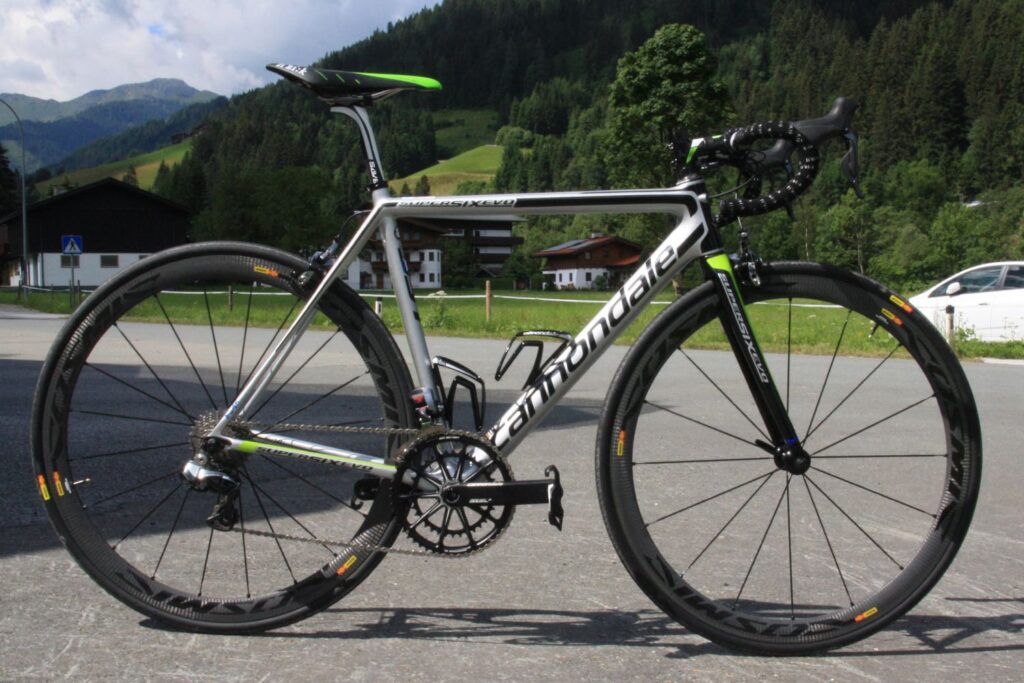


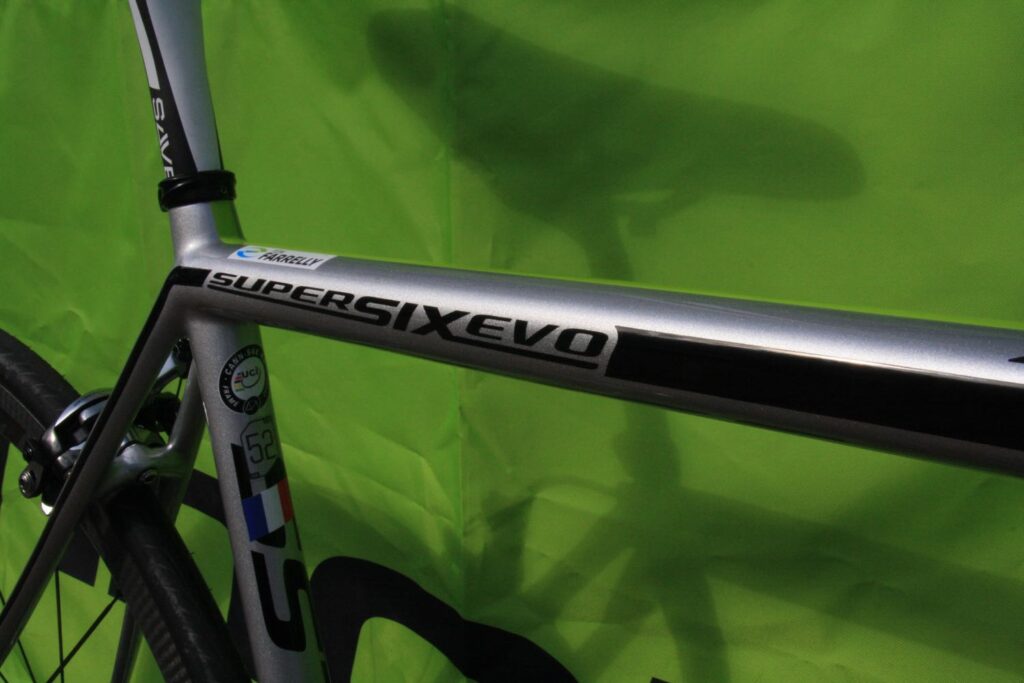
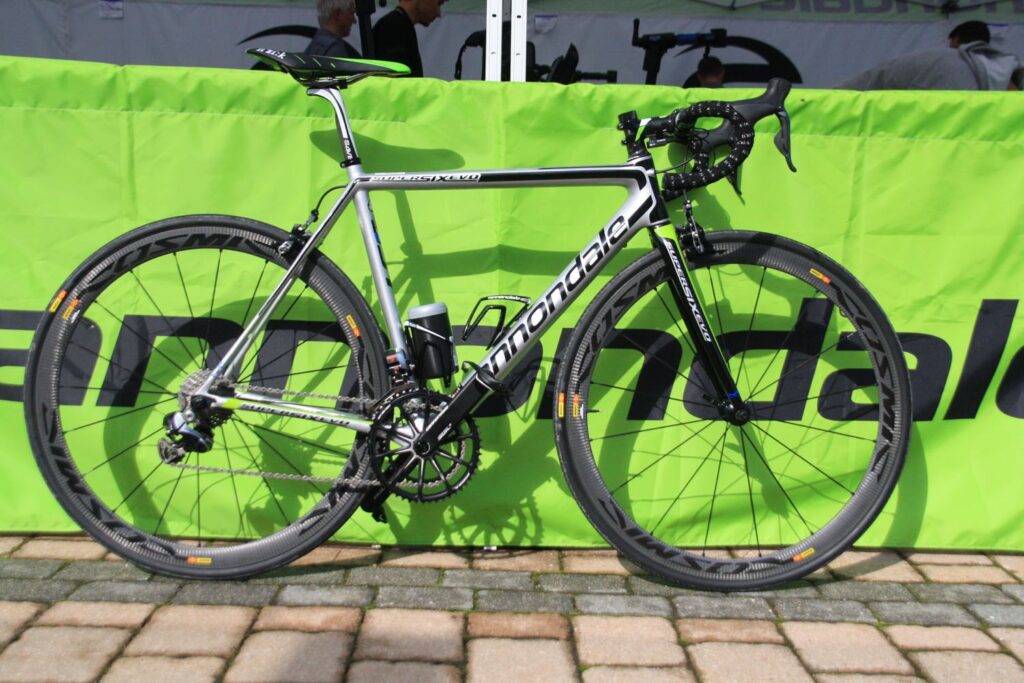
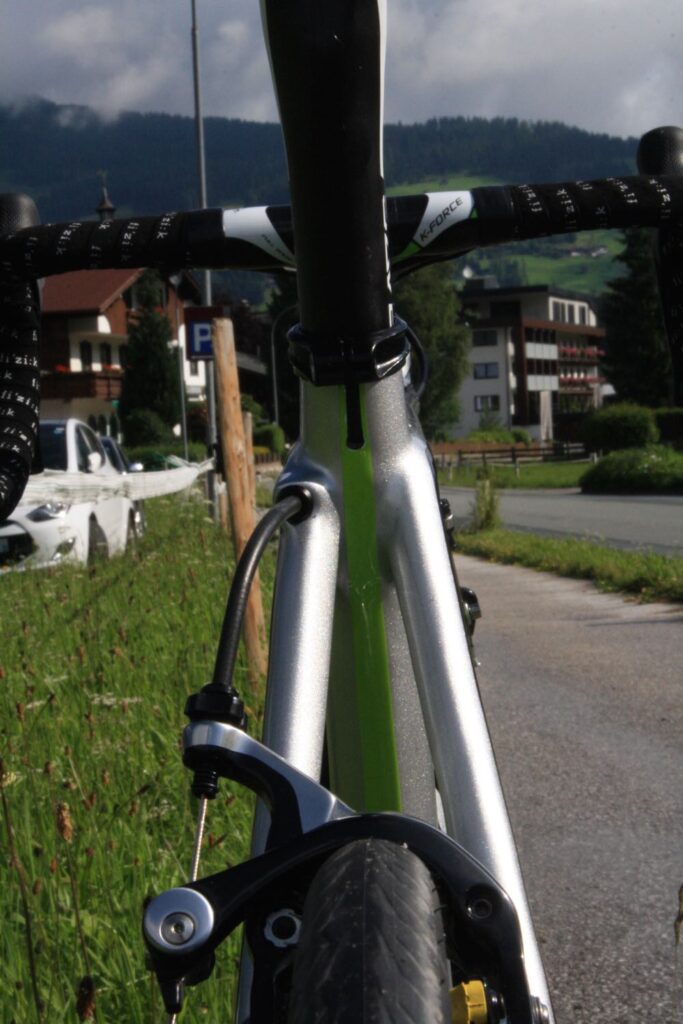
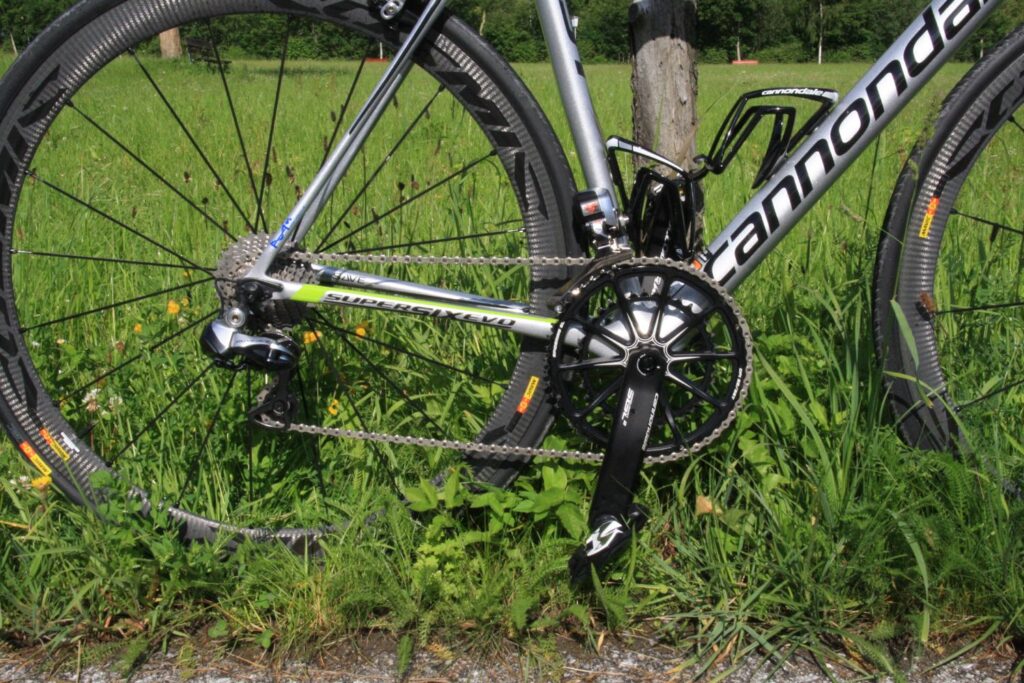
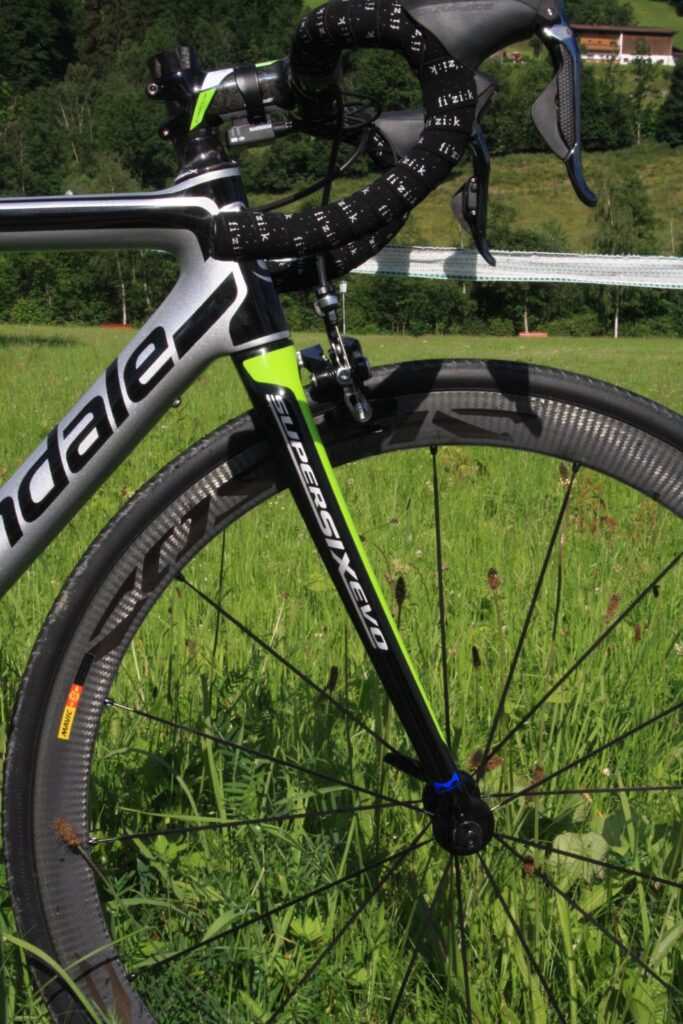
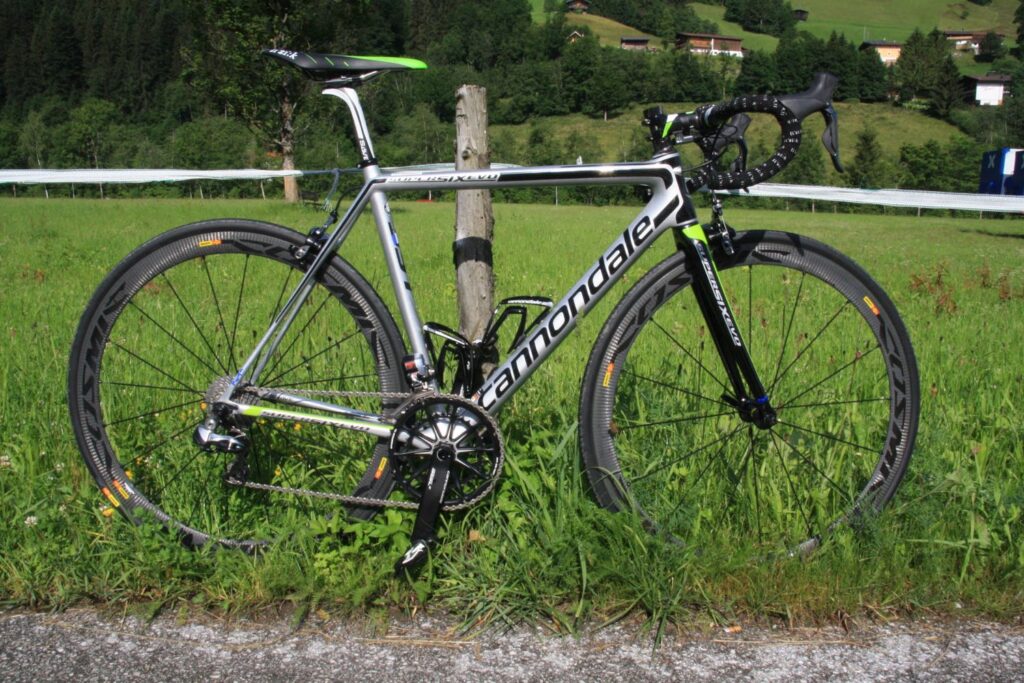
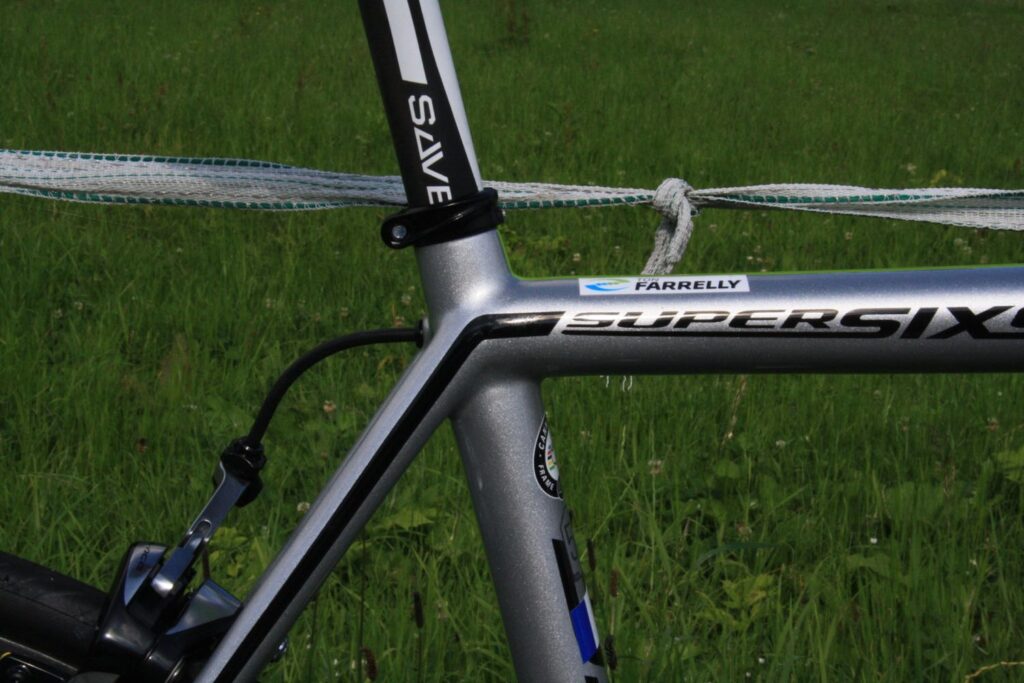
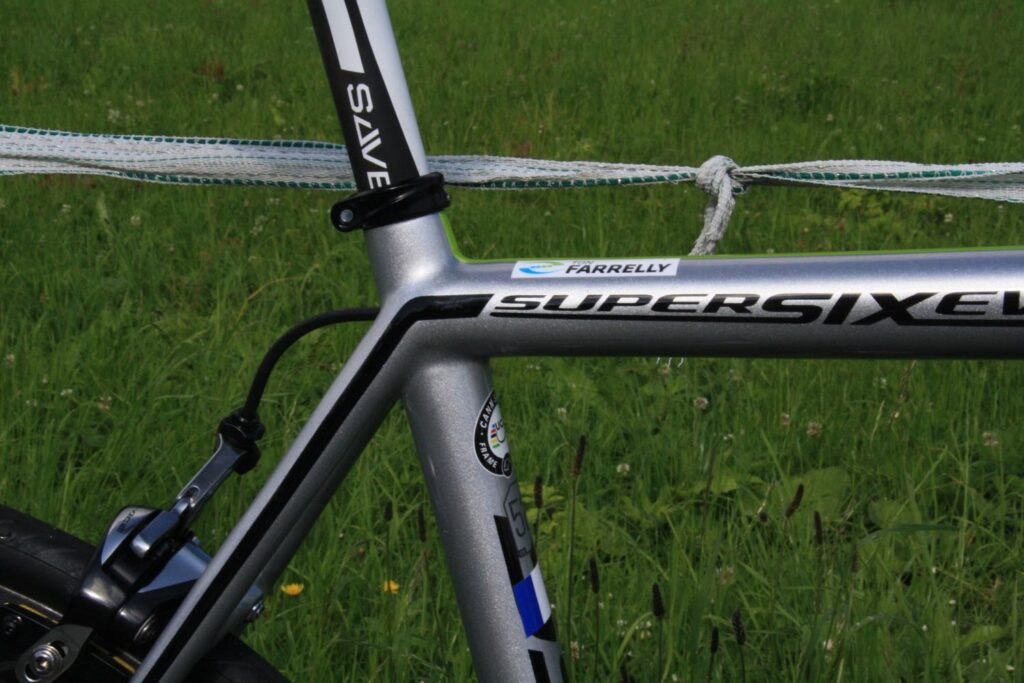
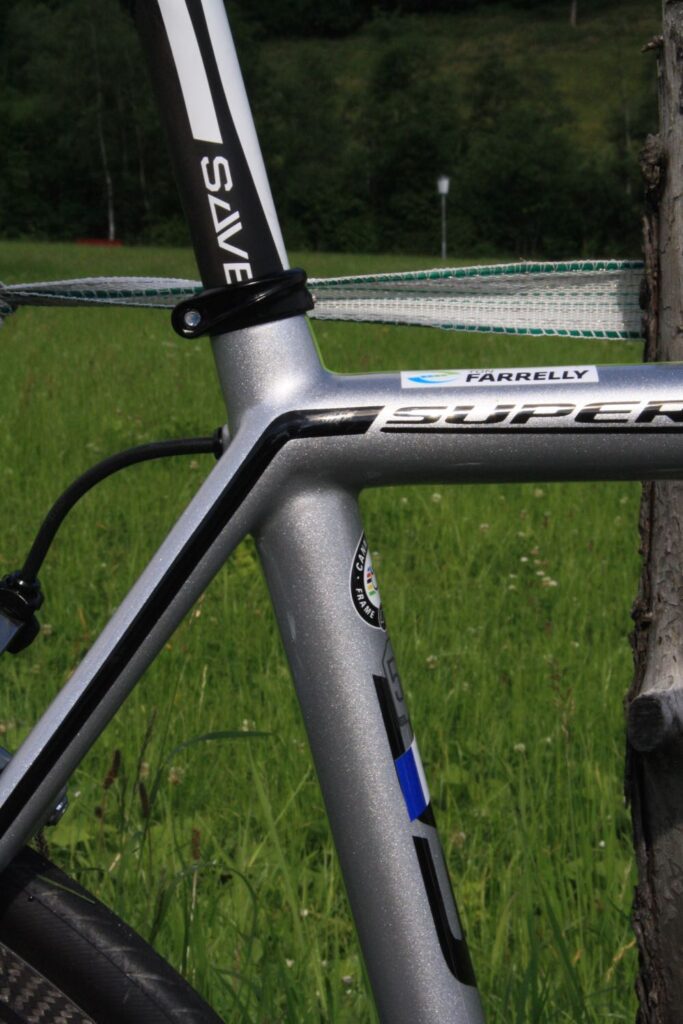
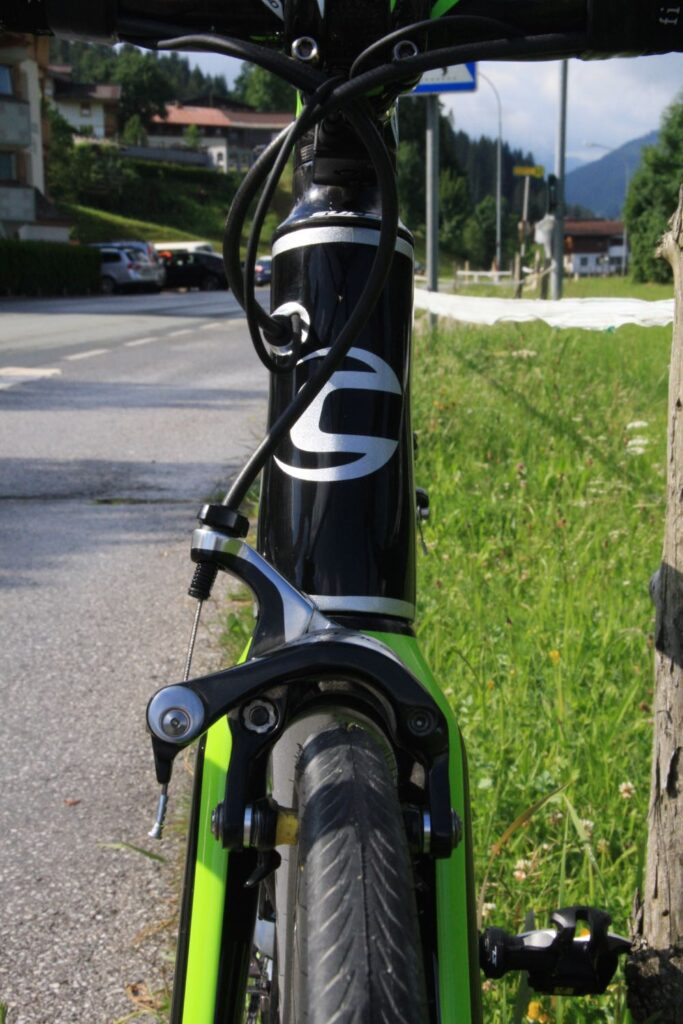
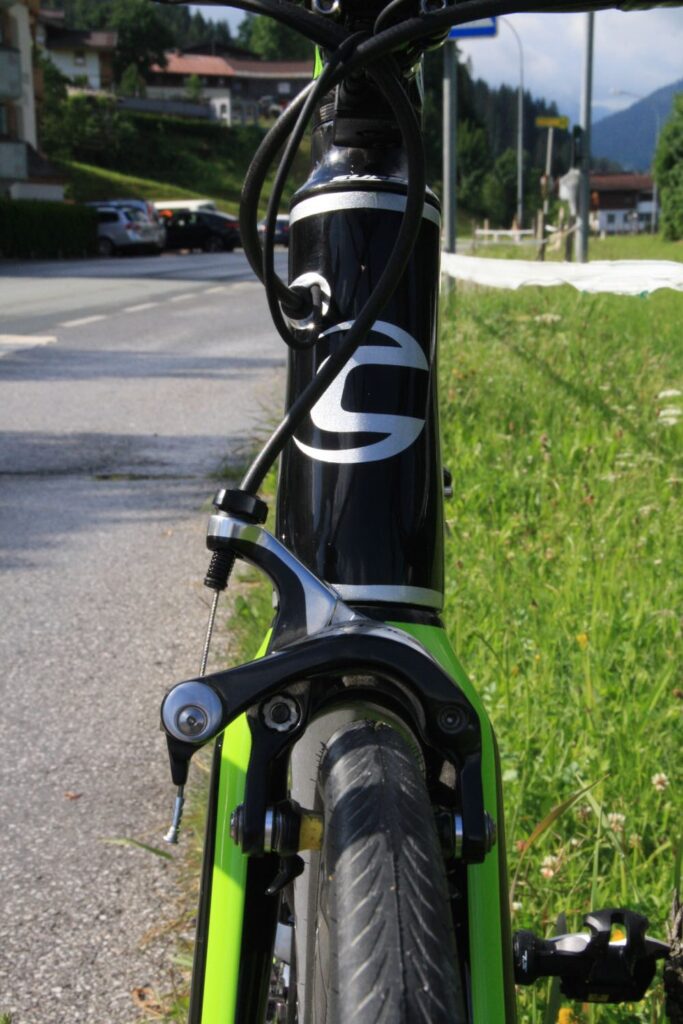
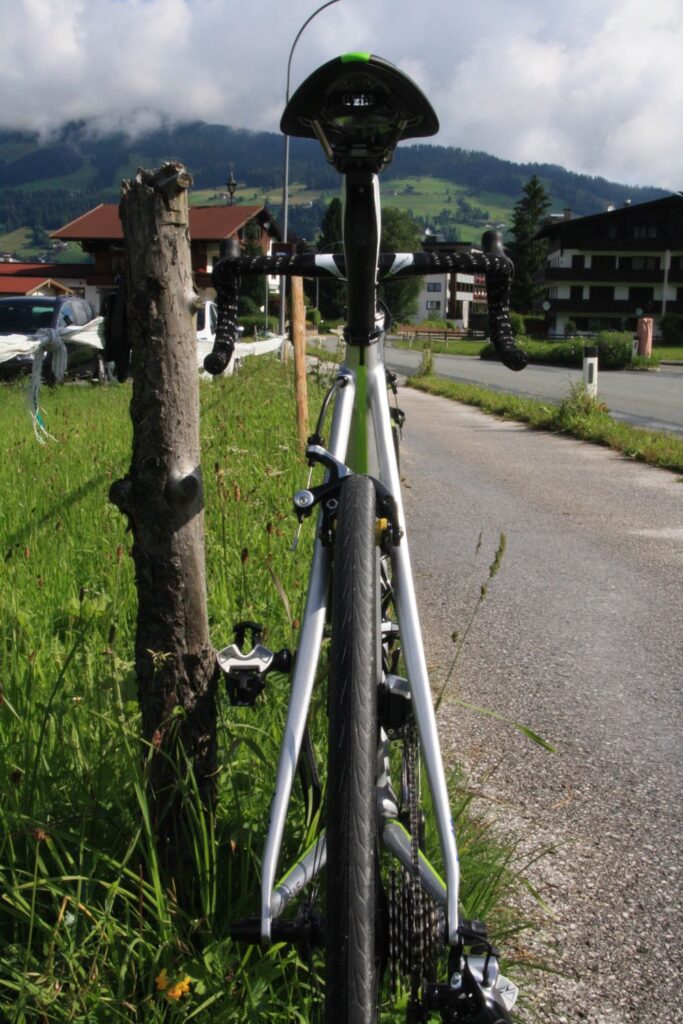
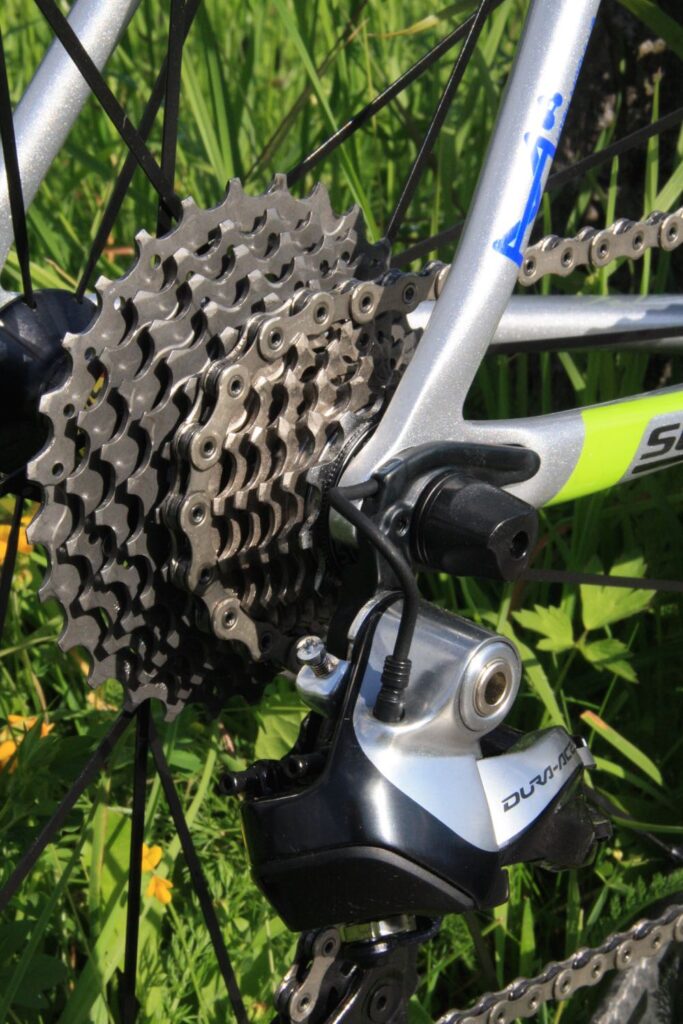
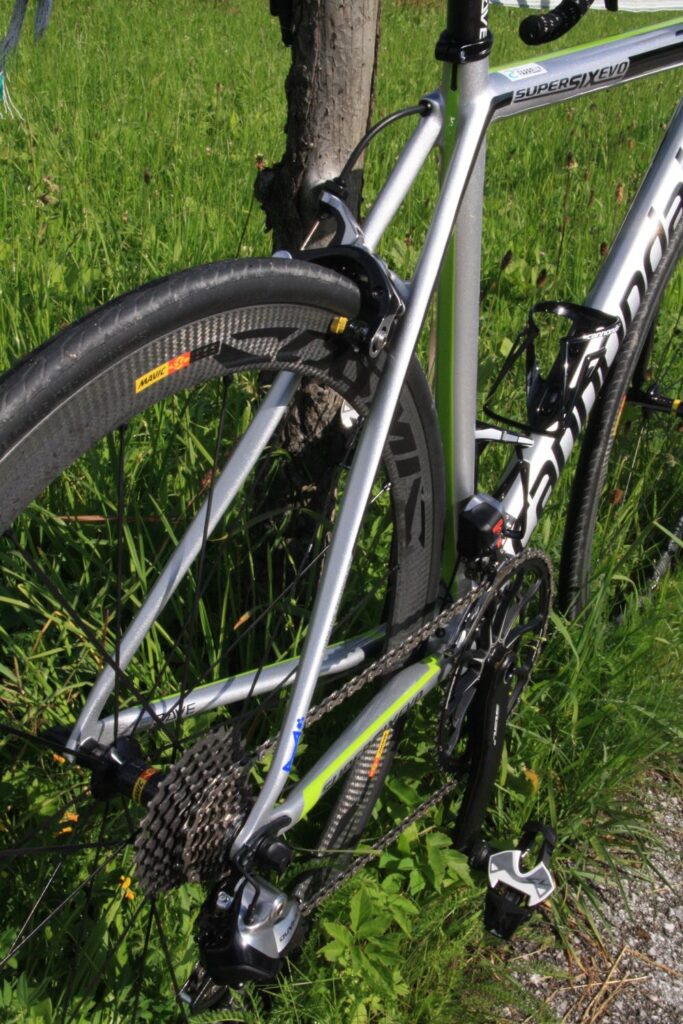
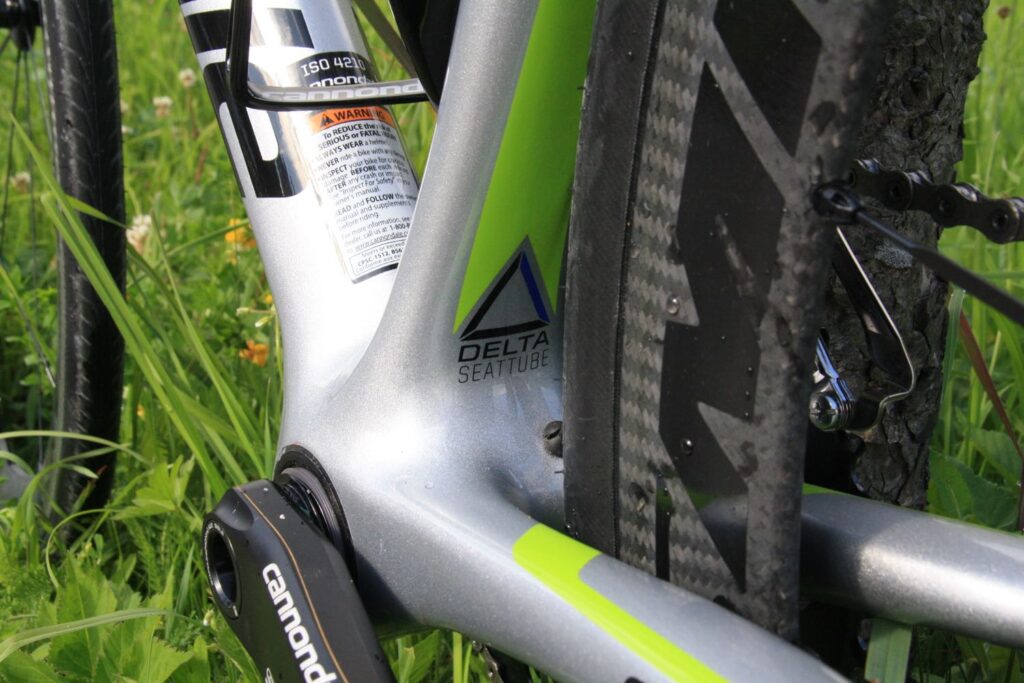
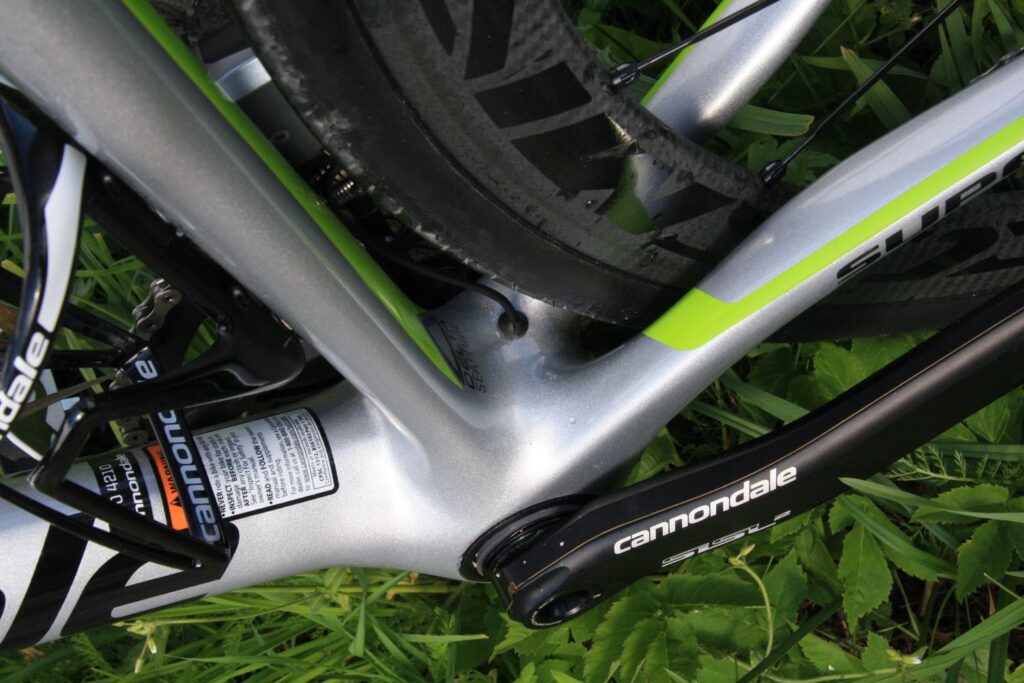
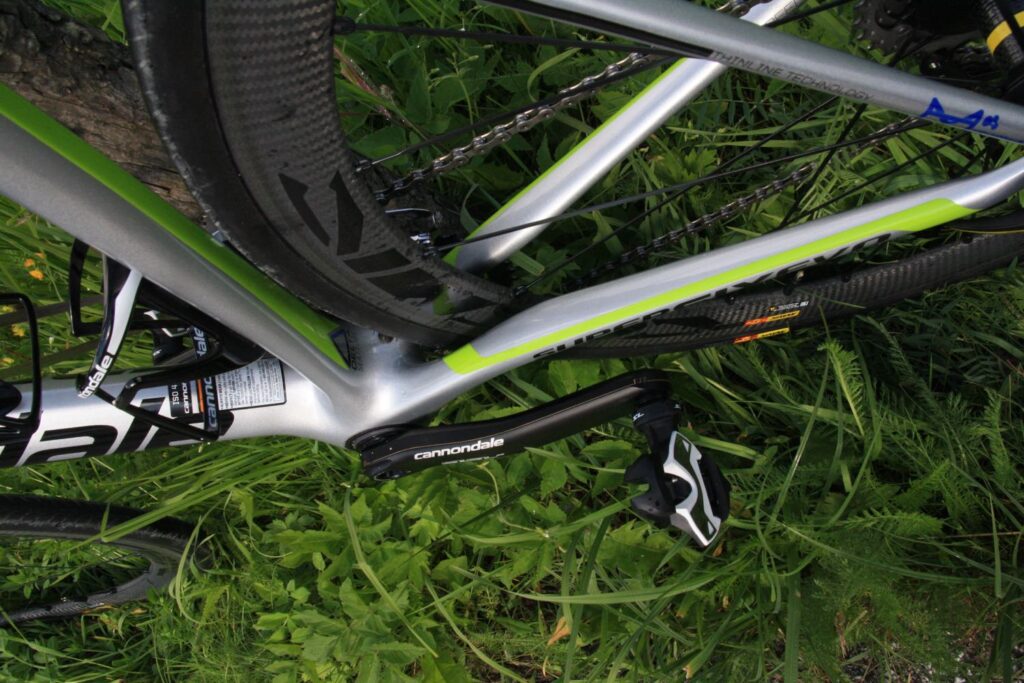
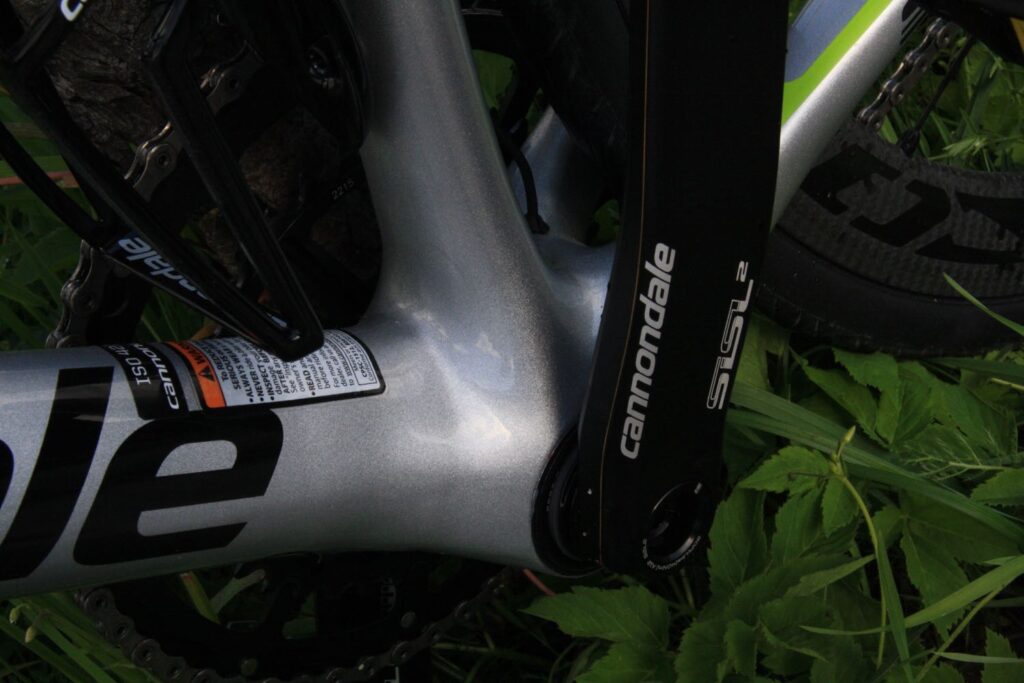
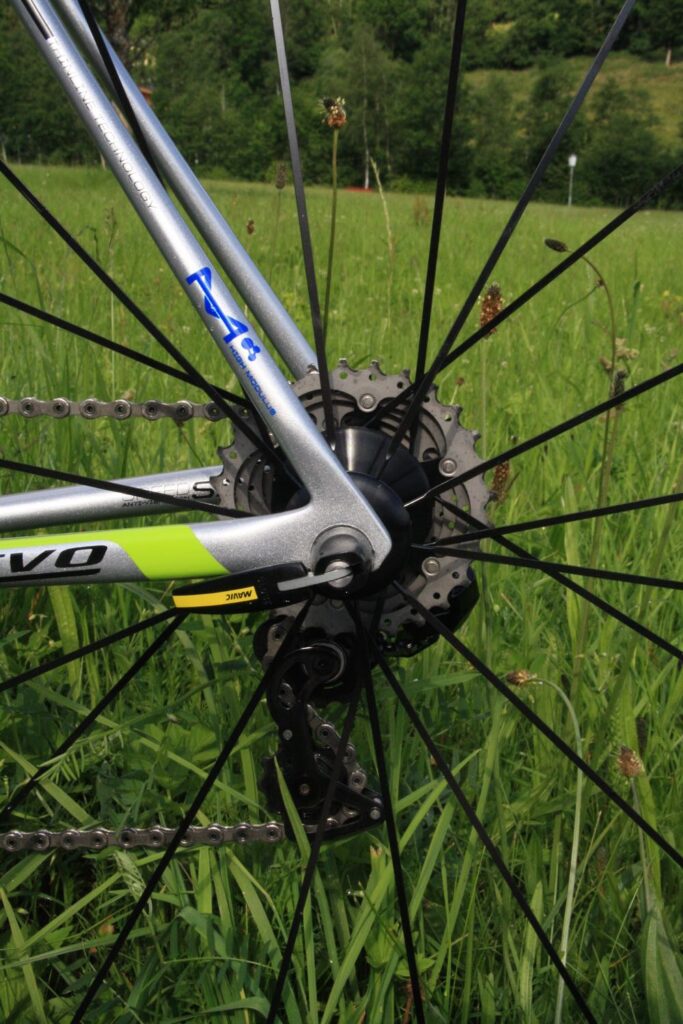
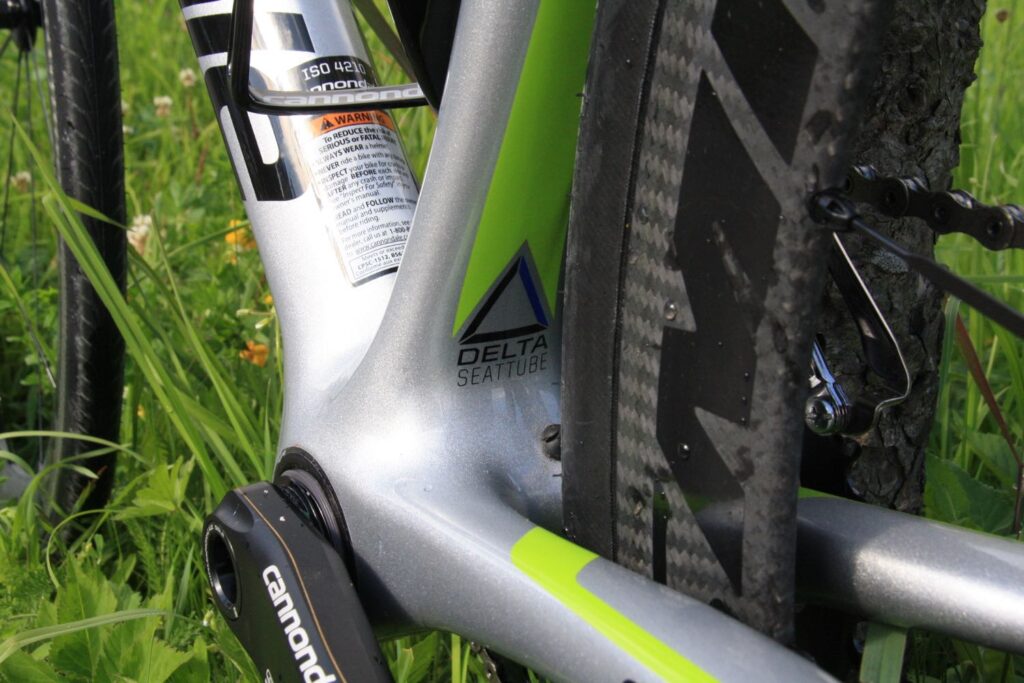
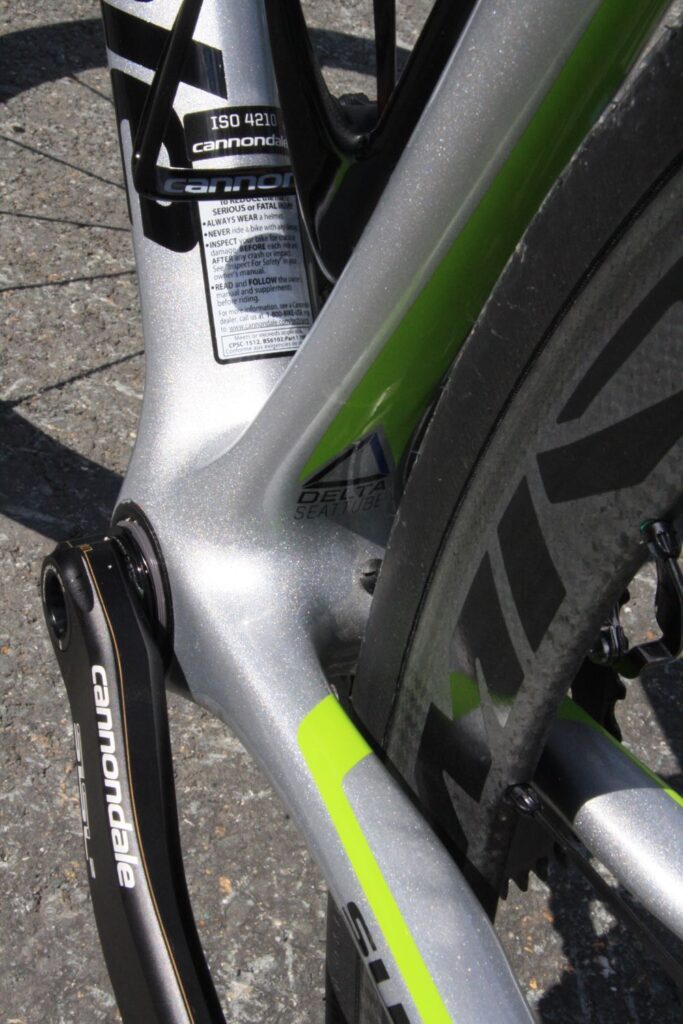
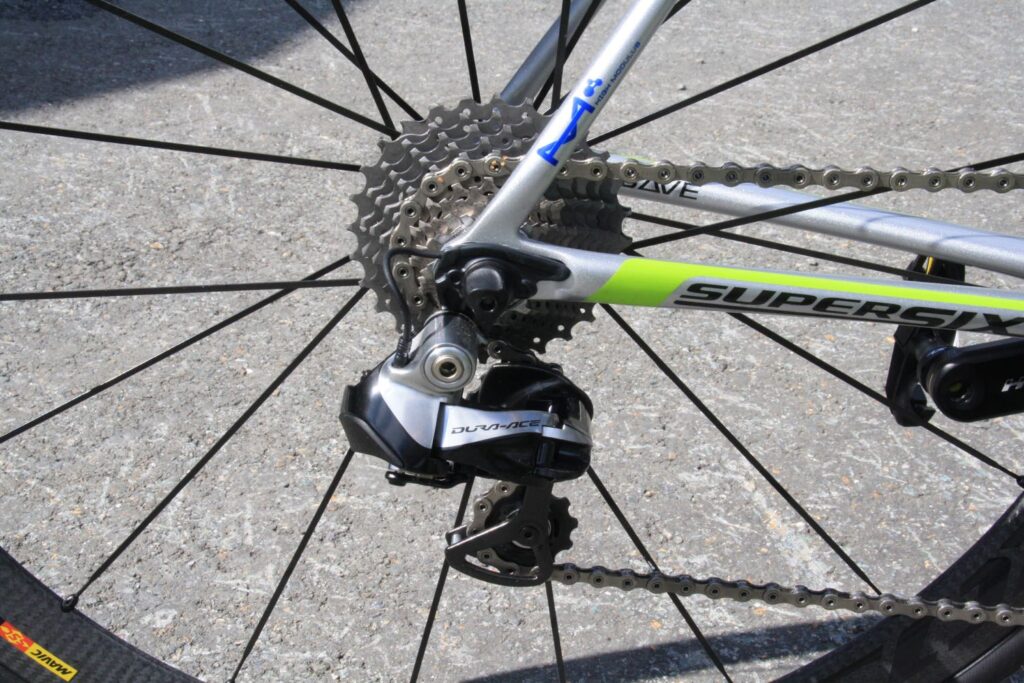
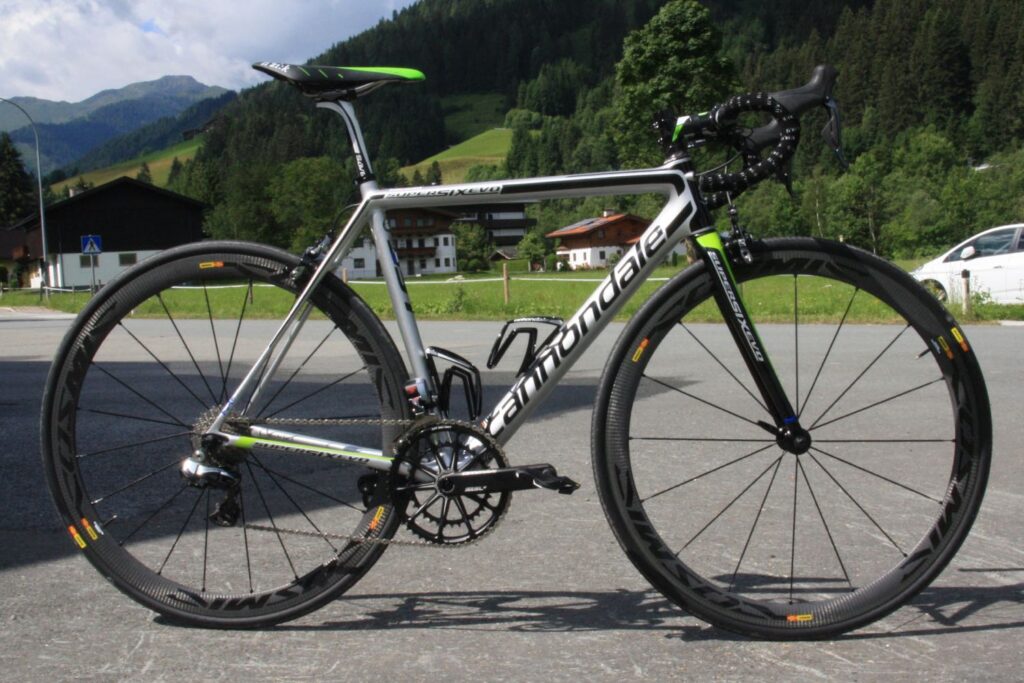

Cannondale has launched a brand new SuperSix Evo, with a complete redesign of the original model first launched in 2011. The Evo has been a very successful bike and won all sorts of races, from stage races to bunch sprints; it's really been a good all-rounder. The new Evo, though, is lighter, stiffer, more compliant and gets some aerodynamic upgrades, according to Cannondale's claims.
The SuperSix Evo has long been a firm road.cc favourite, and one that has aged extremely well. Replacing it was never going to be an easy task, but Cannondale reckons it has managed to improve it while still retaining the core appeal of the Evo.

The US company told us at the worldwide launch in Austria that it sought to create a more balanced bike, and has enhanced front-end compliance while giving it some aerodynamic features, all while not sacrificing the stiffness or weight – the Evo has long been one of the lightest bikes in its class, despite its age.

Cannondale says that other manufacturers have a narrow focus when designing a road bike, which might be stiffness, weight or aerodynamics. Cannondale has aimed to provide a “balance of power" with the new bike, that is stiffer for better power transfer in sprints, smoother for better handling in corners, and more aero for flat stages.

The new Evo is lighter
Weight has always been an Evo trump card. Cannondale has actually slightly increased the frame weight, up to 777g, but the overall system weight (frame, fork, headset, seatpost) has been reduced by 67g, which it reckons is lighter than the main rivals from brands such as Specialized and Trek – the SuperSix Evo is claimed to be 9g lighter than the Emonda system weight.

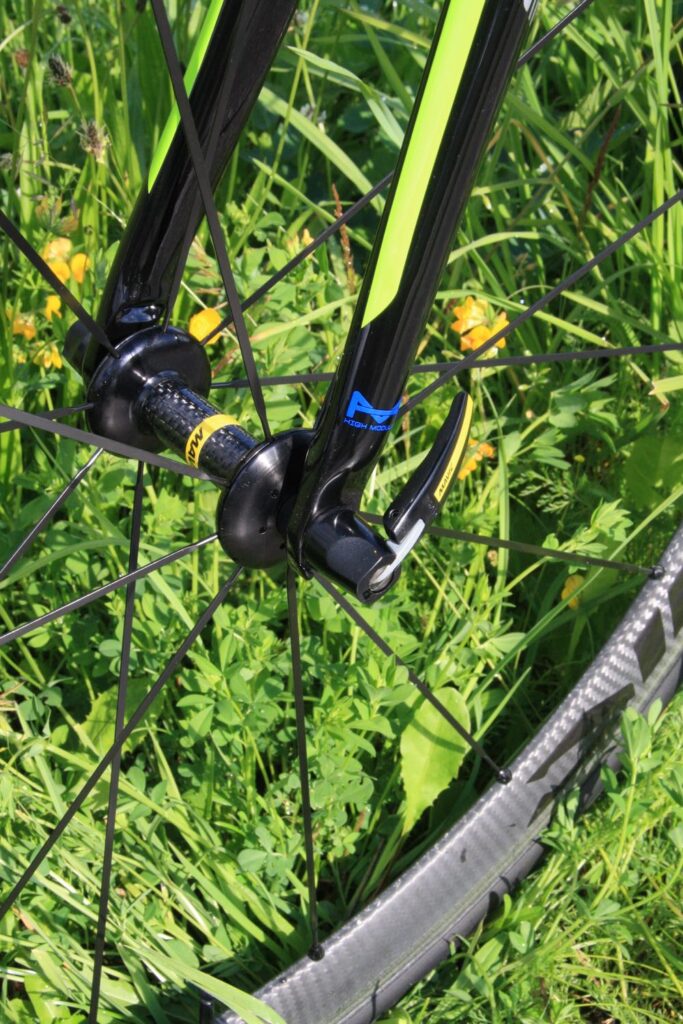
There’s an all-new Speed Save fork which has a one-piece design with an in-moulded carbon fibre crown that reduces the fork weight to 280g, from the 320g previously. The fork blades have a new profile aimed at improving front-end compliance, which Cannondale claims is increased by 21%.

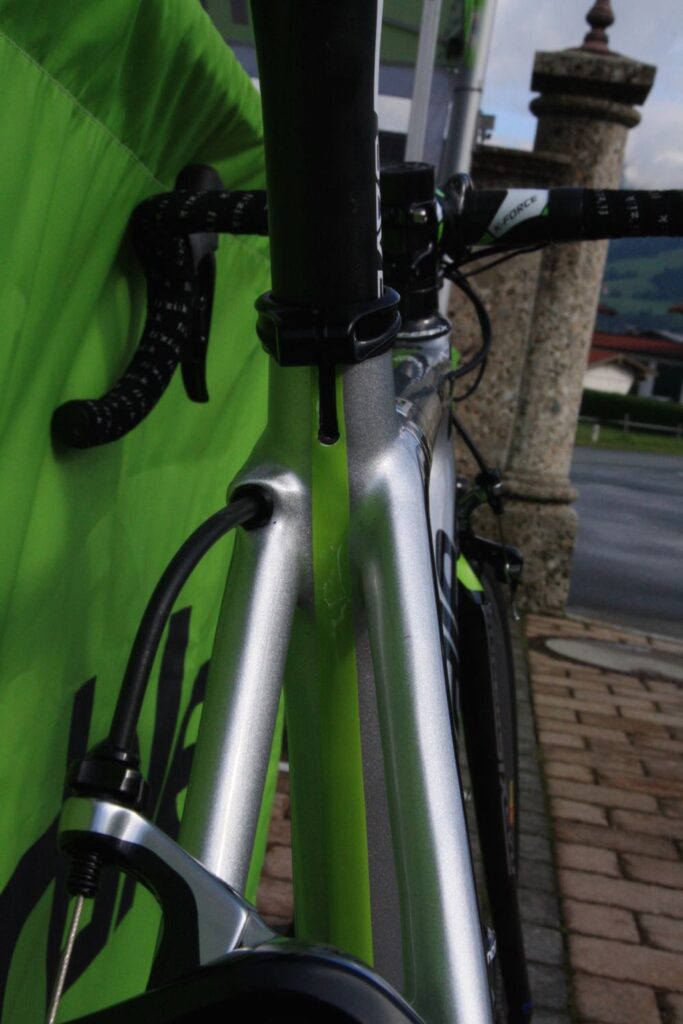
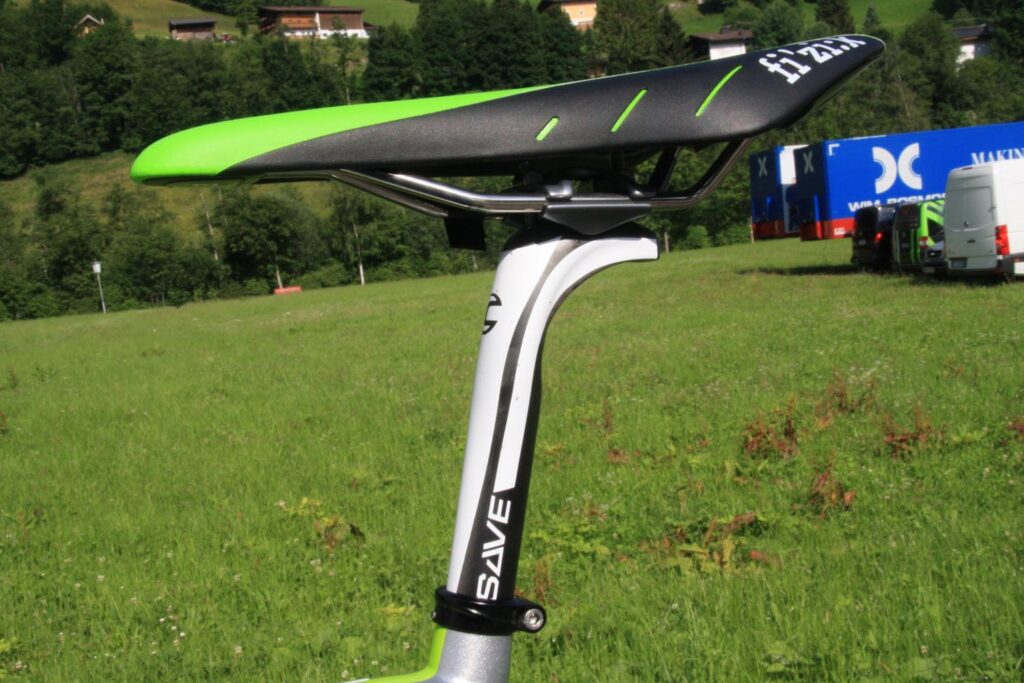
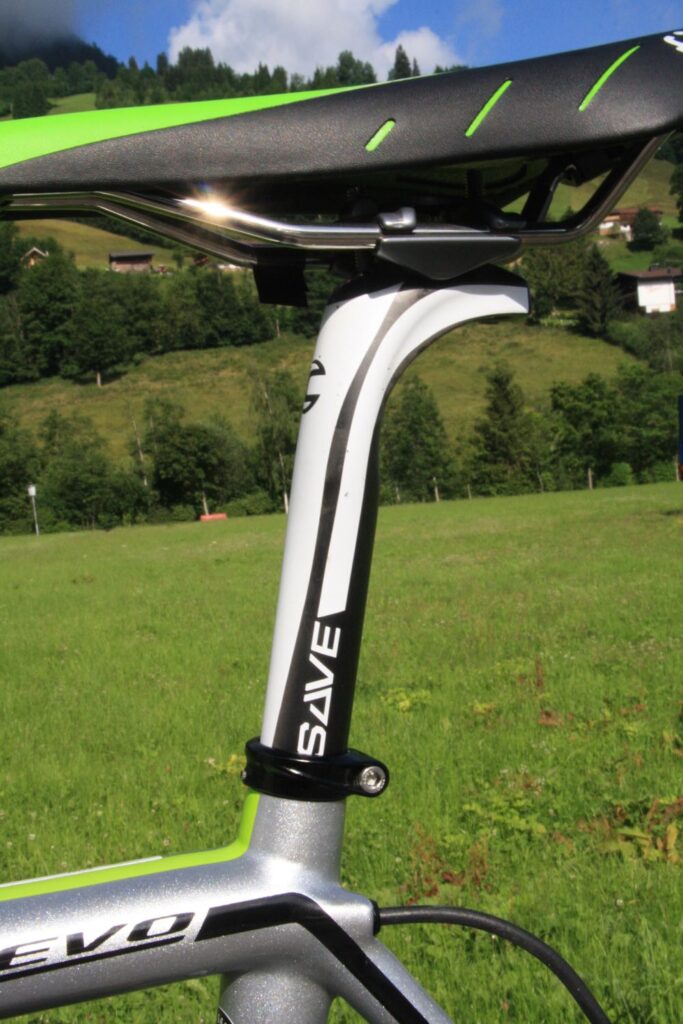
Also saving weight is the 25.4mm seatpost, borrowed from the Synapse, which reduces weight over the previous 27.2mm post. The skinnier post also provides more deflection for a smoother ride, with a claimed 36% more seated comfort.
The new Evo is more aero
Aerodynamics is increasingly informing every aspect of road bike and equipment design, and the Evo is no exception, but Cannondale has clearly been restrained, resisting the temptation to make it a true aero road bike.

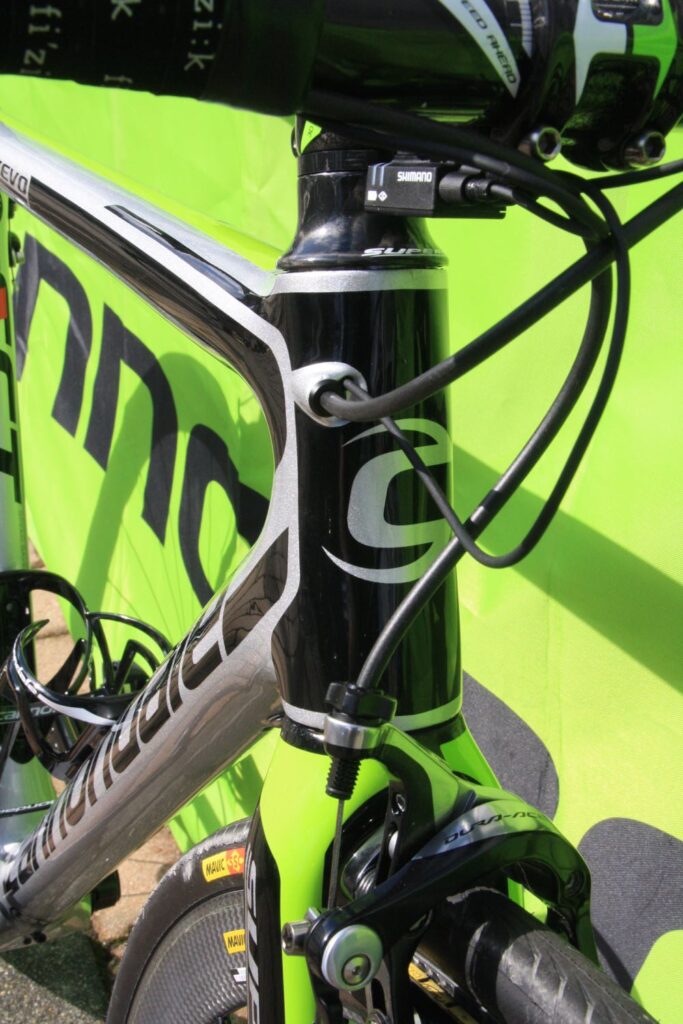
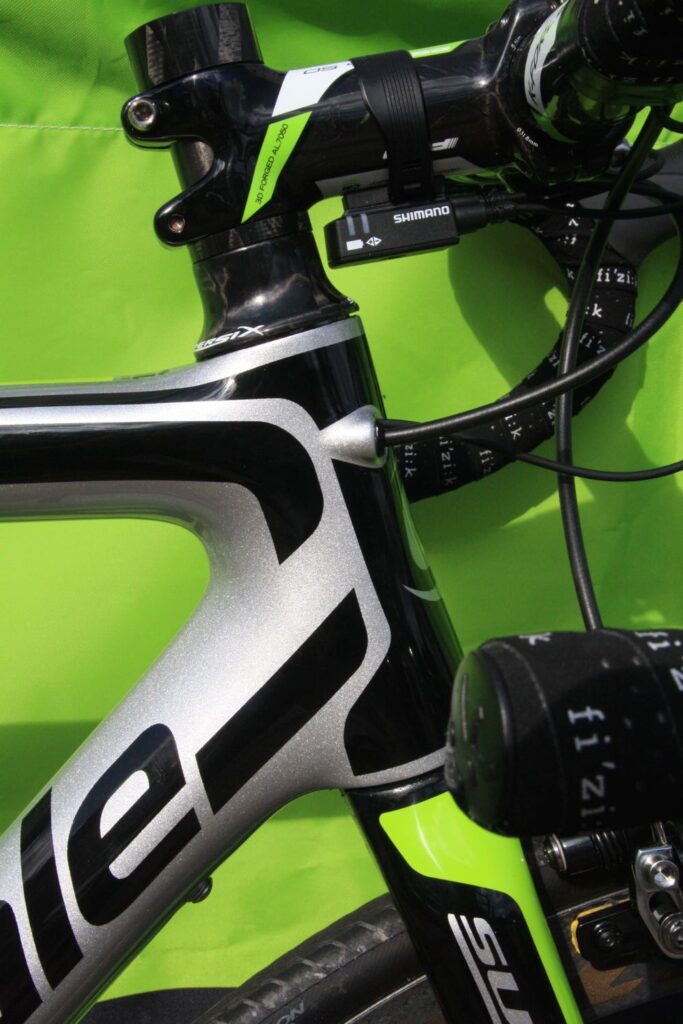
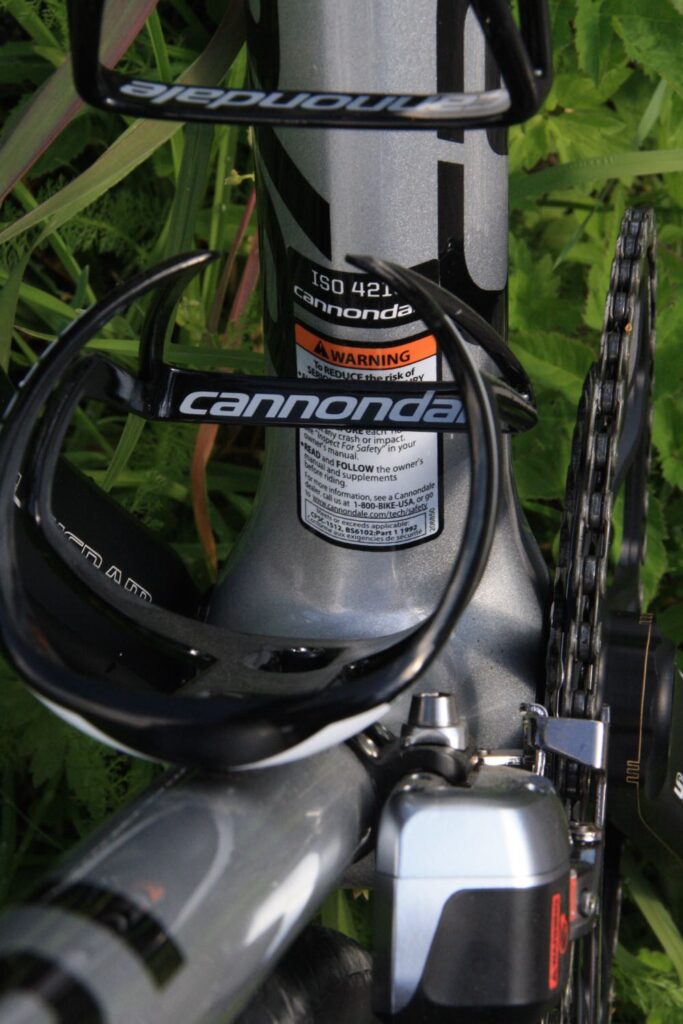
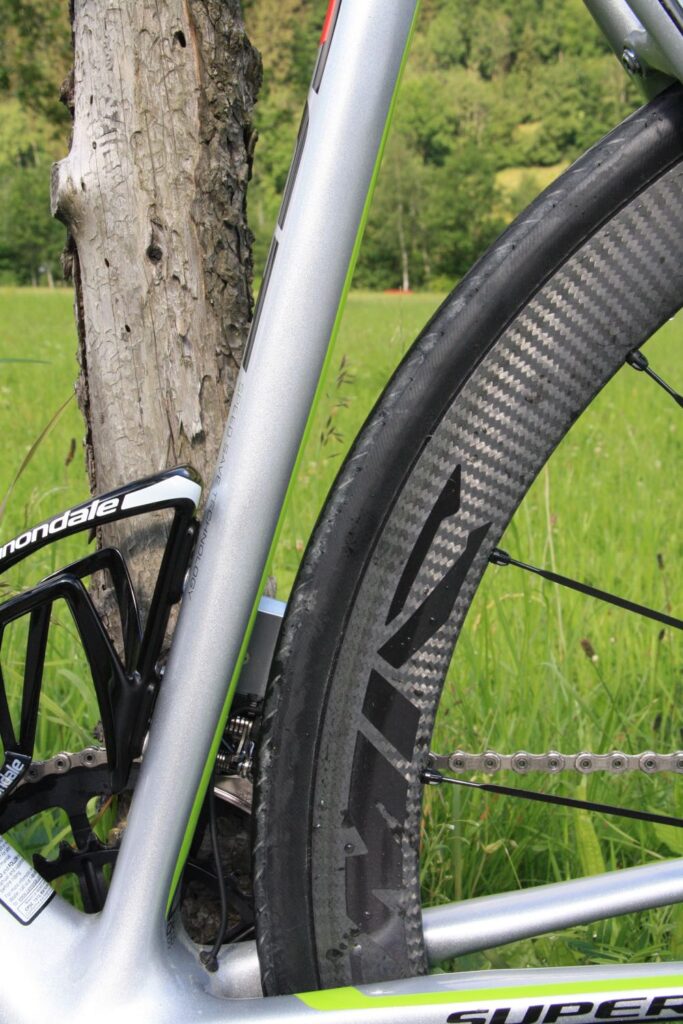
So it's more aero, but it's very subtle. All the main frame tubes have a new Truncated Aero Profile (TAP). The position of the seatpost water bottle has been lowered, a move that contributes to a 6 watt drag reduction at 40km compared with the old Evo. The frontal surface area has been reduced with a narrower hour glass head tube.
The new Evo is stiffer and more compliant
Cannondale uses a similar BallisTec carbon fibre construction as in the previous SuperSix Evo, and uses a base structure of high strength fibres and high impact resins on the new Evo to provide the desired balance of weight, stiffness and compliance.

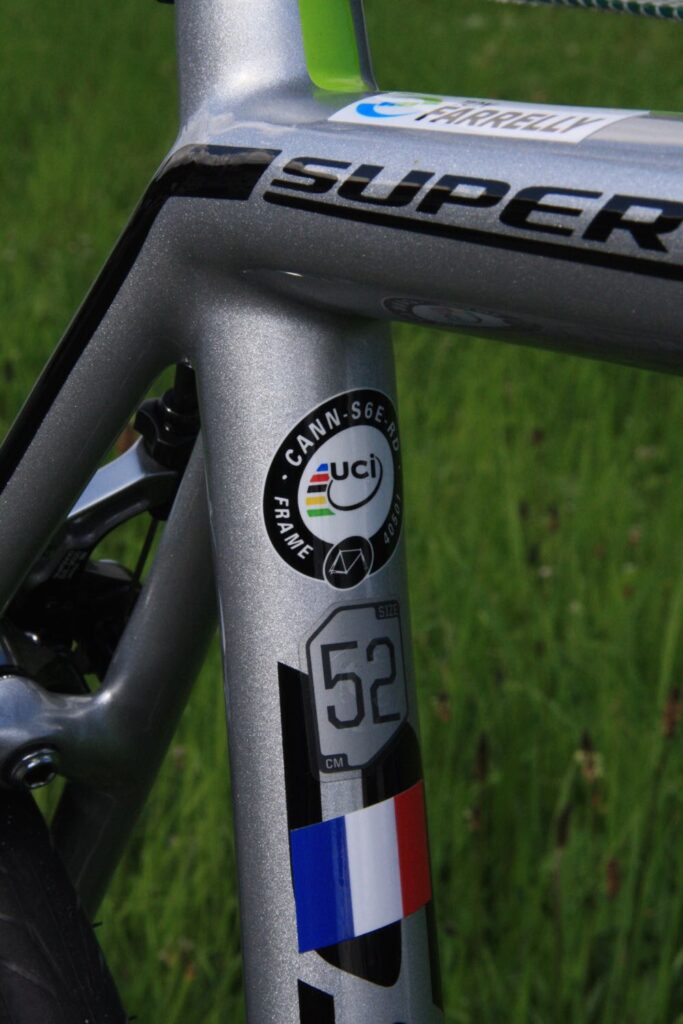
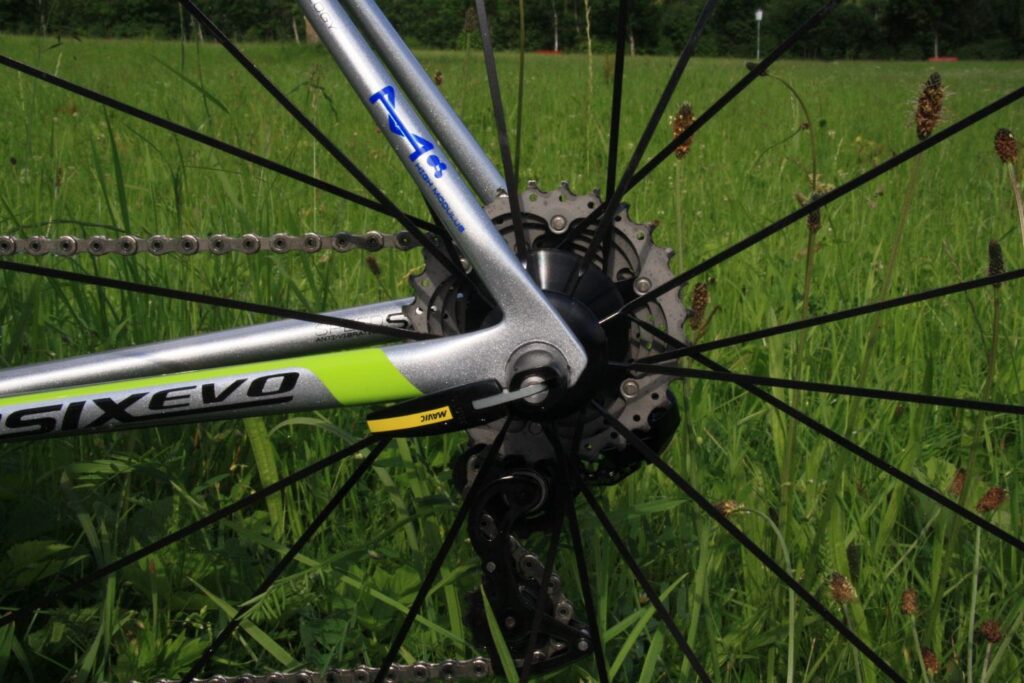
Along with the new full carbon fibre fork to reduce the frameset weight, Cannondale has developed a new one-piece rear stay assembly, with asymmetrically oversized chainstays and a new wider seat tube, made possible because of the use of a wider BB30a 73mm bottom bracket shell, as used on the Synapse.

Cannondale has also revised the layup of the carbon fibre around the bottom bracket, and created a leaf spring effect that provides more vertical deflection. Cannondale claims the bottom bracket is now 11% stiffer. The new head tube provides a 12% stiffness increase as well. Cannondale reckons this is optimum stiffness, any more and it’s too stiff and chattery and will compromise handling.

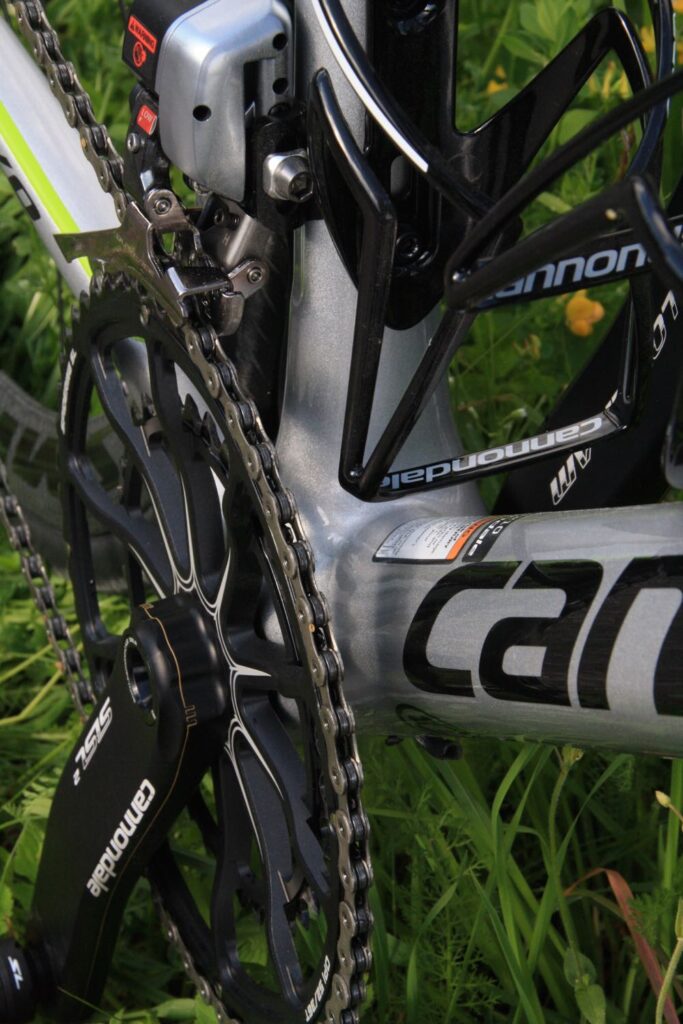
To avoid an increase in the Q-factor (distance between the pedals), Cannondale has developed its own Si chainset to have a narrower design to maintain the same Q-factor as the original bike.
Cannondale continues to use a size-specific construction with the new frame, as it did with the previous model (it just didn’t shout about it loudly enough) that sees tube shapes and wall thicknesses modified according to the frame size.

Oh and one change that will please a lot of people is the improved tyre clearance: the new Evo accepts 28mm tyres.

Five model range

The new SuperSix Evo will be available in five builds. Sitting at the top of the range is the Black Inc model with a Dura-Ace mechanical and Enve 45 rims on Chris King hubs build. It’ll be light, very light, Cannondale claiming 5.8kg (12.79lb). No UK price yet, but in dollars it’s a mighty $12,790.

The SuperSix Evo Hi-Mod Team comes with Shimano Dura-Ace Di2 and Mavic Cosmic Pro Carbon wheels and will weigh a claimed 6.3kg (12.89lb) and costs $10,660.

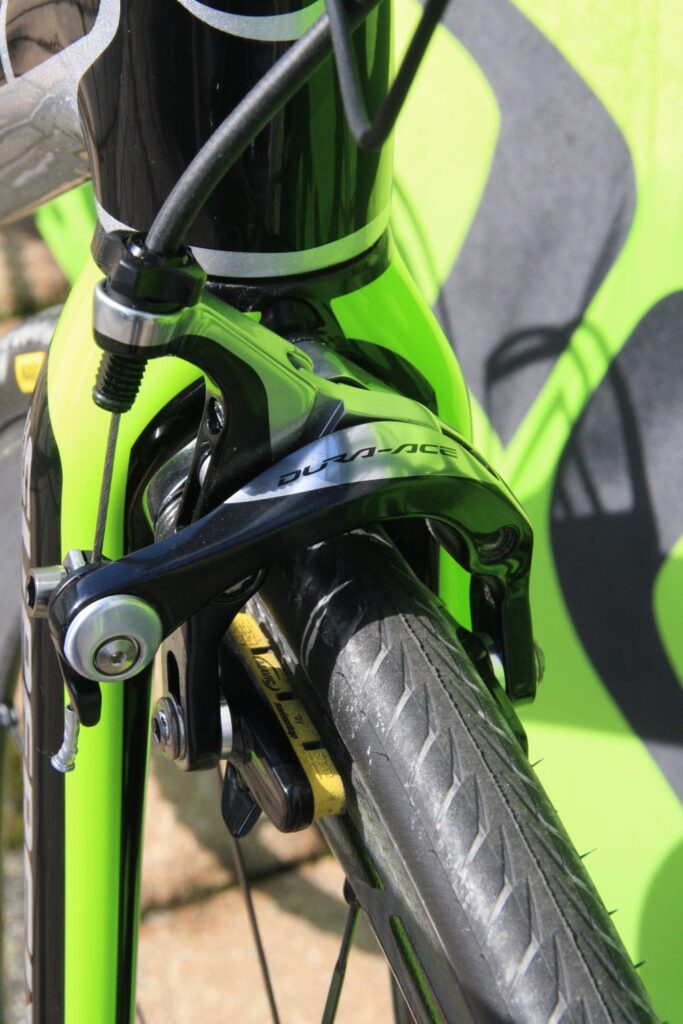
The SuperSix Evo Hi-Mod Dura-Ace 1 is equipped with Shimano Dura-Ace 9000 mechanical and Mavic Ksyrium Pro wheels and Hollowgram SiSL2 chainset. It weighs a claimed 6.58kg (14.51lb) and costs $7,990.

The SuperSix Evo Hi-Mod Dura-Ace 2 gets the same Dura-Ace 9000 mechanical but downgrades the wheels to Mavic Ksyrium Elites with Cannondale’s Hollowgram Si chainset. It weighs in at 6.58kg (14.51lb) and costs $5,330.

Finally, the SuperSix Evo Ultegra gets a Shimano Ultegra 6800 groupset with Mavic Ksyrium wheels and weighs 6.9kg (15.21lb) with a $4,260 price tag.
All models are expected to be available in September. We’ll update with UK prices once we get them.
We'll have more details, prices and first ride impressions on the new SuperSix Evo tomorrow, so be sure to tune back in then for more on Cannondale's latest bike.










37 thoughts on “Cannondale unveils all-new SuperSix Evo road bike + video”
As a Cannondale owner, and
As a Cannondale owner, and someone who has Cannondale bikes all over my ‘want list’ ……..
For all the good will in the world, this does does look like Cannondale taking the old bike, giving it a new paint job, and then announcing “Look, New Bike, and its X % stiffer! Y % more complaint Z % more aero U% more comfort.”
It almost seems a pastiche of other ‘new bike press releases’.
Perhaps I should not be so negative. Given how much I love the traditional look of the old Evo, a ‘slightly improved’ new model which looks much the same is probably better to cope with than if Canondale hod gone the full aero on this…
Must be Mad wrote:As a
I guess looking at the bike from a distance it looks the same. But almost every tube shape is new and looks even more refined than the current EVO, especially around the BB juntion. I really like the look of the EVO in general, glad they did not change it, still the most classic looking carbon race bike.
I’m sure Cannondale will release a full aero bike in the future, since they hired Damon Rinard. That bike is probably for 2017/18.
I can assure you the bike is
I can assure you the bike is all new, when you see it in the flesh you will see that even though the silhouettes are similar, nothing on the new bike is shared with the old one. It’s like a 911, an evolution in performance whilst keeping what worked in the predecessor.
It was a real conundrum updating the Evo, there really was’t anything wrong with the old one except it was….old. Therefore sales slow down as ‘the market’ expects a new one. The trick is figuring out what people want verses what you think as a manufacturer is best.
In this case we think this new bike is the best all around race bike out there. If you go too aero (which is the current trend) then you just lose so much comfort which is one of the Evo’s main benefits, you can get off it after 100 miles and not feel battered to death,
Thanks for the comments, good to read the feedback and I’m sure a disc version might appear later in the year when the UCI are ready to do some test races.
I wasn’t expecting anything
I wasn’t expecting anything drastic but I know what you mean. However, I think I prefer it that a company is making small thought out adjustments and really fine tuning something that’s already good rather than bringing out a new version of something that doesn’t resemble the previous model very much.
WTF is that chainset.
WTF is that chainset.
vonhelmet wrote:WTF is that
Looks like a fairly bog standard Cannondale Si/SiSL chainset.
Takes 28mm tyres. But can you
Takes 28mm tyres. But can you take the wheel out and put it in again without deflating the tyre (like I have to do with 25mm tyres 😀 D:)
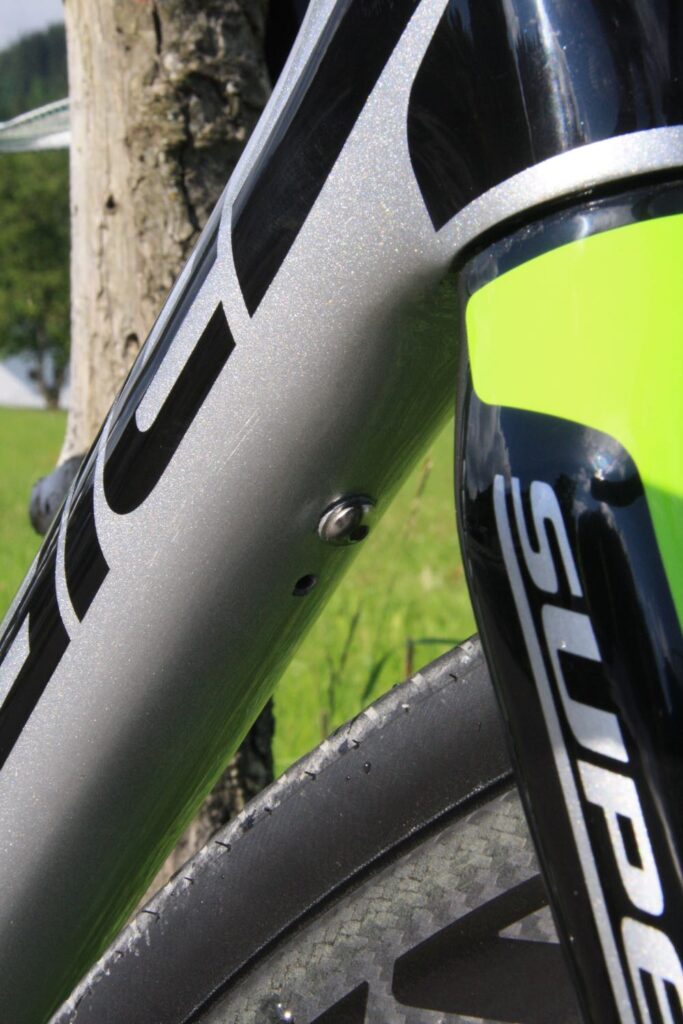
What’s the little rivet under
What’s the little rivet under the down tube near the head tube?
And I think I’ll stick with my old one rather than have to reach to my feet to get a bottle out.
DrJDog wrote:What’s the
Bottle bosses look to be in usual place (relative to the front mech) so I think the shape of the cages are giving a slight optical illussion.
That is for the cable stop
That is for the cable stop hanger if you want to convert the bike to cable gears. Unlike the old frame, the new one can be run with Di2 or cable with this removable hanger. It also places the cables (if you have them) very close and centre to the frame so they are nicely hidden.
As a Supersix (non Evo) owner
As a Supersix (non Evo) owner I like that it’s a traditional bike shape rather than having bizarre over exaggerated tubes. It also looks lighter and more compliant than my bike, although I think that seat cluster is awkward.
And as for aero, Canyon say 12.5W saving for the new CF SLX, rather less than Sportful can save you with a jersey apparently, so perhaps not the massive priority marketing departments would have us believe.
But why write Canondale all over it as often and in as large letters as possible? A thing of subtle beauty it ain’t. Graphic design seems to be a lost art at the big C.
Waiting for the disc
Waiting for the disc version…
rnarito wrote:Waiting for the
This round of pre Tour bike launches does feel a little like the last hoorah for rim braked road bikes.
If weight and comfort were
If weight and comfort were primary concerns I’m miffed as to why they’ve chosen to stick with more traditional frame geo and not gone for a more compact seat tube.
Alb wrote:If weight and
The longer stays and seat tube allow the rear end to bow more effectively than a compact frame that just relies on the seat post usually for comfort.
We obviously have a great compact frame for those that want it in the Synapse but our Elite race bike have always had more traditional horizontal top tube geometry.
Gossa wrote:Alb wrote:If
It’s like the difference between a soft tail vs suspension seatpost. Really like the EVO approach to making the ride smooth.
I bet rim braked will stay in
I bet rim braked will stay in the peloton. Discs have their time and place, but rims have advantages too (e.g. weight and much less likely to rub).
Paul J wrote:I bet rim braked
Disc brake setup are less likely to rub, due to being mounted on the hub, hence dont suffer from flex issues which occur at the rim of the wheel under cornering or power being applied. Weight difference will be minimal, calipers will weigh approx the same as rim setup, then there is the weight of the disc, this is cancelled out by not needing extra weight on the rim for braking surface.
Quote:Disc brake setup are
Have you used many disc brakes?
simondbarnes wrote:Quote:Disc
Shimano disc brakes rarely rub!
Avid/Sram, Hayes or formula hydraulic brakes, or any single-sided cable calipers (i.e. anything other than TRP Spyre) are close to impossible to stop rubbing completely.
However, if a disc is catching just enough to make a only very slight noise, the effect on momentum is basically nothing.
Oh, and normally if a disc cannot be set-up to run without rubbing, in my experience it’s because the mounts are not aligned correctly, it’s just that Shimano brakes work in a way that leaves the pads further away from the disc when not applied compared to others, and thus are more tolerant of mis-aligned mounts, mud, grit, water, etc.
as @joules1975
commented,
as @joules1975
commented, Shimano hydro discs rarely rub unless:
– setup badly (always position caliper ‘half’ over rotor centre rather than pads over rotor centre; always reset the pads / pistons before aligning the caliper)
– bent rotor (will cause rotor “tinkle” often when sprinting or honking on the drops)
-sticky pistons (can happen after wet winter months or excess use of disc brake cleaner which dries out seals)
Cannondale kept this quiet,
Cannondale kept this quiet, now I know why the previous incarnation was reduced so much when I bought the frameset recently..I don’t regret it though, it’s a great ride.
FFS 36% more comfy
Is love
FFS 36% more comfy =))
Is love to know how they measure that scientifically
jamesxyz wrote:FFS 36% more
Through deflection of arc. The offset is measured wrt to comfort and then scaled as a quantifier out of 100 to get a percentage.
Orginal Evo was already very comfortable so in my view there may be too much added in terms of comfort. Too much comfort in a frame can lead it to being uncomfortable.
Any frame made out of carbon will be quite comfortable for starters. The Evo just adds to it. Now they’ve added even more which I’m dubious about.
dogcc wrote:jamesxyz
The comfort was well noted and reported by journalists this weekend at the launch but like anything in life, try it for yourself and see? Bikes will be available around September.
Happy to
Happy to oblige.
http://www.zedler.de/en/bicycle-testing-technology/
All the numbers are independently verified by the Zedler testing facility in Germany. the 25.4 seat post standard we are using on all the new models (first Synapse, now Evo/CAAD12) makes a significant difference to the comfort level.
It would be nice to see
It would be nice to see proper comparative figures between framesets(even just Cannondales) rather than abstract percentages. That would be honest and informative.
I have just swapped to a CAAD 10 from a SuperSix Evo and have noticed a huge improvement in stability on fast descents, especially on bad surfaces. It would be interesting to know if this was due to the extra 450 grams or better head tube stiffness on the CAAD 10?
Are these Zedler reports available to the public?
simonsays wrote:It would be
Not sure if the Zedler reports are public as they are just providing a service to a customer in this case us but the German magazines use Zedler to do their testing also.
I would agree with the other poster, previous Evo was extremely stable on fast descents, on paper should hold a line better than CAAD10 as it’s more compliant. Possibly there was an issue with your Evo, do you still have it?
It is the Hi Mod, and has
It is the Hi Mod, and has been backwards and forwards to you for warranty work on a failure on the front mech hanger. Still unresolved and have been without race bike all season, hence buying a CAAD 10. Apart from the extra 450grams it honestly feels like a better bike. I just hope nothing goes wrong with it, Cannondale warranty department in the UK are close to useless in my experience!
agreed, at least 17% smoother
agreed, at least 17% smoother and 12% easier and 16% more spin. Utter advertising bollox!
All marketing BS aside I
All marketing BS aside I really like the Hi-Mod Team, it was between a Hi-Mod Team, Nano or a Cipollini RB 0.8k when I renewed my steed…. Cipo won but still love Evo’s. I don’t like aero bikes or bikes with ‘womens’ sloping top tubes, my opinion, and it wouldn’t do for us all to like the same thing now would it?
I don’t know if yours was a
I don’t know if yours was a Hi-mod or plain Evo but my Evo Hi-mod is incredibly stable on fast, bumpy descents.
Anyway it’s good to hear that there is nothing wrong with the old one, it’s all mainly marketing ! I am plenty comfortable enough anyway, on mine.
Anthony.C wrote:I don’t know
What’s all mainly marketing? This is a completely new bike born of engineering and product management, the marketing team (including me) just market a finished product, we don’t have any influence on engineering.
Having owned the previous Evo and ridden this one extensively last week it’s a better bike in every way but I’d have to be competing and looking for those marginal gains to upgrade. For everyday riding the differences are quite subtle unless you are a heavier or more aggressive rider because then you would really notice the extra stiffness around the BB as I did,
Hi-Mod trumps the CAAD10 in
Hi-Mod trumps the CAAD10 in all round stiffness, including head tube stiffness. If you’re going to go Evo get the Hi-Mod version. It’s not exactly cheap but it’s worth it.
More importantly is the geo
More importantly is the geo the same or did Dale increase the headtube height? 15,5 cms for the 56 was decidedly racey in the current “fat dentist” environment. Not that I’m complaining.
Did Hesjedal (sp?) drop from a 58 to a 56 with this frame or was he on a 56 in the Giro?
Simon, very unfair for you to
Simon, very unfair for you to come on here and bad mouth Cannondale after all the communication. I note that you have not responded to my last email I sent you requesting the complete bike back as requested several times so that we can investigate your front mech hanger further? I think the time that our warranty department has spent with you would classify them as very attentive but you have to help us to help you by sending your complete bike back please.
Gossa, is there any word on
Gossa, is there any word on the evo hm frame kit release date? In what form will it take? I think I remember a pic w/seatpost & crankset, that would be a bit expensive as I already have the cranks.